Green Architecture Books
Explore tailored Green Architecture books created by our AI
Many architects dismiss rammed earth as impractical for modern construction, yet this ancient technique is experiencing a renaissance in sustainable design. The challenge isn't whether rammed earth works—it's understanding how to implement it effectively in contemporary projects. This guide bridges that gap by providing practical, evidence-based knowledge for designing and building with rammed earth. You'll discover how to assess soil conditions, design formwork systems, manage compaction processes, and integrate rammed earth with modern building codes and mechanical systems. Learn from real-world case studies that demonstrate successful projects across different climates and scales. Whether you're planning a residential home, commercial building, or institutional project, this book equips you with the technical expertise and design strategies needed to create durable, beautiful, and genuinely sustainable structures that stand the test of time.
Nature's Blueprint
How Biomimicry Transforms Architecture into Sustainable Design
What if the most innovative solutions to your architectural challenges already exist in nature—waiting to be discovered and adapted? Biomimicry in architecture represents a fundamental shift in how we design buildings: instead of imposing human will on the environment, we learn from 3.8 billion years of natural optimization. This book reveals how architects and designers are using biomimetic principles to create buildings that regulate their own temperature, manage water naturally, use materials more efficiently, and integrate seamlessly with their ecosystems. You'll explore the science behind nature's strategies, discover how leading architects have translated these principles into award-winning sustainable buildings, and learn the practical frameworks for applying biomimicry to your own projects. From the self-cooling properties of termite mounds to the structural efficiency of honeycomb patterns, from water-harvesting systems inspired by beetles to facades that breathe like skin, this guide bridges the gap between biological inspiration and architectural innovation. Whether you're designing a new building or retrofitting an existing one, biomimicry offers proven strategies to reduce energy consumption, lower costs, and create spaces that enhance both human and environmental well-being.
Many building occupants experience unexplained headaches, respiratory issues, fatigue, and discomfort that mysteriously disappear when they leave the building. This is Sick Building Syndrome—a widespread problem affecting productivity, health, and well-being in offices, schools, and homes worldwide. The challenge is that SBS often goes undiagnosed because its causes are hidden within building systems and materials. This book provides a comprehensive guide to understanding what causes sick buildings and how sustainable architectural design can prevent it. You'll learn how ventilation systems, material choices, moisture control, and indoor air quality directly impact occupant health. Discover practical strategies for designing and retrofitting buildings that support human wellness while meeting sustainability goals. Whether you're designing new spaces or improving existing ones, this book equips you with the knowledge to create buildings where people thrive. Explore the science behind indoor environmental quality, the economics of healthy buildings, and the certification frameworks that validate performance—all grounded in real-world applications and evidence-based practices.
Green Infrastructure
Building Resilient Communities Through Nature-Based Solutions
What if the solution to urban flooding, air pollution, and environmental degradation was already growing beneath your feet? Green infrastructure represents a fundamental shift in how we design cities and manage land—moving from concrete-dominated landscapes to systems that work with nature. This book explores how green infrastructure integrates ecological principles with practical land use planning to create communities that are more resilient, livable, and sustainable. You'll discover the science behind nature-based solutions, learn how successful projects have transformed neighborhoods and cities, and understand the practical steps needed to implement green infrastructure in your own community. From rain gardens and green roofs to restored wetlands and urban forests, this guide provides both the conceptual framework and actionable strategies for building a greener future. Whether you're a planner, developer, environmental professional, or concerned citizen, you'll gain the knowledge to advocate for and implement solutions that benefit both people and nature.
The Dome Principle
How Nature's Most Efficient Structures Revolutionize Modern Design
Most buildings waste enormous amounts of material and energy because they ignore a fundamental principle that nature perfected over millions of years: the dome. While conventional rectangular structures require massive support systems and consume excessive resources, domes distribute forces elegantly and efficiently. This book reveals how biomimicry—learning from nature's designs—transforms architecture by showing you the science behind nature's dome structures and how to apply these principles to modern buildings. You'll discover why termite mounds maintain perfect temperature without air conditioning, how radiolarian shells achieve maximum strength with minimal material, and what geodesic domes can teach us about sustainable construction. Whether you're an architect, designer, engineer, or simply curious about how nature solves problems, you'll learn practical strategies for creating structures that are stronger, lighter, more efficient, and better suited to our environmental challenges. This book bridges the gap between natural design and human innovation, offering concrete examples and actionable insights for the next generation of sustainable architecture.
Imagine buildings that sway gracefully in the wind like trees, bridges that distribute weight as efficiently as a spider's web, and structures that require less material yet provide greater strength. This is the promise of biomimetic suspension systems—design principles drawn directly from nature's most elegant solutions. This book reveals how the suspension systems found in nature—from the tensile strength of spider silk to the load-bearing architecture of tree canopies—can fundamentally transform how we design and construct our built environment. You'll discover the specific mechanisms organisms use to achieve structural efficiency, learn the physics and mathematics underlying these natural designs, and explore real-world architectural applications that are already reshaping cities and infrastructure. Whether you're an architect seeking innovative design approaches, an engineer looking to optimize structural performance, or a design professional curious about biomimicry, this book provides the knowledge and practical frameworks you need to apply nature's suspension principles to your work. By the end, you'll understand not just how nature suspends and supports, but how to translate these timeless principles into cutting-edge architectural solutions.
Rammed Earth Homes
Building Sustainable, Durable Structures with Ancient Techniques
What if the most sustainable building material for your home has been used successfully for over 10,000 years? Rammed earth construction represents a convergence of ancient wisdom and modern sustainability—a building technique that creates durable, thermally efficient homes while minimizing environmental impact. This book explores the complete story of rammed earth architecture, from its origins in vernacular traditions across continents to its contemporary applications in sustainable design. You'll discover how rammed earth works as a building material, why it performs so well in certain climates, and what it takes to design and construct a rammed earth home that meets modern standards. Whether you're an architect exploring alternative materials, a builder seeking sustainable methods, or a homeowner considering this approach, this guide provides the knowledge needed to understand rammed earth's potential and limitations. Learn the science behind compaction, the economics of construction, and how traditional techniques are being revived and refined for 21st-century building.
Discover how to dramatically reduce your building's energy consumption while improving lighting quality and user experience. This guide walks you through the complete landscape of energy-efficient lighting, from understanding fundamental technologies to implementing sophisticated control systems. You'll learn why LED technology dominates modern applications, how to calculate real energy savings using life cycle cost analysis, and which smart controls deliver the best return on investment. Whether you're retrofitting an existing facility or designing new construction, you'll gain practical frameworks for selecting fixtures, optimizing layouts, and leveraging automation. Real-world case studies show how organizations have cut lighting energy costs by 50-70% while enhancing visual comfort and supporting sustainability commitments. This book combines technical depth with accessible explanations, making it invaluable for engineers, facility managers, sustainability professionals, and anyone responsible for building performance.
The CO2 Factor
Mastering Indoor Air Quality Through Carbon Dioxide Management
Imagine walking into a building where every occupant feels alert, focused, and energized—where the air quality supports peak performance and well-being. This is possible when carbon dioxide levels are properly managed. Whether you're responsible for a single office, a sprawling facility, or designing new buildings, understanding CO2 dynamics is essential to creating healthy indoor environments. This comprehensive guide demystifies carbon dioxide in buildings, from the science of how it accumulates to practical strategies for controlling it. You'll discover how CO2 affects human performance, learn to interpret monitoring data, explore ventilation solutions that balance health and efficiency, and implement systems that keep occupants safe and productive. With real-world examples, troubleshooting guidance, and actionable recommendations, this book equips you with the knowledge to optimize indoor air quality and make informed decisions about your building's respiratory health.
Related books you may like:
What if the colors you choose could completely transform how viewers feel when they look at your painting—before they even understand what they're seeing? Abstract painting isn't about random marks on canvas; it's a sophisticated language of color, composition, and expression that you can learn and master. This book bridges the gap between artistic intuition and technical skill, giving you practical frameworks for making intentional decisions about color harmony, composition balance, and layering techniques. You'll discover how complementary colors create visual tension, how brushstrokes convey emotion, and how spatial depth emerges from thoughtful color and value relationships. Whether you're struggling with muddy color mixing, uncertain about composition balance, or wanting to paint with more confidence and purpose, this guide provides clear, actionable techniques grounded in color theory and composition principles. Through step-by-step explorations of acrylic methods, texture building, and intuitive processes, you'll develop the skills to create dynamic, cohesive abstract works that resonate with viewers and reflect your authentic artistic vision.
Your passion for dance has led you to become a certified Zumba instructor, and now it's time to elevate your choreography skills to the next level. In just 30 days, you'll transform your approach to dance composition, infusing your routines with creativity, musicality, and captivating energy. This comprehensive guide is tailored specifically for new Zumba instructors like you, blending your diverse dance background with cutting-edge choreography techniques. You'll learn to craft engaging warm-ups, design thematic routines, and create cohesive sequences that will keep your students coming back for more. From mastering the art of improvisation to developing your unique choreographic voice, this book will push your boundaries and expand your artistic horizons. You'll discover how to seamlessly integrate various dance styles, incorporate level changes, and create visually stunning formations that will leave your class breathless.
You've been painting with acrylics for a while, but your work still lacks the depth, richness, and professional quality you see in gallery pieces. The paint seems to fight against you, colors turn muddy when mixed, and achieving smooth blends feels impossible. Your brushwork appears amateur, and you struggle to create the textures and effects that would elevate your art from hobby-level to something truly compelling. This comprehensive guide transforms your relationship with acrylic paint through systematic mastery of fundamental and advanced techniques. You'll discover how to control paint consistency, timing, and application methods to achieve exactly the effects you envision. From understanding pigment properties and color mixing principles to mastering complex layering, glazing, and blending techniques, every aspect of acrylic painting becomes clear and achievable. Through detailed explanations, step-by-step processes, and targeted exercises, you'll develop the technical skills that separate amateur work from professional artistry. You'll learn to prepare surfaces properly, select the right brushes and mediums, and apply paint with confidence and precision. Advanced techniques like wet-on-wet blending, glazing, underpainting, and scumbling will become natural extensions of your artistic vocabulary. By the end of this book, you'll possess the technical foundation and artistic confidence to create paintings with depth, luminosity, and professional polish. Your understanding of acrylic paint will be so thorough that you can tackle any subject or style with the assurance that your technique will support your creative vision.
Transform your woodcraft projects from plain wood into stunning, professionally finished pieces. This practical guide teaches you everything you need to paint acrylics with confidence and skill, even if you've never picked up a brush before. You'll master essential brush techniques, learn how to mix colors that pop, and discover how to create realistic wood textures and grain effects that elevate your scroll saw work. Whether you're painting intricate details on small pieces or finishing larger projects, you'll find step-by-step tutorials, daily practice exercises, and proven methods for using traceables and stencils to achieve precision without frustration. This book addresses the specific challenges woodcrafters face—painting on wood surfaces, working with scroll saw designs, and creating finishes that look professionally done. You'll overcome artistic fear through practical techniques and build the creative confidence to express your unique artistic vision in every project you create.
Are you ready to revolutionize the way players experience your games? "Adaptive Horizons: Mastering AI Personalization in Video Game Design" challenges you to rethink the boundaries of artificial intelligence in gaming. This comprehensive guide delves deep into the cutting-edge world of AI personalization, offering you the tools and knowledge to create truly responsive and engaging game environments. You'll explore advanced techniques in player modeling, adaptive storytelling, and dynamic difficulty scaling that will set your games apart in an increasingly competitive industry. From implementing sophisticated behavior trees to designing emotionally intelligent NPCs, this book covers the full spectrum of AI personalization. By the time you finish, you'll have the skills to craft games that not only adapt to individual players but anticipate their needs, creating unforgettable experiences that keep them coming back for more. Don't just make games – create living, breathing worlds that evolve with every player interaction.
Create a Green Architecture Book Tailored to You
Create an AI-crafted book tailored to your goals, interests, and background






Benefits of AI-tailored books
- Read one book, not ten:
- all the Green Architecture knowledge you need, gathered into a single book.
- Save days of learning:
- tell us your goals, choose your topics, and the whole book is built around them.
- Learn effortlessly:
- Green Architecture book written for your specific background and expertise.
- Understand at a glance:
- includes charts, tables, timelines, checklists, decision trees, and more.
- Stay current:
- written the day you order it, not years ago.
- Trust what you read:
- every book is checked for accuracy, with real research when your subject needs it.
Create your unique book in 3 steps
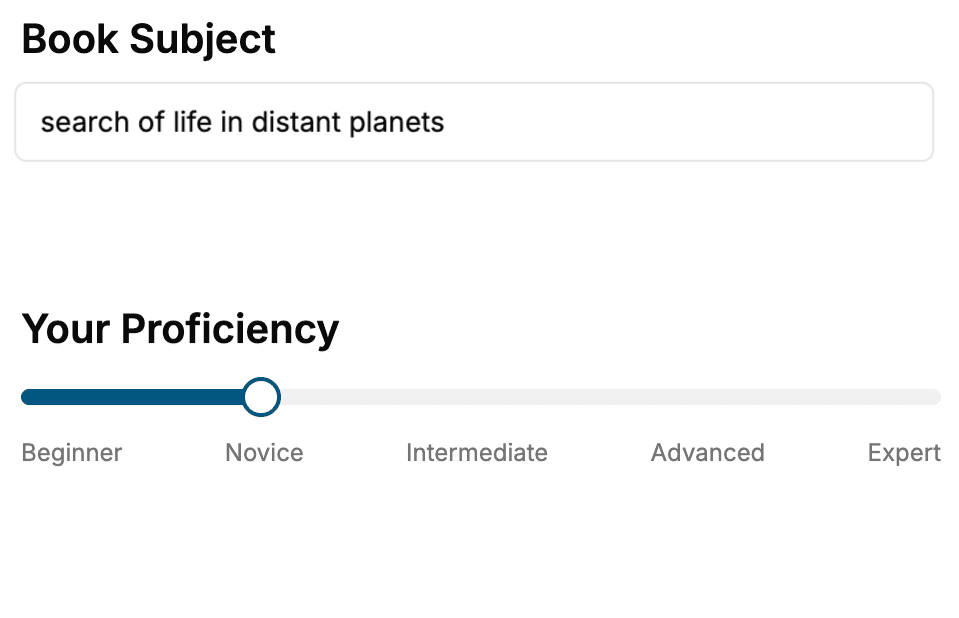
- 1. Select your focus
Select the focus of your Green Architecture book and share your background
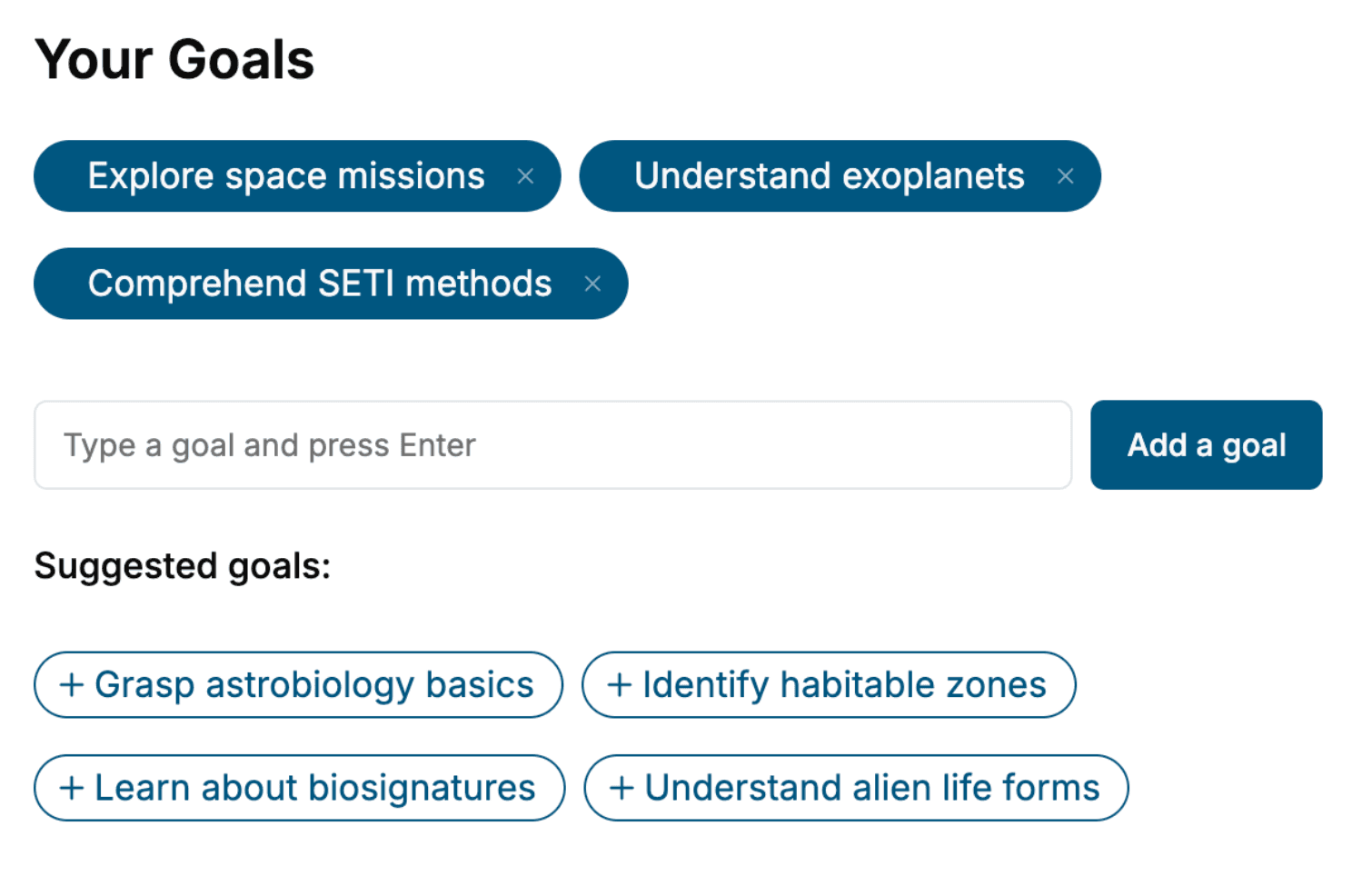
- 2. Personalize your book
Specify your goals and choose sub-topics to include
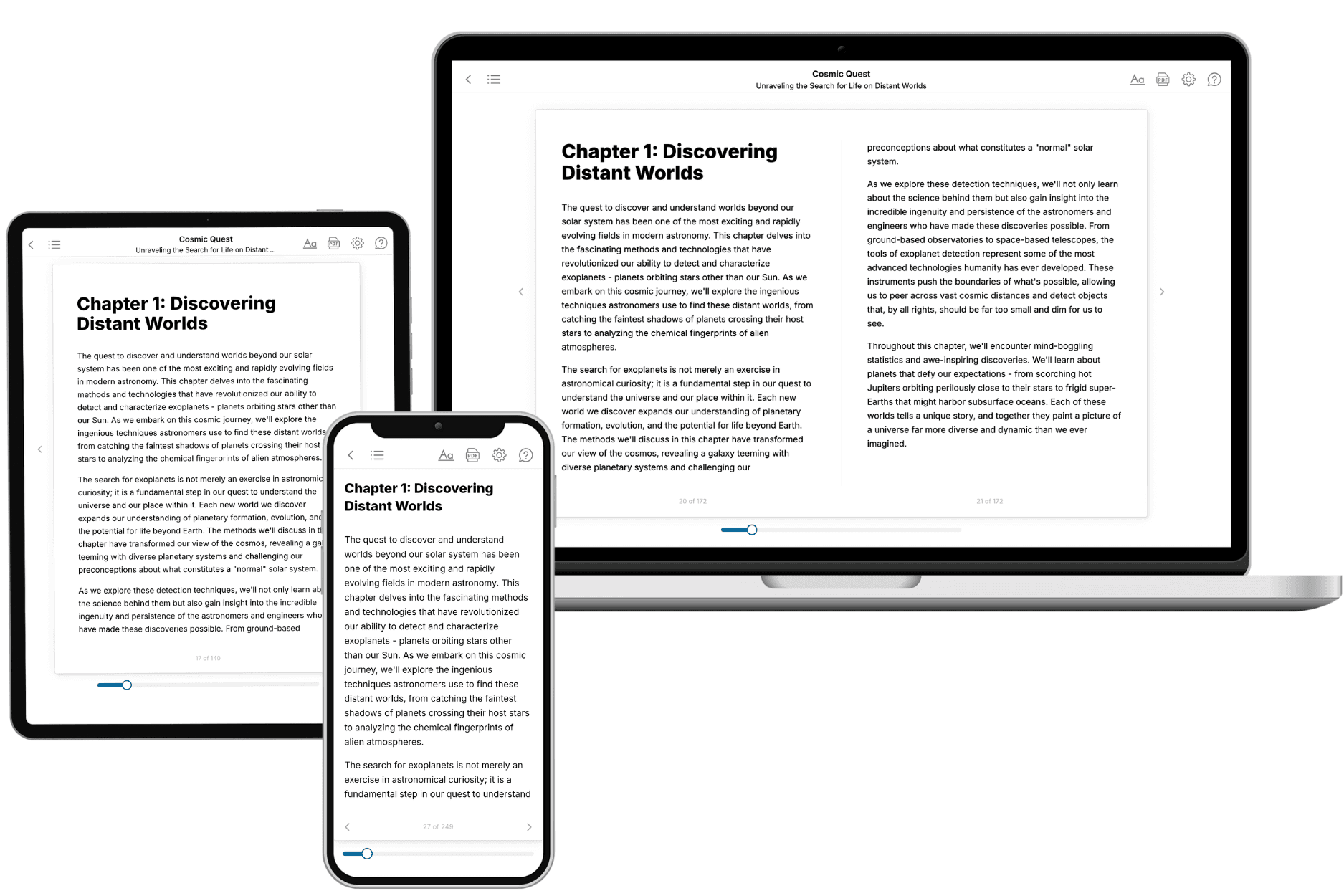
- 3. Get your tailored book
Your book is ready in 10 minutes. Read it online, download as EPUB or PDF, or send to Kindle.
Frequently asked questions
- What is TailoredRead?
TailoredRead creates complete, full-length nonfiction ebooks, written specifically for you. Tell us what you want to learn and why, and TailoredRead writes you a complete ebook on it, with charts, tables, and diagrams throughout. Read it online, on Kindle, or on any e-reader, or download it as a PDF or EPUB. Every book is written fresh the day you order it.
- How is the book tailored to me?
Before anything is written, you answer a few short questions about your goals, your background, and the topics you care about. Your book is then planned around your answers: written at your level, focused on your goals, and covering the topics you chose, instead of the one-size-fits-all book a store sells everyone.
- Will it read like generic AI content?
No. Your book isn't a chat transcript: it's planned chapter by chapter before a single word is written, told in a clear book voice, and explains ideas visually with charts, tables, and diagrams. After writing, every book goes through an editorial pass that polishes chapters so the book reads consistent from start to finish. Judge for yourself: browse thousands of sample books on our Explore Books page.
- How accurate is the content?
Our AI first checks whether your subject needs live research. Niche and fast-moving subjects are researched before writing, and the book plan and chapters are grounded in what it finds. After writing, every book goes through a quality pass that checks its facts and consistency, and researched books list their sources in a Notes section at the back.
- How long is the book?
You choose the length: Comprehensive (250-300 pages), Detailed (150-200 pages), Essential (70-100 pages), or Short (30-50 pages).
- Does the book include visuals?
Yes. Every book includes charts, tables, and diagrams: timelines, checklists, step-by-step guides, decision trees, comparison tables, matrices, and bar charts. A typical book includes dozens of these visual elements.
- Can I read it on Kindle? What formats can I download?
Yes. Every book can be read in our online reader or downloaded as a PDF or EPUB. The EPUB can be opened with Kindle, Apple Books, Kobo, and any e-reader. The Commercial and Author licenses also include an editable Word (DOCX) and Markdown download.
- How much does it cost?
About the price of a regular ebook. The exact price depends on your book's length and complexity, from $2 for the shortest books to $35 for the most comprehensive, and it's shown when you review your book, before you commit to anything. Each book is a one-time purchase, yours to keep, no subscription. Licenses that let you share, teach, or publish your book range from $35.99 to $49.99.
- Can I preview the book before purchasing?
Before you pay, you'll see what your book will cover: the title, a detailed description, the estimated length, and the complete chapter-by-chapter table of contents, so you know what you're getting before you decide. The full text itself is written after you purchase.
- How long does it take to create a book?
About 10 minutes. You can start reading the opening chapters while the rest is still being written.