Head-Smashed-In Buffalo Jump
A Complete Guide to Alberta's Most Iconic Archaeological Site
Many visitors to Alberta pass by Head-Smashed-In Buffalo Jump without fully grasping why this remote cliff holds such profound historical and cultural importance.
191 pages9 chaptersDec 3, 2025Archaeology
About this book
This guide transforms your visit from a simple photo stop into a deep understanding of one of North America's most significant archaeological sites. You'll discover how Indigenous hunters engineered a hunting system that sustained their communities for over 6,000 years, learn the intricate details of buffalo jump methodology, and understand the spiritual and cultural dimensions of this sacred place. Through detailed descriptions of the landscape, the interpretive center's exhibits, and the stories of the Blackfoot Confederacy, you'll gain insight into the ingenuity and resilience of Plains peoples. Whether you're planning a visit or simply curious about Alberta's heritage, this guide provides the context, practical information, and historical perspective needed to truly appreciate Head-Smashed-In Buffalo Jump as more than just a tourist destination—as a testament to Indigenous knowledge and survival.
Table of contents
- IntroductionWhy This Site Matters, What You'll Discover in This Guide, How to Use This BookRead below
- Chapter 1: The Landscape and LocationGeography of the Site, The Cliff and Gathering Basin, The Surrounding Prairie Ecosystem
- Chapter 2: Ancient History and Archaeological Evidence6,000 Years of Continuous Use, Archaeological Discoveries and Dating, Bone Beds and Artifacts
- Chapter 3: The Buffalo Jump Hunting MethodHow the Hunt Worked, Coordination and Strategy, Processing and Utilization of Buffalo
- Chapter 4: The Blackfoot Confederacy and Plains PeoplesThe Blackfoot Confederacy: History and Culture, The Buffalo's Role in Blackfoot Life, Spiritual and Ceremonial Significance
- Chapter 5: The Interpretive Center ExperienceOverview of the Interpretive Center, Key Exhibits and Interactive Displays, Indigenous Voices and Perspectives
- Chapter 6: Planning Your VisitGetting There and Practical Information, Best Time to Visit, Guided Tours and Activities
- Chapter 7: Exploring the Site: A Visitor's JourneyWalking the Grounds and Trails, Viewing the Cliff and Gathering Basin, Photography and Moments of Reflection
- Chapter 8: Preservation and Modern InterpretationConservation and Preservation Efforts, Collaboration with Indigenous Communities, Ongoing Research and Discovery
- Chapter 9: Nearby Attractions and Regional ContextOther Archaeological Sites in the Region, Natural Attractions and Scenic Areas, Cultural Sites and Museums
- ConclusionReflecting on the Site's Significance, Your Role as a Respectful Visitor
- Further Reading and Resources
Introduction
Standing at the edge of the Alberta prairie, where the grasslands meet a dramatic sandstone cliff, you encounter a place that has witnessed human ingenuity for over six millennia. Head-Smashed-In Buffalo Jump is not merely a scenic overlook or a historical curiosity—it represents one of the most sophisticated and enduring hunting systems ever developed by Indigenous peoples in North America. This UNESCO World Heritage Site tells a story that spans thousands of years, connecting ancient hunters to the modern visitors who walk these grounds today. The cliff face, the gathering basin below, and the vast prairie stretching to the horizon form a landscape that was carefully selected and masterfully utilized by generations of Plains peoples who depended on the buffalo for their survival.
For many travelers passing through southern Alberta, Head-Smashed-In Buffalo Jump appears as a single destination on a longer itinerary. Yet this site deserves more than a cursory glance or a quick photo opportunity. The layers of history embedded in this location reveal profound insights into human adaptation, cultural development, and the relationship between people and their environment. The Blackfoot Confederacy and other Plains tribes developed a hunting methodology here that was both highly effective and remarkably sustainable, allowing them to thrive in a challenging environment for thousands of years. Understanding how they accomplished this feat requires looking beyond the physical cliff to comprehend the intricate planning, coordination, and cultural knowledge that made buffalo jumps successful.
This guide exists to transform your experience of Head-Smashed-In Buffalo Jump from a simple tourist stop into a meaningful encounter with one of North America's most significant archaeological and cultural sites. Whether you're planning your first visit, preparing to return with deeper knowledge, or simply exploring Alberta's heritage from afar, the following chapters will provide you with the context, details, and perspectives necessary to truly appreciate what makes this place extraordinary. You'll discover not just what happened here, but why it matters—both historically and in our contemporary understanding of Indigenous knowledge, environmental adaptation, and cultural preservation. The story of Head-Smashed-In Buffalo Jump is ultimately a story about human resilience, ingenuity, and the profound connection between people and place.
Why This Site Matters
Head-Smashed-In Buffalo Jump stands as one of the oldest, largest, and best-preserved buffalo jump sites in North America, with archaeological evidence documenting continuous use for approximately 6,000 years. This extraordinary timeline places the site among the longest-used hunting locations on the continent, demonstrating a level of cultural continuity and environmental knowledge that few other archaeological sites can match. The depth of the bone bed at the base of the cliff—in some areas reaching nearly twelve meters deep—provides tangible evidence of millennia of successful hunts. This accumulation of bones, tools, and other artifacts creates an archaeological record that allows researchers to trace changes in hunting practices, tool technology, and cultural patterns across vast stretches of time.
The site's significance extends far beyond its archaeological value to encompass cultural, educational, and spiritual dimensions that remain relevant today. For the Blackfoot Confederacy—comprising the Siksika, Kainai, and Piikani nations—Head-Smashed-In Buffalo Jump represents a sacred connection to ancestral practices and traditional knowledge systems. The hunting methods employed here were not simply practical techniques but were embedded in complex cultural frameworks that included spiritual preparation, ceremonial practices, and social organization. The buffalo itself held central importance in Plains Indigenous cultures, providing not only food but also materials for shelter, clothing, tools, and ceremonial objects. Understanding this site means recognizing that it was never merely a hunting location but a place where cultural identity, spiritual practice, and physical survival intersected.
In 1981, UNESCO designated Head-Smashed-In Buffalo Jump as a World Heritage Site, recognizing its outstanding universal value to humanity. This designation places it alongside other globally significant cultural and natural sites, acknowledging that the knowledge and practices demonstrated here represent achievements of human ingenuity that transcend regional or national boundaries. The UNESCO recognition specifically highlighted several factors that make the site exceptional:
- The remarkable state of preservation, with the cliff, drive lanes, and gathering basin remaining largely intact
- The extensive archaeological deposits that provide unparalleled insight into prehistoric hunting practices
- The site's demonstration of sophisticated understanding of animal behavior and landscape features
- The continuity of cultural traditions and knowledge maintained by Indigenous communities
The site matters because it challenges common misconceptions about prehistoric peoples and their capabilities. The buffalo jump hunting method required extensive knowledge of buffalo behavior, seasonal patterns, wind direction, and terrain features. Hunters needed to understand how buffalo would react to various stimuli, how to position themselves to guide the herd without causing premature stampedes, and how to coordinate the actions of dozens or even hundreds of people over distances of several kilometers. This level of planning and execution demonstrates cognitive sophistication and organizational capacity that contradicts outdated stereotypes about "primitive" hunting methods. The success of buffalo jumps depended on accumulated knowledge passed down through generations, refined through observation and experience, and adapted to changing environmental conditions.
From an environmental perspective, Head-Smashed-In Buffalo Jump illustrates a sustainable hunting practice that allowed Plains peoples to harvest buffalo for thousands of years without depleting the herds. Unlike the commercial buffalo hunting of the late 19th century that nearly drove the species to extinction, the buffalo jump method was used selectively and seasonally. Indigenous hunters took what they needed and utilized virtually every part of the animals they killed, minimizing waste and maintaining a balanced relationship with the buffalo population. This sustainable approach reflects a worldview that understood humans as part of the ecosystem rather than separate from or dominant over it. Modern conservation efforts and discussions about sustainable resource use can learn from the principles demonstrated at sites like Head-Smashed-In Buffalo Jump.
The site also matters as a place of ongoing cultural significance and education. The interpretive center, opened in 1987, was designed in consultation with Blackfoot elders and community members to ensure that Indigenous perspectives and voices remain central to how the site is presented and understood. This collaborative approach to heritage interpretation represents an important shift in how museums and historic sites engage with Indigenous communities. Rather than treating Indigenous knowledge as historical artifact, the center presents it as living tradition maintained by contemporary Blackfoot people. Educational programs at the site teach visitors about both archaeological findings and traditional knowledge, creating opportunities for cross-cultural understanding and appreciation of Indigenous contributions to human history.
Finally, Head-Smashed-In Buffalo Jump matters because it connects us to fundamental questions about human adaptation, innovation, and survival. How do people develop the knowledge necessary to thrive in challenging environments? How is that knowledge preserved and transmitted across generations? What does it mean to live in sustainable relationship with the natural world? These questions remain relevant today as humanity faces environmental challenges and seeks to understand different ways of relating to the land and its resources. The story told at Head-Smashed-In Buffalo Jump is not just about the past—it offers insights and perspectives that can inform how we think about sustainability, traditional knowledge, and cultural preservation in the present and future.
What You'll Discover in This Guide
This guide is structured to build your understanding of Head-Smashed-In Buffalo Jump layer by layer, beginning with the physical landscape and progressing through history, culture, and practical visitor information. Each chapter focuses on a specific aspect of the site, providing detailed information that will enhance your appreciation whether you're reading before your visit, during your time at the site, or afterward as you reflect on what you've experienced. The organization follows a logical progression that mirrors how many visitors naturally engage with the site—first encountering the dramatic landscape, then learning about its history, understanding the hunting methods, and finally exploring the cultural context that gives the site its deeper meaning.
The opening chapters examine the physical setting that made Head-Smashed-In Buffalo Jump possible. You'll discover why this particular location was chosen and used for thousands of years, learning about the geological features that created the cliff, the topography of the gathering basin, and the prairie ecosystem that supported vast buffalo herds. Understanding the landscape is essential because the hunting method depended entirely on specific geographical features. The cliff needed to be high enough to be effective but positioned where buffalo could be driven to it. The gathering basin below needed to be accessible for processing the harvest. The surrounding prairie needed to provide the drive lanes and grazing areas that made the hunt possible. These chapters will help you see the landscape not just as scenery but as a carefully utilized resource.
Subsequent chapters delve into the archaeological evidence that reveals the site's long history of use. You'll learn about the excavations that have taken place at Head-Smashed-In Buffalo Jump, the dating methods that established its 6,000-year timeline, and the artifacts that provide insights into the lives of the people who hunted here. The bone beds beneath the cliff contain not just buffalo remains but also tools, fire pits, and other evidence of the processing activities that took place after successful hunts. Archaeological research has revealed changes in hunting practices over time, showing how people adapted their methods as conditions changed. This scientific perspective complements traditional knowledge, creating a more complete understanding of the site's history.
A central section of the guide explains in detail how buffalo jump hunts actually worked. This is where you'll discover the sophisticated planning and coordination required to successfully drive buffalo over the cliff. The process involved:
- Identifying and monitoring buffalo herds in the surrounding area
- Selecting the optimal time for a hunt based on season, weather, and herd behavior
- Constructing and maintaining drive lanes marked with stone cairns
- Positioning runners who would gradually guide the herd toward the cliff
- Coordinating the final drive that would cause the buffalo to stampede over the edge
- Processing the harvest efficiently to preserve meat and utilize all parts of the animals
The guide also provides comprehensive information about the Blackfoot Confederacy and other Plains peoples who used buffalo jumps. You'll learn about Blackfoot history, social organization, and the central role that buffalo played in virtually every aspect of their lives. The buffalo provided food, certainly, but also materials for tipis, clothing, tools, ceremonial objects, and trade goods. The animal held spiritual significance and featured prominently in stories, ceremonies, and belief systems. Understanding this cultural context is essential for appreciating why buffalo jumps were so important and why sites like Head-Smashed-In Buffalo Jump continue to hold meaning for Indigenous communities today. This section draws on both historical records and contemporary Indigenous voices to present a respectful and accurate portrayal of Blackfoot culture.
Practical chapters guide you through planning and experiencing your visit to the site. You'll find detailed information about the interpretive center, including descriptions of key exhibits, interactive displays, and educational programs. The guide explains what you can expect to see and do during your visit, from walking the trails that lead to viewpoints overlooking the cliff to exploring the multi-level interpretive center built into the hillside. You'll learn about the best times to visit, how to get there, what facilities are available, and how to make the most of your time at the site. These practical details ensure that you can plan an effective visit that matches your interests and schedule.
Later chapters address the ongoing work of preservation, research, and interpretation at Head-Smashed-In Buffalo Jump. You'll discover how archaeologists, Indigenous communities, and heritage organizations collaborate to protect the site while making it accessible to visitors. The guide explains current conservation challenges, ongoing research projects, and how interpretation practices have evolved to better represent Indigenous perspectives. This information helps you understand that Head-Smashed-In Buffalo Jump is not a static historical site but a living place where research continues, knowledge grows, and cultural connections are maintained and strengthened.
The guide concludes with information about the broader regional context, including other archaeological sites, natural attractions, and cultural institutions in southern Alberta. This helps you understand Head-Smashed-In Buffalo Jump as part of a larger landscape of Indigenous heritage and natural beauty. Whether you're planning an extended trip through the region or simply want to understand how this site fits into the broader picture of Plains Indigenous history, these chapters provide valuable context and suggestions for further exploration. Throughout the guide, you'll find specific examples, detailed descriptions, and practical information designed to enhance your understanding and appreciation of this remarkable place.
How to Use This Book
This guide is designed to be useful at multiple stages of your engagement with Head-Smashed-In Buffalo Jump—before your visit, during your time at the site, and afterward as you reflect on what you've learned. If you're reading this before traveling to Alberta, the guide will help you understand what makes the site significant and what to expect when you arrive. The chapters on landscape, history, and hunting methods provide essential background that will make your visit more meaningful. Reading these sections beforehand means you'll arrive with context that helps you interpret what you see, ask informed questions, and focus your attention on aspects that interest you most. The practical chapters on planning your visit will help you make logistical decisions about timing, transportation, and how much time to allocate for your experience at the site.
If you're reading this guide during your visit, it can serve as a companion to the interpretive center's exhibits and the site itself. The detailed descriptions of the landscape, the hunting process, and the cultural context complement the information provided by the center's displays and any guided tours you might take. You might read the chapter on the buffalo jump hunting method while standing at the cliff edge, helping you visualize the process that unfolded here thousands of times over millennia. The chapter on Blackfoot culture can enhance your understanding of the Indigenous perspectives presented in the interpretive center's exhibits. Consider moving between the guide and the physical site, using each to illuminate the other and deepen your understanding of what you're experiencing.
The guide is organized to be read sequentially, with each chapter building on previous ones, but it's also designed so that individual chapters can stand alone if you want to focus on specific topics. If you're particularly interested in the archaeological evidence, you can go directly to that chapter. If you want to understand the cultural significance before anything else, the chapter on the Blackfoot Confederacy provides that context. The table of contents and chapter structure make it easy to navigate to the information most relevant to your interests or needs at any given moment. Cross-references throughout the guide point you to related information in other chapters when deeper exploration of a topic would be beneficial.
As you read, pay attention to the specific examples and detailed descriptions provided throughout the guide. These concrete details help transform abstract concepts into tangible understanding. For instance, when the guide describes the drive lanes marked with stone cairns, try to visualize how these markers would appear to both the buffalo and the hunters. When you read about the processing of buffalo after a successful hunt, consider the practical challenges of working with such large animals and the efficiency required to preserve meat before spoilage. These specific details make the history more vivid and help you appreciate the knowledge and skill required for buffalo jump hunting.
The guide includes various types of information that serve different purposes:
- Historical and archaeological facts that establish what is known about the site through scientific research
- Cultural information that explains Indigenous perspectives and traditional knowledge
- Practical details about visiting the site, including logistics and what to expect
- Interpretive guidance that helps you understand what you're seeing and why it matters
- Contextual information that connects the site to broader themes in history, archaeology, and culture
When using this guide at the site itself, consider how the physical experience enhances what you're reading. Standing at the cliff edge provides a visceral understanding of the drop that no description can fully convey. Walking the trails around the site helps you appreciate the distances involved in the hunt and the topography that shaped how it unfolded. Viewing the exhibits in the interpretive center while having read about the cultural context allows you to engage more deeply with the artifacts and displays. The combination of reading and direct experience creates a richer understanding than either alone could provide. Take your time at the site, moving between observation, reading, and reflection to fully absorb what you're encountering.
After your visit, the guide can serve as a reference that helps you process and remember what you experienced. The chapters on preservation and ongoing research might be particularly interesting to read after you've seen the site, as they provide context for how the place you visited is being protected and studied. The section on nearby attractions can help you plan future visits to the region or understand how Head-Smashed-In Buffalo Jump fits into the broader landscape of southern Alberta. Returning to the guide after your visit also allows you to explore topics in greater depth than might have been possible while at the site, when your attention was divided between reading, observing, and experiencing.
Throughout the guide, you'll notice an emphasis on respectful engagement with Indigenous history and culture. Head-Smashed-In Buffalo Jump is not simply a historical curiosity or tourist attraction—it's a place of ongoing cultural significance to the Blackfoot Confederacy and other Indigenous peoples. The guide encourages you to approach the site with respect for the people whose ancestors hunted here and whose descendants maintain connections to this place. This means being mindful of how you behave at the site, listening carefully to Indigenous voices in the interpretive center's exhibits, and recognizing that the knowledge presented here comes from both archaeological research and living cultural traditions. Your role as a visitor includes not just learning about the site but also honoring its significance to the communities for whom it remains sacred and meaningful.
Finally, consider this guide as an invitation to deeper engagement with Indigenous history and heritage beyond just this single site. The story of Head-Smashed-In Buffalo Jump opens windows into broader topics: the sophistication of Indigenous knowledge systems, the diversity of Plains cultures, the impact of colonization on Indigenous peoples, and the ongoing work of cultural preservation and revitalization. The further reading section at the end of the guide points you toward additional resources if you want to explore these topics more deeply. Your visit to Head-Smashed-In Buffalo Jump can be the beginning of a longer journey of learning about and appreciating Indigenous contributions to human history and contemporary society. Use this guide not just to understand one site but as a starting point for broader engagement with the rich heritage of Alberta's Indigenous peoples.
This is the end of the free sample. The full book has 9 chapters.
Want this book written for you?
Tell us your goals and background, and get your own version of this book, tailored by AI to you.


Benefits of AI-tailored books
- Read one book, not ten:
- all the Archaeology knowledge you need, gathered into a single book.
- Save days of learning:
- tell us your goals, choose your topics, and the whole book is built around them.
- Learn effortlessly:
- Archaeology book written for your specific background and expertise.
- Understand at a glance:
- includes charts, tables, timelines, checklists, decision trees, and more.
- Stay current:
- written the day you order it, not years ago.
- Trust what you read:
- every book is checked for accuracy, with real research when your subject needs it.
Create your unique book in 3 steps
- 1. Select your focus
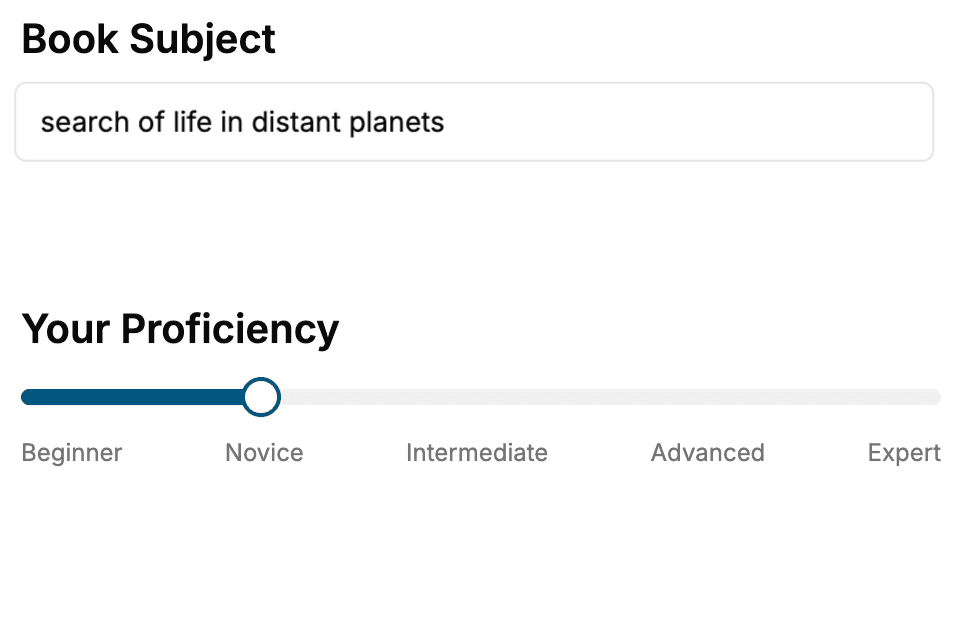
Select the focus of your Archaeology book and share your background
- 2. Personalize your book
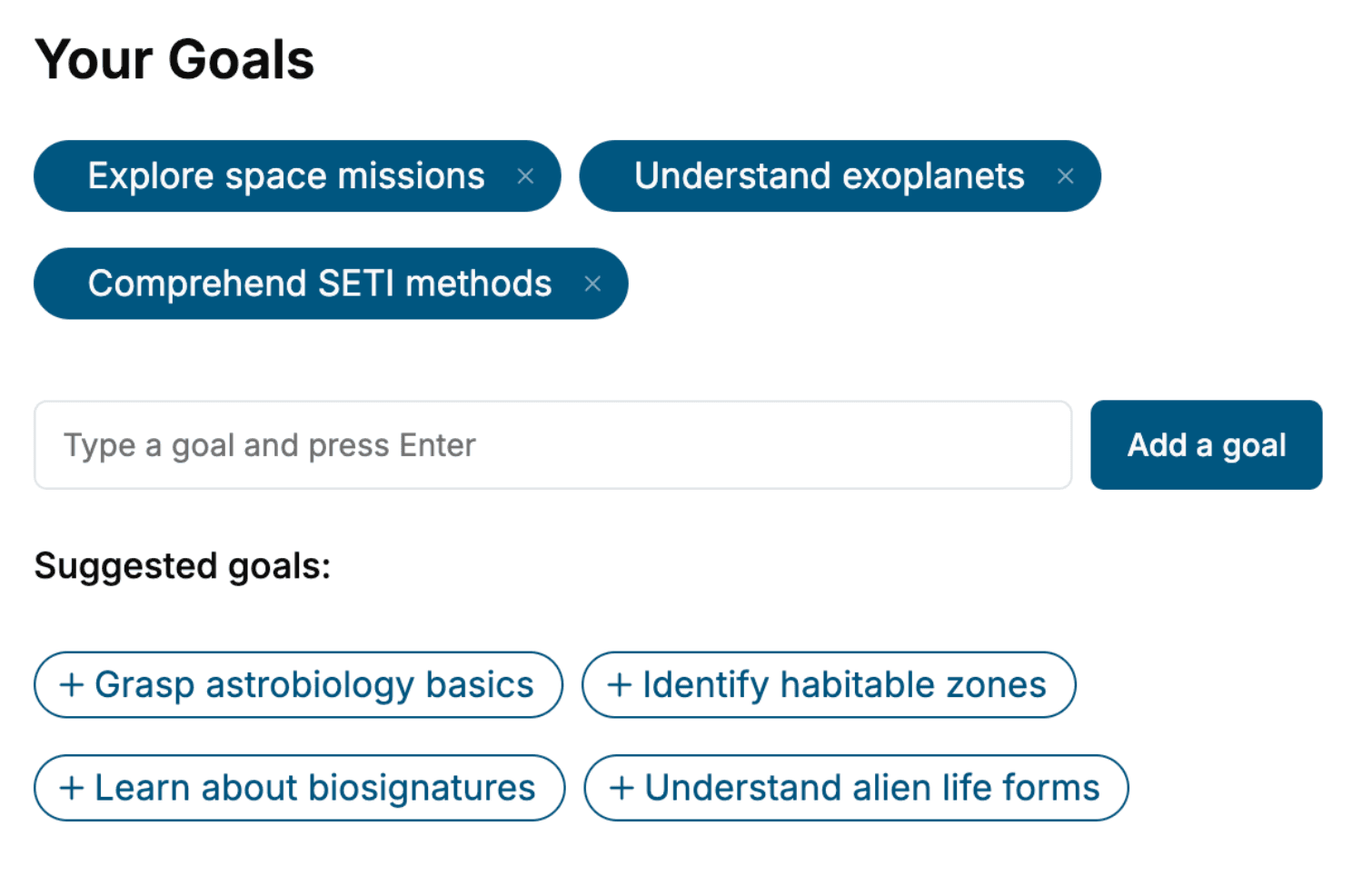
Specify your goals and choose sub-topics to include
- 3. Get your tailored book
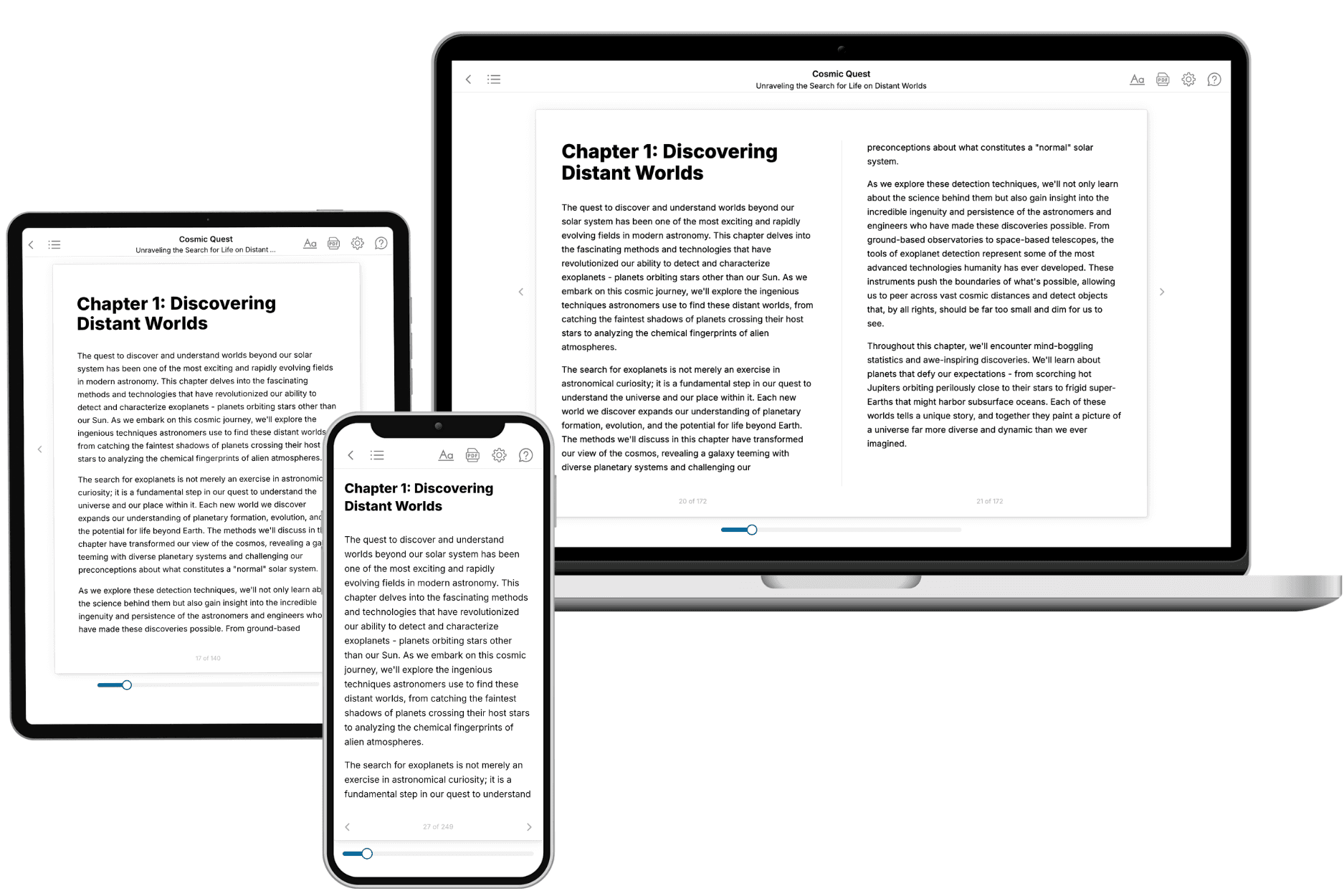
Your book is ready in 10 minutes. Read it online, download as EPUB or PDF, or send to Kindle.
Frequently asked questions
- What is TailoredRead?
TailoredRead creates complete, full-length nonfiction ebooks, written specifically for you. Tell us what you want to learn and why, and TailoredRead writes you a complete ebook on it, with charts, tables, and diagrams throughout. Read it online, on Kindle, or on any e-reader, or download it as a PDF or EPUB. Every book is written fresh the day you order it.
- How is the book tailored to me?
Before anything is written, you answer a few short questions about your goals, your background, and the topics you care about. Your book is then planned around your answers: written at your level, focused on your goals, and covering the topics you chose, instead of the one-size-fits-all book a store sells everyone.
- Will it read like generic AI content?
No. Your book isn't a chat transcript: it's planned chapter by chapter before a single word is written, told in a clear book voice, and explains ideas visually with charts, tables, and diagrams. After writing, every book goes through an editorial pass that polishes chapters so the book reads consistent from start to finish. Judge for yourself: browse thousands of sample books on our Explore Books page.
- How accurate is the content?
Our AI first checks whether your subject needs live research. Niche and fast-moving subjects are researched before writing, and the book plan and chapters are grounded in what it finds. After writing, every book goes through a quality pass that checks its facts and consistency, and researched books list their sources in a Notes section at the back.
- How long is the book?
You choose the length: Comprehensive (250-300 pages), Detailed (150-200 pages), Essential (70-100 pages), or Short (30-50 pages).
- Does the book include visuals?
Yes. Every book includes charts, tables, and diagrams: timelines, checklists, step-by-step guides, decision trees, comparison tables, matrices, and bar charts. A typical book includes dozens of these visual elements.
- Can I read it on Kindle? What formats can I download?
Yes. Every book can be read in our online reader or downloaded as a PDF or EPUB. The EPUB can be opened with Kindle, Apple Books, Kobo, and any e-reader. The Commercial and Author licenses also include an editable Word (DOCX) and Markdown download.
- How much does it cost?
About the price of a regular ebook. The exact price depends on your book's length and complexity, from $2 for the shortest books to $35 for the most comprehensive, and it's shown when you review your book, before you commit to anything. Each book is a one-time purchase, yours to keep, no subscription. Licenses that let you share, teach, or publish your book range from $35.99 to $49.99.
- Can I preview the book before purchasing?
Before you pay, you'll see what your book will cover: the title, a detailed description, the estimated length, and the complete chapter-by-chapter table of contents, so you know what you're getting before you decide. The full text itself is written after you purchase.
- How long does it take to create a book?
About 10 minutes. You can start reading the opening chapters while the rest is still being written.