The Holodomor
Understanding the Great Famine in Soviet History and Its Lasting Impact
You will explore one of the most devastating yet under-discussed tragedies of the 20th century through a comprehensive examination of the Holodomor famine of 1932-1933.
269 pages15 chaptersSep 24, 2025Soviet History
About this book
This systematic investigation takes you through the complex web of Soviet policies, agricultural collectivization, and political decisions that led to the deaths of millions in Ukraine and other Soviet regions. Drawing from extensive historical documentation, survivor accounts, and scholarly research, you'll gain insight into how this man-made disaster unfolded within the broader context of Stalin's Soviet Union. The narrative reveals the intricate connections between agricultural policy, political control, and human suffering, while examining how information about the famine was suppressed both domestically and internationally. You'll discover the long-term consequences of the Holodomor on Ukrainian society, culture, and collective memory, as well as its significance in understanding Soviet history and European developments of the era. The book provides essential context for comprehending how this tragedy fits into the larger patterns of 20th-century European history. Through careful analysis of primary sources and historical evidence, you'll develop a nuanced understanding of this critical period, its causes, and its enduring impact on the regions and peoples affected. This examination offers valuable insights into the intersection of politics, agriculture, and human tragedy in one of history's most significant famines.
Table of contents
- IntroductionDefining the Holodomor, Historical Significance and Scope, Sources and Methodology, Structure and ApproachRead below
- Chapter 1: The Soviet Context: Building the FoundationThe Early Soviet State and Agricultural Policy, The New Economic Policy and Its Transition, Stalin's Rise and Consolidation of Power, Ideological Framework for Collectivization
- Chapter 2: Ukraine Before the FamineUkrainian Agricultural Traditions and Economy, Cultural Identity and National Consciousness, Early Soviet Rule in Ukraine, Patterns of Resistance and Accommodation
- Chapter 3: The Collectivization CampaignOrigins and Objectives of Collectivization, Implementation Methods and Mechanisms, Peasant Responses and Resistance, The Dekulakization Process
- Chapter 4: Grain Procurement and State DemandsThe Grain Procurement System, Unrealistic Quotas and Escalating Demands, Enforcement Mechanisms and Coercion, Local Implementation and Compliance
- Chapter 5: The Famine Unfolds: 1932-1933Early Warning Signs and Escalation, Geographic Spread and Regional Variations, The Peak Crisis Period, Daily Life and Survival Strategies
- Chapter 6: The Human Experience of StarvationPhysical Effects of Prolonged Starvation, Family and Community Breakdown, Desperate Survival Strategies, Psychological and Social Impact
- Chapter 7: State Response and Policy DecisionsCentral Government Awareness and Decisions, Information Suppression and Denial, Border Controls and Movement Restrictions, Continued Grain Exports During Famine
- Chapter 8: Regional Variations and Comparative ImpactUkraine: The Epicenter of Suffering, Kazakhstan and Central Asian Regions, North Caucasus and Kuban Region, Comparative Analysis of Regional Experiences
- Chapter 9: International Awareness and ResponseForeign Correspondents and Reporting, Diplomatic Knowledge and Official Responses, International Media Coverage and Limitations, Attempts at International Aid and Relief
- Chapter 10: Documentation and Historical EvidenceSoviet Archival Materials and Official Documents, Survivor Testimonies and Oral Histories, Demographic Data and Statistical Evidence, Photographic and Visual Documentation
- Chapter 11: Aftermath and RecoveryImmediate Aftermath and Policy Changes, Long-term Demographic Consequences, Agricultural Recovery and Restructuring, Social and Cultural Reconstruction
- Chapter 12: Memory and Silence in the Soviet EraOfficial Silence and Suppression of Memory, Underground Memory and Private Remembrance, Literary and Artistic Expressions, Generational Transmission of Trauma
- Chapter 13: Historical Debates and InterpretationsThe Intentionality Debate, The Genocide Question and Legal Frameworks, Comparative Studies with Other Famines, Evolution of Historiographical Approaches
- Chapter 14: Rediscovery and RecognitionGlasnost and the Opening of Archives, Ukrainian Independence and National Memory, International Recognition and Commemoration, Development of Memorial Culture
- Chapter 15: Contemporary Significance and LegacyThe Holodomor in Modern Ukrainian Identity, Educational Initiatives and Public Awareness, Political Dimensions and International Relations, Lessons for Understanding Historical Tragedy
- ConclusionSynthesis of Key Findings, Historical Importance and Continuing Relevance
Introduction
The Holodomor stands as one of the most devastating yet historically overlooked tragedies of the twentieth century. Between 1932 and 1933, millions of people in Ukraine and other grain-producing regions of the Soviet Union died from starvation in what would become known as the Great Famine. This catastrophe was not the result of natural disaster, crop failure, or unavoidable circumstances, but rather emerged from deliberate policy decisions made by the Soviet state under Joseph Stalin's leadership. The scale of human suffering was immense, with conservative estimates placing the death toll at 3.5 million people, while some scholars suggest the number may have reached as high as 7 million or more.
Understanding the Holodomor requires examining it within the broader context of Soviet agricultural policy, political control, and the systematic transformation of rural society through collectivization. The famine occurred during a period when the Soviet Union was undergoing rapid industrialization and agricultural reorganization, with the state demanding ever-increasing grain procurements from peasant communities already struggling under the burden of collective farming. What makes this tragedy particularly significant is the mounting evidence that Soviet authorities were fully aware of the developing crisis yet continued policies that exacerbated the suffering. The deliberate nature of many decisions, combined with the suppression of information about the famine, raises profound questions about state responsibility and the human cost of political ideology.
The story of the Holodomor extends far beyond statistics and policy analysis to encompass the lived experiences of millions of individuals and families who faced impossible choices in their struggle for survival. Survivor testimonies reveal the breakdown of social structures, the desperate measures people took to find food, and the psychological trauma that affected entire communities. These personal accounts, combined with archival documentation that became available after the collapse of the Soviet Union, provide crucial insights into both the mechanics of the famine and its profound impact on Ukrainian society and culture. The legacy of this tragedy continues to shape contemporary discussions about historical memory, national identity, and the recognition of mass atrocities.
Defining the Holodomor
The term Holodomor derives from Ukrainian words meaning to kill by starvation
or death by hunger,
reflecting the deliberate nature of the famine as understood by those who experienced it. This linguistic choice is significant because it distinguishes the 1932-1933 famine from natural disasters or accidental food shortages. The word itself embodies the conviction of survivors and their descendants that what occurred was not merely a tragic consequence of failed policies, but a purposeful act of destruction directed against specific populations. The term gained widespread usage only in the post-Soviet period, as during the Soviet era, open discussion of the famine was largely suppressed, and when acknowledged at all, it was typically described in neutral terms that obscured questions of intentionality and responsibility.
Geographically, the Holodomor primarily affected Ukraine, but its impact extended to other grain-producing regions of the Soviet Union, including Kazakhstan, the North Caucasus, and parts of the Volga region. However, the intensity and scope of the famine in Ukraine were particularly severe, leading many scholars and Ukrainian officials to argue that Ukraine was specifically targeted. The famine coincided with broader Soviet policies aimed at suppressing Ukrainian national identity and cultural autonomy, including attacks on Ukrainian intellectuals, religious leaders, and cultural institutions. This convergence of agricultural policy and national suppression has led to ongoing debates about whether the Holodomor should be classified as genocide under international law.
The chronological boundaries of the Holodomor are generally defined as 1932-1933, though the crisis had antecedents in earlier years and consequences that extended well beyond 1933. The most acute phase of starvation occurred during the winter and spring of 1933, when death rates reached their peak and entire villages were decimated. However, the policies that created the conditions for famine began with the intensification of collectivization in 1929-1930, and the demographic and social effects continued for decades. Understanding these temporal dimensions is crucial for grasping how the famine developed from policy decisions into human catastrophe and how its effects reverberated through subsequent generations.
Definitionally, the Holodomor must be understood as both a specific historical event and a broader phenomenon that reveals the capacity of modern states to inflict mass suffering on their own populations. The famine occurred during peacetime, in a region known for its agricultural productivity, and affected populations that had historically been able to feed themselves adequately. The artificial nature of the crisis becomes evident when examining the continued export of grain from affected regions even as people were dying of starvation. This paradox of abundance and scarcity existing simultaneously within the same territory highlights the role of political decisions and administrative control in creating conditions for mass death.
The scale of the Holodomor can be measured not only in terms of immediate mortality but also in its broader demographic, cultural, and psychological impacts. Beyond the millions who died, the famine affected the survivors in profound ways, disrupting family structures, community networks, and cultural transmission. Children who survived often suffered from long-term health problems and developmental issues, while adults carried psychological trauma that influenced their behavior and worldview for the rest of their lives. The famine also accelerated the transformation of Ukrainian rural society, contributing to the destruction of traditional peasant culture and the consolidation of Soviet control over the countryside.
Contemporary recognition of the Holodomor varies significantly across different countries and international organizations. Ukraine officially recognizes the Holodomor as genocide, and this position has been adopted by numerous countries including the United States, Canada, and several European nations. However, other countries and international bodies have been more cautious in their terminology, acknowledging the tragedy while avoiding the specific legal designation of genocide. This variation in recognition reflects not only different interpretations of historical evidence but also contemporary political considerations and the ongoing sensitivity of relations with Russia, which generally rejects characterizations of the famine as genocide or as specifically targeting Ukraine.
Historical Significance and Scope
The Holodomor occupies a crucial position in understanding the broader patterns of twentieth-century European history, particularly the relationship between state power, agricultural policy, and mass violence. The famine occurred during a period when multiple European states were experimenting with radical social and economic transformations, often with devastating consequences for their populations. The Soviet collectivization campaign that precipitated the Holodomor was part of a broader pattern of state-directed modernization projects that prioritized political control and economic objectives over human welfare. This places the famine within the context of what scholars have termed the bloodlands
of Eastern Europe, where competing totalitarian regimes inflicted unprecedented suffering on civilian populations[1].
The demographic impact of the Holodomor was staggering and had long-lasting consequences for the affected regions. In Ukraine alone, the famine resulted in the deaths of millions of people, representing a significant portion of the rural population. Entire villages were depopulated, and in some regions, mortality rates reached 20-25% of the total population. The age and gender distribution of victims also reveals important patterns: children and elderly people were disproportionately affected, but the famine also claimed large numbers of working-age adults, disrupting the demographic structure of communities for generations. The loss of so many people in their productive years had profound economic consequences, while the death of elderly community members meant the loss of cultural knowledge and traditional practices.
Beyond its immediate demographic effects, the Holodomor fundamentally altered the social and cultural landscape of rural Ukraine and other affected regions. The famine accelerated the destruction of traditional peasant society, which had maintained distinct cultural practices, social structures, and economic relationships for centuries. The collective farms that replaced individual peasant holdings represented not just an economic transformation but a complete reorganization of rural life. Traditional forms of community organization, religious practice, and cultural expression were systematically suppressed, while new Soviet institutions and ideologies were imposed. This cultural transformation was so thorough that many aspects of pre-Soviet rural life were permanently lost.
The international dimensions of the Holodomor reveal important aspects of global politics in the 1930s and the limitations of international humanitarian response during this period. Despite some reporting by foreign correspondents and diplomatic awareness of the crisis, the international community largely failed to respond effectively to the famine. This failure reflected several factors:
- The Soviet Union's successful suppression of information about the famine
- The global economic depression, which limited resources for international aid
- The desire of many Western governments to maintain diplomatic relations with the Soviet Union
- The absence of international institutions capable of coordinating humanitarian response
The Holodomor's significance extends to its role in shaping Ukrainian national identity and memory. For many Ukrainians, the famine represents a defining moment in their national history, comparable to the Holocaust for Jewish communities or the Armenian Genocide for Armenians. The suppression of memory about the famine during the Soviet period meant that knowledge of the tragedy was preserved primarily through family stories and underground cultural expressions. When Ukraine gained independence in 1991, the recovery and commemoration of Holodomor memory became central to the construction of Ukrainian national identity. This process has involved not only historical research and education but also the creation of memorials, museums, and annual commemorative practices that help maintain awareness of the tragedy.
The comparative study of the Holodomor alongside other twentieth-century famines and mass atrocities has contributed significantly to scholarly understanding of how modern states can inflict mass suffering on their populations. Researchers have identified common patterns in the development of man-made famines, including the role of ideological extremism, administrative dysfunction, information suppression, and the targeting of specific ethnic or social groups. The Holodomor shares characteristics with other Soviet famines, such as the Kazakh famine of 1930-1933, as well as with famines in other countries, such as China's Great Leap Forward famine of 1958-1962. These comparative studies have enhanced understanding of the political and social conditions that make populations vulnerable to state-induced starvation.
The legacy of the Holodomor continues to influence contemporary politics and international relations, particularly regarding Ukraine's relationship with Russia and its integration with Western institutions. Russian officials and historians generally reject Ukrainian interpretations of the famine as genocide, arguing instead that it was a tragedy that affected multiple Soviet nationalities equally. This disagreement over historical interpretation reflects broader tensions about Ukrainian sovereignty, national identity, and geopolitical orientation. The Holodomor has become a symbol of Ukrainian suffering under Russian/Soviet rule and is frequently invoked in contemporary political discourse about Ukrainian independence and resistance to Russian influence. Understanding this historical tragedy is therefore essential not only for comprehending the past but also for analyzing current developments in Eastern Europe.
Sources and Methodology
The study of the Holodomor presents unique methodological challenges due to the systematic suppression of information during the Soviet period and the destruction or concealment of relevant documentation. For decades, researchers had limited access to official Soviet archives, forcing them to rely primarily on survivor testimonies, émigré accounts, and fragmentary evidence from foreign observers. The situation changed dramatically after 1991, when the collapse of the Soviet Union opened previously inaccessible archives and allowed for more systematic research. However, even with improved access to documentation, scholars must navigate complex issues related to source reliability, completeness, and interpretation. The political sensitivity of the topic in post-Soviet states has also influenced how research is conducted and how findings are presented.
Soviet archival materials form a crucial foundation for contemporary Holodomor research, though these sources must be approached with careful attention to their limitations and biases. Key repositories include the Central State Archive of Supreme Bodies of Power and Government of Ukraine, the Russian State Archive of Social and Political History, and regional archives throughout the former Soviet Union. These collections contain:
- Official correspondence between central and local authorities
- Reports on grain procurement and agricultural production
- Population statistics and demographic data
- Party and government meeting minutes
- Internal security reports and surveillance documents
Survivor testimonies represent another essential source category, offering irreplaceable insights into the lived experience of the famine that cannot be obtained from official documents. These testimonies were collected through various means, including interviews conducted by émigré organizations, oral history projects initiated after Ukrainian independence, and memoirs written by survivors in later decades. The Harvard Ukrainian Research Institute's oral history project, conducted in the 1980s, collected thousands of interviews with Holodomor survivors living in North America[2]. While these testimonies provide crucial human perspectives on the famine, researchers must account for the effects of time, trauma, and memory on the accuracy and completeness of recollections.
Demographic and statistical evidence plays a vital role in establishing the scope and scale of the Holodomor, though this type of data presents its own analytical challenges. Soviet population statistics from the 1930s are notoriously unreliable, as officials often manipulated figures to hide the extent of population losses or to meet political expectations. The 1937 Soviet census, which revealed massive population deficits, was suppressed and its organizers were arrested. Researchers have developed sophisticated methodologies to work around these limitations:
- Comparing pre-famine and post-famine population data to identify demographic gaps
- Analyzing birth and death registration records where available
- Using indirect demographic techniques to estimate mortality
- Cross-referencing Soviet data with foreign diplomatic and intelligence reports
Contemporary foreign sources provide important external perspectives on the Holodomor, though their coverage was limited by Soviet restrictions on travel and information access. Foreign correspondents based in Moscow, such as Malcolm Muggeridge and Gareth Jones, managed to visit affected regions and report on conditions they observed. Diplomatic archives from various countries contain reports from embassy staff and consular officials who gathered information about the famine through their contacts with Soviet officials and foreign residents. These sources are valuable because they were created by observers who were not directly subject to Soviet censorship, though they often had limited access to affected areas and relied heavily on secondhand information.
Photographic and visual documentation of the Holodomor is relatively scarce due to Soviet restrictions on photography and the confiscation of cameras from foreign visitors. However, some images have survived, including photographs taken by Austrian engineer Alexander Wienerberger, who worked in Ukraine during the famine period and secretly documented scenes of starvation and death. Soviet photographers also created some documentation, though much of this material remained classified for decades. The limited visual record has made it more difficult to convey the reality of the famine to contemporary audiences, contributing to the relative lack of international awareness compared to other twentieth-century atrocities that were more extensively photographed.
Methodologically, Holodomor research requires an interdisciplinary approach that combines historical analysis with insights from demography, anthropology, psychology, and other fields. Scholars must carefully triangulate evidence from multiple source types to develop comprehensive understanding of the famine's causes, development, and consequences. This process involves:
- Critical evaluation of source reliability and potential biases
- Comparison of evidence from different geographic regions and time periods
- Integration of quantitative data with qualitative testimonies
- Attention to the political and cultural contexts that shaped source creation
Structure and Approach
This examination of the Holodomor follows a chronological and thematic structure designed to provide comprehensive understanding of the famine's origins, development, and lasting impact. The approach begins with essential background context, tracing the political and economic conditions in the Soviet Union and Ukraine that created the preconditions for famine. This foundation is crucial because the Holodomor cannot be understood in isolation from the broader transformation of Soviet society during the late 1920s and early 1930s. The analysis then moves through the specific policies and events that precipitated the crisis, the experience of the famine itself, and its aftermath and legacy. This structure allows for both detailed examination of specific aspects of the tragedy and synthesis of broader patterns and meanings.
The early chapters establish the necessary historical context by examining the Soviet political system, agricultural policies, and the specific situation in Ukraine before the famine. This contextual approach is essential because the Holodomor emerged from the intersection of multiple factors: Soviet ideological commitments to rapid industrialization and agricultural collectivization, Stalin's consolidation of personal power, Ukrainian resistance to Soviet policies, and the particular characteristics of Ukrainian agriculture and society. Understanding these background conditions helps explain why the famine occurred when and where it did, and why it took the specific forms that it did. The analysis pays particular attention to the decision-making processes within the Soviet leadership and the implementation of policies at local levels.
The central chapters focus on the development and experience of the famine itself, combining policy analysis with human-centered narratives that illuminate the lived reality of starvation and survival. This dual approach is necessary to capture both the macro-level political and economic forces that drove the crisis and the micro-level experiences of individuals and communities who faced its consequences. The examination includes:
- Detailed analysis of grain procurement policies and their implementation
- Geographic mapping of famine severity and regional variations
- Survivor testimonies and accounts of daily life during the crisis
- Documentation of survival strategies and community responses
- Analysis of state responses and policy adjustments during the famine
Special attention is given to the international dimensions of the Holodomor, including the limited foreign awareness of the crisis and the factors that prevented effective international response. This analysis is important for understanding how mass atrocities could occur with relatively little external intervention during the 1930s, and it provides context for comparing the international response to the Holodomor with responses to other humanitarian crises. The examination includes analysis of foreign media coverage, diplomatic reporting, and the efforts of some individuals and organizations to publicize the famine and provide assistance. This international perspective helps situate the Holodomor within the broader context of global politics during the interwar period.
The later chapters address the aftermath and legacy of the Holodomor, tracing its long-term demographic, social, and cultural consequences. This analysis extends from the immediate post-famine period through the Soviet era and into the contemporary period, showing how the tragedy continued to influence affected communities long after the acute crisis had ended. The examination includes analysis of:
- Demographic recovery and long-term population changes
- Social and cultural transformations in rural communities
- The suppression and preservation of famine memory during the Soviet period
- The rediscovery and commemoration of the Holodomor after 1991
- Contemporary debates about recognition and interpretation
Throughout the analysis, particular attention is paid to the historiographical debates and interpretive challenges that have shaped scholarly understanding of the Holodomor. These debates reflect not only different interpretations of historical evidence but also different theoretical frameworks for understanding state violence, ethnic conflict, and mass atrocities. Key interpretive questions include the extent to which the famine was intentionally directed against Ukrainians specifically, the relationship between the Holodomor and other Soviet famines, and the applicability of the genocide framework to this case. By engaging with these debates, the analysis helps readers understand both the current state of scholarly knowledge and the areas where significant questions remain.
The approach emphasizes the importance of understanding the Holodomor as both a specific historical event and a case study in the broader phenomenon of state-induced famine and mass violence. This dual perspective allows for detailed examination of the particular circumstances that led to the Ukrainian famine while also drawing broader lessons about the conditions that make populations vulnerable to state violence. The analysis incorporates comparative perspectives from other famines and mass atrocities, helping to identify common patterns and unique characteristics. This comparative dimension enhances understanding of the Holodomor's significance within the broader context of twentieth-century history and contributes to theoretical understanding of how and why states inflict mass suffering on their own populations.
This is the end of the free sample. The full book has 15 chapters.
Want this book written for you?
Tell us your goals and background, and get your own version of this book, tailored by AI to you.


Benefits of AI-tailored books
- Read one book, not ten:
- all the Soviet History knowledge you need, gathered into a single book.
- Save days of learning:
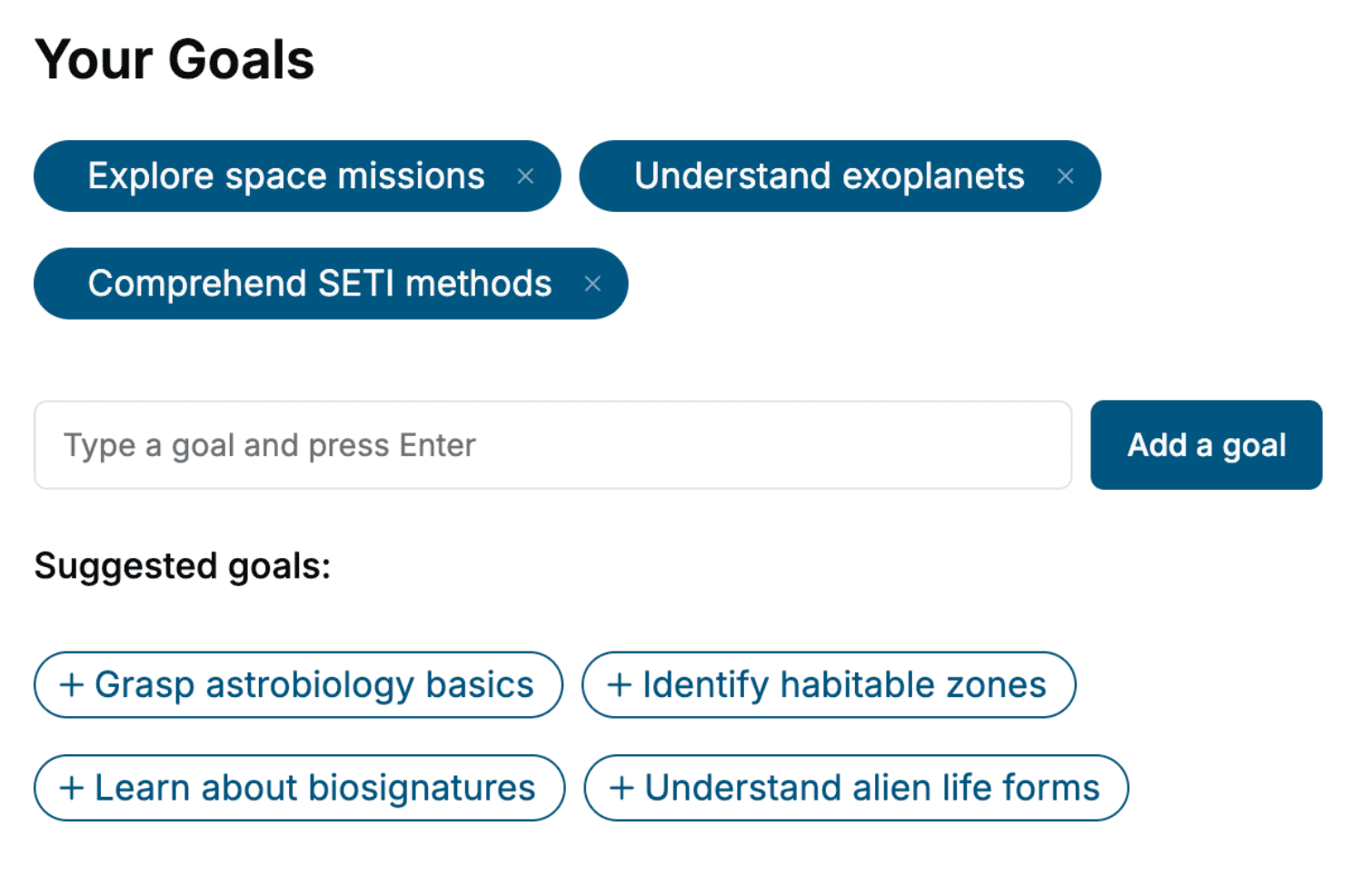
- tell us your goals, choose your topics, and the whole book is built around them.
- Learn effortlessly:
- Soviet History book written for your specific background and expertise.
- Understand at a glance:
- includes charts, tables, timelines, checklists, decision trees, and more.
- Stay current:
- written the day you order it, not years ago.
- Trust what you read:
- every book is checked for accuracy, with real research when your subject needs it.
Create your unique book in 3 steps
- 1. Select your focus
Select the focus of your Soviet History book and share your background
- 2. Personalize your book
Specify your goals and choose sub-topics to include
- 3. Get your tailored book
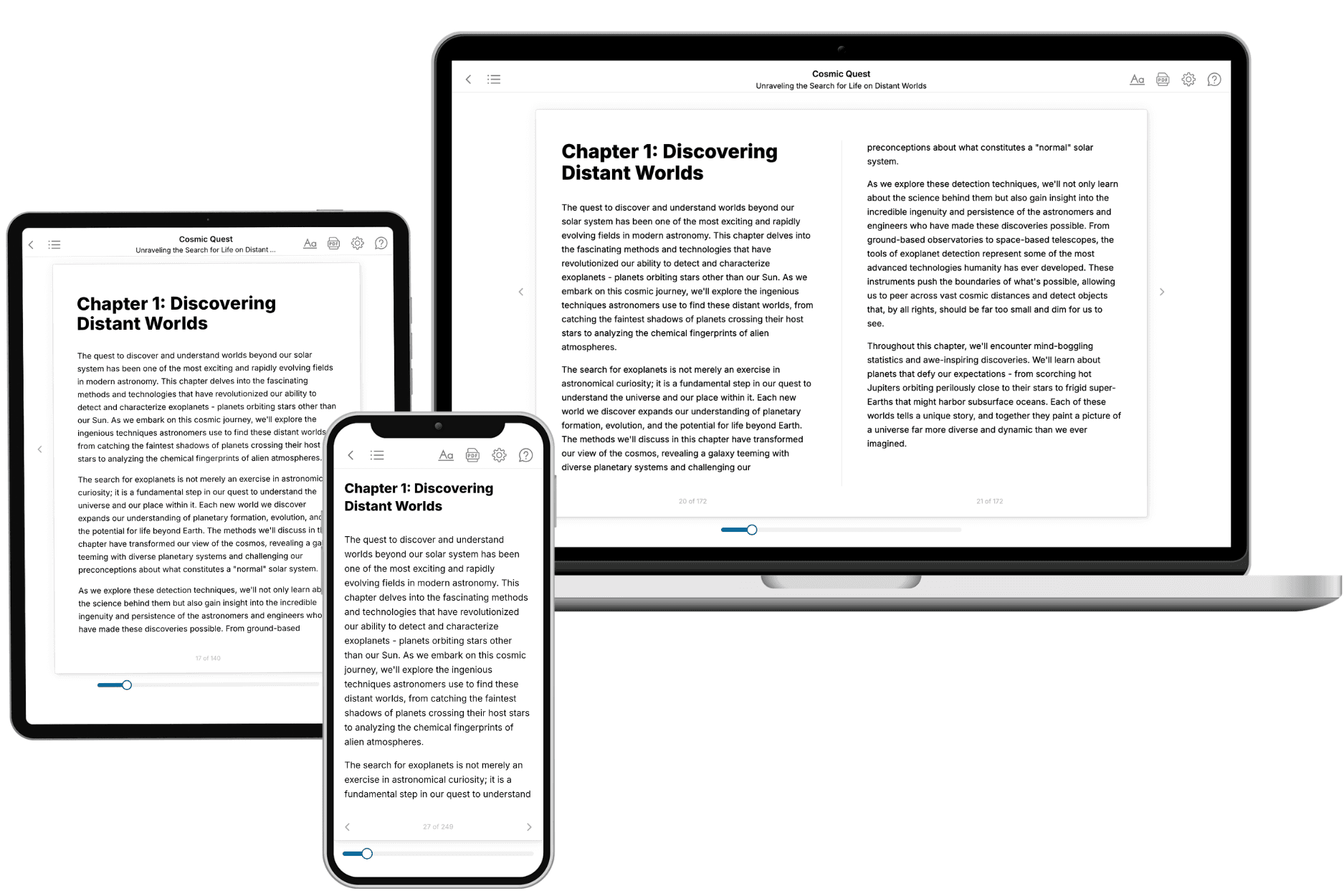
Your book is ready in 10 minutes. Read it online, download as EPUB or PDF, or send to Kindle.

Frequently asked questions
- What is TailoredRead?
TailoredRead creates complete, full-length nonfiction ebooks, written specifically for you. Tell us what you want to learn and why, and TailoredRead writes you a complete ebook on it, with charts, tables, and diagrams throughout. Read it online, on Kindle, or on any e-reader, or download it as a PDF or EPUB. Every book is written fresh the day you order it.
- How is the book tailored to me?
Before anything is written, you answer a few short questions about your goals, your background, and the topics you care about. Your book is then planned around your answers: written at your level, focused on your goals, and covering the topics you chose, instead of the one-size-fits-all book a store sells everyone.
- Will it read like generic AI content?
No. Your book isn't a chat transcript: it's planned chapter by chapter before a single word is written, told in a clear book voice, and explains ideas visually with charts, tables, and diagrams. After writing, every book goes through an editorial pass that polishes chapters so the book reads consistent from start to finish. Judge for yourself: browse thousands of sample books on our Explore Books page.
- How accurate is the content?
Our AI first checks whether your subject needs live research. Niche and fast-moving subjects are researched before writing, and the book plan and chapters are grounded in what it finds. After writing, every book goes through a quality pass that checks its facts and consistency, and researched books list their sources in a Notes section at the back.
- How long is the book?
You choose the length: Comprehensive (250-300 pages), Detailed (150-200 pages), Essential (70-100 pages), or Short (30-50 pages).
- Does the book include visuals?
Yes. Every book includes charts, tables, and diagrams: timelines, checklists, step-by-step guides, decision trees, comparison tables, matrices, and bar charts. A typical book includes dozens of these visual elements.
- Can I read it on Kindle? What formats can I download?
Yes. Every book can be read in our online reader or downloaded as a PDF or EPUB. The EPUB can be opened with Kindle, Apple Books, Kobo, and any e-reader. The Commercial and Author licenses also include an editable Word (DOCX) and Markdown download.
- How much does it cost?
About the price of a regular ebook. The exact price depends on your book's length and complexity, from $2 for the shortest books to $35 for the most comprehensive, and it's shown when you review your book, before you commit to anything. Each book is a one-time purchase, yours to keep, no subscription. Licenses that let you share, teach, or publish your book range from $35.99 to $49.99.
- Can I preview the book before purchasing?
Before you pay, you'll see what your book will cover: the title, a detailed description, the estimated length, and the complete chapter-by-chapter table of contents, so you know what you're getting before you decide. The full text itself is written after you purchase.
- How long does it take to create a book?
About 10 minutes. You can start reading the opening chapters while the rest is still being written.