The Irish War of Independence
From Rebellion to Republic—The Struggle That Shaped Modern Ireland
This book takes you through one of history's most transformative conflicts—the Irish War of Independence—and shows you how a colonized nation fought for freedom and fundamentally altered the course of European history.
222 pages11 chaptersDec 14, 2025Irish History
About this book
You'll discover the deep historical roots of Irish grievance, trace the pivotal moments that shifted public opinion, and understand the guerrilla tactics that challenged imperial power. Through detailed examination of key figures, military campaigns, and political negotiations, you'll see how ordinary people and extraordinary leaders navigated impossible choices during a brutal conflict. The book explores the complex realities often overlooked in simplified accounts: the internal divisions within the independence movement, the experiences of women and working-class activists, and the regional variations across Ireland. You'll gain insight into how the war's outcome—the Anglo-Irish Treaty and partition—created both a new nation and lasting tensions that continue to influence Irish and British politics today. By the end, you'll understand not just what happened, but why it matters for understanding modern Ireland, European history, and the broader patterns of anti-colonial resistance worldwide.
Table of contents
- IntroductionWhy This Story Matters Today, What You'll Learn in This Book, How to Approach This HistoryRead below
- Chapter 1: Centuries of Struggle: Ireland Under Colonial RuleFrom Norman Conquest to the Tudor Era, Plantation and Land Dispossession, The Great Famine and Mass Emigration
- Chapter 2: The Rise of Irish Nationalism: 1800-1900The Act of Union and Early Resistance, The Home Rule Movement and Political Struggle, The Gaelic Revival and Cultural Nationalism
- Chapter 3: The Path to Rebellion: 1900-1916The Emergence of Sinn Féin, Formation of the Irish Volunteers, World War One and the Changing Political Landscape
- Chapter 4: The Easter Rising: A Turning PointPlanning and Preparation, The Rising Unfolds: April 24-29, 1916, Aftermath, Executions, and Public Opinion Shift
- Chapter 5: From Political Movement to Armed Struggle: 1916-1919Sinn Féin's Political Ascendancy, IRA Reorganization and Military Strategy, The Declaration of Independence and Dáil Éireann
- Chapter 6: Michael Collins and Guerrilla WarfareCollins' Rise to Power and Influence, Intelligence Networks and Targeted Assassination, Flying Columns and Guerrilla Tactics
- Chapter 7: The War of Independence: 1919-1921Early Skirmishes and Escalation, British Response: The Black and Tans, Major Campaigns and Regional Variations
- Chapter 8: Women, Workers, and Overlooked VoicesWomen's Roles in the Independence Movement, Labor Activism and Working-Class Participation, Civilian Experience and Community Resistance
- Chapter 9: Negotiation and the Anglo-Irish TreatyThe Path to Negotiations, Treaty Terms and the Debate Over Dominion Status, Partition and the Creation of Northern Ireland
- Chapter 10: Division and Civil War: The AftermathThe Pro-Treaty and Anti-Treaty Split, Civil War and Its Devastating Consequences, Establishment of the Irish Free State
- Chapter 11: Legacy and Lasting ImpactIreland Transformed: From Colony to Nation, European and Global Influence on Anti-Colonial Movements, Unresolved Questions and Contemporary Relevance
- ConclusionUnderstanding Independence: Complexity Over Simplicity, Lessons for Understanding Modern Ireland and History
- Further Reading and Resources
Introduction
The Irish War of Independence stands as one of the twentieth century's most consequential conflicts, yet its significance extends far beyond the borders of a small island nation. Between 1919 and 1921, Ireland transformed from a colonized territory within the British Empire into an independent state, employing guerrilla warfare tactics that would inspire anti-colonial movements worldwide. This struggle emerged from centuries of accumulated grievances—land dispossession, cultural suppression, economic exploitation, and political marginalization—that finally erupted into armed resistance. The conflict challenged the world's most powerful empire and demonstrated that military superiority could be overcome through intelligence, popular support, and strategic innovation.
Understanding this period requires moving beyond simplified narratives of heroic rebels versus oppressive occupiers. The reality was far more complex, involving internal divisions within the independence movement, competing visions for Ireland's future, and brutal violence that affected civilians as much as combatants. The war featured remarkable figures like Michael Collins, whose intelligence networks revolutionized guerrilla warfare, but it also involved thousands of ordinary people—women, workers, farmers, and shopkeepers—who risked everything for independence. The outcome, the Anglo-Irish Treaty of 1921, satisfied neither those seeking a fully independent republic nor unionists fearing domination by an Irish Catholic majority. This compromise created both a new nation and lasting tensions that continue to shape Irish and British politics today.
The legacy of the Irish War of Independence resonates through contemporary debates about national identity, sovereignty, and the unfinished business of partition. Northern Ireland remains part of the United Kingdom, a reality that emerged from this conflict and continues to generate political controversy, particularly in the context of Brexit and changing demographics. The war's influence extended globally, providing a template for anti-colonial resistance movements across Africa, Asia, and the Middle East throughout the twentieth century. By examining this transformative period, you'll gain insight not only into Irish history but also into broader patterns of nationalism, imperialism, and the complex process through which colonized peoples achieve self-determination. This book invites you to explore these dimensions with nuance and critical thinking.
Why This Story Matters Today
The Irish War of Independence remains remarkably relevant more than a century after its conclusion, offering insights into contemporary political challenges that continue to shape our world. The conflict demonstrated how a relatively small, poorly equipped force could challenge imperial power through strategic intelligence, popular support, and innovative tactics—lessons that influenced liberation movements from Kenya to Vietnam. The guerrilla warfare methods pioneered by Michael Collins and the Irish Republican Army became a blueprint for asymmetric warfare, studied by military strategists and resistance movements worldwide. Understanding how this conflict unfolded helps explain the dynamics of modern insurgencies, counterinsurgency operations, and the complex relationship between political objectives and military action.
The unresolved questions from this period continue to generate political tension and occasional violence in Ireland and Britain. The partition of Ireland, formalized through the Government of Ireland Act 1920 and reinforced by the Anglo-Irish Treaty, created Northern Ireland as a separate political entity within the United Kingdom. This division led to decades of sectarian conflict known as the Troubles, which claimed over 3,500 lives between the late 1960s and the 1998 Good Friday Agreement. Even today, debates about Irish reunification, the status of Northern Ireland, and the legacy of British colonialism remain contentious. Brexit has intensified these discussions, as the question of the Irish border and the potential for renewed violence have become central concerns in British-Irish relations.
Beyond Ireland, this conflict illuminates fundamental questions about nationalism, self-determination, and the process of decolonization that shaped the twentieth century. The Irish independence movement occurred during a period when empires dominated global politics, yet it demonstrated that colonial rule could be successfully challenged. The methods employed—combining political organization, cultural revival, military resistance, and international diplomacy—became a model for other colonized peoples seeking independence. From India's struggle against British rule to African nations' liberation from European colonialism, the Irish example provided both inspiration and practical lessons. Examining this history helps you understand the broader patterns of how empires decline and nations emerge.
The Irish War of Independence also offers valuable perspectives on the complexities of political compromise and the costs of ideological purity. The Anglo-Irish Treaty split the independence movement between those willing to accept dominion status within the British Commonwealth and those demanding nothing less than a fully independent republic. This division led to a devastating civil war that killed more Irish people than the War of Independence itself, including Michael Collins, one of the conflict's most important figures. The treaty debate raised questions that remain relevant today: When should political movements compromise with opponents? How do you balance ideological principles against practical gains? What happens when revolutionary movements achieve partial success but fall short of their ultimate goals?
Understanding this period also challenges simplistic narratives about national identity and belonging. The independence movement was not monolithic—it included socialists and conservatives, Catholics and Protestants, urban workers and rural farmers, each with different visions for Ireland's future. Women played crucial roles that have often been marginalized in traditional accounts, serving as intelligence couriers, organizing political campaigns, and participating in armed resistance. The conflict affected different regions of Ireland in vastly different ways, with some areas experiencing intense violence while others remained relatively peaceful. By examining these complexities, you'll develop a more nuanced understanding of how national movements actually function, beyond the simplified stories often presented in popular accounts.
The war's legacy also extends to questions of historical memory and how societies remember traumatic conflicts. Ireland has grappled with how to commemorate this period, balancing celebration of independence with acknowledgment of the violence and division it entailed. Different communities within Ireland remember the same events differently, with some viewing certain figures as heroes while others see them as terrorists. These debates about historical memory mirror contemporary discussions in many countries about how to address colonial pasts, acknowledge historical injustices, and build inclusive national narratives. The Irish experience offers insights into these challenges and the ongoing process of historical reckoning.
Finally, this story matters because it demonstrates the profound human costs of political conflict and the difficult choices ordinary people face during revolutionary periods. The war involved not just dramatic military engagements but also daily acts of courage and betrayal, moments of solidarity and division, and the constant fear experienced by civilians caught between opposing forces. British reprisals against Irish communities, IRA attacks on police and soldiers, and the atmosphere of suspicion and violence affected thousands of families. By understanding these human dimensions, you'll gain appreciation for the real consequences of political decisions and the complex moral terrain that people navigate during times of conflict. This perspective remains essential for understanding contemporary conflicts and the challenges of building peace.
What You'll Learn in This Book
This book provides a comprehensive exploration of the Irish War of Independence by tracing its deep historical roots and examining how centuries of colonial rule created the conditions for revolutionary change. You'll discover how the Norman invasion of the twelfth century initiated a long process of English and later British control over Ireland, involving land confiscation, legal discrimination, and cultural suppression. The book examines pivotal events like the Tudor plantations, the Cromwellian conquest, the Penal Laws that restricted Catholic rights, and the catastrophic Great Famine of the 1840s that killed approximately one million people and forced another million to emigrate. Understanding this historical context is essential because the War of Independence didn't emerge suddenly—it represented the culmination of grievances accumulated over generations.
You'll gain detailed knowledge of the political movements that preceded armed conflict, particularly the evolution of Irish nationalism throughout the nineteenth century. The book explores how figures like Daniel O'Connell pursued Catholic emancipation and repeal of the Act of Union through constitutional means, while others like the Young Irelanders and Fenians advocated revolutionary approaches. You'll learn about the Home Rule movement led by Charles Stewart Parnell and John Redmond, which sought Irish self-government within the British Empire, and why this constitutional approach ultimately failed to satisfy nationalist aspirations. The cultural revival movements, including the Gaelic League and the Irish Literary Revival, receive attention for their role in fostering national consciousness and creating the cultural foundation for political independence.
The book provides an in-depth examination of the 1916 Easter Rising, the pivotal event that transformed Irish politics and made armed struggle for independence seem both necessary and achievable. You'll understand the planning behind the Rising, the confusion that limited its scope, and the week of fighting in Dublin that ended in military defeat. More importantly, you'll discover how the British response—particularly the execution of fifteen leaders—shifted Irish public opinion dramatically. The book analyzes how an event that initially seemed like a failure became the catalyst for revolutionary change, demonstrating the complex relationship between military outcomes and political consequences. This section includes profiles of key figures like Patrick Pearse, James Connolly, and Éamon de Valera, whose actions and ideas shaped the independence movement.
You'll learn about the guerrilla warfare tactics that defined the War of Independence and made it a model for later anti-colonial struggles. The book examines Michael Collins's revolutionary approach to intelligence gathering, which involved infiltrating British security services, identifying informers, and conducting targeted assassinations of intelligence officers. You'll discover how the Irish Republican Army organized into flying columns—mobile units that could strike quickly and disappear into the countryside—and how these tactics proved effective against a technologically superior British force. Specific operations receive detailed analysis, including:
- The Soloheadbeg ambush of January 1919, often considered the war's opening engagement
- Bloody Sunday in November 1920, when Collins's squad assassinated British intelligence officers
- The Kilmichael ambush, where Tom Barry's flying column destroyed an Auxiliary patrol
- The Custom House attack in Dublin, a major operation that demonstrated both IRA capabilities and vulnerabilities
The book explores the British response to Irish resistance, including the deployment of the Black and Tans and Auxiliaries—paramilitary forces whose brutal tactics and reprisals against civilian populations often proved counterproductive. You'll understand the strategic dilemmas facing British authorities, who struggled to suppress the independence movement without alienating international opinion or employing the level of force that might have been militarily effective. The book examines specific incidents like the burning of Cork city center and the Croke Park massacre, where British forces fired on spectators at a football match, killing fourteen people. These events illustrate how the conflict escalated and how violence against civilians became a defining feature of the war.
You'll gain insight into the often-overlooked contributions of women and working-class activists to the independence movement. The book examines organizations like Cumann na mBan, which provided crucial support including intelligence gathering, weapons smuggling, and first aid, as well as individual figures like Constance Markievicz, who participated in both the Easter Rising and the first Dáil. The intersection of labor activism and nationalism receives attention, particularly James Connolly's vision of an Irish socialist republic and the role of trade unions in supporting independence. You'll discover how the independence struggle involved diverse social groups with sometimes competing visions for Ireland's future, challenging simplified narratives that focus exclusively on military leaders and political elites.
The book provides detailed analysis of the negotiations that led to the Anglo-Irish Treaty and the bitter divisions it created within the independence movement. You'll understand the terms of the treaty, which granted Ireland dominion status within the British Commonwealth rather than full republican independence, and required an oath of allegiance to the British Crown. The partition of Ireland receives thorough examination, explaining how Northern Ireland was created as a separate entity with a Protestant and unionist majority, and why this solution satisfied neither Irish nationalists nor many unionists. You'll learn about the personalities involved in the negotiations, including Michael Collins, Arthur Griffith, David Lloyd George, and Winston Churchill, and the strategic calculations that shaped their positions. The book explores why the treaty proved so divisive, leading to civil war between former comrades.
Finally, you'll understand the war's lasting legacy and its influence on Irish politics, European history, and global anti-colonial movements. The book traces how the Irish Free State evolved into the Republic of Ireland, examining the political, economic, and cultural development of the new nation. You'll learn about the civil war's long-term effects on Irish politics, including the formation of the two dominant political parties, Fianna Fáil and Fine Gael, which emerged from opposite sides of the treaty divide. The book explores how the Irish example influenced other independence movements, from India to Kenya to Algeria, and how the tactics pioneered during this conflict became standard approaches to asymmetric warfare. Contemporary issues, including the ongoing debates about Northern Ireland's status and the potential for Irish reunification, receive attention as part of the war's continuing relevance.
How to Approach This History
This book is structured chronologically to help you understand how events unfolded and how earlier developments shaped later outcomes. However, you don't need to read it strictly in order—each chapter is designed to stand alone while contributing to the overall narrative. If you're particularly interested in specific aspects, such as guerrilla warfare tactics or the role of women in the movement, you can focus on those chapters first and then explore the broader context. The chronological structure provides a framework for understanding causation and consequence, showing how the War of Independence emerged from centuries of colonial rule and how its outcome shaped subsequent Irish history. This approach helps you see patterns and connections that might be missed in a purely thematic treatment.
As you read, pay attention to the complexity and ambiguity that characterized this conflict. History rarely divides neatly into heroes and villains, and the Irish War of Independence involved difficult moral choices, strategic dilemmas, and unintended consequences. Some figures, like Michael Collins, are celebrated as heroes by many Irish people but viewed as terrorists by others. The British forces included both brutal paramilitaries who committed atrocities and regular soldiers who questioned their mission. Irish republicans disagreed fundamentally about strategy and objectives, leading to civil war after independence was achieved. Approaching this history with nuance means recognizing these complexities rather than seeking simple narratives of good versus evil.
Consider the multiple perspectives involved in this conflict, including voices that are often marginalized in traditional accounts. The independence movement included diverse participants with different motivations, backgrounds, and visions for Ireland's future. British soldiers and administrators had their own perspectives, often shaped by imperial ideology but also by personal experiences and moral considerations. Unionists in Ireland, particularly in Ulster, feared domination by an Irish Catholic majority and viewed the independence movement as a threat to their identity and security. Civilians caught between opposing forces experienced the war differently than combatants. By considering these multiple perspectives, you'll develop a more complete understanding of the conflict and avoid the oversimplifications that characterize much popular history.
The book includes specific examples, case studies, and detailed accounts of particular events to illustrate broader patterns and themes. These concrete details serve several purposes:
- They make abstract concepts tangible by showing how general strategies played out in specific situations
- They reveal the human dimension of historical events, showing how individuals experienced and shaped this period
- They provide evidence for historical arguments, allowing you to evaluate interpretations based on specific information
- They make the narrative more engaging and memorable than purely analytical discussions
Pay attention to the footnotes and references throughout the book, which indicate sources for specific claims and point you toward additional resources for deeper exploration. Historical knowledge is built on evidence, and understanding where information comes from helps you evaluate its reliability and recognize that historical interpretation involves judgment and debate. Different historians emphasize different aspects of this period and reach different conclusions about causation, significance, and moral evaluation. The footnotes allow you to trace arguments back to their sources and explore alternative interpretations. If particular topics interest you, the references provide pathways for further reading and research.
Consider the relationship between military, political, and social dimensions of the conflict. The War of Independence wasn't purely a military struggle—it involved political organization, cultural movements, economic factors, and social change. Military operations occurred within a political context and aimed at political objectives. The effectiveness of guerrilla tactics depended on popular support, which was shaped by cultural nationalism and economic grievances. Understanding these interconnections provides a more complete picture than focusing exclusively on battles and military strategy. As you read, think about how different dimensions of the conflict influenced each other and how changes in one area affected developments in others.
Reflect on the contemporary relevance of this history as you read. While the specific circumstances of early twentieth-century Ireland differ from today's world, the underlying dynamics—nationalism, colonialism, political violence, compromise versus ideological purity, historical memory—remain relevant. Consider how the patterns you observe in this historical case might illuminate contemporary conflicts and political challenges. Think about what lessons might be drawn from this period, while recognizing that historical analogies have limits and that each situation has unique features. The goal is not to find simple lessons that can be mechanically applied but to develop deeper understanding of political dynamics that recur in different forms across time and place.
Finally, approach this history with both critical thinking and empathy. Critical thinking means questioning claims, evaluating evidence, considering alternative interpretations, and recognizing the limitations of historical knowledge. It means being aware that all historical accounts, including this one, involve selection and interpretation—choices about what to include, what to emphasize, and how to explain causation. Empathy means trying to understand the perspectives and motivations of historical actors, even when you disagree with their choices or find their actions morally troubling. It means recognizing that people in the past faced genuine dilemmas and made decisions based on the information and options available to them. Combining critical thinking with empathy allows you to engage with this history in a way that is both intellectually rigorous and humanly meaningful, developing understanding that goes beyond simple judgment or celebration.
This is the end of the free sample. The full book has 11 chapters.
Want this book written for you?
Tell us your goals and background, and get your own version of this book, tailored by AI to you.


Benefits of AI-tailored books
- Read one book, not ten:
- all the Irish History knowledge you need, gathered into a single book.
- Save days of learning:
- tell us your goals, choose your topics, and the whole book is built around them.
- Learn effortlessly:
- Irish History book written for your specific background and expertise.
- Understand at a glance:
- includes charts, tables, timelines, checklists, decision trees, and more.
- Stay current:
- written the day you order it, not years ago.
- Trust what you read:
- every book is checked for accuracy, with real research when your subject needs it.
Create your unique book in 3 steps
- 1. Select your focus
Select the focus of your Irish History book and share your background
- 2. Personalize your book
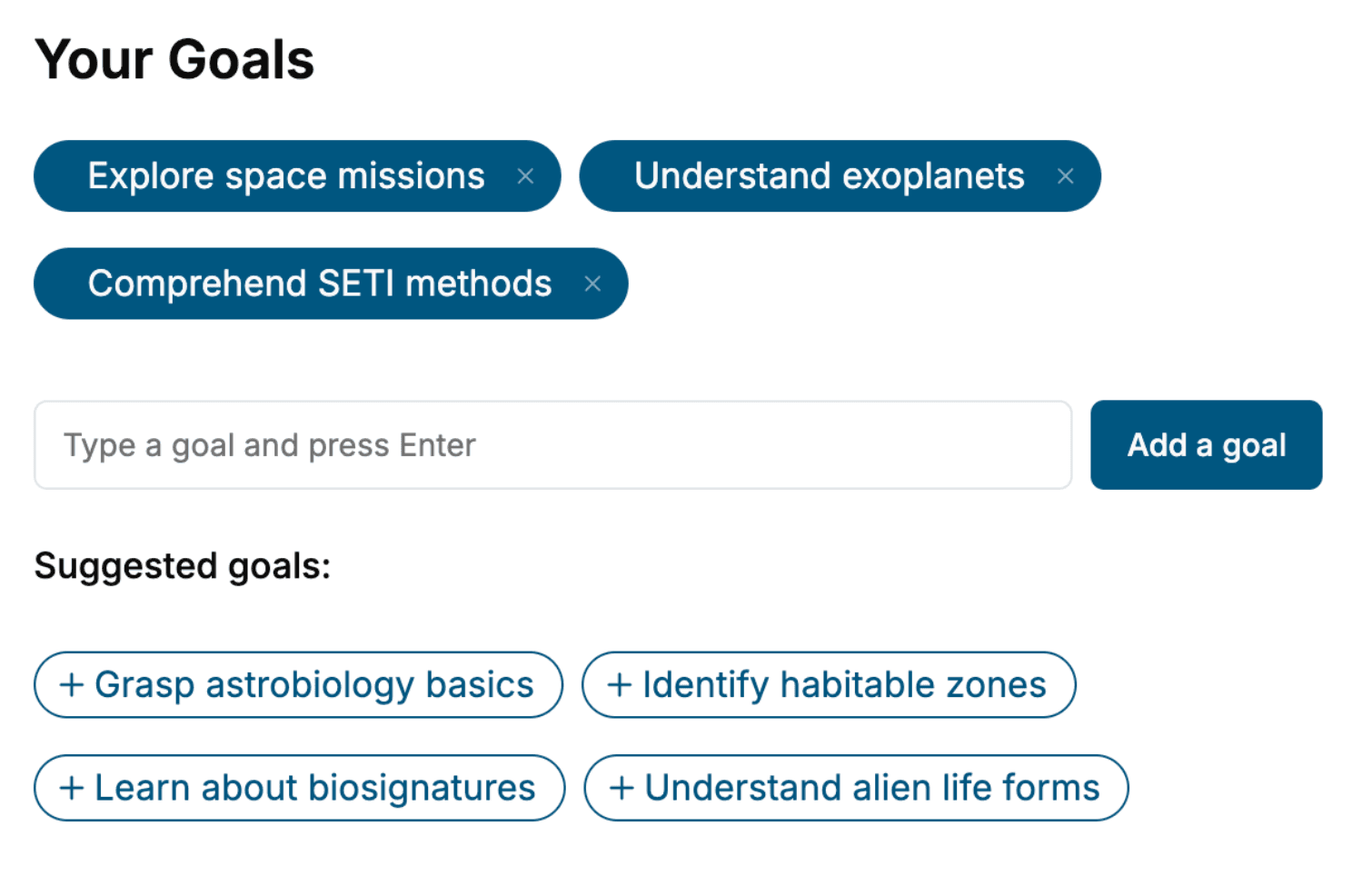
Specify your goals and choose sub-topics to include
- 3. Get your tailored book
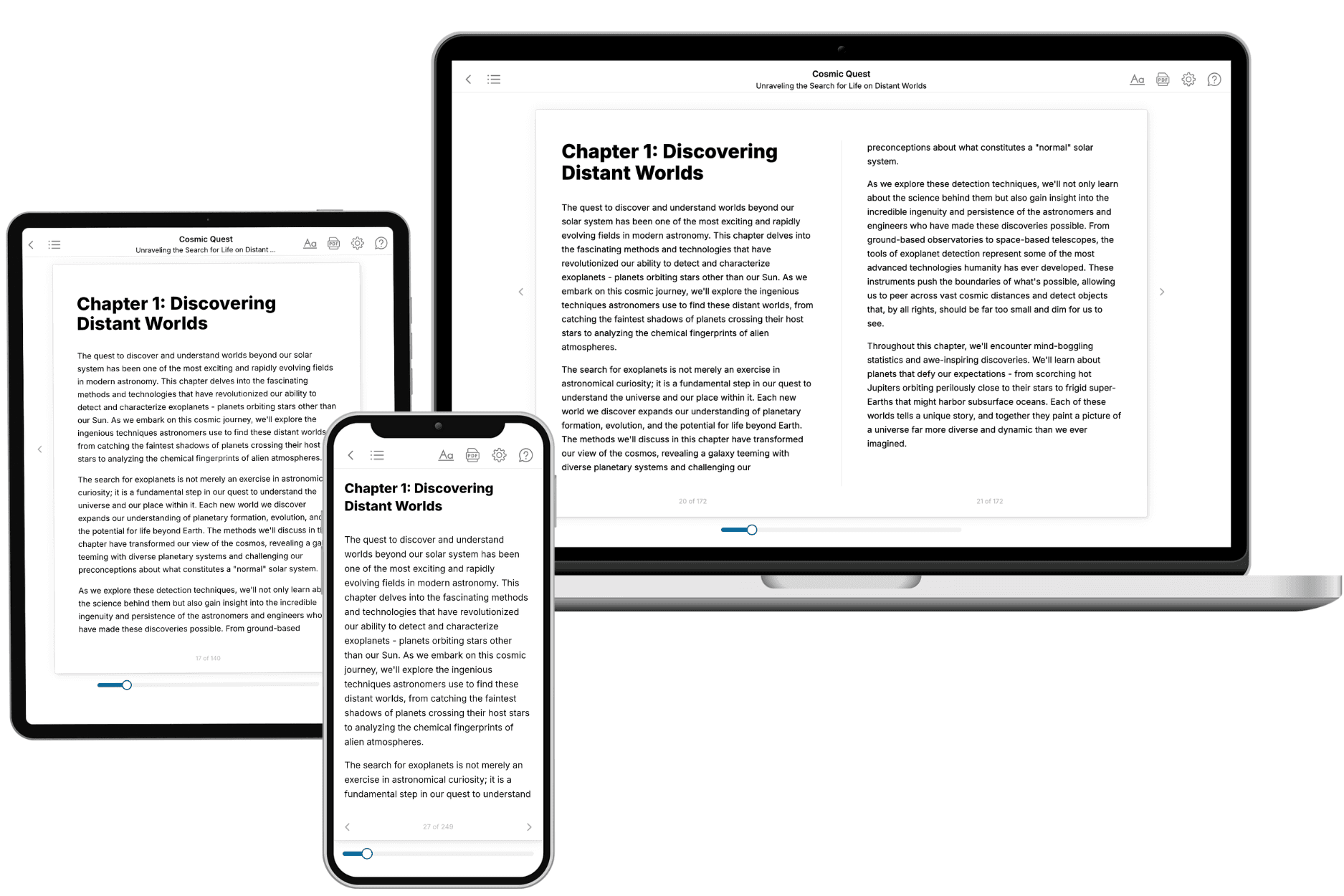
Your book is ready in 10 minutes. Read it online, download as EPUB or PDF, or send to Kindle.

Frequently asked questions
- What is TailoredRead?
TailoredRead creates complete, full-length nonfiction ebooks, written specifically for you. Tell us what you want to learn and why, and TailoredRead writes you a complete ebook on it, with charts, tables, and diagrams throughout. Read it online, on Kindle, or on any e-reader, or download it as a PDF or EPUB. Every book is written fresh the day you order it.
- How is the book tailored to me?
Before anything is written, you answer a few short questions about your goals, your background, and the topics you care about. Your book is then planned around your answers: written at your level, focused on your goals, and covering the topics you chose, instead of the one-size-fits-all book a store sells everyone.
- Will it read like generic AI content?
No. Your book isn't a chat transcript: it's planned chapter by chapter before a single word is written, told in a clear book voice, and explains ideas visually with charts, tables, and diagrams. After writing, every book goes through an editorial pass that polishes chapters so the book reads consistent from start to finish. Judge for yourself: browse thousands of sample books on our Explore Books page.
- How accurate is the content?
Our AI first checks whether your subject needs live research. Niche and fast-moving subjects are researched before writing, and the book plan and chapters are grounded in what it finds. After writing, every book goes through a quality pass that checks its facts and consistency, and researched books list their sources in a Notes section at the back.
- How long is the book?
You choose the length: Comprehensive (250-300 pages), Detailed (150-200 pages), Essential (70-100 pages), or Short (30-50 pages).
- Does the book include visuals?
Yes. Every book includes charts, tables, and diagrams: timelines, checklists, step-by-step guides, decision trees, comparison tables, matrices, and bar charts. A typical book includes dozens of these visual elements.
- Can I read it on Kindle? What formats can I download?
Yes. Every book can be read in our online reader or downloaded as a PDF or EPUB. The EPUB can be opened with Kindle, Apple Books, Kobo, and any e-reader. The Commercial and Author licenses also include an editable Word (DOCX) and Markdown download.
- How much does it cost?
About the price of a regular ebook. The exact price depends on your book's length and complexity, from $2 for the shortest books to $35 for the most comprehensive, and it's shown when you review your book, before you commit to anything. Each book is a one-time purchase, yours to keep, no subscription. Licenses that let you share, teach, or publish your book range from $35.99 to $49.99.
- Can I preview the book before purchasing?
Before you pay, you'll see what your book will cover: the title, a detailed description, the estimated length, and the complete chapter-by-chapter table of contents, so you know what you're getting before you decide. The full text itself is written after you purchase.
- How long does it take to create a book?
About 10 minutes. You can start reading the opening chapters while the rest is still being written.