The Mathematical Apocalypse
Decoding Biblical Numerology, Gematria, and Prophetic Patterns in Revelation
Many readers struggle to understand the cryptic numerical references and symbolic patterns woven throughout the Book of Revelation, leaving them confused about the text's deeper meaning.
207 pages9 chaptersMay 26, 2026Biblical Studies
About this book
This book demystifies biblical numerology and gematria by revealing the mathematical principles that ancient authors deliberately embedded in sacred texts. You'll discover how numbers like 7, 12, and 666 function as theological symbols, learn the mechanics of gematria and how letter-values unlock hidden meanings, and explore the prophetic patterns that structure Revelation's narrative. Through clear explanations, practical examples, and systematic analysis, you'll develop the tools to decode these patterns yourself. Whether you're a teacher seeking to enrich your understanding of scripture, a student of ancient languages, or simply curious about the mathematical architecture of religious texts, this book provides both the foundational knowledge and analytical frameworks you need to engage with biblical numerology confidently and critically.
Table of contents
- IntroductionWhy Numbers Matter in Sacred Texts, Your Journey Through Biblical Numerology, How to Use This BookRead below
- Chapter 1: Foundations of Biblical NumerologyWhat Is Biblical Numerology?, Historical Context and Ancient Practices, Core Methodology and Principles
- Chapter 2: The Hebrew Alphabet and GematriaUnderstanding Hebrew Letter Values, Different Gematria Systems and Calculations, Practical Applications of Gematria
- Chapter 3: Greek Numerology and IsopsephyGreek Letter Values and Isopsephy, Numerical Patterns in New Testament Texts, Comparing Greek and Hebrew Numerical Systems
- Chapter 4: The Symbolic Numbers of ScriptureThe Number Seven: Completion and Perfection, The Number Twelve: Divine Order and Governance, The Number Forty: Testing and Transformation, Other Significant Numbers and Their Meanings
- Chapter 5: Decoding the Book of RevelationThe Mathematical Structure of Revelation, The Seven Seals, Trumpets, and Bowls, Numerical Architecture and Symbolic Patterns
- Chapter 6: The Number 666 and Prophetic SymbolismHistorical and Numerical Interpretations of 666, Gematria Analysis and Hidden Names, Prophetic Significance and Theological Meaning
- Chapter 7: Prophetic Patterns and SequencesIdentifying Recurring Numerical Patterns, Prophetic Timelines and Numerical Sequences, Methods for Analyzing Prophetic Patterns
- Chapter 8: Critical Analysis and InterpretationAvoiding Common Pitfalls in Numerological Interpretation, Scholarly Perspectives and Debates, Methods for Verifying Numerical Interpretations
- Chapter 9: Practical Tools and TechniquesStep-by-Step Calculation Methods, Essential Resources and Reference Materials, Building Your Personal Analysis Toolkit
- ConclusionSynthesizing Your Insights, Continuing Your Exploration
- Glossary of Terms
- Further Reading and Resources
Introduction
Open the Book of Revelation to almost any page, and numbers leap out at you. Seven seals. Twelve tribes. One hundred and forty-four thousand. Six hundred and sixty-six. These figures are not decorative flourishes or rough estimates. They are precise, deliberate, and deeply meaningful to the authors who placed them there. Yet for most modern readers, these numbers remain opaque, like a code written in a language they were never taught. That gap between the text and the reader is exactly what this book is designed to close.
Biblical numerology is the study of how numbers function as theological and symbolic language in sacred texts. It is a field with genuine scholarly depth, rooted in the ancient cultures of the Near East and the Mediterranean world. The Hebrew and Greek languages both assigned numerical values to their letters, which meant that every word carried a hidden arithmetic dimension. Ancient readers were aware of this. They expected it. When the author of Revelation wrote the number 666, the original audience would have immediately begun calculating names. That interpretive instinct was not superstition. It was literacy in the fullest sense of the word.
This book approaches biblical numerology as a serious analytical discipline. It draws on textual scholarship, ancient language studies, and the history of religious thought to explain how numerical patterns work, why they were used, and what they reveal about the texts that contain them. The goal is not to predict the future or to decode secret messages hidden from the world. The goal is to read ancient texts the way their authors intended them to be read, with full awareness of the numerical and symbolic vocabulary those authors were using. That kind of reading is both intellectually rigorous and genuinely illuminating.
Whether you come to this subject as a teacher looking to deepen your understanding of scripture, a student of ancient languages curious about how Greek and Hebrew encode meaning, or simply someone who has always wondered what those strange numbers in Revelation actually signify, this book is built for you. No advanced mathematics is required. No prior expertise in biblical languages is assumed. What is required is curiosity, patience, and a willingness to engage with ideas that sit at the intersection of mathematics, linguistics, and theology. That intersection turns out to be one of the most fascinating places in all of human intellectual history.
Why Numbers Matter in Sacred Texts
Numbers have carried symbolic weight in human culture for as long as records exist. Long before the modern era, ancient civilizations understood numbers not merely as tools for counting but as carriers of meaning. In Mesopotamia, the number seven was associated with completeness and cosmic order. In Egypt, specific numbers governed ritual and architecture. In ancient Israel and the broader Semitic world, this symbolic understanding of numbers was woven directly into religious language and sacred writing.[1]
The reason numbers matter so much in sacred texts comes down to a fundamental feature of ancient Hebrew and Greek: both languages used their alphabets as their number systems. There were no separate Arabic numerals in the ancient world. Instead, each letter of the Hebrew alphabet had a fixed numerical value, and the same was true of Greek. This meant that every written word was simultaneously a number. The word for "father" in Hebrew (av) had a calculable sum. So did the word for "covenant," for "Jerusalem," and for every name in the text. This was not a coincidence or a curiosity. It was a structural feature of the language that writers could and did exploit deliberately.
This practice of calculating the numerical value of words is called gematria in Hebrew contexts and isopsephy in Greek contexts. Both terms describe essentially the same operation: adding up the letter-values of a word or phrase to arrive at a total number. That total could then be compared to other words or phrases with the same value, creating a hidden layer of connection between concepts. A skilled ancient reader could look at a number in a text and immediately begin exploring which words or names shared that value. This was a recognized and respected form of interpretation in both Jewish and early Christian communities.
Consider a concrete example. The Hebrew word for "life" (chai, spelled with the letters chet and yod) has a gematria value of 18. Chet equals 8, and yod equals 10. This is why the number 18 carries special significance in Jewish tradition, and why gifts of money in multiples of 18 are considered auspicious. That is a living, practical example of gematria operating in real cultural life, not just in ancient manuscripts. The same principle, applied to the much more complex text of Revelation, opens up layers of meaning that are simply invisible to readers who do not know the system.
Numbers in sacred texts also function as structural markers. The Book of Revelation is organized around groups of seven: seven churches, seven seals, seven trumpets, seven bowls. This is not accidental repetition. The number seven in biblical tradition signals completeness and divine perfection, drawing on the seven days of creation in Genesis. When the author of Revelation structures the entire apocalyptic drama in sevens, the number itself is making a theological argument. It is saying: this is the complete, divinely ordered account of the end of history. The structure is the message.
Understanding why numbers matter also requires understanding what they are not doing in these texts. Biblical numerology is not the same as modern numerology, which often involves assigning personal significance to birth dates or names in ways that have no grounding in ancient practice. The numbers in scripture are meaningful because they operated within a specific cultural, linguistic, and theological framework that can be studied and understood. That framework is what this book will teach you. The difference between rigorous biblical numerology and speculative number mysticism is the difference between reading a text in its historical context and projecting modern assumptions onto it.
Finally, numbers matter in sacred texts because they create connections across vast stretches of scripture. When Revelation describes the New Jerusalem as a city with twelve gates, twelve foundations, and dimensions measured in multiples of twelve, it is deliberately echoing the twelve tribes of Israel and the twelve apostles. The number is functioning as a theological bridge, linking the end of the story to its beginning and middle. Recognizing these connections transforms the reading experience. What looked like a confusing jumble of symbols begins to reveal itself as a carefully constructed, mathematically coherent whole.
Your Journey Through Biblical Numerology
This book is organized as a progressive journey. It begins with foundations and builds toward increasingly sophisticated analysis. Each chapter adds a new layer of understanding, and by the time you reach the final chapters, you will have the tools to conduct your own numerological analysis of biblical texts with genuine confidence and critical awareness. Here is a brief map of where the journey goes.
The first two chapters establish the groundwork. Chapter 1 defines biblical numerology as a field of study, places it in its historical context, and introduces the core methodology that distinguishes careful analysis from guesswork. Chapter 2 dives into the Hebrew alphabet and the gematria system, explaining how letter values work, what the different calculation methods are, and how to apply them to actual Hebrew words and phrases. These two chapters together give you the linguistic and methodological foundation for everything that follows.
Chapter 3 turns to the Greek side of the equation, exploring isopsephy and the numerical patterns embedded in New Testament texts. This chapter also compares the Hebrew and Greek systems, highlighting both their similarities and their important differences. Since Revelation was written in Greek by an author deeply steeped in Hebrew scripture, understanding both systems is essential for a complete analysis of the book.
Chapter 4 examines the major symbolic numbers of scripture in depth. Seven, twelve, forty, four, ten, and several others each receive focused attention, with specific examples drawn from across the biblical canon. This chapter functions as a reference guide as much as a narrative chapter. You will find yourself returning to it as you work through later material.
- Seven: completion, divine perfection, the Sabbath principle
- Twelve: governance, the people of God, cosmic order
- Forty: testing, transition, and transformation
- Four: the created world, the four corners of the earth
- Ten: fullness, law, and divine commandment
Chapters 5 and 6 are the heart of the book. Chapter 5 decodes the mathematical structure of Revelation itself, examining how the seven seals, seven trumpets, and seven bowls are organized and what their numerical architecture reveals about the book's theological argument. Chapter 6 tackles the most famous and controversial number in all of scripture: 666. It presents the major historical interpretations, walks through the gematria calculations that scholars have proposed, and explains the theological significance of the number within its original context.
Chapter 7 broadens the lens to look at prophetic patterns and numerical sequences across scripture, not just in Revelation. This chapter introduces methods for identifying recurring patterns and explains how ancient authors used numerical sequences to structure prophetic timelines. Chapter 8 then steps back to take a critical view of the entire enterprise, examining common interpretive pitfalls, surveying scholarly debates, and providing practical methods for verifying whether a proposed numerical interpretation is genuinely grounded in the text or simply a product of wishful thinking.
Chapter 9 is entirely practical. It provides step-by-step calculation methods, recommends essential reference resources, and helps you build a personal analysis toolkit that you can use for ongoing study. The conclusion then synthesizes the key insights from the entire book and points toward directions for continued exploration. By the end, you will not just understand biblical numerology. You will be equipped to practice it.
One important note about the journey ahead: this book treats the numerical patterns in scripture as historically and theologically significant without making claims about their predictive power for contemporary events. The goal is to understand what these numbers meant to the people who wrote and first read these texts. That historical and literary understanding is rich enough on its own terms. It does not need to be supplemented with speculation about modern political figures or current events. Keeping that boundary clear is what makes the analysis trustworthy.
How to Use This Book
This book is designed to be read from beginning to end on a first pass, because each chapter builds on the concepts introduced in the previous ones. If you jump straight to the chapter on 666 without reading the chapters on gematria and symbolic numbers first, you will miss the analytical framework that makes the discussion meaningful. That said, once you have completed a full reading, the book works equally well as a reference text. The chapters on symbolic numbers, calculation methods, and resources are particularly useful to return to during your own research.
Throughout the book, you will encounter several recurring features designed to support active learning. Worked examples walk through specific calculations step by step, showing exactly how a gematria value is derived or how a numerical pattern is identified in a passage. These examples are not just illustrations. They are templates you can follow when analyzing other texts on your own. Pay close attention to the process, not just the result.
Blockquotes are used throughout to highlight key passages from scripture, important scholarly observations, and illustrative examples. When you see a blockquote, it signals that the material inside deserves careful attention. These are the moments where the abstract principles connect to specific textual evidence. Reading them slowly and thinking about how they relate to the surrounding discussion will deepen your understanding significantly.
The book also includes a comprehensive Glossary of Terms at the back. Biblical numerology involves a specific vocabulary, including terms like gematria, isopsephy, apocalyptic literature, chiasm, and several others that may be unfamiliar. The glossary defines each term clearly and concisely. If you encounter an unfamiliar word in the main text, check the glossary before moving on. Building your vocabulary as you go will make the later chapters much more accessible.
For readers with a background in teaching, this book offers particular value as a resource for curriculum development. The frameworks and examples provided here can be adapted for classroom use at secondary and post-secondary levels. The chapter on critical analysis is especially relevant for teaching students how to evaluate interpretive claims rigorously. Consider how the methodological principles introduced in Chapter 1 might translate into assessment criteria for student work on biblical texts.
A word about the use of Hebrew and Greek in this book. Both languages appear throughout, because they are essential to the subject. However, the book does not assume that you can read either language fluently. Every Hebrew and Greek term is transliterated into the Latin alphabet and explained in plain English. Where letter values are discussed, they are presented in clear tables and worked examples. You do not need to be a linguist to follow the analysis. What you do need is a willingness to engage with unfamiliar scripts and sounds as tools for understanding, rather than obstacles to it.
Finally, approach this material with both openness and critical thinking. Biblical numerology has a long and serious scholarly tradition, but it also has a history of being misused by people who find patterns where none exist or who use numerical analysis to support predetermined conclusions. This book will teach you both how to find genuine patterns and how to recognize when a proposed pattern is not actually there. That dual skill, the ability to see real structure and to resist false structure, is the mark of a mature interpreter. Developing it takes practice, and this book is designed to give you that practice in a structured, supported way.
The numbers embedded in scripture have waited a long time to be properly understood. They were placed there by careful, intelligent authors who expected their readers to engage with them seriously. This book is an invitation to become that kind of reader. The journey begins with a simple but profound question: what did ancient people believe numbers could do that words alone could not? The answer to that question will reshape how you read not just Revelation, but the entire biblical canon.
Notes
Introduction
- 1. Hopper, Vincent Foster. Medieval Number Symbolism, and Influence on Thought and Expression. Columbia University Press, 1938
This is the end of the free sample. The full book has 9 chapters.
Want this book written for you?
Tell us your goals and background, and get your own version of this book, tailored by AI to you.


Benefits of AI-tailored books
- Read one book, not ten:
- all the Biblical Studies knowledge you need, gathered into a single book.
- Save days of learning:
- tell us your goals, choose your topics, and the whole book is built around them.
- Learn effortlessly:
- Biblical Studies book written for your specific background and expertise.
- Understand at a glance:
- includes charts, tables, timelines, checklists, decision trees, and more.
- Stay current:
- written the day you order it, not years ago.
- Trust what you read:
- every book is checked for accuracy, with real research when your subject needs it.
Create your unique book in 3 steps
- 1. Select your focus
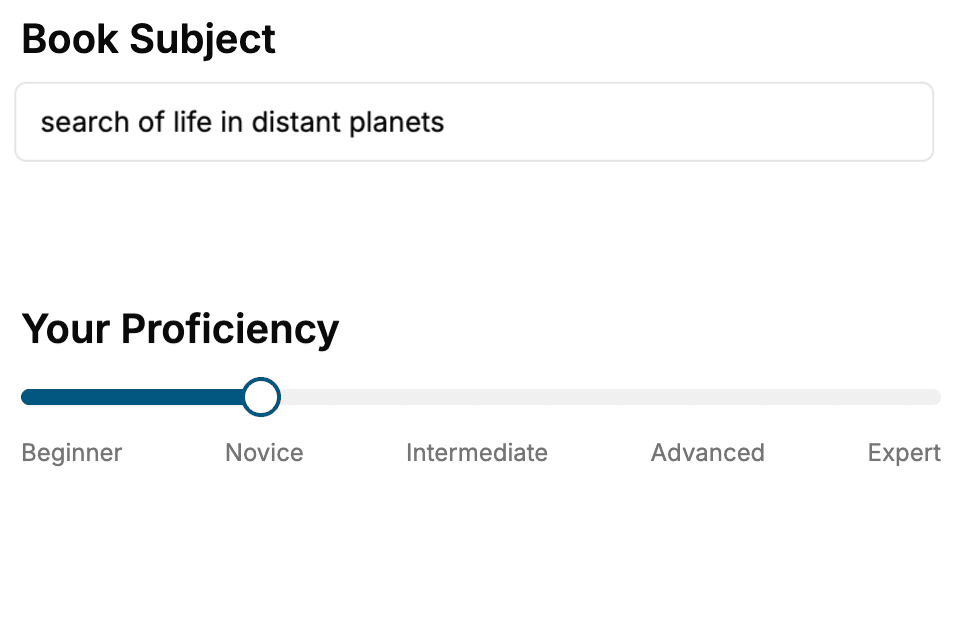
Select the focus of your Biblical Studies book and share your background
- 2. Personalize your book
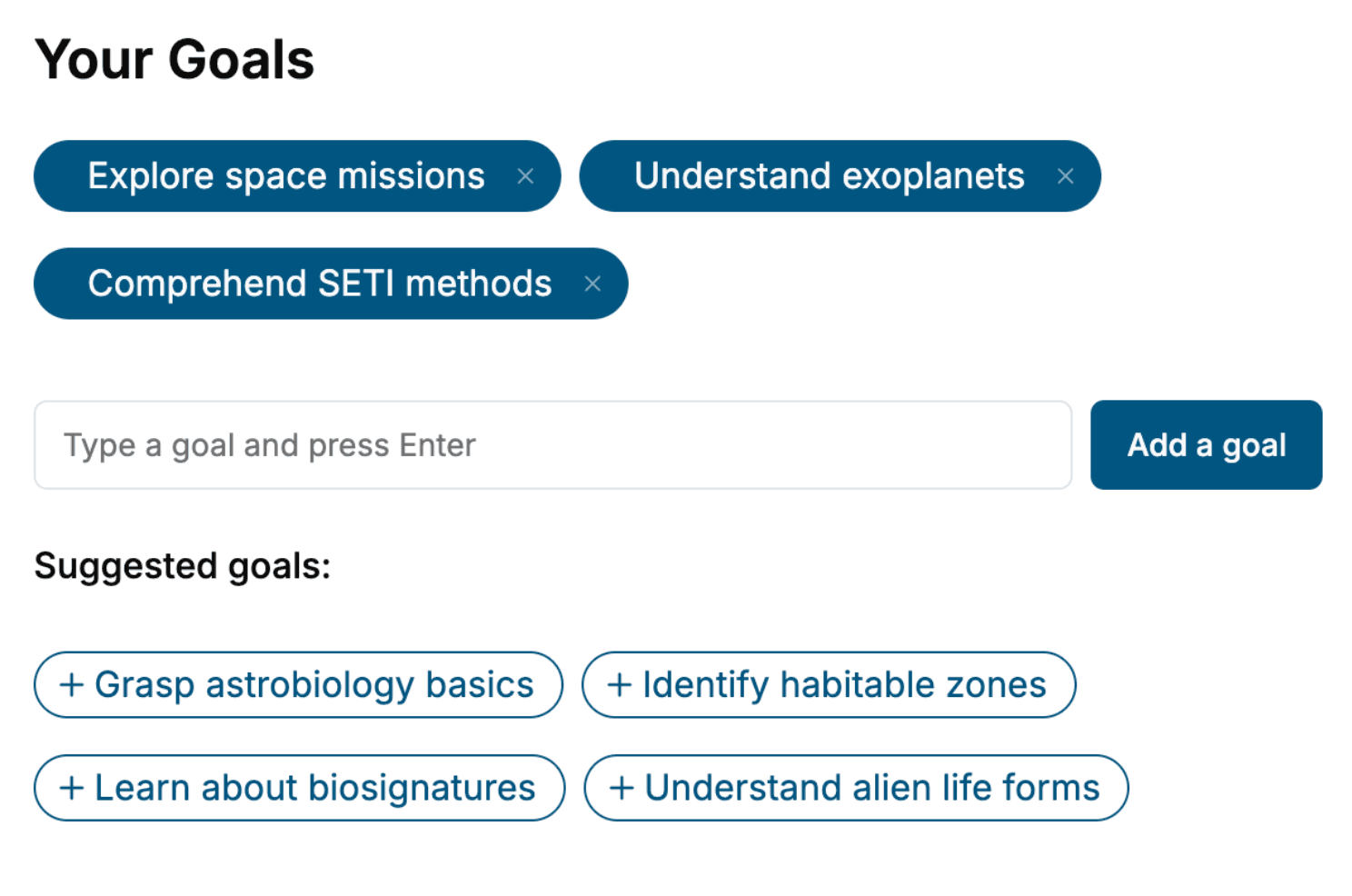
Specify your goals and choose sub-topics to include
- 3. Get your tailored book
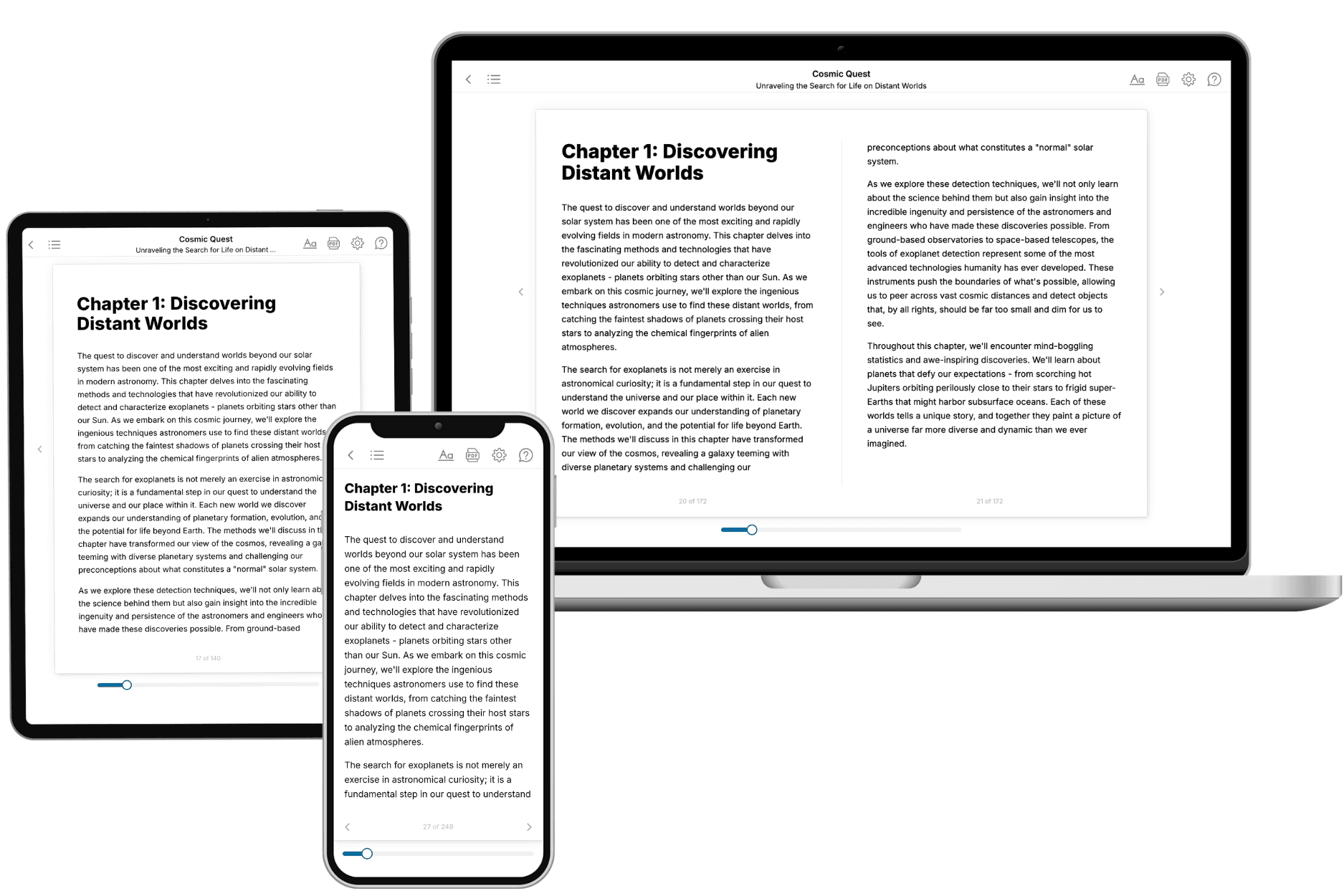
Your book is ready in 10 minutes. Read it online, download as EPUB or PDF, or send to Kindle.
Frequently asked questions
- What is TailoredRead?
TailoredRead creates complete, full-length nonfiction ebooks, written specifically for you. Tell us what you want to learn and why, and TailoredRead writes you a complete ebook on it, with charts, tables, and diagrams throughout. Read it online, on Kindle, or on any e-reader, or download it as a PDF or EPUB. Every book is written fresh the day you order it.
- How is the book tailored to me?
Before anything is written, you answer a few short questions about your goals, your background, and the topics you care about. Your book is then planned around your answers: written at your level, focused on your goals, and covering the topics you chose, instead of the one-size-fits-all book a store sells everyone.
- Will it read like generic AI content?
No. Your book isn't a chat transcript: it's planned chapter by chapter before a single word is written, told in a clear book voice, and explains ideas visually with charts, tables, and diagrams. After writing, every book goes through an editorial pass that polishes chapters so the book reads consistent from start to finish. Judge for yourself: browse thousands of sample books on our Explore Books page.
- How accurate is the content?
Our AI first checks whether your subject needs live research. Niche and fast-moving subjects are researched before writing, and the book plan and chapters are grounded in what it finds. After writing, every book goes through a quality pass that checks its facts and consistency, and researched books list their sources in a Notes section at the back.
- How long is the book?
You choose the length: Comprehensive (250-300 pages), Detailed (150-200 pages), Essential (70-100 pages), or Short (30-50 pages).
- Does the book include visuals?
Yes. Every book includes visual elements such as timelines, checklists, step-by-step guides, decision trees, comparison tables, and matrices, and many include bar charts. A typical book includes dozens of these visual elements.
- Can I read it on Kindle? What formats can I download?
Yes. Every book can be read in our online reader or downloaded as a PDF or EPUB. The EPUB can be opened with Kindle, Apple Books, Kobo, and any e-reader. The Commercial and Author licenses also include an editable Word (DOCX) and Markdown download.
- How much does it cost?
About the price of a regular ebook. The exact price depends on your book's length and complexity, from $2 for the shortest books to $35 for the most comprehensive, and it's shown when you review your book, before you commit to anything. Each book is a one-time purchase, yours to keep, no subscription. Licenses that let you share, teach, or publish your book range from $35.99 to $49.99.
- Can I preview the book before purchasing?
Before you pay, you'll see what your book will cover: the title, a detailed description, the estimated length, and the complete chapter-by-chapter table of contents, so you know what you're getting before you decide. The full text itself is written after you purchase.
- How long does it take to create a book?
About 10 minutes. You can start reading the opening chapters while the rest is still being written.