The Philosophy of Beautiful Design
Understanding Aesthetic Principles for Meaningful Creative Work
Your creative work stands at the intersection of beauty and meaning, where every design decision carries philosophical weight.
253 pages13 chaptersOct 15, 2025Design
About this book
This comprehensive exploration of aesthetic theory will reshape how you approach visual communication, moving beyond surface-level styling to understand the deeper principles that make design truly compelling. You'll discover how classical aesthetic theories translate into contemporary design practice, learning to recognize the subtle relationships between proportion, balance, and visual harmony that separate memorable work from the mundane. Through systematic examination of color, form, typography, and composition, you'll develop the critical eye needed to evaluate and refine your creative decisions with confidence. The journey through historical aesthetic movements—from ancient Greek ideals to modern minimalism—reveals how cultural context shapes visual perception and provides a rich vocabulary for your own creative expression. You'll explore the philosophical tensions between subjective taste and objective beauty, gaining tools to navigate client preferences while maintaining design integrity. By the end, you'll possess a sophisticated framework for creating work that resonates on both intellectual and emotional levels, equipped with the theoretical foundation to articulate your design choices and push your creative practice toward greater depth and impact.
Table of contents
- IntroductionThe Intersection of Design and Philosophy, Building Your Aesthetic Foundation, From Theory to Practice, Your Path Through Aesthetic UnderstandingRead below
- Chapter 1: Foundations of BeautyDefining Aesthetics in Design, Objective vs Subjective Beauty, The Psychology of Visual Perception, Cultural Influences on Aesthetic Judgment
- Chapter 2: Classical Aesthetic PrinciplesThe Golden Ratio and Divine Proportion, Symmetry and Balance in Composition, Harmony and Unity Principles, Contrast and Emphasis Techniques
- Chapter 3: Form Follows FunctionThe Bauhaus Legacy in Modern Design, When Function Creates Beauty, Ornament and Its Purpose, The Philosophy of Minimalism
- Chapter 4: The Aesthetics of ColorColor Psychology and Emotional Response, Cultural Meanings of Color, Creating Color Harmony, Color in Context and Contrast
- Chapter 5: Typography as Aesthetic ExpressionThe Beauty of Letterforms, Hierarchy and Visual Flow, Typography and Personality, Balancing Readability and Beauty
- Chapter 6: Composition and Spatial RelationshipsThe Rule of Thirds and Beyond, The Power of Negative Space, Visual Weight and Balance, Creating Movement and Flow
- Chapter 7: Historical Aesthetic MovementsArt Nouveau and Organic Beauty, Art Deco and Geometric Elegance, Modernism and Clean Aesthetics, Postmodern Rebellion and Complexity
- Chapter 8: Contemporary Aesthetic TrendsFlat Design and Digital Minimalism, Material Design Philosophy, The Brutalist Revival, Maximalism as Response to Minimalism
- Chapter 9: Digital Age AestheticsDesigning for Screen vs Print, Interactive Design and User Experience, Responsive Design Aesthetics, Digital-Native Design Languages
- Chapter 10: Sustainable Design AestheticsThe Beauty of Sustainable Materials, Designing for Longevity, Minimal Environmental Impact, Circular Design Principles
- Chapter 11: Cross-Cultural Aesthetic UnderstandingEastern Aesthetic Philosophies, Indigenous Design Wisdom, Global Design Fusion, Cultural Sensitivity in Design
- Chapter 12: Developing Aesthetic JudgmentCritical Analysis of Design, Developing Personal Taste, Giving and Receiving Design Critique, Building Aesthetic Confidence
- Chapter 13: Practical Application of Aesthetic TheoryIntegrating Aesthetics into Design Process, Educating Clients About Aesthetic Choices, Documenting Aesthetic Decisions, Continuous Aesthetic Learning
- ConclusionYour Path to Aesthetic Mastery, The Future of Design Aesthetics
- Further Reading
Introduction
Every design decision you make carries philosophical weight, whether you recognize it or not. When you choose a particular shade of blue over another, adjust the spacing between elements, or select a specific typeface, you're making aesthetic judgments rooted in centuries of human thought about beauty, meaning, and visual communication. The difference between designers who create merely functional work and those who produce truly compelling, memorable designs lies not in technical skill alone, but in their understanding of the deeper principles that govern aesthetic experience.
The philosophy of beautiful design extends far beyond personal preference or current trends. It encompasses a rich tradition of aesthetic theory that spans from ancient Greek concepts of proportion and harmony to contemporary debates about digital minimalism and sustainable design practices. This philosophical foundation provides the framework for making design decisions with confidence and intention, moving beyond intuitive choices to create work that resonates on both intellectual and emotional levels. Understanding these principles allows you to articulate why certain designs succeed while others fail, and more importantly, how to consistently create work that achieves your intended impact.
Your journey through aesthetic understanding will transform how you approach every aspect of visual communication. Rather than relying solely on what looks good
or following design trends without deeper consideration, you'll develop the critical thinking skills necessary to evaluate design choices through multiple lenses: historical context, cultural significance, psychological impact, and functional effectiveness. This comprehensive approach to aesthetic judgment will elevate your creative practice and provide the theoretical foundation needed to push boundaries while maintaining design integrity.
The Intersection of Design and Philosophy
Design and philosophy have been intertwined since humans first began creating objects with intentional aesthetic qualities. Ancient Greek philosophers like Plato and Aristotle grappled with questions about the nature of beauty that remain relevant to contemporary designers: Is beauty objective or subjective? What role does proportion play in aesthetic appeal? How do cultural contexts shape our perception of visual harmony? These fundamental questions continue to influence how we approach design problems today, providing a theoretical framework that transcends specific tools, technologies, or stylistic movements.
The philosophical approach to design thinking involves examining the underlying assumptions and values that inform aesthetic choices. When the Bauhaus movement proclaimed that form follows function,
they weren't simply advocating for practical design solutions—they were making a philosophical statement about the relationship between utility and beauty. Similarly, when contemporary designers embrace minimalism or maximalism, they're positioning themselves within ongoing philosophical debates about simplicity, complexity, and the role of ornament in visual communication. Understanding these philosophical underpinnings allows you to make more informed design decisions and articulate the reasoning behind your creative choices.
Consider how the philosophical concept of gestalt—the idea that the whole is greater than the sum of its parts—fundamentally shapes modern design practice. This principle influences everything from logo design to user interface layouts, guiding designers to consider how individual elements work together to create unified visual experiences. The gestalt principles of proximity, similarity, closure, and continuity aren't merely technical guidelines; they reflect deeper philosophical insights about human perception and cognition that have practical applications across all design disciplines.
The intersection of design and philosophy also reveals itself in the ethical dimensions of aesthetic choices. Every design decision carries implicit values about accessibility, sustainability, cultural sensitivity, and social responsibility. When you choose to prioritize visual impact over readability, or select materials based purely on aesthetic appeal without considering environmental impact, you're making philosophical statements about what matters most in the design process. Developing awareness of these ethical implications allows you to create work that aligns with your values while still achieving aesthetic excellence.
Philosophy provides the critical thinking tools necessary to navigate the tension between subjective taste and objective design principles. While personal preference plays a role in aesthetic judgment, philosophical frameworks help identify universal principles that transcend individual taste. The golden ratio, for example, appears across cultures and historical periods, suggesting that certain proportional relationships have objective aesthetic value. Understanding both the universal and culturally specific aspects of aesthetic judgment enables you to create designs that communicate effectively across diverse audiences while maintaining personal creative vision.
The philosophical approach to design also emphasizes the importance of questioning assumptions and challenging conventional wisdom. Rather than accepting design trends or client preferences without examination, philosophical thinking encourages you to probe deeper: Why do certain visual approaches feel appropriate for specific contexts? What cultural or historical factors influence contemporary aesthetic preferences? How do technological constraints shape our understanding of visual beauty? This critical examination leads to more innovative and meaningful design solutions that go beyond surface-level styling to address fundamental communication challenges.
Contemporary design practice increasingly requires philosophical sophistication as designers grapple with complex challenges like digital accessibility, cross-cultural communication, and sustainable practices. The philosophical framework provides tools for navigating these challenges while maintaining aesthetic integrity. For instance, understanding the philosophical foundations of different cultural aesthetic traditions enables designers to create work that respects cultural contexts while achieving universal appeal. Similarly, philosophical approaches to sustainability help designers balance environmental responsibility with visual impact, creating solutions that are both beautiful and ethically sound.
The integration of philosophical thinking into design practice also enhances your ability to educate clients and collaborate with other professionals. When you can articulate the theoretical foundations of your design decisions, you move beyond subjective arguments about personal preference to engage in meaningful discussions about communication effectiveness, brand alignment, and user experience. This philosophical grounding provides the confidence and vocabulary needed to advocate for design solutions that may challenge conventional approaches but ultimately serve the project's goals more effectively.
Building Your Aesthetic Foundation
Developing a sophisticated understanding of aesthetic principles requires systematic study of the fundamental elements that contribute to visual beauty and meaning. Your aesthetic foundation begins with recognizing that beauty in design emerges from the harmonious relationship between multiple factors: proportion, balance, rhythm, contrast, unity, and emphasis. These elements don't operate in isolation but work together to create cohesive visual experiences that communicate effectively while engaging viewers on emotional and intellectual levels. Building this foundation involves both theoretical understanding and practical application, allowing you to recognize these principles in existing work and apply them consciously in your own creative practice.
The study of proportion reveals how mathematical relationships contribute to aesthetic appeal across cultures and historical periods. The golden ratio, with its approximate value of 1.618, appears in natural forms, classical architecture, and contemporary design work, suggesting that certain proportional relationships have universal aesthetic value[1]. However, proportion extends beyond mathematical formulas to encompass the relationships between all elements within a composition:
- The relationship between text size and line spacing in typography
- The proportional relationships between different sections of a layout
- The scale relationships between primary and secondary visual elements
- The proportional balance between positive and negative space
Balance in design encompasses both symmetrical and asymmetrical approaches to visual weight distribution. Symmetrical balance creates formal, stable compositions that convey reliability and tradition, while asymmetrical balance generates dynamic tension and visual interest through careful distribution of visual weight. Mastering balance requires understanding how different elements contribute to visual weight: larger elements carry more weight than smaller ones, darker elements outweigh lighter ones, and complex shapes command more attention than simple forms. This understanding enables you to create compositions that guide viewer attention while maintaining overall visual stability.
Rhythm and movement in design create visual flow that guides viewers through compositions in intentional ways. Just as musical rhythm creates temporal patterns that engage listeners, visual rhythm establishes patterns of repetition, variation, and emphasis that create engaging viewing experiences. This might involve:
- Repeating visual elements at regular intervals to create steady rhythm
- Varying the size or spacing of repeated elements to create dynamic rhythm
- Using directional elements like lines or shapes to create visual movement
- Establishing focal points that serve as visual destinations within the composition
Contrast serves multiple functions in aesthetic composition, creating visual interest, establishing hierarchy, and enhancing readability. Effective contrast involves more than simply making elements different from one another; it requires understanding how different types of contrast work together to support communication goals. Color contrast affects both aesthetic appeal and accessibility, while size contrast establishes visual hierarchy and guides attention. Textural contrast adds visual interest and can convey different emotional qualities, while contrast in style or approach can create dynamic tension that engages viewers intellectually.
Unity and harmony ensure that diverse elements within a composition work together to create cohesive visual experiences. Unity doesn't require uniformity; instead, it involves establishing visual relationships that connect different elements while allowing for variety and interest. This might be achieved through consistent color palettes, repeated visual motifs, similar stylistic approaches, or shared proportional relationships. Understanding unity principles helps you create designs that feel intentional and cohesive rather than arbitrary or chaotic, even when incorporating diverse elements or complex information.
The principle of emphasis guides viewers to the most important elements within a composition through strategic use of contrast, positioning, and visual weight. Effective emphasis requires understanding not just how to make elements stand out, but how to create appropriate levels of emphasis for different types of content. Primary emphasis draws attention to the most important message or element, while secondary emphasis supports the primary focus without competing for attention. This hierarchical approach to emphasis ensures that viewers can quickly understand the relative importance of different elements and navigate complex information efficiently.
Building your aesthetic foundation also involves developing sensitivity to the emotional and psychological dimensions of visual elements. Colors carry emotional associations that vary across cultures, while shapes and forms can convey different personality traits or brand characteristics. Typography choices communicate not just literal content but also emotional tone and brand personality. Understanding these psychological dimensions allows you to make design choices that support communication goals while creating appropriate emotional responses in viewers.
Your aesthetic foundation must also encompass understanding of how context influences aesthetic perception. The same design elements that work effectively in one context may fail completely in another due to cultural differences, technological constraints, or audience expectations. Developing contextual awareness involves studying how aesthetic principles apply differently across various design disciplines, cultural contexts, and communication channels. This contextual understanding prevents you from applying aesthetic principles mechanically and instead encourages thoughtful adaptation based on specific project requirements and audience needs.
From Theory to Practice
The transition from theoretical understanding to practical application represents the most crucial phase of aesthetic development, where abstract principles become concrete tools for solving real design challenges. This transformation requires developing systematic approaches for analyzing design problems through aesthetic lenses, identifying which theoretical principles apply to specific situations, and implementing solutions that balance aesthetic excellence with practical constraints. The key lies in understanding that aesthetic theory doesn't provide rigid rules to follow, but rather flexible frameworks for making informed decisions that serve both communication goals and visual appeal.
Practical application begins with developing a systematic approach to design analysis that incorporates aesthetic principles from the project's inception. Rather than treating aesthetics as surface decoration applied after functional requirements are met, this approach integrates aesthetic considerations into every phase of the design process. During the research phase, you examine how aesthetic choices can support communication objectives and audience engagement. In the conceptual phase, you explore how different aesthetic approaches might convey different messages or create different user experiences. Throughout development, you continuously evaluate how aesthetic decisions impact both visual appeal and functional effectiveness.
Consider how aesthetic theory applies to a practical challenge like designing a website for a sustainable fashion brand. The theoretical understanding of color psychology suggests that earth tones and natural colors might support the brand's environmental message, while minimalist composition principles could reinforce values of conscious consumption and quality over quantity. Typography choices might draw from both modernist clarity for functional communication and organic forms that connect to natural themes. The practical application involves testing these theoretical approaches against real constraints:
- Do the chosen colors maintain sufficient contrast for accessibility requirements?
- Does the minimalist approach still accommodate all necessary content and functionality?
- How do the aesthetic choices perform across different devices and screen sizes?
- Do the design decisions effectively differentiate the brand from competitors?
The practical application of aesthetic theory also requires developing skills in visual problem-solving that go beyond applying predetermined solutions. Each design challenge presents unique constraints and opportunities that require creative adaptation of theoretical principles. For instance, the principle of visual hierarchy might be implemented through size contrast in print materials, but require different approaches in interactive digital environments where motion and user interaction create additional layers of emphasis. Understanding the underlying logic of aesthetic principles allows you to adapt them creatively to new contexts and constraints.
Effective practical application also involves developing processes for evaluating and refining aesthetic decisions throughout the design process. This might include creating systematic criteria for assessing whether design choices support communication objectives, conducting user testing to validate aesthetic assumptions, and establishing feedback loops that allow for continuous improvement. The evaluation process should consider both immediate aesthetic impact and long-term effectiveness, recognizing that some aesthetic choices that seem appealing initially may not sustain interest or communicate effectively over time.
The integration of aesthetic theory into practical workflows requires developing new habits and methodologies that make theoretical consideration a natural part of the design process. This might involve creating aesthetic mood boards that explore different theoretical approaches to a project, developing checklists that ensure consideration of key aesthetic principles, or establishing review processes that evaluate designs against both functional and aesthetic criteria. These systematic approaches prevent aesthetic considerations from being overlooked under project pressure while ensuring that theoretical understanding translates into better design outcomes.
Practical application also requires developing skills in communicating aesthetic decisions to clients, colleagues, and other stakeholders who may not share your theoretical background. This involves translating abstract aesthetic concepts into concrete benefits that non-designers can understand and appreciate. Rather than discussing the golden ratio in mathematical terms, you might explain how proportional relationships create visual comfort and professional credibility. Instead of debating color theory, you might demonstrate how specific color choices support brand recognition and emotional engagement. This communication skill ensures that aesthetic decisions receive appropriate support and resources during project implementation.
The practical application of aesthetic theory must also account for technological constraints and opportunities that influence how theoretical principles can be implemented. Digital design environments offer new possibilities for implementing aesthetic principles through animation, interaction, and responsive adaptation, but also present constraints related to loading times, device capabilities, and platform requirements. Understanding how to adapt aesthetic principles to different technological contexts ensures that theoretical knowledge remains relevant and applicable across evolving design landscapes.
Successful practical application requires developing judgment about when to prioritize aesthetic considerations and when to compromise in favor of other project requirements. Not every design decision can optimize for aesthetic excellence, and practical constraints often require balancing aesthetic ideals against budget limitations, timeline pressures, or technical constraints. Developing this judgment involves understanding which aesthetic principles have the greatest impact on communication effectiveness and user experience, allowing you to focus your efforts where they will produce the most significant results.
The transition from theory to practice also involves developing personal methodologies that integrate aesthetic understanding with your individual creative process and working style. Some designers benefit from systematic analytical approaches that methodically consider each aesthetic principle, while others prefer more intuitive processes that draw on theoretical understanding subconsciously. The key is developing approaches that consistently produce work that demonstrates sophisticated aesthetic understanding while remaining efficient and sustainable within your professional practice. This personal integration ensures that theoretical knowledge becomes a natural and powerful tool for creative problem-solving rather than an academic exercise disconnected from real design challenges.
Your Path Through Aesthetic Understanding
Your journey through aesthetic understanding will unfold systematically, building from fundamental principles to sophisticated applications that transform how you approach every aspect of design practice. This progression moves beyond surface-level familiarity with aesthetic concepts to develop deep, intuitive understanding that informs creative decisions at both conscious and subconscious levels. The path ahead integrates historical perspective with contemporary applications, theoretical knowledge with practical skills, and universal principles with cultural sensitivity, creating a comprehensive foundation for aesthetic excellence that will serve your creative practice throughout its evolution.
The early stages of your journey focus on establishing solid theoretical foundations through examination of classical aesthetic principles that have influenced design across cultures and centuries. You'll explore how mathematical relationships like the golden ratio create visual harmony, investigate the psychological mechanisms that make certain compositions more engaging than others, and understand how cultural contexts shape aesthetic perception. This foundational knowledge provides the vocabulary and conceptual framework necessary for more advanced aesthetic analysis and application. The goal isn't to memorize rigid rules, but to understand the underlying logic that makes certain design approaches consistently effective across different contexts and applications.
As your understanding deepens, you'll examine how aesthetic principles manifest in specific design elements like color, typography, and composition. Each element presents unique opportunities and challenges for aesthetic expression, requiring specialized knowledge about how theoretical principles apply in practice. Color theory extends beyond technical knowledge of hue, saturation, and value to encompass emotional psychology, cultural symbolism, and contextual meaning. Typography involves understanding not just legibility and hierarchy, but how letterforms convey personality and how typographic choices influence reader perception and engagement. Composition requires mastering spatial relationships, visual weight, and movement to create layouts that guide attention while maintaining aesthetic appeal.
The historical perspective component of your journey reveals how aesthetic movements and philosophical approaches have evolved in response to technological, cultural, and social changes. Understanding movements like Art Nouveau, Bauhaus, and Postmodernism provides insight into how aesthetic principles adapt to different contexts while maintaining core relevance. This historical knowledge helps you recognize recurring patterns in aesthetic development and understand how contemporary design trends connect to broader philosophical and cultural movements. The historical perspective also provides a rich vocabulary of aesthetic approaches that you can draw upon and adapt for contemporary applications.
Your exploration of contemporary aesthetic challenges will address how traditional principles apply to digital environments, sustainable design practices, and cross-cultural communication. Digital design presents unique opportunities for aesthetic expression through interaction, animation, and responsive adaptation, but also requires understanding how screen-based viewing affects color perception, how loading times influence aesthetic choices, and how different devices impact compositional decisions. Sustainable design challenges you to find beauty in environmentally responsible materials and processes, while cross-cultural design requires sensitivity to different aesthetic traditions and values.
The development of aesthetic judgment represents a crucial phase of your journey, where theoretical knowledge transforms into practical wisdom about when and how to apply different principles. This involves learning to analyze existing designs critically, understanding why certain approaches succeed or fail, and developing confidence in your own aesthetic decisions. You'll learn systematic approaches for evaluating design effectiveness that consider both immediate visual impact and long-term communication success. This critical analysis skill enables continuous learning from both successful and unsuccessful design examples, accelerating your aesthetic development through exposure to diverse approaches and solutions.
The practical application phase integrates all previous learning into systematic approaches for incorporating aesthetic understanding into real design projects. You'll develop methodologies for aesthetic decision-making that balance theoretical ideals with practical constraints, learn techniques for communicating aesthetic choices to clients and colleagues, and establish processes for evaluating and refining aesthetic decisions throughout project development. This practical integration ensures that theoretical knowledge translates into better design outcomes rather than remaining abstract academic knowledge.
Throughout your journey, you'll encounter recurring themes that connect different aspects of aesthetic understanding:
- The relationship between form and function, and how aesthetic choices can enhance rather than compromise usability
- The balance between universal principles and cultural specificity in aesthetic judgment
- The role of context in determining appropriate aesthetic approaches
- The importance of systematic thinking in aesthetic decision-making
- The value of historical perspective in understanding contemporary aesthetic challenges
Your aesthetic journey will also involve developing personal aesthetic philosophy that integrates theoretical understanding with your individual creative vision and values. This personal philosophy provides guidance for making aesthetic decisions that align with your professional goals and ethical commitments while maintaining theoretical sophistication. The development of personal aesthetic philosophy requires ongoing reflection on your creative practice, continuous exposure to diverse aesthetic approaches, and willingness to evolve your understanding as you gain experience and encounter new challenges.
The ultimate goal of your aesthetic journey is developing the confidence and competence to create work that achieves both functional effectiveness and aesthetic excellence. This involves understanding not just what makes designs beautiful, but how aesthetic choices support communication objectives, enhance user experience, and create meaningful connections between content and audience. Your aesthetic understanding will become a powerful tool for creative problem-solving that elevates your design practice and enables you to create work that resonates on multiple levels with diverse audiences. The journey requires patience, practice, and continuous learning, but the rewards include both professional advancement and personal satisfaction from creating work that embodies sophisticated aesthetic understanding.
Notes
Introduction
- 1. Mario Livio, The Golden Ratio, Broadway Books, 2002
This is the end of the free sample. The full book has 13 chapters.
Want this book written for you?
Tell us your goals and background, and get your own version of this book, tailored by AI to you.


Benefits of AI-tailored books
- Read one book, not ten:
- all the Design knowledge you need, gathered into a single book.
- Save days of learning:
- tell us your goals, choose your topics, and the whole book is built around them.
- Learn effortlessly:
- Design book written for your specific background and expertise.
- Understand at a glance:
- includes charts, tables, timelines, checklists, decision trees, and more.
- Stay current:
- written the day you order it, not years ago.
- Trust what you read:
- every book is checked for accuracy, with real research when your subject needs it.
Create your unique book in 3 steps
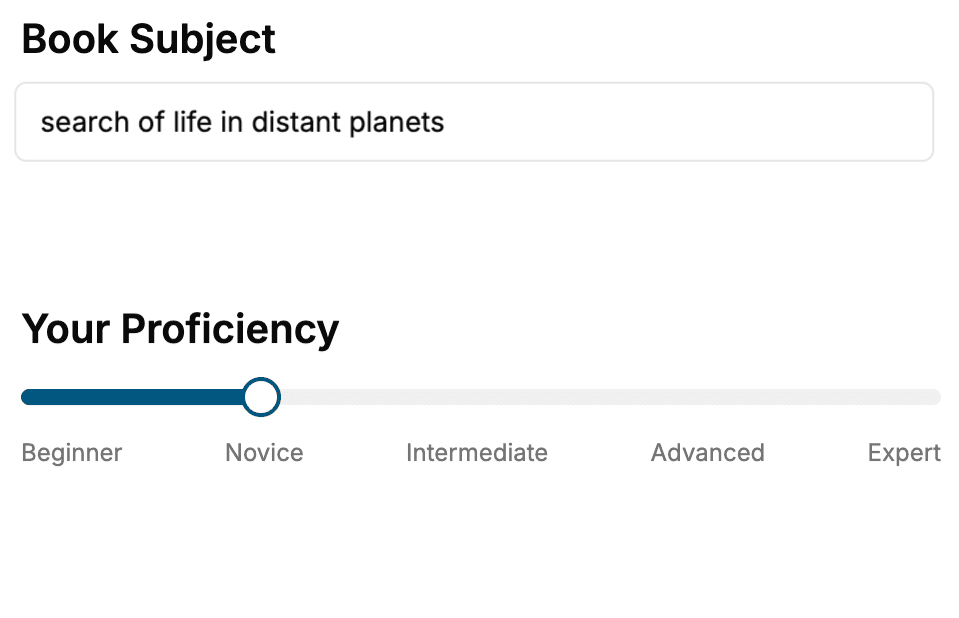
- 1. Select your focus
Select the focus of your Design book and share your background
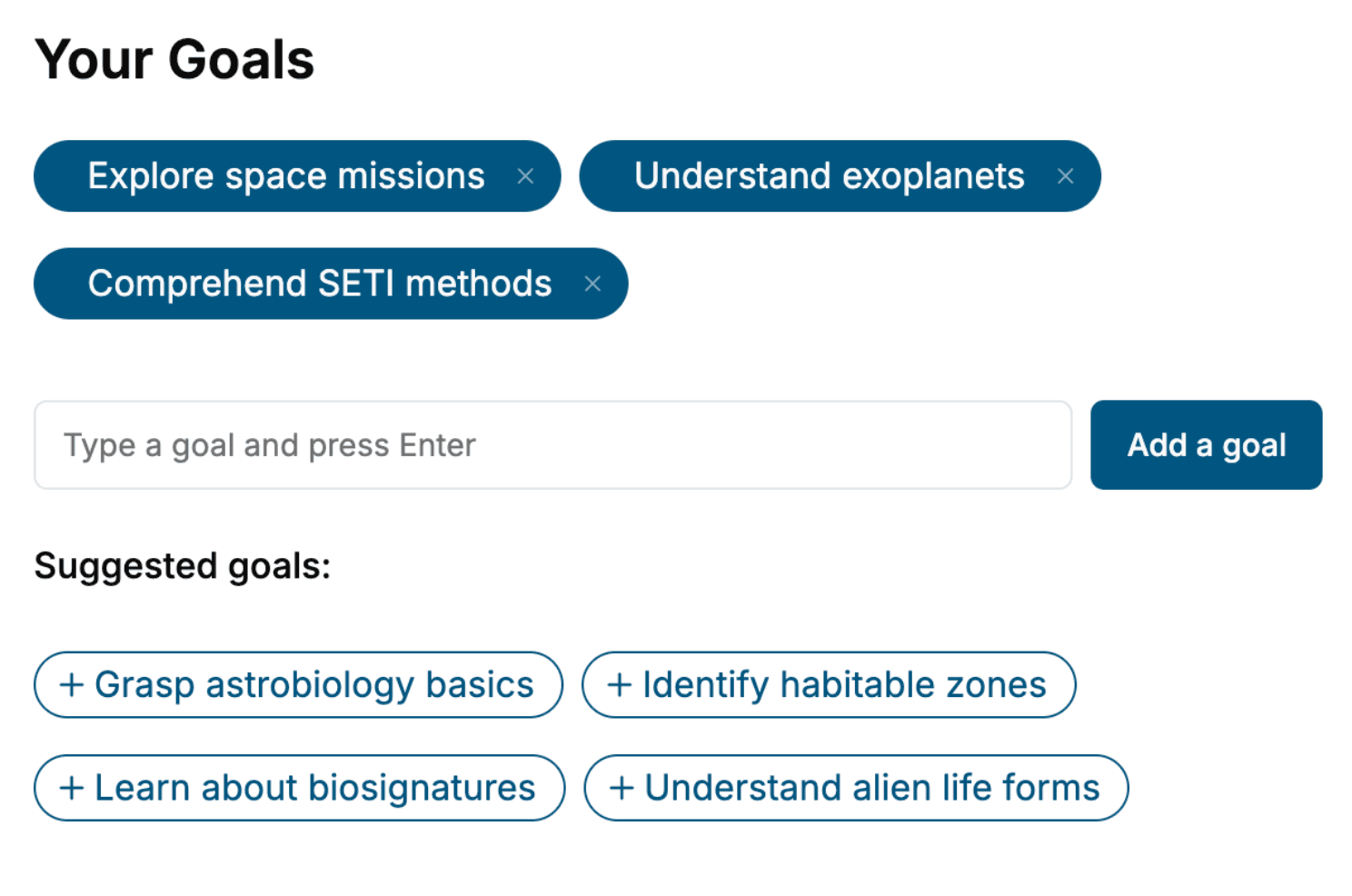
- 2. Personalize your book
Specify your goals and choose sub-topics to include
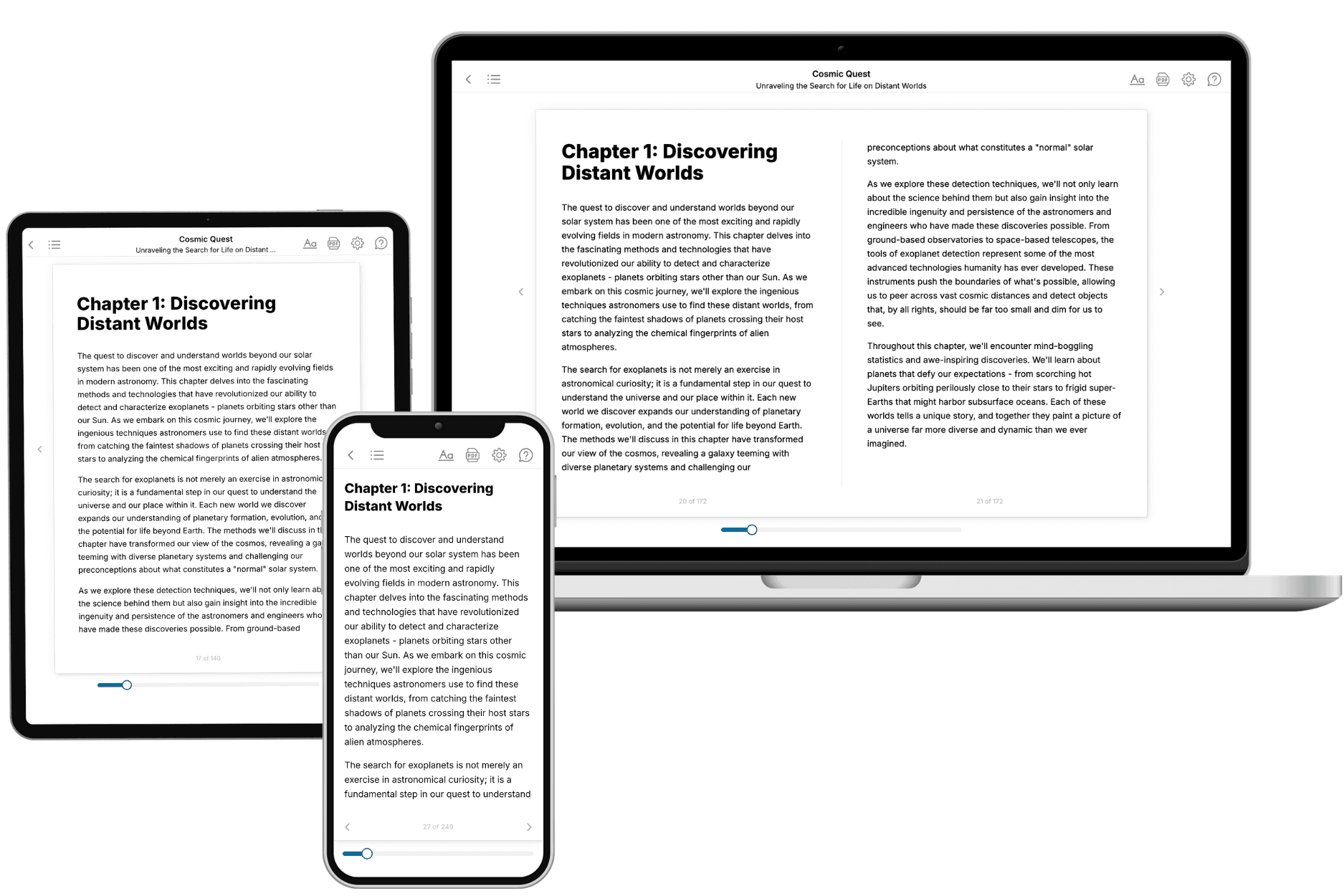
- 3. Get your tailored book
Your book is ready in 10 minutes. Read it online, download as EPUB or PDF, or send to Kindle.
Frequently asked questions
- What is TailoredRead?
TailoredRead creates complete, full-length nonfiction ebooks, written specifically for you. Tell us what you want to learn and why, and TailoredRead writes you a complete ebook on it, with charts, tables, and diagrams throughout. Read it online, on Kindle, or on any e-reader, or download it as a PDF or EPUB. Every book is written fresh the day you order it.
- How is the book tailored to me?
Before anything is written, you answer a few short questions about your goals, your background, and the topics you care about. Your book is then planned around your answers: written at your level, focused on your goals, and covering the topics you chose, instead of the one-size-fits-all book a store sells everyone.
- Will it read like generic AI content?
No. Your book isn't a chat transcript: it's planned chapter by chapter before a single word is written, told in a clear book voice, and explains ideas visually with charts, tables, and diagrams. After writing, every book goes through an editorial pass that polishes chapters so the book reads consistent from start to finish. Judge for yourself: browse thousands of sample books on our Explore Books page.
- How accurate is the content?
Our AI first checks whether your subject needs live research. Niche and fast-moving subjects are researched before writing, and the book plan and chapters are grounded in what it finds. After writing, every book goes through a quality pass that checks its facts and consistency, and researched books list their sources in a Notes section at the back.
- How long is the book?
You choose the length: Comprehensive (250-300 pages), Detailed (150-200 pages), Essential (70-100 pages), or Short (30-50 pages).
- Does the book include visuals?
Yes. Every book includes charts, tables, and diagrams: timelines, checklists, step-by-step guides, decision trees, comparison tables, matrices, and bar charts. A typical book includes dozens of these visual elements.
- Can I read it on Kindle? What formats can I download?
Yes. Every book can be read in our online reader or downloaded as a PDF or EPUB. The EPUB can be opened with Kindle, Apple Books, Kobo, and any e-reader. The Commercial and Author licenses also include an editable Word (DOCX) and Markdown download.
- How much does it cost?
About the price of a regular ebook. The exact price depends on your book's length and complexity, from $2 for the shortest books to $35 for the most comprehensive, and it's shown when you review your book, before you commit to anything. Each book is a one-time purchase, yours to keep, no subscription. Licenses that let you share, teach, or publish your book range from $35.99 to $49.99.
- Can I preview the book before purchasing?
Before you pay, you'll see what your book will cover: the title, a detailed description, the estimated length, and the complete chapter-by-chapter table of contents, so you know what you're getting before you decide. The full text itself is written after you purchase.
- How long does it take to create a book?
About 10 minutes. You can start reading the opening chapters while the rest is still being written.