Stress Testing in Test-Driven Development
Build Resilient Systems Through Rigorous Testing Practices
Imagine deploying an application with complete confidence that it will handle real-world demands without crashing, slowing to a crawl, or losing data under pressure.
253 pages12 chaptersNov 2, 2025Software Testing
About this book
This book shows you how to achieve that confidence through systematic stress testing integrated into your test-driven development workflow. You'll learn to design stress tests that expose the true limits of your systems, implement testing strategies that catch performance degradation before users experience it, and interpret results that guide architectural decisions. Whether you're building microservices, APIs, or distributed systems, this guide provides practical methodologies, real-world examples, and proven techniques for stress testing at scale. From establishing baseline metrics and simulating realistic load patterns to analyzing bottlenecks and validating recovery mechanisms, you'll master the practices that separate fragile systems from resilient ones. This book bridges the gap between theoretical testing principles and the practical realities of modern software development, giving you actionable strategies you can implement immediately.
Table of contents
- IntroductionWhy Stress Testing Matters in Modern Development, The Connection Between TDD and Stress Testing, What You'll Learn in This Book, How to Use This Book EffectivelyRead below
- Chapter 1: Foundations of Stress TestingDefining Stress Testing and Its Role in Quality Assurance, Stress Testing vs. Load Testing vs. Performance Testing, Common Misconceptions About Stress Testing, The Business Case for Stress Testing
- Chapter 2: Integrating Stress Testing into TDD WorkflowsCore TDD Principles Applied to Stress Testing, Writing Stress Test Scenarios Before Implementation, The Red-Green-Refactor Cycle for Performance, Embedding Stress Tests in Your CI/CD Pipeline
- Chapter 3: Designing Effective Stress Test ScenariosUnderstanding Your System's Performance Requirements, Creating Realistic Load Profiles from Production Data, Identifying and Testing Edge Cases and Failure Modes, Planning Multi-Phase Stress Test Scenarios
- Chapter 4: Establishing Baselines and MetricsWhy Baseline Measurements Are Critical, Identifying Key Performance Indicators for Your System, Tools and Techniques for Accurate Measurement, Documenting and Tracking Baseline Changes Over Time
- Chapter 5: Load Generation and Simulation TechniquesSelecting and Configuring Load Generation Tools, Simulating Realistic User Behavior and Patterns, Generating Distributed Load Across Multiple Sources, Ramp-Up Strategies and Gradual Load Increase
- Chapter 6: Monitoring and Data Collection During TestsDeveloping a Comprehensive Monitoring Strategy, Collecting System-Level Metrics and Resource Usage, Capturing Application-Level Performance Data, Structured Logging and Real-Time Log Analysis
- Chapter 7: Analyzing Results and Identifying BottlenecksInterpreting Stress Test Results and Data Patterns, Techniques for Identifying Performance Bottlenecks, Root Cause Analysis and Problem Diagnosis, Creating Actionable Reports for Stakeholders
- Chapter 8: Stress Testing Different System ComponentsStress Testing Databases and Query Performance, Testing APIs and Web Services Under Load, Stress Testing Caching Layers and Cache Invalidation, Testing Message Queues and Asynchronous Systems
- Chapter 9: Testing Failure Scenarios and RecoveryChaos Engineering and Failure Injection Techniques, Validating System Recovery and Resilience, Testing Graceful Degradation and Fallback Mechanisms, Ensuring Data Integrity Under Stress and Failure
- Chapter 10: Stress Testing Distributed and Microservice ArchitecturesUnique Challenges in Testing Distributed Systems, Testing Service Dependencies and Network Latency, Testing Consistency and Eventual Consistency Patterns, Stress Testing Container Orchestration and Scaling
- Chapter 11: Common Pitfalls and How to Avoid ThemAvoiding Unrealistic Test Scenarios and False Positives, Preventing Measurement Errors and Data Corruption, Ensuring Test Environment Parity with Production, Avoiding Misinterpretation of Results and Premature Conclusions
- Chapter 12: Building a Stress Testing Culture and PracticeGetting Your Team to Embrace Stress Testing, Automating Stress Tests for Continuous Validation, Sharing Results and Building Institutional Knowledge, Iterating and Improving Your Stress Testing Program
- ConclusionKey Takeaways and Next Steps, The Future of Stress Testing and Performance Engineering
- Glossary
- Further Reading and Resources
Introduction
Every software developer has experienced that sinking feeling when a system that worked perfectly in testing suddenly collapses under real-world conditions. Perhaps it was a database that ground to a halt when concurrent users exceeded expectations, or an API that returned timeout errors during a product launch. These failures rarely stem from broken functionality—the code does what it's supposed to do. Instead, they emerge from a gap in testing practices: the absence of rigorous stress testing that reveals how systems behave when pushed beyond comfortable limits.
This book bridges that gap by showing you how to integrate comprehensive stress testing into your test-driven development workflow. You'll learn to design tests that expose vulnerabilities before they reach production, implement monitoring strategies that provide actionable insights, and build systems that gracefully handle extreme conditions. The methodologies presented here aren't theoretical exercises—they're battle-tested practices drawn from real-world scenarios where performance under pressure determines success or failure. Whether you're building microservices that need to scale elastically or monolithic applications that must handle predictable peak loads, these techniques will transform how you approach system reliability.
The journey ahead requires both technical rigor and practical wisdom. You'll discover that effective stress testing isn't about throwing maximum load at your system and hoping for the best. It demands careful planning, realistic scenario design, systematic data collection, and thoughtful analysis. Most importantly, it requires integrating these practices into your daily development workflow rather than treating them as pre-release checkboxes. By the end of this book, you'll possess the knowledge and tools to build systems that inspire confidence—not just in what they do, but in how they perform when it matters most.
Why Stress Testing Matters in Modern Development
Modern software systems operate in environments characterized by unpredictability and scale. Your application might serve a hundred users today and ten thousand tomorrow. A marketing campaign could drive traffic spikes that dwarf your baseline load. Third-party services you depend on might slow down or fail entirely. These realities make stress testing not just valuable but essential. Without it, you're essentially guessing about your system's capacity and hoping those guesses prove accurate when real pressure arrives. The cost of being wrong—in lost revenue, damaged reputation, and emergency firefighting—far exceeds the investment in proper stress testing.
Consider a real-world scenario that illustrates this point. An e-commerce platform prepared for their annual sale event by scaling their infrastructure based on previous year's traffic patterns. Their functional tests passed completely, and their load tests confirmed the system could handle the expected peak of five thousand concurrent users. However, they hadn't stress tested their checkout flow under conditions where inventory was rapidly depleting. When the sale began, the inventory checking logic—which performed fine under normal conditions—created database locks that cascaded into a complete system failure at just three thousand concurrent users. The issue wasn't a bug in the traditional sense; it was an architectural limitation that only manifested under specific stress conditions they hadn't anticipated or tested.
Stress testing reveals these hidden vulnerabilities by pushing systems beyond their expected operational boundaries. It answers critical questions that other testing methodologies cannot address:
- Breaking points: At what load does your system start degrading, and what fails first?
- Recovery behavior: How does your system respond when resources are exhausted and then freed?
- Cascade effects: When one component slows down, how does that impact dependent services?
- Resource limits: Which resources—memory, CPU, database connections, file handles—become bottlenecks under pressure?
- Data integrity: Does your system maintain consistency when processing requests at maximum capacity?
The business impact of inadequate stress testing extends beyond technical failures. When systems crash during peak usage periods, you lose not just immediate transactions but customer trust. Users who experience slow response times or errors during critical workflows often abandon your platform permanently. The financial calculations are straightforward: if your system generates one thousand dollars per minute in revenue, and a performance failure causes thirty minutes of downtime, that's thirty thousand dollars lost—not counting the engineering time required to diagnose and fix the problem under pressure. Stress testing provides insurance against these scenarios by identifying problems when fixing them is relatively inexpensive.
Modern development practices have made stress testing both more important and more achievable. Cloud infrastructure allows you to spin up test environments that mirror production scale without permanent infrastructure costs. Containerization enables consistent test environments that eliminate the works on my machine
problem. Monitoring tools provide unprecedented visibility into system behavior under load. These technological advances mean that stress testing is no longer the exclusive domain of large enterprises with dedicated performance teams. Individual developers and small teams can implement sophisticated stress testing practices using accessible tools and methodologies.
The shift toward distributed architectures and microservices has introduced new dimensions to stress testing challenges. When your application consists of dozens of services communicating over networks, performance problems can emerge from unexpected interactions between components. A service that performs admirably in isolation might become a bottleneck when multiple upstream services simultaneously request data from it. Network latency that's negligible for single requests becomes significant when you're making hundreds of service calls to fulfill one user request. These distributed system characteristics make stress testing more complex but also more critical—you need to understand not just how individual components perform, but how the entire system behaves under realistic load patterns.
Perhaps most importantly, stress testing provides confidence. When you've systematically tested your system under extreme conditions and verified its behavior, you can deploy changes without anxiety. You know your capacity limits, understand your failure modes, and have validated your recovery mechanisms. This confidence enables faster development cycles because you're not paralyzed by fear of unknown performance implications. It allows you to make architectural decisions based on data rather than assumptions. It transforms performance from a source of uncertainty into a measurable, manageable aspect of your system that you control through deliberate engineering practices.
The Connection Between TDD and Stress Testing
Test-driven development revolutionized software quality by establishing a simple but powerful principle: write tests that define desired behavior before implementing that behavior. This approach ensures that code is testable by design, provides immediate feedback on correctness, and creates a safety net for future changes. The same principles apply directly to stress testing, though many developers fail to make this connection. Just as you write unit tests before implementing functions, you should define performance requirements and stress test scenarios before building systems expected to meet those requirements. This test-first approach to performance prevents the common pattern of discovering capacity problems only after architecture decisions are locked in.
The traditional TDD cycle—red, green, refactor—translates naturally to stress testing with slight modifications. In the red phase, you write a stress test that defines your performance requirements and run it against your current implementation, which fails to meet those requirements. In the green phase, you modify your system to pass the stress test, implementing optimizations, adding caching, or adjusting architecture as needed. In the refactor phase, you improve your implementation while ensuring the stress tests continue passing, cleaning up code without sacrificing performance. This cycle creates a feedback loop that keeps performance considerations central throughout development rather than relegating them to pre-release panic.
Consider how this works in practice. Suppose you're building an API endpoint that needs to handle one thousand requests per second with 95th percentile latency below one hundred milliseconds. Following TDD principles for stress testing, you would:
- Write a stress test that generates one thousand requests per second and measures latency distribution
- Run the test against your initial implementation, which likely fails the latency requirement
- Implement optimizations—perhaps adding database indexes, implementing caching, or optimizing queries
- Re-run the stress test to verify it now passes
- Refactor your implementation to improve code quality while ensuring the stress test continues passing
The connection between TDD and stress testing extends beyond methodology to mindset. TDD encourages developers to think about edge cases, failure modes, and boundary conditions when writing unit tests. Stress testing requires the same thinking applied to performance and scalability. What happens when your cache fills up? How does your system behave when database connections are exhausted? What occurs when network latency spikes? By approaching these questions with a TDD mindset—defining expected behavior through tests before implementation—you build systems that handle stress gracefully by design rather than by accident.
One key difference between traditional TDD and stress testing lies in test execution time. Unit tests typically run in milliseconds, enabling rapid feedback loops. Stress tests might run for minutes or hours, making it impractical to run them after every code change. This difference requires adapting your workflow: you might run quick smoke tests frequently while reserving comprehensive stress tests for specific milestones or continuous integration builds. However, the fundamental principle remains—your stress tests define requirements that your implementation must satisfy, and you verify satisfaction through automated testing rather than manual observation or hope.
Integrating stress testing into TDD workflows also changes how you approach system design. When you know you'll need to stress test your implementation, you naturally design for observability and testability. You add metrics collection points, implement health check endpoints, and structure your code to allow isolated component testing. You think about resource management—connection pooling, thread management, memory allocation—from the beginning rather than as afterthoughts. This proactive approach to performance-aware design produces systems that are fundamentally more robust and easier to optimize because they're built with stress testing in mind.
The documentation benefits of TDD also apply to stress testing. Your stress tests serve as executable specifications of your system's performance characteristics. New team members can examine stress tests to understand capacity expectations and failure modes. When performance requirements change, you update the stress tests first, then modify the implementation to satisfy the new tests. This practice prevents the common problem where performance requirements exist only in outdated documents or tribal knowledge, making it impossible to verify whether current implementations meet original specifications. Your stress tests become living documentation that stays synchronized with your system because they're part of your automated test suite.
What You'll Learn in This Book
This book provides a comprehensive roadmap for implementing stress testing practices that integrate seamlessly with test-driven development workflows. You'll start by building a solid foundation in stress testing concepts, understanding how stress testing differs from related practices like load testing and performance testing, and learning why these distinctions matter for designing effective tests. The early chapters establish the theoretical framework you need to make informed decisions about testing strategies, but theory quickly gives way to practical implementation guidance that you can apply immediately to your projects.
The core of the book focuses on practical methodologies for designing, implementing, and analyzing stress tests. You'll learn systematic approaches for creating realistic test scenarios that reflect actual production conditions rather than artificial benchmarks. This includes techniques for analyzing production traffic patterns, identifying critical user workflows, and translating business requirements into measurable performance criteria. You'll discover how to establish baseline measurements that provide context for interpreting test results, avoiding the common mistake of running stress tests without understanding what constitutes normal behavior for your system.
Load generation and simulation receive detailed treatment because generating realistic load is more nuanced than simply hitting your system with requests. You'll explore different load generation tools and learn how to select appropriate tools for your specific needs. The book covers techniques for simulating realistic user behavior—including think time, session management, and workflow sequences—rather than just generating raw request volume. You'll understand how to implement gradual ramp-up strategies that reveal how your system behaves as load increases, and how to generate distributed load that tests your system's ability to handle traffic from multiple sources simultaneously.
Monitoring and data collection form a critical component of effective stress testing, and you'll develop comprehensive strategies for capturing the right metrics during tests. The book distinguishes between system-level metrics—CPU usage, memory consumption, network throughput—and application-level metrics like request latency, error rates, and business transaction completion times. You'll learn to implement structured logging that enables post-test analysis, set up real-time monitoring that alerts you to problems during test execution, and correlate metrics across different system components to understand how performance issues propagate through your architecture.
Analysis and interpretation of stress test results receive extensive coverage because collecting data is worthless without the ability to extract actionable insights. You'll learn systematic approaches for identifying performance bottlenecks, distinguishing between symptoms and root causes, and prioritizing optimization efforts based on impact. The book provides frameworks for analyzing different types of performance problems:
- Resource exhaustion: Identifying which resources—memory, CPU, database connections, file handles—become limiting factors
- Contention issues: Detecting lock contention, race conditions, and synchronization problems that emerge under load
- Scalability limits: Understanding whether problems stem from algorithmic complexity, architectural constraints, or infrastructure limitations
- External dependencies: Recognizing when performance problems originate in third-party services or infrastructure components
The book dedicates substantial attention to stress testing different types of system components because each requires specialized approaches. Database stress testing involves understanding query performance under concurrent load, testing transaction isolation levels, and validating connection pool configurations. API stress testing focuses on request throughput, latency distributions, and error handling under overload conditions. Caching layer testing examines cache hit rates, eviction policies, and the performance impact of cache misses. Message queue testing validates throughput, message ordering guarantees, and behavior when queues fill up. For each component type, you'll learn specific testing strategies, common failure modes, and optimization techniques.
Failure scenario testing and chaos engineering principles receive dedicated coverage because understanding how your system fails is as important as knowing its capacity limits. You'll learn techniques for deliberately injecting failures—killing processes, introducing network latency, exhausting resources—and validating that your system responds appropriately. The book covers testing recovery mechanisms, validating graceful degradation strategies, and ensuring data integrity under failure conditions. These practices help you build confidence that your system won't just perform well under normal stress but will also fail safely when conditions exceed its capacity.
Special attention is given to the unique challenges of stress testing distributed systems and microservice architectures. You'll explore how to test service dependencies, validate circuit breaker implementations, and understand the performance implications of network communication between services. The book covers testing eventual consistency patterns, validating distributed transaction handling, and stress testing container orchestration platforms. These topics are increasingly relevant as more systems adopt distributed architectures, and the guidance provided reflects real-world experience with the specific challenges these architectures present.
Throughout the book, you'll encounter detailed examples drawn from real-world scenarios. These aren't toy examples or trivial demonstrations—they're based on actual performance problems encountered in production systems, complete with the context, analysis, and solutions that made them valuable learning experiences. You'll see examples of stress tests that revealed unexpected bottlenecks, monitoring strategies that enabled rapid problem diagnosis, and architectural changes that dramatically improved system capacity. These concrete examples bridge the gap between abstract principles and practical application, showing you not just what to do but how to do it effectively.
The final chapters address organizational and cultural aspects of stress testing that are often overlooked but critically important for long-term success. You'll learn strategies for getting team buy-in, integrating stress testing into continuous integration pipelines, and building institutional knowledge around performance characteristics. The book provides guidance on automating stress tests so they run regularly rather than only before major releases, sharing results effectively with stakeholders who may not have technical backgrounds, and continuously improving your stress testing program based on lessons learned from both successes and failures.
How to Use This Book Effectively
This book is structured to support different reading approaches depending on your current situation and learning preferences. If you're new to stress testing or want to build a comprehensive understanding, reading sequentially from beginning to end provides the most coherent learning path. Each chapter builds on concepts introduced in previous chapters, and the progression moves from foundational theory through practical implementation to advanced topics. This approach ensures you understand not just the mechanics of stress testing but the reasoning behind different practices and when to apply them.
However, if you're facing immediate stress testing challenges, you can jump directly to relevant chapters. The book is designed with this flexibility in mind—each chapter stands alone sufficiently that you can extract value without reading everything that precedes it. For example, if you need to stress test a database immediately, you can start with Chapter 8's section on database stress testing, though you'll benefit from also reading Chapter 4 on establishing baselines and Chapter 6 on monitoring. The table of contents and chapter introductions help you navigate to the most relevant content for your current needs.
As you read, pay special attention to the concrete examples and case studies. These aren't just illustrations—they're templates you can adapt to your own situations. When you encounter an example that resembles a challenge you're facing, take time to understand not just what was done but why those specific approaches were chosen. Consider how the example would need to be modified for your particular context. The most valuable learning often comes from understanding the decision-making process behind testing strategies rather than just memorizing specific techniques.
The book includes numerous code examples, configuration snippets, and command-line examples. Don't just read these passively—try them out in your own environment. Set up a simple test application and experiment with the load generation tools, monitoring configurations, and analysis techniques described. Hands-on practice with these tools in a low-stakes environment builds the familiarity and confidence you need to apply them effectively when testing production systems. The book's GitHub repository (referenced in the Further Reading section) provides complete working examples you can use as starting points for your own experiments.
Take notes as you read, particularly about how concepts apply to your specific systems and challenges. When you encounter a testing strategy that seems relevant, jot down notes about:
- Which of your systems or components would benefit from this approach
- What modifications would be needed to adapt the technique to your environment
- What prerequisites or infrastructure you'd need to implement the strategy
- What questions you need to answer before implementing the approach
- What success would look like if you applied this technique to your systems
Consider forming a reading group with colleagues if multiple people on your team would benefit from improving stress testing practices. Discussing chapters together helps solidify understanding, generates ideas for how to apply concepts to your shared systems, and builds team consensus around testing approaches. Different team members will notice different aspects of the material based on their experiences and perspectives, enriching everyone's understanding. A reading group also creates accountability—you're more likely to actually implement stress testing improvements when you're discussing progress with colleagues.
Use the book as a reference after your initial reading. When you encounter specific stress testing challenges in your work, return to relevant chapters for detailed guidance. The book is organized to support this reference usage—chapter titles and section headings clearly indicate content, and the comprehensive table of contents helps you locate specific topics quickly. Over time, you'll develop familiarity with which chapters address which types of problems, making the book an increasingly valuable resource as you encounter diverse stress testing scenarios.
Don't expect to implement everything immediately. Stress testing is a practice that develops over time, and trying to adopt every technique at once leads to overwhelm and abandonment. Instead, identify one or two practices from the book that would provide the most value for your current situation and focus on implementing those well. Once they're established as regular practices, return to the book and add additional techniques. This incremental approach builds sustainable stress testing practices rather than creating a burst of activity that fades when initial enthusiasm wanes.
Pay attention to the common pitfalls and mistakes highlighted throughout the book. These sections are based on real problems that developers encounter when implementing stress testing, and learning from others' mistakes is more efficient than making them yourself. When you read about a pitfall, consider whether your current practices might be vulnerable to that problem. If so, prioritize addressing it before it causes issues in production. Prevention is always easier than remediation, and these warnings can save you from painful learning experiences.
Finally, remember that stress testing is ultimately about building confidence in your systems. The goal isn't to achieve perfect test coverage or to stress test every possible scenario—that's neither practical nor necessary. The goal is to understand your system's behavior under realistic stress conditions well enough that you can deploy with confidence, make informed capacity planning decisions, and respond effectively when problems occur. Keep this purpose in mind as you read and implement the practices described in this book. Every stress test you write, every bottleneck you identify, and every performance improvement you make contributes to that confidence, making you a more effective developer and your systems more reliable.
This is the end of the free sample. The full book has 12 chapters.
Want this book written for you?
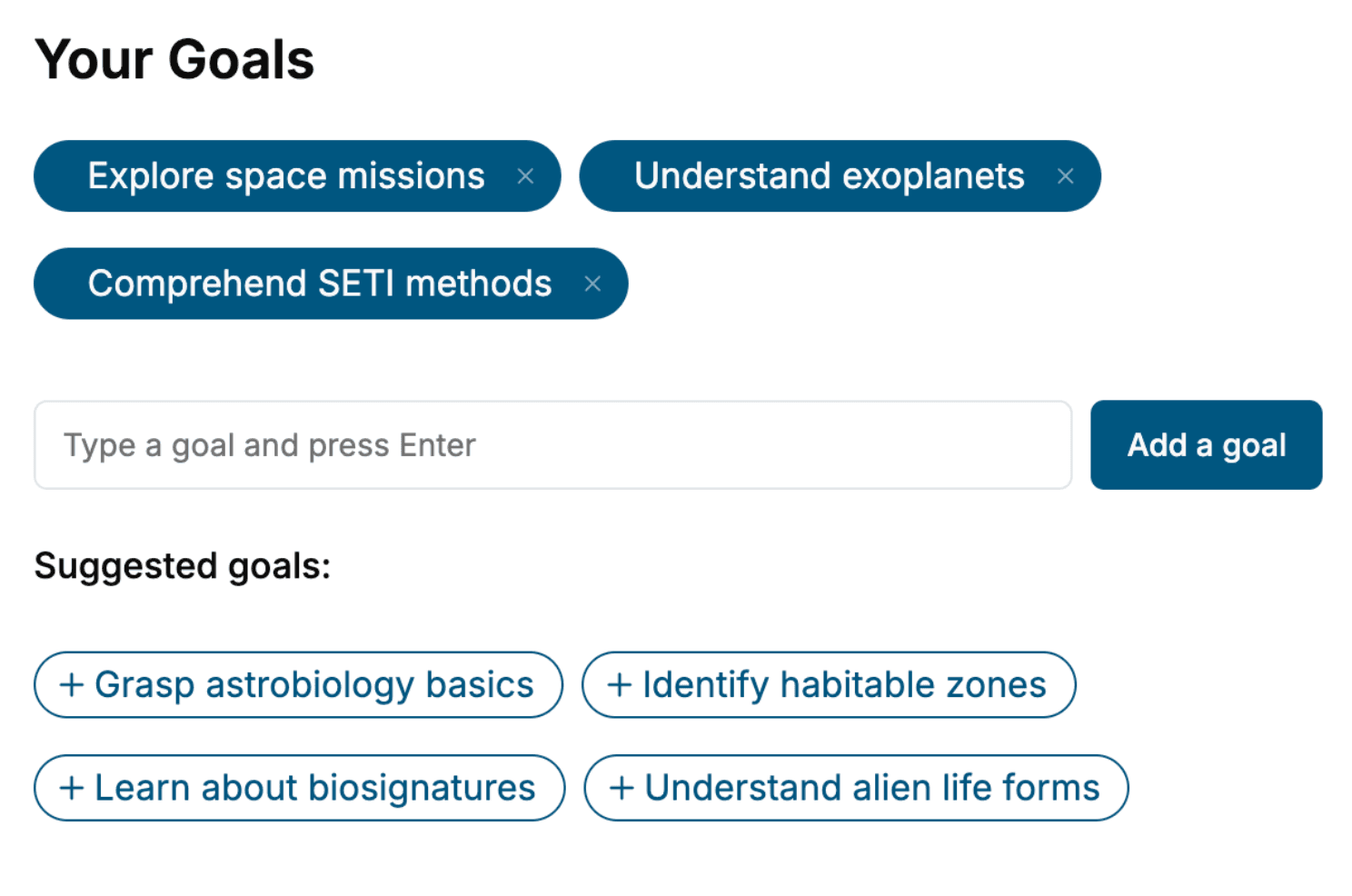
Tell us your goals and background, and get your own version of this book, tailored by AI to you.


Benefits of AI-tailored books
- Read one book, not ten:
- all the Software Testing knowledge you need, gathered into a single book.
- Save days of learning:
- tell us your goals, choose your topics, and the whole book is built around them.
- Learn effortlessly:
- Software Testing book written for your specific background and expertise.
- Understand at a glance:
- includes charts, tables, timelines, checklists, decision trees, and more.
- Stay current:
- written the day you order it, not years ago.
- Trust what you read:
- every book is checked for accuracy, with real research when your subject needs it.
Create your unique book in 3 steps
- 1. Select your focus
Select the focus of your Software Testing book and share your background
- 2. Personalize your book
Specify your goals and choose sub-topics to include
- 3. Get your tailored book
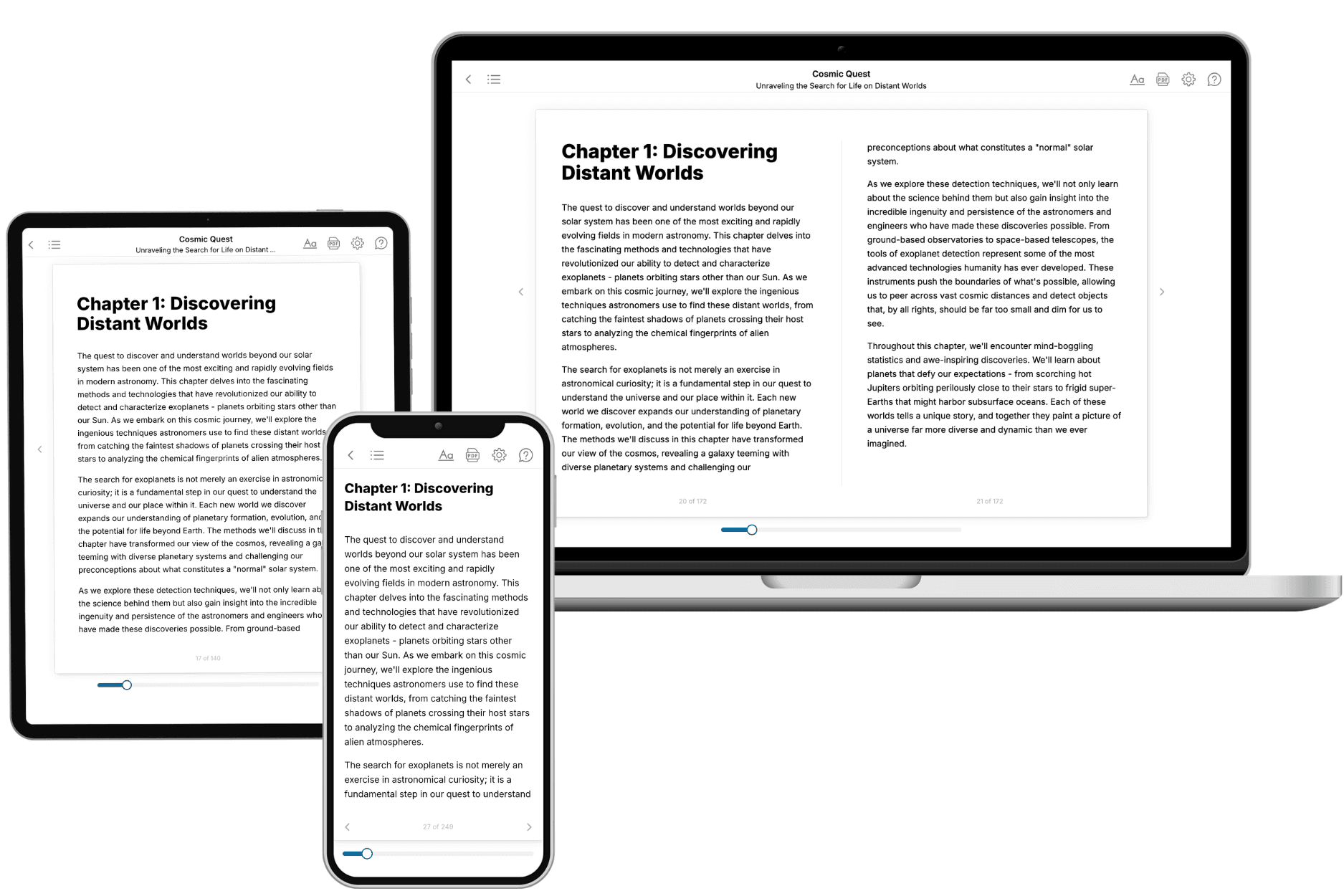
Your book is ready in 10 minutes. Read it online, download as EPUB or PDF, or send to Kindle.

Frequently asked questions
- What is TailoredRead?
TailoredRead creates complete, full-length nonfiction ebooks, written specifically for you. Tell us what you want to learn and why, and TailoredRead writes you a complete ebook on it, with charts, tables, and diagrams throughout. Read it online, on Kindle, or on any e-reader, or download it as a PDF or EPUB. Every book is written fresh the day you order it.
- How is the book tailored to me?
Before anything is written, you answer a few short questions about your goals, your background, and the topics you care about. Your book is then planned around your answers: written at your level, focused on your goals, and covering the topics you chose, instead of the one-size-fits-all book a store sells everyone.
- Will it read like generic AI content?
No. Your book isn't a chat transcript: it's planned chapter by chapter before a single word is written, told in a clear book voice, and explains ideas visually with charts, tables, and diagrams. After writing, every book goes through an editorial pass that polishes chapters so the book reads consistent from start to finish. Judge for yourself: browse thousands of sample books on our Explore Books page.
- How accurate is the content?
Our AI first checks whether your subject needs live research. Niche and fast-moving subjects are researched before writing, and the book plan and chapters are grounded in what it finds. After writing, every book goes through a quality pass that checks its facts and consistency, and researched books list their sources in a Notes section at the back.
- How long is the book?
You choose the length: Comprehensive (250-300 pages), Detailed (150-200 pages), Essential (70-100 pages), or Short (30-50 pages).
- Does the book include visuals?
Yes. Every book includes charts, tables, and diagrams: timelines, checklists, step-by-step guides, decision trees, comparison tables, matrices, and bar charts. A typical book includes dozens of these visual elements.
- Can I read it on Kindle? What formats can I download?
Yes. Every book can be read in our online reader or downloaded as a PDF or EPUB. The EPUB can be opened with Kindle, Apple Books, Kobo, and any e-reader. The Commercial and Author licenses also include an editable Word (DOCX) and Markdown download.
- How much does it cost?
About the price of a regular ebook. The exact price depends on your book's length and complexity, from $2 for the shortest books to $35 for the most comprehensive, and it's shown when you review your book, before you commit to anything. Each book is a one-time purchase, yours to keep, no subscription. Licenses that let you share, teach, or publish your book range from $35.99 to $49.99.
- Can I preview the book before purchasing?
Before you pay, you'll see what your book will cover: the title, a detailed description, the estimated length, and the complete chapter-by-chapter table of contents, so you know what you're getting before you decide. The full text itself is written after you purchase.
- How long does it take to create a book?
About 10 minutes. You can start reading the opening chapters while the rest is still being written.