Software QA Books
Explore tailored Software QA books created by our AI
Stop running tests without a plan. A well-designed test strategy is the difference between catching critical bugs before release and discovering them in production. This book shows you how to build a test strategy that actually works—one that prioritizes the right features, allocates resources efficiently, and delivers measurable quality improvements. You'll learn how to assess risk, design test plans that scale with your product, balance automation with manual testing, and communicate your strategy to stakeholders who control budgets and timelines. Whether you're testing a web application, mobile app, or enterprise system, these proven approaches help you move beyond reactive testing to proactive quality assurance. Packed with practical frameworks, real-world examples, and actionable checklists, this guide equips you with the tools to design strategies that reduce bugs, accelerate releases, and build confidence in your software quality.
The Test Report That Matters
Mastering Functional Testing Communication for QA Professionals
Stop writing test reports that nobody reads or acts on. Your test reports should be the most valuable communication tool in your QA process—the document that drives decisions about release readiness, prioritizes bug fixes, and demonstrates the true value of quality assurance. This book teaches you how to create test reports that stakeholders actually want to read and act upon. You'll learn how to structure reports for different audiences, document defects that developers can immediately fix, use metrics and visualizations to tell the quality story, and communicate testing progress in ways that matter to your organization. Whether you're reporting on functional testing, regression testing, or release validation, you'll discover practical frameworks, real-world examples, and proven templates that transform your reporting from a compliance checkbox into a strategic business tool. Master the art of test reporting and become the QA professional your team relies on for clear, actionable quality insights.
Many teams struggle with integration testing, treating it as an afterthought that slows down development rather than accelerates it. The result? Critical bugs slip through to production, deployments become risky, and developers lose confidence in their code changes. This book reveals how system integration testing, when properly integrated into test-driven development practices, becomes your most powerful quality assurance tool. You'll discover how to design testable architectures, implement strategic automation, and build integration tests that actually catch real problems without becoming maintenance nightmares. Through practical examples, real-world scenarios, and proven methodologies, you'll learn to shift left on testing, reduce defect escape rates, and create a development culture where integration testing is celebrated rather than feared. Whether you're working with microservices, monolithic applications, or hybrid architectures, these principles and practices will transform how your team approaches quality assurance and accelerate your path to production-ready software.
Jira Mastery for QA Professionals
Streamline Your Testing Processes and Boost Productivity
Revolutionize your QA processes and skyrocket your team's efficiency with Jira Mastery for QA Professionals. This comprehensive guide is tailored for QA experts who want to harness the full power of Jira to streamline testing workflows, automate reporting, and optimize bug tracking. You'll learn how to customize Jira to fit your unique QA needs, from creating intuitive dashboards to implementing advanced JQL queries. Discover how to seamlessly integrate Jira into your agile testing environment, manage test cases effectively, and leverage powerful plugins to enhance your QA capabilities. Whether you're looking to fine-tune your Jira administration skills or implement cutting-edge QA strategies, this book provides the insights and practical techniques you need to excel in your role and drive your team's success.
JUnit Testing Mastery
Write Reliable Tests and Build Confidence in Your Code with NetBeans
Many developers write code first and think about testing later—if at all. This approach leads to fragile applications, endless debugging sessions, and the constant fear that your changes might break something. JUnit Testing Mastery shows you how to flip this mindset and use testing as your primary tool for building reliable software. You'll learn how to write tests that actually catch bugs, integrate testing seamlessly into NetBeans, and use test-driven development to design better code from the start. This book covers everything from basic assertions and test organization to advanced techniques like mocking, parameterized tests, and continuous integration. Whether you're maintaining legacy code or building new features, you'll discover practical strategies for writing tests that save time, reduce bugs, and give you genuine confidence in your codebase.
Robot Framework Mastery
Build Scalable, Maintainable Automation Solutions for Modern QA
Navigate the complete landscape of Robot Framework automation, from foundational concepts to enterprise-scale implementations. This guide takes you through building robust test suites that survive real-world complexity, managing large automation portfolios without drowning in maintenance, and creating testing solutions that actually scale with your organization. You'll discover how to architect tests that remain readable and maintainable as your codebase grows, leverage Robot Framework's powerful keyword-driven approach to involve non-technical team members, and integrate your automation seamlessly into modern CI/CD pipelines. Whether you're struggling with flaky tests, managing multiple test environments, or trying to prove automation's ROI, this book provides practical strategies, proven patterns, and actionable techniques grounded in real-world QA challenges. Learn to optimize performance, implement data-driven testing at scale, and transform your automation from a maintenance burden into a strategic asset.
Most QA professionals focus on whether software works—but do they know if it works well? Many teams overlook non-functional testing, assuming that if features function correctly, quality is assured. This misconception leads to slow applications, security vulnerabilities, poor user experiences, and systems that fail under real-world conditions. Non-functional testing addresses the critical dimensions that determine whether software truly meets user needs and business objectives. This comprehensive guide walks you through performance, security, usability, reliability, and scalability testing with practical frameworks, real-world examples, and actionable strategies. Whether you're optimizing response times, securing applications against threats, or ensuring systems scale reliably, you'll discover how to plan, execute, and measure non-functional testing effectively. Learn how to integrate these disciplines into your QA process, leverage the right tools, and communicate results to stakeholders. Master the skills that separate good QA professionals from exceptional ones.
Selenium WebDriver Mastery
From Manual Testing to Automated Excellence in Software QA
Imagine your QA team running hundreds of automated tests daily, catching bugs before they reach production, and freeing your engineers from repetitive manual testing. This is the reality when you master Selenium WebDriver. This comprehensive guide takes you beyond basic automation scripts to show you how to build enterprise-grade test suites that actually scale. You'll discover proven design patterns, advanced element location strategies, and techniques for handling the trickiest testing scenarios—from dynamic content to asynchronous operations. Learn how to integrate your tests seamlessly into CI/CD pipelines, execute tests in parallel across multiple browsers, and debug failures with precision. Whether you're struggling with flaky tests, wrestling with complex web applications, or trying to establish testing best practices across your team, this book provides the practical knowledge and real-world solutions you need to transform your testing approach and deliver higher-quality software faster.
Imagine a world where your QA team catches critical defects within minutes of a new build, preventing hours of wasted testing effort on fundamentally broken software. Sanity testing is the rapid quality verification process that makes this possible—but only when executed with precision and strategy. This book provides a comprehensive guide to masity testing in software beta testing and QA environments. You'll learn how to design focused test suites that validate core functionality without getting bogged down in exhaustive testing. Discover how to distinguish sanity testing from smoke testing and regression testing, and understand when each approach delivers maximum value. Through practical frameworks, real-world examples, and actionable strategies, you'll master the techniques that leading QA teams use to maintain quality gates in fast-paced development cycles. Whether you're working in agile, continuous integration, or traditional waterfall environments, this book equips you with the knowledge to implement sanity testing that accelerates delivery while protecting product quality.
You'll navigate the critical intersection of code quality and software testing, discovering how white box testing transforms your ability to catch defects before they reach production. This guide takes you from understanding basic code structure analysis to implementing sophisticated testing strategies that work seamlessly within modern development environments. You'll learn how to design test cases that penetrate complex logic paths, measure coverage effectively, and integrate white box testing into your CI/CD pipeline. Through practical examples and real-world scenarios, you'll master the tools and techniques that separate adequate testing from exceptional quality assurance. Whether you're enhancing your current testing practices or building a white box testing program from scratch, this book provides the knowledge and frameworks you need to deliver more reliable software while optimizing your testing efforts.
You've found the bug, fixed it, and moved on—only to see the same issue resurface weeks later. Sound familiar? Most software QA professionals treat symptoms rather than underlying causes, creating a cycle of reactive firefighting that drains resources and erodes team morale. Root cause analysis isn't just about asking "why" five times. It's a systematic discipline that transforms how your organization approaches quality, turning recurring defects into opportunities for lasting improvement. This book bridges the gap between theory and practice, showing you how to conduct investigations that actually prevent problems rather than just document them. You'll discover proven frameworks for tracing defects to their source, techniques for facilitating blameless retrospectives, and strategies for building a culture where quality issues become learning moments. Whether you're investigating a critical production incident or analyzing patterns in your defect backlog, you'll gain practical tools that work in real-world software environments. Stop treating the same problems over and over. Learn to identify and eliminate the root causes that matter most to your product's success.
Achieve production-ready software by mastering black box testing and operational acceptance testing techniques. This comprehensive guide walks you through the complete black box testing lifecycle, from test planning and case design to execution and defect management. You'll learn how to apply risk-based testing strategies to focus your efforts where they matter most, design efficient test cases using boundary analysis and equivalence partitioning, and implement sustainable test automation. Discover how to conduct thorough operational acceptance testing that validates not just functionality, but performance, security, and business requirements. Through practical examples and real-world scenarios, you'll understand how to communicate test results effectively to stakeholders, analyze defects for root causes, and build a testing strategy that prevents issues before they reach production. Whether you're new to black box testing or looking to refine your approach, this book provides the frameworks, tools, and insights needed to deliver quality software consistently.
The Test Plan Blueprint
Master the Art of Strategic Software Testing
Many QA teams jump straight into testing without a solid plan, only to discover halfway through that they're missing critical scenarios, duplicating efforts, or running out of time. A reactive approach to testing wastes resources and allows defects to slip through. This book provides a practical, step-by-step guide to creating test plans that actually work in real-world environments. You'll learn how to define clear testing objectives, identify what matters most through risk analysis, allocate resources efficiently, and organize your testing efforts for maximum impact. Whether you're working in agile sprints, traditional waterfall projects, or hybrid environments, you'll discover proven frameworks and templates that help you plan smarter, not just harder. By mastering test planning, you'll reduce defects, improve team efficiency, and deliver software that meets business expectations consistently.
Imagine delivering software that consistently meets stakeholder expectations, where every feature works exactly as intended, and your team moves with confidence through changes and refactoring. This is the reality when you master acceptance test-driven development. This comprehensive guide takes you beyond the basics to show you how ATDD transforms the way teams develop software. You'll learn how to write acceptance tests that serve as living documentation, collaborate effectively with business stakeholders to define clear acceptance criteria, and integrate ATDD seamlessly into your Extreme Programming workflow. Whether you're struggling with unclear requirements, dealing with late-stage defect discovery, or simply want to elevate your development practices, this book provides practical strategies, real-world examples, and proven techniques. You'll understand not just the "how" but the "why" behind acceptance test-driven development, enabling you to make informed decisions about implementation in your own context. Master this essential XP practice and watch your team's productivity and code quality soar.
The Manual Testing Handbook
Master the Art of Finding Bugs Before Your Users Do
Discover how to become a more effective manual tester and significantly improve software quality. This comprehensive guide takes you beyond basic testing to master proven techniques that professional QA teams use daily. You'll learn how to design test cases that catch critical defects, execute tests strategically, and communicate findings that drive real improvements. Whether you're new to QA or looking to sharpen your skills, this handbook provides practical frameworks for exploratory testing, test documentation, defect reporting, and specialized testing areas like performance and security. Each chapter builds your testing mindset and equips you with actionable strategies you can apply immediately. By mastering manual testing fundamentals and advanced techniques, you'll become an invaluable team member who consistently delivers higher quality software and earns recognition for your contributions to product excellence.
Acceptance Test-Driven Development
Master the Art of Testing Before You Code
Discover how to build software that meets expectations from day one. Acceptance test-driven development (ATDD) transforms how teams define, test, and deliver quality software by writing acceptance tests before development begins. This practical guide shows you how to collaborate with stakeholders to define clear acceptance criteria, automate those criteria into executable tests, and use them to guide development and beta testing efforts. You'll learn to bridge the communication gap between business requirements and technical implementation, reduce costly defects discovered late in the cycle, and create living documentation that keeps pace with your product. Whether you're a QA professional, beta tester, or developer, this book provides actionable strategies, real-world examples, and proven frameworks to implement ATDD in your organization. Move beyond traditional testing approaches and join teams that are catching defects earlier, improving stakeholder alignment, and delivering software with confidence.
Many QA teams struggle with validation testing because they treat it as a checkbox exercise rather than a strategic quality assurance practice. They run tests without understanding what they're actually validating, miss critical defects that users discover in production, and waste time testing scenarios that don't matter. This book cuts through the confusion and shows you exactly how to design and execute validation testing that catches the defects that matter. You'll learn how to translate business requirements into effective test strategies, identify the scenarios users actually care about, combine manual and automated approaches for maximum coverage, and build a validation testing process that scales with your team. Whether you're testing web applications, mobile apps, or enterprise software, this guide provides practical frameworks, real-world examples, and proven techniques that QA professionals use to deliver genuinely high-quality software. Stop guessing about what to test and start validating with confidence.
Cucumber BDD Mastery
Write Better Tests, Collaborate Smarter, and Deliver Quality Software
Master Cucumber BDD and transform how your team writes, maintains, and executes tests. This practical guide shows you how to leverage Behavior-Driven Development to create executable specifications that serve as both tests and documentation. You'll learn to write clear Gherkin scenarios that non-technical stakeholders can understand, design robust step definitions that scale with your application, and integrate Cucumber into your CI/CD pipeline for continuous quality assurance. Whether you're new to BDD or looking to refine your Cucumber practices, you'll discover proven techniques for organizing feature files, managing test data, handling complex scenarios, and collaborating effectively across your team. With real-world examples and best practices throughout, this book equips you with the knowledge to implement Cucumber successfully and deliver higher-quality software faster.
Navigate the rapidly evolving landscape of software testing in 2025 with a comprehensive guide designed for research engineers and QA leaders. This book takes you through the convergence of artificial intelligence, advanced automation, and agile methodologies that are redefining how organizations ensure software quality. You'll explore AI-powered test generation and predictive analytics, master modern API testing strategies for microservices architectures, and understand how continuous integration has transformed into intelligent quality orchestration. The guide covers emerging tools and platforms, risk-based testing frameworks, and practical approaches to implementing next-generation QA methods. Each chapter combines theoretical foundations with actionable strategies, enabling you to evaluate new technologies critically and customize your testing approach to your organization's unique needs. Whether you're advancing your expertise or leading QA transformation initiatives, this book provides the insights and frameworks needed to thrive in the 2025 testing revolution.
Domain-Driven Testing
Aligning QA Strategy with Business Domains for Smarter Software Testing
You're about to discover how domain-driven design transforms the way you approach functional testing. Instead of writing tests that chase implementation details and break with every code refactor, you'll learn to build test strategies rooted in business domains and core business logic. This book shows you how to identify what truly matters to test by understanding bounded contexts, aggregates, and domain events—the same concepts that guide software architects. You'll master the art of creating a ubiquitous language with your team, ensuring everyone from QA to business stakeholders speaks the same vocabulary. Through practical examples and real-world scenarios, you'll discover how to structure your test suites to mirror domain architecture, making them more resilient, maintainable, and aligned with business goals. By the end, you'll have a complete framework for domain-driven testing that reduces defects, improves communication, and elevates your role from test executor to strategic quality partner.
Augmented Reality Testing
Master QA Strategies for Next-Generation AR Applications
Testing augmented reality applications presents a unique set of challenges that traditional QA methodologies simply cannot address. You'll navigate the complexities of AR-specific testing by first understanding how AR technology fundamentally differs from conventional software, then progressively building expertise in specialized testing strategies. This book guides you through designing comprehensive test plans that account for device sensors, environmental variables, and real-world interactions. You'll learn practical techniques for automating AR tests, validating spatial accuracy, and ensuring consistent performance across fragmented hardware ecosystems. Discover how to test user experiences in actual environments, manage the complexities of tracking and occlusion, and implement regression testing that captures AR-specific concerns. By the end, you'll have a complete framework for building sustainable AR testing programs that deliver reliable, high-quality applications in this rapidly evolving technology landscape.
Formal Verification Essentials
Master Static Analysis and Prove Your Code Works
What if you could prove mathematically that your code is correct before it ever runs in production? Formal verification offers exactly that—a rigorous approach to software quality that goes far beyond traditional testing. This book demystifies formal verification and static analysis, showing you how these powerful techniques can catch critical bugs, prevent security vulnerabilities, and give you genuine confidence in your code. Whether you're building financial systems, medical devices, or everyday applications, you'll discover practical strategies for integrating verification into your development process. Learn how static analysis tools work, understand the different verification methodologies, and master the techniques that leading companies use to ensure reliability. This isn't theoretical computer science—it's a practical guide to making your software more dependable, reducing costly bugs, and building systems that work as intended.
Many teams assume that if their software passes functional tests, it will perform well in production. This assumption often leads to disappointing surprises when applications slow to a crawl under real-world load. Performance testing is the discipline that bridges this gap, revealing how your system truly behaves when users arrive in volume. This book provides a practical, hands-on guide to performance testing within the context of software QA. You'll learn how to design meaningful performance tests, select appropriate tools, execute tests effectively, and interpret results that drive real improvements. Whether you're testing web applications, APIs, or backend systems, you'll discover how to establish baselines, identify bottlenecks, and validate that your software meets performance requirements before it reaches production. The book covers load testing, stress testing, endurance testing, and spike testing—explaining when to use each approach and what to expect from the results. You'll also explore common performance issues, diagnostic techniques, and strategies for integrating performance testing into your continuous delivery pipeline. With practical examples and clear explanations, this guide transforms performance testing from a mysterious specialty into an essential skill for any QA professional.
Imagine your test suite becoming a bridge between your development team and business stakeholders—where everyone speaks the same language about what your software should do. With Behavior Driven Development and Cucumber, this becomes reality. This book guides you through implementing BDD practices that transform how you write, maintain, and communicate about tests. You'll learn to craft executable specifications in Gherkin that read like plain English, design step definitions that remain flexible and reusable, and integrate BDD into your existing TDD workflows. Whether you're struggling with brittle tests, communication gaps between teams, or unclear requirements, this practical guide provides concrete strategies and real-world examples. Discover how to leverage Cucumber's power to create tests that serve as living documentation, reduce maintenance costs, and ensure your software truly meets business needs. By the end, you'll have the skills to implement BDD confidently and lead your team toward more collaborative, sustainable testing practices.
The Testing Mindset
Master Modern Software Testing Methodologies to Deliver Quality at Scale
Many teams struggle with testing because they treat it as a checkbox activity rather than a strategic practice. They invest heavily in automation without understanding what to test, or they rely on manual testing that doesn't scale. The result? Bugs slip through, releases are delayed, and confidence in software quality remains low. This book cuts through the confusion by presenting a comprehensive framework for modern software testing. You'll learn when and how to apply different testing methodologies—from unit and integration testing to exploratory and performance testing. Discover how to build a sustainable testing strategy that fits your team's context, automate effectively without creating brittle tests, and shift quality checks left in your development pipeline. Through practical examples and real-world scenarios, you'll understand how to balance speed with quality, measure what matters, and foster a culture where everyone takes responsibility for software excellence. Whether you're optimizing an existing testing program or building one from scratch, this book provides the methodologies and mindset you need to deliver reliable software consistently.
The Alpha Beta Testing Handbook
Master the Art of Finding Bugs Before Your Users Do
What if the bugs your users discover on launch day could have been caught weeks earlier? Alpha and beta testing are your first line of defense against releasing flawed software, yet many teams approach these phases haphazardly, missing critical issues and user experience problems. This handbook provides a complete roadmap for planning, executing, and optimizing alpha and beta testing programs that actually work. You'll learn how to recruit effective testers, design comprehensive test plans, establish efficient bug triage processes, and extract meaningful insights from user feedback. Whether you're managing a small internal alpha or coordinating a large-scale beta with thousands of external users, this guide offers proven strategies, real-world examples, and practical frameworks you can implement immediately. Discover how to prioritize testing efforts, measure testing effectiveness, and create feedback loops that drive continuous product improvement. By the end, you'll have the knowledge and tools to confidently launch products with fewer defects and higher user satisfaction.
Contract Tests
Building Reliable Systems Through Consumer-Driven Contract Testing
What if your microservices could communicate with complete confidence, even when deployed independently? Contract testing transforms how distributed systems verify compatibility by establishing explicit agreements between services. Rather than hoping your APIs work together, contract tests prove they do—before integration failures reach production. This practical guide walks you through implementing consumer-driven contract testing in real-world scenarios, from simple REST APIs to complex event-driven architectures. You'll learn how to write contracts that serve as executable specifications, use frameworks like Pact to automate verification, and integrate contract testing into your CI/CD pipeline. Whether you're managing a growing microservices ecosystem or preventing integration nightmares, this book provides the patterns, tools, and strategies to make contract testing a cornerstone of your quality assurance approach.
Discover how to find the bugs that matter most. Exploratory testing is one of the most powerful yet underutilized techniques in software quality assurance. Unlike scripted testing, exploratory testing allows you to adapt in real-time, following leads and investigating anomalies as they emerge. This book teaches you how to conduct systematic, intelligent exploratory testing that uncovers critical defects while maintaining rigor and accountability. You'll learn practical techniques for designing effective test charters, managing testing sessions, prioritizing risks, and documenting your findings. Whether you're testing web applications, mobile apps, or complex enterprise systems, you'll gain actionable strategies to improve your testing effectiveness and deliver higher-quality software. This comprehensive guide bridges the gap between ad-hoc testing and structured quality assurance, showing you how to leverage exploratory testing as a strategic advantage in your QA toolkit.
Testing media applications like iTunes presents unique challenges that go beyond standard software testing. This guide walks you through the specialized techniques needed to ensure your music and media software delivers flawless performance. You'll discover how to systematically test complex features like library synchronization, streaming playback, and device integration while managing the technical demands of cross-platform compatibility. Learn practical strategies for automating repetitive test scenarios, identifying performance bottlenecks under real-world usage conditions, and validating security measures that protect user data and digital rights. Whether you're testing a consumer music app or enterprise media platform, you'll gain the frameworks and methodologies to catch critical issues before they reach users, ensuring your application meets the high standards users expect from modern media software.
Imagine a development environment where integration issues are caught before they ever reach your users—where your team confidently deploys code knowing that all components work seamlessly together. This is the reality when integration testing is done right. This book provides a comprehensive roadmap for mastering integration testing in modern software development. You'll learn how to design integration tests that actually catch real-world defects, set up reliable test environments, and automate your testing without creating maintenance nightmares. Whether you're testing APIs, databases, microservices, or third-party integrations, you'll discover practical techniques that work in real projects. Beyond theory, you'll explore how to build integration tests into your CI/CD pipeline, manage test data effectively, and debug failures systematically. You'll understand when to mock, when to use real services, and how to balance speed with accuracy. This book transforms integration testing from a frustrating afterthought into a strategic advantage that reduces bugs, accelerates releases, and builds team confidence in your software quality.
Imagine deploying an application with complete confidence that it will handle real-world demands without crashing, slowing to a crawl, or losing data under pressure. This book shows you how to achieve that confidence through systematic stress testing integrated into your test-driven development workflow. You'll learn to design stress tests that expose the true limits of your systems, implement testing strategies that catch performance degradation before users experience it, and interpret results that guide architectural decisions. Whether you're building microservices, APIs, or distributed systems, this guide provides practical methodologies, real-world examples, and proven techniques for stress testing at scale. From establishing baseline metrics and simulating realistic load patterns to analyzing bottlenecks and validating recovery mechanisms, you'll master the practices that separate fragile systems from resilient ones. This book bridges the gap between theoretical testing principles and the practical realities of modern software development, giving you actionable strategies you can implement immediately.
Navigate the critical early stages of software testing with confidence and speed. This guide walks you through the essential practices of smoke and sanity testing—two testing approaches that catch problems before they cascade through your QA pipeline. You'll discover how to design focused test cases that verify core functionality, automate repetitive checks, and integrate these tests into your CI/CD workflows. Learn the practical differences between smoke and sanity testing, understand when to apply each approach, and master the techniques that separate effective testing from busy work. With real-world examples and actionable strategies, you'll build a testing foundation that accelerates your release cycles while maintaining the quality standards your users expect. Whether you're refining an existing testing process or establishing one from scratch, this book provides the frameworks and insights needed to make smoke and sanity testing work effectively for your team.
Achieve reliable, measurable test coverage in your Java projects. This practical guide walks you through implementing Maven JaCoCo to gain complete visibility into which code is tested and which isn't. You'll learn how to configure JaCoCo for your specific project needs, interpret coverage reports with confidence, and use coverage metrics to drive meaningful improvements in code quality. Discover how to integrate JaCoCo into your CI/CD pipeline, set intelligent coverage goals, and avoid common pitfalls that lead to misleading metrics. Whether you're building a new testing strategy or improving an existing one, this book provides the concrete techniques and best practices you need to make informed decisions about test coverage. Move beyond vanity metrics to create a testing culture where coverage data actually improves your software's reliability and maintainability.
Proof of Concept Testing
Master the Art of Validating Software Ideas Before Full Development
What if your team could identify fatal flaws in a software concept before investing months and millions in development? Proof of concept testing is the strategic practice that separates successful software projects from costly failures. This book provides a comprehensive guide to designing and executing POC tests that validate technical feasibility, uncover hidden risks, and inform critical development decisions. You'll learn how to define clear success criteria, select appropriate testing methodologies, manage scope effectively, and communicate findings that drive organizational decision-making. Whether you're evaluating new technologies, assessing architectural approaches, or validating integration strategies, this book equips you with practical frameworks and real-world examples. Discover how to conduct POC tests that deliver actionable insights quickly, build stakeholder confidence in technical decisions, and establish a foundation for successful software development. Master the discipline that transforms uncertainty into informed strategy.
Many developers struggle with code that works in isolation but fails in production—often because hidden dependencies and unclear requirements create unexpected interactions. Behavior-Driven Development (BDD) offers a proven approach to prevent these failures by defining how software should behave before writing a single line of code. This book teaches you how to apply BDD principles while managing the complex web of dependencies that make modern software challenging. You'll learn to write behavior specifications that clarify requirements, design systems with loose coupling and high cohesion, and use dependency analysis to anticipate problems before they occur. Whether you're working with legacy code or building new systems, these practical techniques will help you deliver software that reliably meets user expectations and remains maintainable as requirements evolve.
You're about to discover how unit testing transforms from a tedious checkbox into a powerful tool that makes you a more confident developer. This handbook walks you through the complete landscape of unit testing—from foundational concepts to advanced strategies that professional teams use daily. You'll learn how to write tests that actually catch bugs, understand when and how to use mocks and stubs effectively, and master test-driven development to design better code from the start. Each chapter builds on practical examples and real-world scenarios you'll encounter in your projects. By the end, you'll have the knowledge to build a testing culture in your team, maintain test suites that don't become burdensome, and integrate testing seamlessly into your development workflow. Whether you're working with legacy code or greenfield projects, this guide provides the strategies and patterns you need to write tests that matter.
Test Driven Development
Write Better Code, Catch Bugs Early, and Build with Confidence
Stop shipping bugs and start shipping confidence. Test Driven Development transforms how you write code by flipping the traditional development process on its head—you write tests first, then code to satisfy them. This practical guide walks you through the Red-Green-Refactor cycle, showing you exactly how to apply TDD in real-world scenarios. You'll learn to design better software architecture, catch defects before they reach production, and refactor with absolute certainty that your changes work correctly. Whether you're working with legacy code or building new features, TDD gives you a safety net that lets you move faster without sacrificing quality. Discover how to write focused unit tests, handle complex scenarios, and integrate TDD into your team's workflow. By the end, you'll understand why TDD isn't just a testing technique—it's a development philosophy that makes you a more effective engineer.
Elevate your development skills by mastering test-driven development—the practice that separates high-performing teams from those constantly battling bugs and technical debt. This guide walks you through the complete TDD lifecycle, from understanding the red-green-refactor cycle to implementing sophisticated testing strategies in real-world projects. You'll learn how to write tests that actually prevent bugs rather than just verify existing code, design APIs that are naturally testable, and refactor with confidence knowing your tests have your back. Whether you're working with legacy systems or greenfield projects, you'll discover practical techniques for mocking dependencies, organizing test suites, and integrating TDD into your development workflow. By the end, you'll understand not just how to write tests, but why TDD fundamentally improves your code architecture and team productivity.
You've built your app on Replit. Now comes the hardest part: getting it ready to launch and actually launching it successfully. This book walks you through every single step required to take your app from development to the app stores and web—no guesswork, no missed steps. You'll learn exactly what testing needs to happen, how to prepare your app store listings for maximum visibility, what legal and financial setup is required, how to plan launch day down to the minute, and how to monitor and respond to issues in real time. Whether you're launching on iOS, Android, or the web, this guide covers app store submission requirements, pre-launch testing checklists, cross-platform compatibility, security and privacy compliance, user onboarding design, customer support readiness, and post-launch optimization. Each chapter includes practical checklists and timelines you can use immediately. By the end, you'll have a complete launch plan and the confidence that your app is truly ready for the world.
Acceptance Criteria Mastery
Write Clear, Testable Requirements That Drive Product Success
How many times has your development team built something that technically met the requirements but wasn't what the business actually needed? The gap between what gets built and what was intended often comes down to one thing: poorly written acceptance criteria. This book teaches you how to write acceptance criteria that eliminate ambiguity, align your entire team, and ensure successful delivery. You'll learn the proven frameworks and techniques used by leading product organizations, discover the common pitfalls that derail even experienced teams, and master the collaborative process that turns vague ideas into crystal-clear requirements. Whether you're writing your first user story or refining your team's process, this practical guide provides actionable templates, real-world examples, and step-by-step guidance to help you write acceptance criteria that actually work.
Are you spending hours hunting down bugs that could be solved in minutes with the right tools? Firefox Developer Tools is one of the most powerful debugging and optimization platforms available, yet many developers only scratch the surface of what it can do. This comprehensive guide takes you beyond basic inspection to master every feature that professional developers rely on daily. You'll learn how to use the Inspector to dissect complex layouts, leverage the Debugger to trace elusive bugs, profile performance bottlenecks, monitor network activity, and test accessibility compliance. Whether you're troubleshooting a stubborn CSS issue, optimizing a slow application, or ensuring your site works across devices, this book provides practical techniques and real-world examples that immediately improve your development workflow. By the end, you'll have the confidence and expertise to tackle any web development challenge with Firefox's professional-grade tools at your command.
Chrome Remote Debugging Mastery
Debug, Inspect, and Optimize Your Web Applications Like a Pro
You're about to discover how to debug applications anywhere—whether they're running on your colleague's machine, a staging server, or in production. Chrome Remote Debugging removes the limitations of local-only development, giving you the power to inspect and fix issues in real environments. This guide walks you through setting up remote debugging connections, understanding the Chrome DevTools Protocol that powers it all, and using advanced inspection techniques to diagnose performance problems, memory leaks, and logic errors. You'll learn how to debug different target types, secure your debugging sessions, and automate inspection workflows. By the end, you'll have the skills to troubleshoot complex issues faster, optimize applications in production-like environments, and collaborate more effectively with your team. Whether you're hunting down elusive bugs or optimizing performance, remote debugging becomes an indispensable part of your development toolkit.
ASP.NET MVC Mastery
Build Scalable Web Applications with .NET Framework 4.5
Imagine building web applications that are not just functional, but elegant, maintainable, and scalable. With ASP.NET MVC and .NET Framework 4.5, you have the tools to create professional-grade solutions that stand the test of time. This comprehensive guide takes you beyond the basics, diving deep into the architectural principles and practical techniques that separate good applications from great ones. You'll master the Model-View-Controller pattern, learn how to structure your code for maximum maintainability, and discover how to leverage Entity Framework for powerful data access. Whether you're building your first MVC application or refining your existing skills, you'll find practical examples, real-world patterns, and proven strategies that you can apply immediately. From routing and controllers to views and models, from security best practices to asynchronous programming, this book provides the knowledge and confidence you need to build applications that perform, scale, and evolve with your business needs.
Write tests that read like specifications and catch bugs before they reach production. This comprehensive guide teaches you how to implement Behavior-Driven Development using Chai, transforming your JavaScript testing from technical checklists into clear, executable requirements that your entire team understands. You'll learn to structure tests around user behaviors, master Chai's powerful assertion syntax, and build test suites that remain maintainable as your codebase grows. Through practical examples and real-world scenarios, you'll discover how BDD practices reduce debugging time, improve code quality, and create a shared language between developers and stakeholders. Whether you're starting your BDD journey or refining existing practices, this book provides the patterns, techniques, and insights needed to write tests that truly matter—tests that document intent, prevent regressions, and give you confidence in your code.
Most developers treat internationalization as an afterthought—a translation layer bolted onto an existing application. This approach leads to fragmented user experiences, SEO problems, and maintenance nightmares. Building Global Applications with Next.js shows you how to architect internationalization from the start, making it a core part of your application design rather than a feature you add later. You'll learn practical strategies for routing, content management, and language detection that work seamlessly with Next.js's rendering capabilities. Whether you're supporting two languages or twenty, this guide covers everything from choosing the right routing strategy to implementing automated translation workflows, handling right-to-left languages, and optimizing performance for international users. With real-world examples and proven patterns, you'll discover how to build applications that feel native to users worldwide while keeping your codebase maintainable and scalable.
Tkinter Mastery
Build Professional Desktop Applications with Python's Native GUI Framework
Build professional desktop applications that users actually want to use. This comprehensive guide takes you from Tkinter fundamentals to creating polished, production-ready software. You'll master widget creation, event handling, and layout management while learning industry-standard patterns that keep your code clean and maintainable. Discover how to implement data persistence, create custom widgets, and apply modern styling to match contemporary design expectations. Whether you're building internal tools, business applications, or standalone software, you'll learn practical techniques for debugging, testing, and optimizing performance. The book includes real-world examples and patterns used by professional developers, plus step-by-step instructions for packaging your applications as standalone executables. By the end, you'll have the skills and confidence to tackle any desktop application project with Tkinter.
Building Eventual Consistency
Mastering Distributed Systems That Work at Scale
Distributed systems are everywhere, but building them reliably is hard. You'll discover how eventual consistency transforms the way you think about data synchronization, moving from the impossible goal of perfect real-time consistency to a pragmatic model that scales. This book walks you through the fundamental concepts that make distributed systems work: understanding when consistency matters, designing systems that tolerate temporary disagreement, and building confidence in systems that never guarantee immediate agreement. You'll learn concrete patterns like event sourcing and CQRS, explore conflict resolution strategies that actually work in production, and master the monitoring techniques that let you sleep at night. Whether you're building microservices, distributed databases, or real-time applications, you'll gain the mental models and practical tools to architect systems that are both scalable and reliable.
What if your development team could eliminate hours of manual, repetitive work every week? Visual Studio extensions offer a direct path to that goal—but only if you understand how to build them effectively. This book guides you through creating custom extensions that integrate seamlessly with Visual Studio and Team Foundation Server, transforming how your team works. You'll learn the architecture behind Visual Studio's extensibility model, discover how to connect your extensions to TFS for powerful automation, and master the complete development lifecycle from concept to marketplace publication. Whether you're automating code reviews, streamlining build processes, or creating custom development tools, this practical guide provides the knowledge and patterns you need to build extensions that your team will actually use and maintain.
Memory Leaks
Master Code Maintainability Through Effective Memory Management
Memory leaks silently degrade your application's performance and reliability, but their real cost is hidden in maintenance burden and technical debt. As your codebase grows, undetected memory leaks become increasingly difficult to diagnose and fix, forcing you to spend more time debugging than building new features. This book provides a practical, systematic approach to understanding memory management, identifying leaks before they become critical, and implementing maintainability practices that prevent them from recurring. You'll learn how to use profiling tools effectively, recognize common leak patterns, design architectures that resist memory issues, and establish team practices that catch problems early. Whether you're working with managed or unmanaged languages, this guide equips you with the knowledge and techniques to write code that remains efficient and maintainable throughout its lifecycle.
Take your TypeScript skills from intermediate to advanced in just 30 days with a structured, project-driven approach. This book guides you through focused techniques that matter most: mastering advanced types like generics and conditional types, writing reliable async code with proper error handling, integrating TypeScript with modern frameworks, and building confidence through comprehensive testing strategies. Each day builds on the previous one, combining theory with hands-on coding projects that you'll actually use. You'll refactor real code, understand why type safety matters, and develop the patterns that separate good TypeScript developers from great ones. By day 30, you'll have the skills to write safer, more maintainable code and the portfolio projects to prove it. This isn't theory—it's practical, accelerated learning designed for developers ready to level up.
Many developers believe that XML parsing is a straightforward, low-risk operation—but XXE vulnerabilities prove otherwise. XML External Entity (XXE) attacks exploit how applications process XML data, potentially exposing sensitive information, disrupting services, or compromising entire systems. This book cuts through the complexity to show you exactly how XXE attacks work and, more importantly, how to stop them. You'll learn the specific coding practices, configuration changes, and testing strategies that eliminate XXE risks in your applications. Whether you're working with Java, Python, .NET, or other platforms, you'll discover language-specific defenses and real-world scenarios that demonstrate why XXE protection matters. By the end, you'll have the knowledge and confidence to secure your XML processing, protect your users' data, and build applications that resist modern attack vectors.
Streaming Across Platforms
Master Cross-Platform Video Delivery for Modern Applications
Imagine deploying a video streaming application that works flawlessly whether your users are on an iPhone, Android device, web browser, or smart TV. This book shows you how to build exactly that—a robust, scalable video streaming system that adapts intelligently to any platform and network condition. You'll move beyond basic video playback to master the architectural decisions that separate amateur implementations from production-grade systems. Learn how to select the right codecs and protocols, implement adaptive bitrate streaming that responds to real-time network changes, and handle the platform-specific quirks that trip up most developers. This guide combines practical implementation patterns with the strategic thinking needed to architect streaming solutions that scale. Whether you're building a startup's MVP or enhancing an enterprise platform, you'll discover how to deliver exceptional video experiences while managing complexity, protecting content, and maintaining code quality across diverse platforms.
Java Memory Leaks
Detect, Diagnose, and Eliminate Memory Problems in Your JVM Applications
Navigate the complex world of Java memory management and learn to eliminate the memory leaks that silently degrade your application's performance. This practical guide walks you through the fundamentals of how the JVM manages memory, then equips you with proven techniques to identify leaks before they reach production. You'll discover the most common memory leak patterns that plague Java applications, master industry-standard profiling tools, and implement defensive coding practices that prevent leaks from occurring in the first place. Through real-world examples and hands-on debugging scenarios, you'll develop the expertise to analyze heap dumps, interpret garbage collection logs, and optimize memory usage. Whether you're troubleshooting a sluggish application or building systems designed for reliability, this book provides the knowledge and tools you need to maintain healthy, efficient Java applications throughout their lifecycle.
Imagine delivering a system that perfectly aligns with what stakeholders actually need—not what you assumed they wanted. This book bridges the gap between vague business problems and precise technical specifications. You'll discover how to systematically extract hidden requirements, navigate conflicting stakeholder demands, and create specifications that guide development teams with clarity and confidence. Whether you're building enterprise software, designing algorithms, or architecting complex systems, mastering requirements engineering transforms how you approach every project. This practical guide walks you through proven elicitation techniques, analysis frameworks, and management strategies used by leading organizations. You'll learn to identify non-functional requirements that make or break systems, handle ambiguity with structured approaches, and maintain requirements throughout the entire development lifecycle. By applying these methods, you'll reduce costly rework, accelerate time-to-market, and build systems that stakeholders actually want to use.
Implementing Bluetooth connectivity across multiple platforms is one of the most challenging aspects of modern software development. You face fragmented APIs, inconsistent behavior between iOS and Android, desktop platform variations, and the constant struggle to maintain code quality while supporting different Bluetooth versions. This book cuts through the complexity by providing practical, battle-tested strategies for building robust cross-platform Bluetooth applications. You'll learn how to architect solutions that work reliably on iOS, Android, Windows, macOS, and Linux, master platform-specific implementation details, implement security correctly on each platform, optimize power consumption, and debug issues effectively. Whether you're building IoT applications, wearable integrations, or connected device solutions, this guide equips you with the knowledge and patterns needed to deliver professional-grade Bluetooth connectivity that your users can depend on.
Create a Software QA Book Tailored to You
Create an AI-crafted book tailored to your goals, interests, and background





Benefits of AI-tailored books
- Read one book, not ten:
- all the Software QA knowledge you need, gathered into a single book.
- Save days of learning:
- tell us your goals, choose your topics, and the whole book is built around them.
- Learn effortlessly:
- Software QA book written for your specific background and expertise.
- Understand at a glance:
- includes charts, tables, timelines, checklists, decision trees, and more.
- Stay current:
- written the day you order it, not years ago.
- Trust what you read:
- every book is checked for accuracy, with real research when your subject needs it.
Create your unique book in 3 steps
- 1. Select your focus
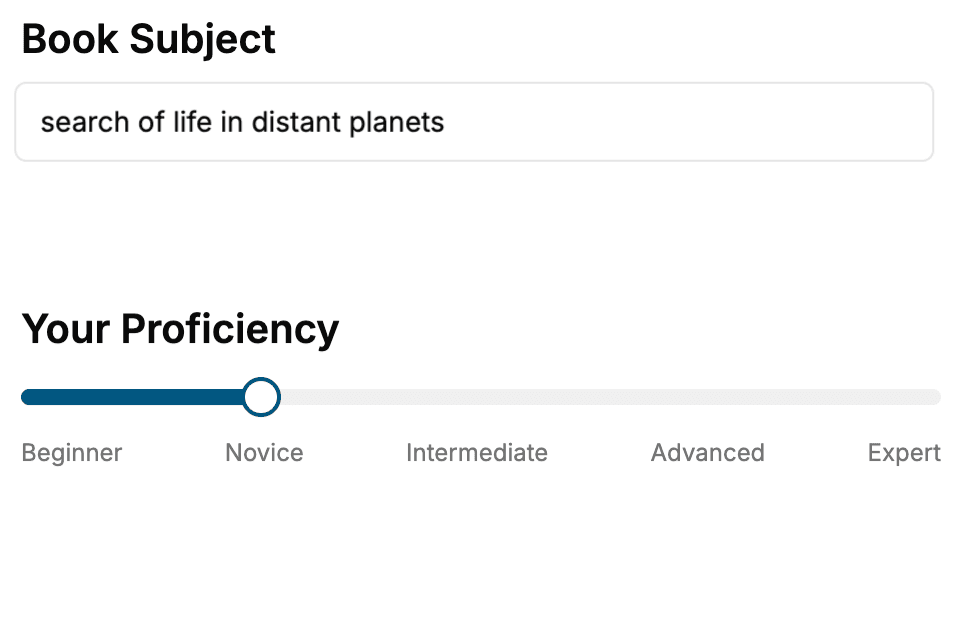
Select the focus of your Software QA book and share your background
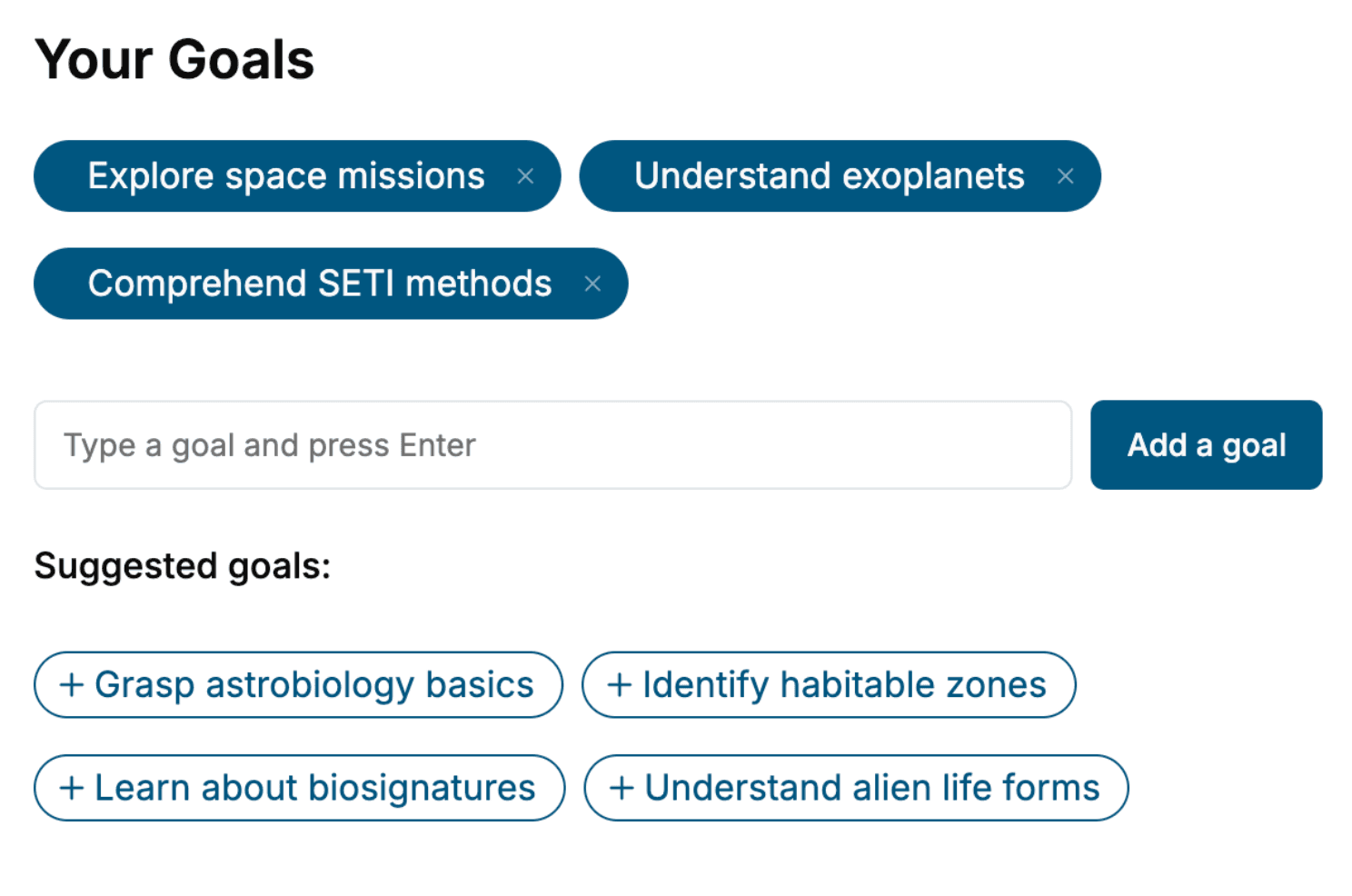
- 2. Personalize your book
Specify your goals and choose sub-topics to include
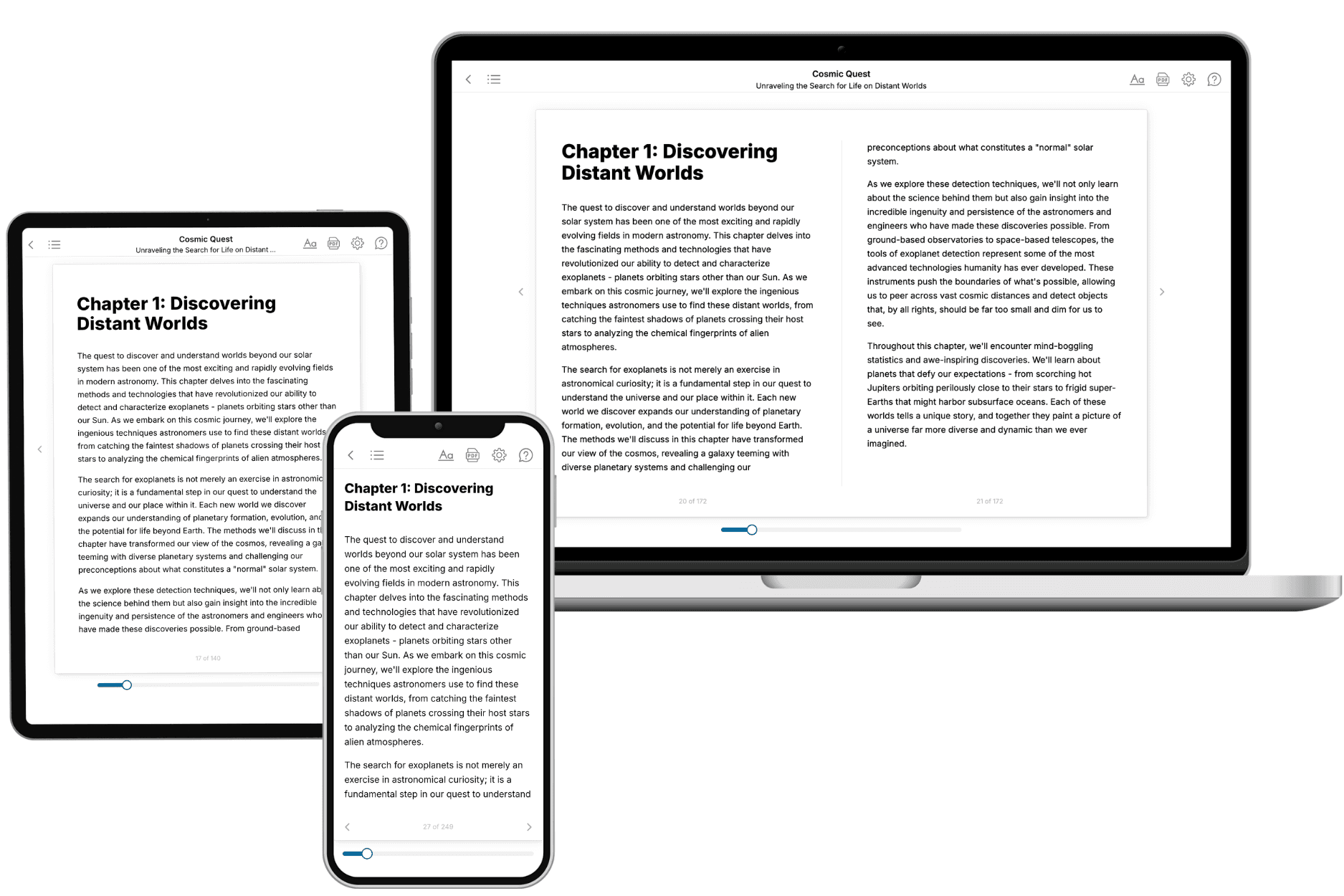
- 3. Get your tailored book
Your book is ready in 10 minutes. Read it online, download as EPUB or PDF, or send to Kindle.
Start from a template
Frequently asked questions
- What is TailoredRead?
TailoredRead creates complete, full-length nonfiction ebooks, written specifically for you. Tell us what you want to learn and why, and TailoredRead writes you a complete ebook on it, with charts, tables, and diagrams throughout. Read it online, on Kindle, or on any e-reader, or download it as a PDF or EPUB. Every book is written fresh the day you order it.
- How is the book tailored to me?
Before anything is written, you answer a few short questions about your goals, your background, and the topics you care about. Your book is then planned around your answers: written at your level, focused on your goals, and covering the topics you chose, instead of the one-size-fits-all book a store sells everyone.
- Will it read like generic AI content?
No. Your book isn't a chat transcript: it's planned chapter by chapter before a single word is written, told in a clear book voice, and explains ideas visually with charts, tables, and diagrams. After writing, every book goes through an editorial pass that polishes chapters so the book reads consistent from start to finish. Judge for yourself: browse thousands of sample books on our Explore Books page.
- How accurate is the content?
Our AI first checks whether your subject needs live research. Niche and fast-moving subjects are researched before writing, and the book plan and chapters are grounded in what it finds. After writing, every book goes through a quality pass that checks its facts and consistency, and researched books list their sources in a Notes section at the back.
- How long is the book?
You choose the length: Comprehensive (250-300 pages), Detailed (150-200 pages), Essential (70-100 pages), or Short (30-50 pages).
- Does the book include visuals?
Yes. Every book includes charts, tables, and diagrams: timelines, checklists, step-by-step guides, decision trees, comparison tables, matrices, and bar charts. A typical book includes dozens of these visual elements.
- Can I read it on Kindle? What formats can I download?
Yes. Every book can be read in our online reader or downloaded as a PDF or EPUB. The EPUB can be opened with Kindle, Apple Books, Kobo, and any e-reader. The Commercial and Author licenses also include an editable Word (DOCX) and Markdown download.
- How much does it cost?
About the price of a regular ebook. The exact price depends on your book's length and complexity, from $2 for the shortest books to $35 for the most comprehensive, and it's shown when you review your book, before you commit to anything. Each book is a one-time purchase, yours to keep, no subscription. Licenses that let you share, teach, or publish your book range from $35.99 to $49.99.
- Can I preview the book before purchasing?
Before you pay, you'll see what your book will cover: the title, a detailed description, the estimated length, and the complete chapter-by-chapter table of contents, so you know what you're getting before you decide. The full text itself is written after you purchase.
- How long does it take to create a book?
About 10 minutes. You can start reading the opening chapters while the rest is still being written.