Automated Software Testing Books
Explore tailored Automated Software Testing books created by our AI
Selenium WebDriver Mastery
From Manual Testing to Automated Excellence in Software QA
Imagine your QA team running hundreds of automated tests daily, catching bugs before they reach production, and freeing your engineers from repetitive manual testing. This is the reality when you master Selenium WebDriver. This comprehensive guide takes you beyond basic automation scripts to show you how to build enterprise-grade test suites that actually scale. You'll discover proven design patterns, advanced element location strategies, and techniques for handling the trickiest testing scenarios—from dynamic content to asynchronous operations. Learn how to integrate your tests seamlessly into CI/CD pipelines, execute tests in parallel across multiple browsers, and debug failures with precision. Whether you're struggling with flaky tests, wrestling with complex web applications, or trying to establish testing best practices across your team, this book provides the practical knowledge and real-world solutions you need to transform your testing approach and deliver higher-quality software faster.
Navigate the rapidly evolving landscape of software testing in 2025 with a comprehensive guide designed for research engineers and QA leaders. This book takes you through the convergence of artificial intelligence, advanced automation, and agile methodologies that are redefining how organizations ensure software quality. You'll explore AI-powered test generation and predictive analytics, master modern API testing strategies for microservices architectures, and understand how continuous integration has transformed into intelligent quality orchestration. The guide covers emerging tools and platforms, risk-based testing frameworks, and practical approaches to implementing next-generation QA methods. Each chapter combines theoretical foundations with actionable strategies, enabling you to evaluate new technologies critically and customize your testing approach to your organization's unique needs. Whether you're advancing your expertise or leading QA transformation initiatives, this book provides the insights and frameworks needed to thrive in the 2025 testing revolution.
Acceptance Test-Driven Development
Master the Art of Testing Before You Code
Discover how to build software that meets expectations from day one. Acceptance test-driven development (ATDD) transforms how teams define, test, and deliver quality software by writing acceptance tests before development begins. This practical guide shows you how to collaborate with stakeholders to define clear acceptance criteria, automate those criteria into executable tests, and use them to guide development and beta testing efforts. You'll learn to bridge the communication gap between business requirements and technical implementation, reduce costly defects discovered late in the cycle, and create living documentation that keeps pace with your product. Whether you're a QA professional, beta tester, or developer, this book provides actionable strategies, real-world examples, and proven frameworks to implement ATDD in your organization. Move beyond traditional testing approaches and join teams that are catching defects earlier, improving stakeholder alignment, and delivering software with confidence.
Imagine your test suite becoming a bridge between your development team and business stakeholders—where everyone speaks the same language about what your software should do. With Behavior Driven Development and Cucumber, this becomes reality. This book guides you through implementing BDD practices that transform how you write, maintain, and communicate about tests. You'll learn to craft executable specifications in Gherkin that read like plain English, design step definitions that remain flexible and reusable, and integrate BDD into your existing TDD workflows. Whether you're struggling with brittle tests, communication gaps between teams, or unclear requirements, this practical guide provides concrete strategies and real-world examples. Discover how to leverage Cucumber's power to create tests that serve as living documentation, reduce maintenance costs, and ensure your software truly meets business needs. By the end, you'll have the skills to implement BDD confidently and lead your team toward more collaborative, sustainable testing practices.
Cucumber BDD Mastery
Write Better Tests, Collaborate Smarter, and Deliver Quality Software
Master Cucumber BDD and transform how your team writes, maintains, and executes tests. This practical guide shows you how to leverage Behavior-Driven Development to create executable specifications that serve as both tests and documentation. You'll learn to write clear Gherkin scenarios that non-technical stakeholders can understand, design robust step definitions that scale with your application, and integrate Cucumber into your CI/CD pipeline for continuous quality assurance. Whether you're new to BDD or looking to refine your Cucumber practices, you'll discover proven techniques for organizing feature files, managing test data, handling complex scenarios, and collaborating effectively across your team. With real-world examples and best practices throughout, this book equips you with the knowledge to implement Cucumber successfully and deliver higher-quality software faster.
Many teams struggle with integration testing, treating it as an afterthought that slows down development rather than accelerates it. The result? Critical bugs slip through to production, deployments become risky, and developers lose confidence in their code changes. This book reveals how system integration testing, when properly integrated into test-driven development practices, becomes your most powerful quality assurance tool. You'll discover how to design testable architectures, implement strategic automation, and build integration tests that actually catch real problems without becoming maintenance nightmares. Through practical examples, real-world scenarios, and proven methodologies, you'll learn to shift left on testing, reduce defect escape rates, and create a development culture where integration testing is celebrated rather than feared. Whether you're working with microservices, monolithic applications, or hybrid architectures, these principles and practices will transform how your team approaches quality assurance and accelerate your path to production-ready software.
JUnit Testing Mastery
Write Reliable Tests and Build Confidence in Your Code with NetBeans
Many developers write code first and think about testing later—if at all. This approach leads to fragile applications, endless debugging sessions, and the constant fear that your changes might break something. JUnit Testing Mastery shows you how to flip this mindset and use testing as your primary tool for building reliable software. You'll learn how to write tests that actually catch bugs, integrate testing seamlessly into NetBeans, and use test-driven development to design better code from the start. This book covers everything from basic assertions and test organization to advanced techniques like mocking, parameterized tests, and continuous integration. Whether you're maintaining legacy code or building new features, you'll discover practical strategies for writing tests that save time, reduce bugs, and give you genuine confidence in your codebase.
The Testing Mindset
Master Software Testing Strategies to Build Reliable Systems
Most developers treat testing as an afterthought—a checkbox to complete before deployment. This approach leaves critical defects undiscovered, wastes time on ineffective test cases, and creates systems that fail in production. The real problem isn't that you don't test; it's that you lack a strategic framework for testing that aligns with your system's architecture and business priorities. This book provides a comprehensive guide to software testing strategies grounded in system analysis and computer science principles. You'll learn how to design test plans that actually catch defects, apply proven test design techniques to maximize coverage with minimal effort, and integrate testing into your development workflow. Whether you're building algorithms, designing system components, or managing integration points, you'll discover how to test strategically rather than reactively. By the end, you'll have the knowledge and confidence to build systems that work reliably from the start.
Stop running tests without a plan. A well-designed test strategy is the difference between catching critical bugs before release and discovering them in production. This book shows you how to build a test strategy that actually works—one that prioritizes the right features, allocates resources efficiently, and delivers measurable quality improvements. You'll learn how to assess risk, design test plans that scale with your product, balance automation with manual testing, and communicate your strategy to stakeholders who control budgets and timelines. Whether you're testing a web application, mobile app, or enterprise system, these proven approaches help you move beyond reactive testing to proactive quality assurance. Packed with practical frameworks, real-world examples, and actionable checklists, this guide equips you with the tools to design strategies that reduce bugs, accelerate releases, and build confidence in your software quality.
Augmented Reality Testing
Master QA Strategies for Next-Generation AR Applications
Testing augmented reality applications presents a unique set of challenges that traditional QA methodologies simply cannot address. You'll navigate the complexities of AR-specific testing by first understanding how AR technology fundamentally differs from conventional software, then progressively building expertise in specialized testing strategies. This book guides you through designing comprehensive test plans that account for device sensors, environmental variables, and real-world interactions. You'll learn practical techniques for automating AR tests, validating spatial accuracy, and ensuring consistent performance across fragmented hardware ecosystems. Discover how to test user experiences in actual environments, manage the complexities of tracking and occlusion, and implement regression testing that captures AR-specific concerns. By the end, you'll have a complete framework for building sustainable AR testing programs that deliver reliable, high-quality applications in this rapidly evolving technology landscape.
Testing media applications like iTunes presents unique challenges that go beyond standard software testing. This guide walks you through the specialized techniques needed to ensure your music and media software delivers flawless performance. You'll discover how to systematically test complex features like library synchronization, streaming playback, and device integration while managing the technical demands of cross-platform compatibility. Learn practical strategies for automating repetitive test scenarios, identifying performance bottlenecks under real-world usage conditions, and validating security measures that protect user data and digital rights. Whether you're testing a consumer music app or enterprise media platform, you'll gain the frameworks and methodologies to catch critical issues before they reach users, ensuring your application meets the high standards users expect from modern media software.
Imagine delivering software that consistently meets stakeholder expectations, where every feature works exactly as intended, and your team moves with confidence through changes and refactoring. This is the reality when you master acceptance test-driven development. This comprehensive guide takes you beyond the basics to show you how ATDD transforms the way teams develop software. You'll learn how to write acceptance tests that serve as living documentation, collaborate effectively with business stakeholders to define clear acceptance criteria, and integrate ATDD seamlessly into your Extreme Programming workflow. Whether you're struggling with unclear requirements, dealing with late-stage defect discovery, or simply want to elevate your development practices, this book provides practical strategies, real-world examples, and proven techniques. You'll understand not just the "how" but the "why" behind acceptance test-driven development, enabling you to make informed decisions about implementation in your own context. Master this essential XP practice and watch your team's productivity and code quality soar.
Imagine a world where your QA team catches critical defects within minutes of a new build, preventing hours of wasted testing effort on fundamentally broken software. Sanity testing is the rapid quality verification process that makes this possible—but only when executed with precision and strategy. This book provides a comprehensive guide to masity testing in software beta testing and QA environments. You'll learn how to design focused test suites that validate core functionality without getting bogged down in exhaustive testing. Discover how to distinguish sanity testing from smoke testing and regression testing, and understand when each approach delivers maximum value. Through practical frameworks, real-world examples, and actionable strategies, you'll master the techniques that leading QA teams use to maintain quality gates in fast-paced development cycles. Whether you're working in agile, continuous integration, or traditional waterfall environments, this book equips you with the knowledge to implement sanity testing that accelerates delivery while protecting product quality.
Discover how to transform your development process by combining Behavior-Driven Development with Team Foundation Server. This guide walks you through establishing a shared language between business and technical teams, writing scenarios that everyone understands, and automating those scenarios within your TFS environment. You'll learn to structure your work items for BDD success, integrate testing frameworks like SpecFlow, and build continuous integration pipelines that validate behavior at every commit. Whether you're starting fresh or enhancing an existing TFS setup, this book provides practical strategies for incremental adoption, real-world examples of BDD scenarios, and proven techniques for maintaining living documentation. By the end, your team will have the knowledge and confidence to implement BDD practices that improve collaboration, reduce defects, and deliver software that truly meets stakeholder expectations.
Achieve reliable, measurable test coverage in your Java projects. This practical guide walks you through implementing Maven JaCoCo to gain complete visibility into which code is tested and which isn't. You'll learn how to configure JaCoCo for your specific project needs, interpret coverage reports with confidence, and use coverage metrics to drive meaningful improvements in code quality. Discover how to integrate JaCoCo into your CI/CD pipeline, set intelligent coverage goals, and avoid common pitfalls that lead to misleading metrics. Whether you're building a new testing strategy or improving an existing one, this book provides the concrete techniques and best practices you need to make informed decisions about test coverage. Move beyond vanity metrics to create a testing culture where coverage data actually improves your software's reliability and maintainability.
The Alpha Beta Testing Handbook
Master the Art of Finding Bugs Before Your Users Do
What if the bugs your users discover on launch day could have been caught weeks earlier? Alpha and beta testing are your first line of defense against releasing flawed software, yet many teams approach these phases haphazardly, missing critical issues and user experience problems. This handbook provides a complete roadmap for planning, executing, and optimizing alpha and beta testing programs that actually work. You'll learn how to recruit effective testers, design comprehensive test plans, establish efficient bug triage processes, and extract meaningful insights from user feedback. Whether you're managing a small internal alpha or coordinating a large-scale beta with thousands of external users, this guide offers proven strategies, real-world examples, and practical frameworks you can implement immediately. Discover how to prioritize testing efforts, measure testing effectiveness, and create feedback loops that drive continuous product improvement. By the end, you'll have the knowledge and tools to confidently launch products with fewer defects and higher user satisfaction.
FastAPI for Data Science
Build Production-Ready Machine Learning APIs with Python
You've built impressive machine learning models, but getting them into production feels like navigating a maze of deployment challenges, performance bottlenecks, and security concerns. FastAPI promises speed and simplicity, but bridging the gap between training notebooks and production-ready APIs requires mastering validation, async patterns, containerization, and real-time inference—skills that scattered tutorials barely scratch the surface of. This comprehensive guide takes you from FastAPI fundamentals to production-grade ML API development. You'll learn to build robust model endpoints with Pydantic validation, implement JWT authentication and rate limiting, optimize performance with async request handling and response caching, and deploy containerized microservices that scale. Through practical examples, you'll master SQLAlchemy integration, WebSocket streaming for real-time predictions, automated testing with Pytest, and monitoring strategies that keep your APIs healthy under load. Whether you're deploying your first model API or architecting a microservices ecosystem for data pipelines, you'll gain the production skills that separate experimental projects from enterprise-ready systems. Stop wrestling with deployment uncertainty and start building ML APIs with confidence.
Discover how to find the bugs that matter most. Exploratory testing is one of the most powerful yet underutilized techniques in software quality assurance. Unlike scripted testing, exploratory testing allows you to adapt in real-time, following leads and investigating anomalies as they emerge. This book teaches you how to conduct systematic, intelligent exploratory testing that uncovers critical defects while maintaining rigor and accountability. You'll learn practical techniques for designing effective test charters, managing testing sessions, prioritizing risks, and documenting your findings. Whether you're testing web applications, mobile apps, or complex enterprise systems, you'll gain actionable strategies to improve your testing effectiveness and deliver higher-quality software. This comprehensive guide bridges the gap between ad-hoc testing and structured quality assurance, showing you how to leverage exploratory testing as a strategic advantage in your QA toolkit.
Chrome Remote Debugging Mastery
Debug, Inspect, and Optimize Your Web Applications Like a Pro
You're about to discover how to debug applications anywhere—whether they're running on your colleague's machine, a staging server, or in production. Chrome Remote Debugging removes the limitations of local-only development, giving you the power to inspect and fix issues in real environments. This guide walks you through setting up remote debugging connections, understanding the Chrome DevTools Protocol that powers it all, and using advanced inspection techniques to diagnose performance problems, memory leaks, and logic errors. You'll learn how to debug different target types, secure your debugging sessions, and automate inspection workflows. By the end, you'll have the skills to troubleshoot complex issues faster, optimize applications in production-like environments, and collaborate more effectively with your team. Whether you're hunting down elusive bugs or optimizing performance, remote debugging becomes an indispensable part of your development toolkit.
Related books you may like:
What if your app could serve twice as many users simply by making it accessible? Millions of people with disabilities want to use Android apps but face barriers created by poor design choices. This book shows you how to remove those barriers and build applications that work seamlessly for everyone. You'll learn the practical techniques for implementing screen reader support, voice control, and other assistive technologies. Discover how semantic markup, proper content descriptions, and inclusive design patterns create apps that are easier to use for all users. Through real-world examples and step-by-step guidance, you'll master the Android Accessibility Framework and understand WCAG 2.1 standards. Learn testing strategies that reveal accessibility issues before your users encounter them. By the end, you'll have the knowledge to make accessibility a core part of your development process, not an afterthought—expanding your market reach while creating genuinely inclusive digital experiences.
Take your TypeScript skills from intermediate to advanced in just 30 days with a structured, project-driven approach. This book guides you through focused techniques that matter most: mastering advanced types like generics and conditional types, writing reliable async code with proper error handling, integrating TypeScript with modern frameworks, and building confidence through comprehensive testing strategies. Each day builds on the previous one, combining theory with hands-on coding projects that you'll actually use. You'll refactor real code, understand why type safety matters, and develop the patterns that separate good TypeScript developers from great ones. By day 30, you'll have the skills to write safer, more maintainable code and the portfolio projects to prove it. This isn't theory—it's practical, accelerated learning designed for developers ready to level up.
Building systems that reliably handle data is one of the hardest challenges in backend development. Without a solid understanding of ACID properties, you risk data corruption, lost transactions, and system failures that cascade through your application. This book demystifies the four pillars of database reliability—Atomicity, Consistency, Isolation, and Durability—and shows you exactly how to apply them in real-world scenarios. You'll learn why these properties matter, how they work under the hood, and how to leverage them when designing transactions, choosing databases, and handling failures. Whether you're building a financial system that can't afford to lose a penny or a high-traffic application that needs to scale, understanding ACID properties gives you the confidence to make architectural decisions that keep your data safe and your systems running smoothly.
Create an Automated Software Testing Book Tailored to You
Create an AI-crafted book tailored to your goals, interests, and background






Benefits of AI-tailored books
- Read one book, not ten:
- all the Automated Software Testing knowledge you need, gathered into a single book.
- Save days of learning:
- tell us your goals, choose your topics, and the whole book is built around them.
- Learn effortlessly:
- Automated Software Testing book written for your specific background and expertise.
- Understand at a glance:
- includes charts, tables, timelines, checklists, decision trees, and more.
- Stay current:
- written the day you order it, not years ago.
- Trust what you read:
- every book is checked for accuracy, with real research when your subject needs it.
Create your unique book in 3 steps
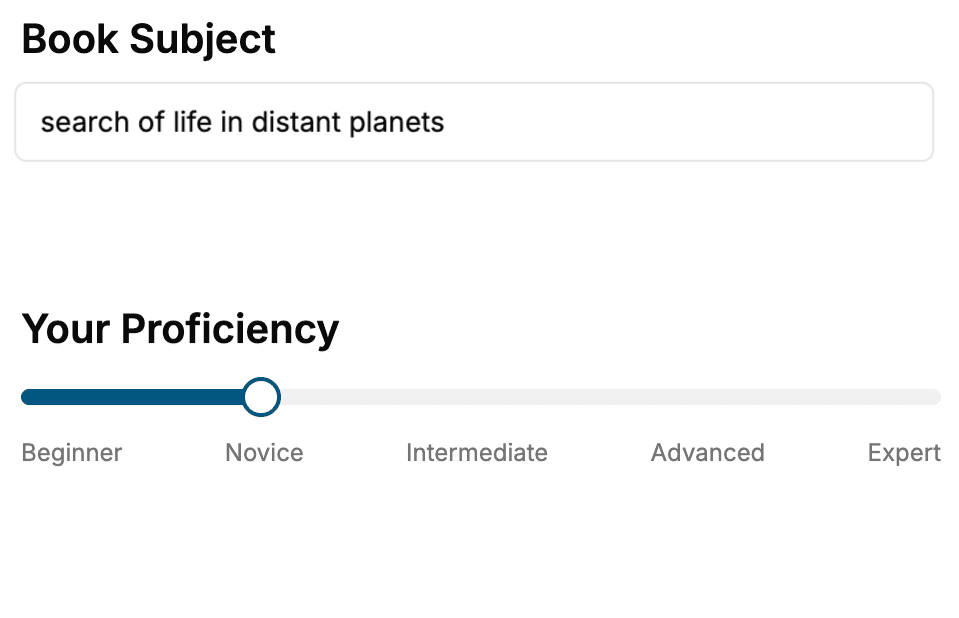
- 1. Select your focus
Select the focus of your Automated Software Testing book and share your background
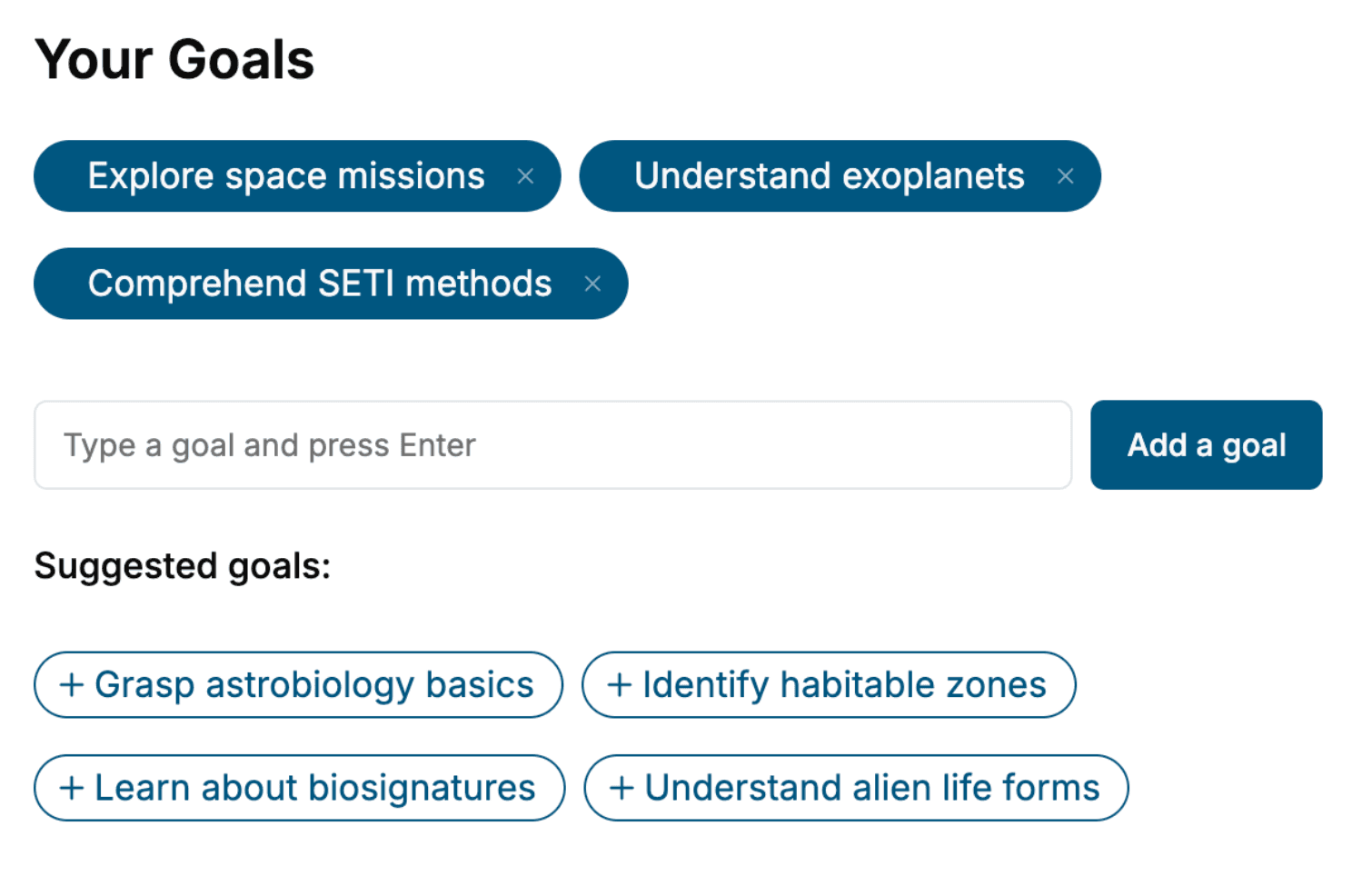
- 2. Personalize your book
Specify your goals and choose sub-topics to include
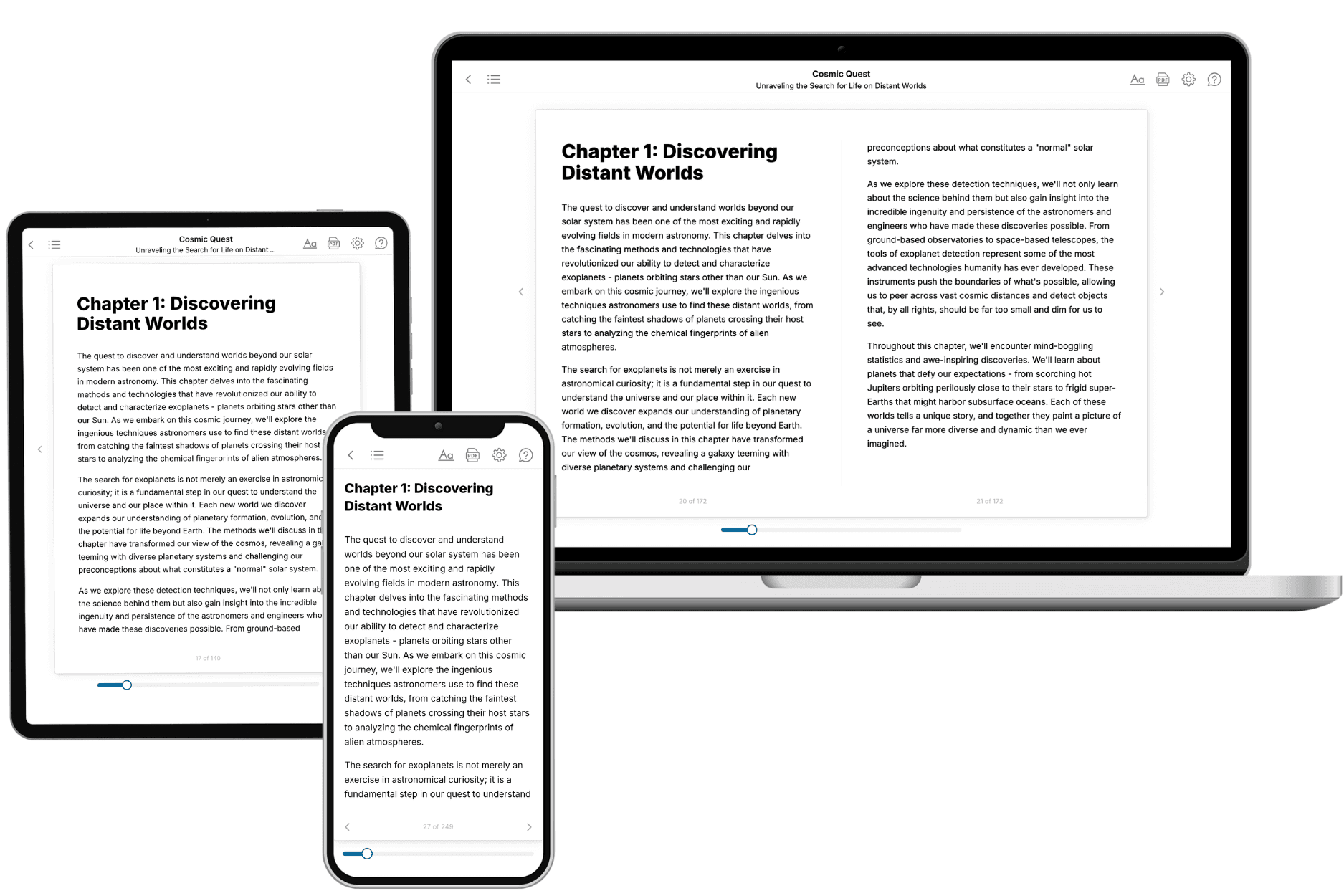
- 3. Get your tailored book
Your book is ready in 10 minutes. Read it online, download as EPUB or PDF, or send to Kindle.
Start from a template
Frequently asked questions
- What is TailoredRead?
TailoredRead creates complete, full-length nonfiction ebooks, written specifically for you. Tell us what you want to learn and why, and TailoredRead writes you a complete ebook on it, with charts, tables, and diagrams throughout. Read it online, on Kindle, or on any e-reader, or download it as a PDF or EPUB. Every book is written fresh the day you order it.
- How is the book tailored to me?
Before anything is written, you answer a few short questions about your goals, your background, and the topics you care about. Your book is then planned around your answers: written at your level, focused on your goals, and covering the topics you chose, instead of the one-size-fits-all book a store sells everyone.
- Will it read like generic AI content?
No. Your book isn't a chat transcript: it's planned chapter by chapter before a single word is written, told in a clear book voice, and explains ideas visually with charts, tables, and diagrams. After writing, every book goes through an editorial pass that polishes chapters so the book reads consistent from start to finish. Judge for yourself: browse thousands of sample books on our Explore Books page.
- How accurate is the content?
Our AI first checks whether your subject needs live research. Niche and fast-moving subjects are researched before writing, and the book plan and chapters are grounded in what it finds. After writing, every book goes through a quality pass that checks its facts and consistency, and researched books list their sources in a Notes section at the back.
- How long is the book?
You choose the length: Comprehensive (250-300 pages), Detailed (150-200 pages), Essential (70-100 pages), or Short (30-50 pages).
- Does the book include visuals?
Yes. Every book includes charts, tables, and diagrams: timelines, checklists, step-by-step guides, decision trees, comparison tables, matrices, and bar charts. A typical book includes dozens of these visual elements.
- Can I read it on Kindle? What formats can I download?
Yes. Every book can be read in our online reader or downloaded as a PDF or EPUB. The EPUB can be opened with Kindle, Apple Books, Kobo, and any e-reader. The Commercial and Author licenses also include an editable Word (DOCX) and Markdown download.
- How much does it cost?
About the price of a regular ebook. The exact price depends on your book's length and complexity, from $2 for the shortest books to $35 for the most comprehensive, and it's shown when you review your book, before you commit to anything. Each book is a one-time purchase, yours to keep, no subscription. Licenses that let you share, teach, or publish your book range from $35.99 to $49.99.
- Can I preview the book before purchasing?
Before you pay, you'll see what your book will cover: the title, a detailed description, the estimated length, and the complete chapter-by-chapter table of contents, so you know what you're getting before you decide. The full text itself is written after you purchase.
- How long does it take to create a book?
About 10 minutes. You can start reading the opening chapters while the rest is still being written.