The Unit Testing Handbook
Master the Art of Writing Tests That Catch Bugs Before They Reach Production
You're about to discover how unit testing transforms from a tedious checkbox into a powerful tool that makes you a more confident developer.
222 pages10 chaptersJan 15, 2026Software Testing
About this book
This handbook walks you through the complete landscape of unit testing—from foundational concepts to advanced strategies that professional teams use daily. You'll learn how to write tests that actually catch bugs, understand when and how to use mocks and stubs effectively, and master test-driven development to design better code from the start. Each chapter builds on practical examples and real-world scenarios you'll encounter in your projects. By the end, you'll have the knowledge to build a testing culture in your team, maintain test suites that don't become burdensome, and integrate testing seamlessly into your development workflow. Whether you're working with legacy code or greenfield projects, this guide provides the strategies and patterns you need to write tests that matter.
Table of contents
- IntroductionWhy Unit Testing Matters in Modern Development, What You'll Learn in This Handbook, How to Use This Book for Maximum BenefitRead below
- Chapter 1: Unit Testing FundamentalsWhat Is a Unit Test?, Unit Tests vs. Integration Tests vs. End-to-End Tests, The Anatomy of a Well-Written Unit Test, Choosing the Right Testing Framework
- Chapter 2: Structuring Tests for SuccessThe Arrange-Act-Assert Pattern, Naming Tests That Describe Behavior, Organizing Tests in Your Project
- Chapter 3: Isolating Units with Mocks and StubsUnderstanding Mocks, Stubs, and Fakes, When and Why to Use Mocks, Popular Mocking Frameworks and Tools, Avoiding Common Mocking Pitfalls
- Chapter 4: Test-Driven Development in PracticeThe Red-Green-Refactor Cycle, How TDD Improves Design and Code Quality, Overcoming Common TDD Challenges
- Chapter 5: Code Coverage and Testing StrategyUnderstanding Code Coverage Metrics, Setting Realistic Coverage Goals, Why 100% Coverage Isn't Always the Answer, Identifying and Testing Critical Paths
- Chapter 6: Testing Edge Cases and Error ConditionsDiscovering Edge Cases in Your Code, Boundary Value Analysis and Testing, Testing Exception Handling and Error Paths
- Chapter 7: Testing Asynchronous CodeChallenges of Testing Async Operations, Testing Promises, Callbacks, and Async/Await, Handling Timing and Race Conditions in Tests
- Chapter 8: Testing Legacy CodeUnique Challenges of Testing Untested Code, Using Characterization Tests to Understand Behavior, Refactoring Legacy Code with Test Protection, The Seams Model for Adding Tests to Existing Code
- Chapter 9: Integrating Tests into Your Development WorkflowSetting Up Continuous Integration Pipelines, Automating Test Execution and Reporting, Optimizing Test Performance and Speed
- Chapter 10: Maintaining and Evolving Your Test SuiteRecognizing and Addressing Test Technical Debt, Refactoring Tests Without Losing Coverage, Building a Testing Culture in Your Team
- ConclusionKey Takeaways and Next Steps, Continuing Your Testing Journey
- Glossary of Testing Terms
- Further Reading and Resources
Introduction
Every developer has experienced that sinking feeling when a bug reaches production. A customer reports an error, your team scrambles to investigate, and you discover that a simple change broke functionality in an unexpected way. The fix takes minutes, but the damage to user trust and team morale lingers. This scenario repeats itself across software teams worldwide, costing companies billions in lost productivity and customer satisfaction. Yet most of these bugs could have been caught before deployment with one fundamental practice: comprehensive unit testing.
Unit testing isn't just about finding bugs—it's about building confidence in your code. When you have a robust test suite, you can refactor with certainty, add features without fear, and deploy knowing that your changes won't break existing functionality. Tests become your safety net, catching problems at the moment you introduce them rather than weeks later when the context has faded from memory. This immediate feedback loop transforms how you write code, encouraging better design decisions and clearer thinking about edge cases and error conditions.
This handbook takes you beyond the basics of writing simple tests. You'll discover how professional development teams use unit testing as a cornerstone of their quality assurance strategy. Whether you're working on a greenfield project where you can establish testing practices from day one, or grappling with legacy code that has no tests at all, you'll find practical strategies that apply to your situation. The goal isn't to achieve some arbitrary coverage percentage or follow testing dogma—it's to write tests that genuinely improve your code quality and make your development process more efficient.
The landscape of software development has evolved dramatically over the past decade. Continuous integration and continuous deployment pipelines have become standard practice, microservices architectures demand more isolated testing approaches, and the pace of development continues to accelerate. In this environment, manual testing simply cannot keep up. Automated unit tests provide the foundation that makes rapid, confident deployment possible. They serve as executable documentation that never goes out of date, clearly demonstrating how your code should behave in various scenarios.
Throughout this book, you'll encounter real-world examples drawn from common development scenarios. You'll see how to test asynchronous operations that interact with external APIs, how to isolate database dependencies using mocks and stubs, and how to structure tests that remain maintainable as your codebase grows. Each chapter builds on the previous ones, creating a comprehensive understanding of unit testing that goes far beyond memorizing syntax or following recipes. You'll develop the judgment to know when a test adds value and when it creates unnecessary maintenance burden.
Why Unit Testing Matters in Modern Development
The cost of fixing bugs increases exponentially as they move through the development lifecycle. A bug caught during development might take fifteen minutes to fix—you're already in the code, the context is fresh in your mind, and you can verify the fix immediately. That same bug discovered during QA testing might take an hour as you context-switch back to that feature, reproduce the issue, and coordinate with testers. If it reaches production, the cost multiplies again: emergency meetings, customer support tickets, potential data corruption, and damage to your product's reputation. Research from IBM found that bugs caught during implementation cost approximately six times less to fix than those found during testing, and up to one hundred times less than bugs found after release[1].
Unit tests catch bugs at the earliest possible moment—while you're writing the code. When a test fails immediately after you make a change, you know exactly what caused the problem. There's no mystery, no lengthy debugging session, no need to trace through complex execution paths. This tight feedback loop doesn't just save time; it fundamentally changes how you think about code quality. Instead of viewing testing as a separate phase that happens after development, it becomes an integral part of the development process itself. You write a test, implement the feature, verify it works, and move forward with confidence.
Beyond bug detection, unit tests serve as living documentation that never becomes outdated. Traditional documentation often falls out of sync with the actual codebase—someone updates the code but forgets to update the documentation, or the documentation describes the intended behavior rather than the actual behavior. Tests, by contrast, must accurately reflect how the code works or they fail. When a new developer joins your team and wants to understand how a particular function behaves, they can read the tests and see concrete examples of inputs and expected outputs. This documentation is executable, verifiable, and always current.
The architectural benefits of unit testing often surprise developers who initially view testing as purely a quality assurance activity. Writing testable code requires thinking about dependencies, coupling, and separation of concerns. A function that's difficult to test usually has design problems: too many responsibilities, tight coupling to external systems, or hidden dependencies. When you commit to testing your code, you naturally write better code. Functions become more focused, dependencies become explicit, and your architecture becomes more modular. This isn't a side effect—it's one of the primary benefits of a testing discipline.
Modern development practices like continuous integration and continuous deployment depend entirely on automated testing. When your team merges code multiple times per day and deploys to production automatically, you cannot rely on manual testing to catch regressions. Your CI pipeline runs the entire test suite on every commit, providing immediate feedback when something breaks. This automation enables the rapid development cycles that businesses demand while maintaining quality standards. Without comprehensive unit tests, frequent deployments become reckless; with them, they become routine.
The psychological impact of a strong test suite shouldn't be underestimated. Developers with comprehensive test coverage approach refactoring and feature development with confidence rather than anxiety. You can improve code structure without fear of breaking existing functionality. You can upgrade dependencies knowing that your tests will catch incompatibilities. This confidence accelerates development because you spend less time in defensive programming mode, worrying about what might break, and more time building features. The test suite becomes a safety net that encourages bold improvements rather than timid, incremental changes.
Consider a real-world scenario: your team needs to refactor a critical payment processing module to support a new payment provider. Without tests, this becomes a high-risk operation. You make changes carefully, manually test every scenario you can think of, and still deploy with uncertainty. With comprehensive unit tests, the refactoring becomes straightforward. You run the existing tests to establish a baseline, make your changes, and verify that all tests still pass. If something breaks, you know immediately. The tests don't just verify correctness—they enable change.
Unit testing also facilitates collaboration within development teams. When you work on code written by a colleague, tests help you understand the intended behavior and verify that your changes don't break existing functionality. Code reviews become more effective because reviewers can see not just the implementation but also the test cases that validate it. This shared understanding reduces miscommunication and helps teams maintain consistent quality standards across the codebase. Tests become a common language for discussing behavior and requirements.
The return on investment for unit testing becomes clear when you measure the right metrics. Teams with strong testing practices spend less time debugging production issues, experience fewer emergency deployments, and maintain higher velocity over time. While writing tests does require upfront time investment, this cost is recovered many times over through reduced debugging time, fewer production incidents, and faster feature development. A study by Microsoft Research found that teams practicing test-driven development experienced 40-90% reductions in defect density while increasing development time by only 15-35%[2].
What You'll Learn in This Handbook
This handbook provides a comprehensive journey through unit testing, starting with fundamental concepts and progressing to advanced techniques used by professional development teams. You'll begin by understanding what distinguishes unit tests from other types of tests, why this distinction matters, and how to structure tests for maximum clarity and maintainability. The early chapters establish a solid foundation, ensuring you understand not just the mechanics of writing tests but the principles that make tests valuable. You'll learn the anatomy of well-written tests and how to choose appropriate testing frameworks for your technology stack.
The middle chapters dive into practical techniques that separate adequate testing from excellent testing. You'll master the Arrange-Act-Assert pattern that brings clarity to test structure, discover naming conventions that make test failures immediately understandable, and learn how to organize tests within your project for easy navigation and maintenance. These organizational skills become increasingly important as your test suite grows from dozens to hundreds or thousands of tests. A well-organized test suite remains maintainable; a poorly organized one becomes technical debt that teams eventually abandon.
Isolation techniques form a critical component of effective unit testing, and you'll gain deep understanding of mocks, stubs, and fakes. You'll learn when each technique is appropriate, how to use popular mocking frameworks, and—equally important—when not to use mocks. Over-mocking creates brittle tests that break whenever implementation details change, while under-mocking creates slow, fragile tests that depend on external systems. Finding the right balance requires judgment that comes from understanding the tradeoffs, and this handbook provides that understanding through concrete examples and clear explanations.
Test-driven development receives thorough coverage, including the famous Red-Green-Refactor cycle and how this approach influences code design. You'll discover why writing tests before implementation often produces better architecture than writing tests afterward. TDD isn't just a testing technique—it's a design methodology that forces you to think about interfaces and behavior before getting lost in implementation details. You'll also learn how to overcome common TDD challenges, such as knowing where to start, handling uncertainty about requirements, and maintaining momentum when tests feel like they're slowing you down.
Code coverage metrics generate significant debate in the development community, and you'll gain nuanced understanding of what coverage means and doesn't mean. You'll learn how to interpret coverage reports, set realistic coverage goals for your team, and understand why 100% coverage doesn't guarantee quality. More importantly, you'll develop strategies for identifying critical paths in your code—the functionality that absolutely must work correctly—and ensuring those paths receive thorough testing. This risk-based approach to testing provides better results than blindly pursuing coverage percentages.
Edge cases and error conditions often receive insufficient testing attention, yet they're where many production bugs hide. You'll learn systematic approaches for discovering edge cases in your code, including boundary value analysis and equivalence partitioning. You'll see how to test exception handling and error paths effectively, ensuring your code behaves correctly not just in the happy path but also when things go wrong. These techniques help you build robust software that handles unexpected inputs and error conditions gracefully rather than failing catastrophically.
Asynchronous code presents unique testing challenges, and you'll master techniques for testing promises, callbacks, and async/await patterns. You'll learn how to handle timing issues and race conditions in tests, ensuring your asynchronous tests are both reliable and fast. This knowledge is essential in modern development where asynchronous operations are ubiquitous—from API calls to database queries to event handling. Tests that work correctly with asynchronous code require different approaches than synchronous tests, and you'll understand these differences thoroughly.
Legacy code—code without tests—presents special challenges that require specific strategies. You'll learn how to add tests to existing untested code using characterization tests, how to refactor safely with test protection, and how to apply the seams model to make untestable code testable. These techniques are invaluable because most developers spend more time working with existing code than writing new code from scratch. The ability to add tests to legacy code and improve it incrementally is a crucial professional skill that this handbook develops systematically.
Integration with development workflows ensures that tests actually get run and provide value. You'll learn how to set up continuous integration pipelines that run tests automatically, how to optimize test performance so your suite runs quickly, and how to generate useful test reports that help teams identify problems. Fast, reliable tests that run on every commit become part of your team's muscle memory; slow, flaky tests get ignored. You'll understand how to keep your test suite in the former category.
Finally, you'll learn how to maintain and evolve your test suite over time. Tests require maintenance just like production code, and you'll discover how to recognize test technical debt, refactor tests without losing coverage, and build a testing culture within your team. These organizational and cultural aspects often determine whether testing practices succeed or fail. Technical knowledge alone isn't sufficient—you need strategies for getting team buy-in, establishing standards, and maintaining momentum as your codebase and team grow.
How to Use This Book for Maximum Benefit
This handbook is designed to be both a comprehensive guide you read cover-to-cover and a reference you return to when facing specific testing challenges. If you're new to unit testing or want to strengthen your foundational understanding, reading sequentially from beginning to end provides the most value. Each chapter builds on concepts introduced in previous chapters, creating a coherent progression from basic principles to advanced techniques. The examples and explanations assume you've absorbed the earlier material, so skipping around initially may leave gaps in your understanding.
For experienced developers looking to deepen specific skills, the chapter structure allows targeted reading. Each chapter stands relatively independently, with cross-references when concepts from other chapters are relevant. If you're comfortable with basic testing but struggle with mocking, jump directly to Chapter 3. If you're dealing with legacy code, Chapter 8 provides focused guidance. The table of contents and chapter introductions help you navigate to the most relevant content for your current needs. This flexibility makes the handbook useful throughout your career as you encounter new testing challenges.
The code examples throughout this book use multiple programming languages to illustrate concepts, but the principles apply universally. You don't need to understand every language used in examples—focus on the concepts being demonstrated rather than syntax details. When an example uses a language you're unfamiliar with, read it for the pattern and structure rather than the specific implementation. The testing principles you'll learn transcend any particular language or framework. Whether you work in JavaScript, Python, Java, C#, or any other language, the strategies and techniques apply directly to your work.
Active engagement with the material dramatically increases learning effectiveness. As you read each chapter, think about how the concepts apply to your current projects. Identify code in your codebase that would benefit from the techniques being discussed. When you encounter an example that resonates, pause and implement something similar in your own code. This immediate application reinforces learning and helps you discover questions and challenges specific to your context. The handbook provides knowledge, but you build skill through practice and application.
Consider keeping a testing journal as you work through this material. Document patterns you discover, challenges you encounter, and solutions you develop. Note which techniques work well in your environment and which require adaptation. This personal reference becomes increasingly valuable over time, capturing lessons learned and decisions made. When you face similar situations months later, your journal provides context and guidance based on your actual experience rather than abstract principles.
The exercises and examples in each chapter deserve hands-on attention. Don't just read the code—type it out, run it, modify it, and break it intentionally to see what happens. This experimentation builds intuition that reading alone cannot provide. Set up a small practice project specifically for trying out testing techniques without the pressure of production deadlines. This safe environment lets you experiment freely, make mistakes, and learn from them without consequences. The time invested in deliberate practice pays dividends when you apply these skills to real projects.
Collaboration amplifies learning, so consider reading this handbook alongside colleagues or forming a study group. Discuss the concepts, share examples from your codebases, and review each other's test code. Different perspectives reveal insights you might miss reading alone. When someone explains a concept in their own words, it often clarifies aspects that weren't immediately obvious. Teaching others also deepens your own understanding—explaining why a particular testing approach works forces you to articulate principles you might otherwise apply intuitively.
Return to this handbook periodically as your skills develop. Concepts that seem abstract or overly complex on first reading often become clear after you've gained more experience. You'll notice different aspects of the material on subsequent readings, finding relevance in sections you initially skimmed. This isn't a book you read once and shelve—it's a resource you grow with over time. As you progress from writing your first tests to mentoring others in testing practices, different chapters will resonate at different stages of your journey.
Pay special attention to the anti-patterns and pitfalls discussed throughout the book. Learning what not to do is often as valuable as learning best practices. Many developers learn testing through trial and error, repeating common mistakes that others have already made and solved. This handbook helps you avoid those mistakes by highlighting them explicitly. When you recognize an anti-pattern in your own code, you've gained valuable self-awareness that leads to improvement. Don't feel discouraged if you discover you've been doing something suboptimally—every experienced developer has written poor tests while learning.
Finally, remember that testing is a means to an end, not an end in itself. The goal isn't to write tests—it's to build reliable software that serves users well. Keep this perspective as you work through the material. When a testing technique feels like it's adding complexity without corresponding value, question whether it's appropriate for your situation. The best testing practices are those that genuinely improve your code quality and development process, not those that follow dogma blindly. This handbook provides tools and knowledge; you provide the judgment about when and how to apply them effectively in your unique context.
This is the end of the free sample. The full book has 10 chapters.
Want this book written for you?
Tell us your goals and background, and get your own version of this book, tailored by AI to you.


Benefits of AI-tailored books
- Read one book, not ten:
- all the Software Testing knowledge you need, gathered into a single book.
- Save days of learning:
- tell us your goals, choose your topics, and the whole book is built around them.
- Learn effortlessly:
- Software Testing book written for your specific background and expertise.
- Understand at a glance:
- includes charts, tables, timelines, checklists, decision trees, and more.
- Stay current:
- written the day you order it, not years ago.
- Trust what you read:
- every book is checked for accuracy, with real research when your subject needs it.
Create your unique book in 3 steps
- 1. Select your focus
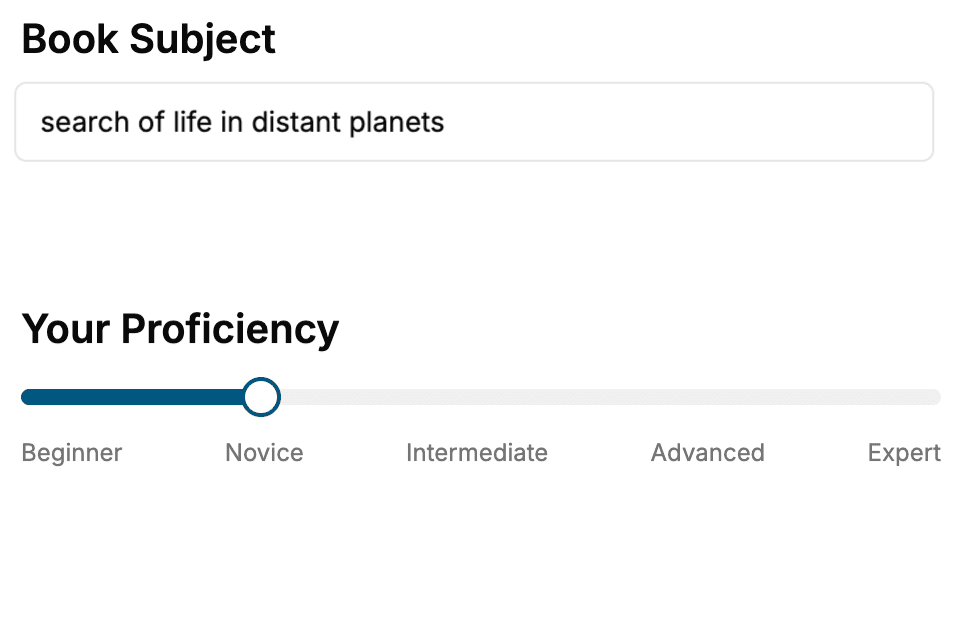
Select the focus of your Software Testing book and share your background
- 2. Personalize your book
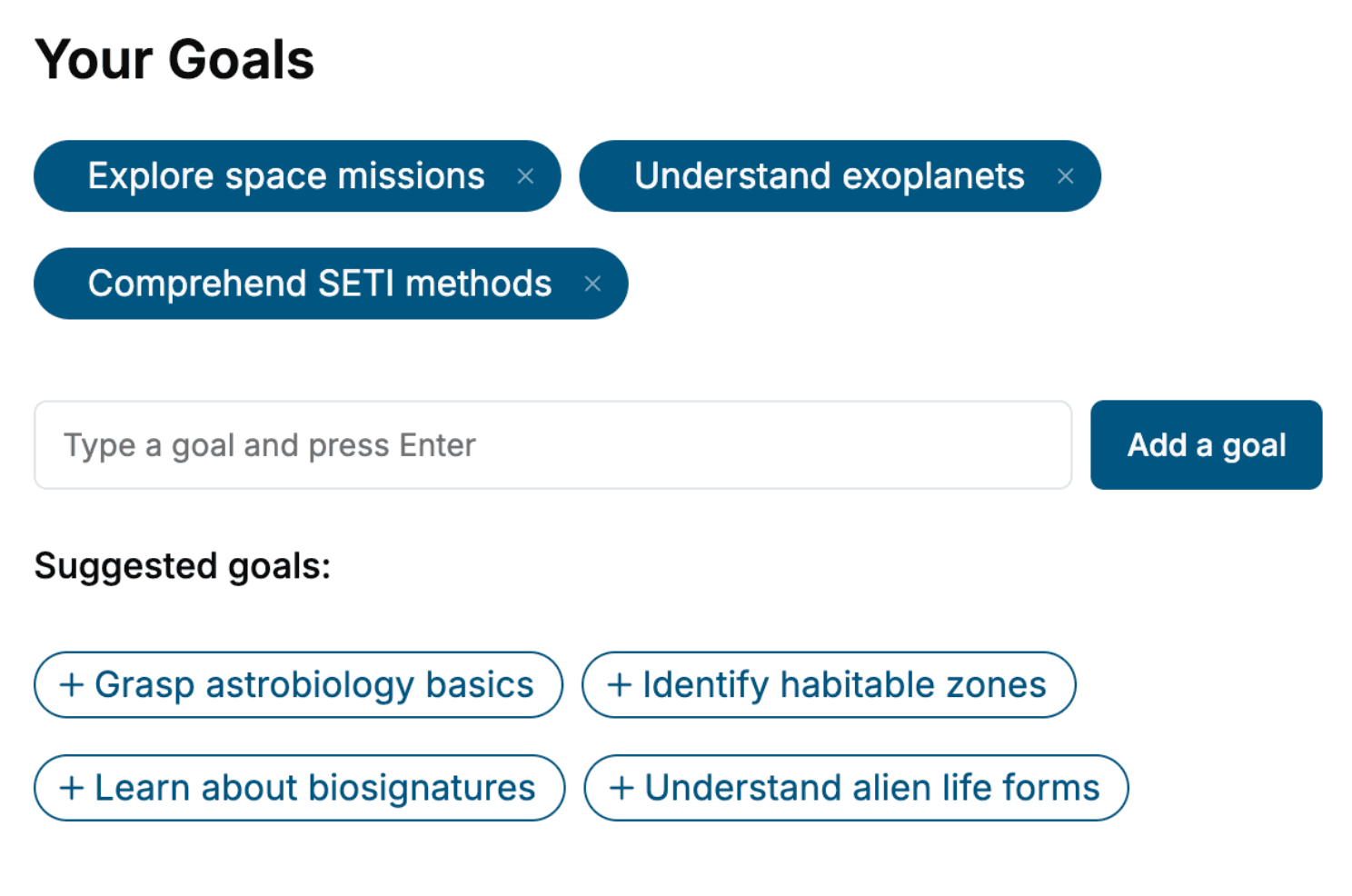
Specify your goals and choose sub-topics to include
- 3. Get your tailored book
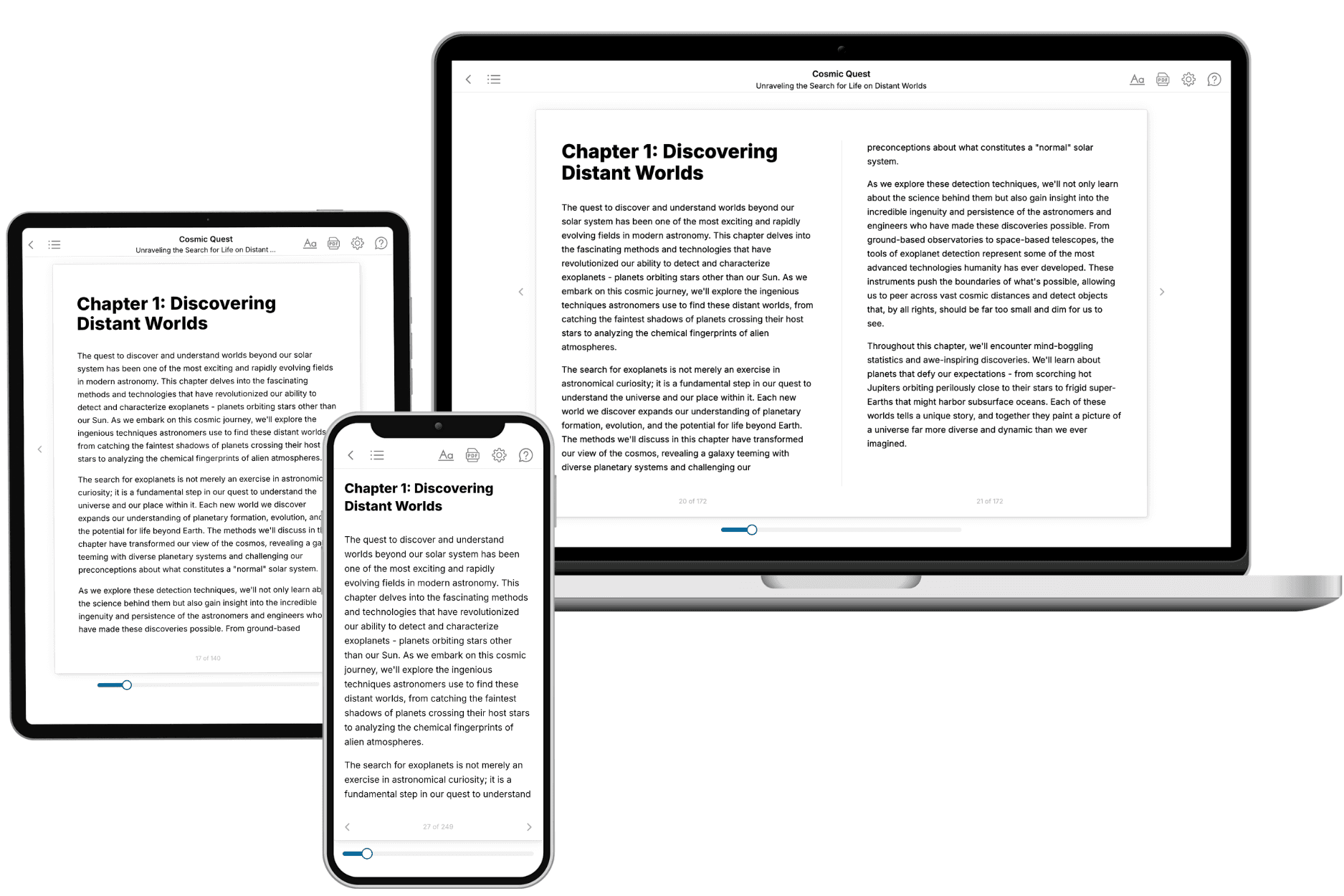
Your book is ready in 10 minutes. Read it online, download as EPUB or PDF, or send to Kindle.
Frequently asked questions
- What is TailoredRead?
TailoredRead creates complete, full-length nonfiction ebooks, written specifically for you. Tell us what you want to learn and why, and TailoredRead writes you a complete ebook on it, with charts, tables, and diagrams throughout. Read it online, on Kindle, or on any e-reader, or download it as a PDF or EPUB. Every book is written fresh the day you order it.
- How is the book tailored to me?
Before anything is written, you answer a few short questions about your goals, your background, and the topics you care about. Your book is then planned around your answers: written at your level, focused on your goals, and covering the topics you chose, instead of the one-size-fits-all book a store sells everyone.
- Will it read like generic AI content?
No. Your book isn't a chat transcript: it's planned chapter by chapter before a single word is written, told in a clear book voice, and explains ideas visually with charts, tables, and diagrams. After writing, every book goes through an editorial pass that polishes chapters so the book reads consistent from start to finish. Judge for yourself: browse thousands of sample books on our Explore Books page.
- How accurate is the content?
Our AI first checks whether your subject needs live research. Niche and fast-moving subjects are researched before writing, and the book plan and chapters are grounded in what it finds. After writing, every book goes through a quality pass that checks its facts and consistency, and researched books list their sources in a Notes section at the back.
- How long is the book?
You choose the length: Comprehensive (250-300 pages), Detailed (150-200 pages), Essential (70-100 pages), or Short (30-50 pages).
- Does the book include visuals?
Yes. Every book includes charts, tables, and diagrams: timelines, checklists, step-by-step guides, decision trees, comparison tables, matrices, and bar charts. A typical book includes dozens of these visual elements.
- Can I read it on Kindle? What formats can I download?
Yes. Every book can be read in our online reader or downloaded as a PDF or EPUB. The EPUB can be opened with Kindle, Apple Books, Kobo, and any e-reader. The Commercial and Author licenses also include an editable Word (DOCX) and Markdown download.
- How much does it cost?
About the price of a regular ebook. The exact price depends on your book's length and complexity, from $2 for the shortest books to $35 for the most comprehensive, and it's shown when you review your book, before you commit to anything. Each book is a one-time purchase, yours to keep, no subscription. Licenses that let you share, teach, or publish your book range from $35.99 to $49.99.
- Can I preview the book before purchasing?
Before you pay, you'll see what your book will cover: the title, a detailed description, the estimated length, and the complete chapter-by-chapter table of contents, so you know what you're getting before you decide. The full text itself is written after you purchase.
- How long does it take to create a book?
About 10 minutes. You can start reading the opening chapters while the rest is still being written.