The Test Report That Matters
Mastering Functional Testing Communication for QA Professionals
Stop writing test reports that nobody reads or acts on.
191 pages10 chaptersMay 27, 2026Software QA
About this book
Your test reports should be the most valuable communication tool in your QA process—the document that drives decisions about release readiness, prioritizes bug fixes, and demonstrates the true value of quality assurance. This book teaches you how to create test reports that stakeholders actually want to read and act upon. You'll learn how to structure reports for different audiences, document defects that developers can immediately fix, use metrics and visualizations to tell the quality story, and communicate testing progress in ways that matter to your organization. Whether you're reporting on functional testing, regression testing, or release validation, you'll discover practical frameworks, real-world examples, and proven templates that transform your reporting from a compliance checkbox into a strategic business tool. Master the art of test reporting and become the QA professional your team relies on for clear, actionable quality insights.
Table of contents
- IntroductionWhy Test Reporting Matters More Than You Think, The Gap Between Testing and Communication, What You'll Learn in This Book, How to Use This BookRead below
- Chapter 1: The Strategic Value of Test ReportsTest Reports as Decision-Making Tools, How Your Reports Influence Product Decisions, Building Credibility Through Quality Reporting
- Chapter 2: Understanding Your AudienceIdentifying Different Stakeholder Types, What Each Audience Needs From Your Reports, Tailoring Reports for Maximum Impact
- Chapter 3: Structuring Effective Test ReportsThe Anatomy of a Well-Structured Report, Creating Compelling Executive Summaries, Organizing Detailed Testing Information, Ensuring Logical Flow and Readability
- Chapter 4: Documenting Defects That Get FixedEssential Elements of Quality Defect Reports, Writing Clear, Reproducible Steps, Classifying Severity and Priority Correctly, Real-World Defect Documentation Examples
- Chapter 5: Metrics and Data VisualizationSelecting Metrics That Matter, Visualizing Data for Quick Understanding, Using Trends to Tell the Quality Story
- Chapter 6: Reporting on Functional TestingDefining and Communicating Test Scope, Reporting Test Coverage and Completeness, Presenting Functional Test Results Clearly
- Chapter 7: Automation and Manual Testing ReportsReporting on Automated Test Results, Highlighting Manual Testing Insights, Integrating Automation and Manual Results
- Chapter 8: Regression and Release Testing ReportsCommunicating Regression Testing Strategy, Assessing and Reporting Release Readiness, Risk Assessment and Mitigation in Reports
- Chapter 9: Templates, Tools, and AutomationBuilding Reusable Report Templates, Leveraging Tools for Efficient Reporting, Automating Report Generation
- Chapter 10: Continuous Improvement of Your ReportingGathering Feedback on Your Reports, Measuring Report Effectiveness, Refining Your Process Over Time
- ConclusionKey Takeaways for Better Test Reporting, Your Next Steps
Introduction
Picture this: you've just completed a two-week testing cycle. You ran hundreds of test cases, caught a dozen critical bugs, and documented everything carefully. Then you send your test report to the project manager, the development lead, and the product owner. A day passes. Then two. Nobody responds. The release meeting happens, and half the issues you flagged aren't even on the agenda. Your work was thorough, your findings were real, but somehow the report disappeared into the noise. If this sounds familiar, you're not alone.
This is one of the most common frustrations in QA. Testers spend enormous energy finding problems, but the reports they write don't always translate that effort into action. The bugs don't get prioritized. The risks don't get acknowledged. The release goes out with known issues that could have been addressed. And the QA team is left wondering why nobody seems to take their work seriously. The problem, more often than not, isn't the testing itself. It's the communication.
Test reporting is a skill that most QA professionals are never formally taught. You learn how to write test cases, how to execute test plans, how to use testing tools. But writing a report that actually influences decisions? That's usually picked up through trial and error, if it's learned at all. This book exists to change that. It treats test reporting as a craft worth mastering, and it gives you the practical tools to do exactly that.
The goal here isn't to make your reports longer or more detailed. In fact, the opposite is often true. The goal is to make your reports matter. A report that matters gets read, gets acted on, and shapes the decisions that determine whether software ships with confidence or ships with crossed fingers. That kind of report is within your reach, and the chapters ahead will show you how to write it.
Why Test Reporting Matters More Than You Think
Most QA professionals think of test reports as documentation. Something you produce at the end of a testing cycle to show what was done. That framing undersells the real purpose of a report by a wide margin. A well-crafted test report is a strategic communication tool. It shapes how stakeholders understand product quality, how developers prioritize their work, and whether a release decision is made with confidence or with uncertainty.
Consider what happens in a typical release meeting. The product manager asks: "Are we ready to ship?" The answer to that question should come directly from your test report. If your report is vague, buried in technical jargon, or structured in a way that makes it hard to extract a clear answer, the decision gets made on gut feeling instead of evidence. That's a problem for the product, and it's a missed opportunity for QA to demonstrate its value.
Research consistently shows that poor communication is one of the leading causes of software project failures. A study by the Project Management Institute found that ineffective communication contributes to project failure about one-third of the time.[1] Test reports sit right at the center of project communication. They are the primary vehicle through which QA findings reach the people who need to act on them.
Beyond individual releases, test reports also build or erode the credibility of the QA function over time. When your reports consistently provide clear, accurate, and actionable information, stakeholders start to trust your judgment. They look to your reports before making decisions. They ask for your input earlier in the development cycle. That kind of influence doesn't come from testing skill alone. It comes from communicating that skill effectively.
There's also a business case worth understanding. Defects found late in development cost significantly more to fix than those caught early. IBM research has suggested that fixing a bug in production can cost up to 15 times more than fixing it during the design phase.[2] When your reports clearly communicate risk and defect severity, they help teams make smarter decisions about where to invest fix effort. That's a direct contribution to the bottom line.
Finally, test reporting matters for your own career. QA professionals who can communicate clearly and persuasively are far more valuable than those who can only test. The ability to translate technical findings into business-relevant insights is a skill that gets noticed. It opens doors to senior roles, to cross-functional collaboration, and to being seen as a strategic partner rather than a checkbox function. The investment you make in improving your reporting pays dividends well beyond any single project.
The Gap Between Testing and Communication
There's a real and persistent gap between how well QA professionals test and how well they communicate their findings. This gap exists for several reasons, and understanding them is the first step toward closing them. The most common reason is that QA training focuses almost entirely on the technical side of testing. Tools, methodologies, test design techniques, automation frameworks. Communication is treated as an afterthought, if it's addressed at all.
Another reason is audience mismatch. QA professionals are often deeply technical, and they naturally write reports for an audience that shares their technical background. But the people who most need to act on test reports, product managers, executives, business stakeholders, often don't have that background. When a report is full of terms like regression suite pass rate or boundary value analysis coverage without explanation, it creates distance instead of clarity.
A test report that only a fellow tester can understand is a report that only a fellow tester will act on. Everyone else will skim it, file it, or ignore it entirely.
There's also the problem of format. Many QA teams inherit report templates that were designed years ago for a different context. These templates often prioritize completeness over clarity. They include every possible data point, organized in a way that made sense to whoever created the template, but not necessarily to the people reading it today. Following a bad template out of habit is one of the most common ways that good testing work gets buried in poor communication.
Time pressure makes things worse. At the end of a testing cycle, everyone is rushing toward a deadline. Writing a thoughtful, well-structured report feels like a luxury when you're trying to close out the last test cases and get findings to the team. So reports get written quickly, without much thought about structure or audience. The result is a document that captures what happened but doesn't communicate what it means.
The gap also shows up in how defects are documented. A defect report that says "button doesn't work on checkout page" is technically accurate but practically useless. A developer reading that report has to do significant investigation just to reproduce the issue, let alone fix it. Multiply that across dozens of defects and you have a situation where the development team is spending hours on triage that should have been handled in the report itself. That friction slows down fixes and creates frustration on both sides.
Closing this gap doesn't require becoming a professional writer. It requires developing a set of specific, learnable skills: understanding your audience, structuring information logically, choosing the right metrics, writing clear defect descriptions, and presenting data in ways that support decision-making. These are exactly the skills this book is designed to build.
It's worth noting that this gap isn't a reflection of QA professionals' intelligence or dedication. It's a structural problem in how the profession is taught and practiced. The good news is that structural problems have structural solutions. With the right frameworks and enough practice, anyone can learn to write test reports that get read and acted on.
What You'll Learn in This Book
This book is organized around the core skills and knowledge areas that separate average test reports from exceptional ones. Each chapter builds on the previous one, moving from foundational concepts to practical techniques to advanced strategies. Here's a clear picture of what you'll take away from each part of the journey.
Chapter 1: The Strategic Value of Test Reports sets the foundation by reframing how you think about reporting. You'll learn to see test reports not as documentation artifacts but as decision-making tools. This chapter covers how reports influence product decisions, how they shape team priorities, and how they build or undermine QA credibility over time.
Chapter 2: Understanding Your Audience dives into one of the most important skills in communication: knowing who you're writing for. You'll learn to identify different stakeholder types, understand what each audience needs from your reports, and tailor your content and structure accordingly. A report written for a developer looks very different from one written for a VP of Product, and this chapter shows you exactly how to make those adjustments.
Chapter 3: Structuring Effective Test Reports gives you a practical framework for organizing your reports. You'll learn the anatomy of a well-structured report, how to write executive summaries that actually get read, and how to organize detailed technical information so it's easy to navigate. This chapter includes templates and examples you can adapt immediately.
Chapter 4: Documenting Defects That Get Fixed tackles one of the most practical challenges in QA communication. You'll learn the essential elements of a quality defect report, how to write reproducible steps that developers can follow without guesswork, and how to classify severity and priority in ways that drive the right fix decisions. Real-world examples show you both what good defect documentation looks like and what to avoid.
The remaining chapters cover a range of specialized topics that round out your reporting toolkit:
- Chapter 5 covers metrics and data visualization, teaching you how to select the right metrics and present them in ways that tell a clear quality story.
- Chapter 6 focuses specifically on functional testing reports, including how to communicate scope, coverage, and results.
- Chapter 7 addresses the different reporting needs of automated and manual testing, and how to integrate both into a coherent picture.
- Chapter 8 covers regression and release testing reports, with a focus on communicating release readiness and risk.
- Chapter 9 provides practical guidance on templates, tools, and automation for making your reporting process more efficient.
- Chapter 10 closes the loop with strategies for continuously improving your reporting based on feedback and measured effectiveness.
Throughout the book, you'll find concrete examples, practical frameworks, and ready-to-use templates. The emphasis is always on actionable guidance, not abstract theory. Every concept is grounded in real QA scenarios that you'll recognize from your own experience.
By the time you finish this book, you'll have a complete toolkit for test reporting. You'll know how to write reports that different audiences actually want to read, how to document defects that get fixed quickly, how to use metrics to tell a compelling quality story, and how to position yourself as a QA professional whose communication is as strong as their testing.
How to Use This Book
This book is designed to be both a cover-to-cover read and a practical reference you return to over time. If you're new to thinking about test reporting as a strategic skill, reading it from start to finish will give you the most complete picture. The chapters build on each other in a logical sequence, and the concepts introduced early in the book are reinforced and applied in later chapters.
If you're facing a specific challenge right now, you can also jump directly to the chapter that addresses it. Need to write a better executive summary for an upcoming release? Go straight to Chapter 3. Struggling with defect reports that developers keep pushing back on? Chapter 4 is where you want to start. Each chapter is written to stand on its own, so you won't be lost if you skip around based on your immediate needs.
To get the most out of this book, treat it as a working document rather than something you read once and set aside. Here are some specific ways to engage with the material actively:
- Apply concepts immediately. After reading each chapter, look at a recent test report you've written and identify one or two things you'd change based on what you just learned. Small, immediate applications accelerate learning faster than any amount of passive reading.
- Use the templates as starting points. The templates and frameworks in this book are designed to be adapted, not followed rigidly. Take what works for your context and modify what doesn't. The goal is a reporting process that fits your team and your stakeholders.
- Share and discuss with your team. Test reporting is rarely a solo activity. If you can get your QA colleagues to read relevant chapters alongside you, the conversations that follow will surface insights specific to your organization that no book can anticipate.
- Revisit chapters as your context changes. The reporting challenges you face as a mid-level QA engineer are different from those you'll face as a QA lead or manager. Chapters that feel less relevant today may become essential reading six months from now.
A note on the examples throughout this book: they are drawn from common QA scenarios across different types of software projects, including web applications, mobile apps, and enterprise systems. The specific details are illustrative rather than drawn from any single real organization. The goal is to give you examples that are concrete enough to be useful without being so specific that they only apply to one narrow context.
You'll also notice that this book doesn't assume you're using any particular testing tool, bug tracking system, or reporting platform. The principles here apply whether your team uses Jira, Azure DevOps, TestRail, or a custom spreadsheet. The frameworks are tool-agnostic by design, because the fundamentals of good communication don't change based on which software you're using to manage your test cases.
One more thing worth saying upfront: improving your test reporting is a process, not a one-time fix. You won't read this book and immediately produce perfect reports. What you will do is develop a clearer understanding of what good reporting looks like, a set of practical tools for getting there, and a framework for continuously improving over time. That's a more realistic and ultimately more valuable outcome than any quick fix could provide.
The QA professionals who are most respected in their organizations aren't always the ones who find the most bugs. They're the ones who communicate their findings in ways that drive real action. That's the standard this book is aimed at helping you reach. The work starts now.
This is the end of the free sample. The full book has 10 chapters.
Want this book written for you?
Tell us your goals and background, and get your own version of this book, tailored by AI to you.


Benefits of AI-tailored books
- Read one book, not ten:
- all the Software QA knowledge you need, gathered into a single book.
- Save days of learning:
- tell us your goals, choose your topics, and the whole book is built around them.
- Learn effortlessly:
- Software QA book written for your specific background and expertise.
- Understand at a glance:
- includes charts, tables, timelines, checklists, decision trees, and more.
- Stay current:
- written the day you order it, not years ago.
- Trust what you read:
- every book is checked for accuracy, with real research when your subject needs it.
Create your unique book in 3 steps
- 1. Select your focus
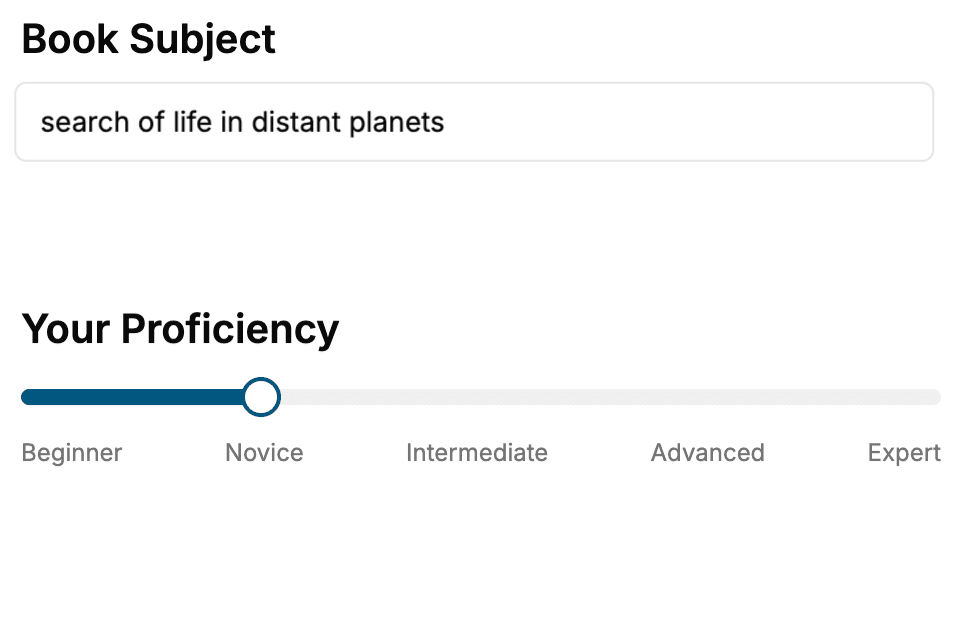
Select the focus of your Software QA book and share your background
- 2. Personalize your book
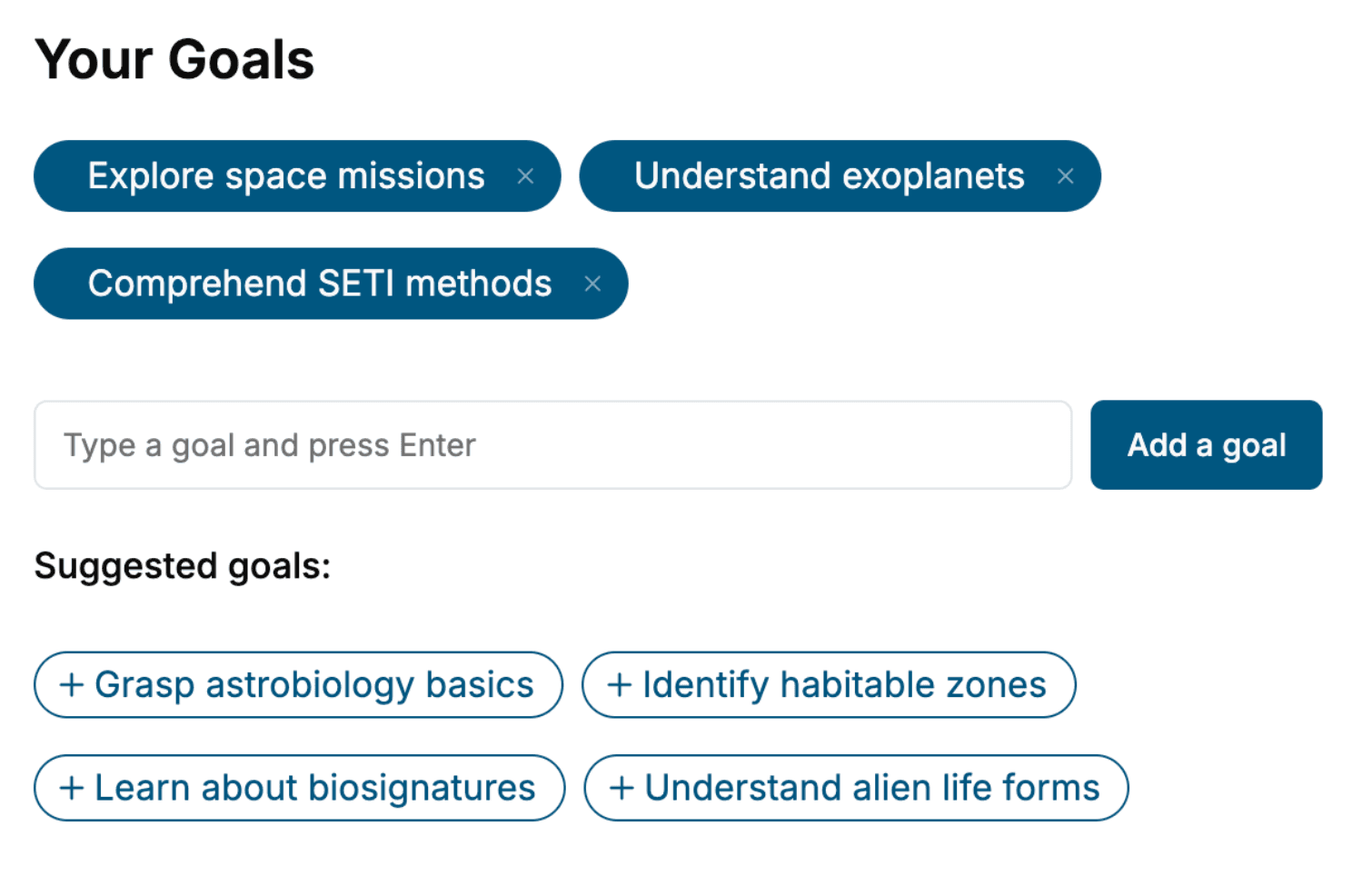
Specify your goals and choose sub-topics to include
- 3. Get your tailored book
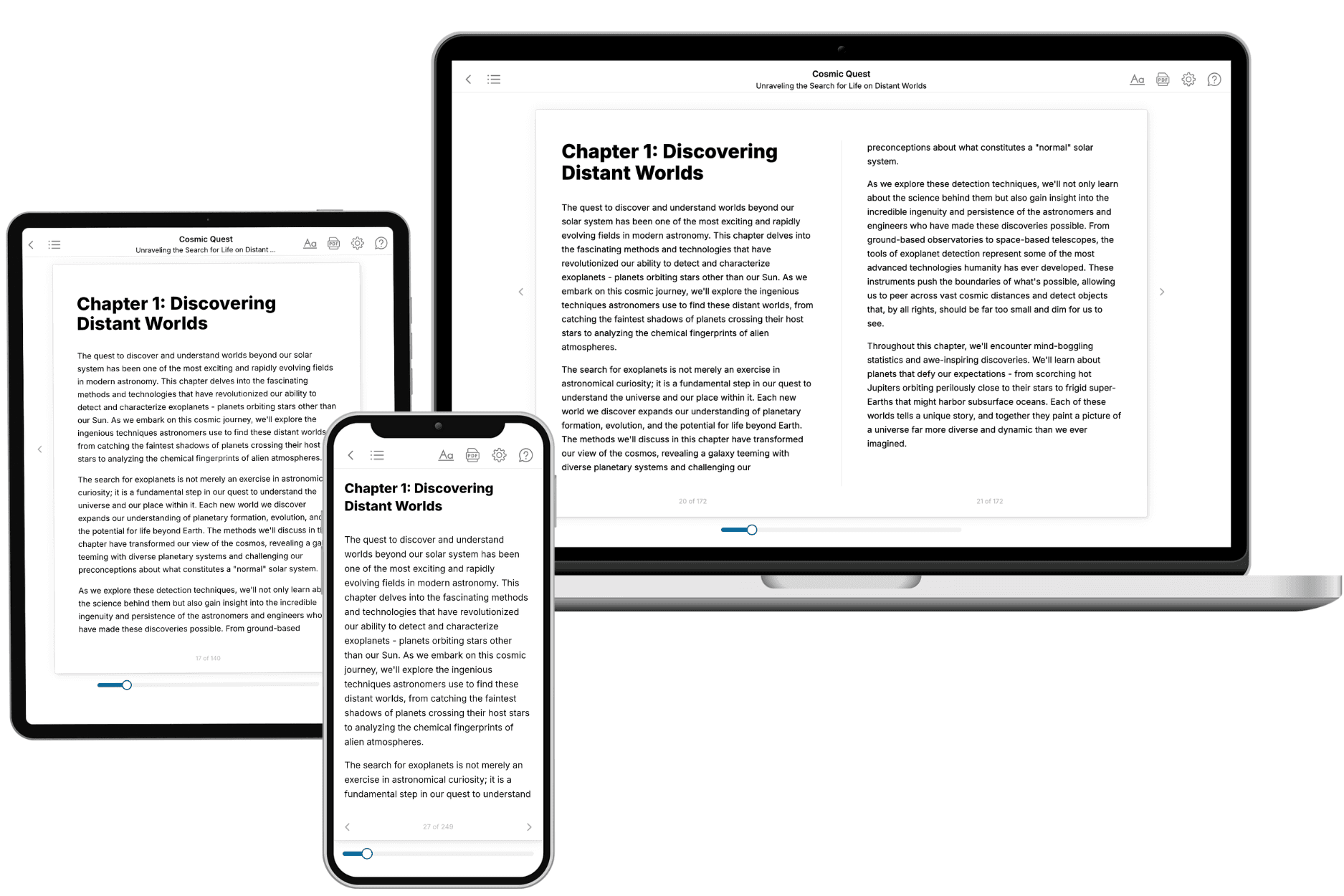
Your book is ready in 10 minutes. Read it online, download as EPUB or PDF, or send to Kindle.
Frequently asked questions
- What is TailoredRead?
TailoredRead creates complete, full-length nonfiction ebooks, written specifically for you. Tell us what you want to learn and why, and TailoredRead writes you a complete ebook on it, with charts, tables, and diagrams throughout. Read it online, on Kindle, or on any e-reader, or download it as a PDF or EPUB. Every book is written fresh the day you order it.
- How is the book tailored to me?
Before anything is written, you answer a few short questions about your goals, your background, and the topics you care about. Your book is then planned around your answers: written at your level, focused on your goals, and covering the topics you chose, instead of the one-size-fits-all book a store sells everyone.
- Will it read like generic AI content?
No. Your book isn't a chat transcript: it's planned chapter by chapter before a single word is written, told in a clear book voice, and explains ideas visually with charts, tables, and diagrams. After writing, every book goes through an editorial pass that polishes chapters so the book reads consistent from start to finish. Judge for yourself: browse thousands of sample books on our Explore Books page.
- How accurate is the content?
Our AI first checks whether your subject needs live research. Niche and fast-moving subjects are researched before writing, and the book plan and chapters are grounded in what it finds. After writing, every book goes through a quality pass that checks its facts and consistency, and researched books list their sources in a Notes section at the back.
- How long is the book?
You choose the length: Comprehensive (250-300 pages), Detailed (150-200 pages), Essential (70-100 pages), or Short (30-50 pages).
- Does the book include visuals?
Yes. Every book includes charts, tables, and diagrams: timelines, checklists, step-by-step guides, decision trees, comparison tables, matrices, and bar charts. A typical book includes dozens of these visual elements.
- Can I read it on Kindle? What formats can I download?
Yes. Every book can be read in our online reader or downloaded as a PDF or EPUB. The EPUB can be opened with Kindle, Apple Books, Kobo, and any e-reader. The Commercial and Author licenses also include an editable Word (DOCX) and Markdown download.
- How much does it cost?
About the price of a regular ebook. The exact price depends on your book's length and complexity, from $2 for the shortest books to $35 for the most comprehensive, and it's shown when you review your book, before you commit to anything. Each book is a one-time purchase, yours to keep, no subscription. Licenses that let you share, teach, or publish your book range from $35.99 to $49.99.
- Can I preview the book before purchasing?
Before you pay, you'll see what your book will cover: the title, a detailed description, the estimated length, and the complete chapter-by-chapter table of contents, so you know what you're getting before you decide. The full text itself is written after you purchase.
- How long does it take to create a book?
About 10 minutes. You can start reading the opening chapters while the rest is still being written.