UML Package Diagrams Mastery
Design Scalable Software Architecture with Clear Organization and Dependencies
Navigate the critical role package diagrams play in software architecture.
207 pages9 chaptersJul 27, 2026UML
About this book
You'll discover how to organize complex systems into logical, maintainable units that scale with your application's growth. This guide walks you through the fundamentals of package notation and relationships, then progresses to designing packages that reflect your system's actual architecture. Learn how to identify and eliminate problematic dependencies, apply proven architectural patterns, and use package diagrams to communicate design decisions with your team. Through practical examples and real-world scenarios, you'll master the techniques that separate well-organized systems from tangled codebases. Whether you're refactoring legacy systems or designing new applications, you'll gain the skills to create package structures that support long-term maintainability and team productivity.
Table of contents
- IntroductionWhy Package Diagrams Matter in Modern Software, What You'll Learn in This Book, How to Use This GuideRead below
- Chapter 1: Package Diagram FundamentalsWhat Is a Package?, Package Notation and Symbols, Packages vs. Other UML Diagrams
- Chapter 2: Package Relationships and DependenciesTypes of Package Dependencies, Import and Access Relationships, Merge and Containment Relationships
- Chapter 3: Designing Effective Package StructuresCohesion: Keeping Related Elements Together, Reducing Coupling Between Packages, Finding the Right Package Granularity
- Chapter 4: Architectural Patterns and Package OrganizationLayered Architecture Pattern, Domain-Driven Design Packages, Packages in Microservices Architecture
- Chapter 5: Visibility and Access Control in PackagesPublic, Private, and Protected Visibility, Enforcing Architectural Boundaries, Using Facades to Control Package Access
- Chapter 6: Analyzing and Refactoring DependenciesIdentifying Problematic Dependencies, Breaking Circular Dependencies, Refactoring Strategies for Package Reorganization
- Chapter 7: Integrating Packages with Other UML DiagramsConnecting Packages to Class Diagrams, Packages and Component Diagrams, Packages in Deployment Architecture
- Chapter 8: Real-World Package Design ExamplesE-Commerce System Package Structure, Enterprise Application Organization, Refactoring Legacy Systems with Packages
- Chapter 9: Tools, Best Practices, and Team CommunicationUML Diagramming Tools and Software, Best Practices for Package Design, Communicating Package Diagrams to Teams
- ConclusionKey Takeaways, Your Next Steps
- Glossary
- Further Reading and Resources
Introduction
A codebase with no visible structure is not a neutral thing. It accumulates hidden costs: developers spend hours tracing where a class belongs, a small change in one module breaks something three layers away, and onboarding a new team member becomes a multi-week archaeology project. Package diagrams exist precisely to make structure visible before those costs compound. They give you a map of how a system is organized, where its boundaries sit, and which parts depend on which others.
UML package diagrams are not the most glamorous part of software design. Class diagrams get more attention, sequence diagrams tell better stories, and deployment diagrams look impressive in architecture reviews. But package diagrams do something none of those can do alone: they show the shape of a system at the organizational level. They answer the question that matters most when a codebase grows large enough to hurt: How is this thing actually put together?
This book is built for software developers and architects who already have a working knowledge of UML and want to go deeper on package diagrams specifically. The goal is not to survey every UML notation rule. The goal is to give you a practical, thorough command of package diagrams so you can use them to design better systems, catch architectural problems early, and communicate structure clearly to the people you work with. Every chapter moves from concept to application, with real examples drawn from the kinds of systems you are likely to encounter or build.
The chapters ahead cover everything from the basic notation of a package to the subtleties of managing dependencies in a microservices architecture. Along the way, you will work through concrete scenarios: an e-commerce platform, an enterprise application, and a legacy system in need of refactoring. By the end, package diagrams should feel less like a documentation formality and more like a design tool you reach for naturally.
Why Package Diagrams Matter in Modern Software
Software systems grow. A project that starts as a few hundred classes can expand to tens of thousands of files spread across dozens of modules, services, and libraries. At that scale, the question of organization stops being academic and starts being the difference between a team that ships confidently and one that is afraid to touch anything. Package diagrams are the primary UML tool for reasoning about that organization at a level above individual classes.
The core problem package diagrams address is dependency visibility. In any large system, packages depend on other packages. Some of those dependencies are intentional and healthy. Others are accidental, circular, or violate the architectural rules the team agreed on. Without a diagram, those dependency structures live only in the code itself, where they are hard to see and even harder to discuss. A package diagram surfaces them explicitly, making it possible to evaluate, challenge, and improve them.
Consider a concrete example. A team builds a web application with a rough mental model of three layers: presentation, business logic, and data access. Six months in, a developer adds a shortcut: a class in the presentation layer calls a database utility directly, bypassing the business logic layer entirely. No alarm goes off. The code compiles and the tests pass. But the architectural boundary has been violated, and the next developer who follows that pattern makes the violation worse. A package diagram drawn at that point would show the illegal dependency arrow immediately, making the problem undeniable.
Package diagrams also matter because they are the right tool for conversations that happen at the architectural level. When a team debates whether to split a module into two, or whether a new feature belongs in an existing package or a new one, those conversations need a shared visual language. A package diagram gives everyone the same picture to look at. It turns abstract disagreements about structure into concrete discussions about boxes and arrows.
The relevance of package diagrams has grown alongside the rise of architectural patterns that depend on clear boundaries. Layered architecture, domain-driven design packages, and microservices package boundaries all require teams to think carefully about what belongs where and what is allowed to depend on what. Package diagrams are the natural notation for expressing and enforcing those decisions. They are not a relic of older UML-heavy processes; they are a practical tool that fits directly into how modern teams design and communicate about systems.
There is also a maintenance argument. Systems that lack clear package structure tend to develop what architects call circular dependencies, where package A depends on package B, which depends back on package A. Circular dependencies make it impossible to build, test, or deploy packages independently. They are one of the most common signs that a codebase has grown without architectural discipline. Detecting them early, through package diagrams and the acyclic dependencies principle, is far cheaper than untangling them after the fact.
Finally, package diagrams serve as a form of living documentation. When kept up to date, they tell a new team member more about how a system is organized than any written description could. They are a compressed, visual summary of architectural intent. That makes them valuable not just during design, but throughout the life of a system.
What You'll Learn in This Book
The book is organized to build your understanding progressively, starting with the mechanics of package notation and moving toward the judgment calls that separate good package design from great package design. Each chapter focuses on a specific aspect of package diagrams, with enough depth to be genuinely useful and enough examples to make the concepts concrete.
The first major area is package notation and fundamentals. Before you can design good package structures, you need a precise understanding of what a package is in UML terms, how it is drawn, and how it differs from related concepts like components and namespaces. The chapter on fundamentals covers the owned element relationship, the namespace role of packages, and the visual conventions that make package diagrams readable. This is the foundation everything else builds on.
The second area is package relationships and dependencies. UML defines several distinct relationship types for packages, and each one means something different. You will learn the difference between a dependency arrow, an «import» relationship, an «access» relationship, and a «merge» relationship. You will also learn when to use each one and what the choice communicates to someone reading the diagram. Getting these right is what separates a diagram that informs from one that misleads.
The third area is designing effective package structures. This is where the book moves from notation to design judgment. The principles of package cohesion and package coupling give you a framework for evaluating whether a package structure is healthy or problematic. You will work through the common-closure principle, the common-reuse principle, and the reuse-release equivalence principle, and see how they apply to real design decisions. The concept of package granularity gets its own treatment, because getting the size of packages right is one of the hardest and most consequential decisions in package design.
The fourth area covers architectural patterns. Three patterns get detailed treatment:
- Layered architecture, where packages are organized into horizontal tiers with strict dependency rules between them
- Domain-driven design packages, where packages reflect business domains and the bounded context concept shapes package boundaries
- Microservices package boundaries, where packages map to independently deployable services and the anti-corruption layer package protects domain integrity
Each pattern is illustrated with a worked example so you can see how the abstract principle translates into an actual diagram.
The fifth area is visibility and access control. UML provides visibility modifiers that control which elements inside a package are accessible from outside it. Understanding public visibility, private visibility, protected visibility, and package visibility lets you design packages that expose only what they need to expose. The facade pattern in packages is covered here as a practical technique for controlling access while keeping internal structure flexible.
The sixth area is dependency analysis and refactoring. This is where you learn to diagnose problems in existing package structures. The instability metric, afferent coupling, and efferent coupling give you quantitative tools for evaluating package health. The stable dependencies principle and dependency inversion in packages give you design principles for fixing what you find. Breaking circular dependencies gets step-by-step treatment, because it is one of the most common and most disruptive problems teams face.
The remaining chapters cover integration with other UML diagrams, real-world case studies, and practical guidance on tools and team communication. The integration chapter explains package-to-class diagram traceability, package-to-component mapping, and cross-diagram consistency. The case studies apply everything to three realistic systems. The final chapter addresses UML diagramming tools, package naming conventions, and how to make package diagrams useful for teams with varying levels of UML familiarity.
How to Use This Guide
The chapters are designed to be read in order on a first pass. Each one builds on the vocabulary and concepts established before it. If you skip straight to the chapter on architectural patterns without reading the chapters on relationships and design principles, some of the reasoning will feel incomplete. The sequence is deliberate: notation first, then relationships, then design judgment, then patterns, then advanced topics.
That said, once you have read the book through once, it works well as a reference. The chapters on package relationships, visibility modifiers, and dependency analysis are particularly useful to return to when you are working on a specific problem. The glossary at the back collects all the canonical terms used throughout the book, so you can quickly look up a definition without hunting through chapters.
The most effective way to use this guide is to work alongside it with a real system. If you have a codebase you are currently working on, try drawing a package diagram of it as you read the fundamentals chapter. Then revisit that diagram as you read about relationships and design principles. You will almost certainly find things to improve, and the act of applying the concepts to something real will make them stick far better than reading alone.
A package diagram drawn for a system you know well is worth ten diagrams drawn for hypothetical examples. Use your own codebase as the primary test case throughout this book.
Each chapter includes concrete examples with enough detail to follow the reasoning. Some examples are simplified to keep the focus on the concept being taught. Others, particularly in the real-world case studies chapter, are more complete and closer to what you would produce in practice. When an example simplifies something, the text says so explicitly, so you know where the real-world version would be more complex.
The package metrics covered in the dependency analysis chapter require some arithmetic. The calculations are not complicated, but they are easier to follow if you work through them with a specific package structure in mind rather than reading them abstractly. The chapter walks through each calculation step by step, and the worked examples use numbers small enough to verify by hand.
A note on tools: the book does not assume you are using any particular UML diagramming tool. The notation described is standard UML 2.x, which every major tool supports. The chapter on tools and best practices discusses the tradeoffs between different options, but the design principles and notation rules apply regardless of which tool you use. If you are drawing diagrams by hand on a whiteboard during a design session, everything in this book still applies.
The package naming conventions discussed in the tools and practices chapter are worth adopting early. Consistent naming makes diagrams easier to read and easier to maintain. If you are starting a new project, set up your naming conventions before you draw your first diagram. If you are working with an existing system, the naming conventions chapter includes guidance on how to introduce consistency incrementally without disrupting the team.
One practical suggestion: keep a running diagram as you read. Start with the highest-level packages in a system you know, and add detail as each chapter introduces new concepts. By the time you finish the book, you will have a working package diagram that reflects everything you have learned, applied to something real. That diagram will be more useful than any set of notes, and the process of building it will surface questions that the text will answer.
The goal throughout is not to make you a UML formalist. The goal is to make package diagrams a natural part of how you think about and communicate software structure. The notation is a means to that end. What matters is the clarity of thinking that good package design requires and the architectural problems that clear package diagrams help you avoid. Those skills transfer to every system you will ever work on, regardless of the tools, languages, or frameworks involved.
This is the end of the free sample. The full book has 9 chapters.
Want this book written for you?
Tell us your goals and background, and get your own version of this book, tailored by AI to you.


Benefits of AI-tailored books
- Read one book, not ten:
- all the UML knowledge you need, gathered into a single book.
- Save days of learning:
- tell us your goals, choose your topics, and the whole book is built around them.
- Learn effortlessly:
- UML book written for your specific background and expertise.
- Understand at a glance:
- includes charts, tables, timelines, checklists, decision trees, and more.
- Stay current:
- written the day you order it, not years ago.
- Trust what you read:
- every book is checked for accuracy, with real research when your subject needs it.
Create your unique book in 3 steps
- 1. Select your focus
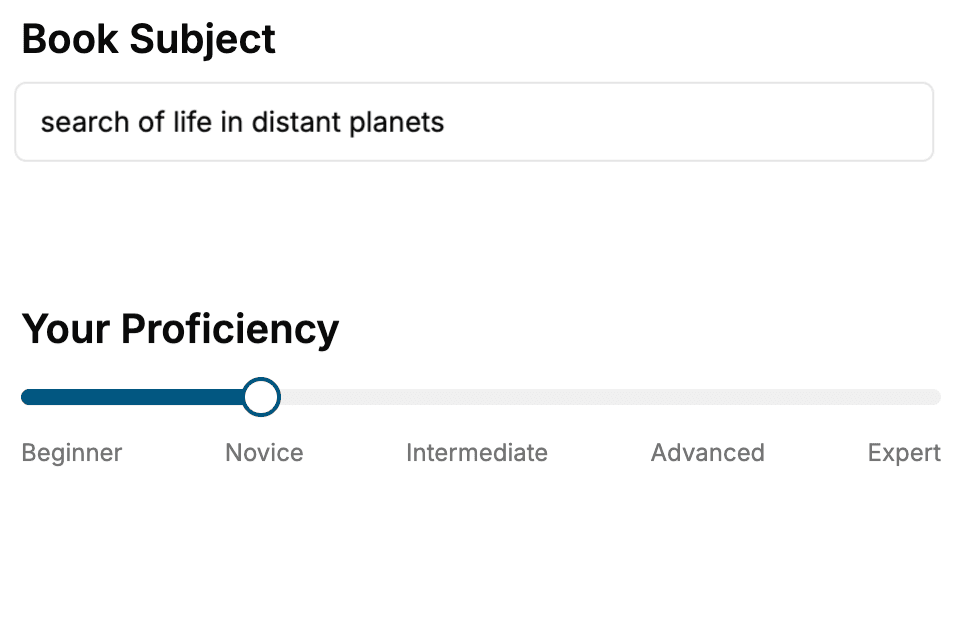
Select the focus of your UML book and share your background
- 2. Personalize your book
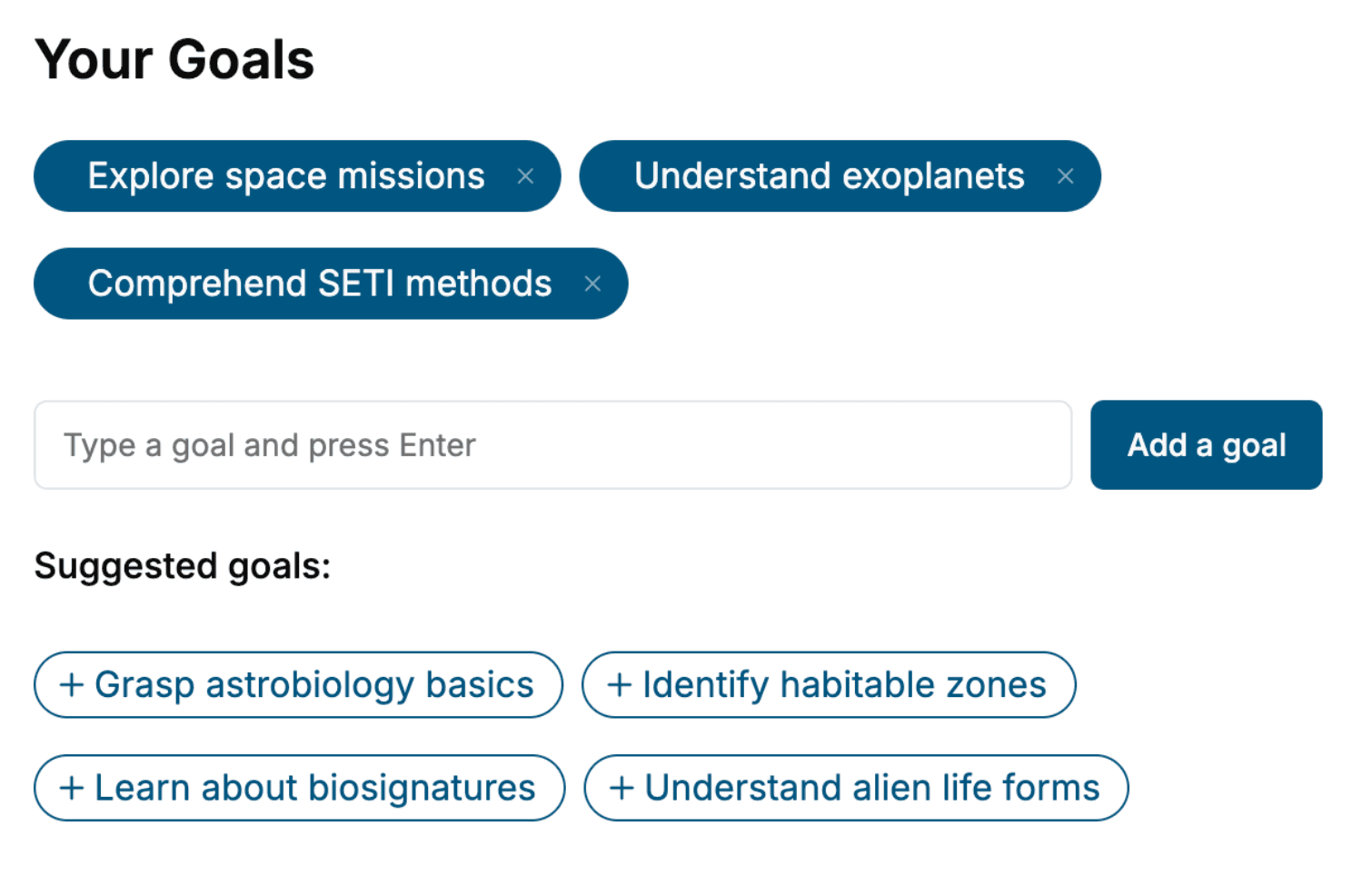
Specify your goals and choose sub-topics to include
- 3. Get your tailored book
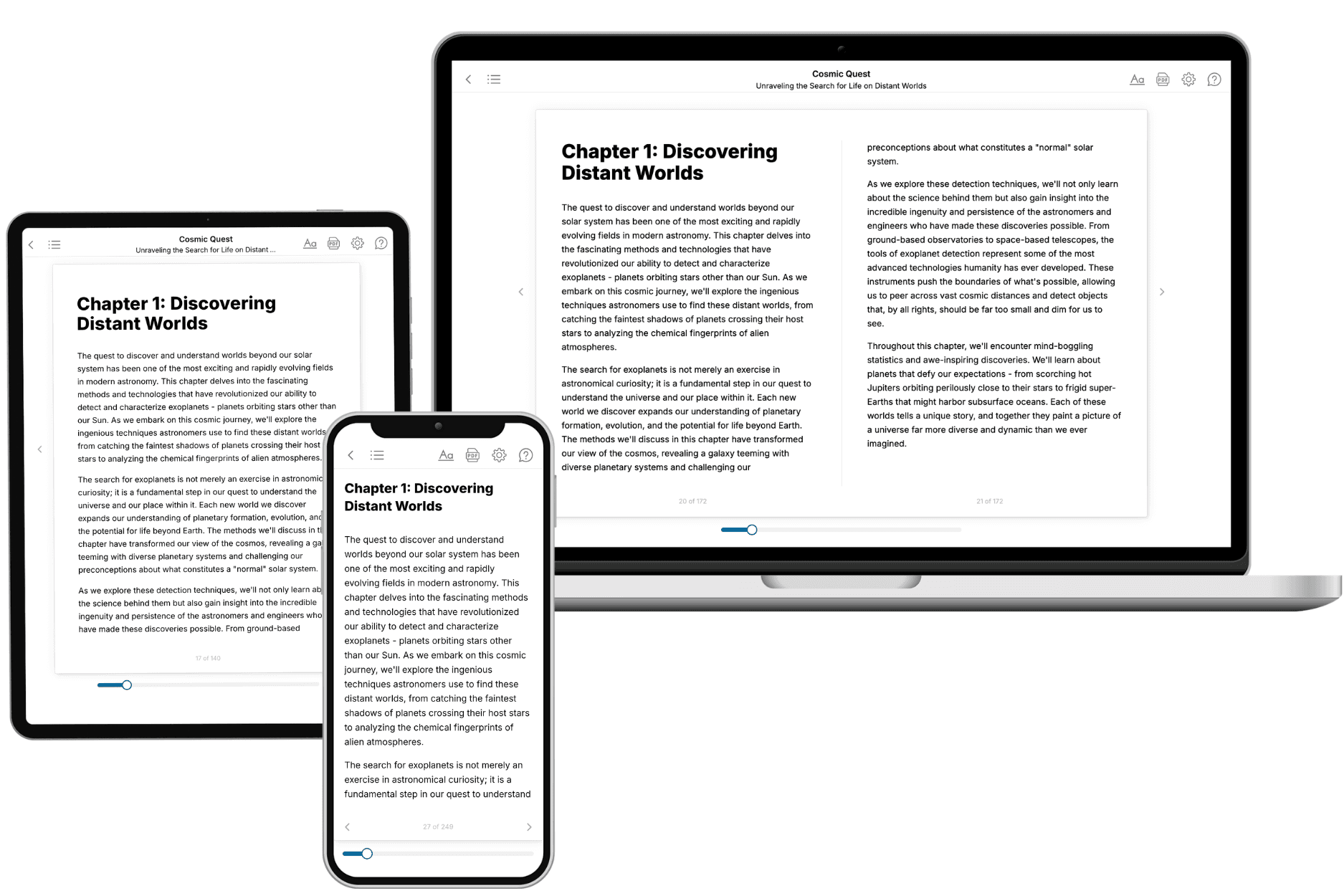
Your book is ready in 10 minutes. Read it online, download as EPUB or PDF, or send to Kindle.
Frequently asked questions
- What is TailoredRead?
TailoredRead creates complete, full-length nonfiction ebooks, written specifically for you. Tell us what you want to learn and why, and TailoredRead writes you a complete ebook on it, with charts, tables, and diagrams throughout. Read it online, on Kindle, or on any e-reader, or download it as a PDF or EPUB. Every book is written fresh the day you order it.
- How is the book tailored to me?
Before anything is written, you answer a few short questions about your goals, your background, and the topics you care about. Your book is then planned around your answers: written at your level, focused on your goals, and covering the topics you chose, instead of the one-size-fits-all book a store sells everyone.
- Will it read like generic AI content?
No. Your book isn't a chat transcript: it's planned chapter by chapter before a single word is written, told in a clear book voice, and explains ideas visually with charts, tables, and diagrams. After writing, every book goes through an editorial pass that polishes chapters so the book reads consistent from start to finish. Judge for yourself: browse thousands of sample books on our Explore Books page.
- How accurate is the content?
Our AI first checks whether your subject needs live research. Niche and fast-moving subjects are researched before writing, and the book plan and chapters are grounded in what it finds. After writing, every book goes through a quality pass that checks its facts and consistency, and researched books list their sources in a Notes section at the back.
- How long is the book?
You choose the length: Comprehensive (250-300 pages), Detailed (150-200 pages), Essential (70-100 pages), or Short (30-50 pages).
- Does the book include visuals?
Yes. Every book includes charts, tables, and diagrams: timelines, checklists, step-by-step guides, decision trees, comparison tables, matrices, and bar charts. A typical book includes dozens of these visual elements.
- Can I read it on Kindle? What formats can I download?
Yes. Every book can be read in our online reader or downloaded as a PDF or EPUB. The EPUB can be opened with Kindle, Apple Books, Kobo, and any e-reader. The Commercial and Author licenses also include an editable Word (DOCX) and Markdown download.
- How much does it cost?
About the price of a regular ebook. The exact price depends on your book's length and complexity, from $2 for the shortest books to $35 for the most comprehensive, and it's shown when you review your book, before you commit to anything. Each book is a one-time purchase, yours to keep, no subscription. Licenses that let you share, teach, or publish your book range from $35.99 to $49.99.
- Can I preview the book before purchasing?
Before you pay, you'll see what your book will cover: the title, a detailed description, the estimated length, and the complete chapter-by-chapter table of contents, so you know what you're getting before you decide. The full text itself is written after you purchase.
- How long does it take to create a book?
About 10 minutes. You can start reading the opening chapters while the rest is still being written.