Object Oriented Design Books
Explore tailored Object Oriented Design books created by our AI
Many developers struggle with object-oriented design, treating it as a collection of abstract concepts rather than practical tools for solving real problems. This book bridges that gap by grounding OOP principles in the concrete reality of .NET Framework 1.0 development. You'll move beyond memorizing definitions to understanding why encapsulation matters, how inheritance can both help and harm your code, and when to apply specific design patterns. Through clear explanations, practical examples, and real-world scenarios, you'll learn to design systems that are easier to maintain, test, and extend. Whether you're building enterprise applications or working on smaller projects, mastering these fundamentals will significantly improve your ability to write professional-grade code that stands the test of time.
Build software that stands the test of time and adapts gracefully to changing requirements. This comprehensive guide takes you beyond basic object-oriented programming concepts to master the art and science of designing robust, maintainable systems. You'll discover how to apply composition effectively to create flexible architectures, use inheritance wisely without falling into common traps, and design interfaces that promote loose coupling. Through practical examples and real-world scenarios, you'll learn to implement the SOLID principles, leverage duck typing for polymorphism, and apply proven design patterns like Chain of Responsibility. The book provides step-by-step techniques for refactoring legacy code, designing abstract base classes that provide structure without rigidity, and creating reusable components that integrate seamlessly across projects. You'll master dependency management strategies that make your code easier to test and modify. Whether you're working with existing codebases or building new applications from scratch, this book equips you with the knowledge and techniques to create software that is not only functional but truly maintainable, scalable, and adaptable to future needs.
SOLID Code
Mastering Object-Oriented Design Principles for Robust Software Architecture
Teaching object-oriented design principles effectively requires more than theoretical knowledge—you need practical frameworks that translate abstract concepts into concrete, teachable examples. As an educator mentoring junior developers, you face the challenge of making SOLID principles accessible while demonstrating their real-world impact on software architecture. This comprehensive guide bridges theory and practice, providing you with the tools to master and teach the five SOLID principles that form the foundation of robust software design. You'll explore each principle through detailed explanations, code examples, and refactoring exercises that reveal how these concepts prevent common design pitfalls. Beyond SOLID, you'll discover how design patterns like Strategy integrate with these principles, and learn proven techniques for reducing coupling in complex systems. Whether you're designing maintainable architectures for your own projects or preparing lessons for your students, this book equips you with the analytical frameworks and practical insights needed to evaluate design decisions confidently. You'll develop the ability to recognize code smells, apply appropriate refactoring strategies, and communicate design principles clearly to developers at any level.
Build professional-grade software systems that stand the test of time. This comprehensive guide takes you from foundational object-oriented concepts through advanced architectural patterns used by industry leaders. You'll master SOLID principles that make code flexible and maintainable, explore proven design patterns that solve real-world problems, and learn how to structure applications using Clean Architecture and Domain-Driven Design. Discover how to write efficient asynchronous code, create robust unit tests with proper mocking techniques, and implement sophisticated patterns like CQRS and the Repository pattern. Whether you're building your first enterprise application or refining your architectural skills, this book provides the practical knowledge and patterns you need to write code that's not just functional, but elegant, testable, and built to evolve with your business requirements.
The Monolith Paradox
Mastering Monolithic Architecture in Object-Oriented Design
You'll navigate the often-misunderstood landscape of monolithic architecture, discovering why this approach remains powerful despite the microservices hype. This book cuts through the noise to show you how to design monolithic systems that are maintainable, scalable, and adaptable to change. You'll learn how object-oriented principles create the structure needed to prevent monoliths from becoming unwieldy codebases. Through practical patterns and real-world examples, you'll explore layered architecture, domain-driven design, and modular organization techniques that keep your system coherent as it grows. You'll understand the genuine trade-offs between monolithic and distributed approaches, enabling you to make architecture decisions based on your actual constraints rather than industry trends. Whether you're building a new system, maintaining an existing monolith, or considering whether to break one apart, this book provides the clarity and strategies you need to succeed.
Picture yourself confidently architecting software systems where every component fits together seamlessly, where adding new features doesn't break existing functionality, and where your code is so well-structured that other developers praise its clarity and elegance. This is the power of truly understanding object-oriented programming beyond basic syntax and into the realm of masterful design. You already know the fundamentals of programming, but now you're ready to elevate your skills to create software that stands the test of time. This comprehensive guide takes you deep into the core principles of object-oriented design, showing you how to think in objects, model real-world problems effectively, and implement solutions that are both powerful and maintainable. Through practical examples and real-world scenarios, you'll discover how to leverage encapsulation, inheritance, and polymorphism not just as language features, but as powerful tools for managing complexity. You'll explore proven design patterns that solve common programming challenges and learn when and how to apply them in your own projects. Whether you're working on enterprise applications, web development, or mobile apps, the principles and techniques in this book will transform how you approach software design. You'll gain the confidence to make architectural decisions that will benefit your projects for years to come, and develop the skills that distinguish senior developers from their peers.
Factory Patterns in Practice
Master Code Maintainability Through Smart Design Patterns
Many developers struggle with scattered object creation logic that makes code harder to maintain, test, and extend. When instantiation logic is spread throughout your codebase, adding new types requires changes in multiple places, and dependencies become tangled and difficult to manage. Factory patterns solve this problem by centralizing object creation into dedicated components. This book teaches you how to implement factory patterns effectively to write code that's easier to maintain, test, and scale. You'll learn when to use Simple Factory, Factory Method, and Abstract Factory patterns, how to avoid common pitfalls, and how to integrate factories with other design principles. Through practical examples and real-world scenarios, you'll discover how proper factory implementation reduces coupling, prevents duplication, and makes your codebase more professional and sustainable.
Design applications that stand the test of time by mastering domain-centric architecture patterns in C#. This comprehensive guide shows you how to structure your code around business logic rather than technical frameworks, creating systems that are easier to test, maintain, and evolve. You'll explore the principles behind Clean Architecture and Onion Architecture, understanding how to organize layers so dependencies flow in one direction—toward your domain. Through practical examples, you'll learn to apply SOLID principles that make your code flexible and resilient to change. You'll discover how to design aggregates that enforce business rules, implement the Repository Pattern to abstract data access, and leverage Dependency Injection to achieve loose coupling. The book covers Entity Framework integration within the infrastructure layer, ensuring your persistence logic doesn't leak into your domain. You'll also see how these architectural patterns apply to modern frameworks like Blazor, enabling you to build full-stack applications with clean separation of concerns. Each concept builds progressively, giving you the knowledge and confidence to architect professional-grade C# applications.
Many developers struggle with object creation bottlenecks, not realizing that constantly instantiating complex objects from scratch can severely impact application performance. The Prototype pattern offers an elegant solution: clone existing objects instead of creating new ones. This book demystifies the Prototype pattern, moving beyond textbook definitions to show you exactly how and when to use it in real systems. You'll discover the critical differences between deep and shallow cloning, learn how to implement robust cloning mechanisms, and explore advanced techniques like prototype registries and manager patterns. Whether you're building configuration-heavy applications, managing complex object hierarchies, or optimizing performance-critical systems, this guide provides practical strategies and real-world examples that translate directly to your codebase. Master the nuances of object cloning and elevate your architectural decisions.
Build robust, high-performance applications by mastering the principles and practices of Object Relational Mapping. This comprehensive guide bridges the gap between object-oriented design and relational databases, equipping you with the knowledge to make informed architectural decisions. You'll explore the impedance mismatch problem, discover how different ORM patterns solve real-world challenges, and learn proven strategies for optimizing queries, managing relationships, and designing entities that scale. Through practical examples and architectural insights, you'll understand not just how to use ORM frameworks, but why certain approaches work better than others. Whether you're designing a new system or refactoring legacy code, this book provides the conceptual foundation and practical techniques needed to leverage ORM effectively while avoiding common pitfalls that plague many applications.
Writing VB6 code that works is one thing. Writing VB6 code that your team can maintain, extend, and build upon for years is another. Many developers struggle with code that becomes increasingly difficult to modify as projects grow, leading to slower development cycles and more bugs. This book bridges the gap between basic VB6 programming and professional software design. You'll discover how proven design principles—originally developed for modern languages—apply directly to VB6, enabling you to write cleaner, more maintainable applications. Through practical examples and real-world scenarios, you'll learn to recognize design problems before they become costly, apply SOLID principles within VB6's constraints, and use design patterns to solve recurring challenges. Whether you're maintaining legacy systems or building new applications, these principles will help you create code that stands the test of time.
Domain Driven Design in Practice
Building Software That Reflects Your Business Reality
Stop building software that doesn't match how your business actually works. Domain-driven design gives you a proven framework for creating systems where your code directly reflects your business domain, making it easier to understand, maintain, and evolve. This book teaches you how to collaborate with domain experts to uncover the true structure of your business, translate that into clean architecture, and implement it using concrete patterns and practices. You'll learn how to establish a ubiquitous language that eliminates miscommunication between developers and stakeholders, define bounded contexts that keep complexity manageable, and apply tactical patterns that keep your domain logic pure and testable. Whether you're building a new system from scratch or refactoring an existing codebase, these principles and techniques will help you create software that grows with your business instead of fighting against it.
Elevate your software architecture skills by mastering the Model-View-ViewModel pattern, one of the most powerful design approaches in modern application development. This comprehensive guide walks you through the principles, implementation strategies, and best practices that make MVVM the preferred choice for building scalable, testable applications. You'll learn how to properly separate concerns, implement effective data binding, manage ViewModel lifecycle, and integrate MVVM with dependency injection and reactive programming. Whether you're building desktop applications, mobile apps, or web platforms, this book provides practical examples and real-world scenarios that demonstrate how MVVM solves common architectural challenges. By the end, you'll have the knowledge and confidence to design clean, maintainable systems that stand the test of time and scale with your business needs.
Many developers think design patterns are academic concepts with little practical value, but the Factory Method Pattern is one of the most powerful tools for creating maintainable and scalable software. If you've ever struggled with tightly coupled code, found yourself modifying existing classes every time you need to add new functionality, or wondered how to make your object creation more flexible, this pattern holds the key to solving these common development challenges. This comprehensive guide takes you beyond the basic definition to show you exactly how and when to implement the Factory Method Pattern in real-world scenarios. You'll discover how this pattern promotes loose coupling, supports the Open/Closed Principle, and makes your code more testable and maintainable. Through practical examples and step-by-step implementations, you'll learn to recognize the situations where this pattern shines and avoid the pitfalls that lead to over-engineering. Whether you're working on enterprise applications, building APIs, or developing frameworks, you'll gain the confidence to apply this pattern effectively. You'll understand the subtle differences between Factory Method and related patterns, master the art of creating flexible object hierarchies, and learn how to refactor existing code to leverage this powerful design approach. By the end of this book, you'll have transformed from someone who knows about the Factory Method Pattern to someone who can implement it skillfully, making your code more professional, maintainable, and ready for future changes.
Mastering UML Class Diagrams
Design Better Software Architecture with Visual Modeling
Many developers struggle to translate complex system requirements into clean, maintainable code architecture. Without a clear visual blueprint, teams end up with tangled dependencies, unclear relationships between components, and code that's difficult to extend or refactor. UML class diagrams solve this problem by providing a standardized way to visualize and communicate your software design before writing a single line of code. This book takes you beyond basic syntax to show you how to leverage class diagrams as a strategic tool for better architecture decisions. You'll learn how to model real-world relationships, apply design principles through visual patterns, and use diagrams to facilitate team communication. Whether you're designing a new system from scratch or refactoring legacy code, these practical techniques will help you create software that's easier to understand, maintain, and evolve.
The Facade Pattern Explained
Simplifying Complex Systems Through Elegant Design
Imagine building software where complex systems feel simple to work with. Your code is cleaner, your team understands the architecture faster, and adding new features doesn't require navigating a maze of interdependent components. This is what the Facade pattern delivers. This book takes you beyond basic definitions to show you how the Facade pattern solves real architectural challenges. You'll learn when to use it, how to design effective facades that don't become bloated, and how to integrate it with other patterns in your codebase. Through practical examples and detailed walkthroughs, you'll discover how facades simplify database layers, wrap third-party libraries, modernize legacy systems, and create intuitive APIs. Whether you're refactoring existing code or designing new systems, this guide provides the insights and techniques you need to apply the Facade pattern confidently and effectively.
The Observer Pattern Handbook
Master Event-Driven Architecture and Reactive Systems
Imagine building software systems where components communicate effortlessly without knowing about each other's existence. Where changes ripple through your application automatically, and your code remains flexible enough to adapt to new requirements without major refactoring. This is the power of the Observer pattern. This handbook guides you through mastering one of software architecture's most essential design patterns. Whether you're building user interfaces, managing state in complex applications, or designing distributed systems, the Observer pattern provides the foundation for clean, decoupled, and maintainable code. You'll explore the pattern's core principles, discover how it powers modern frameworks and libraries, and learn practical strategies for implementing it in your projects. From understanding the fundamental mechanics to navigating advanced architectural decisions, this book equips you with the knowledge to recognize when and how to apply the Observer pattern effectively. By the end, you'll have the confidence to leverage this pattern to create systems that scale, adapt, and evolve with your business needs.
UML Mastery
Design Better Software with Unified Modeling Language
Most developers struggle to bridge the gap between high-level design concepts and actual code implementation. You understand object-oriented principles, but translating those into clear, maintainable architectures remains challenging. Without a shared visual language, teams waste time debating design decisions and reworking code that could have been prevented with better upfront planning. This book teaches you how to use Unified Modeling Language as a practical tool for designing software systems that are easier to build, maintain, and scale. You'll learn which diagrams matter most, how to create them effectively, and—most importantly—how to use them to make better architectural decisions. Whether you're designing a new system from scratch or refactoring an existing codebase, you'll discover how UML diagrams reveal design flaws early, align teams around shared understanding, and accelerate development cycles. By the end, you'll have the skills to design systems with confidence and communicate those designs clearly to your team.
The Adapter Pattern Playbook
Mastering Flexibility in Software Design
Are you struggling to integrate incompatible interfaces in your software projects? The Adapter Pattern Playbook: Mastering Flexibility in Software Design is your ultimate guide to overcoming this common challenge. This book delves deep into the Adapter Pattern, a powerful tool in the world of software architecture that allows objects with incompatible interfaces to collaborate seamlessly. You'll discover how the Adapter Pattern can revolutionize your approach to software design, making your systems more modular, maintainable, and adaptable to change. Through practical examples and real-world scenarios, you'll learn how to implement this pattern effectively in various programming languages and contexts. From understanding the core concepts to mastering advanced techniques, this book equips you with the knowledge and skills to leverage the Adapter Pattern in your projects. You'll explore how this pattern can help you integrate legacy systems, third-party libraries, and disparate components with ease. By the end of this journey, you'll be able to write more flexible, scalable, and robust code that can withstand the test of time and changing requirements.
Modular Java
Building Scalable Applications with the Java Module System
What if your Java application could be organized into independent, self-contained units that communicate through well-defined interfaces? The Java Module System transforms how you structure code, making applications easier to maintain, test, and scale. This book guides you through building modular Java applications that reduce complexity and improve code quality. You'll learn how to design modules that enforce strong encapsulation, manage dependencies effectively, and create architectures that grow with your needs. Whether you're refactoring legacy code or building new systems, you'll discover practical strategies for implementing modules in real-world scenarios. From understanding module declarations to integrating with your build pipeline, this comprehensive guide provides the knowledge and techniques needed to master modularization on the JVM and write cleaner, more maintainable code.
The Single Responsibility Revolution
Mastering Code Clarity and Maintainability
Elevate your coding prowess and create software that stands the test of time. The Single Responsibility Revolution: Mastering Code Clarity and Maintainability is your comprehensive guide to implementing one of the most crucial principles in software design. You'll discover how to craft elegant, focused code that's easier to understand, modify, and scale. This book demystifies the Single Responsibility Principle, showing you how to apply it effectively in your day-to-day coding practices. You'll learn to break down complex problems into manageable, single-purpose components, resulting in cleaner architecture and more robust applications. Through practical examples and real-world scenarios, you'll gain the skills to identify and refactor code that violates the Single Responsibility Principle. You'll also explore how this principle interacts with other design concepts, empowering you to make informed decisions about your code structure.
DRY Code
Master the Don't Repeat Yourself Principle for Cleaner, More Maintainable Software
Imagine a codebase where changes ripple through your system with confidence, where bugs are fixed once instead of hunting through duplicated logic scattered across files, and where new team members can understand your code's intent without deciphering the same patterns repeated a dozen different ways. This is what the DRY principle makes possible. Whether you're maintaining legacy systems, building new features, or leading a development team, understanding how to apply DRY effectively transforms how you write and maintain code. This book cuts through the confusion about what DRY really means—it's not about eliminating every similar line, but about identifying where knowledge is unnecessarily duplicated and consolidating it strategically. You'll learn practical techniques for recognizing duplication, refactoring safely, and knowing when to abstract versus when to leave code as-is. With real-world examples and clear guidance on common pitfalls, you'll develop the judgment to apply DRY in ways that genuinely improve your codebase.
Navigate the critical role package diagrams play in software architecture. You'll discover how to organize complex systems into logical, maintainable units that scale with your application's growth. This guide walks you through the fundamentals of package notation and relationships, then progresses to designing packages that reflect your system's actual architecture. Learn how to identify and eliminate problematic dependencies, apply proven architectural patterns, and use package diagrams to communicate design decisions with your team. Through practical examples and real-world scenarios, you'll master the techniques that separate well-organized systems from tangled codebases. Whether you're refactoring legacy systems or designing new applications, you'll gain the skills to create package structures that support long-term maintainability and team productivity.
UML for Plugin Development
Design Extensible Software Systems with Unified Modeling Language
Many developers struggle to design plugin systems that are truly extensible, maintainable, and scalable. Without a clear architectural blueprint, plugin implementations often become tangled, difficult to extend, and prone to integration failures. This book bridges the gap between UML modeling and practical plugin development, showing you how to use industry-standard diagrams to design plugin architectures that actually work. You'll learn to model plugin interfaces, visualize component interactions, and document extension points in ways that prevent costly mistakes. Whether you're building a plugin system from scratch or refactoring an existing one, this guide provides concrete examples, real-world patterns, and step-by-step techniques for applying UML to plugin development. By the end, you'll have the skills to design plugin systems that are flexible, maintainable, and easy for other developers to extend.
Creating software that remains manageable as it grows in complexity is one of the biggest challenges you face as a developer. Without proper architectural foundations, your codebase becomes a tangled mess of interdependent components that are difficult to test, modify, or extend. This comprehensive guide takes you deep into the Model-View-Controller architecture pattern, showing you how to build applications with clean separation of concerns and maintainable code structure. You'll discover how to properly implement each MVC component, understand the critical relationships between them, and learn to avoid common pitfalls that lead to architectural decay. Through practical examples and real-world scenarios, you'll explore how MVC applies across different platforms and frameworks, from web applications to desktop software. You'll also examine related patterns like MVP and MVVM, giving you the knowledge to choose the right architectural approach for any project. By the end of this book, you'll have the skills to design robust, scalable applications that stand the test of time, with code that's easy to understand, test, and maintain for years to come.
Imagine writing scientific code that is not only computationally efficient but also elegant, maintainable, and easy to extend. Modern Fortran makes this possible. This comprehensive guide takes you beyond basic Fortran syntax to master the advanced features of Fortran 2018+ that transform how you structure and organize scientific software. Whether you're developing complex simulations, analyzing large datasets, or building research frameworks, you'll learn how to leverage object-oriented programming, modular architecture, and polymorphic procedures to create code that scales with your research ambitions. Through practical examples grounded in physics and computational science, you'll discover how derived types, abstract interfaces, and type-bound procedures work together to produce clean, reusable code. You'll master the art of module organization, implement robust inheritance hierarchies, and apply verification techniques that ensure your computational results are trustworthy. This book equips you with the modern Fortran expertise needed to write production-quality scientific software that your colleagues will admire and future researchers will build upon.
You'll transform your approach to software design by understanding how hexagonal architecture creates systems that adapt to change rather than resist it. This practical guide cuts through the theoretical complexity and shows you exactly how to structure your code so business logic remains independent from technology choices. You'll learn to design ports and adapters that decouple your application from databases, APIs, and frameworks, making your system dramatically easier to test and modify. Through real-world examples and step-by-step implementation patterns, you'll discover how to organize your codebase into clear layers that your entire team can understand and work with confidently. Whether you're building a new system from scratch or refactoring legacy code, this guide provides concrete strategies for applying hexagonal principles without over-engineering. You'll gain the skills to make intentional architectural decisions that reduce technical debt and accelerate development velocity.
MVC Mastery
Architecting Robust Software with Model-View-Controller Patterns
You've heard about MVC, but do you truly understand its power? Many developers misinterpret the Model-View-Controller pattern, leading to suboptimal code organization and maintenance nightmares. MVC Mastery shatters common misconceptions and equips you with the knowledge to harness the full potential of this architectural pattern. You'll discover how to create scalable, modular applications that are easier to test, maintain, and extend. Through practical examples and real-world scenarios, you'll learn to separate concerns effectively, improve code reusability, and create more flexible software designs. By the end of this book, you'll have the skills to confidently implement MVC patterns in your projects, resulting in cleaner code architecture and more efficient development processes. Whether you're building web applications, mobile apps, or desktop software, the principles you'll learn in MVC Mastery will elevate your software design skills and make you a more valuable asset to any development team.
Create software that speaks the language of your domain. When generic programming languages force you to translate business concepts into technical abstractions, clarity suffers and maintenance becomes a burden. Domain-specific languages offer a better path forward—custom languages designed specifically for your problem space that make code more expressive, maintainable, and aligned with how domain experts think. This book guides you through the complete lifecycle of DSL development, from recognizing when a DSL is the right solution to designing syntax that feels natural, implementing robust parsers and semantic models, and integrating your language into existing systems. You'll explore both internal DSLs that leverage your host language's syntax and external DSLs that provide complete syntactic freedom. Through practical examples grounded in object-oriented design principles, you'll learn how to apply patterns like fluent interfaces, method chaining, and the builder pattern to create languages that are both powerful and intuitive. Whether you're building configuration languages, business rule engines, or specialized query interfaces, you'll gain the architectural insight and practical techniques needed to design languages that truly serve your domain.
Clean Dependencies
Master Code Readability Through Smart Dependency Management
What if the code you're struggling to understand isn't actually complex—it's just poorly organized? Dependency management is the invisible force that determines whether your code reads like a clear story or a confusing maze. This book cuts through the theory and shows you exactly how to structure dependencies so your code becomes naturally readable. You'll discover why circular dependencies sabotage clarity, how dependency injection transforms testability, and practical techniques for visualizing and refactoring your dependency graphs. Whether you're maintaining legacy systems or building new ones, you'll learn methodologies that make code intent obvious and reduce the mental effort required to understand what's happening. This isn't about following rules—it's about writing code that communicates clearly to anyone who reads it.
Keep It Simple, Stupid
Master the KISS Principle for Cleaner, More Maintainable Code
Write code that your team actually wants to maintain. The KISS principle—Keep It Simple, Stupid—is one of the most powerful yet underutilized concepts in software development. This book shows you how to apply it systematically to every aspect of your codebase, from architecture decisions to daily coding practices. You'll discover why complexity sneaks into projects, how to recognize it before it becomes a problem, and practical techniques to eliminate it. Whether you're struggling with legacy code, designing new systems, or trying to improve team productivity, this guide provides actionable strategies backed by real-world examples. Learn how simplicity reduces bugs, accelerates development, and makes your code more resilient to change. By the end, you'll understand that the best code isn't the cleverest—it's the simplest code that solves the problem.
Imagine shipping a fully-featured isometric strategy game that runs smoothly on multiple platforms, with intelligent AI opponents, engaging multiplayer systems, and professional code architecture that other developers respect. This book bridges the gap between software engineering expertise and game development mastery by teaching you how to build production-quality strategy games using LibGDX. You'll master isometric projection mathematics, learn LibGDX's rendering pipeline, implement sophisticated game state machines, and architect scalable systems using Entity Component System patterns. From tile-based pathfinding and behavior tree AI to procedural map generation and camera optimization, each chapter builds practical skills with real code examples. You'll understand performance optimization techniques, implement fog of war and minimap systems, and learn professional development practices that separate hobby projects from commercial games. Whether you're transitioning into game development or expanding your technical toolkit, this book provides the architectural knowledge and hands-on guidance to create strategy games that compete with professional titles.
Mastering Data Access Objects
Building Robust Database Applications with VB6 Design Patterns
You'll gain the architectural knowledge and practical skills needed to build professional-grade database applications in Visual Basic 6. This comprehensive guide takes you beyond basic database connectivity to master the Data Access Object pattern—a proven approach that separates your data persistence logic from business rules. You'll discover how to design clean abstraction layers that make your code more maintainable, testable, and adaptable to changing requirements. Through detailed explanations and real-world examples, you'll learn to implement DAOs that handle connection management, error handling, and transaction control with confidence. Whether you're maintaining legacy systems or building new VB6 applications, you'll find practical strategies for organizing your data access code, optimizing performance, and avoiding common pitfalls. By applying these patterns, you'll write cleaner code that's easier to debug, extend, and refactor—skills that will elevate your development practice and make you more effective in any database-driven project.
Design Systems Mastery
Build Scalable, Consistent, and Maintainable Software Architecture
Imagine a codebase where every developer instinctively knows how to solve common problems, where new features integrate seamlessly without breaking existing functionality, and where onboarding new team members takes days instead of weeks. This is the power of a well-designed system. Design systems aren't just about patterns and architecture—they're about creating a shared foundation that enables your team to move faster, collaborate more effectively, and build software that scales. Whether you're working on a small project or managing a large enterprise application, understanding how to design, implement, and maintain these systems is crucial. This book takes you beyond theoretical concepts to practical, actionable strategies. You'll learn how to identify which patterns solve your specific problems, how to structure your architecture for growth, and how to foster a culture where design principles become second nature. You'll discover why some systems thrive while others become technical debt, and how to avoid the common pitfalls that derail even experienced teams. By the end, you'll have a comprehensive framework for building systems that are not just technically sound, but also adaptable, maintainable, and aligned with your team's needs.
Many software projects fail because stakeholders and developers don't share a common understanding of what the system should do. Use case diagrams are often created hastily or incorrectly, leading to missed requirements, scope creep, and misaligned expectations. This practical guide teaches you how to create UML use case diagrams that actually communicate system requirements effectively. You'll learn how to identify actors, define meaningful use cases, apply relationships correctly, and organize complex diagrams for maximum clarity. Through real-world examples and step-by-step guidance, you'll discover how to use these diagrams as a bridge between business needs and technical implementation. Whether you're designing a new system, documenting existing functionality, or improving your requirements process, this book provides the tools and techniques to create diagrams that stakeholders understand and developers can build from with confidence.
Related books you may like:
What if your app could serve twice as many users simply by making it accessible? Millions of people with disabilities want to use Android apps but face barriers created by poor design choices. This book shows you how to remove those barriers and build applications that work seamlessly for everyone. You'll learn the practical techniques for implementing screen reader support, voice control, and other assistive technologies. Discover how semantic markup, proper content descriptions, and inclusive design patterns create apps that are easier to use for all users. Through real-world examples and step-by-step guidance, you'll master the Android Accessibility Framework and understand WCAG 2.1 standards. Learn testing strategies that reveal accessibility issues before your users encounter them. By the end, you'll have the knowledge to make accessibility a core part of your development process, not an afterthought—expanding your market reach while creating genuinely inclusive digital experiences.
Imagine delivering software that consistently meets stakeholder expectations, where every feature works exactly as intended, and your team moves with confidence through changes and refactoring. This is the reality when you master acceptance test-driven development. This comprehensive guide takes you beyond the basics to show you how ATDD transforms the way teams develop software. You'll learn how to write acceptance tests that serve as living documentation, collaborate effectively with business stakeholders to define clear acceptance criteria, and integrate ATDD seamlessly into your Extreme Programming workflow. Whether you're struggling with unclear requirements, dealing with late-stage defect discovery, or simply want to elevate your development practices, this book provides practical strategies, real-world examples, and proven techniques. You'll understand not just the "how" but the "why" behind acceptance test-driven development, enabling you to make informed decisions about implementation in your own context. Master this essential XP practice and watch your team's productivity and code quality soar.
Take your TypeScript skills from intermediate to advanced in just 30 days with a structured, project-driven approach. This book guides you through focused techniques that matter most: mastering advanced types like generics and conditional types, writing reliable async code with proper error handling, integrating TypeScript with modern frameworks, and building confidence through comprehensive testing strategies. Each day builds on the previous one, combining theory with hands-on coding projects that you'll actually use. You'll refactor real code, understand why type safety matters, and develop the patterns that separate good TypeScript developers from great ones. By day 30, you'll have the skills to write safer, more maintainable code and the portfolio projects to prove it. This isn't theory—it's practical, accelerated learning designed for developers ready to level up.
Discover how to build software that meets expectations from day one. Acceptance test-driven development (ATDD) transforms how teams define, test, and deliver quality software by writing acceptance tests before development begins. This practical guide shows you how to collaborate with stakeholders to define clear acceptance criteria, automate those criteria into executable tests, and use them to guide development and beta testing efforts. You'll learn to bridge the communication gap between business requirements and technical implementation, reduce costly defects discovered late in the cycle, and create living documentation that keeps pace with your product. Whether you're a QA professional, beta tester, or developer, this book provides actionable strategies, real-world examples, and proven frameworks to implement ATDD in your organization. Move beyond traditional testing approaches and join teams that are catching defects earlier, improving stakeholder alignment, and delivering software with confidence.
Building systems that reliably handle data is one of the hardest challenges in backend development. Without a solid understanding of ACID properties, you risk data corruption, lost transactions, and system failures that cascade through your application. This book demystifies the four pillars of database reliability—Atomicity, Consistency, Isolation, and Durability—and shows you exactly how to apply them in real-world scenarios. You'll learn why these properties matter, how they work under the hood, and how to leverage them when designing transactions, choosing databases, and handling failures. Whether you're building a financial system that can't afford to lose a penny or a high-traffic application that needs to scale, understanding ACID properties gives you the confidence to make architectural decisions that keep your data safe and your systems running smoothly.
Create an Object Oriented Design Book Tailored to You
Create an AI-crafted book tailored to your goals, interests, and background






Benefits of AI-tailored books
- Read one book, not ten:
- all the Object Oriented Design knowledge you need, gathered into a single book.
- Save days of learning:
- tell us your goals, choose your topics, and the whole book is built around them.
- Learn effortlessly:
- Object Oriented Design book written for your specific background and expertise.
- Understand at a glance:
- includes charts, tables, timelines, checklists, decision trees, and more.
- Stay current:
- written the day you order it, not years ago.
- Trust what you read:
- every book is checked for accuracy, with real research when your subject needs it.
Create your unique book in 3 steps
- 1. Select your focus
Select the focus of your Object Oriented Design book and share your background
- 2. Personalize your book
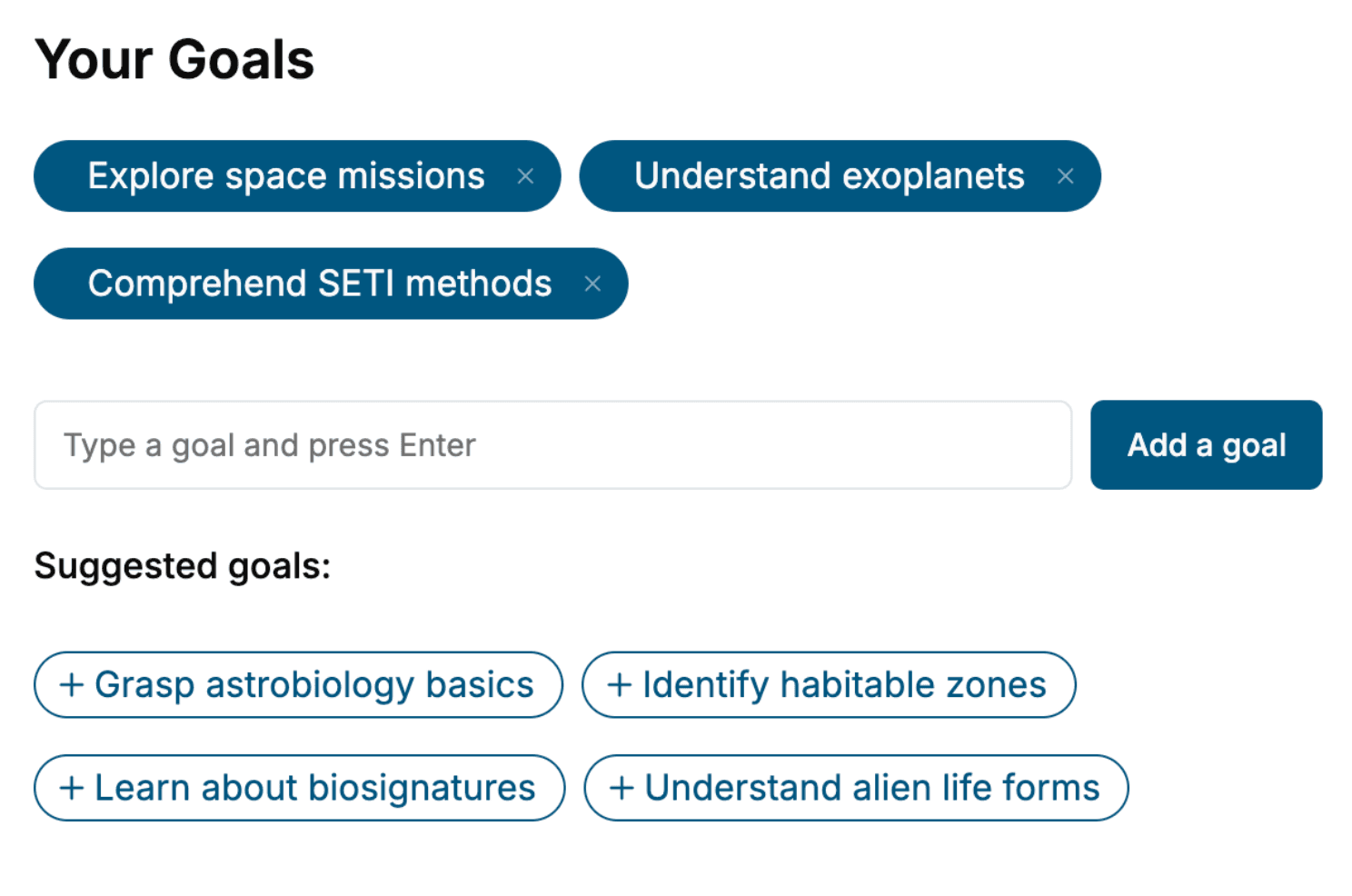
Specify your goals and choose sub-topics to include
- 3. Get your tailored book
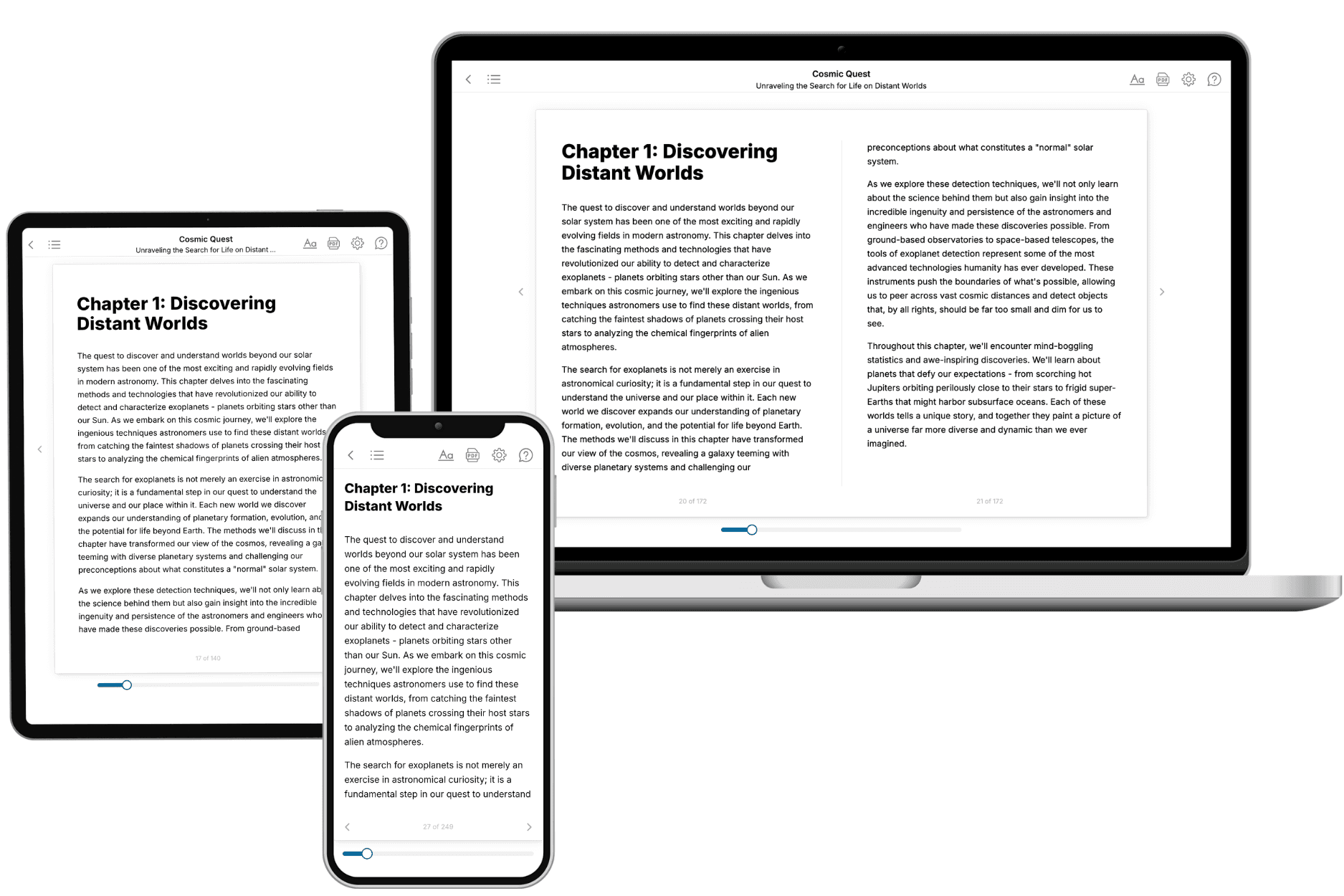
Your book is ready in 10 minutes. Read it online, download as EPUB or PDF, or send to Kindle.

Start from a template
Frequently asked questions
- What is TailoredRead?
TailoredRead creates complete, full-length nonfiction ebooks, written specifically for you. Tell us what you want to learn and why, and TailoredRead writes you a complete ebook on it, with charts, tables, and diagrams throughout. Read it online, on Kindle, or on any e-reader, or download it as a PDF or EPUB. Every book is written fresh the day you order it.
- How is the book tailored to me?
Before anything is written, you answer a few short questions about your goals, your background, and the topics you care about. Your book is then planned around your answers: written at your level, focused on your goals, and covering the topics you chose, instead of the one-size-fits-all book a store sells everyone.
- Will it read like generic AI content?
No. Your book isn't a chat transcript: it's planned chapter by chapter before a single word is written, told in a clear book voice, and explains ideas visually with charts, tables, and diagrams. After writing, every book goes through an editorial pass that polishes chapters so the book reads consistent from start to finish. Judge for yourself: browse thousands of sample books on our Explore Books page.
- How accurate is the content?
Our AI first checks whether your subject needs live research. Niche and fast-moving subjects are researched before writing, and the book plan and chapters are grounded in what it finds. After writing, every book goes through a quality pass that checks its facts and consistency, and researched books list their sources in a Notes section at the back.
- How long is the book?
You choose the length: Comprehensive (250-300 pages), Detailed (150-200 pages), Essential (70-100 pages), or Short (30-50 pages).
- Does the book include visuals?
Yes. Every book includes charts, tables, and diagrams: timelines, checklists, step-by-step guides, decision trees, comparison tables, matrices, and bar charts. A typical book includes dozens of these visual elements.
- Can I read it on Kindle? What formats can I download?
Yes. Every book can be read in our online reader or downloaded as a PDF or EPUB. The EPUB can be opened with Kindle, Apple Books, Kobo, and any e-reader. The Commercial and Author licenses also include an editable Word (DOCX) and Markdown download.
- How much does it cost?
About the price of a regular ebook. The exact price depends on your book's length and complexity, from $2 for the shortest books to $35 for the most comprehensive, and it's shown when you review your book, before you commit to anything. Each book is a one-time purchase, yours to keep, no subscription. Licenses that let you share, teach, or publish your book range from $35.99 to $49.99.
- Can I preview the book before purchasing?
Before you pay, you'll see what your book will cover: the title, a detailed description, the estimated length, and the complete chapter-by-chapter table of contents, so you know what you're getting before you decide. The full text itself is written after you purchase.
- How long does it take to create a book?
About 10 minutes. You can start reading the opening chapters while the rest is still being written.