Understanding Female Infertility
A Comprehensive Guide to Causes, Diagnosis, and Your Path Forward
You'll gain a clear, science-based understanding of why female infertility happens and what you can actually do about it.
222 pages10 chaptersJun 4, 2026Reproductive Health
About this book
This guide walks you through the biological foundations of fertility, the most common causes of infertility in women, and how doctors diagnose each condition. You'll learn which factors are within your control—from nutrition and stress management to weight and lifestyle choices—and which require medical intervention. The book covers hormonal disorders, ovulation problems, structural issues, age-related factors, and environmental influences with practical explanations free of medical jargon. Whether you're just beginning to explore fertility concerns or have been struggling for years, you'll find actionable information to help you understand your body, ask better questions of your healthcare team, and make informed decisions about your next steps. This is your roadmap to clarity and empowerment.
Table of contents
- IntroductionWhy Understanding Infertility Matters, How to Use This Book, What You'll Learn and DiscoverRead below
- Chapter 1: The Basics of Female FertilityYour Reproductive Anatomy: A Quick Overview, The Menstrual Cycle Explained, How Ovulation Works, From Ovulation to Conception
- Chapter 2: Hormonal Causes of InfertilityUnderstanding Reproductive Hormones, Polycystic Ovary Syndrome (PCOS), Thyroid Disorders and Fertility, Other Hormonal Imbalances
- Chapter 3: Ovulation Disorders and AnovulationWhen Ovulation Doesn't Happen, Irregular Menstrual Cycles, Luteal Phase Defects
- Chapter 4: Structural and Anatomical IssuesFallopian Tube Blockages and Damage, Uterine Abnormalities and Fibroids, Endometriosis and Adenomyosis, Scar Tissue and Pelvic Adhesions
- Chapter 5: Age, Egg Quality, and Ovarian ReserveHow Age Affects Fertility, Understanding Egg Quality, Ovarian Reserve and Testing, Premature Ovarian Insufficiency
- Chapter 6: Lifestyle Factors That Impact FertilityWeight, BMI, and Reproductive Health, Nutrition and Dietary Choices, Stress, Sleep, and Mental Health, Exercise and Physical Activity
- Chapter 7: Environmental and External FactorsEnvironmental Toxins and Exposures, Smoking, Alcohol, and Drug Use, Infections and Sexually Transmitted Infections
- Chapter 8: The Diagnostic JourneyYour Initial Fertility Evaluation, Blood Tests and Hormone Panels, Imaging: Ultrasound and Beyond, Specialized Tests and Procedures
- Chapter 9: Treatment Options and Next StepsMedical Treatments and Medications, Surgical Interventions, Assisted Reproductive Technologies, Natural and Complementary Approaches
- Chapter 10: Emotional Wellness and SupportThe Emotional Impact of Infertility, Mental Health Support and Counseling, Relationships and Communication
- Conclusion: Moving Forward with ConfidenceYour Personalized Path Forward, Final Thoughts and Encouragement
- Glossary of Terms
- Additional Resources and Support
Introduction
Infertility is one of the most quietly common medical challenges that women and couples face today. According to the World Health Organization, roughly one in six people of reproductive age worldwide experience infertility at some point in their lives.[1] Despite how widespread it is, many people feel completely alone when they first encounter fertility difficulties. The silence around the topic, combined with the emotional weight it carries, can make it feel like an isolating and overwhelming experience. This book exists to change that.
The word "infertility" often triggers fear, grief, or confusion before a person even understands what it actually means for their specific situation. Clinically, infertility is defined as the inability to achieve a pregnancy after 12 months of regular, unprotected intercourse (or 6 months for women over 35).[2] But behind that clinical definition lies an enormous range of causes, circumstances, and possible paths forward. Some causes are hormonal. Some are structural. Some are tied to age, lifestyle, or environmental factors. Many are treatable. Understanding which category applies to your situation is the essential first step toward doing something about it.
This book is not a substitute for medical care, and it won't diagnose your condition. What it will do is give you the knowledge and vocabulary to understand what's happening in your body, ask better questions of your healthcare team, and make more informed decisions about your next steps. Think of it as a trusted, well-researched companion for your fertility journey. Whether you're just beginning to wonder if something might be wrong, or you've already been through rounds of testing and treatment, the information here is designed to meet you where you are and help you move forward with clarity and confidence.
Throughout these pages, the focus stays on evidence-based information presented in plain, accessible language. Medical topics can quickly become dense with jargon, and that jargon can make people feel shut out of conversations about their own health. Every effort has been made here to explain complex concepts clearly, without oversimplifying the science. Where technical terms are necessary, they are explained in context and collected in the glossary at the back of the book. The goal is always to inform and empower, not to overwhelm.
Why Understanding Infertility Matters
Knowledge is not just comforting when you're facing a health challenge. It is genuinely practical. Research consistently shows that patients who understand their medical conditions are more likely to follow through with treatment, communicate effectively with their doctors, and report better outcomes overall.[3] When it comes to infertility specifically, the diagnostic process can be long, emotionally taxing, and filled with unfamiliar terminology. Walking into that process with a solid foundation of understanding makes a real difference.
Consider a common scenario: a woman is told she has polycystic ovary syndrome (PCOS) after a blood test and ultrasound. Without context, that diagnosis can feel frightening and vague. But when you understand that PCOS is a hormonal condition that affects ovulation, that it's one of the most common and treatable causes of female infertility, and that there are multiple medical and lifestyle strategies that can help, the diagnosis becomes something you can work with rather than something that works against you. Understanding transforms fear into action.
There is also a practical communication benefit. Fertility specialists, gynecologists, and reproductive endocrinologists are highly trained professionals, but appointments are often short. If you arrive at a consultation already familiar with terms like follicle-stimulating hormone, ovarian reserve, or luteal phase, you can use that limited time to ask deeper, more specific questions rather than spending it on basic explanations. That shift in the quality of your conversations can meaningfully affect the care you receive.
Understanding infertility also matters because it helps you recognize what is and isn't within your control. Some fertility factors, like age-related egg quality decline, cannot be reversed. Others, like certain nutritional deficiencies, thyroid imbalances, or lifestyle habits, can be addressed directly. Knowing the difference prevents two common and equally unhelpful responses: blaming yourself for things that aren't your fault, and feeling helpless about things you actually have the power to change.
There is an emotional dimension to this as well. Infertility carries a significant psychological burden. Studies have found that women experiencing infertility report levels of anxiety and depression comparable to those seen in people with serious chronic illnesses like cancer or heart disease.[4] Understanding what is happening medically does not eliminate that emotional pain, but it does reduce the particular suffering that comes from uncertainty and confusion. When you know what you're dealing with, you can grieve what needs to be grieved, plan what needs to be planned, and seek the support that fits your actual situation.
Finally, understanding infertility matters because the landscape of options has expanded dramatically in recent decades. Treatments that were experimental 20 years ago are now standard practice. Diagnostic tools have become more precise. Lifestyle interventions have been studied more rigorously. There has never been a better time to be informed about fertility, because there has never been more that can actually be done. This book will help you navigate that landscape with confidence.
A note on language: This book focuses on female infertility, meaning infertility related to the female reproductive system. It acknowledges that fertility challenges affect people of all gender identities and relationship structures. The language used throughout aims to be clear and clinically accurate while remaining respectful and inclusive.
How to Use This Book
This book is designed to be read in order, but it doesn't have to be. Each chapter is structured to stand on its own, so if you already have a diagnosis and want to jump straight to the relevant section, you can do that. If you're starting from scratch and want to build a complete picture from the ground up, reading from beginning to end will give you the most comprehensive understanding. Either approach works, and the table of contents is detailed enough to help you find exactly what you need.
Here's a quick map of how the book is organized, so you can navigate it effectively:
- Chapters 1 through 5 cover the biological foundations of fertility, including how the reproductive system works, what can go wrong hormonally and structurally, and how age affects egg quality and ovarian reserve. These chapters are especially useful if you want to understand the "why" behind infertility.
- Chapters 6 and 7 focus on lifestyle and environmental factors, including nutrition, weight, stress, sleep, toxin exposure, and substance use. These chapters are particularly relevant if you're looking for things you can actively change.
- Chapter 8 walks through the diagnostic process in detail, explaining what tests are typically ordered, what they measure, and what the results mean. This chapter is invaluable preparation for fertility appointments.
- Chapter 9 covers treatment options, from medications and surgery to assisted reproductive technologies and complementary approaches. It explains how each option works and who it's typically recommended for.
- Chapter 10 addresses the emotional and psychological side of infertility, including mental health support, relationship communication, and coping strategies.
Throughout the book, you'll find several recurring features designed to make the content more useful. Key terms are bolded when first introduced and defined in context. Practical examples illustrate how concepts apply in real situations. Footnotes point to the research and clinical sources behind the information presented. And the glossary at the back provides quick-reference definitions for all the medical terminology used throughout.
One important note about how to use this information: treat it as a starting point for conversations with your healthcare provider, not as a replacement for those conversations. Every person's fertility situation is unique, and the information in this book is general by necessity. Your doctor, gynecologist, or reproductive endocrinologist can apply this general knowledge to your specific test results, medical history, and circumstances. The goal here is to make you a more informed and empowered participant in those conversations, not to replace the clinical expertise that only a qualified professional can provide.
If you're reading this alongside a partner, consider sharing relevant chapters with them. Infertility affects couples, not just individuals, and partners who understand the medical landscape are better equipped to offer meaningful support. Chapter 10 in particular addresses the relational dimensions of fertility challenges and includes guidance for couples navigating this experience together.
You may find some sections emotionally difficult to read, particularly those dealing with age-related fertility decline, pregnancy loss, or conditions that have no straightforward treatment. That's completely normal. It's okay to take breaks, to sit with difficult information, and to return to a chapter when you feel ready. This book will be here whenever you need it, and there's no right pace for working through it.
Finally, if you encounter a term or concept that isn't fully explained in the chapter where it appears, check the glossary. It's comprehensive and designed to be a practical reference tool throughout your reading and beyond.
What You'll Learn and Discover
By the time you finish this book, you'll have a thorough, evidence-based understanding of female infertility from multiple angles. That understanding will be both broad and specific: broad enough to give you a complete picture of how fertility works and what can disrupt it, and specific enough to help you recognize how different conditions and factors might apply to your own situation. Here's a preview of the key areas you'll explore.
You'll start by building a solid foundation in reproductive biology. Chapter 1 explains how the female reproductive system works, how the menstrual cycle is regulated, and what actually happens during ovulation and conception. This foundation matters because almost every fertility condition discussed later in the book connects back to one or more of these basic processes. Understanding the system makes it much easier to understand what happens when part of it isn't working as it should.
From there, you'll explore the most common categories of female infertility in depth:
- Hormonal disorders, including PCOS, thyroid dysfunction, elevated prolactin levels, and problems with the hormones that regulate ovulation
- Ovulation disorders, including anovulation (the absence of ovulation), irregular cycles, and luteal phase defects that affect the uterine environment after ovulation
- Structural and anatomical issues, including blocked fallopian tubes, uterine fibroids, endometriosis, and scar tissue from previous infections or surgeries
- Age-related factors, including how egg quality and ovarian reserve change over time and what premature ovarian insufficiency means for younger women
You'll also gain a clear understanding of the lifestyle and environmental factors that influence fertility. This is an area where many people either overestimate or underestimate their own agency. The truth is nuanced: some lifestyle changes can have a meaningful positive impact on fertility, while others are often overhyped. This book draws on current research to give you an honest, balanced picture of what the evidence actually supports, covering topics like body weight, nutrition, stress management, sleep quality, exercise habits, environmental toxin exposure, and the effects of smoking and alcohol.
A significant portion of the book is dedicated to the diagnostic process, because getting an accurate diagnosis is the single most important step in addressing infertility. Many people go through months of testing without fully understanding what each test is measuring or what the results mean. After reading Chapter 8, you'll understand the purpose of common fertility tests, including:
- Hormone blood panels (FSH, LH, estradiol, AMH, progesterone, thyroid hormones, and others)
- Transvaginal ultrasound and antral follicle counts
- Hysterosalpingography (HSG) for evaluating the fallopian tubes and uterine cavity
- Laparoscopy and hysteroscopy for diagnosing structural conditions
- Genetic testing and other specialized evaluations
You'll also get a thorough overview of treatment options, from the most straightforward interventions to the most advanced. This includes medications that stimulate ovulation, surgical procedures to correct structural problems, and assisted reproductive technologies like intrauterine insemination (IUI) and in vitro fertilization (IVF). The chapter on treatments also covers natural and complementary approaches, explaining which ones have meaningful research support and which ones require more caution. The goal is not to recommend a specific path but to give you the information you need to have an informed conversation with your medical team about which options make sense for your situation.
Perhaps most importantly, you'll come away from this book with a better understanding of your own body. Many women report that fertility challenges, as painful as they are, ultimately led them to understand their reproductive health more deeply than they ever had before. Tracking your cycle, recognizing the signs of ovulation, understanding what your hormone levels mean, and knowing which symptoms warrant a conversation with a doctor are all forms of knowledge that serve you well beyond any single fertility journey. That self-knowledge is one of the most lasting and valuable things this book can offer.
The emotional dimension of infertility is woven throughout the book and addressed directly in Chapter 10. You'll find honest, compassionate discussion of the grief, anxiety, relationship strain, and identity challenges that often accompany fertility difficulties. You'll also find practical guidance on finding mental health support, communicating with a partner, and building resilience through what can be a long and uncertain process. Emotional wellbeing is not a side note in this book. It is treated as an essential part of the fertility journey, because it genuinely is.
What you won't find in this book is false reassurance or oversimplified promises. Infertility is a real medical challenge, and some cases are more complex than others. Not every story ends with a biological pregnancy, and this book acknowledges that honestly. What it offers instead is something more durable than reassurance: accurate information, practical tools, and a clear-eyed perspective on the full range of possibilities. That combination, knowledge plus honesty plus compassion, is the foundation on which every chapter is built.
The journey through infertility is rarely a straight line. But every step taken with accurate information and genuine self-understanding is a step taken with greater confidence. That's what this book is here to support.
You deserve to understand what's happening in your own body. You deserve to walk into medical appointments feeling prepared rather than overwhelmed. And you deserve access to the kind of clear, honest, evidence-based information that helps you make decisions that are right for you. That's exactly what the pages ahead are designed to provide. Let's get started.
Notes
Introduction
- 1. World Health Organization, Infertility Prevalence Estimates, 1990-2021, WHO Press, Geneva, 2023
- 2. Practice Committee of the American Society for Reproductive Medicine, "Definitions of infertility and recurrent pregnancy loss," Fertility and Sterility, 2020
- 3. J. H. Hibbard and J. Greene, "What the evidence shows about patient activation," Health Affairs, 2013
- 4. A. D. Domar and others, "The psychological impact of infertility: A comparison with patients with other medical conditions," Journal of Psychosomatic Obstetrics & Gynecology, 14(S1), 1993
This is the end of the free sample. The full book has 10 chapters.
Want this book written for you?
Tell us your goals and background, and get your own version of this book, tailored by AI to you.


Benefits of AI-tailored books
- Read one book, not ten:
- all the Reproductive Health knowledge you need, gathered into a single book.
- Save days of learning:
- tell us your goals, choose your topics, and the whole book is built around them.
- Learn effortlessly:
- Reproductive Health book written for your specific background and expertise.
- Understand at a glance:
- includes charts, tables, timelines, checklists, decision trees, and more.
- Stay current:
- written the day you order it, not years ago.
- Trust what you read:
- every book is checked for accuracy, with real research when your subject needs it.
Create your unique book in 3 steps
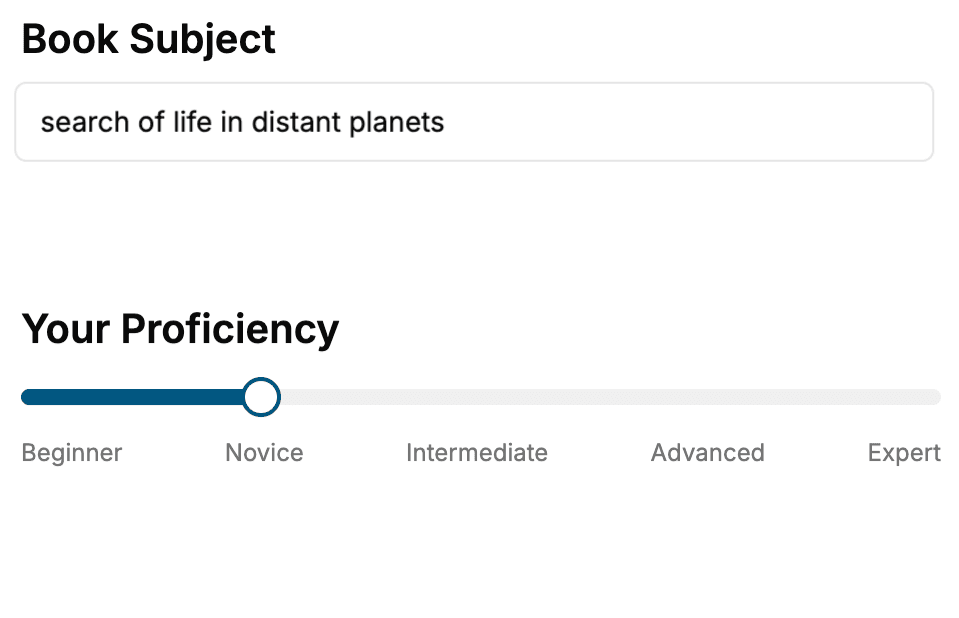
- 1. Select your focus
Select the focus of your Reproductive Health book and share your background
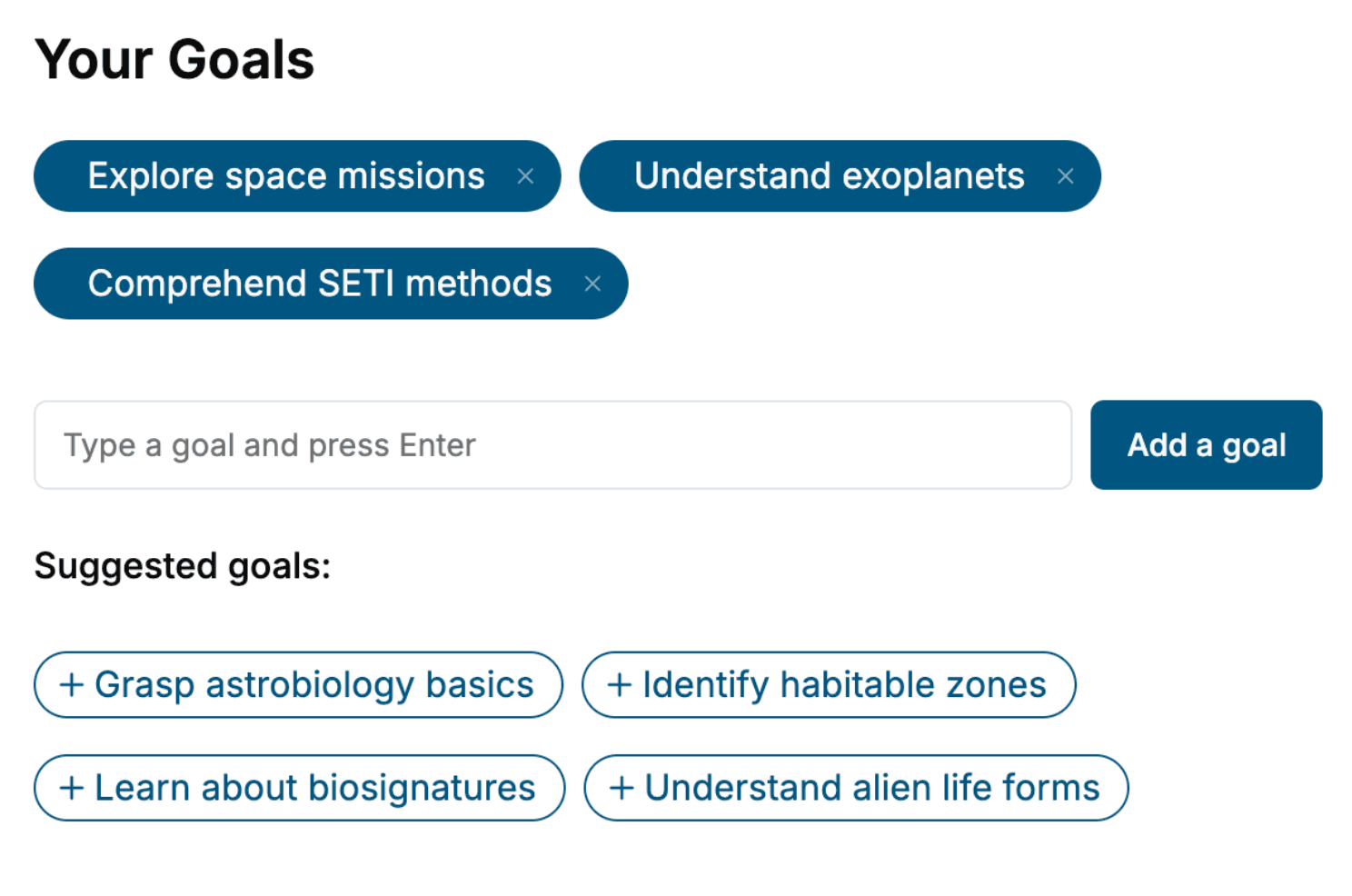
- 2. Personalize your book
Specify your goals and choose sub-topics to include
- 3. Get your tailored book
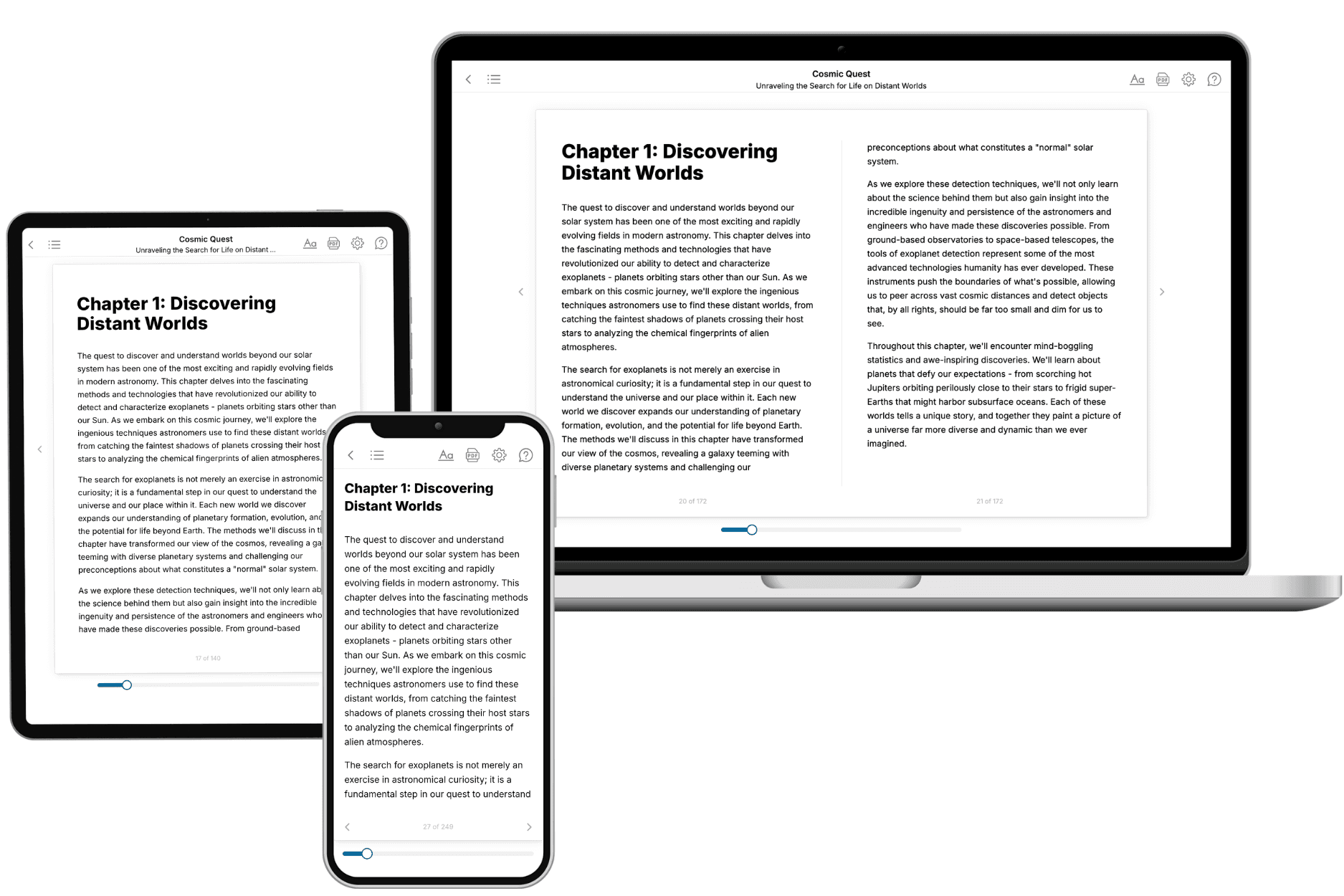
Your book is ready in 10 minutes. Read it online, download as EPUB or PDF, or send to Kindle.
Frequently asked questions
- What is TailoredRead?
TailoredRead creates complete, full-length nonfiction ebooks, written specifically for you. Tell us what you want to learn and why, and TailoredRead writes you a complete ebook on it, with charts, tables, and diagrams throughout. Read it online, on Kindle, or on any e-reader, or download it as a PDF or EPUB. Every book is written fresh the day you order it.
- How is the book tailored to me?
Before anything is written, you answer a few short questions about your goals, your background, and the topics you care about. Your book is then planned around your answers: written at your level, focused on your goals, and covering the topics you chose, instead of the one-size-fits-all book a store sells everyone.
- Will it read like generic AI content?
No. Your book isn't a chat transcript: it's planned chapter by chapter before a single word is written, told in a clear book voice, and explains ideas visually with charts, tables, and diagrams. After writing, every book goes through an editorial pass that polishes chapters so the book reads consistent from start to finish. Judge for yourself: browse thousands of sample books on our Explore Books page.
- How accurate is the content?
Our AI first checks whether your subject needs live research. Niche and fast-moving subjects are researched before writing, and the book plan and chapters are grounded in what it finds. After writing, every book goes through a quality pass that checks its facts and consistency, and researched books list their sources in a Notes section at the back.
- How long is the book?
You choose the length: Comprehensive (250-300 pages), Detailed (150-200 pages), Essential (70-100 pages), or Short (30-50 pages).
- Does the book include visuals?
Yes. Every book includes visual elements such as timelines, checklists, step-by-step guides, decision trees, comparison tables, and matrices, and many include bar charts. A typical book includes dozens of these visual elements.
- Can I read it on Kindle? What formats can I download?
Yes. Every book can be read in our online reader or downloaded as a PDF or EPUB. The EPUB can be opened with Kindle, Apple Books, Kobo, and any e-reader. The Commercial and Author licenses also include an editable Word (DOCX) and Markdown download.
- How much does it cost?
About the price of a regular ebook. The exact price depends on your book's length and complexity, from $2 for the shortest books to $35 for the most comprehensive, and it's shown when you review your book, before you commit to anything. Each book is a one-time purchase, yours to keep, no subscription. Licenses that let you share, teach, or publish your book range from $35.99 to $49.99.
- Can I preview the book before purchasing?
Before you pay, you'll see what your book will cover: the title, a detailed description, the estimated length, and the complete chapter-by-chapter table of contents, so you know what you're getting before you decide. The full text itself is written after you purchase.
- How long does it take to create a book?
About 10 minutes. You can start reading the opening chapters while the rest is still being written.