Forging a Nation
The Dramatic Story of German Unification and Its Impact on European History
Discover the fascinating journey of how modern Germany came to be.
269 pages13 chaptersDec 11, 2024German History
About this book
"Forging a Nation" takes you on a captivating exploration of the complex and dramatic process of German unification. From the aftermath of the Napoleonic Wars to the proclamation of the German Empire, you'll gain a deep understanding of the political, social, and cultural forces that shaped this pivotal moment in European history. Through vivid storytelling and insightful analysis, you'll explore the roles of key figures like Otto von Bismarck, witness the power struggles between Prussia and Austria, and understand the impact of events such as the Revolutions of 1848 and the Franco-Prussian War. You'll also discover how the unification process influenced Germany's neighbors and set the stage for future European developments. This book goes beyond mere facts and dates, offering you a nuanced perspective on the challenges, triumphs, and lasting consequences of German unification. You'll gain valuable insights into the formation of national identity, the balance of power in 19th-century Europe, and the roots of modern German society. Whether you're a history enthusiast or simply curious about the forces that have shaped our world, "Forging a Nation" will enrich your understanding of this crucial chapter in European history.
Table of contents
- IntroductionThe Importance of German Unification in European History, Overview of the Book's Journey, Key Questions to ConsiderRead below
- Chapter 1: Setting the Stage: Historical ContextThe Legacy of the Holy Roman Empire, Impact of the Napoleonic Wars, The Congress of Vienna and German Confederation, Early German Nationalism and Romanticism
- Chapter 2: The Revolutions of 1848: A Turning PointCauses and Spread of the Revolutions, The Frankfurt Parliament and Constitution, Failure and Consequences of the Revolutions, Lessons Learned and Seeds of Future Unification
- Chapter 3: The Rise of PrussiaPrussian Reforms and Modernization, The Zollverein and Economic Integration, Prussian Military Prowess, Hohenzollern Ambitions and Leadership
- Chapter 4: Bismarck and RealpolitikBismarck's Rise to Power, Understanding Realpolitik, Bismarck's Strategy for Unification, Diplomatic Maneuvering and Alliances
- Chapter 5: The Wars of UnificationThe Second Schleswig War (1864), The Austro-Prussian War (1866), Formation of the North German Confederation, The Franco-Prussian War (1870-1871)
- Chapter 6: The Proclamation of the German EmpireThe Ceremony at Versailles, Constitution and Structure of the New Empire, Reactions Across Europe, Immediate Challenges for the New Nation
- Chapter 7: Cultural Aspects of UnificationThe Role of Language and Literature, Arts and Architecture in the Unification Era, Education Reforms and National Identity, Popular Culture and Public Opinion
- Chapter 8: Economic Integration and IndustrializationThe Long-term Impact of the Zollverein, The German Industrial Revolution, Development of Transportation Networks, Economic Policies of the New Empire
- Chapter 9: Social Changes in the Unified GermanyUrbanization and Demographic Shifts, Evolving Class Structure, Changing Roles of Women, Religious Dynamics in the New State
- Chapter 10: Regional Differences and IntegrationPrussian Dominance and Its Challenges, Integration of Southern German States, Persistent Cultural and Economic Variations, Forging a Unified National Identity
- Chapter 11: The International Impact of German UnificationShifts in the European Balance of Power, Germany's New Colonial Ambitions, Changing Diplomatic Relations in Europe, The Beginning of the European Arms Race
- Chapter 12: The Legacy of UnificationShaping Modern Germany, Influence on European Nationalism, Roots of 20th Century Conflicts, Echoes in German Reunification of 1990
- Chapter 13: Historiography of German UnificationContemporary Accounts and Interpretations, 19th and Early 20th Century Historical Views, Post-World War II Perspectives, Modern Scholarship and Debates
- ConclusionKey Takeaways from German Unification, Relevance to Contemporary European Politics
- Further Reading
- Glossary of Key Terms
Introduction
The unification of Germany stands as one of the most pivotal and transformative events in European history. This momentous process, which culminated in the creation of the German Empire in 1871, reshaped the political landscape of Europe and set the stage for developments that would echo through the following centuries. As you embark on this exploration of German unification, you'll discover a complex tapestry of political maneuvering, cultural awakening, and social transformation that forever altered the course of not just German, but European and world history.
The story of German unification is not merely a tale of battles won or treaties signed; it is a narrative that encompasses the hopes, fears, and aspirations of millions of people across Central Europe. It is a story of how a patchwork of disparate states, each with its own traditions and interests, came together to form a powerful nation-state that would play a central role on the world stage. This process was neither inevitable nor straightforward, but rather the result of a complex interplay of factors including economic integration, cultural nationalism, diplomatic strategy, and military might.
As you delve deeper into this subject, you'll encounter familiar names like Otto von Bismarck, whose cunning diplomacy and "blood and iron" approach played a crucial role in orchestrating unification. You'll also meet lesser-known but equally important figures who contributed to the intellectual and cultural foundations of German nationhood. From the idealistic revolutionaries of 1848 to the pragmatic statesmen of the 1860s and 1870s, each played their part in the drama of nation-building.
Throughout this book, you'll gain insights into how the process of unification was shaped by broader historical currents. The legacy of the Holy Roman Empire, the impact of the Napoleonic Wars, the rise of romantic nationalism, and the Industrial Revolution all contributed to creating the conditions that made unification possible. You'll see how economic initiatives like the Zollverein (customs union) laid the groundwork for political integration, and how cultural movements in literature, music, and art helped forge a sense of shared German identity.
As you explore the events leading up to 1871, you'll also gain an understanding of the profound consequences of German unification. The emergence of a powerful German state in the heart of Europe upset long-standing power balances and set in motion a series of diplomatic realignments. The newly unified Germany's rapid industrialization and growing military might would have far-reaching implications, contributing to the tensions that would eventually erupt in the First World War. Yet the legacy of unification is not solely one of conflict; it also includes remarkable achievements in science, culture, and social progress that continue to influence our world today.
The Importance of German Unification in European History
The unification of Germany in 1871 marked a watershed moment in European history, fundamentally altering the continent's political, economic, and cultural landscape. To fully appreciate the significance of this event, it's crucial to understand the context in which it occurred and the far-reaching consequences it had for Germany, Europe, and the world at large. The creation of a unified German state in the heart of Europe was not merely a local affair but a development with global implications that continue to resonate to this day.
Prior to unification, the area that would become Germany was a fragmented collection of independent states, each with its own ruler, laws, and customs. This fragmentation had deep historical roots, dating back to the structure of the Holy Roman Empire and reinforced by the outcomes of the Thirty Years' War and the Peace of Westphalia in 1648. The lack of a strong, centralized German state had long been a factor in European power politics, with other nations often exploiting German disunity for their own advantage. The process of unification, therefore, represented a dramatic shift in the European balance of power, creating a new and formidable player on the international stage[1].
Economically, the unification of Germany created a large, integrated market that quickly became one of the powerhouses of European industry. The removal of internal trade barriers, standardization of currency and weights and measures, and the pooling of resources allowed for rapid industrialization and economic growth. This economic might translated into political and military power, enabling the newly unified Germany to challenge the established European powers, particularly Britain and France. The economic consequences of unification were felt far beyond Germany's borders, influencing trade patterns and industrial competition across Europe and beyond.
Culturally, German unification had a profound impact on the development of national identity and the concept of the nation-state in Europe. The success of German unification inspired nationalist movements in other parts of Europe, particularly in Italy, which completed its own unification process shortly after Germany. The idea that a people sharing a common language and culture should form a single political entity gained traction, influencing political thought and movements across the continent. This surge in nationalism would have both positive and negative consequences, fostering cultural pride and development on one hand, but also contributing to international tensions and conflicts on the other.
In the realm of international relations, the emergence of a unified Germany dramatically altered the European diplomatic landscape. The system of alliances and balance of power that had maintained relative stability in Europe since the Congress of Vienna in 1815 was upended. Germany's rapid rise as a military and industrial power led to a realignment of European alliances, with far-reaching consequences. The Franco-Prussian War of 1870-71, which played a crucial role in the final act of German unification, also sowed the seeds of long-lasting enmity between Germany and France, a factor that would contribute significantly to the outbreak of World War I in 1914[2].
The importance of German unification extends beyond its immediate impact on 19th-century Europe. The creation of a powerful German state in Central Europe has been a central factor in European politics ever since. The two World Wars of the 20th century, the Cold War division of Germany, and the process of European integration in the post-war era cannot be fully understood without reference to the consequences of German unification. Even today, Germany's role as the economic powerhouse of the European Union and its position as a key player in European and global affairs can be traced back to the momentous events of 1871.
Moreover, the process of German unification itself provides valuable insights into the dynamics of nation-building and political transformation. The interplay of factors such as economic integration, cultural nationalism, diplomatic maneuvering, and military conflict that characterized German unification offers a complex case study in how modern nation-states come into being. The role of key individuals, particularly Otto von Bismarck, in shaping the course of events also provides lessons in political leadership and statecraft that remain relevant to this day.
In studying German unification, you are not merely examining a series of historical events, but engaging with themes and issues that continue to shape our world. Questions of national identity, the balance between unity and diversity, the relationship between economic and political integration, and the role of power politics in international relations – all of these were central to the story of German unification and remain highly relevant in today's globalized world. Understanding this pivotal moment in European history provides valuable perspectives on contemporary issues ranging from European integration to the challenges of nation-building in other parts of the world.
As you delve deeper into the story of German unification in the following chapters, keep in mind the broader significance of these events. The creation of the German Empire in 1871 was not just a turning point in German history, but a transformative moment for Europe and the world. Its consequences, both positive and negative, continue to influence global affairs to this day, making it an essential subject of study for anyone seeking to understand the forces that have shaped our modern world.
Overview of the Book's Journey
As you embark on this exploration of German unification, it's important to have a clear roadmap of the journey ahead. This book is designed to guide you through the complex and fascinating process that led to the creation of the German Empire in 1871, as well as its immediate aftermath and long-term consequences. The narrative is structured to provide a comprehensive understanding of the historical, political, economic, and cultural factors that shaped this pivotal moment in European history.
The book begins by setting the historical context, taking you back to the aftermath of the Napoleonic Wars and the Congress of Vienna in 1815. This background is crucial for understanding the political landscape of Central Europe in the early 19th century and the challenges that faced those who dreamed of German unity. You'll explore the legacy of the Holy Roman Empire, the impact of the Enlightenment and Romantic movement on German cultural identity, and the early stirrings of German nationalism. This section will help you grasp the long-term historical forces that set the stage for unification.
From there, you'll delve into one of the most dramatic episodes in the story of German unification: the Revolutions of 1848. This chapter examines the causes, events, and consequences of this "Springtime of Peoples" that swept across Europe, with a particular focus on its impact in the German states. You'll learn about the Frankfurt Parliament, the first attempt at creating a unified German state, and understand why this idealistic effort ultimately failed. The lessons learned from 1848 would profoundly shape the later approach to unification.
The narrative then shifts to the rise of Prussia, the state that would ultimately lead the unification process. You'll explore the Prussian reforms that modernized its army and bureaucracy, the creation of the Zollverein (customs union) that fostered economic integration, and the emergence of Prussia as the dominant power among the German states. This section will help you understand why Prussia, rather than Austria or any other state, became the driving force behind unification.
A central figure in the story of German unification is Otto von Bismarck, and a significant portion of the book is devoted to examining his role. You'll learn about Bismarck's rise to power, his philosophy of Realpolitik, and his skillful manipulation of diplomacy and warfare to achieve his goals. The book provides a detailed analysis of Bismarck's strategies and tactics, helping you understand how he navigated the complex web of European alliances and rivalries to bring about German unification[3].
The Wars of Unification – the Second Schleswig War (1864), the Austro-Prussian War (1866), and the Franco-Prussian War (1870-1871) – are examined in detail. You'll learn about the military strategies, key battles, and diplomatic maneuvering that characterized these conflicts. This section will help you understand how Bismarck used these wars to isolate Austria, neutralize potential opponents, and create the conditions for unification under Prussian leadership.
The proclamation of the German Empire in 1871 marks the climax of the unification process, but it's not the end of the story. The book explores the immediate challenges faced by the new nation, including the integration of diverse regions and the establishment of new political institutions. You'll learn about the constitution of the new empire, the balance of power between Prussia and the other German states, and the early policies of the imperial government.
Beyond the political and military aspects, the book also delves into the cultural dimensions of German unification. You'll explore how language, literature, art, and education played crucial roles in fostering a sense of German national identity. This section will help you understand that unification was not just a matter of politics and warfare, but also a profound cultural transformation.
The economic aspects of unification are also given thorough treatment. You'll learn about the rapid industrialization that followed unification, the development of transportation networks, and the economic policies of the new empire. This section will help you understand how German unification laid the foundations for Germany's emergence as an economic powerhouse.
The book doesn't shy away from examining the social changes brought about by unification. You'll explore topics such as urbanization, changes in class structure, the evolving roles of women, and the dynamics between different religious groups in the new state. This section will give you a sense of how unification affected the daily lives of ordinary Germans.
A significant portion of the book is devoted to examining the international impact of German unification. You'll learn about how the emergence of a powerful German state altered the balance of power in Europe, led to a realignment of alliances, and set the stage for future conflicts. The book also explores Germany's new colonial ambitions and its role in the European arms race that preceded World War I.
The final chapters of the book look at the long-term legacy of German unification. You'll explore how the events of 1871 continued to shape German and European history through the 20th century and beyond. This includes an examination of how the memory and interpretation of unification evolved over time, influencing German national identity and political culture up to the present day.
Throughout the book, you'll encounter not just a narrative of events, but also analysis of key debates and controversies surrounding German unification. You'll be introduced to different historical interpretations and encouraged to think critically about the causes, process, and consequences of this pivotal moment in European history.
By the end of this journey, you'll have gained a comprehensive understanding of German unification, its historical context, and its far-reaching implications. You'll be equipped to appreciate the complexities of this historical process and to draw connections between the events of the 19th century and the world we live in today. Whether you're a student of history, a German culture enthusiast, or simply curious about how the modern world took shape, this book aims to provide you with valuable insights and a deeper appreciation of this crucial chapter in European history.
Key Questions to Consider
As you embark on this exploration of German unification, it's important to approach the subject with a critical and inquisitive mindset. To help guide your understanding and encourage deeper reflection on the complexities of this historical process, consider the following key questions throughout your reading. These questions are designed to stimulate critical thinking, highlight important themes, and help you connect different aspects of the unification story.
1. What were the long-term historical factors that made German unification possible? How did the legacy of the Holy Roman Empire, the impact of the Napoleonic Wars, and the ideas of the Enlightenment and Romanticism contribute to the push for unification? This question encourages you to think about the deep historical roots of German unification and to consider how events and ideas from earlier periods shaped the 19th-century political landscape.
2. Why did earlier attempts at unification, particularly the Revolution of 1848, fail? What lessons were learned from these failures, and how did they influence later approaches to unification? By examining the setbacks and failures in the unification process, you can gain insights into the challenges faced by those seeking to create a unified German state and understand why the eventual path to unification took the form it did.
3. What role did economic factors play in the unification process? How did initiatives like the Zollverein (customs union) contribute to political integration? This question highlights the important interplay between economic and political factors in the unification process, encouraging you to think about how economic integration can pave the way for political unity.
4. How did Prussia emerge as the leading force in German unification? What advantages did Prussia have over other German states, particularly Austria? Considering this question will help you understand the power dynamics among the German states and the specific factors that allowed Prussia to take the lead in the unification process.
5. What was Otto von Bismarck's role in German unification? How did his approach differ from earlier attempts at unification, and why was it successful? Examining Bismarck's strategies and tactics will give you insights into the role of individual leadership in historical processes and the importance of pragmatic diplomacy in achieving political goals.
6. How did international events and the broader European political context influence the process of German unification? In what ways did Bismarck manipulate European rivalries to Prussia's advantage? This question encourages you to think about German unification in its wider European context, considering how events beyond Germany's borders shaped the unification process.
7. What was the significance of the Wars of Unification (the Second Schleswig War, the Austro-Prussian War, and the Franco-Prussian War)? How did these conflicts contribute to the unification process? By examining these wars, you can understand the role of military conflict in nation-building and how warfare can be used as a tool of diplomacy.
8. How did cultural factors, such as language, literature, and the arts, contribute to the development of German national identity? What role did intellectuals and artists play in promoting the idea of German unity? This question highlights the cultural dimensions of nation-building, encouraging you to think about nationalism as more than just a political phenomenon.
9. What were the immediate challenges faced by the newly unified German state? How did the new empire attempt to integrate diverse regions and populations? Considering these questions will help you understand that unification was not the end of the story, but the beginning of a new set of challenges and opportunities.
10. How did German unification alter the balance of power in Europe? What were the immediate and long-term consequences for Germany's neighbors and for European international relations? This question encourages you to think about the broader implications of German unification beyond Germany's borders.
11. In what ways did the process of unification shape modern German national identity? How have interpretations and memories of unification evolved over time? By considering these questions, you can explore the long-term cultural and psychological impacts of unification on German society.
12. How did the rapid industrialization that followed unification affect German society? What were the social and economic consequences of Germany's emergence as an industrial powerhouse? These questions highlight the profound socio-economic changes that accompanied political unification.
13. What role did religion play in the unification process and in the early years of the German Empire? How were religious differences managed in the new state? This question encourages you to consider the complex interplay between religion, politics, and national identity.
14. How did German unification influence nationalist movements in other parts of Europe? What lessons did other aspiring nation-states draw from the German experience? By considering these questions, you can place German unification in the broader context of 19th-century European nationalism.
15. To what extent can we see the roots of 20th-century German history, including the two World Wars, in the events and outcomes of unification? How does understanding the unification process help us comprehend later developments in German and European history? These questions encourage you to think about the long-term consequences of unification and to draw connections between 19th-century events and more recent history.
By keeping these questions in mind as you read, you'll be better equipped to engage critically with the material, make connections between different aspects of the unification process, and develop a nuanced understanding of this pivotal moment in European history. Remember, history is not just about memorizing facts and dates, but about understanding processes, analyzing causes and effects, and appreciating the complexities of human societies. These questions are designed to guide you towards that deeper level of historical understanding.
This is the end of the free sample. The full book has 13 chapters.
Want this book written for you?
Tell us your goals and background, and get your own version of this book, tailored by AI to you.


Benefits of AI-tailored books
- Read one book, not ten:
- all the German History knowledge you need, gathered into a single book.
- Save days of learning:
- tell us your goals, choose your topics, and the whole book is built around them.
- Learn effortlessly:
- German History book written for your specific background and expertise.
- Understand at a glance:
- includes charts, tables, timelines, checklists, decision trees, and more.
- Stay current:
- written the day you order it, not years ago.
- Trust what you read:
- every book is checked for accuracy, with real research when your subject needs it.
Create your unique book in 3 steps
- 1. Select your focus
Select the focus of your German History book and share your background
- 2. Personalize your book
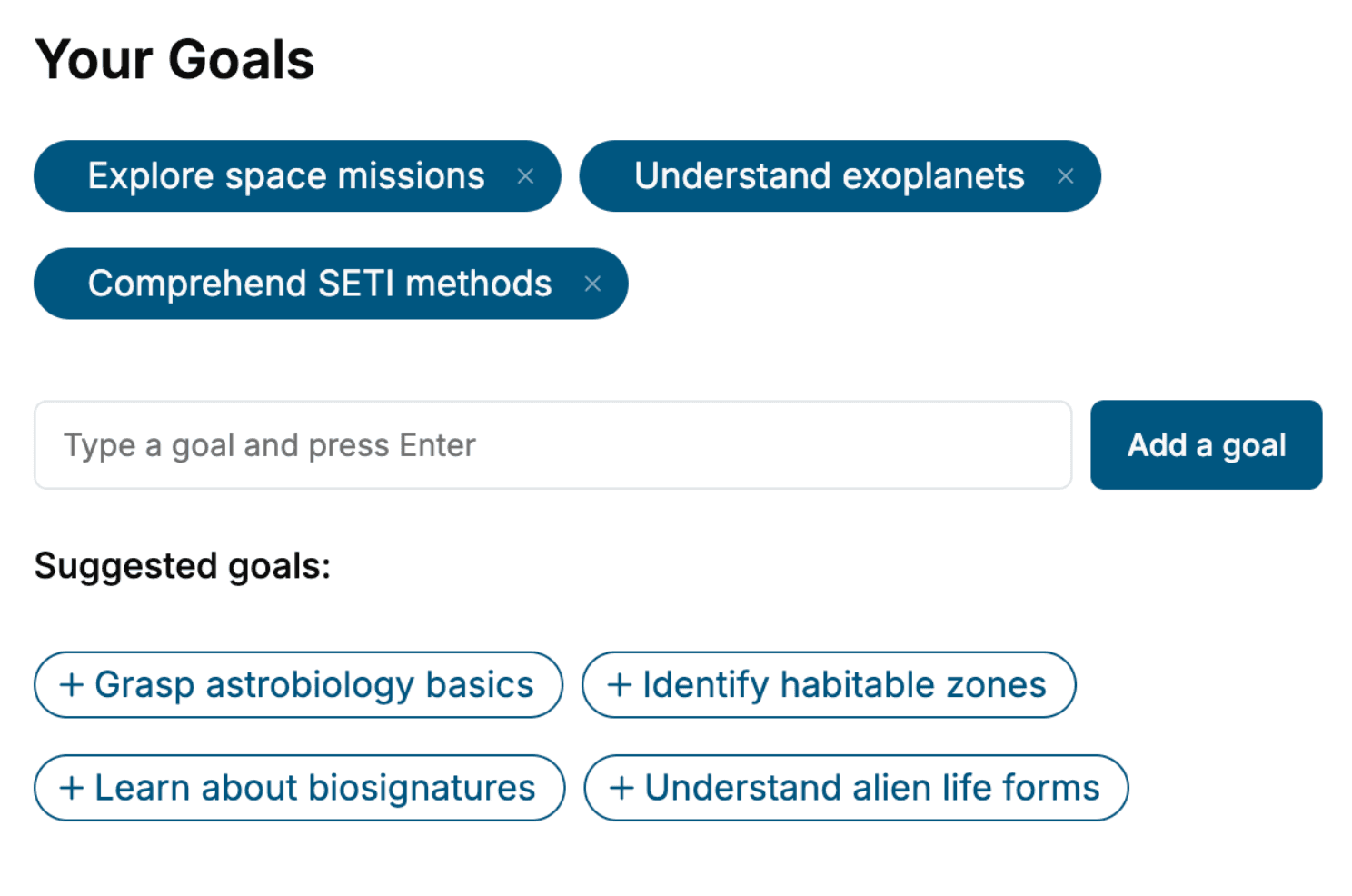
Specify your goals and choose sub-topics to include
- 3. Get your tailored book
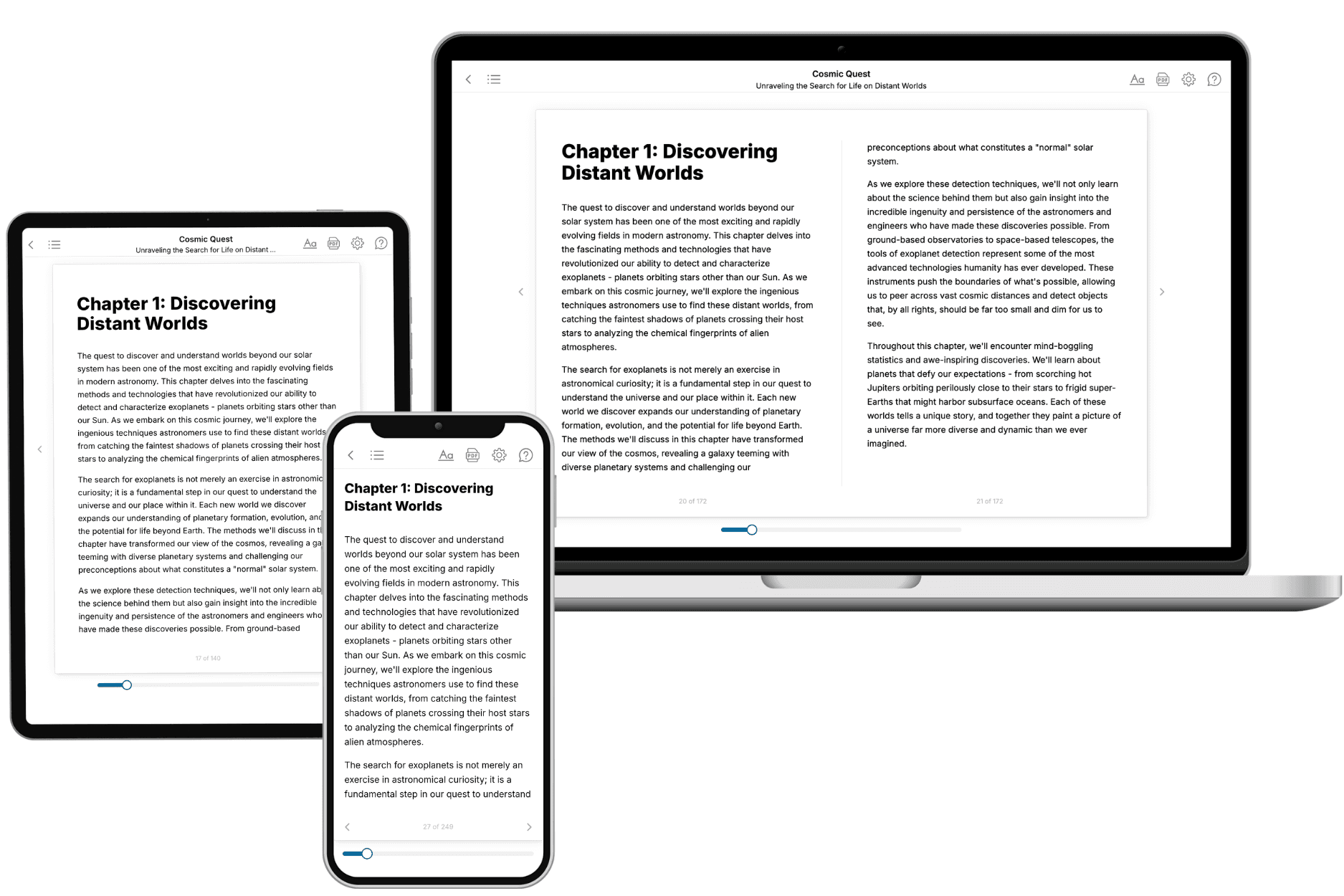
Your book is ready in 10 minutes. Read it online, download as EPUB or PDF, or send to Kindle.

Frequently asked questions
- What is TailoredRead?
TailoredRead creates complete, full-length nonfiction ebooks, written specifically for you. Tell us what you want to learn and why, and TailoredRead writes you a complete ebook on it, with charts, tables, and diagrams throughout. Read it online, on Kindle, or on any e-reader, or download it as a PDF or EPUB. Every book is written fresh the day you order it.
- How is the book tailored to me?
Before anything is written, you answer a few short questions about your goals, your background, and the topics you care about. Your book is then planned around your answers: written at your level, focused on your goals, and covering the topics you chose, instead of the one-size-fits-all book a store sells everyone.
- Will it read like generic AI content?
No. Your book isn't a chat transcript: it's planned chapter by chapter before a single word is written, told in a clear book voice, and explains ideas visually with charts, tables, and diagrams. After writing, every book goes through an editorial pass that polishes chapters so the book reads consistent from start to finish. Judge for yourself: browse thousands of sample books on our Explore Books page.
- How accurate is the content?
Our AI first checks whether your subject needs live research. Niche and fast-moving subjects are researched before writing, and the book plan and chapters are grounded in what it finds. After writing, every book goes through a quality pass that checks its facts and consistency, and researched books list their sources in a Notes section at the back.
- How long is the book?
You choose the length: Comprehensive (250-300 pages), Detailed (150-200 pages), Essential (70-100 pages), or Short (30-50 pages).
- Does the book include visuals?
Yes. Every book includes charts, tables, and diagrams: timelines, checklists, step-by-step guides, decision trees, comparison tables, matrices, and bar charts. A typical book includes dozens of these visual elements.
- Can I read it on Kindle? What formats can I download?
Yes. Every book can be read in our online reader or downloaded as a PDF or EPUB. The EPUB can be opened with Kindle, Apple Books, Kobo, and any e-reader. The Commercial and Author licenses also include an editable Word (DOCX) and Markdown download.
- How much does it cost?
About the price of a regular ebook. The exact price depends on your book's length and complexity, from $2 for the shortest books to $35 for the most comprehensive, and it's shown when you review your book, before you commit to anything. Each book is a one-time purchase, yours to keep, no subscription. Licenses that let you share, teach, or publish your book range from $35.99 to $49.99.
- Can I preview the book before purchasing?
Before you pay, you'll see what your book will cover: the title, a detailed description, the estimated length, and the complete chapter-by-chapter table of contents, so you know what you're getting before you decide. The full text itself is written after you purchase.
- How long does it take to create a book?
About 10 minutes. You can start reading the opening chapters while the rest is still being written.