Kulturschatz
Unveiling the Rich Tapestry of German Culture for Language Learners
Many language learners focus solely on grammar and vocabulary, overlooking the crucial role that cultural understanding plays in true fluency.
300 pages15 chaptersFeb 23, 2025Learn German
About this book
Kulturschatz shatters this misconception by immersing you in the vibrant world of German traditions, customs, and daily life. This comprehensive guide takes you beyond textbook German, offering a deep dive into the heart of German culture. You'll explore everything from traditional festivals and culinary delights to social etiquette and contemporary lifestyle. Each chapter not only enriches your cultural knowledge but also provides context for language use, helping you grasp nuances that mere translation can't convey. Kulturschatz is your passport to authentic German experiences. Whether you're planning a trip, preparing for a study abroad program, or simply want to converse more naturally with German speakers, this book equips you with the cultural intelligence to navigate German society with confidence. Embrace the Kulturschatz and watch as your language skills and cultural appreciation flourish hand in hand.
Table of contents
- IntroductionThe Importance of Cultural Understanding in Language Learning, Overview of the Book, How to Use This Book to Enhance Your German SkillsRead below
- Chapter 1: Historical Context of German CultureFrom Ancient Tribes to Modern Nation, The Holy Roman Empire and Its Influence, German Unification and the Birth of a Nation, 20th Century Germany: Challenges and Triumphs
- Chapter 2: Regional Diversity in German CultureNorth vs. South: Cultural Contrasts, East vs. West: Historical Divisions and Reunification, German Dialects and Regional Languages, Local Traditions and Customs
- Chapter 3: Festivals and CelebrationsOktoberfest: More Than Just Beer, The Magic of German Christmas Markets, Carnival: Regional Variations and Traditions, Tag der Deutschen Einheit: Celebrating Unity
- Chapter 4: German Culinary TraditionsRegional Specialties and Their Origins, German Bread Culture, Beer, Wine, and Other Beverages, Structure of German Meals
- Chapter 5: Social Etiquette and CustomsGreetings and Introductions, The Importance of Punctuality, Table Manners and Dining Etiquette, Gift-Giving Customs
- Chapter 6: Family and Social RelationshipsTraditional and Modern Family Structures, The Concept of Friendship in German Culture, Work-Life Balance and Leisure Time, Social Clubs and Associations (Vereine)
- Chapter 7: Arts and LiteratureLiterary Giants: Goethe, Schiller, and Beyond, German Art Movements Through the Ages, Classical Music: The Land of Bach and Beethoven, Contemporary Arts Scene
- Chapter 8: Philosophy and Intellectual TraditionsGerman Enlightenment and Idealism, Frankfurt School and Critical Theory, Modern German Thinkers and Their Global Impact, The German Academic Tradition
- Chapter 9: Media and EntertainmentTelevision and Radio Culture, German Cinema: From Expressionism to Modern Day, Popular Music and Music Festivals, Digital Media and Internet Culture
- Chapter 10: Sports and Leisure ActivitiesFootball Culture and Fan Traditions, Outdoor Activities and Nature Appreciation, Spa Culture and Wellness, Other Popular Sports and Competitions
- Chapter 11: The German Education SystemStructure of the School System, Vocational Training and Apprenticeships, Universities and Higher Education, Concept of Lifelong Learning
- Chapter 12: German Business CultureWork Ethic and Professional Conduct, Meeting and Negotiation Etiquette, Business Communication Styles, Innovation and Industry 4.0
- Chapter 13: Environmental Consciousness and SustainabilityGreen Policies and Energiewende, Recycling Culture and Waste Management, Sustainable Transportation, Eco-Friendly Lifestyle Trends
- Chapter 14: Modern Challenges and Cultural ShiftsImmigration and Cultural Integration, Digital Transformation of Society, Changing Demographics and Social Structures, Germany's Role in the Global Community
- Chapter 15: Language and Culture IntertwinedIdioms and Proverbs: Windows to Culture, German Humor and Wordplay, Untranslatable Cultural Concepts, Evolution of the German Language
- ConclusionAchieving Cultural Fluency, The Ongoing Journey of Cultural Discovery
- Glossary of Cultural Terms
- Further Reading and Resources
Introduction
Welcome to Kulturschatz, your comprehensive guide to the rich tapestry of German culture. As you embark on your journey to master the German language, you'll soon discover that true fluency extends far beyond memorizing vocabulary and mastering grammar rules. It's about immersing yourself in the heart and soul of a nation, understanding its people, traditions, and way of life. This book is designed to be your companion on this exciting journey, offering you a deep dive into the cultural nuances that shape the German-speaking world.
Language and culture are inextricably linked, each influencing and shaping the other in countless ways. By exploring German culture, you'll not only enhance your language skills but also gain invaluable insights that will help you communicate more effectively and authentically with native speakers. Whether you're planning a trip to Germany, preparing for a study abroad program, or simply want to deepen your appreciation of German culture, Kulturschatz will equip you with the knowledge and understanding to navigate German society with confidence and ease.
Throughout this book, you'll explore a wide range of topics that collectively paint a vivid picture of contemporary German life while also delving into the historical context that has shaped it. From the bustling Christmas markets of Munich to the cutting-edge art galleries of Berlin, from traditional Bavarian festivals to modern environmental initiatives, Kulturschatz offers a comprehensive look at the diverse facets of German culture. By the time you finish this book, you'll have gained not just knowledge, but a genuine appreciation for the unique cultural landscape of Germany.
The Importance of Cultural Understanding in Language Learning
Language learning is often approached as a purely academic exercise, with a focus on grammar rules, vocabulary lists, and pronunciation drills. While these elements are undoubtedly important, they represent only a fraction of what it means to truly master a language. To become truly fluent in German, you need to understand not just the words themselves, but the cultural context in which they're used. This is where cultural understanding becomes invaluable.
Consider, for example, the simple act of greeting someone. In English, a casual "Hi" or "Hello" might suffice in most situations. In German, however, the choice between "Hallo," "Guten Tag," or "Grüß Gott" carries cultural significance. Your choice of greeting can indicate your level of formality, your regional background, or even your age. Without an understanding of these cultural nuances, you might inadvertently use an inappropriate greeting, potentially causing confusion or even offense.
Cultural understanding also plays a crucial role in comprehension. Many idioms, jokes, and references in German are deeply rooted in cultural knowledge. For instance, if someone describes a situation as "Alles in Butter" (literally, "everything in butter"), you might be confused if you're only familiar with the literal meanings of these words. However, with cultural context, you'd understand this common phrase means "everything is fine" or "all is well." This type of cultural knowledge can significantly enhance your ability to understand and engage in natural conversations with native speakers.
Moreover, cultural understanding can provide motivation and context for your language learning journey. When you understand the rich history behind the German language, the fascinating traditions that shape German society, and the contemporary issues that occupy German minds, you're more likely to feel connected to the language and motivated to continue learning. You're no longer just memorizing words and rules, but gaining access to a whole new world of ideas, perspectives, and experiences.
Cultural competence also plays a vital role in avoiding misunderstandings and faux pas in social interactions. For example, understanding the German emphasis on punctuality can prevent you from unintentionally offending someone by arriving late to an appointment. Knowing the appropriate level of formality to use in different situations can help you navigate professional and social settings more smoothly. These cultural insights can make the difference between merely speaking German and truly communicating effectively in German.
Furthermore, cultural understanding enhances your ability to appreciate German literature, film, music, and art. When you're familiar with the historical and cultural context in which these works were created, you can engage with them on a deeper level. You'll be able to pick up on subtle references, understand underlying themes, and appreciate the nuances that might otherwise be lost in translation. This not only enriches your cultural experience but also provides valuable authentic language input, further boosting your language skills.
In essence, cultural understanding acts as a bridge between language proficiency and true fluency. It provides the context that gives meaning to the words you're learning, helps you understand why Germans communicate the way they do, and enables you to interact more naturally and confidently in German-speaking environments. As you progress through this book, you'll find that each cultural insight you gain will open up new dimensions in your language learning journey, making your experience richer, more engaging, and ultimately more successful.
Overview of the Book
Kulturschatz is designed to provide you with a comprehensive exploration of German culture, carefully structured to build your understanding from the ground up. The book is divided into fifteen chapters, each focusing on a different aspect of German culture and society. This thoughtful organization allows you to progressively deepen your cultural knowledge, drawing connections between different elements of German life and seeing how they all fit together to form the vibrant tapestry of modern Germany.
We begin our journey with a look at the historical context that has shaped German culture. Chapter 1 takes you on a fascinating trip through time, from the ancient Germanic tribes to the formation of the modern German state. This historical foundation is crucial for understanding many aspects of contemporary German culture, from regional differences to national celebrations. You'll learn about key events and periods that have left an indelible mark on the German psyche, providing context for many of the cultural phenomena we'll explore in later chapters.
In Chapter 2, we delve into the regional diversity that characterizes Germany. Despite being a unified country, Germany's federal structure and historical divisions have led to significant cultural variations between different regions. You'll explore the distinctions between North and South, East and West, and gain an appreciation for the rich tapestry of local traditions and dialects that make up German culture. This chapter will help you understand why a Bavarian Oktoberfest is quite different from a Carnival celebration in Cologne, and why these regional identities are so important to many Germans.
Chapters 3 and 4 focus on two of the most enjoyable aspects of any culture: festivals and food. You'll learn about major celebrations like Oktoberfest and Christmas markets, understanding their historical origins and modern significance. The chapter on culinary traditions will take you beyond stereotypes of sausages and beer, introducing you to the diverse world of German cuisine, from hearty regional specialties to the country's beloved bread culture. These chapters not only provide cultural knowledge but also offer practical information for anyone planning to visit Germany or interact with German speakers.
In Chapters 5 and 6, we turn our attention to social norms and relationships in Germany. You'll learn about German etiquette, including the all-important concepts of punctuality and directness. We'll explore family structures, friendships, and the work-life balance that is so central to German society. These insights will be invaluable in helping you navigate social situations and understand the values that underpin German social interactions.
Chapters 7 and 8 delve into Germany's rich intellectual and artistic heritage. From the literary giants of Goethe and Schiller to the philosophical traditions of the German Enlightenment, you'll gain an appreciation for Germany's profound impact on world culture. We'll also explore contemporary arts and intellectual movements, showing how Germany continues to be a powerhouse of creativity and critical thinking.
In Chapters 9 and 10, we explore modern German entertainment and leisure activities. You'll learn about German media, cinema, and music, as well as the country's passionate sports culture. These chapters provide valuable insights into everyday life in Germany and the pastimes that bring people together.
Chapter 11 provides an overview of the German education system, renowned for its vocational training programs and tuition-free universities. Understanding this system offers insights into German values around education and professional development.
In Chapter 12, we explore German business culture, providing valuable information for anyone planning to work or do business in Germany. You'll learn about work ethics, communication styles, and the innovative spirit that drives the German economy.
Chapter 13 focuses on a topic of increasing importance in German society: environmental consciousness and sustainability. You'll learn about Germany's ambitious green policies, its recycling culture, and the growing trend towards eco-friendly lifestyles.
In Chapter 14, we address some of the modern challenges and cultural shifts facing Germany today, including immigration, digital transformation, and changing demographics. This chapter provides a nuanced look at contemporary German society and its ongoing evolution.
Finally, Chapter 15 brings our exploration full circle by examining the intricate relationship between language and culture. You'll discover how German idioms, humor, and untranslatable concepts provide unique windows into the German mindset.
Throughout the book, you'll find not just facts and figures, but also anecdotes, case studies, and practical examples that bring German culture to life. Each chapter is designed to not only inform but also to inspire further exploration and spark your curiosity about different aspects of German culture. By the end of this book, you'll have gained a multifaceted understanding of Germany that will significantly enhance your language learning journey.
How to Use This Book to Enhance Your German Skills
Kulturschatz is more than just a book about German culture; it's a powerful tool designed to enhance your German language skills. To get the most out of this book and truly boost your language proficiency, consider the following strategies and approaches as you read through each chapter.
First and foremost, approach each chapter with an open and curious mind. As you read, try to draw connections between the cultural information you're learning and your existing knowledge of the German language. For example, when you learn about German festivals in Chapter 3, pay attention to the specific vocabulary associated with these celebrations. Words like "Festzelt" (festival tent) or "Umzug" (parade) might suddenly take on new meaning and become easier to remember when you understand their cultural context.
Take advantage of the rich vocabulary presented throughout the book. Each chapter introduces numerous German terms related to its topic. Don't just gloss over these words; instead, make a conscious effort to incorporate them into your active vocabulary. Create flashcards, use spaced repetition software, or simply try to use these new words in your German conversations or writing practice. For instance, after reading about German cuisine in Chapter 4, challenge yourself to describe your favorite meals using the culinary terms you've learned.
Use the cultural insights in this book to improve your listening and reading comprehension. As you learn about German history, arts, or current events, seek out German-language materials on these topics. Listen to German podcasts discussing historical events you've read about, or read German news articles about current cultural trends. You'll find that your newfound cultural knowledge provides valuable context, making these authentic materials more accessible and comprehensible.
Practice your speaking skills by discussing the topics covered in each chapter. If you have a language exchange partner or a German teacher, use the content of this book as conversation starters. Share what you've learned about German traditions or social norms, and ask for their perspectives. This not only helps reinforce your learning but also provides opportunities for authentic communication in German.
Use the book as a springboard for further exploration. Each chapter can serve as a starting point for deeper research into aspects of German culture that particularly interest you. If you're intrigued by German philosophy after reading Chapter 8, for example, you might seek out original texts or summaries in German, thereby combining your cultural interest with language practice.
Pay close attention to the sections that discuss communication styles, social norms, and etiquette. These insights can dramatically improve your pragmatic competence - your ability to use language appropriately in social situations. Practice incorporating these cultural norms into your language use. For instance, after learning about the importance of formal and informal address in Chapter 5, make a conscious effort to use "Sie" and "du" correctly in your German interactions.
Don't hesitate to make notes in the margins, highlight key points, or create summaries in German of each chapter. This active engagement with the text not only helps reinforce your learning but also provides valuable writing practice. You might even consider keeping a "culture journal" in German, where you reflect on what you've learned and how it relates to your own experiences or observations.
Use the book as a guide for immersive experiences. If you have the opportunity to visit Germany or interact with German speakers, use the knowledge you've gained from this book to enhance these experiences. Visit the Christmas markets described in Chapter 3, try ordering regional specialties mentioned in Chapter 4, or attend a football match with the fan culture insights from Chapter 10 in mind. These real-world applications of your cultural knowledge will create memorable experiences that reinforce both your cultural understanding and language skills.
Finally, remember that language learning is a journey, not a destination. Use this book as a companion on that journey, referring back to relevant sections as you encounter new situations or challenges in your German learning. The cultural knowledge you gain here will continue to enrich your understanding of the German language long after you've finished reading.
By actively engaging with the content of Kulturschatz in these ways, you'll find that your German skills improve alongside your cultural knowledge. You'll develop a deeper, more nuanced understanding of the language, enhanced by a rich appreciation of the culture that shapes it. So, embrace this opportunity to delve into the heart of German culture, and watch as your language abilities flourish in response.
This is the end of the free sample. The full book has 15 chapters.
Want this book written for you?
Tell us your goals and background, and get your own version of this book, tailored by AI to you.


Benefits of AI-tailored books
- Read one book, not ten:
- all the Learn German knowledge you need, gathered into a single book.
- Save days of learning:
- tell us your goals, choose your topics, and the whole book is built around them.
- Learn effortlessly:
- Learn German book written for your specific background and expertise.
- Understand at a glance:
- includes charts, tables, timelines, checklists, decision trees, and more.
- Stay current:
- written the day you order it, not years ago.
- Trust what you read:
- every book is checked for accuracy, with real research when your subject needs it.
Create your unique book in 3 steps
- 1. Select your focus
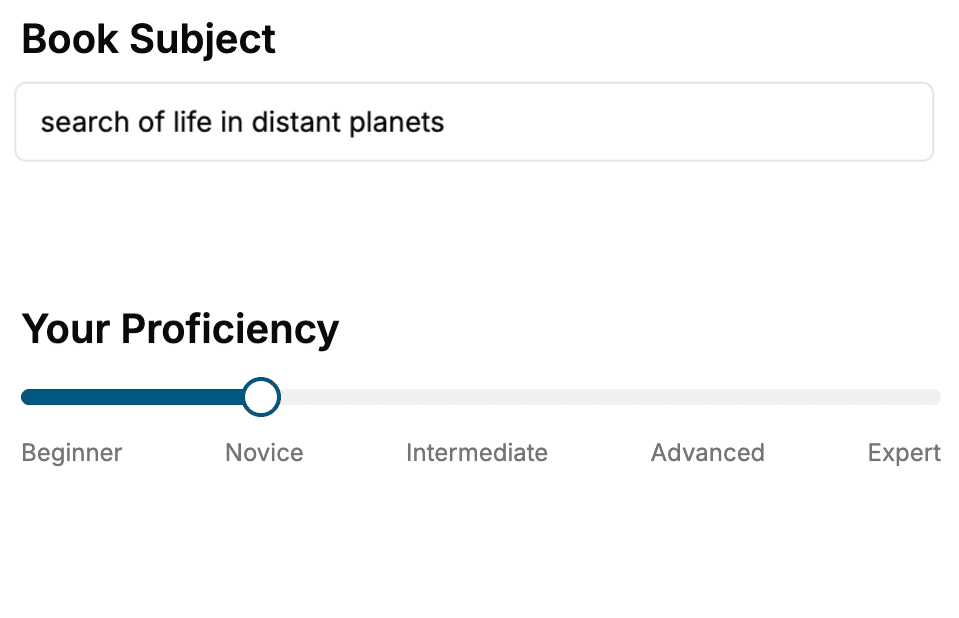
Select the focus of your Learn German book and share your background
- 2. Personalize your book
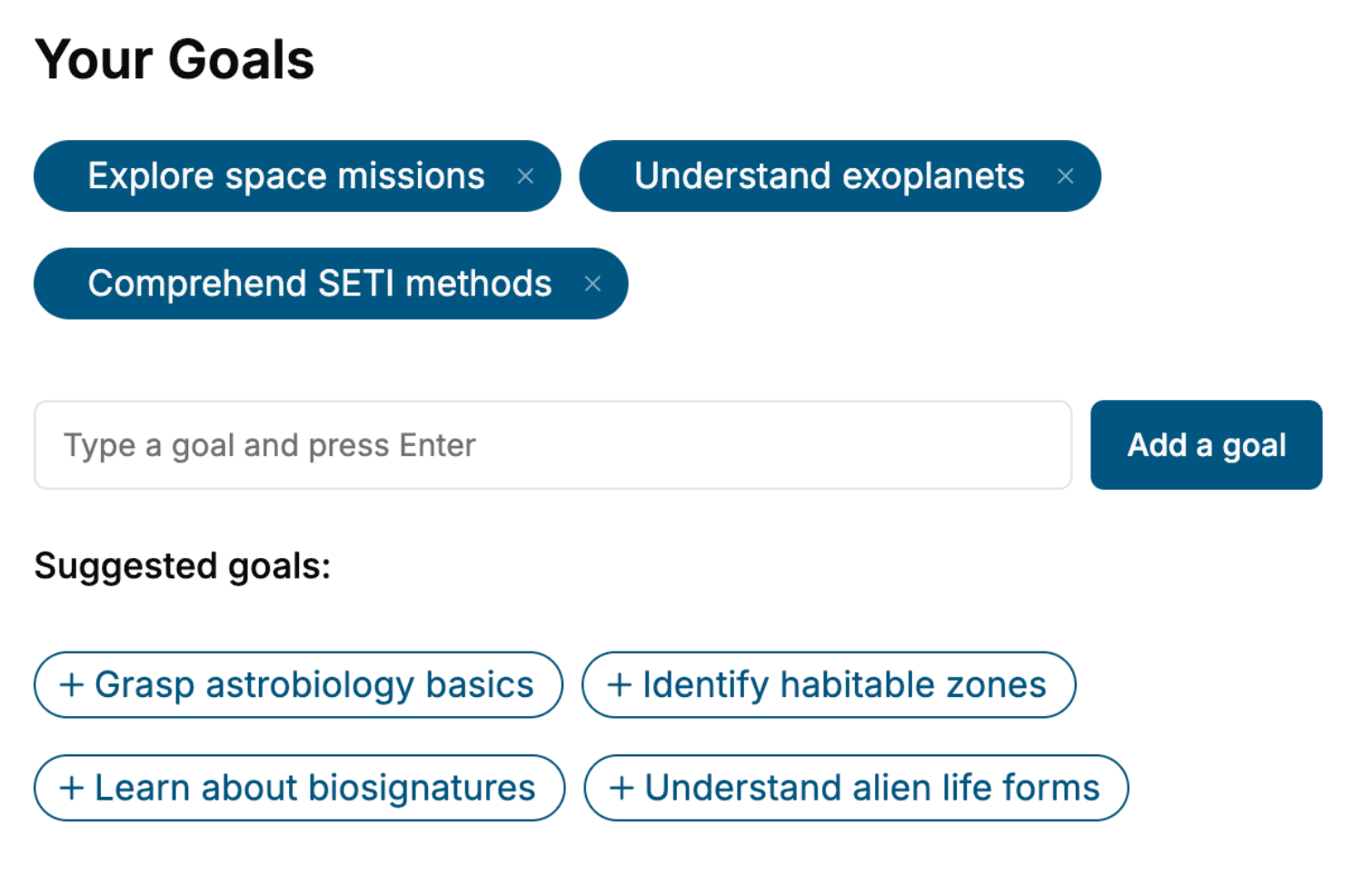
Specify your goals and choose sub-topics to include
- 3. Get your tailored book
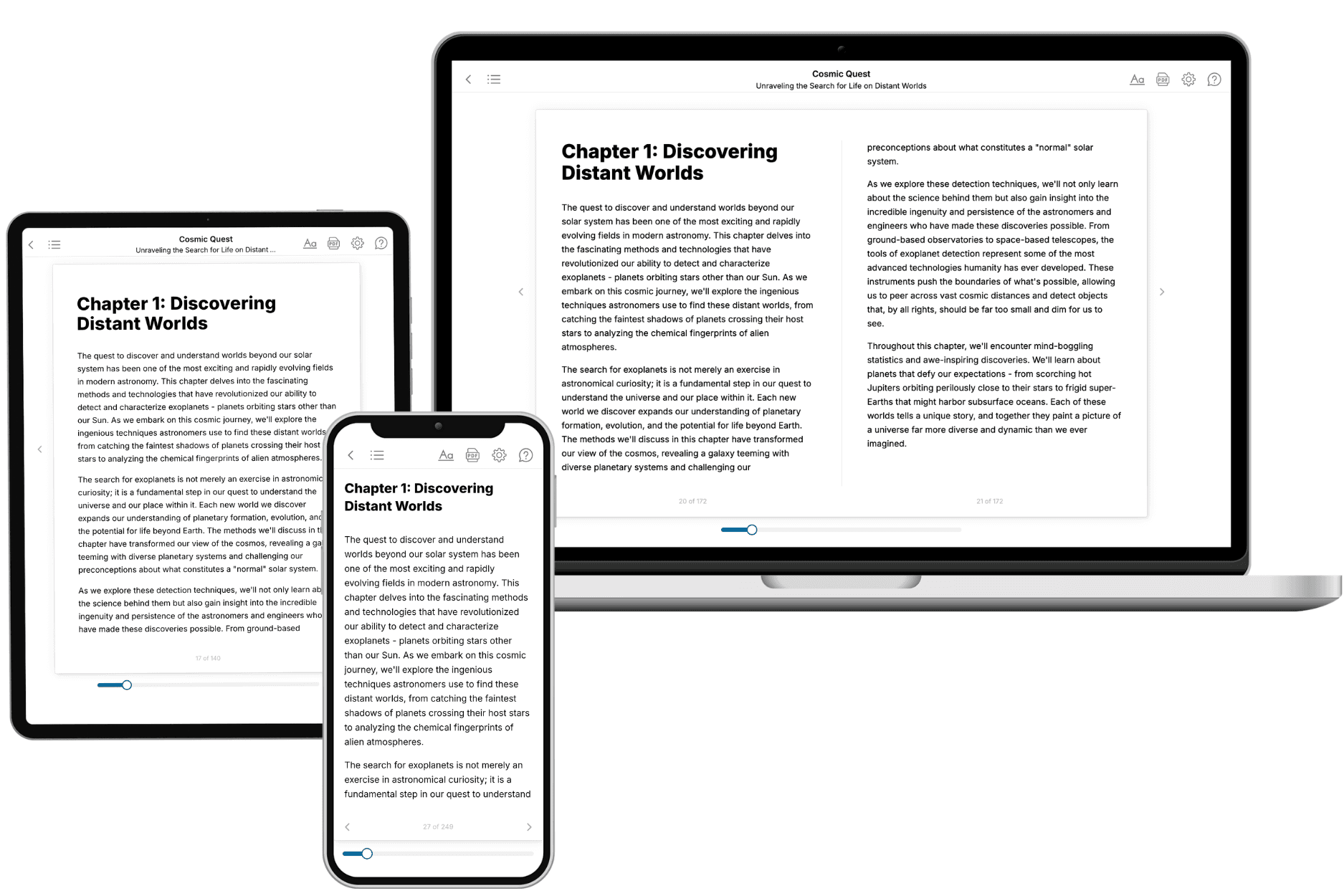
Your book is ready in 10 minutes. Read it online, download as EPUB or PDF, or send to Kindle.
Frequently asked questions
- What is TailoredRead?
TailoredRead creates complete, full-length nonfiction ebooks, written specifically for you. Tell us what you want to learn and why, and TailoredRead writes you a complete ebook on it, with charts, tables, and diagrams throughout. Read it online, on Kindle, or on any e-reader, or download it as a PDF or EPUB. Every book is written fresh the day you order it.
- How is the book tailored to me?
Before anything is written, you answer a few short questions about your goals, your background, and the topics you care about. Your book is then planned around your answers: written at your level, focused on your goals, and covering the topics you chose, instead of the one-size-fits-all book a store sells everyone.
- Will it read like generic AI content?
No. Your book isn't a chat transcript: it's planned chapter by chapter before a single word is written, told in a clear book voice, and explains ideas visually with charts, tables, and diagrams. After writing, every book goes through an editorial pass that polishes chapters so the book reads consistent from start to finish. Judge for yourself: browse thousands of sample books on our Explore Books page.
- How accurate is the content?
Our AI first checks whether your subject needs live research. Niche and fast-moving subjects are researched before writing, and the book plan and chapters are grounded in what it finds. After writing, every book goes through a quality pass that checks its facts and consistency, and researched books list their sources in a Notes section at the back.
- How long is the book?
You choose the length: Comprehensive (250-300 pages), Detailed (150-200 pages), Essential (70-100 pages), or Short (30-50 pages).
- Does the book include visuals?
Yes. Every book includes visual elements such as timelines, checklists, step-by-step guides, decision trees, comparison tables, and matrices, and many include bar charts. A typical book includes dozens of these visual elements.
- Can I read it on Kindle? What formats can I download?
Yes. Every book can be read in our online reader or downloaded as a PDF or EPUB. The EPUB can be opened with Kindle, Apple Books, Kobo, and any e-reader. The Commercial and Author licenses also include an editable Word (DOCX) and Markdown download.
- How much does it cost?
About the price of a regular ebook. The exact price depends on your book's length and complexity, from $2 for the shortest books to $35 for the most comprehensive, and it's shown when you review your book, before you commit to anything. Each book is a one-time purchase, yours to keep, no subscription. Licenses that let you share, teach, or publish your book range from $35.99 to $49.99.
- Can I preview the book before purchasing?
Before you pay, you'll see what your book will cover: the title, a detailed description, the estimated length, and the complete chapter-by-chapter table of contents, so you know what you're getting before you decide. The full text itself is written after you purchase.
- How long does it take to create a book?
About 10 minutes. You can start reading the opening chapters while the rest is still being written.