The Weimar Experiment
Germany's First Democracy and the Lessons of Its Rise and Fall
What happens when a nation attempts to build democracy from the ruins of authoritarian collapse?
284 pages16 chaptersSep 17, 2025German History
About this book
The Weimar Republic stands as one of history's most fascinating and tragic experiments in democratic governance, offering profound insights into the fragility and resilience of democratic institutions.\n\nThis comprehensive exploration takes you through Germany's tumultuous journey from 1918 to 1933, examining how a defeated empire transformed into a vibrant democracy that produced extraordinary cultural achievements while simultaneously battling economic chaos, political extremism, and social upheaval. You'll discover how hyperinflation destroyed middle-class savings, how political fragmentation paralyzed governance, and how cultural innovation flourished even as society fractured.\n\nThrough detailed analysis of key events, personalities, and decisions, you'll understand the complex interplay of factors that both enabled the republic's remarkable achievements and ultimately led to its downfall. From the revolutionary upheavals of 1918-1919 to the golden age of the mid-1920s, from the devastating impact of the Great Depression to the final collapse that opened the door to totalitarianism, this book reveals the critical lessons about democracy's requirements and vulnerabilities.\n\nBy examining the Weimar Republic's successes and failures, you'll gain invaluable insights into the conditions necessary for democratic survival and the warning signs that indicate when democratic institutions are under threat. These lessons remain strikingly relevant for understanding contemporary challenges to democratic governance worldwide.
Table of contents
- IntroductionGermany's Democratic Experiment, Historical Significance and Modern Relevance, Approach and Methodology, Timeline and Key PhasesRead below
- Chapter 1: The Collapse of Imperial GermanyWorld War I and National Exhaustion, Military Defeat and the Armistice, The Kaiser's Abdication, Political Vacuum and Competing Claims
- Chapter 2: Revolutionary Birth of the RepublicThe November Revolution of 1918, The Sailors' Revolt and Spreading Unrest, Formation of the Provisional Government, Competing Visions for Germany's Future
- Chapter 3: Early Challenges and SurvivalThe Spartacist Uprising and Left-Wing Threats, Freikorps and Right-Wing Violence, The Kapp Putsch and Military Rebellion, Political Assassinations and Extremist Violence
- Chapter 4: Constitutional Foundation and StructureThe Weimar National Assembly, Constitutional Design and Democratic Principles, Federal Structure and State Relations, Article 48 and Emergency Powers
- Chapter 5: The Versailles Treaty and Its BurdenTreaty Terms and Territorial Losses, War Guilt Clause and National Humiliation, Reparations and Economic Consequences, Political Impact and the 'Stab-in-the-Back' Myth
- Chapter 6: The Hyperinflation CrisisOrigins of Inflation and War Financing, The Ruhr Occupation and Passive Resistance, Currency Collapse and Daily Life, Social Consequences and Class Impact
- Chapter 7: Stabilization and RecoveryCurrency Reform and the Rentenmark, The Dawes Plan and International Support, Economic Recovery and American Investment, Political Stabilization and Coalition Building
- Chapter 8: The Golden Age of WeimarCultural Renaissance and Artistic Innovation, Intellectual Life and Academic Achievement, Cinema, Media, and Popular Culture, Social Progress and Modern Living
- Chapter 9: The Political LandscapeThe Multi-Party System and Fragmentation, Coalition Politics and Governance Challenges, Presidential Elections and Leadership, Parliamentary Instability and Frequent Elections
- Chapter 10: Social Tensions and Cultural ConflictsTraditional Values versus Modern Culture, Generational Divide and Youth Movements, Urban-Rural Tensions and Regional Differences, Religious and Secular Worldviews
- Chapter 11: The Rise of Extremist MovementsCommunist Party and Radical Left, Nationalist Right and Völkisch Movement, Paramilitary Groups and Street Violence, Anti-Democratic Forces and Their Appeal
- Chapter 12: International Relations and DiplomacyThe Locarno Treaties and European Integration, League of Nations Membership, Relations with Soviet Russia, Western Integration and Franco-German Relations
- Chapter 13: The Great Depression's ImpactEconomic Collapse and Mass Unemployment, Banking Crisis and Credit Contraction, Social Desperation and Political Radicalization, Government Response and Policy Failures
- Chapter 14: Presidential Cabinets and Democratic ErosionBrüning's Government and Austerity Politics, Rule by Emergency Decree, Papen's Cabinet and Conservative Reaction, Schleicher's Attempts at Stabilization
- Chapter 15: The Final Crisis and CollapseElectoral Polarization and Extremist Gains, Political Maneuvering and Backroom Deals, Democratic Breakdown and Constitutional Crisis, The End of the Republic
- Chapter 16: Lessons and LegacyDemocratic Vulnerabilities and Warning Signs, Institutional Design and Constitutional Safeguards, Economic Stability and Democratic Legitimacy, Historical Significance and Modern Relevance
- ConclusionThe Weimar Legacy, Contemporary Lessons for Democracy
Introduction
The Weimar Republic stands as one of history's most compelling and tragic experiments in democratic governance. Born from the ashes of World War I and the collapse of Imperial Germany, this first German democracy emerged in 1918 amid revolutionary chaos, economic devastation, and profound social upheaval. For fourteen tumultuous years, from 1918 to 1933, the Weimar Republic struggled to establish democratic legitimacy while confronting unprecedented challenges that would ultimately prove insurmountable. Its story offers profound insights into both the possibilities and vulnerabilities of democratic institutions, making it essential reading for anyone seeking to understand the complex dynamics that shape modern democratic societies.
What makes the Weimar Republic particularly fascinating is the stark contrast between its remarkable achievements and its ultimate failure. During its brief existence, the republic produced extraordinary cultural innovations that influenced the world, established progressive social policies that were ahead of their time, and created constitutional frameworks that would later inform democratic constitutions worldwide. Yet these same years witnessed hyperinflation that destroyed middle-class savings, political violence that claimed thousands of lives, and the gradual erosion of democratic norms that paved the way for totalitarian rule. This paradox of simultaneous success and failure makes the Weimar experience uniquely instructive for understanding how democracies can both flourish and collapse.
The lessons of the Weimar Republic extend far beyond historical curiosity. In an era when democratic institutions face renewed challenges worldwide, the Weimar experience provides crucial insights into the conditions necessary for democratic survival and the warning signs that indicate when democratic systems are under threat. By examining how economic instability, political polarization, and social fragmentation combined to undermine Germany's first democracy, we can better understand the factors that strengthen or weaken democratic governance in any context. The republic's story reveals how external pressures, constitutional weaknesses, and the failure of democratic leaders to defend their institutions can create opportunities for extremist movements to exploit democratic processes for anti-democratic ends.
Germany's Democratic Experiment
The Weimar Republic represented Germany's first genuine attempt at democratic governance, emerging from a nation with no prior experience of parliamentary democracy or popular sovereignty. Unlike established democracies that had evolved gradually over centuries, the Weimar system was created virtually overnight in the revolutionary aftermath of military defeat and imperial collapse. This sudden transition from authoritarian monarchy to democratic republic created unique challenges that would plague the system throughout its existence. The republic had to simultaneously establish new institutions, legitimize democratic processes, and address the immediate crises of defeat, revolution, and economic collapse that had precipitated its birth.
The democratic experiment began with extraordinary ambitions and progressive ideals that placed Germany at the forefront of democratic innovation. The Weimar Constitution, drafted in 1919, incorporated advanced democratic principles including universal suffrage for all citizens over twenty, proportional representation, extensive civil rights protections, and provisions for direct democracy through referendums. The constitution established a federal republic that balanced central authority with regional autonomy, created an independent judiciary, and enshrined principles of social justice that went beyond traditional liberal democracy. These constitutional innovations influenced democratic movements worldwide and established Germany as a laboratory for progressive democratic governance.
However, the experimental nature of Weimar democracy also revealed the challenges facing any new democratic system attempting to establish legitimacy in unfavorable circumstances. The republic inherited massive problems from its imperial predecessor, including:
- War debt and reparations obligations that crippled the economy
- Territorial losses and national humiliation that undermined popular support
- Administrative structures designed for authoritarian rule rather than democratic governance
- Military and judicial establishments that remained hostile to democratic values
- Social elites who viewed democracy as a temporary aberration to be overcome
The republic's founders faced the fundamental challenge of creating democratic legitimacy without the benefit of democratic traditions or widespread popular commitment to democratic values. Many Germans initially viewed the new system as imposed by defeat rather than chosen through popular will, creating what historians call a democracy without democrats.
The association of democracy with national humiliation, economic hardship, and political instability made it difficult for the republic to develop the emotional bonds between citizens and institutions that sustain democratic systems through difficult periods. This legitimacy deficit would prove crucial in understanding why the republic ultimately failed to survive the crises of the early 1930s.
Despite these challenges, the Weimar Republic achieved remarkable successes that demonstrated the potential of democratic governance even under adverse conditions. The system successfully managed the transition from war to peace, stabilized the currency after the hyperinflation crisis, integrated Germany back into the international community, and presided over a cultural renaissance that made Berlin a global center of artistic and intellectual innovation. These achievements showed that democratic institutions could function effectively and produce positive outcomes even in a society with limited democratic experience. The republic's successes make its ultimate failure all the more tragic and instructive.
The experimental character of Weimar democracy extended to its political culture, which combined traditional German political patterns with new democratic practices in often contradictory ways. Political parties retained many characteristics of the imperial era, including rigid ideological divisions, hierarchical organization, and limited willingness to compromise across party lines. Yet these same parties had to learn to operate within democratic institutions that required coalition building, parliamentary negotiation, and acceptance of electoral outcomes. This tension between old political cultures and new democratic requirements created ongoing instability that weakened the system's ability to respond effectively to crises.
Understanding the Weimar Republic as a democratic experiment helps explain both its innovations and its vulnerabilities. The republic pioneered many democratic practices that would later become standard in established democracies, including coalition governments, constitutional courts, and extensive civil rights protections. At the same time, its experimental nature meant that these innovations lacked the institutional stability and popular acceptance that comes from long democratic experience. The Weimar case thus illustrates both the possibilities for rapid democratic development and the risks inherent in attempting to establish democracy without adequate foundations in political culture and institutional experience.
Historical Significance and Modern Relevance
The historical significance of the Weimar Republic extends far beyond its role as a prelude to totalitarian rule, though that connection has often overshadowed other aspects of its importance. The republic's fourteen-year existence provides a unique case study in democratic transition, institutional design, and the complex relationships between economic stability, social cohesion, and political legitimacy. As the first major European democracy to emerge from the aftermath of World War I, Weimar Germany faced challenges that would later confront many other new democracies, making its experiences relevant for understanding democratic development worldwide. The republic's successes and failures offer insights into the conditions that enable democratic consolidation and the factors that can lead to democratic breakdown.
One of the most significant aspects of the Weimar experience was its demonstration of how quickly democratic institutions can be established and how rapidly they can also be undermined. The republic showed that formal democratic structures—constitutions, elections, parliaments, and civil rights—can be created relatively quickly even in societies without democratic traditions. However, it also revealed that these formal structures are insufficient without broader social and cultural support for democratic values. The Weimar case illustrates the crucial distinction between democratic institutions and democratic culture, showing how the absence of the latter can leave the former vulnerable to anti-democratic forces that exploit democratic processes to gain power.
The republic's economic experiences provide particularly relevant lessons for contemporary democracies facing financial crises and economic instability. The hyperinflation of 1922-1923 demonstrated how monetary collapse can destroy middle-class savings, undermine social stability, and create conditions for political extremism. Conversely, the relative prosperity of the mid-1920s showed how economic recovery can strengthen democratic legitimacy and reduce support for radical alternatives. The impact of the Great Depression after 1929 revealed how external economic shocks can overwhelm even stabilized democratic systems, particularly when they lack adequate social safety nets and effective crisis management mechanisms.
The Weimar Republic's constitutional design offers important insights into the relationship between institutional structures and democratic stability. The constitution's combination of proportional representation, a strong presidency, and emergency powers created a system that was both highly representative and potentially unstable. Key constitutional features and their consequences included:
- Proportional representation that ensured minority voices were heard but made stable majorities difficult to achieve
- A directly elected president with significant powers that could compete with parliamentary authority
- Article 48's emergency powers that allowed suspension of constitutional rights during crises
- A federal structure that balanced central and regional authority but created potential conflicts
- Extensive civil rights protections that were vulnerable to emergency suspension
The modern relevance of the Weimar experience has become increasingly apparent as established democracies face new challenges in the twenty-first century. Contemporary concerns about political polarization, the rise of extremist movements, economic inequality, and the erosion of democratic norms echo many of the problems that confronted the Weimar Republic. The republic's experience with media manipulation, the exploitation of economic grievances by radical movements, and the gradual normalization of anti-democratic rhetoric provides valuable insights for understanding similar phenomena in contemporary democracies. However, it is crucial to avoid simplistic historical analogies while still learning from the patterns and processes that the Weimar case illuminates.
The cultural and intellectual achievements of the Weimar period demonstrate that democratic societies can produce extraordinary creativity and innovation even during times of political and economic instability. The republic's contributions to art, literature, cinema, architecture, and social thought influenced global culture and established Germany as a center of modernist innovation. This cultural renaissance occurred precisely because democratic freedoms allowed for experimentation and expression that had been constrained under authoritarian rule. The Weimar example shows how democratic institutions can unleash creative energies and intellectual development, even when those same institutions face serious political challenges.
Perhaps most importantly, the Weimar Republic's ultimate collapse provides crucial lessons about the conditions necessary for democratic survival. The republic's failure was not inevitable, and understanding the specific combination of factors that led to its downfall can help identify warning signs and protective measures for other democratic systems. The Weimar case reveals how democratic breakdown typically results from the interaction of multiple crises rather than any single cause, and how the failure of democratic leaders to defend their institutions can create opportunities for anti-democratic forces to succeed. These lessons remain highly relevant for contemporary efforts to strengthen and protect democratic governance worldwide.
Approach and Methodology
This examination of the Weimar Republic employs a comprehensive analytical approach that integrates political, economic, social, and cultural perspectives to provide a complete understanding of this complex historical period. Rather than focusing solely on high politics or constitutional structures, the analysis examines how different aspects of German society interacted to shape the republic's development and ultimate fate. This multidimensional approach recognizes that democratic systems operate within broader social contexts and that their success or failure depends on factors ranging from economic conditions and cultural values to international pressures and individual leadership decisions. By examining these various dimensions simultaneously, we can better understand the complex dynamics that determined the republic's trajectory.
The methodology emphasizes the importance of understanding the Weimar Republic on its own terms rather than simply as a prelude to what followed. While the republic's collapse and its consequences cannot be ignored, this analysis focuses on understanding how contemporaries experienced and understood their situation, what choices they faced, and why they made the decisions they did. This approach helps avoid the trap of historical determinism that assumes the republic's failure was inevitable, instead examining the contingent factors and alternative possibilities that existed at various points in the republic's development. By understanding the republic as a dynamic system facing real choices and genuine uncertainties, we can better appreciate both its achievements and its vulnerabilities.
The analysis draws on multiple types of historical evidence to construct a comprehensive picture of Weimar society and politics. Primary sources including government documents, party manifestos, newspaper accounts, personal memoirs, and cultural artifacts provide insights into how contemporaries understood their situation and what they hoped to achieve. Secondary scholarship from multiple national and disciplinary perspectives helps place these primary sources in broader context and provides analytical frameworks for understanding complex historical processes. The methodology also incorporates comparative perspectives that examine how the Weimar experience relates to other cases of democratic transition and breakdown, helping to identify patterns and lessons that extend beyond the German case.
Special attention is paid to the relationship between structure and agency in shaping historical outcomes. The analysis examines both the structural constraints that limited the choices available to Weimar political actors and the ways in which individual and collective decisions shaped the republic's development. Key analytical frameworks include:
- Institutional analysis that examines how constitutional structures and political rules shaped behavior and outcomes
- Economic analysis that traces the relationship between material conditions and political developments
- Social analysis that examines how different groups experienced and responded to changing conditions
- Cultural analysis that explores how values, beliefs, and identities influenced political choices
- International analysis that considers how external factors shaped domestic developments
The chronological organization of the analysis is designed to show how the republic's challenges and responses evolved over time, while thematic chapters examine specific aspects of Weimar society and politics in greater depth. This combination of chronological and thematic approaches allows for both narrative coherence and analytical depth, showing how events unfolded while also examining the underlying patterns and processes that shaped those events. The methodology recognizes that historical understanding requires both attention to specific details and awareness of broader patterns, and that effective analysis must move between different levels of abstraction to capture the full complexity of historical experience.
Throughout the analysis, particular attention is paid to the voices and experiences of different social groups, including those who supported the republic, those who opposed it, and those who remained ambivalent about democratic governance. This inclusive approach recognizes that the Weimar Republic was experienced differently by different segments of German society, and that understanding these varied perspectives is crucial for comprehending why the republic ultimately failed to maintain sufficient popular support. The methodology also examines how different groups' interests and identities evolved over time in response to changing circumstances, showing how political coalitions and oppositions were constructed and reconstructed throughout the republic's existence.
The analytical approach emphasizes the importance of understanding both continuities and changes in German society during the Weimar period. While the republic represented a dramatic political transformation, many aspects of German society, economy, and culture showed significant continuity with the imperial period. Understanding these continuities helps explain why democratic institutions often struggled to establish deep roots in German society, while attention to changes helps explain how new possibilities and identities emerged during the republican period. This balanced approach to continuity and change provides a more nuanced understanding of the Weimar experience than approaches that emphasize either complete transformation or fundamental continuity.
Finally, the methodology incorporates explicit attention to the lessons and implications of the Weimar experience for contemporary democratic governance. While avoiding simplistic historical analogies, the analysis identifies patterns and processes from the Weimar case that remain relevant for understanding democratic development and breakdown in other contexts. This contemporary relevance is not imposed artificially on the historical material but emerges from careful analysis of how the specific Weimar experience illuminates broader questions about democratic governance, institutional design, and the relationship between democracy and social stability. The goal is to honor the historical specificity of the Weimar case while also drawing insights that can inform contemporary understanding of democratic challenges and opportunities.
Timeline and Key Phases
The Weimar Republic's fourteen-year existence can be divided into distinct phases, each characterized by different challenges, opportunities, and outcomes that shaped the overall trajectory of German democracy. Understanding these phases is crucial for comprehending how the republic's situation evolved over time and why different problems became more or less significant at various points in its development. The periodization reveals how the republic faced different types of crises in succession, from the immediate challenges of revolutionary transition through periods of relative stability to the final crisis that led to democratic collapse. Each phase built upon the previous one, creating cumulative effects that ultimately determined the republic's fate.
The Revolutionary Phase (1918-1919) marked the republic's turbulent birth amid military defeat, imperial collapse, and social revolution. This period began with the November Revolution of 1918 that overthrew the Kaiser and established a provisional government, continuing through the violent conflicts between different revolutionary factions and concluding with the adoption of the Weimar Constitution in August 1919. Key events during this phase included the Spartacist Uprising, the assassination of revolutionary leaders Rosa Luxemburg and Karl Liebknecht, and the convening of the National Assembly in Weimar. This phase established the basic institutional framework of the republic while also creating lasting divisions and resentments that would plague the system throughout its existence.
The Crisis Phase (1919-1923) encompassed the republic's struggle for survival against multiple existential threats that nearly destroyed the new democratic system. This period was characterized by political violence from both left and right-wing extremists, the burden of the Versailles Treaty and reparations payments, French occupation of the Ruhr industrial region, and the catastrophic hyperinflation that destroyed the German currency and middle-class savings. Major events included the Kapp Putsch of 1920, the assassination of Foreign Minister Walther Rathenau in 1922, separatist movements in the Rhineland, and the Beer Hall Putsch in Munich in 1923. The phase concluded with currency stabilization and the beginning of economic recovery, but left deep scars in German society and politics.
The Stabilization Phase (1924-1929) represented the republic's most successful period, often called the Golden Age
of Weimar democracy. During these years, the republic achieved relative political stability, economic recovery, and international rehabilitation while presiding over an extraordinary cultural renaissance. Key developments included:
- Currency stabilization through the introduction of the Rentenmark and later the Reichsmark
- The Dawes Plan that restructured reparations payments and brought American investment
- The Locarno Treaties that normalized relations with Western Europe
- Germany's admission to the League of Nations in 1926
- Cultural innovations in art, literature, cinema, and architecture that gained international recognition
- Social reforms that expanded welfare provisions and workers' rights
The Crisis and Collapse Phase (1929-1933) witnessed the republic's final struggle and ultimate failure as the Great Depression created economic and social conditions that overwhelmed the democratic system's capacity to respond effectively. The period began with the Wall Street Crash of October 1929 and the subsequent withdrawal of American loans that had supported German recovery. Massive unemployment, business failures, and social desperation created opportunities for extremist movements to gain popular support while undermining confidence in democratic governance. The phase was characterized by the breakdown of parliamentary government, rule by presidential decree under Article 48, and the rise of both Communist and National Socialist movements that rejected democratic values.
Within the final crisis phase, several critical developments marked the progressive breakdown of democratic governance. The collapse of the last parliamentary coalition in March 1930 led to the appointment of Heinrich Brüning as Chancellor, beginning the era of presidential cabinets that governed through emergency decrees rather than parliamentary majorities. The elections of September 1930 saw massive gains for extremist parties, particularly the National Socialists, who became the second-largest party in the Reichstag. Subsequent elections in 1932 further polarized the political system and made stable coalition government impossible, while street violence between paramilitary groups created an atmosphere of civil war.
The final months of the republic, from the appointment of Franz von Papen as Chancellor in June 1932 through the appointment of Adolf Hitler in January 1933, revealed how democratic institutions could be manipulated and undermined by political leaders who no longer believed in democratic governance. The period saw the removal of the Prussian state government, the dissolution of the Reichstag multiple times, and backroom negotiations among conservative politicians who believed they could control and use extremist movements for their own purposes. These developments culminated in Hitler's appointment as Chancellor on January 30, 1933, marking the effective end of the Weimar Republic even though the formal transition to dictatorship would take several more months to complete.
Understanding this chronological framework is essential for analyzing the republic's development because it shows how different types of challenges required different responses and how the republic's capacity to meet these challenges varied over time. The timeline reveals that the republic's failure was not inevitable but resulted from the specific combination of circumstances that emerged during the final crisis phase, when economic depression coincided with political polarization and the breakdown of democratic norms among political elites. By examining each phase in detail, we can better understand both the republic's achievements and the factors that ultimately led to its collapse, providing insights that remain relevant for understanding democratic governance in any era.
This is the end of the free sample. The full book has 16 chapters.
Want this book written for you?
Tell us your goals and background, and get your own version of this book, tailored by AI to you.


Benefits of AI-tailored books
- Read one book, not ten:
- all the German History knowledge you need, gathered into a single book.
- Save days of learning:
- tell us your goals, choose your topics, and the whole book is built around them.
- Learn effortlessly:
- German History book written for your specific background and expertise.
- Understand at a glance:
- includes charts, tables, timelines, checklists, decision trees, and more.
- Stay current:
- written the day you order it, not years ago.
- Trust what you read:
- every book is checked for accuracy, with real research when your subject needs it.
Create your unique book in 3 steps
- 1. Select your focus
Select the focus of your German History book and share your background
- 2. Personalize your book
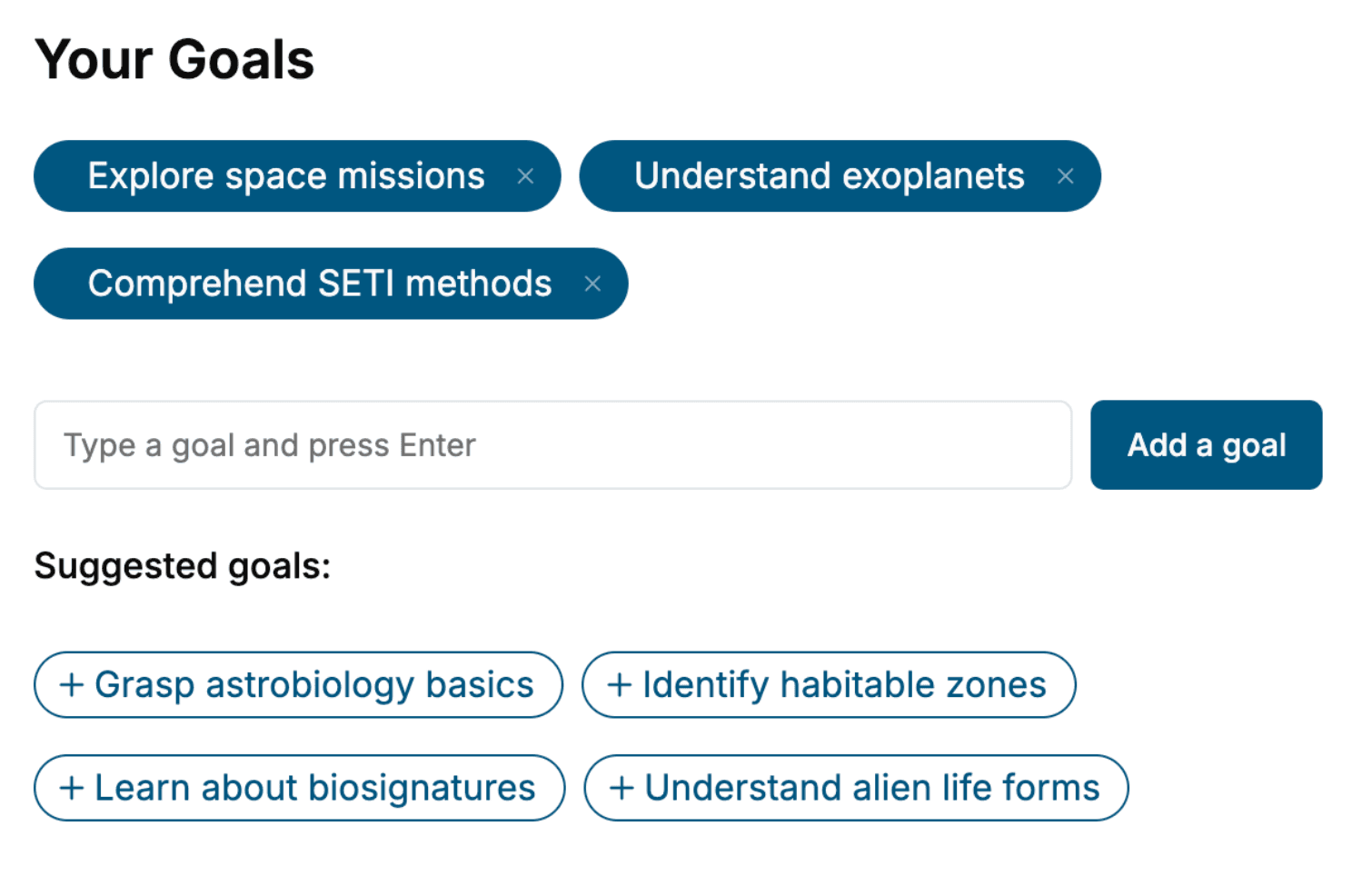
Specify your goals and choose sub-topics to include
- 3. Get your tailored book
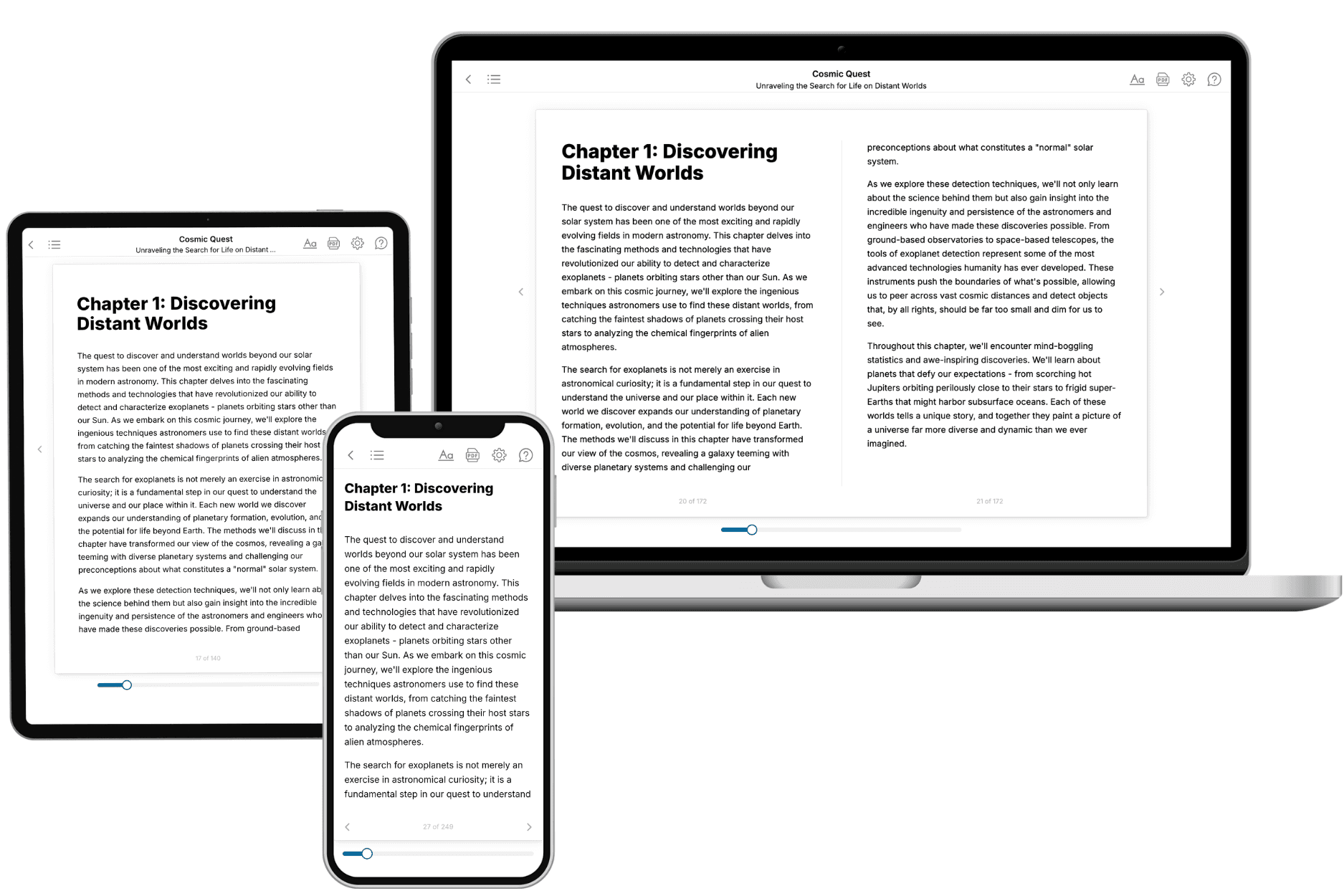
Your book is ready in 10 minutes. Read it online, download as EPUB or PDF, or send to Kindle.

Frequently asked questions
- What is TailoredRead?
TailoredRead creates complete, full-length nonfiction ebooks, written specifically for you. Tell us what you want to learn and why, and TailoredRead writes you a complete ebook on it, with charts, tables, and diagrams throughout. Read it online, on Kindle, or on any e-reader, or download it as a PDF or EPUB. Every book is written fresh the day you order it.
- How is the book tailored to me?
Before anything is written, you answer a few short questions about your goals, your background, and the topics you care about. Your book is then planned around your answers: written at your level, focused on your goals, and covering the topics you chose, instead of the one-size-fits-all book a store sells everyone.
- Will it read like generic AI content?
No. Your book isn't a chat transcript: it's planned chapter by chapter before a single word is written, told in a clear book voice, and explains ideas visually with charts, tables, and diagrams. After writing, every book goes through an editorial pass that polishes chapters so the book reads consistent from start to finish. Judge for yourself: browse thousands of sample books on our Explore Books page.
- How accurate is the content?
Our AI first checks whether your subject needs live research. Niche and fast-moving subjects are researched before writing, and the book plan and chapters are grounded in what it finds. After writing, every book goes through a quality pass that checks its facts and consistency, and researched books list their sources in a Notes section at the back.
- How long is the book?
You choose the length: Comprehensive (250-300 pages), Detailed (150-200 pages), Essential (70-100 pages), or Short (30-50 pages).
- Does the book include visuals?
Yes. Every book includes visual elements such as timelines, checklists, step-by-step guides, decision trees, comparison tables, and matrices, and many include bar charts. A typical book includes dozens of these visual elements.
- Can I read it on Kindle? What formats can I download?
Yes. Every book can be read in our online reader or downloaded as a PDF or EPUB. The EPUB can be opened with Kindle, Apple Books, Kobo, and any e-reader. The Commercial and Author licenses also include an editable Word (DOCX) and Markdown download.
- How much does it cost?
About the price of a regular ebook. The exact price depends on your book's length and complexity, from $2 for the shortest books to $35 for the most comprehensive, and it's shown when you review your book, before you commit to anything. Each book is a one-time purchase, yours to keep, no subscription. Licenses that let you share, teach, or publish your book range from $35.99 to $49.99.
- Can I preview the book before purchasing?
Before you pay, you'll see what your book will cover: the title, a detailed description, the estimated length, and the complete chapter-by-chapter table of contents, so you know what you're getting before you decide. The full text itself is written after you purchase.
- How long does it take to create a book?
About 10 minutes. You can start reading the opening chapters while the rest is still being written.