Capitalism Books
Explore tailored Capitalism books created by our AI
Marx and the Modern World
Understanding Marxist Theory Through History and Ideas
Gain a sophisticated understanding of one of history's most influential and misunderstood thinkers. This book cuts through ideological debates to explore Marxist theory as a crucial intellectual tradition that shaped the modern world. You'll discover how Marx's analysis of capitalism emerged from 19th-century conditions, learn the core concepts that define his work, and understand how his ideas were transformed through history. Rather than advocating for or against Marxism, this book equips you with the analytical tools to engage critically with Marx's arguments and their real-world applications. Whether you're studying history, political science, economics, or simply seeking to understand the ideological currents that shaped the 20th century, you'll find clear explanations of complex ideas, historical context that brings theory to life, and balanced perspectives on Marx's enduring relevance. Perfect for anyone wanting to move beyond caricatures and engage seriously with one of humanity's most consequential intellectual legacies.
Discover how a remote ridge in Central Pennsylvania became the epicenter of an industrial empire that transformed American steel production. Orviston Ridge reveals the complete story of clay mining, fire brick manufacturing, and the intricate systems of corporate control that bound thousands of workers to a single company's interests. From the geological surveys that identified valuable clay deposits to the mechanized extraction processes, from the innovative kiln technologies that produced fire bricks to the railroad networks that delivered them to steel mills across Pennsylvania, this book traces the entire industrial ecosystem. More importantly, it exposes how the company town system—encompassing worker housing, company stores, wage systems, and surveillance—created an all-encompassing control mechanism that left workers with virtually no escape. Through detailed examination of labor practices, immigrant recruitment, child labor, occupational hazards, and systematic denial of accident compensation, you'll understand how industrial capitalism functioned at ground level. The narrative culminates in the post-1950s decline, revealing how corporations abandoned communities once profitability waned, leaving environmental devastation and economic collapse in their wake. This is essential reading for understanding how American industrial development was built on systematic labor exploitation and resource extraction.
The Gilded Age promised opportunity and progress, yet it was built on a foundation of deception, corruption, and violence. The robber barons who dominated this era—Rockefeller, Carnegie, Vanderbilt, and others—didn't simply outcompete their rivals; they systematically destroyed them through predatory practices, bribery, and intimidation. This book examines how these titans accumulated unprecedented wealth by manipulating markets, corrupting government officials, and exploiting millions of workers. You'll discover how monopoly consolidation tactics eliminated competition, how political corruption became standard business practice, and how the wealthy crafted narratives to justify their greed while concealing their crimes. By analyzing the economic structures, ethical failures, and power dynamics of this pivotal era, you'll gain critical insight into how modern capitalism inherited its most troubling characteristics. This is essential reading for understanding the historical origins of wealth inequality and the ongoing tension between corporate interests and public welfare.
Marxist Economics Explained
Understanding Labor, Capital, and Class in Modern Society
Many people dismiss Marxist economics as outdated ideology without understanding its core analytical framework. Yet Marx's insights into how capitalism generates wealth, concentrates power, and creates inequality remain strikingly relevant to understanding modern economies. This book cuts through the political rhetoric to explore what Marxist economics actually says about labor, capital, and class struggle. You'll discover how concepts like surplus value and dialectical materialism provide powerful tools for analyzing contemporary capitalism—from wage stagnation and wealth inequality to financial crises and corporate power. Whether you're skeptical or curious, this guide presents Marxist economic theory clearly and rigorously, examining both its explanatory power and its limitations. By the end, you'll understand the fundamental arguments, evaluate them critically, and form your own informed perspective on one of history's most influential economic theories.
The Wealth of Ideas
Adam Smith and the Scottish Enlightenment
Embark on a captivating journey through the life and times of Adam Smith, the father of modern economics and a key figure in the Scottish Enlightenment. "The Wealth of Ideas: Adam Smith and the Scottish Enlightenment" offers a fresh perspective on this influential thinker, weaving together his personal story with the intellectual and cultural landscape of 18th-century Scotland. Discover how Smith's upbringing in Kirkcaldy and his years at the University of Glasgow shaped his worldview and set the stage for his groundbreaking ideas. Explore the friendships and intellectual exchanges that influenced his work, from his close relationship with David Hume to his interactions with other luminaries of the Scottish Enlightenment. Delve deep into Smith's most famous works, "The Theory of Moral Sentiments" and "The Wealth of Nations," and uncover how these seminal texts continue to shape our understanding of economics, ethics, and human nature. This book not only illuminates Smith's contributions to economic theory but also examines his lesser-known writings on subjects ranging from astronomy to rhetoric, revealing the true breadth of his intellectual pursuits. "The Wealth of Ideas" brings Adam Smith to life as a man of his time while demonstrating the enduring relevance of his ideas in our modern world. Whether you're a student of economics, a history enthusiast, or simply curious about one of Scotland's most influential sons, this book offers a rich and rewarding exploration of Adam Smith's life, legacy, and the vibrant intellectual culture that produced him.
Socialism and Feminism
Building Movements for Economic Justice and Gender Equality
Many people struggle to understand how economic systems and gender oppression connect, treating them as separate issues rather than interconnected forces shaping society. This book bridges that gap by exploring the profound relationship between socialism and feminism—two movements that have historically challenged power and inequality. You'll discover how feminist theory has transformed socialist thought, why economic justice is inseparable from gender liberation, and how contemporary movements are integrating these perspectives. Through historical analysis, theoretical frameworks, and real-world examples, this book demonstrates that addressing inequality requires understanding both capitalist structures and patriarchal systems. Whether you're new to these ideas or seeking deeper insight, you'll gain practical knowledge about how socialist and feminist principles can inform strategies for meaningful social change in today's world.
Discover how humanity's understanding of economics developed from ancient barter systems to today's complex global markets. This book traces the fascinating journey of economic thought, showing you how great thinkers—from Aristotle to Adam Smith to John Maynard Keynes—grappled with fundamental questions about value, trade, and prosperity. You'll learn why mercantilists believed in hoarding gold, how the Industrial Revolution sparked new economic theories, and what caused economists to fundamentally rethink their assumptions during the Great Depression. By understanding where economic ideas came from, you'll gain deeper insight into contemporary economic debates and policy decisions. This accessible exploration reveals the human stories behind economic theories, the real-world crises that prompted new thinking, and the ongoing evolution of economic science. Whether you're interested in history, science, or understanding the economic forces shaping our world, this book provides the context you need to think critically about economic claims and policies.
The Power of Systems
How Economic and Political Forces Shape Society and Your Life
You're about to discover how the invisible forces of politics and economics shape everything from your job prospects to global conflicts. This book pulls back the curtain on political economy—the study of how power, money, and institutions interact to create the world we live in. Rather than treating politics and economics as separate domains, you'll learn how they're fundamentally intertwined, with political decisions determining economic rules and economic power influencing political outcomes. Through clear explanations and real-world examples, you'll explore different economic systems, understand how institutions function as the machinery of society, and recognize the power dynamics embedded in everyday transactions and policies. You'll examine how globalization, technology, and finance have reshaped political-economic relationships, and discover how ordinary people can influence these systems through collective action. By the end, you'll possess a sophisticated framework for analyzing current events, evaluating policy proposals, and understanding your place within larger economic and political structures.
What separates Marx's theoretical vision from the totalitarian regimes that claimed to implement it? This comprehensive exploration examines communism not as a monolithic ideology but as a complex intellectual tradition with profound historical consequences. Drawing on your legal and sociological background, this book provides rigorous analysis of communism's philosophical foundations, tracing how dialectical materialism shaped revolutionary movements and state structures across the globe. You'll examine the Soviet Union's rise and collapse, analyze how communist constitutions attempted to institutionalize revolutionary ideals, and evaluate the gap between theory and practice. Through critical examination of key thinkers—Marx, Lenin, Stalin, and Gramsci—and their influence on Cold War politics, you'll develop sophisticated frameworks for understanding how ideology translates into policy, law, and human experience. This is not advocacy or condemnation, but intellectual mastery of one of history's most consequential political movements.
Classical Liberalism
The Timeless Philosophy of Individual Liberty and Limited Government
Discover the philosophical foundations that shaped modern democracy, free markets, and individual rights. Classical liberalism stands as one of history's most influential political philosophies, yet many people misunderstand its core principles or conflate it with modern political movements. This book cuts through the confusion to reveal what classical liberals actually believe and why their ideas matter today. You'll explore the historical origins of classical liberalism through the works of Locke, Smith, and Mill, understand its fundamental principles of individual liberty and limited government, and examine how these ideas have been applied—and challenged—in the real world. Whether you're interested in political theory, economics, or simply understanding the ideological foundations of Western democracy, this comprehensive guide provides the clarity and context you need to engage meaningfully with one of history's most consequential political movements.
Navigate the complex landscape of critical theory and discover how philosophical inquiry can reshape your understanding of society. This book guides you through the essential concepts, historical movements, and thinkers that have fundamentally challenged how we understand power, culture, and meaning. You'll explore the Frankfurt School's groundbreaking analysis of ideology and mass culture, encounter poststructuralist challenges to fixed meaning, and examine how critical theory illuminates contemporary issues from media manipulation to social inequality. Rather than treating critical theory as abstract academic jargon, this book demonstrates its practical relevance to everyday life—showing how these ideas help you recognize hidden power dynamics, question dominant narratives, and think more deeply about the systems shaping society. By the end, you'll possess a coherent framework for engaging with critical theory's major schools, understanding their debates, and applying these insights to analyze the world around you with greater sophistication and awareness.
The Transatlantic Slave Trade
How Commerce, Ideology, and Resistance Shaped the Modern World
What if the wealth that built the modern world was constructed on the suffering of millions? The transatlantic slave trade stands as one of history's most consequential yet often misunderstood phenomena. This book examines how a commercial enterprise that forcibly transported over 12 million Africans across the Atlantic fundamentally transformed global economics, politics, and society. You'll discover the intricate networks of merchants, financiers, and planters who profited from human bondage, the sophisticated resistance strategies employed by enslaved people, and how the ideologies created to justify slavery continue to shape our world today. By exploring the trade's origins in 15th-century Portugal, its explosive growth in the 18th century, and its eventual abolition, you'll gain critical insight into how historical injustices created the inequalities we see today. This is not merely a story of the past—it's essential context for understanding contemporary global power dynamics and the ongoing work of racial justice.
Related books you may like:
Imagine launching a blockchain game that players genuinely want to play—not because of token rewards, but because the gameplay is compelling, the economy is sustainable, and the community thrives. This is the reality of blockchain gaming in 2026. This book cuts through the hype and speculation to show you how the industry has evolved from the 2022 GameFi crash into a mature, gameplay-first sector. You'll learn how to design tokenomics that actually work, architect smart contracts that scale, and integrate blockchain mechanics so seamlessly that players never think about wallets or gas fees. Whether you're a game developer exploring Web3 integration, a software engineer building blockchain infrastructure, or an entrepreneur launching your first blockchain game, you'll discover practical frameworks for sustainable economies, player retention strategies, and the technical architecture that powers today's successful blockchain games. Grounded in real-world examples from studios like Big Time, Axie Infinity, and emerging AAA entries, this book provides the knowledge you need to build games that last.
What if you could identify your most promising prospects before they even realize they're ready to buy? In today's competitive insurance market, the difference between thriving advisors and struggling ones isn't luck—it's data. AI tools have fundamentally changed how top-performing insurance professionals qualify leads, predict close probability, and convert prospects into clients. This book reveals the exact strategies, tools, and workflows that leading life insurance advisors use to increase conversion rates and productivity. You'll discover how predictive analytics identifies high-potential prospects, how conversation intelligence coaches you to close more deals, and how workflow automation reclaims hours of your week. Whether you're managing a small book of business or leading a team, you'll learn to build a modern GTM tech stack that turns data into revenue. The insurance industry is shifting—and the advisors who master AI-powered lead qualification will dominate their markets.
Master the intricacies of blockchain technology and revolutionize your data engineering practices. This comprehensive guide takes you on a deep dive into the world of blockchain, unraveling its complex architecture and showcasing its transformative potential in business landscapes. You'll gain a solid understanding of blockchain's fundamental principles and explore its practical applications across various industries. Discover the most powerful blockchain platforms available today and learn how to leverage them effectively in your projects. As artificial intelligence continues to reshape the tech landscape, this book bridges the gap between blockchain and AI, revealing innovative ways to combine these cutting-edge technologies. By the end of your reading journey, you'll be equipped with the knowledge and skills to implement blockchain solutions, optimize data processes, and drive technological innovation in your organization.
Discover how blockchain technology works beneath the surface and why it matters far beyond cryptocurrency. This book takes you through the fundamental principles that make blockchain systems secure and trustworthy, explaining the cryptographic foundations, consensus mechanisms, and distributed architecture that enable decentralized networks to function without intermediaries. You'll explore how smart contracts automate complex agreements, examine real-world applications transforming industries from supply chain to healthcare, and understand the genuine challenges the technology faces today. Whether you're curious about the technical architecture, interested in practical implementations, or concerned about scalability and environmental impact, this guide provides the knowledge you need to understand blockchain's role in shaping the future of digital systems. By the end, you'll have a clear grasp of what blockchain can and cannot do, and how it's being applied to solve real-world problems across multiple sectors.
Navigate the practical landscape of blockchain technology with a clear-eyed approach to real-world implementation. This guide moves beyond theoretical concepts to show you how organizations are actually deploying blockchain solutions across supply chains, financial systems, healthcare networks, and governance structures. You'll discover the methodologies that separate successful projects from failed experiments, including how to evaluate blockchain platforms, design smart contracts that work reliably, manage organizational change, and ensure compliance with regulatory requirements. Whether you're assessing blockchain's fit for your organization, leading an implementation team, or optimizing existing systems, this book provides the frameworks, case studies, and practical strategies you need to make informed decisions and execute effectively. Learn from real implementations, understand the trade-offs between different approaches, and develop the expertise to guide your organization through blockchain adoption with confidence.
Create a Capitalism Book Tailored to You
Create an AI-crafted book tailored to your goals, interests, and background





Benefits of AI-tailored books
- Read one book, not ten:
- all the Capitalism knowledge you need, gathered into a single book.
- Save days of learning:
- tell us your goals, choose your topics, and the whole book is built around them.
- Learn effortlessly:
- Capitalism book written for your specific background and expertise.
- Understand at a glance:
- includes charts, tables, timelines, checklists, decision trees, and more.
- Stay current:
- written the day you order it, not years ago.
- Trust what you read:
- every book is checked for accuracy, with real research when your subject needs it.
Create your unique book in 3 steps
- 1. Select your focus
Select the focus of your Capitalism book and share your background
- 2. Personalize your book
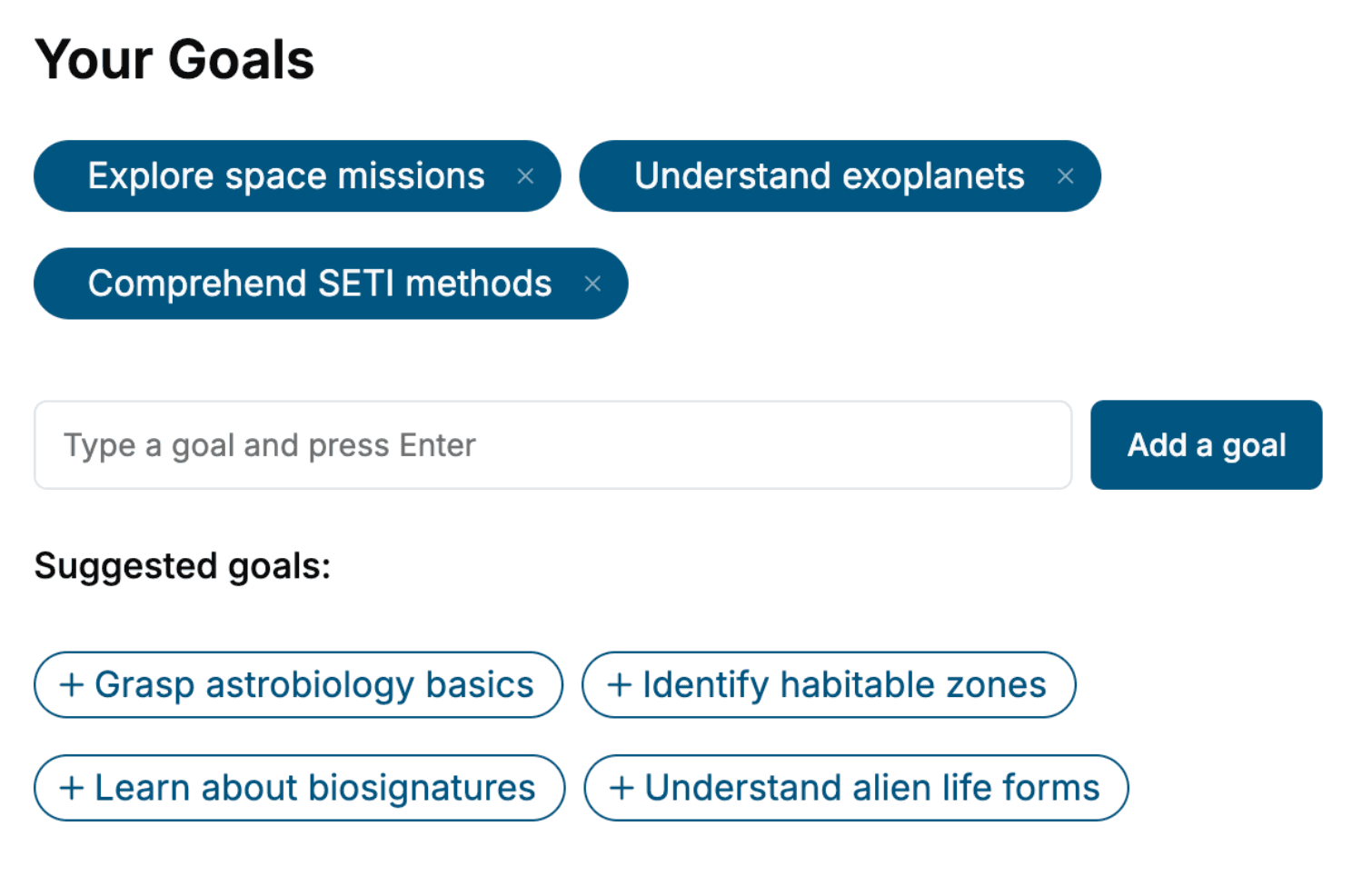
Specify your goals and choose sub-topics to include
- 3. Get your tailored book
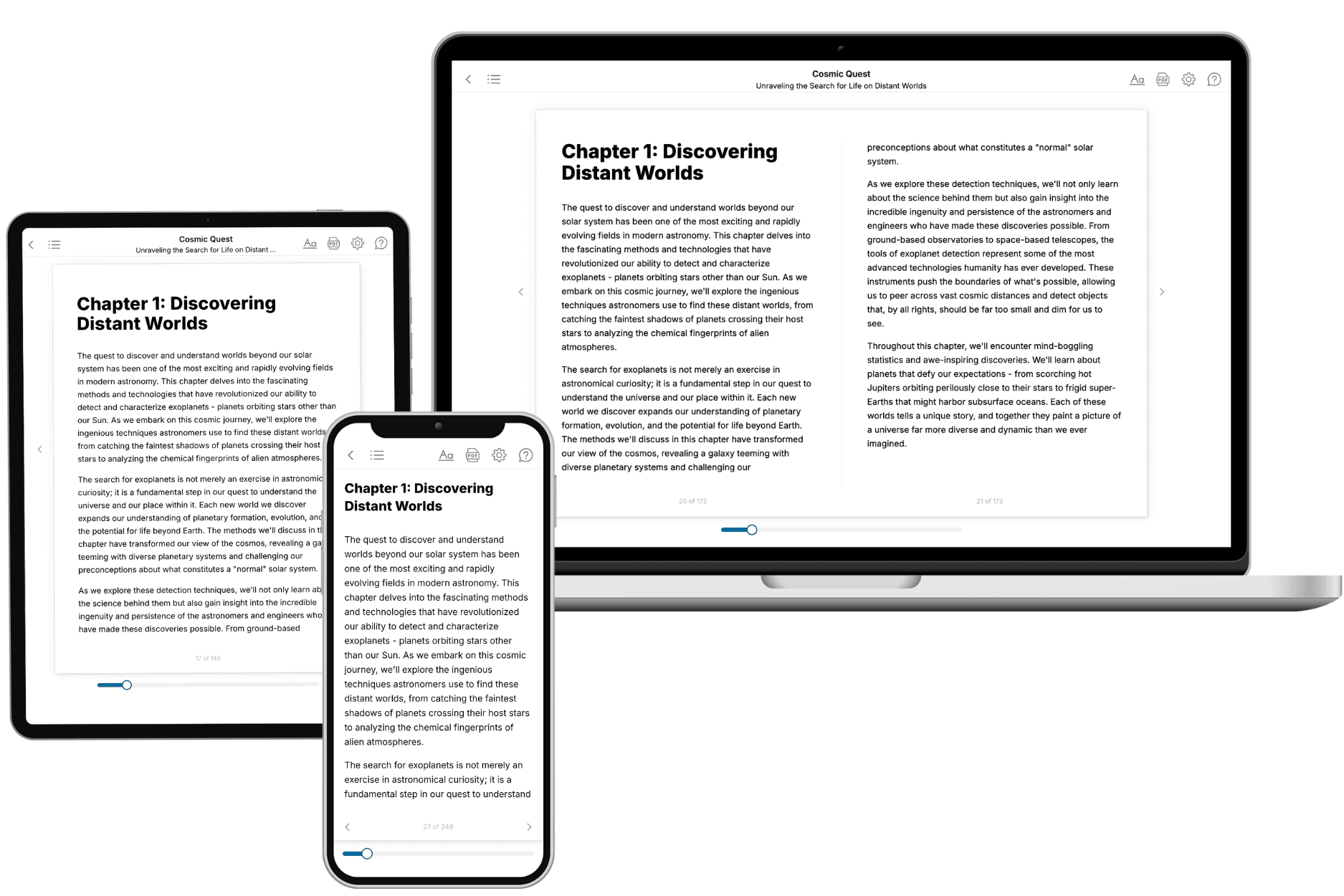
Your book is ready in 10 minutes. Read it online, download as EPUB or PDF, or send to Kindle.

Start from a template
Frequently asked questions
- What is TailoredRead?
TailoredRead creates complete, full-length nonfiction ebooks, written specifically for you. Tell us what you want to learn and why, and TailoredRead writes you a complete ebook on it, with charts, tables, and diagrams throughout. Read it online, on Kindle, or on any e-reader, or download it as a PDF or EPUB. Every book is written fresh the day you order it.
- How is the book tailored to me?
Before anything is written, you answer a few short questions about your goals, your background, and the topics you care about. Your book is then planned around your answers: written at your level, focused on your goals, and covering the topics you chose, instead of the one-size-fits-all book a store sells everyone.
- Will it read like generic AI content?
No. Your book isn't a chat transcript: it's planned chapter by chapter before a single word is written, told in a clear book voice, and explains ideas visually with charts, tables, and diagrams. After writing, every book goes through an editorial pass that polishes chapters so the book reads consistent from start to finish. Judge for yourself: browse thousands of sample books on our Explore Books page.
- How accurate is the content?
Our AI first checks whether your subject needs live research. Niche and fast-moving subjects are researched before writing, and the book plan and chapters are grounded in what it finds. After writing, every book goes through a quality pass that checks its facts and consistency, and researched books list their sources in a Notes section at the back.
- How long is the book?
You choose the length: Comprehensive (250-300 pages), Detailed (150-200 pages), Essential (70-100 pages), or Short (30-50 pages).
- Does the book include visuals?
Yes. Every book includes charts, tables, and diagrams: timelines, checklists, step-by-step guides, decision trees, comparison tables, matrices, and bar charts. A typical book includes dozens of these visual elements.
- Can I read it on Kindle? What formats can I download?
Yes. Every book can be read in our online reader or downloaded as a PDF or EPUB. The EPUB can be opened with Kindle, Apple Books, Kobo, and any e-reader. The Commercial and Author licenses also include an editable Word (DOCX) and Markdown download.
- How much does it cost?
About the price of a regular ebook. The exact price depends on your book's length and complexity, from $2 for the shortest books to $35 for the most comprehensive, and it's shown when you review your book, before you commit to anything. Each book is a one-time purchase, yours to keep, no subscription. Licenses that let you share, teach, or publish your book range from $35.99 to $49.99.
- Can I preview the book before purchasing?
Before you pay, you'll see what your book will cover: the title, a detailed description, the estimated length, and the complete chapter-by-chapter table of contents, so you know what you're getting before you decide. The full text itself is written after you purchase.
- How long does it take to create a book?
About 10 minutes. You can start reading the opening chapters while the rest is still being written.