Six Sigma Books
Explore tailored Six Sigma books created by our AI
Many organizations invest heavily in Six Sigma training only to see improvements fade within months. The problem isn't the methodology—it's the gap between understanding Six Sigma concepts and actually implementing them effectively in real manufacturing environments. This book bridges that gap by providing a practical, comprehensive guide to Six Sigma methodology within the context of Total Quality Management. You'll learn how to structure improvement projects using the DMAIC framework, master the statistical tools that drive decision-making, and navigate the organizational challenges that determine success or failure. Whether you're preparing for belt certification, leading improvement initiatives, or simply wanting to deepen your quality management expertise, this book equips you with actionable strategies, real-world examples, and proven techniques. Discover how to identify high-impact projects, build data-driven cases for change, and sustain improvements long-term. Transform your approach to manufacturing quality and position yourself as a trusted improvement leader in your organization.
Many manufacturers believe that improving quality and reducing costs requires expensive equipment upgrades or complete process overhauls. In reality, the answer often lies in understanding how your existing process variables interact and influence outcomes. Design of Experiments (DOE) is a powerful statistical methodology that transforms manufacturing improvement from guesswork into science. This book provides a practical, hands-on guide to applying DOE within Total Quality Management frameworks. You'll learn how to systematically identify the factors that matter most, design efficient experiments that respect real-world constraints, and extract actionable insights from data. Whether you're optimizing production parameters, reducing defect rates, or improving consistency, this book equips you with proven techniques used by leading manufacturers worldwide. Through clear explanations, practical examples, and step-by-step guidance, you'll master the tools and mindset needed to make data-driven decisions that deliver measurable results.
Most organizations treat quality control as a final checkpoint before products reach customers. This approach is expensive, reactive, and often too late. The reality is that quality must be built into every stage of operations—from supplier selection through production to delivery. This book reveals how leading organizations embed quality into their DNA through proven methodologies and systematic approaches. You'll discover how statistical process control, root cause analysis, and continuous improvement frameworks work together to prevent defects rather than simply detect them. Whether you're managing manufacturing operations, service delivery, or complex supply chains, these methodologies apply directly to your challenges. You'll learn practical techniques for implementing quality systems that actually stick, building teams that care about quality, and using data to make smarter decisions. This isn't theoretical—it's based on methodologies that have transformed operations across industries. By the end, you'll have a clear roadmap for establishing quality control practices that reduce costs, improve customer satisfaction, and create competitive advantage.
The Quality Imperative
Building Systems That Drive Excellence and Organizational Success
Many leaders struggle with quality assurance because they view it as a compliance checkbox rather than a strategic advantage. This leaves organizations vulnerable to costly defects, customer dissatisfaction, and missed opportunities for improvement. This book reframes quality assurance and control as essential leadership disciplines that directly impact profitability, reputation, and growth. You'll discover how to build quality systems that work proactively rather than reactively, establish meaningful metrics that align with business goals, and create a culture where quality excellence becomes embedded in daily operations. Through practical frameworks, real-world examples, and actionable strategies, you'll learn to implement quality control processes that prevent problems, reduce waste, and drive continuous improvement. Whether you're establishing quality systems from scratch or enhancing existing ones, this guide provides the leadership perspective and practical tools needed to make quality a competitive differentiator in your organization.
Most manufacturing teams believe that experience and intuition are enough to solve operational problems effectively. This assumption leads to recurring issues, wasted resources, and missed improvement opportunities that could transform your operations. The reality is that systematic problem-solving methodologies consistently outperform ad-hoc approaches, delivering faster resolution times, more sustainable solutions, and measurable improvements to your bottom line. Whether you're dealing with quality defects, equipment failures, process inefficiencies, or workflow bottlenecks, the right methodology can mean the difference between temporary fixes and permanent solutions. This comprehensive guide presents battle-tested problem-solving frameworks specifically designed for manufacturing environments. You'll discover how to identify root causes with precision, implement data-driven solutions, and build a culture of continuous improvement that prevents problems before they occur. From lean problem-solving techniques to advanced statistical methods, each methodology is presented with real-world applications, practical tools, and step-by-step implementation guidance. You'll learn to move beyond firefighting mode and develop the systematic thinking skills that separate high-performing manufacturing operations from the rest. With proven methodologies, visual management tools, and measurement systems, you'll transform how your team approaches challenges and drives sustainable operational excellence.
The TQM Playbook
Building a Culture of Continuous Improvement and Operational Excellence
Achieve operational excellence and sustainable competitive advantage by implementing Total Quality Management as a comprehensive business strategy. This book moves beyond quality as a department function to show you how TQM becomes the operating system of your entire organization. You'll discover how to build a culture where continuous improvement is embedded in daily work, where employees at all levels are empowered to identify and solve problems, and where customer focus drives every decision. Learn the proven methodologies—from process mapping and statistical analysis to lean principles and Six Sigma—and understand how to adapt them to your specific context. Whether you're launching a TQM initiative from scratch or revitalizing an existing program, you'll find practical frameworks, real-world examples, and step-by-step guidance for overcoming common implementation challenges. This book equips you with the strategic mindset and tactical tools needed to transform your organization into one that consistently delivers quality, efficiency, and innovation.
FMEA Mastery
The Complete Guide to Failure Mode and Effects Analysis in Modern Manufacturing
Reduce costly failures and operational disruptions by mastering Failure Mode and Effects Analysis. This practical guide equips you with proven methodologies to systematically identify potential failures in your manufacturing processes before they impact production or customers. You'll learn how to conduct thorough FMEA studies, calculate risk priorities, and implement targeted corrective actions that deliver measurable results. Through real-world examples and step-by-step frameworks, discover how leading manufacturers use FMEA to enhance product quality, optimize resource allocation, and build organizational resilience. Whether you're implementing FMEA for the first time or refining existing programs, this book provides the tools, templates, and insights needed to transform your approach to risk management and establish a culture of prevention that drives continuous improvement across your operations.
Many organizations believe that quality is expensive and slows down production. The Toyota Production System proves the opposite: quality and efficiency are inseparable when you eliminate waste and engage your entire workforce in continuous improvement. This book reveals how Toyota transformed manufacturing through Total Quality Management principles that have become the gold standard across industries. You'll discover the philosophical foundations that make TQM work, learn practical tools like kaizen, 5S, and statistical process control, and understand how to build a culture where every employee contributes to quality. Whether you're managing a production floor, overseeing operations, or driving organizational change, you'll gain actionable strategies to reduce defects, cut costs, and create products that exceed customer expectations. This is not theoretical—these are proven methods that have delivered results for decades.
Transform your manufacturing operations by mastering the design and deployment of AI agent systems that deliver measurable improvements in efficiency, quality, and sustainability. This comprehensive guide equips you with the frameworks, architectures, and practical methodologies to implement autonomous agents that work alongside your teams to optimize processes, ensure compliance, and drive continuous improvement. Drawing on real-world applications across automotive, food processing, and advanced manufacturing, you'll learn how to orchestrate multi-agent systems that integrate lean six sigma principles with AI-driven automation. Discover how quality verification agents monitor operations against approved procedures while process improvement agents simultaneously optimize for time, material consumption, and quality. Understand the digital transformation roadmap required to achieve Industry 5.0 compliance and circular economy practices. Whether you're scaling innovation solutions, accelerating digital transformation, or advancing sustainable manufacturing practices, this book provides the strategic insights and technical knowledge to implement AI agents that augment human expertise and deliver lasting competitive advantage.
Most manufacturing problems don't happen once—they happen repeatedly. You fix a quality issue, it returns three months later. You solve a production delay, another bottleneck emerges. The frustrating cycle continues because you're treating symptoms, not causes. Root cause analysis is the systematic approach that breaks this cycle by identifying why problems actually occur, not just what went wrong. This book teaches you proven methods used by leading manufacturers to dig beneath surface-level explanations and uncover the real drivers of defects, delays, and inefficiencies. You'll learn how to apply techniques like the 5 Why method, fishbone diagrams, and fault tree analysis within your production environment. More importantly, you'll discover how to trace problems through your entire production flow to understand how issues propagate and interact. With practical frameworks and real-world examples, this guide equips you to lead investigations that produce lasting solutions rather than temporary fixes.
Most manufacturing facilities operate with machines grouped by type—all lathes together, all mills together—creating long lead times, excessive inventory, and constant firefighting. Cellular manufacturing offers a fundamentally different approach: organizing production around product families so work flows smoothly from raw material to finished goods. This book shows you how to design and implement cellular manufacturing systems using proven Toyota Production System principles. You'll learn how to analyze your products and processes, calculate the right cell configurations, balance workloads, and train teams to operate effectively within cells. Whether you're managing a small job shop or a large facility, you'll discover practical strategies for reducing lead times, cutting inventory, improving quality, and engaging your workforce. This is not theoretical—every concept is grounded in real manufacturing experience and proven results.
Discover how a revolutionary approach to work transformed factories, businesses, and entire economies. Scientific management principles fundamentally changed the way humans organize labor, measure productivity, and structure organizations—and their influence extends far beyond the factory floor into your workplace today. This book traces the origins of scientific management from industrial chaos to systematic efficiency, exploring how pioneers like Frederick Taylor developed methods that would reshape global business. You'll understand the mechanics of time-and-motion studies, standardization, and process optimization that became the blueprint for modern management. More importantly, you'll see how these principles created both remarkable productivity gains and significant social tensions that continue to influence workplace culture. By examining real historical examples and their consequences, you'll gain insight into why your workplace operates the way it does, how efficiency metrics shape decision-making, and what trade-offs between productivity and worker satisfaction really mean. Whether you're interested in business history, management philosophy, or understanding the forces that shaped the modern world, this exploration of scientific management provides essential context for contemporary work life.
FMEA Essentials
Master Failure Mode and Effects Analysis for Robust Machine Design
Most engineers assume their designs will work as intended—until they don't. Failures in the field are expensive, dangerous, and often preventable. Failure Mode and Effects Analysis (FMEA) is the systematic approach that separates robust designs from problematic ones, yet many practitioners apply it superficially or inconsistently. This book cuts through the complexity to show you exactly how to conduct meaningful FMEA in machine design. You'll learn to identify potential failure modes before production, assess their real-world impact, prioritize corrective actions strategically, and build failure prevention into your design process. Whether you're designing mechanical assemblies, optimizing existing systems, or leading cross-functional teams, this guide provides practical frameworks, real-world examples, and actionable techniques. Master FMEA and transform how your organization approaches design reliability, reduces costly recalls, and delivers products your customers can trust.
Imagine a manufacturing floor where every worker has the authority and knowledge to solve problems immediately, where decisions happen at the point of work rather than waiting for management approval, and where continuous improvement becomes everyone's responsibility. This is the power of distributed control systems in action. In modern manufacturing, centralized decision-making creates bottlenecks, delays quality responses, and wastes the expertise of your frontline workforce. Distributed control systems—the backbone of the Toyota Production System—flip this model on its head. By pushing decision-making authority to workers closest to the problems, you unlock faster problem-solving, higher quality, and genuine employee engagement. This book reveals how to design and implement distributed control systems that work in real manufacturing environments. You'll discover the specific practices, technologies, and cultural shifts needed to empower your teams while maintaining organizational alignment. Whether you're managing a single production line or an entire facility, these principles will help you build a more responsive, efficient, and human-centered manufacturing operation.
Navigate the transformation of your hospital's meal service from volume-driven operations to value-centered delivery. This guide shows you how to apply Toyota's 2025 Production System innovations—originally developed for manufacturing—to healthcare food service operations. You'll discover how to integrate Lean 4.0 principles with digital technologies like IoT, AI, and digital twins to create a system where meals are prepared exactly when patients want to eat, waste is systematically eliminated, and quality is built into every process. Through practical frameworks including value stream mapping, genba walks, and real-time quality dashboards, you'll learn to redesign procurement, preparation, and delivery workflows. The book demonstrates how decentralized micro-fulfillment kitchens, self-propelled assembly lines, and Odoo software integration create supply chain visibility while maintaining the human craftsmanship that defines excellent patient care. Whether you're implementing kaizen events, establishing andon systems, or training teams in standardized work, you'll find actionable strategies grounded in both TPS philosophy and healthcare realities.
Related books you may like:
Navigate the convergence of classical petroleum engineering and cutting-edge data science to build production forecasting models that drive better reservoir management decisions. This comprehensive guide takes you from foundational decline curve analysis through advanced machine learning and deep learning applications, showing you how to extract maximum value from your production data. You'll learn systematic approaches to feature engineering, probabilistic forecasting, and geological data integration that transform raw well logs and seismic information into actionable predictions. Discover how to validate your models rigorously, benchmark performance against industry standards, and develop workflows that balance statistical sophistication with physical accuracy. Whether you're optimizing reserve estimates, planning capital investments, or improving operational efficiency, you'll gain practical frameworks for integrating domain expertise with advanced analytics. This book bridges the gap between theoretical machine learning and real-world petroleum applications, equipping you with the tools to build forecasts that stakeholders trust and decisions that create value.
Discover how microscopic algae could revolutionize global energy production while addressing climate change and resource scarcity. This comprehensive guide takes you from the fundamental science of photosynthetic lipid production to the real-world economics of bringing algae biofuels to market. You'll learn why major energy companies are investing billions in this technology, why pilot projects are accelerating, and what obstacles still stand between laboratory success and commercial viability. Explore the difference between microalgae and macroalgae, understand the extraction and processing technologies that convert algae into usable fuel, and discover why sustainable aviation fuel represents the most promising near-term application. Whether you're evaluating investment opportunities, researching renewable energy solutions, or simply curious about the future of biofuels, this book provides the scientific foundation, economic analysis, and strategic insights needed to understand algae's role in the energy transition.
Master the technology reshaping modern aviation. ADS-B has revolutionized how aircraft are tracked and managed in the sky, replacing traditional radar with a more efficient, accurate, and cost-effective system. This comprehensive guide walks you through every aspect of Automatic Dependent Surveillance-Broadcast technology—from its fundamental principles and technical architecture to its practical implementation in aircraft design and operations. You'll discover how ADS-B works, why it matters for aviation safety and efficiency, and how it's transforming air traffic management worldwide. Whether you're an engineer designing aircraft systems, a maintenance technician, or an aviation professional seeking deeper technical knowledge, this book provides the insights and practical understanding you need to work confidently with ADS-B technology in today's aviation environment.
Imagine confidently diagnosing complex electrical faults that stump other technicians, designing custom wiring systems that perform flawlessly, and earning professional certification in automotive electrical work. This 90-day mastery program transforms your intermediate electrical knowledge into expert-level competency through a carefully sequenced curriculum that builds from foundational principles to advanced diagnostics and custom installations. Whether you're troubleshooting multi-system failures, designing custom harnesses, or upgrading vehicle electrical systems, this book provides the systematic methodology and hands-on frameworks you need. Each week builds on previous learning, with practical exercises that develop intuitive problem-solving skills. You'll master wiring diagram interpretation, advanced diagnostic techniques, safety protocols, and the specialized tools that separate competent technicians from true experts. Designed specifically for auto electricians ready to elevate their craft, this program combines theoretical understanding with actionable techniques. By day 90, you'll possess the knowledge, skills, and confidence to handle complex electrical challenges independently and pursue professional certification with demonstrated mastery.
Many drivers believe that anti-lock braking systems eliminate the need for proper braking technique, but the reality is far more nuanced. ABS is a sophisticated safety technology that works behind the scenes to prevent wheel lockup and maintain steering control during emergency stops—yet most drivers don't truly understand how it functions or what it can and cannot do. This comprehensive guide demystifies anti-lock braking systems by exploring their mechanical and electronic components, explaining how they interact during critical moments, and revealing why this technology has become essential for modern vehicle safety. You'll discover the engineering principles that make ABS work, learn how to recognize when your system needs attention, and understand how ABS integrates with other safety features. Whether you're a car enthusiast wanting deeper technical knowledge, a vehicle owner seeking to maintain your safety systems, or someone preparing for automotive work, this book provides the practical insights and technical understanding you need to appreciate one of automotive engineering's most important innovations.
Create a Six Sigma Book Tailored to You
Create an AI-crafted book tailored to your goals, interests, and background






Benefits of AI-tailored books
- Read one book, not ten:
- all the Six Sigma knowledge you need, gathered into a single book.
- Save days of learning:
- tell us your goals, choose your topics, and the whole book is built around them.
- Learn effortlessly:
- Six Sigma book written for your specific background and expertise.
- Understand at a glance:
- includes charts, tables, timelines, checklists, decision trees, and more.
- Stay current:
- written the day you order it, not years ago.
- Trust what you read:
- every book is checked for accuracy, with real research when your subject needs it.
Create your unique book in 3 steps
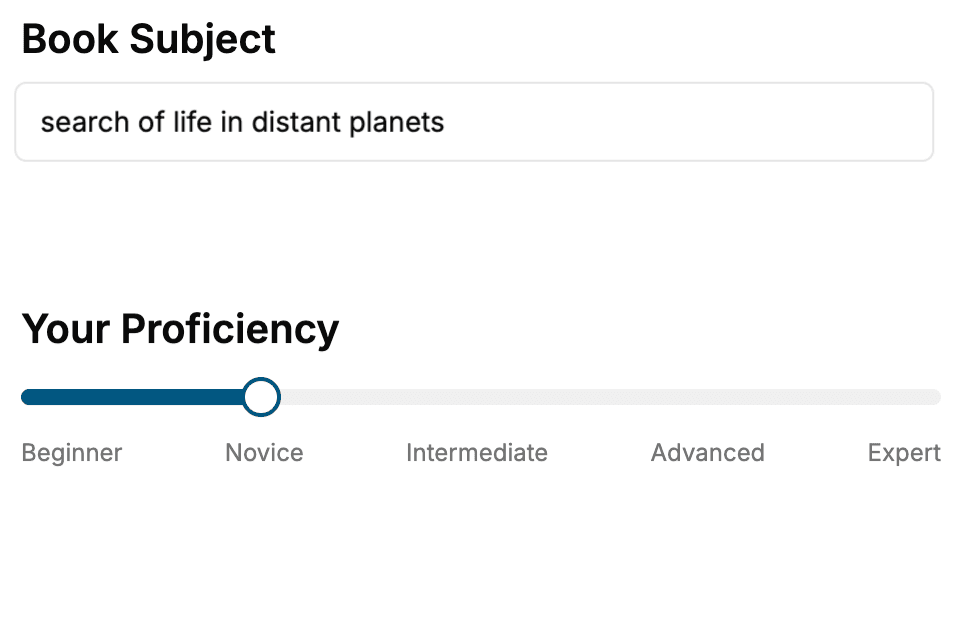
- 1. Select your focus
Select the focus of your Six Sigma book and share your background
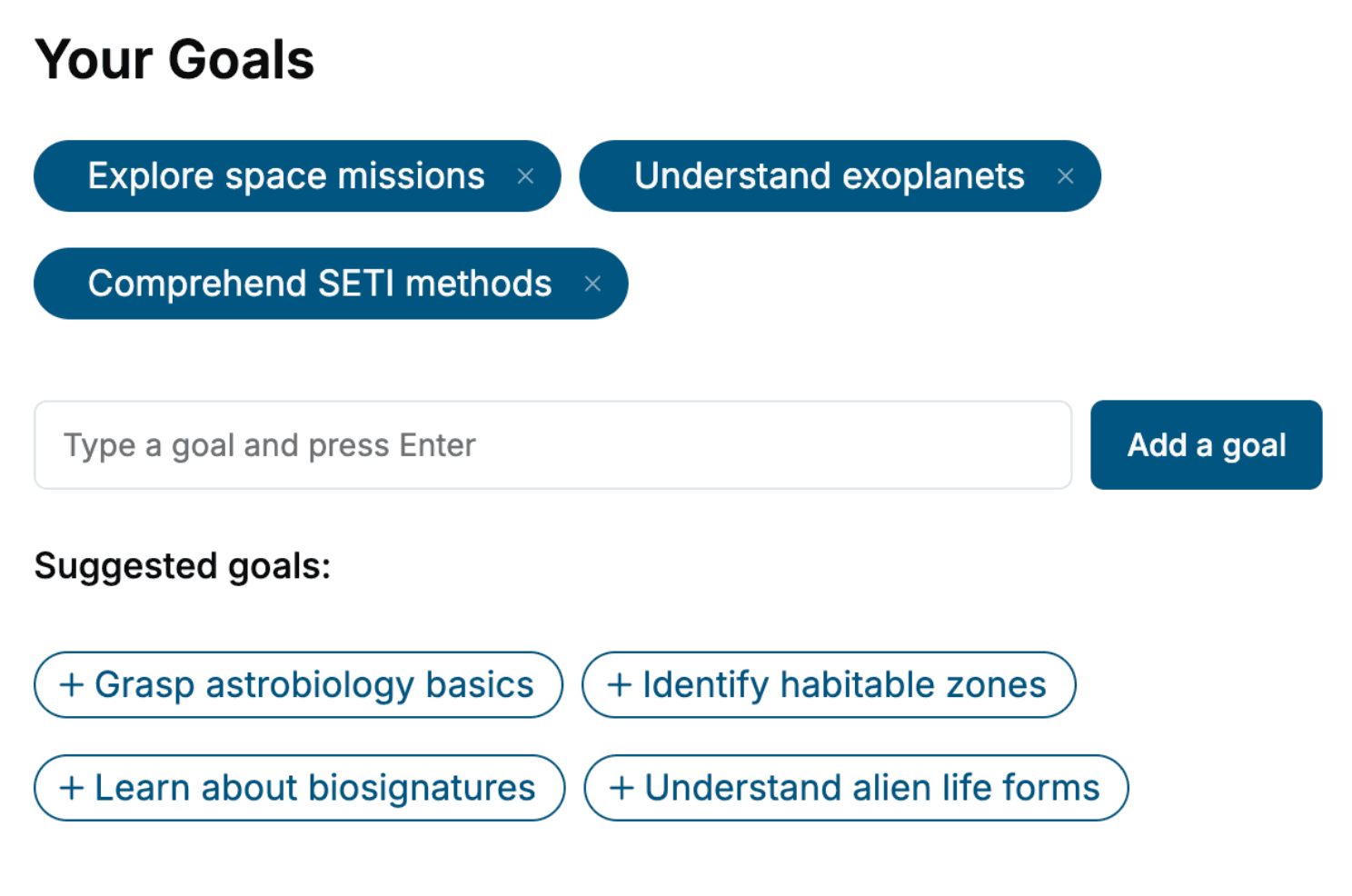
- 2. Personalize your book
Specify your goals and choose sub-topics to include
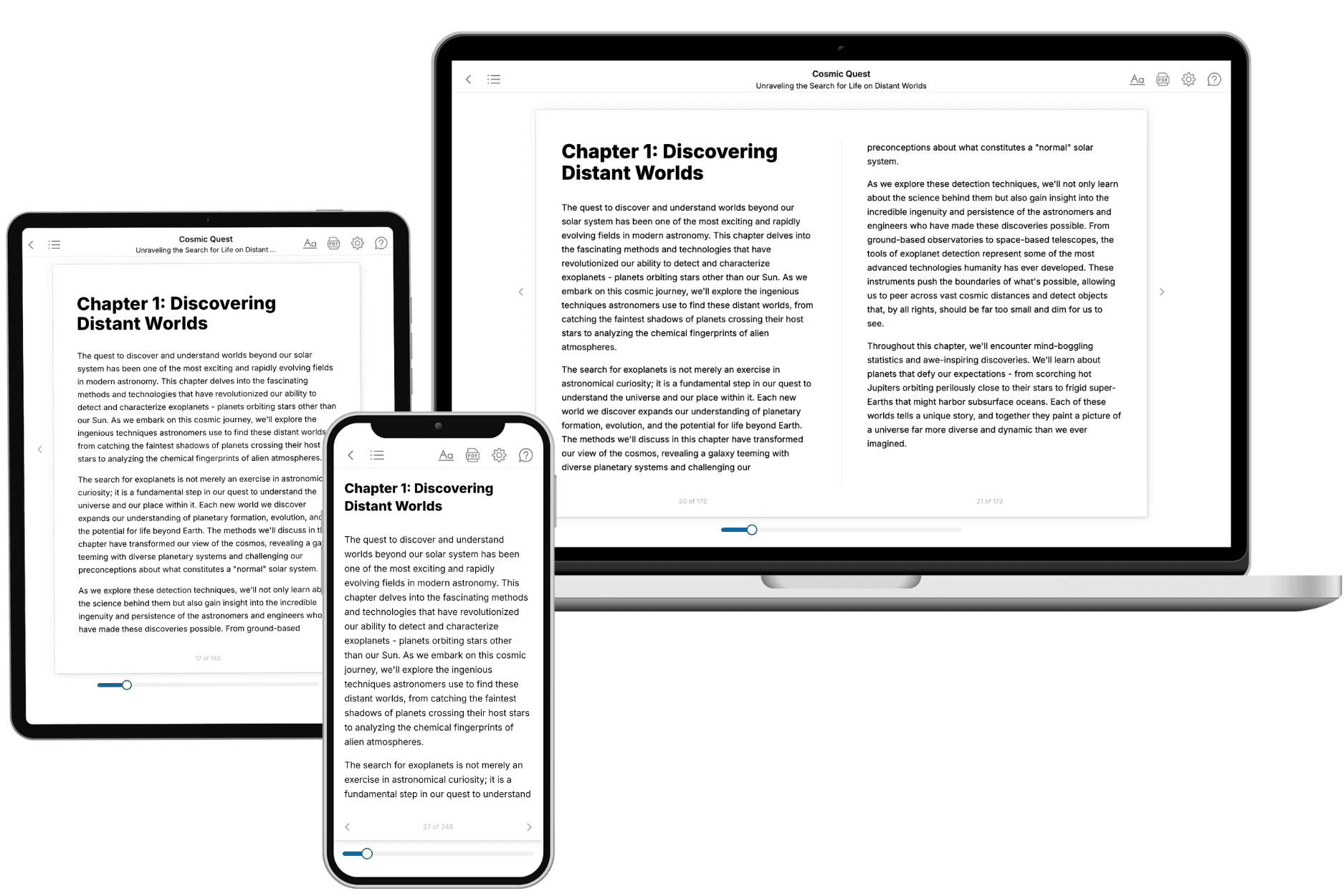
- 3. Get your tailored book
Your book is ready in 10 minutes. Read it online, download as EPUB or PDF, or send to Kindle.
Start from a template
Frequently asked questions
- What is TailoredRead?
TailoredRead creates complete, full-length nonfiction ebooks, written specifically for you. Tell us what you want to learn and why, and TailoredRead writes you a complete ebook on it, with charts, tables, and diagrams throughout. Read it online, on Kindle, or on any e-reader, or download it as a PDF or EPUB. Every book is written fresh the day you order it.
- How is the book tailored to me?
Before anything is written, you answer a few short questions about your goals, your background, and the topics you care about. Your book is then planned around your answers: written at your level, focused on your goals, and covering the topics you chose, instead of the one-size-fits-all book a store sells everyone.
- Will it read like generic AI content?
No. Your book isn't a chat transcript: it's planned chapter by chapter before a single word is written, told in a clear book voice, and explains ideas visually with charts, tables, and diagrams. After writing, every book goes through an editorial pass that polishes chapters so the book reads consistent from start to finish. Judge for yourself: browse thousands of sample books on our Explore Books page.
- How accurate is the content?
Our AI first checks whether your subject needs live research. Niche and fast-moving subjects are researched before writing, and the book plan and chapters are grounded in what it finds. After writing, every book goes through a quality pass that checks its facts and consistency, and researched books list their sources in a Notes section at the back.
- How long is the book?
You choose the length: Comprehensive (250-300 pages), Detailed (150-200 pages), Essential (70-100 pages), or Short (30-50 pages).
- Does the book include visuals?
Yes. Every book includes charts, tables, and diagrams: timelines, checklists, step-by-step guides, decision trees, comparison tables, matrices, and bar charts. A typical book includes dozens of these visual elements.
- Can I read it on Kindle? What formats can I download?
Yes. Every book can be read in our online reader or downloaded as a PDF or EPUB. The EPUB can be opened with Kindle, Apple Books, Kobo, and any e-reader. The Commercial and Author licenses also include an editable Word (DOCX) and Markdown download.
- How much does it cost?
About the price of a regular ebook. The exact price depends on your book's length and complexity, from $2 for the shortest books to $35 for the most comprehensive, and it's shown when you review your book, before you commit to anything. Each book is a one-time purchase, yours to keep, no subscription. Licenses that let you share, teach, or publish your book range from $35.99 to $49.99.
- Can I preview the book before purchasing?
Before you pay, you'll see what your book will cover: the title, a detailed description, the estimated length, and the complete chapter-by-chapter table of contents, so you know what you're getting before you decide. The full text itself is written after you purchase.
- How long does it take to create a book?
About 10 minutes. You can start reading the opening chapters while the rest is still being written.