AI Agents Books
Explore tailored AI Agents books created by our AI
Books readers created
19 AI Agents books, each written for the reader who ordered it. Read its introduction, then personalize it to get a book of your own.
The AI Agent Playbook
Build, Deploy, and Scale Autonomous Systems That Drive Business Growth
What if your business could run 24/7 without human intervention, making intelligent decisions and executing complex tasks autonomously? Most entrepreneurs understand AI's potential but struggle to move from concepts to working systems. This manual bridges that gap by teaching you how to design, build, and deploy autonomous AI agents that actually solve real business problems. You'll learn the architectural patterns that separate production-ready agents from experimental prototypes, discover how to integrate agents with your existing systems through APIs, and understand the governance frameworks that keep autonomous systems aligned with your business goals. Whether you're automating customer service, optimizing supply chains, or creating entirely new revenue streams, this guide provides the practical knowledge and decision frameworks you need to implement AI agents that deliver measurable competitive advantages. Stop waiting for the perfect AI solution—start building the autonomous systems that will define your industry's future.
You'll move from understanding what agentic AI is to deploying autonomous systems that handle your business's most time-consuming tasks. This book walks you through the complete journey: starting with LLM fundamentals and prompt engineering, progressing to agent architecture and autonomous decision-making, then applying these concepts to real business problems like lead generation, customer onboarding, and sales automation. You'll learn how to measure agent performance through business-relevant KPIs, design multi-agent workflows that collaborate on complex tasks, and build a sustainable AI strategy for your startup. Each chapter combines practical frameworks with actionable implementation steps, so you can immediately apply concepts to your business. By the end, you'll understand how to architect, deploy, and optimize autonomous agents that scale your operations without proportionally scaling your team—turning repetitive business processes into intelligent, self-managing systems that drive measurable ROI.
Imagine your manufacturing facility operating with unprecedented efficiency—where machines coordinate seamlessly, production bottlenecks are identified before they occur, and quality issues are prevented rather than detected. This is the reality that AI agents make possible. This book provides you with a practical framework for implementing AI agent technologies in manufacturing environments. You'll learn how to architect smart factories where autonomous systems work together intelligently, deploy digital twins that mirror your physical operations, and leverage real-time analytics to drive continuous improvement. Whether you're optimizing robot coordination, implementing predictive maintenance, or building data-driven decision systems, you'll discover concrete strategies grounded in industrial engineering principles. Designed for consultants and engineers with manufacturing expertise, this guide bridges the gap between AI theory and factory floor reality. You'll explore proven patterns for agent design, integration approaches that work with existing systems, and methods for measuring the impact of AI implementations. By the end, you'll have the knowledge and confidence to lead smart factory transformations that deliver measurable improvements in efficiency, quality, and profitability.
Transform your manufacturing operations by mastering the design and deployment of AI agent systems that deliver measurable improvements in efficiency, quality, and sustainability. This comprehensive guide equips you with the frameworks, architectures, and practical methodologies to implement autonomous agents that work alongside your teams to optimize processes, ensure compliance, and drive continuous improvement. Drawing on real-world applications across automotive, food processing, and advanced manufacturing, you'll learn how to orchestrate multi-agent systems that integrate lean six sigma principles with AI-driven automation. Discover how quality verification agents monitor operations against approved procedures while process improvement agents simultaneously optimize for time, material consumption, and quality. Understand the digital transformation roadmap required to achieve Industry 5.0 compliance and circular economy practices. Whether you're scaling innovation solutions, accelerating digital transformation, or advancing sustainable manufacturing practices, this book provides the strategic insights and technical knowledge to implement AI agents that augment human expertise and deliver lasting competitive advantage.
Building Intelligent Agents
A Practical Guide to AI Architecture, Design, and Deployment
Imagine building AI systems that think, decide, and act autonomously—agents that understand natural language, learn from experience, and collaborate with humans to solve complex problems. This comprehensive guide takes you from foundational concepts to production-ready implementations. You'll master the architecture that powers intelligent agents, from perception and decision-making to action execution. Learn how to engineer prompts that unlock model capabilities, design reward functions that align agent behavior with your goals, and implement the neural networks and transformers that enable sophisticated reasoning. This book bridges theory and practice, covering Python development, API integration, debugging techniques, and deployment strategies. You'll explore reinforcement learning, multi-agent systems, and real-world applications across industries. Most importantly, you'll understand how to build agents responsibly—integrating safety, ethics, and human collaboration from day one. Whether you're building chatbots, autonomous systems, or decision-making tools, this guide provides the knowledge and practical frameworks you need to succeed in AI development.
Most manufacturing leaders assume AI agents will either operate fully autonomously or require constant human approval—but neither extreme works in practice. The reality is more nuanced: modern manufacturing needs AI agents that operate within clearly defined boundaries, escalate decisions intelligently, and maintain human oversight without creating bottlenecks that slow production to a crawl. This book cuts through the hype and provides a practical framework for building human-centric AI agent systems that actually work in manufacturing environments. You'll learn how to design governance architectures that comply with EU AI Act requirements, implement multi-agent orchestration patterns that coordinate distributed intelligence, and build operator trust through transparency and explainability. Whether you're integrating industrial copilots, managing real-time production monitoring, or planning your Industry 5.0 transformation, this guide provides the architectural patterns, governance models, and implementation strategies that manufacturing teams need to succeed with AI agents in 2026 and beyond.
Discover how to design AI agent systems that work alongside your manufacturing team rather than against them. This practical guide shows you how to build human-centric AI systems that enhance operator capabilities, improve decision-making, and maintain human control over critical processes. You'll learn the core architectural principles of human-in-the-loop systems, explainable AI frameworks that build operator trust, and collaborative robot integration strategies that maximize safety and productivity. Through real-world implementation examples from industry leaders, you'll understand how to orchestrate multi-agent systems, leverage natural language interfaces for intuitive human-AI collaboration, and use digital twins to minimize operational risk. Whether you're implementing Industry 5.0 initiatives or upgrading existing automation, this book provides the frameworks, tools, and strategies needed to create manufacturing systems where humans and AI agents work together as complementary partners, not competitors.
What if your AI systems could think through complex problems step-by-step, learn from their mistakes, and collaborate with other agents to solve challenges no single system could handle alone? This book teaches you how to build autonomous AI agents that do exactly that using LangChain and LangGraph—the frameworks reshaping how enterprises deploy intelligent systems. You'll move beyond simple chatbots to create agents that orchestrate multi-step workflows, make autonomous decisions, retrieve information from external sources, and continuously improve their performance. Whether you're integrating LLMs into existing applications, designing intelligent chatbots, or building enterprise-grade AI systems, you'll discover practical patterns for agent architecture, state management, prompt engineering, and production deployment. Each chapter combines theory with hands-on implementation, showing you how to handle real-world challenges like error recovery, cost optimization, and debugging complex agent behaviors. By the end, you'll have the knowledge and frameworks to architect AI systems that scale reliably and deliver measurable business value.
Multi-Agent Systems in AI
Building Intelligent Workflows That Work Together
Most organizations struggle with AI systems that work in isolation—single agents that can't collaborate, coordinate, or handle complex workflows requiring specialized expertise. This book addresses that fundamental limitation by showing you how multi-agent systems enable autonomous intelligent agents to work together, decompose complex tasks, and solve problems that no single agent could handle alone. You'll learn the architectural patterns, orchestration strategies, and practical frameworks that leading enterprises are using to move beyond experimental AI into production multi-agent deployments. From understanding agent communication protocols to designing supervisor architectures and implementing real-time coordination, this guide provides the knowledge and tools you need to build intelligent workflows that actually work. Whether you're architecting systems for your organization or preparing for the multi-agent-first future arriving in 2026, you'll gain the strategic insights and technical foundations to lead this transformation.
Building intelligent systems that work together is one of the most challenging frontiers in AI. Multi-agent systems promise to solve complex problems through collaboration, but coordinating multiple learning agents—especially when data is limited—presents significant technical hurdles. This book bridges the gap between theoretical concepts and practical implementation, showing you how to design agents that learn from both labeled and unlabeled data while effectively communicating and coordinating with peers. You'll discover how semi-supervised learning techniques enable agents to maximize learning from sparse labeled datasets, explore proven coordination mechanisms that drive emergent intelligence, and learn strategies for scaling systems from small teams to large networks. Through real-world examples and actionable frameworks, you'll gain the knowledge to build multi-agent systems that are more efficient, adaptive, and capable than traditional single-agent approaches.
You'll discover how to move beyond scripted, predictable game characters to create agents that genuinely respond to their environment and learn from interactions. This book walks you through the complete process of designing agent-based systems for games, starting with the fundamental architecture of individual agents and progressing to complex multi-agent ecosystems. You'll learn how perception systems allow agents to understand their world, how decision-making frameworks enable intelligent choices, and how machine learning techniques let agents improve through experience. Through practical examples and real-world applications, you'll explore how to balance behavioral sophistication with computational efficiency, debug emergent behaviors, and scale your systems from dozens to thousands of agents. Whether you're building NPCs for narrative-driven games, creating competitive AI opponents, or simulating entire virtual societies, this book provides the frameworks, techniques, and insights you need to bring your agent-based worlds to life.
Neuralese
Building Machine-to-Machine Communication Through Vector-Based Languages
Discover how artificial intelligence is evolving beyond human language into a new frontier of machine-to-machine communication. This book guides you through the emerging field of Neuralese—a vector-based language system that enables AI agents to coordinate, reason, and collaborate in high-dimensional spaces that humans cannot directly perceive. You'll explore the theoretical foundations of emergent machine languages, learn practical implementation techniques for your R&D projects, and understand how to bridge the gap between AI reasoning and human comprehension. From artificial life simulations to next-generation AI architectures, you'll gain the knowledge to design systems where machines communicate with unprecedented efficiency and sophistication. Whether you're building autonomous agents, exploring artificial consciousness frameworks, or innovating AI coordination protocols, this book provides the technical depth and practical guidance needed to implement Neuralese in real-world applications.
You'll gain the ability to design and implement reinforcement learning systems that learn autonomously from their environment. This book bridges the gap between theoretical concepts and practical implementation, providing you with a clear understanding of how machines can achieve intelligent behavior through self-directed learning. Starting with foundational concepts like the Markov Decision Process, you'll progress through value-based and policy-based methods, exploring algorithms like Q-learning, policy gradients, and actor-critic systems. Each concept is explained with intuitive examples and practical code considerations, making complex ideas accessible without oversimplifying. You'll understand the critical trade-offs in algorithm design, learn how to structure reward systems effectively, and discover how to apply these techniques to real-world problems. Whether you're building game-playing agents, robotic controllers, or optimization systems, this book equips you with both the theoretical foundation and practical insights needed to implement reinforcement learning successfully.
You're about to discover how semantic image segmentation transforms raw pixels into actionable intelligence for AI agents. This comprehensive guide takes you from foundational concepts through advanced implementation strategies, showing you exactly how machines learn to understand visual scenes at the pixel level. You'll explore the evolution of segmentation architectures, master the mathematics behind loss functions, and learn proven techniques for training models that actually work in production environments. Whether you're building autonomous systems, medical imaging applications, or intelligent robots, you'll gain practical insights into data preparation, model optimization, and real-world deployment challenges. By the end, you'll understand not just how semantic segmentation works, but why it matters for creating AI agents that truly perceive and interact with the world intelligently.
What if you could identify your most promising prospects before they even realize they're ready to buy? In today's competitive insurance market, the difference between thriving advisors and struggling ones isn't luck—it's data. AI tools have fundamentally changed how top-performing insurance professionals qualify leads, predict close probability, and convert prospects into clients. This book reveals the exact strategies, tools, and workflows that leading life insurance advisors use to increase conversion rates and productivity. You'll discover how predictive analytics identifies high-potential prospects, how conversation intelligence coaches you to close more deals, and how workflow automation reclaims hours of your week. Whether you're managing a small book of business or leading a team, you'll learn to build a modern GTM tech stack that turns data into revenue. The insurance industry is shifting—and the advisors who master AI-powered lead qualification will dominate their markets.
What if the ocean's deepest secrets could be explored without risking human lives or waiting for expensive research vessels? Autonomous underwater vehicles are revolutionizing marine science and engineering, enabling unprecedented access to the underwater world. This comprehensive guide takes you beyond the basics to explore how these sophisticated machines are designed, operated, and deployed in real-world oceanographic missions. You'll discover the engineering principles that allow AUVs to navigate the crushing pressures and complete darkness of the deep ocean, the sensor technologies that transform raw data into actionable insights, and the operational strategies that maximize mission success. Whether you're designing your first AUV, planning a research expedition, or seeking to understand the future of ocean exploration, this book provides the technical depth and practical knowledge you need to master this rapidly evolving field.
What if the most complex problems in technology, logistics, and robotics could be solved not by one superintelligent system, but by many simpler agents working together? Multiagent systems represent a paradigm shift in how we approach distributed problem-solving, and understanding them is increasingly critical in our interconnected world. This book demystifies the core concepts, algorithms, and decision-making frameworks that power multiagent systems. You'll explore how autonomous agents communicate, coordinate, and make decisions in environments where no single entity has complete information. From game-theoretic foundations to practical coordination mechanisms, you'll learn the mathematical principles and algorithmic approaches that enable systems to scale beyond traditional centralized architectures. Whether you're building autonomous systems, optimizing supply chains, or designing collaborative robots, this book provides the conceptual tools and practical insights needed to design systems where distributed intelligence creates emergent solutions greater than the sum of their parts.
Build a complete, production-ready RPG game from the ground up using LibGDX and Java. This comprehensive guide takes you beyond basic tutorials to master the advanced systems that separate amateur projects from polished games. You'll implement sprite animation systems that bring characters to life, design collision detection that feels responsive and fair, and create procedurally generated dungeons that offer endless exploration. Learn pathfinding algorithms that make NPCs navigate intelligently, camera systems that enhance player immersion, and tile-based maps that serve as your game's foundation. Develop sophisticated combat mechanics with damage calculations and status effects, build dialogue trees that drive narrative engagement, and implement AI systems that make enemies challenging and believable. Each system builds on your existing software engineering expertise, translating computer science principles into practical game development patterns. By the end, you'll have both the knowledge and working code to launch your own RPG.
You're standing at the intersection of design and manufacturing, where software decisions directly impact print quality, production speed, and material costs. This book guides you through the complete 3D printing software ecosystem—from selecting the right CAD tools for parametric vs. organic design, to mastering advanced slicing techniques with AI optimization, to managing fleets of printers across distributed locations. You'll discover how leading platforms like Ultimaker, Prusa Research, and Materialise are reshaping workflows, learn to leverage AI agents for automated parameter tuning, and understand the digital thread that connects design through manufacturing execution. Whether you're optimizing support structures, repairing AI-generated meshes, or coordinating production across multiple machines, this playbook provides the practical knowledge and strategic insights to make informed software choices and maximize your manufacturing capabilities in 2026 and beyond.
Related books you may like:
What if your app could serve twice as many users simply by making it accessible? Millions of people with disabilities want to use Android apps but face barriers created by poor design choices. This book shows you how to remove those barriers and build applications that work seamlessly for everyone. You'll learn the practical techniques for implementing screen reader support, voice control, and other assistive technologies. Discover how semantic markup, proper content descriptions, and inclusive design patterns create apps that are easier to use for all users. Through real-world examples and step-by-step guidance, you'll master the Android Accessibility Framework and understand WCAG 2.1 standards. Learn testing strategies that reveal accessibility issues before your users encounter them. By the end, you'll have the knowledge to make accessibility a core part of your development process, not an afterthought—expanding your market reach while creating genuinely inclusive digital experiences.
Imagine delivering software that consistently meets stakeholder expectations, where every feature works exactly as intended, and your team moves with confidence through changes and refactoring. This is the reality when you master acceptance test-driven development. This comprehensive guide takes you beyond the basics to show you how ATDD transforms the way teams develop software. You'll learn how to write acceptance tests that serve as living documentation, collaborate effectively with business stakeholders to define clear acceptance criteria, and integrate ATDD seamlessly into your Extreme Programming workflow. Whether you're struggling with unclear requirements, dealing with late-stage defect discovery, or simply want to elevate your development practices, this book provides practical strategies, real-world examples, and proven techniques. You'll understand not just the "how" but the "why" behind acceptance test-driven development, enabling you to make informed decisions about implementation in your own context. Master this essential XP practice and watch your team's productivity and code quality soar.
Take your TypeScript skills from intermediate to advanced in just 30 days with a structured, project-driven approach. This book guides you through focused techniques that matter most: mastering advanced types like generics and conditional types, writing reliable async code with proper error handling, integrating TypeScript with modern frameworks, and building confidence through comprehensive testing strategies. Each day builds on the previous one, combining theory with hands-on coding projects that you'll actually use. You'll refactor real code, understand why type safety matters, and develop the patterns that separate good TypeScript developers from great ones. By day 30, you'll have the skills to write safer, more maintainable code and the portfolio projects to prove it. This isn't theory—it's practical, accelerated learning designed for developers ready to level up.
Discover how to build software that meets expectations from day one. Acceptance test-driven development (ATDD) transforms how teams define, test, and deliver quality software by writing acceptance tests before development begins. This practical guide shows you how to collaborate with stakeholders to define clear acceptance criteria, automate those criteria into executable tests, and use them to guide development and beta testing efforts. You'll learn to bridge the communication gap between business requirements and technical implementation, reduce costly defects discovered late in the cycle, and create living documentation that keeps pace with your product. Whether you're a QA professional, beta tester, or developer, this book provides actionable strategies, real-world examples, and proven frameworks to implement ATDD in your organization. Move beyond traditional testing approaches and join teams that are catching defects earlier, improving stakeholder alignment, and delivering software with confidence.
Building systems that reliably handle data is one of the hardest challenges in backend development. Without a solid understanding of ACID properties, you risk data corruption, lost transactions, and system failures that cascade through your application. This book demystifies the four pillars of database reliability—Atomicity, Consistency, Isolation, and Durability—and shows you exactly how to apply them in real-world scenarios. You'll learn why these properties matter, how they work under the hood, and how to leverage them when designing transactions, choosing databases, and handling failures. Whether you're building a financial system that can't afford to lose a penny or a high-traffic application that needs to scale, understanding ACID properties gives you the confidence to make architectural decisions that keep your data safe and your systems running smoothly.
Create an AI Agents Book Tailored to You
Create an AI-crafted book tailored to your goals, interests, and background





Benefits of AI-tailored books
- Read one book, not ten:
- all the AI Agents knowledge you need, gathered into a single book.
- Save days of learning:
- tell us your goals, choose your topics, and the whole book is built around them.
- Learn effortlessly:
- AI Agents book written for your specific background and expertise.
- Understand at a glance:
- includes charts, tables, timelines, checklists, decision trees, and more.
- Stay current:
- written the day you order it, not years ago.
- Trust what you read:
- every book is checked for accuracy, with real research when your subject needs it.
Create your unique book in 3 steps
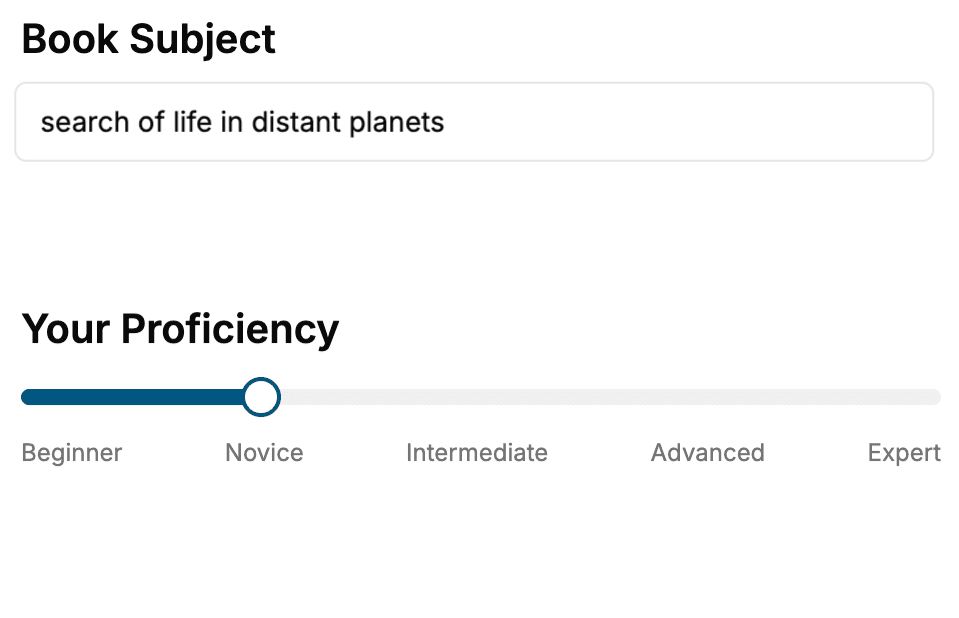
- 1. Select your focus
Select the focus of your AI Agents book and share your background
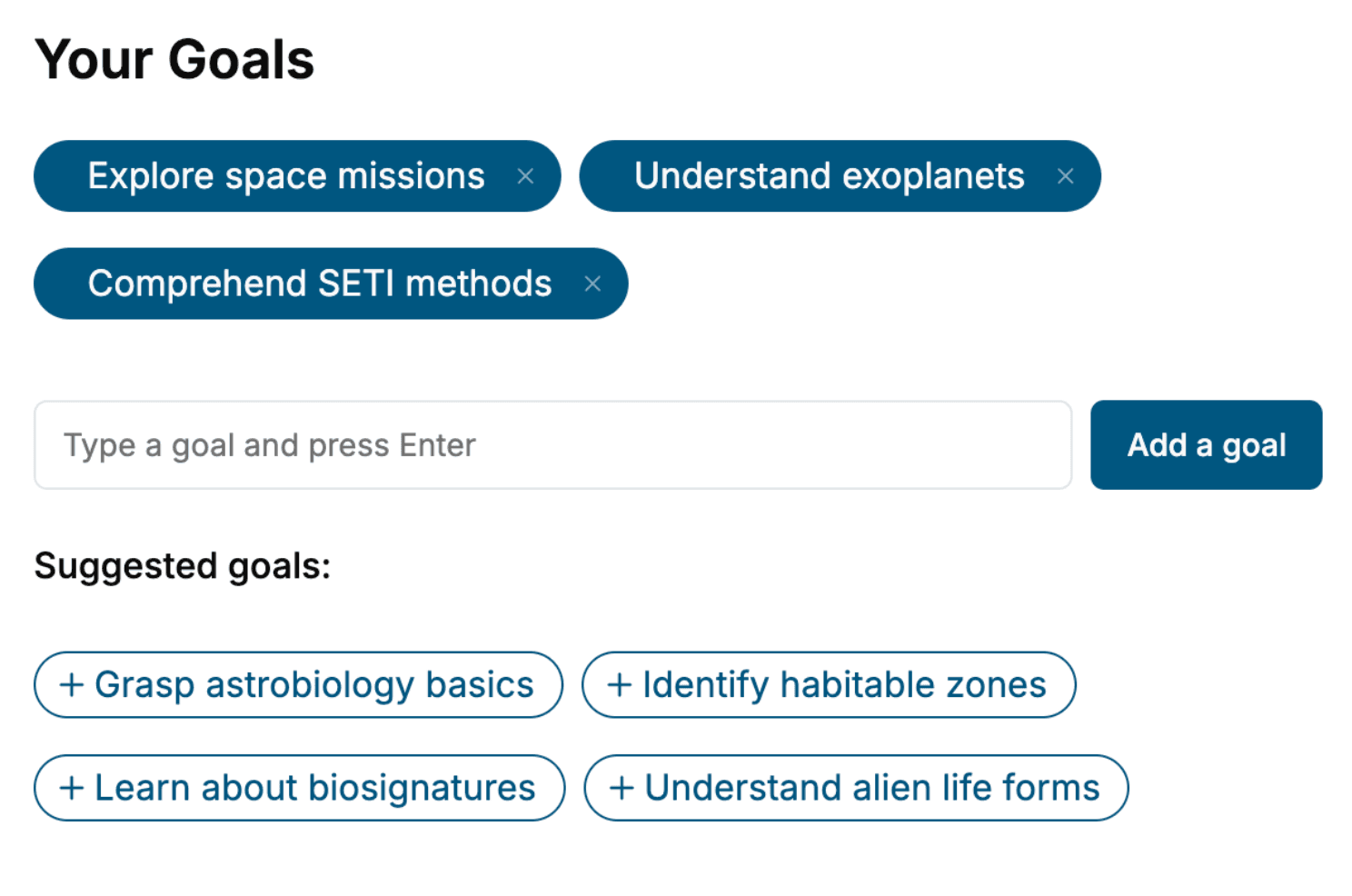
- 2. Personalize your book
Specify your goals and choose sub-topics to include
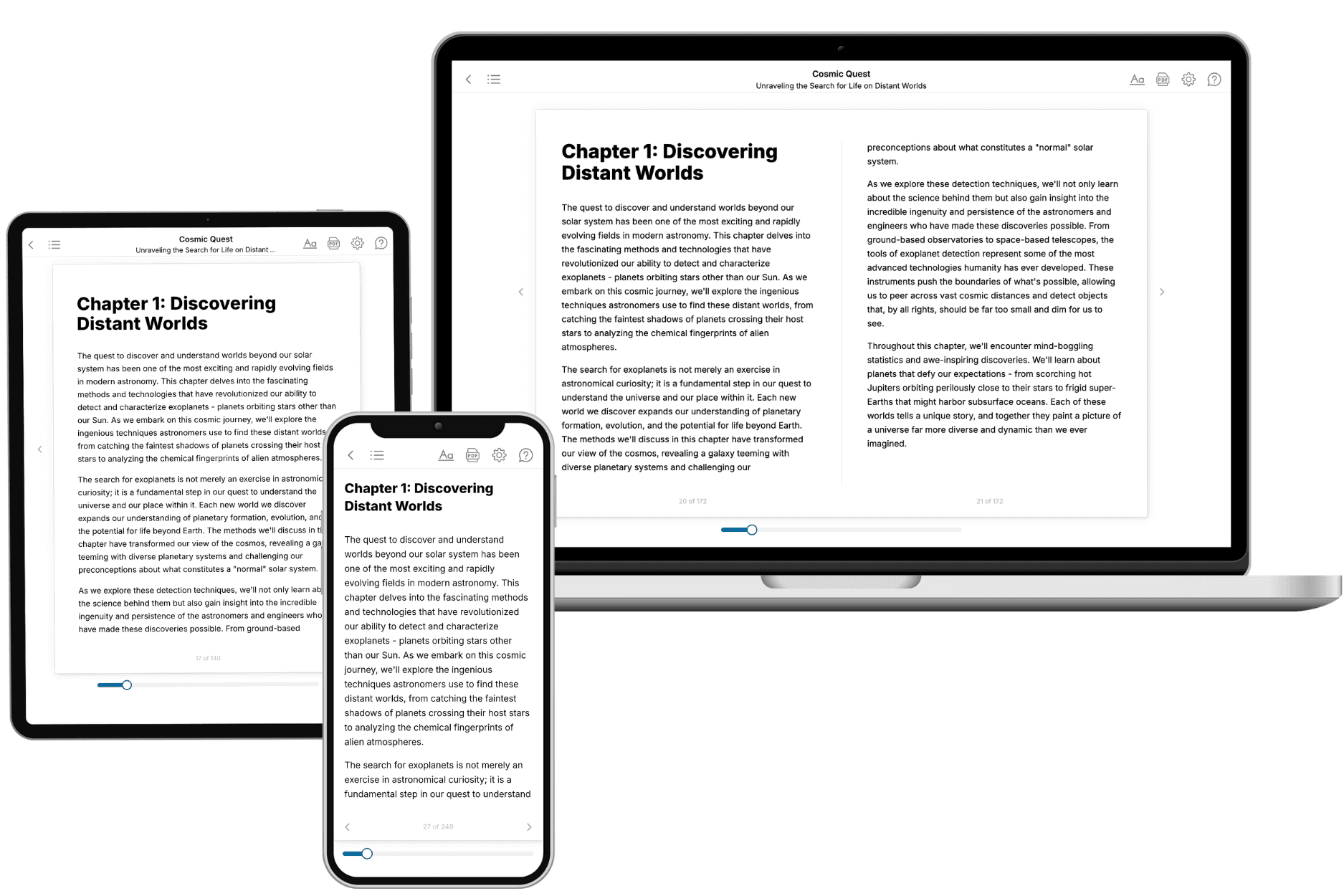
- 3. Get your tailored book
Your book is ready in 10 minutes. Read it online, download as EPUB or PDF, or send to Kindle.
Start from a template
Frequently asked questions
- What is TailoredRead?
TailoredRead creates complete, full-length nonfiction ebooks, written specifically for you. Tell us what you want to learn and why, and TailoredRead writes you a complete ebook on it, with charts, tables, and diagrams throughout. Read it online, on Kindle, or on any e-reader, or download it as a PDF or EPUB. Every book is written fresh the day you order it.
- How is the book tailored to me?
Before anything is written, you answer a few short questions about your goals, your background, and the topics you care about. Your book is then planned around your answers: written at your level, focused on your goals, and covering the topics you chose, instead of the one-size-fits-all book a store sells everyone.
- Will it read like generic AI content?
No. Your book isn't a chat transcript: it's planned chapter by chapter before a single word is written, told in a clear book voice, and explains ideas visually with charts, tables, and diagrams. After writing, every book goes through an editorial pass that polishes chapters so the book reads consistent from start to finish. Judge for yourself: browse thousands of sample books on our Explore Books page.
- How accurate is the content?
Our AI first checks whether your subject needs live research. Niche and fast-moving subjects are researched before writing, and the book plan and chapters are grounded in what it finds. After writing, every book goes through a quality pass that checks its facts and consistency, and researched books list their sources in a Notes section at the back.
- How long is the book?
You choose the length: Comprehensive (250-300 pages), Detailed (150-200 pages), Essential (70-100 pages), or Short (30-50 pages).
- Does the book include visuals?
Yes. Every book includes charts, tables, and diagrams: timelines, checklists, step-by-step guides, decision trees, comparison tables, matrices, and bar charts. A typical book includes dozens of these visual elements.
- Can I read it on Kindle? What formats can I download?
Yes. Every book can be read in our online reader or downloaded as a PDF or EPUB. The EPUB can be opened with Kindle, Apple Books, Kobo, and any e-reader. The Commercial and Author licenses also include an editable Word (DOCX) and Markdown download.
- How much does it cost?
About the price of a regular ebook. The exact price depends on your book's length and complexity, from $2 for the shortest books to $35 for the most comprehensive, and it's shown when you review your book, before you commit to anything. Each book is a one-time purchase, yours to keep, no subscription. Licenses that let you share, teach, or publish your book range from $35.99 to $49.99.
- Can I preview the book before purchasing?
Before you pay, you'll see what your book will cover: the title, a detailed description, the estimated length, and the complete chapter-by-chapter table of contents, so you know what you're getting before you decide. The full text itself is written after you purchase.
- How long does it take to create a book?
About 10 minutes. You can start reading the opening chapters while the rest is still being written.