Arms Control Books
Explore tailored Arms Control books created by our AI
Directed Energy Weapons
Understanding the Technology, Politics, and Future of Arms Control
Navigate the complex world of directed energy weapons and their implications for global security. This book takes you through the scientific foundations of laser, microwave, and particle beam technologies, explaining how they work and why they matter strategically. You'll explore the geopolitical competition driving their development, the political debates shaping policy responses, and the critical gaps in current arms control frameworks. Discover how military strategists view these weapons, what technical challenges remain unsolved, and why international cooperation on regulation has proven so difficult. By examining case studies of weapons programs, analyzing verification challenges, and considering future scenarios, you'll gain the knowledge needed to understand one of the most consequential military technologies of the 21st century. Whether you're a policymaker, defense professional, or engaged citizen, this book equips you with the insights to grasp why directed energy weapons matter and what their emergence means for global stability.
The Nuclear Crossroads
Understanding Global Disarmament in an Age of Rising Tensions
The world stands at a critical juncture in nuclear policy. After decades of Cold War-era reductions, global nuclear arsenals are expanding again, arms control agreements are expiring without replacement, and diplomatic consensus on disarmament has collapsed. This book cuts through the complexity of nuclear policy to explain what's happening, why it matters, and what comes next. You'll discover how the Non-Proliferation Treaty system works, why the 2026 NPT Review Conference failed to reach agreement, and how geopolitical tensions are reshaping nuclear strategy. Learn the difference between disarmament and non-proliferation, understand the role of verification in arms control, and explore competing visions for a nuclear-free future. Whether you're a concerned citizen, policy professional, or engaged advocate, this book provides the knowledge you need to understand one of humanity's most consequential challenges and participate meaningfully in discussions about global security.
The INF Treaty
How a Cold War Agreement Shaped Nuclear Strategy and Global Security
Discover how one treaty reshaped nuclear strategy and nearly ended the Cold War arms race. The Intermediate-Range Nuclear Forces Treaty stands as one of the most significant arms control achievements of the twentieth century, yet its story remains largely untold. This book traces the treaty's remarkable journey from the brink of nuclear confrontation in Europe to its controversial termination decades later. You'll explore the political calculations that drove Reagan and Gorbachev to the negotiating table, the technical innovations that made verification possible, and the geopolitical shifts that ultimately undermined the agreement. By examining the INF Treaty's rise and fall, you'll gain critical insights into how nations balance security concerns with diplomatic opportunity, why arms control agreements fail, and what the treaty's collapse means for contemporary nuclear tensions. Whether you're studying Cold War history, international relations, or nuclear policy, this book provides the context and analysis needed to understand one of history's most consequential—and fragile—agreements.
What if the very systems designed to protect us are actually making the world less stable? Ballistic missile defense represents one of the most complex intersections of technology, strategy, and diplomacy in modern international relations. This comprehensive examination reveals how defensive systems paradoxically influence offensive capabilities, reshape alliance structures, and complicate arms control negotiations in ways that traditional security thinking often overlooks. You'll discover the intricate technical realities behind missile interception, from the physics of high-speed engagements to the sophisticated sensor networks required for effective defense. The book explores how these technical constraints directly influence political decisions, treaty negotiations, and strategic planning at the highest levels of government. Through detailed analysis of historical cases and contemporary developments, you'll understand how missile defense deployments have triggered arms races, altered regional power balances, and created new forms of strategic instability. The book examines the economic, political, and diplomatic costs of pursuing comprehensive defensive capabilities, while also exploring the genuine security benefits these systems can provide. Whether you're seeking to understand current geopolitical tensions or anticipate future developments in international security, this book provides the analytical framework and factual foundation necessary to navigate the complex world of modern defense policy and arms control.
Discover how one of the Cold War's most ambitious and controversial initiatives fundamentally altered the trajectory of nuclear strategy and international relations. This book traces the Strategic Defense Initiative from its conception in Reagan's vision of a nuclear-free world to its complex legacy in modern defense policy. You'll explore the technological ambitions that drove the program, the geopolitical tensions it created, and the reasons why a system designed to protect America became one of the era's most debated policy decisions. Through detailed analysis of military strategy, technological development, and diplomatic consequences, you'll understand how SDI challenged the doctrine of mutual assured destruction and reshaped Cold War competition. Whether you're studying military history, defense policy, or the Cold War itself, this examination reveals how strategic vision, technological possibility, and political ideology intersect to shape global security.
Many people assume uranium enrichment is a simple chemical process, but it's actually a sophisticated application of physics that separates isotopes based on their minute mass differences. This book demystifies how nuclear fuel is produced by exploring the fundamental physics principles that make enrichment possible. You'll discover why uranium-235 is so valuable, how different enrichment methods exploit physics to separate isotopes, and why this process is central to both nuclear energy and international security. From the behavior of uranium hexafluoride gas to the mechanics of high-speed centrifuges, each chapter builds your understanding of the technology that powers nuclear reactors worldwide. Whether you're studying nuclear science, working in the energy sector, or simply curious about how nuclear fuel is made, this book provides the clarity and depth you need to grasp this complex but fascinating field.
Understand the strategic forces shaping one of the world's most consequential security challenges. This comprehensive analysis examines Iran's nuclear program through the lens of regional power dynamics, proxy conflicts, and international diplomacy. You'll discover how Iran's nuclear ambitions connect to Hezbollah's military capabilities, the ongoing wars in Syria and Iraq, and the broader struggle for Middle Eastern dominance. The book explores the historical context driving Iran's nuclear pursuit, the technical realities of enrichment and weapons development, and the competing interests of global powers. Whether you're concerned about regional stability, curious about Middle Eastern geopolitics, or seeking to understand the stakes in international negotiations, this book provides the clarity and context needed to grasp this complex issue. Gain insight into how nuclear deterrence shapes proxy warfare, why diplomatic solutions remain elusive, and what scenarios could trigger escalation or breakthrough.
Dive into the intricate world of Cold War politics and nuclear diplomacy with "Nuclear Diplomacy: The Intermediate-Range Nuclear Forces Treaty and Its Impact on Cold War Politics." This compelling exploration takes you on a journey through one of the most pivotal arms control agreements of the 20th century. You'll discover the origins of the INF Treaty, born from the tensions between the United States and the Soviet Union during the height of the Cold War. Uncover the strategic thinking behind intermediate-range nuclear weapons and why their elimination became a critical goal for both superpowers. Through engaging narratives and in-depth analysis, you'll gain insight into the complex negotiations that led to the treaty's signing, the challenges of its implementation, and its lasting effects on global security. From the halls of power in Washington and Moscow to the missile sites across Europe, this book brings to life the high-stakes diplomacy that helped to defuse one of the most dangerous periods in modern history. Whether you're a history buff, a political science student, or simply curious about the forces that shaped our world, "Nuclear Diplomacy" offers a fascinating look at a treaty that changed the course of the Cold War and continues to influence international relations today.
What makes a nation decide to pursue nuclear weapons, and why do so many countries believe they need them? This book cuts through the rhetoric and ideology to examine the real drivers of nuclear proliferation—from rational security calculations to regional rivalries to the pursuit of international status. You'll discover how nations acquire nuclear technology, why the global nonproliferation system struggles to contain the spread, and what happens when nuclear weapons fall into the hands of unstable regimes or become flashpoints in regional conflicts. Drawing on historical case studies, geopolitical analysis, and expert insights, this book explains the technical pathways to nuclear weapons, the gaps in international oversight, and the cascading risks of a world with more nuclear powers. Whether you're concerned about Iran, North Korea, or the broader trajectory of global security, you'll gain the knowledge to understand why proliferation remains one of humanity's most pressing challenges and what realistic solutions exist to manage this paradox: how to prevent the spread of weapons that nations believe they need for survival.
This book takes you through the complex history and science of nuclear weapons testing, from the first Trinity test in 1945 through the modern era of international verification. You'll discover why nations conducted thousands of tests, how scientists used testing to understand nuclear physics and weapon effects, and what happened to the environments and populations affected by radioactive fallout. The narrative explores the strategic competition between superpowers, the shift from atmospheric to underground testing, and the international agreements that ultimately restricted this practice. By examining declassified data, historical records, and scientific findings, this book reveals how nuclear testing shaped Cold War geopolitics, influenced arms control treaties, and left lasting environmental legacies. You'll gain insight into the scientific methodology behind testing programs, the health impacts on test site workers and nearby communities, and how modern monitoring systems have made future testing detectable. This comprehensive examination helps you understand one of the most consequential scientific and military endeavors of the twentieth century.
Related books you may like:
You're about to supercharge your animal advocacy efforts and nonprofit management skills with the power of AI. This groundbreaking guide is tailored specifically for leaders in the animal rights movement who are ready to harness cutting-edge technology to make a bigger impact. Discover how to leverage AI tools to streamline your operations, enhance your strategic planning, and amplify your advocacy campaigns. You'll learn practical techniques for automating administrative tasks, optimizing your workflow, and making data-driven decisions that will take your organization to the next level. From improving time management and task delegation to enhancing donor engagement and project tracking, this book offers a comprehensive roadmap for integrating AI into every aspect of your work. You'll gain insights into AI-driven research methods, problem-solving techniques, and productivity metrics that will revolutionize the way you approach animal advocacy.
Discover how air sign energy shapes your thinking, communication style, and approach to relationships. Whether you have a Gemini, Libra, or Aquarius placement in your birth chart, this guide reveals the intellectual and social gifts these signs bring—along with the blind spots worth understanding. You'll learn why air signs are natural communicators and idea-generators, how each sign expresses itself uniquely, and how your specific air sign placements influence your personality across different life areas. Through practical insights and real-world examples, you'll recognize air sign patterns in yourself and others, harness your natural strengths in connection and innovation, and navigate the challenges of overthinking and emotional detachment. Whether you're exploring your Sun, Moon, Rising, or other planetary placements, this book provides the clarity you need to work with your air sign energy authentically and effectively.
What if you could resolve years of trauma in just a handful of therapy sessions instead of months or years of traditional talk therapy? Accelerated Resolution Therapy (ART) offers a scientifically-grounded approach that harnesses your brain's natural healing capacity to process traumatic memories and emotional distress rapidly. This book demystifies how ART works at the neurological level, explains why it's so effective for conditions like PTSD, anxiety, and phobias, and explores how it differs from conventional therapeutic approaches. Whether you're a mental health professional considering adding ART to your practice, someone exploring treatment options for yourself or a loved one, or simply curious about innovative psychological interventions, this guide provides practical insights into one of the most promising developments in modern therapy. Discover how guided imagery and eye movement can facilitate profound emotional healing, what the research shows about its effectiveness, and whether ART might be the breakthrough approach you've been seeking.
The assumption that political parties are natural, inevitable, or even desirable features of democracy is surprisingly recent. For most of Western political history, the most sophisticated thinkers viewed organized factions as corrupting forces that distorted the pursuit of the common good. This book traces the genealogy of anti-party political thought from Plato's critique of democratic factionalism through contemporary populist movements, examining how philosophers, statesmen, and theorists have conceptualized the dangers of partisanship and imagined alternatives. You'll encounter Rousseau's vision of a general will transcending faction, the Federalist Papers' constitutional anxiety about party machinery, Tocqueville's ambivalent analysis of American partisanship, and the radical rejection of parties by socialist and anarchist movements. Rather than treating anti-party sentiment as mere nostalgia or populist demagoguery, this analysis reveals it as a coherent intellectual tradition grappling with enduring tensions between democratic participation and organized political competition. By understanding how different historical periods and ideological traditions have confronted the problem of faction, you gain critical perspective on contemporary debates about party reform, populism, and democratic alternatives.
Many people believe that behavior is determined either by our genetics or by direct rewards and punishments we experience. However, Albert Bandura's groundbreaking research revealed a more nuanced truth: we learn by watching others. This book explores the life and work of one of psychology's most influential figures and the revolutionary theory that transformed our understanding of human behavior. You'll discover how Bandura's concept of self-efficacy explains why some people persevere through challenges while others give up, how observational learning shapes everything from aggression to prosocial behavior, and why the environment, our thoughts, and our actions are constantly influencing each other. Whether you're an educator seeking to improve student outcomes, a professional interested in behavior change, or simply curious about the science of learning, this comprehensive guide illuminates the principles that govern human development and provides practical insights into how these theories apply to everyday life.
Create an Arms Control Book Tailored to You
Create an AI-crafted book tailored to your goals, interests, and background






Benefits of AI-tailored books
- Read one book, not ten:
- all the Arms Control knowledge you need, gathered into a single book.
- Save days of learning:
- tell us your goals, choose your topics, and the whole book is built around them.
- Learn effortlessly:
- Arms Control book written for your specific background and expertise.
- Understand at a glance:
- includes charts, tables, timelines, checklists, decision trees, and more.
- Stay current:
- written the day you order it, not years ago.
- Trust what you read:
- every book is checked for accuracy, with real research when your subject needs it.
Create your unique book in 3 steps
- 1. Select your focus
Select the focus of your Arms Control book and share your background
- 2. Personalize your book
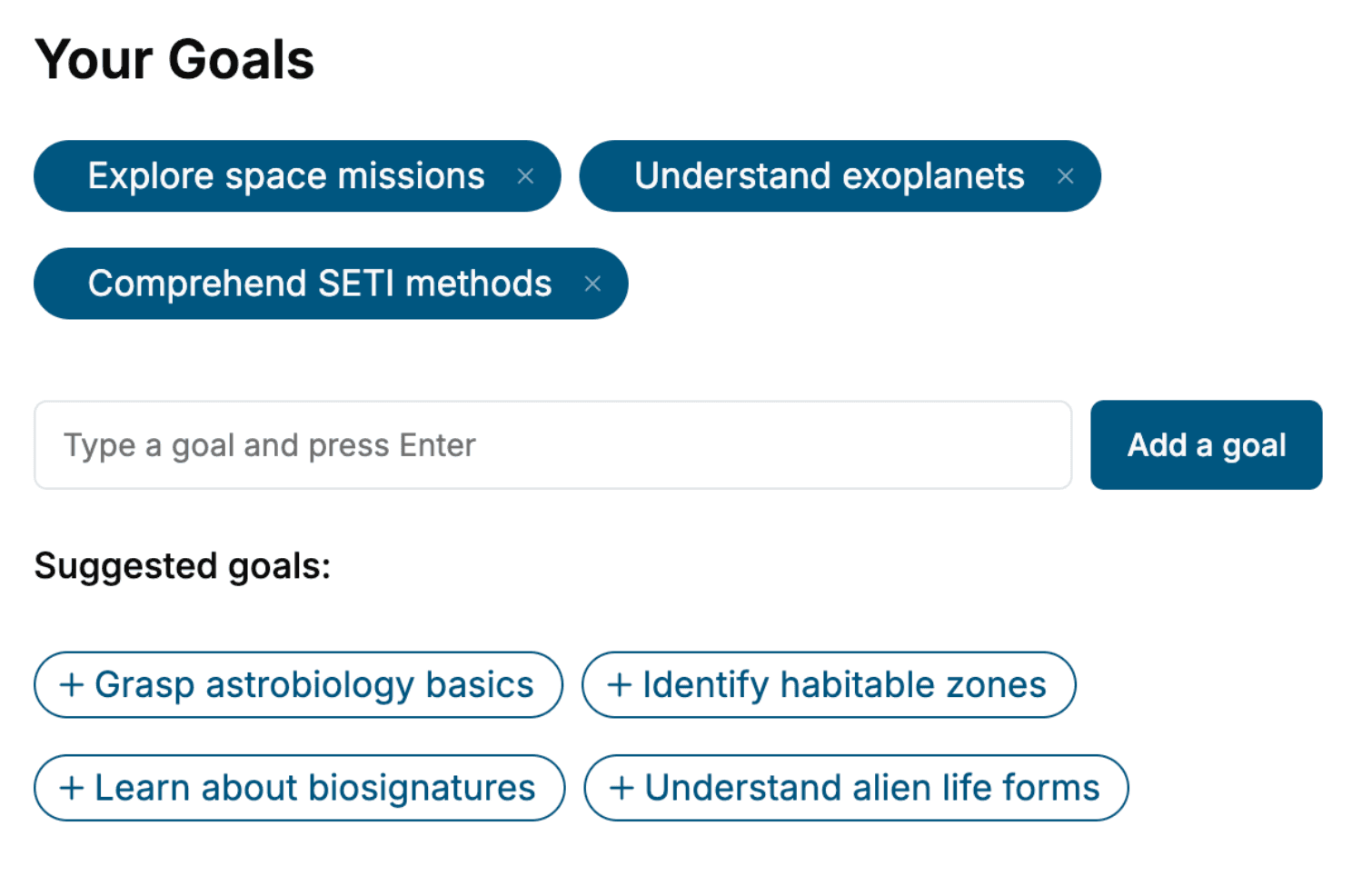
Specify your goals and choose sub-topics to include
- 3. Get your tailored book
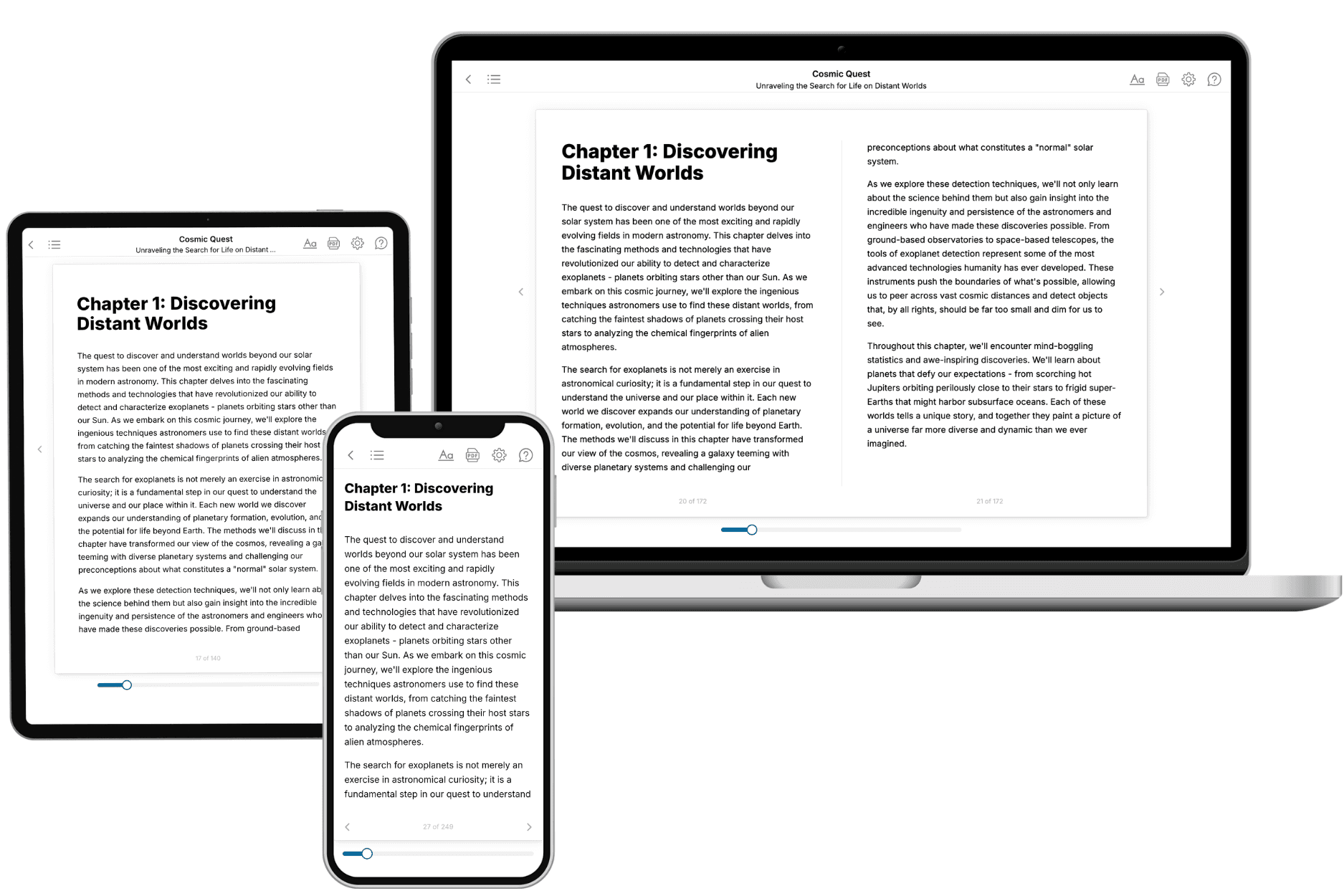
Your book is ready in 10 minutes. Read it online, download as EPUB or PDF, or send to Kindle.

Start from a template
Frequently asked questions
- What is TailoredRead?
TailoredRead creates complete, full-length nonfiction ebooks, written specifically for you. Tell us what you want to learn and why, and TailoredRead writes you a complete ebook on it, with charts, tables, and diagrams throughout. Read it online, on Kindle, or on any e-reader, or download it as a PDF or EPUB. Every book is written fresh the day you order it.
- How is the book tailored to me?
Before anything is written, you answer a few short questions about your goals, your background, and the topics you care about. Your book is then planned around your answers: written at your level, focused on your goals, and covering the topics you chose, instead of the one-size-fits-all book a store sells everyone.
- Will it read like generic AI content?
No. Your book isn't a chat transcript: it's planned chapter by chapter before a single word is written, told in a clear book voice, and explains ideas visually with charts, tables, and diagrams. After writing, every book goes through an editorial pass that polishes chapters so the book reads consistent from start to finish. Judge for yourself: browse thousands of sample books on our Explore Books page.
- How accurate is the content?
Our AI first checks whether your subject needs live research. Niche and fast-moving subjects are researched before writing, and the book plan and chapters are grounded in what it finds. After writing, every book goes through a quality pass that checks its facts and consistency, and researched books list their sources in a Notes section at the back.
- How long is the book?
You choose the length: Comprehensive (250-300 pages), Detailed (150-200 pages), Essential (70-100 pages), or Short (30-50 pages).
- Does the book include visuals?
Yes. Every book includes charts, tables, and diagrams: timelines, checklists, step-by-step guides, decision trees, comparison tables, matrices, and bar charts. A typical book includes dozens of these visual elements.
- Can I read it on Kindle? What formats can I download?
Yes. Every book can be read in our online reader or downloaded as a PDF or EPUB. The EPUB can be opened with Kindle, Apple Books, Kobo, and any e-reader. The Commercial and Author licenses also include an editable Word (DOCX) and Markdown download.
- How much does it cost?
About the price of a regular ebook. The exact price depends on your book's length and complexity, from $2 for the shortest books to $35 for the most comprehensive, and it's shown when you review your book, before you commit to anything. Each book is a one-time purchase, yours to keep, no subscription. Licenses that let you share, teach, or publish your book range from $35.99 to $49.99.
- Can I preview the book before purchasing?
Before you pay, you'll see what your book will cover: the title, a detailed description, the estimated length, and the complete chapter-by-chapter table of contents, so you know what you're getting before you decide. The full text itself is written after you purchase.
- How long does it take to create a book?
About 10 minutes. You can start reading the opening chapters while the rest is still being written.