Nuclear Proliferation Books
Explore tailored Nuclear Proliferation books created by our AI
The Nuclear Crossroads
Understanding Global Disarmament in an Age of Rising Tensions
The world stands at a critical juncture in nuclear policy. After decades of Cold War-era reductions, global nuclear arsenals are expanding again, arms control agreements are expiring without replacement, and diplomatic consensus on disarmament has collapsed. This book cuts through the complexity of nuclear policy to explain what's happening, why it matters, and what comes next. You'll discover how the Non-Proliferation Treaty system works, why the 2026 NPT Review Conference failed to reach agreement, and how geopolitical tensions are reshaping nuclear strategy. Learn the difference between disarmament and non-proliferation, understand the role of verification in arms control, and explore competing visions for a nuclear-free future. Whether you're a concerned citizen, policy professional, or engaged advocate, this book provides the knowledge you need to understand one of humanity's most consequential challenges and participate meaningfully in discussions about global security.
What makes a nation decide to pursue nuclear weapons, and why do so many countries believe they need them? This book cuts through the rhetoric and ideology to examine the real drivers of nuclear proliferation—from rational security calculations to regional rivalries to the pursuit of international status. You'll discover how nations acquire nuclear technology, why the global nonproliferation system struggles to contain the spread, and what happens when nuclear weapons fall into the hands of unstable regimes or become flashpoints in regional conflicts. Drawing on historical case studies, geopolitical analysis, and expert insights, this book explains the technical pathways to nuclear weapons, the gaps in international oversight, and the cascading risks of a world with more nuclear powers. Whether you're concerned about Iran, North Korea, or the broader trajectory of global security, you'll gain the knowledge to understand why proliferation remains one of humanity's most pressing challenges and what realistic solutions exist to manage this paradox: how to prevent the spread of weapons that nations believe they need for survival.
Global Arsenal
Understanding Weapons of Mass Destruction in Modern Conflict
Elevate your understanding of global security dynamics with "Global Arsenal: Understanding Weapons of Mass Destruction in Modern Conflict." This comprehensive guide delves deep into the complex world of advanced weaponry and its role in shaping international relations. You'll gain crucial insights into the historical development, technological advancements, and geopolitical implications of these powerful armaments. From the Manhattan Project to contemporary proliferation concerns, this book offers a balanced and analytical approach to a topic of critical importance. Enhance your expertise in global affairs, policy analysis, and conflict studies as you explore the intricate balance of power in the modern world. Whether you're a professional in international relations, a student of political science, or an engaged global citizen, "Global Arsenal" provides the knowledge and context you need to navigate the complexities of 21st-century security challenges.
Dive into the intricate world of Cold War politics and nuclear diplomacy with "Nuclear Diplomacy: The Intermediate-Range Nuclear Forces Treaty and Its Impact on Cold War Politics." This compelling exploration takes you on a journey through one of the most pivotal arms control agreements of the 20th century. You'll discover the origins of the INF Treaty, born from the tensions between the United States and the Soviet Union during the height of the Cold War. Uncover the strategic thinking behind intermediate-range nuclear weapons and why their elimination became a critical goal for both superpowers. Through engaging narratives and in-depth analysis, you'll gain insight into the complex negotiations that led to the treaty's signing, the challenges of its implementation, and its lasting effects on global security. From the halls of power in Washington and Moscow to the missile sites across Europe, this book brings to life the high-stakes diplomacy that helped to defuse one of the most dangerous periods in modern history. Whether you're a history buff, a political science student, or simply curious about the forces that shaped our world, "Nuclear Diplomacy" offers a fascinating look at a treaty that changed the course of the Cold War and continues to influence international relations today.
Discover the scientific reality of nuclear weapon effects and understand the true scale of destruction these weapons can inflict. This comprehensive guide breaks down the complex physics behind nuclear detonations into clear, accessible explanations of blast waves, thermal radiation, and nuclear radiation. You'll learn how these effects interact with the environment and human physiology, why certain areas face greater risk, and what long-term consequences extend far beyond the initial explosion. Whether you're seeking to understand nuclear policy, prepare for potential scenarios, or simply grasp the science behind these weapons, this book provides the factual, detailed knowledge you need. Grounded in physics and supported by historical data from past detonations, it presents the sobering reality of nuclear weapons without sensationalism—just clear science and evidence.
Discover how one of the Cold War's most ambitious and controversial initiatives fundamentally altered the trajectory of nuclear strategy and international relations. This book traces the Strategic Defense Initiative from its conception in Reagan's vision of a nuclear-free world to its complex legacy in modern defense policy. You'll explore the technological ambitions that drove the program, the geopolitical tensions it created, and the reasons why a system designed to protect America became one of the era's most debated policy decisions. Through detailed analysis of military strategy, technological development, and diplomatic consequences, you'll understand how SDI challenged the doctrine of mutual assured destruction and reshaped Cold War competition. Whether you're studying military history, defense policy, or the Cold War itself, this examination reveals how strategic vision, technological possibility, and political ideology intersect to shape global security.
The Nuclear Standoff
How the Cold War Arms Race Shaped Modern America
Many people think the Cold War arms race was simply about building bigger bombs and more missiles. In reality, it was a complex competition rooted in fear, ideology, and technological ambition that reshaped American society in profound ways. This book explores how the nuclear standoff between the United States and Soviet Union emerged from the ashes of World War II, escalated through decades of competition, and ultimately influenced everything from American education and infrastructure to consumer technology and popular culture. You'll discover how close the world came to nuclear war, why leaders on both sides pursued strategies that seemed irrational, and how the arms race eventually wound down. By examining declassified documents, historical events, and the human decisions behind military strategy, this book reveals how the threat of mutual destruction paradoxically created a fragile peace. Whether you're interested in history, politics, or understanding today's nuclear challenges, this comprehensive account shows why the Cold War arms race remains one of the most consequential competitions in human history.
Gain a comprehensive understanding of one of history's most dangerous confrontations through the lens of Cuban and Caribbean perspectives. This book reveals how thirteen tense days in October 1962 emerged from centuries of colonial history, revolutionary upheaval, and Cold War tensions that transformed Cuba into the epicenter of a nuclear standoff. You'll discover the deep historical roots that made Cuba a Cold War battleground, from Spanish colonialism through the failed Bay of Pigs invasion. The narrative examines how Cuban leaders navigated between superpowers while fighting to maintain their newly won independence, and how the crisis reshaped not just Cuba but the entire Caribbean region. Through detailed analysis of diplomatic communications, strategic decisions, and cultural factors, you'll understand why this crisis brought the world closer to nuclear war than any other Cold War confrontation. The book explores the complex motivations of Cuban, Soviet, and American leaders, revealing how miscalculations and communication breakdowns nearly triggered catastrophe. Beyond the famous thirteen days, you'll learn how the crisis's resolution established new patterns of international relations that influenced Cuban society, Caribbean diplomacy, and regional security for decades to come. This comprehensive examination provides the historical context necessary to understand Cuba's unique position in world affairs and the lasting impact of those critical October days on Caribbean history.
This book takes you through the complex history and science of nuclear weapons testing, from the first Trinity test in 1945 through the modern era of international verification. You'll discover why nations conducted thousands of tests, how scientists used testing to understand nuclear physics and weapon effects, and what happened to the environments and populations affected by radioactive fallout. The narrative explores the strategic competition between superpowers, the shift from atmospheric to underground testing, and the international agreements that ultimately restricted this practice. By examining declassified data, historical records, and scientific findings, this book reveals how nuclear testing shaped Cold War geopolitics, influenced arms control treaties, and left lasting environmental legacies. You'll gain insight into the scientific methodology behind testing programs, the health impacts on test site workers and nearby communities, and how modern monitoring systems have made future testing detectable. This comprehensive examination helps you understand one of the most consequential scientific and military endeavors of the twentieth century.
Understand the strategic forces shaping one of the world's most consequential security challenges. This comprehensive analysis examines Iran's nuclear program through the lens of regional power dynamics, proxy conflicts, and international diplomacy. You'll discover how Iran's nuclear ambitions connect to Hezbollah's military capabilities, the ongoing wars in Syria and Iraq, and the broader struggle for Middle Eastern dominance. The book explores the historical context driving Iran's nuclear pursuit, the technical realities of enrichment and weapons development, and the competing interests of global powers. Whether you're concerned about regional stability, curious about Middle Eastern geopolitics, or seeking to understand the stakes in international negotiations, this book provides the clarity and context needed to grasp this complex issue. Gain insight into how nuclear deterrence shapes proxy warfare, why diplomatic solutions remain elusive, and what scenarios could trigger escalation or breakthrough.
Many people assume nuclear waste is an unsolvable problem destined for permanent burial. In reality, advanced recycling technologies are transforming spent fuel from a liability into a valuable resource. This book reveals how modern nuclear waste recycling works, why it matters for energy sustainability, and where the technology is headed. You'll discover the science behind fuel reprocessing, explore the different recycling methods being deployed globally, and understand the real trade-offs between recycling and traditional disposal. Learn how countries like France have operated successful recycling programs for decades, why the U.S. is now investing billions in domestic recycling capacity, and what role these technologies play in meeting future energy demands. Whether you're concerned about nuclear safety, interested in clean energy solutions, or simply curious about how the nuclear industry is evolving, this book provides the facts, context, and insights you need to understand one of energy's most important frontiers.
Related books you may like:
Embark on a captivating journey through one of the most pivotal moments in British history with "1066: The Year That Changed England." This meticulously researched account of the Battle of Hastings offers you a front-row seat to the events that reshaped the course of European history. Delve into the complex web of political intrigue, military strategy, and cultural shifts that led to this momentous clash. You'll gain a deep understanding of the key players - William the Conqueror, Harold Godwinson, and Harald Hardrada - and the high-stakes game of thrones they played. Through vivid storytelling and expert analysis, you'll experience the tension of the battlefield, the clash of Anglo-Saxon and Norman cultures, and the far-reaching consequences of William's victory. Discover how this single event transformed England's language, laws, and social structure, leaving an indelible mark on the nation's identity. Whether you're a history buff or simply curious about this transformative period, this book offers fresh insights and a comprehensive overview that will enrich your understanding of medieval Europe and the foundations of modern Britain.
Many assume the French Revolution ended in 1799 with Napoleon's rise to power. In reality, the struggle for democracy and social justice continued to convulse France throughout the nineteenth century. The 1848 Revolution represents a pivotal moment when ordinary people—workers, students, intellectuals, and the poor—rose up against an entrenched monarchy and demanded fundamental change. This book explores the dramatic events of that revolutionary year, from the February uprising that toppled King Louis-Philippe to the violent June Days that exposed the revolution's internal contradictions. You'll discover how economic crisis, industrial transformation, and competing political ideologies collided to reshape not just France, but the entire European continent. Through vivid narratives and careful analysis, this account reveals why 1848 mattered then and why its lessons remain relevant today for understanding how societies change, how revolutions succeed and fail, and how the pursuit of liberty continues to define our world.
Discover how a single year transformed global history and set the stage for the modern world. The Russian Revolutions of 1917 were pivotal moments that toppled an empire, established the first communist state, and triggered consequences that rippled across the entire 20th century. This book walks you through the complex web of causes—from centuries of imperial rule and industrialization to the devastating impact of World War I—that made revolution possible. You'll explore the dramatic events of both the February and October revolutions, meet the key figures who shaped these upheavals, and understand how ordinary Russians experienced these extraordinary times. Beyond the headlines and heroic narratives, you'll examine the real economic hardships, military failures, and social tensions that drove millions to support radical change. This comprehensive account reveals why 1917 matters today, how it reshaped global politics and ideology, and what it teaches us about revolution, power, and historical change. Whether you're a history student, curious learner, or someone seeking to understand the roots of modern geopolitics, this book provides the context and clarity needed to grasp one of history's most consequential moments.
Discover the pivotal events and complex forces that shaped one of the 20th century's most consequential moments. This comprehensive examination takes you through the centuries of Jewish diaspora, the rise of Zionism, and the dramatic final years leading to Israel's establishment in 1948. You'll understand how the Holocaust transformed international politics, why the British Mandate created irreconcilable tensions, and how the UN Partition Plan became a flashpoint for conflict. Through careful analysis of key figures, military campaigns, and political negotiations, you'll gain insight into how a new nation emerged from centuries of displacement and persecution—while grappling with the displacement of another people. This book presents the historical evidence, competing narratives, and lasting consequences of 1948, enabling you to understand not just what happened, but why it matters for the modern Middle East and global politics today.
Most people think the Norman Conquest was simply a military victory that happened in a single day. In reality, 1066 marked the beginning of a decades-long transformation that would fundamentally reshape English society, language, and identity. This book reveals how William the Conqueror's invasion wasn't inevitable—it emerged from a disputed succession, political intrigue, and the ambitions of ambitious leaders. Beyond the famous Battle of Hastings, you'll discover how Norman rulers consolidated power through feudalism, how the French language permanently altered English, and how a new ruling class gradually integrated with the existing population. Through vivid storytelling and careful analysis, you'll understand how this single conquest rippled across centuries, influencing everything from English law and governance to the very words we speak today. Whether you're exploring medieval history for the first time or deepening your existing knowledge, this book illuminates why 1066 remains one of history's most consequential moments—and how its effects continue to shape our world.
Create a Nuclear Proliferation Book Tailored to You
Create an AI-crafted book tailored to your goals, interests, and background





Benefits of AI-tailored books
- Read one book, not ten:
- all the Nuclear Proliferation knowledge you need, gathered into a single book.
- Save days of learning:
- tell us your goals, choose your topics, and the whole book is built around them.
- Learn effortlessly:
- Nuclear Proliferation book written for your specific background and expertise.
- Understand at a glance:
- includes charts, tables, timelines, checklists, decision trees, and more.
- Stay current:
- written the day you order it, not years ago.
- Trust what you read:
- every book is checked for accuracy, with real research when your subject needs it.
Create your unique book in 3 steps
- 1. Select your focus
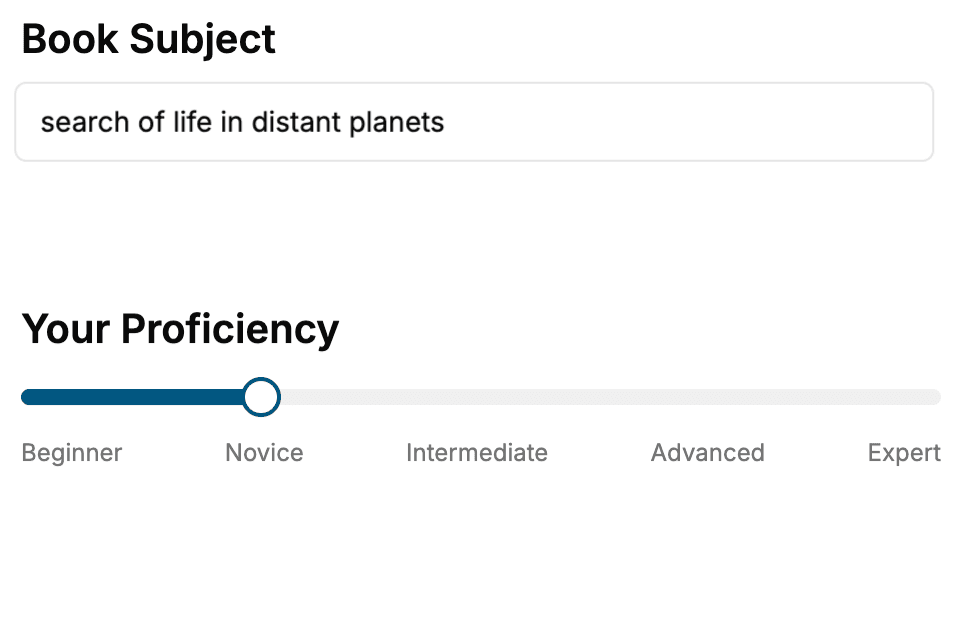
Select the focus of your Nuclear Proliferation book and share your background
- 2. Personalize your book
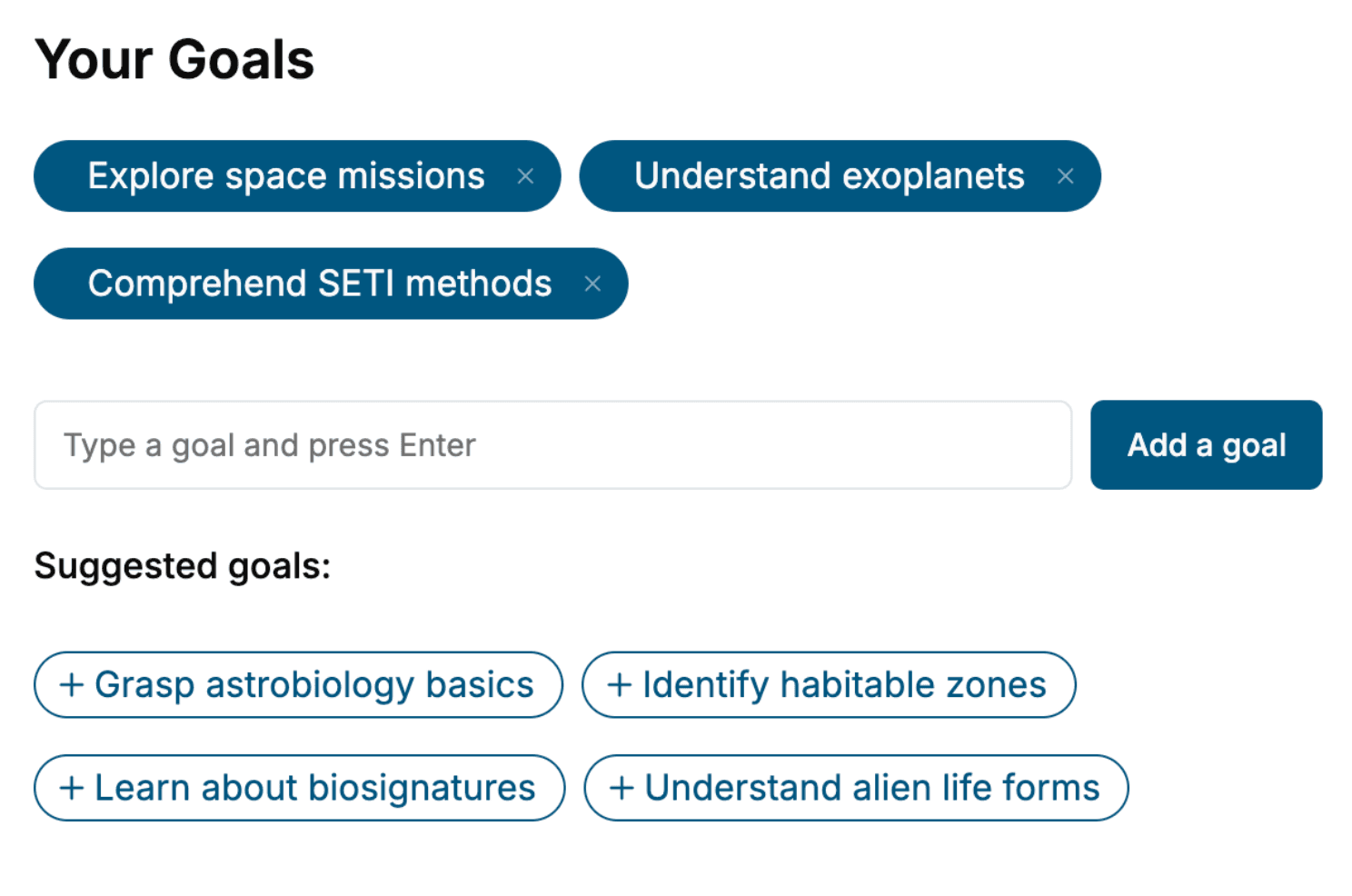
Specify your goals and choose sub-topics to include
- 3. Get your tailored book
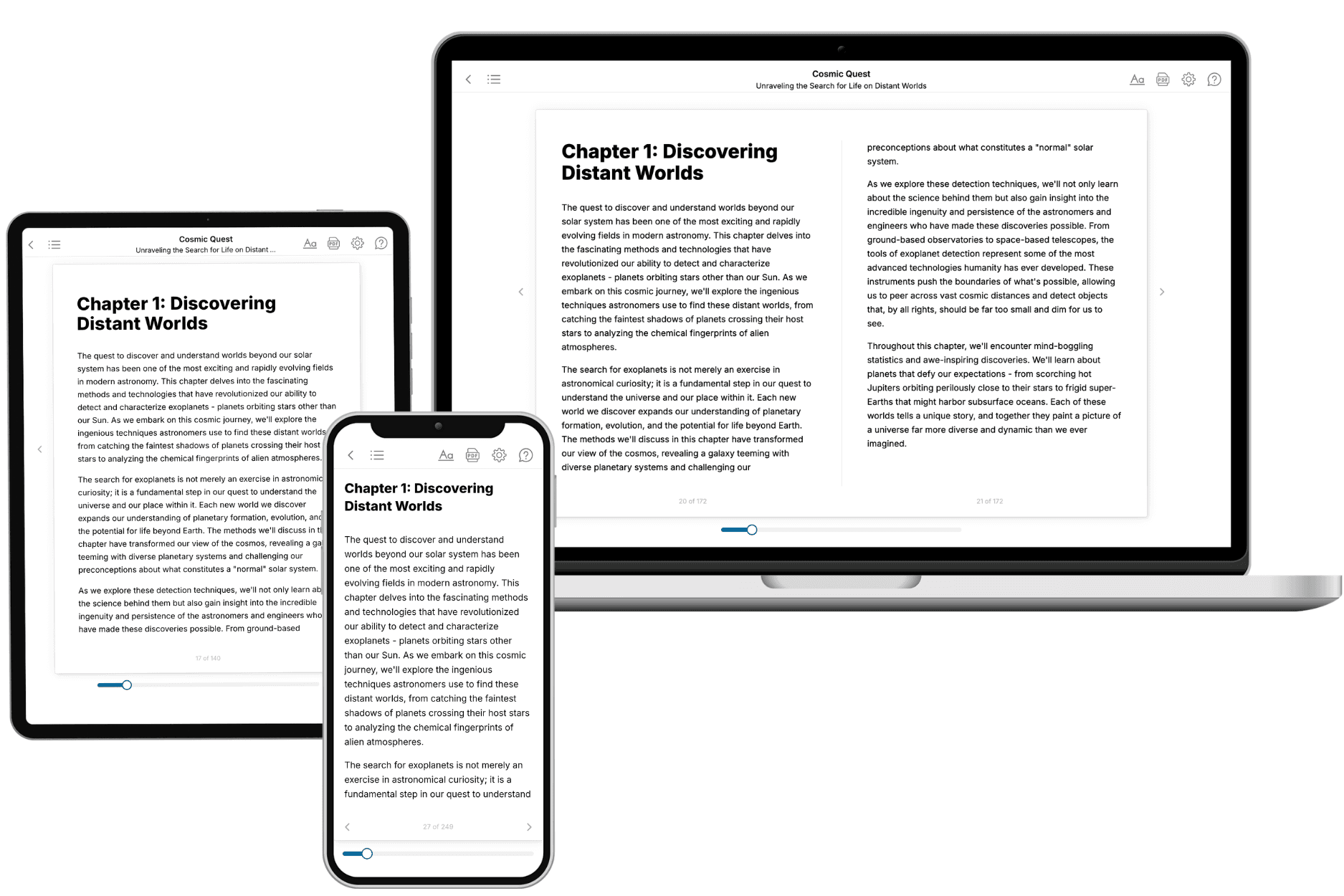
Your book is ready in 10 minutes. Read it online, download as EPUB or PDF, or send to Kindle.
Frequently asked questions
- What is TailoredRead?
TailoredRead creates complete, full-length nonfiction ebooks, written specifically for you. Tell us what you want to learn and why, and TailoredRead writes you a complete ebook on it, with charts, tables, and diagrams throughout. Read it online, on Kindle, or on any e-reader, or download it as a PDF or EPUB. Every book is written fresh the day you order it.
- How is the book tailored to me?
Before anything is written, you answer a few short questions about your goals, your background, and the topics you care about. Your book is then planned around your answers: written at your level, focused on your goals, and covering the topics you chose, instead of the one-size-fits-all book a store sells everyone.
- Will it read like generic AI content?
No. Your book isn't a chat transcript: it's planned chapter by chapter before a single word is written, told in a clear book voice, and explains ideas visually with charts, tables, and diagrams. After writing, every book goes through an editorial pass that polishes chapters so the book reads consistent from start to finish. Judge for yourself: browse thousands of sample books on our Explore Books page.
- How accurate is the content?
Our AI first checks whether your subject needs live research. Niche and fast-moving subjects are researched before writing, and the book plan and chapters are grounded in what it finds. After writing, every book goes through a quality pass that checks its facts and consistency, and researched books list their sources in a Notes section at the back.
- How long is the book?
You choose the length: Comprehensive (250-300 pages), Detailed (150-200 pages), Essential (70-100 pages), or Short (30-50 pages).
- Does the book include visuals?
Yes. Every book includes charts, tables, and diagrams: timelines, checklists, step-by-step guides, decision trees, comparison tables, matrices, and bar charts. A typical book includes dozens of these visual elements.
- Can I read it on Kindle? What formats can I download?
Yes. Every book can be read in our online reader or downloaded as a PDF or EPUB. The EPUB can be opened with Kindle, Apple Books, Kobo, and any e-reader. The Commercial and Author licenses also include an editable Word (DOCX) and Markdown download.
- How much does it cost?
About the price of a regular ebook. The exact price depends on your book's length and complexity, from $2 for the shortest books to $35 for the most comprehensive, and it's shown when you review your book, before you commit to anything. Each book is a one-time purchase, yours to keep, no subscription. Licenses that let you share, teach, or publish your book range from $35.99 to $49.99.
- Can I preview the book before purchasing?
Before you pay, you'll see what your book will cover: the title, a detailed description, the estimated length, and the complete chapter-by-chapter table of contents, so you know what you're getting before you decide. The full text itself is written after you purchase.
- How long does it take to create a book?
About 10 minutes. You can start reading the opening chapters while the rest is still being written.