Data Collection Books
Explore tailored Data Collection books created by our AI
The Survey Research Handbook
Master the Art and Science of Collecting Reliable Data
Elevate your research capabilities by mastering the complete survey research process from conception to insight. This comprehensive guide walks you through every critical decision point in survey methodology, from defining your research questions and designing instruments that minimize bias, to selecting appropriate samples and managing response rates. You'll learn how to navigate the tension between statistical rigor and practical constraints, understand the mathematical foundations underlying sampling and analysis, and discover how to extract meaningful insights from your data. Whether you're conducting academic research, market studies, or organizational assessments, this handbook provides the frameworks, tools, and real-world strategies you need to produce surveys that stakeholders trust and act upon. Move beyond surface-level understanding to develop the judgment and expertise that separates mediocre surveys from exceptional ones.
The biggest challenge facing qualitative researchers today isn't finding interesting questions to explore—it's conducting research that meets rigorous academic standards while capturing the rich, complex realities of human experience. Too many researchers struggle with methodological uncertainty, wondering if their approach is sound, their analysis is credible, or their findings will be taken seriously by the academic community. This comprehensive guide bridges the gap between theoretical knowledge and practical application, providing you with the tools and confidence needed to conduct exceptional qualitative research. You'll discover how to design studies that are both methodologically rigorous and deeply meaningful, moving beyond surface-level data collection to uncover profound insights about human behavior, experiences, and social phenomena. Through systematic exploration of research design, data collection techniques, and analytical approaches, you'll learn to navigate the complexities of qualitative inquiry with precision and purpose. From developing compelling research questions to presenting findings that resonate with diverse audiences, this book equips you with proven strategies used by successful researchers across disciplines. By the end of this guide, you'll possess the methodological expertise and analytical skills necessary to contribute original, high-quality research to your field, while maintaining the ethical standards and reflexive practices that define excellent qualitative scholarship.
Many researchers struggle with qualitative data collection, unsure how to capture the moments that truly matter. The Critical Incident Technique offers a proven solution—a structured yet flexible approach to identifying and analyzing the specific behavioral events that reveal deep insights about human performance, organizational culture, and social dynamics. This guide walks you through every stage of the process, from defining what makes an incident "critical" for your research to conducting interviews that elicit rich, detailed accounts, and finally, analyzing your data to uncover meaningful patterns. Whether you're studying workplace effectiveness, educational outcomes, healthcare delivery, or user experiences, you'll learn how to apply CIT with confidence and rigor. Discover how to design incident collection strategies tailored to your research questions, navigate common pitfalls, ensure your findings are valid and reliable, and translate your analysis into actionable insights. This book combines theoretical foundations with practical tools, real-world examples, and step-by-step guidance to help you master this powerful qualitative research method.
Master the art of purposeful research design by understanding when and how to use non-probability sampling methods effectively. This guide moves beyond the assumption that random selection is always necessary, showing you how to select participants strategically based on your research goals. You'll explore the philosophical foundations that justify non-probability approaches, learn the strengths and limitations of each major method, and discover how to design studies that produce credible, defensible results. Whether you're studying hard-to-reach populations, conducting exploratory research, or working within real-world constraints, this book provides practical frameworks for making intentional sampling decisions. Gain the confidence to justify your methodological choices, anticipate and address potential biases, and communicate your findings with transparency and rigor. Perfect for researchers navigating the complexities of modern qualitative and mixed-methods studies.
You're ready to move beyond basic statistics and develop a comprehensive understanding of quantitative research methods. Whether you're designing your first major study or refining your analytical skills, this book provides the clarity and practical guidance you need to conduct rigorous research with confidence. You'll discover how to formulate research questions that lead to meaningful insights, select appropriate research designs that match your objectives, and choose statistical methods that align with your data and hypotheses. Through clear explanations and real-world applications, you'll learn to navigate the complexities of sampling, measurement, and data analysis while avoiding common pitfalls that compromise research quality. This book bridges the gap between statistical theory and practical application, showing you not just how to run tests, but when to use them and how to interpret results in context. You'll gain the skills to evaluate research critically, make informed methodological decisions, and communicate your findings effectively. By the end, you'll have a solid foundation for conducting quantitative research that stands up to scrutiny and contributes valuable knowledge to your field.
You're about to discover how to design experiments that definitively answer your most important questions. This book walks you through the complete RCT lifecycle—from formulating testable hypotheses and calculating sample sizes to randomizing participants, managing implementation, and interpreting results with statistical confidence. You'll learn why randomization works, how to avoid common pitfalls that compromise validity, and how to navigate the practical constraints that real-world research presents. Whether you're evaluating a new treatment, testing an intervention, or validating a hypothesis, you'll gain the conceptual understanding and practical tools to conduct rigorous trials that stakeholders trust. This isn't theoretical—it's grounded in real examples and actionable guidance that helps you make methodologically sound decisions at every stage.
What separates a study that reveals genuine truth from one that merely appears to? The answer lies in how you design your experiment before you ever collect a single data point. This book cuts through the complexity of experimental research design to show you exactly how to construct studies that produce trustworthy, actionable results. You'll learn the core principles that govern valid experiments—from controlling variables and managing bias to calculating appropriate sample sizes and interpreting statistical power. Whether you're designing a clinical trial, conducting behavioral research, or testing a new intervention, this guide provides the frameworks and practical strategies you need to make sound methodological choices. Discover how randomization, blinding, and factorial designs work together to strengthen your conclusions, and understand why seemingly small design decisions can make the difference between publishable research and flawed findings. This is the essential reference for anyone serious about conducting research that stands up to scrutiny.
You'll move from understanding experimental design principles to confidently planning and executing studies that produce trustworthy results. This guide bridges the gap between statistical theory and real-world application, showing you exactly how to structure experiments that answer your research questions decisively. Learn how randomization eliminates bias, why sample size matters more than you think, and how to design factorial experiments that test multiple hypotheses efficiently. Discover the hidden assumptions in common designs and how to spot—and avoid—the pitfalls that compromise validity. Whether you're conducting clinical trials, A/B testing, quality control studies, or academic research, you'll gain practical frameworks for making design decisions that stand up to scrutiny. Each chapter builds on core concepts with concrete examples, decision trees, and step-by-step workflows. You'll understand not just what to do, but why it matters and when to adapt standard approaches to your unique constraints.
Are you limiting your research potential by relying on just one methodological approach? In today's complex research landscape, the most compelling studies combine the precision of numbers with the depth of human experience. This comprehensive guide takes you beyond traditional single-method approaches to master the art and science of mixed methods research. You'll discover how to strategically blend quantitative and qualitative techniques to answer research questions that neither approach could tackle alone. From designing robust sequential and concurrent studies to analyzing integrated datasets, you'll gain the skills to conduct research that captures both statistical significance and meaningful context. Through practical examples, step-by-step procedures, and real-world applications, you'll learn to navigate the complexities of mixed methods design, overcome common integration challenges, and present findings that resonate with diverse audiences. Whether you're investigating educational interventions, organizational behavior, or social phenomena, this book provides the framework to elevate your research impact. By the end, you'll confidently design studies that harness the complementary strengths of both methodological traditions, creating research that is both rigorous and relevant to the complex questions facing your field.
The Case Study Playbook
Master the Art and Science of In-Depth Research
What makes some research findings stick with decision-makers while others gather dust on shelves? The answer often lies not in the volume of data collected, but in how deeply you understand the phenomenon you're studying. Case study research offers a pathway to that depth—yet many researchers approach it haphazardly, treating it as a lesser alternative to quantitative methods rather than a rigorous methodology in its own right. This book demystifies case study research, showing you how to design studies that produce credible, compelling findings. You'll learn to navigate the critical decisions that separate rigorous case studies from superficial investigations: selecting cases strategically, collecting data systematically, and analyzing findings with precision. Whether you're investigating organizational change, policy implementation, or complex social phenomena, this guide provides the frameworks, tools, and real-world examples you need to conduct case studies that inform theory, influence practice, and advance your field.
Many organizations approach communities with predetermined solutions and surface-level surveys, missing the deeper insights that only emerge through genuine partnership. Community participatory research flips this model—it positions community members as co-researchers who shape questions, collect data, and drive decisions. This approach generates richer insights, builds authentic trust, and creates solutions that actually work because communities helped design them. Whether you're building a brand, strengthening a nonprofit, or organizing for social change, participatory research connects you to real community needs and aspirations. This book provides practical frameworks for designing participatory research, managing group dynamics, collecting meaningful data, and translating findings into action. You'll learn how to navigate power imbalances, build cultural competence, and create participation structures that genuinely empower rather than tokenize. With real-world examples and step-by-step guidance, you'll discover how to move beyond extractive research toward collaborative inquiry that benefits everyone involved.
Related books you may like:
Discover how advanced functional materials are reshaping industries and enabling solutions to humanity's greatest challenges. This comprehensive guide takes you beyond basic materials science to explore the cutting-edge world of engineered materials designed to perform specific, transformative functions. You'll learn how scientists and engineers manipulate atomic structures and processing conditions to create materials that respond to stimuli, conduct electricity with unprecedented efficiency, or heal themselves. From smart polymers that change properties on demand to nanomaterials with revolutionary capabilities, this book reveals the principles behind these innovations and their practical applications in healthcare, energy, electronics, and aerospace. Whether you're advancing your career, developing new products, or simply fascinated by the materials shaping our future, you'll gain the knowledge to understand, evaluate, and potentially contribute to this rapidly evolving field.
Most chemical reactions should happen instantly, yet they don't. The culprit? Activation energy—the invisible barrier that keeps reactants locked in place until enough energy arrives to break them free. Without understanding this fundamental concept, enzyme kinetics remains a mystery, and the elegant mechanisms by which life accelerates reactions seem like magic. This book demystifies activation energy and enzyme kinetics through clear explanations, practical examples, and visual frameworks. You'll discover how enzymes perform their catalytic miracles by lowering activation energy, explore the mathematics of reaction rates through the Arrhenius equation and Michaelis-Menten kinetics, and learn how inhibition mechanisms control biological processes. Whether you're studying biochemistry, developing pharmaceuticals, or optimizing industrial processes, this guide equips you with both the conceptual understanding and quantitative tools needed to predict, analyze, and manipulate enzyme-catalyzed reactions with confidence.
Achieve reliable, reproducible separations of complex chemical mixtures using adsorption chromatography. This practical guide bridges the gap between theoretical principles and real-world laboratory application, providing you with the knowledge and skills to design effective separation strategies for your specific analytical needs. You'll explore the fundamental science of how compounds interact with adsorbent materials, learn to select optimal stationary and mobile phases, and master the practical techniques that ensure consistent results. Whether you're working with thin-layer chromatography, column chromatography, or HPLC systems, this book equips you with systematic approaches to troubleshooting common problems, optimizing separations, and interpreting data with confidence. Packed with practical examples, decision-making frameworks, and evidence-based strategies, you'll develop the expertise to tackle challenging separation problems and advance your analytical capabilities in pharmaceutical, environmental, or materials research.
Many assume adipose tissue is simply inert fat to be minimized or removed. In reality, it's a sophisticated, metabolically active organ with remarkable regenerative potential. This book reveals how adipose tissue engineering is revolutionizing medicine by creating functional tissue solutions for reconstruction, regeneration, and therapeutic applications. You'll discover the biological foundations of adipose tissue, learn how scientists harvest and cultivate adipose-derived stem cells, and explore cutting-edge engineering strategies that transform these cells into viable tissue constructs. From scaffold design and bioreactor optimization to vascularization techniques and clinical translation, this guide provides practical insights into the science and engineering behind adipose tissue regeneration. Whether you're a researcher, student, or healthcare professional, you'll gain actionable knowledge about the current state of the field, emerging technologies, and the real-world challenges of bringing engineered tissues from the laboratory to clinical practice.
In the rapidly evolving world of ultra-high-speed communications, the challenge of designing secure and efficient chips has never been more daunting. As a Principal Architect, you face the complex task of integrating cutting-edge VLSI techniques with robust cryptographic solutions. This book is your comprehensive guide to conquering these challenges. "Advanced VLSI Design" delves deep into the intricacies of modern chip architecture, offering you practical insights into overcoming CMOS scaling limitations, harnessing the power of 3D IC integration, and implementing state-of-the-art FinFET technology. You'll explore innovative approaches to low-power design and high-speed SerDes, crucial for next-generation communication systems. This book doesn't just stop at performance; it equips you with the knowledge to build security from the ground up. From hardware Trojan detection to side-channel analysis resistance, you'll learn how to create chips that are not only fast but also fortified against modern security threats. Dive into advanced topics like quantum-dot cellular automata and EUV lithography, positioning yourself at the forefront of VLSI innovation.
Create a Data Collection Book Tailored to You
Create an AI-crafted book tailored to your goals, interests, and background






Benefits of AI-tailored books
- Read one book, not ten:
- all the Data Collection knowledge you need, gathered into a single book.
- Save days of learning:
- tell us your goals, choose your topics, and the whole book is built around them.
- Learn effortlessly:
- Data Collection book written for your specific background and expertise.
- Understand at a glance:
- includes charts, tables, timelines, checklists, decision trees, and more.
- Stay current:
- written the day you order it, not years ago.
- Trust what you read:
- every book is checked for accuracy, with real research when your subject needs it.
Create your unique book in 3 steps
- 1. Select your focus
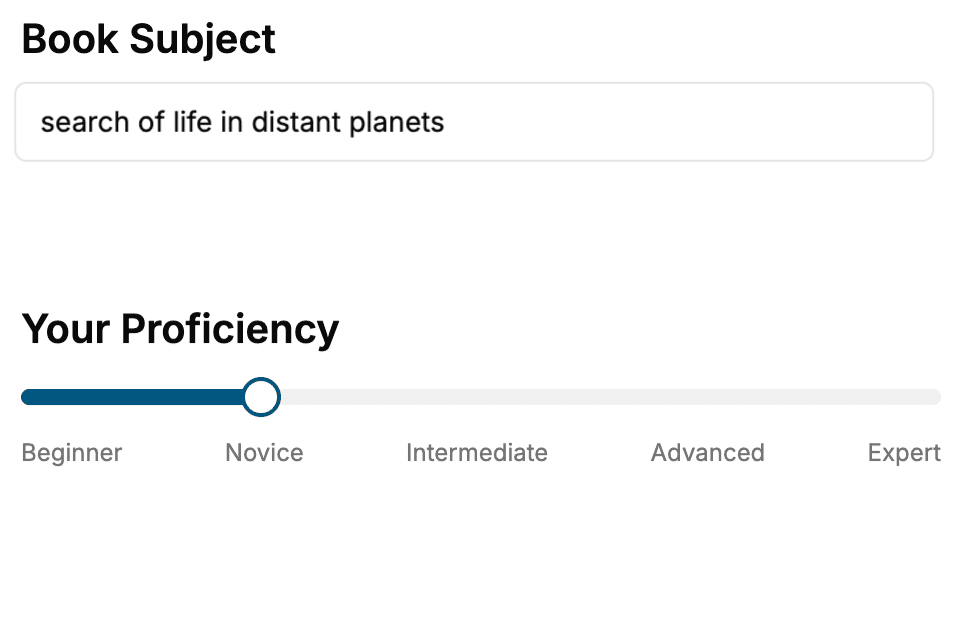
Select the focus of your Data Collection book and share your background
- 2. Personalize your book
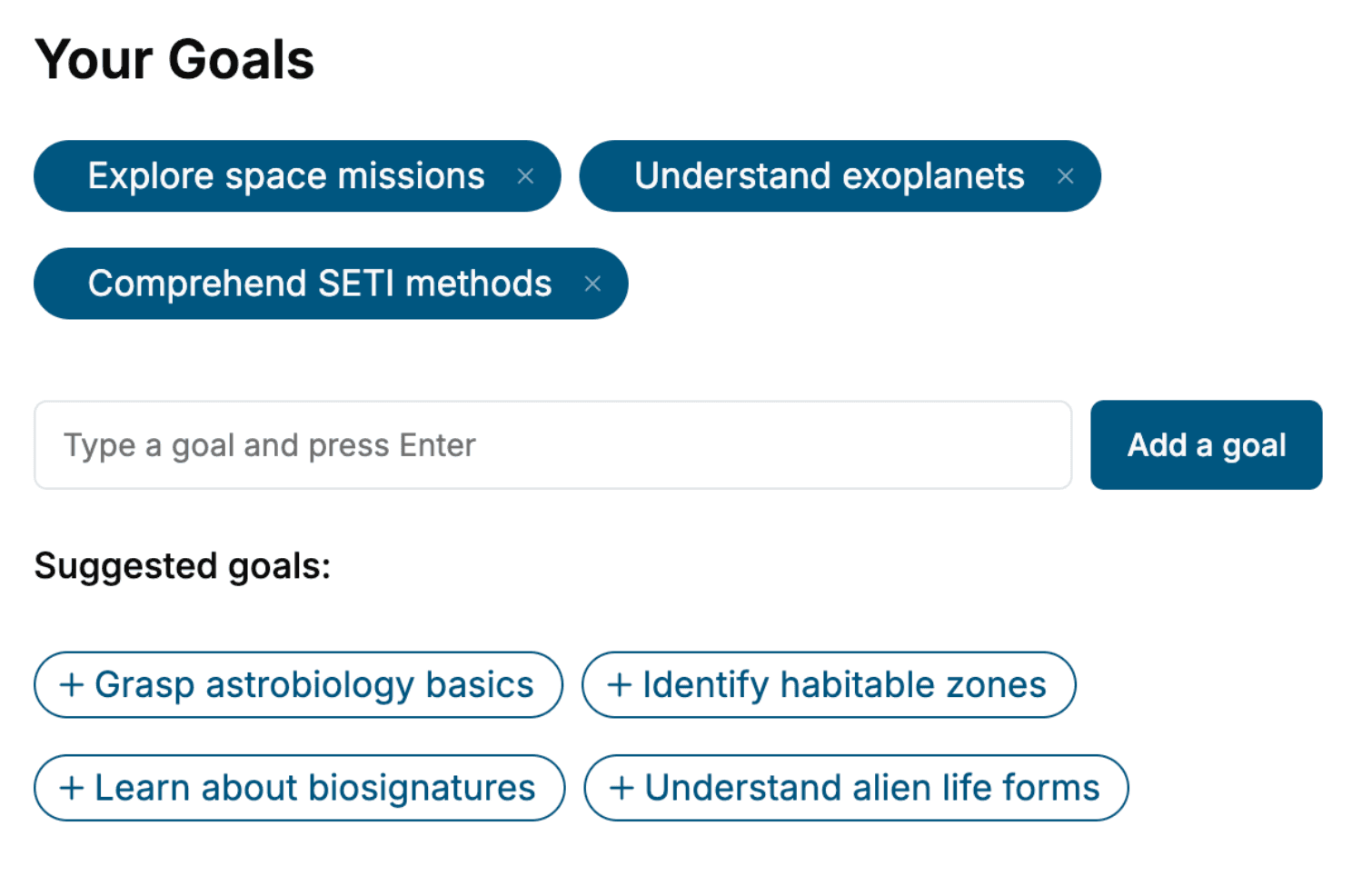
Specify your goals and choose sub-topics to include
- 3. Get your tailored book
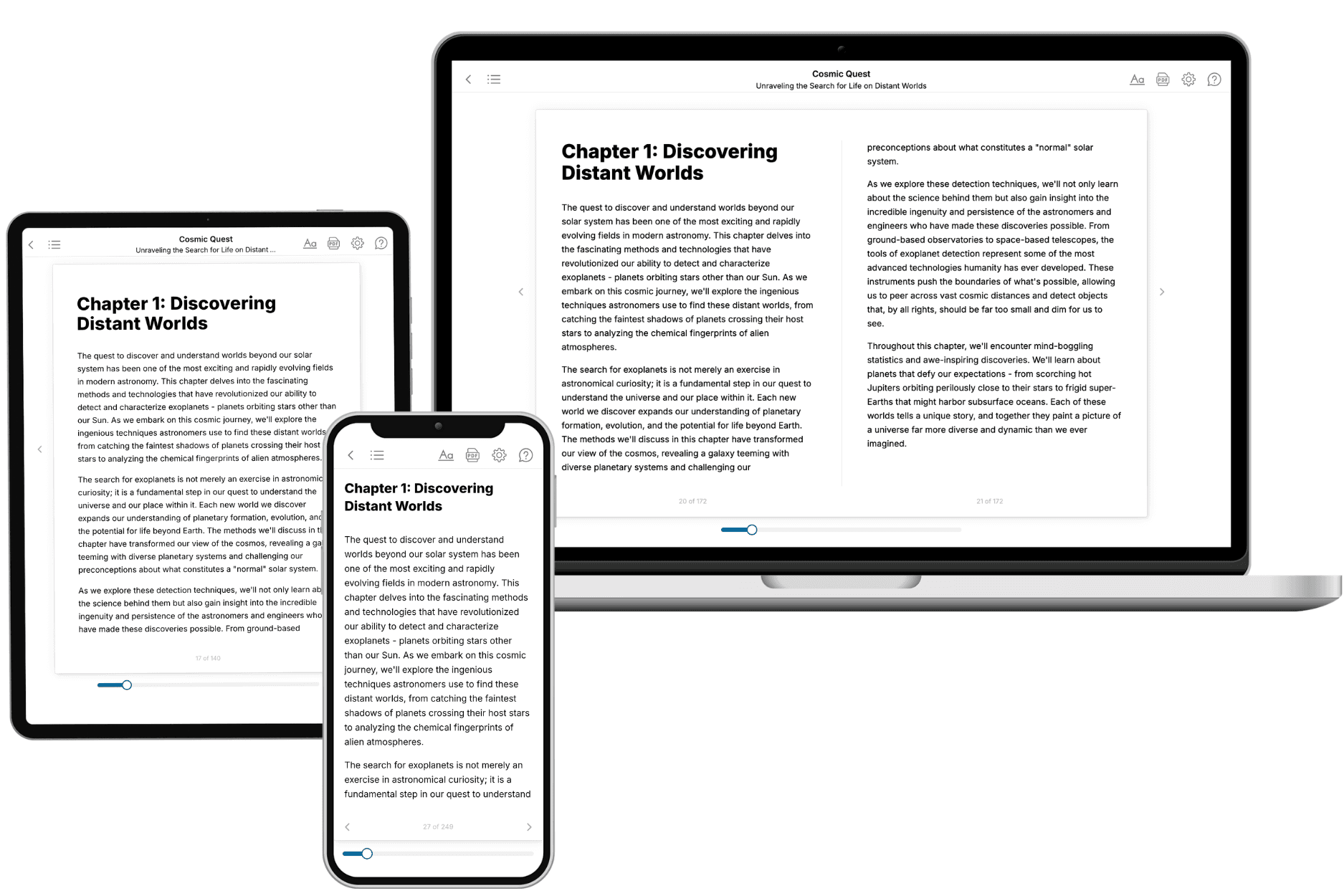
Your book is ready in 10 minutes. Read it online, download as EPUB or PDF, or send to Kindle.
Frequently asked questions
- What is TailoredRead?
TailoredRead creates complete, full-length nonfiction ebooks, written specifically for you. Tell us what you want to learn and why, and TailoredRead writes you a complete ebook on it, with charts, tables, and diagrams throughout. Read it online, on Kindle, or on any e-reader, or download it as a PDF or EPUB. Every book is written fresh the day you order it.
- How is the book tailored to me?
Before anything is written, you answer a few short questions about your goals, your background, and the topics you care about. Your book is then planned around your answers: written at your level, focused on your goals, and covering the topics you chose, instead of the one-size-fits-all book a store sells everyone.
- Will it read like generic AI content?
No. Your book isn't a chat transcript: it's planned chapter by chapter before a single word is written, told in a clear book voice, and explains ideas visually with charts, tables, and diagrams. After writing, every book goes through an editorial pass that polishes chapters so the book reads consistent from start to finish. Judge for yourself: browse thousands of sample books on our Explore Books page.
- How accurate is the content?
Our AI first checks whether your subject needs live research. Niche and fast-moving subjects are researched before writing, and the book plan and chapters are grounded in what it finds. After writing, every book goes through a quality pass that checks its facts and consistency, and researched books list their sources in a Notes section at the back.
- How long is the book?
You choose the length: Comprehensive (250-300 pages), Detailed (150-200 pages), Essential (70-100 pages), or Short (30-50 pages).
- Does the book include visuals?
Yes. Every book includes charts, tables, and diagrams: timelines, checklists, step-by-step guides, decision trees, comparison tables, matrices, and bar charts. A typical book includes dozens of these visual elements.
- Can I read it on Kindle? What formats can I download?
Yes. Every book can be read in our online reader or downloaded as a PDF or EPUB. The EPUB can be opened with Kindle, Apple Books, Kobo, and any e-reader. The Commercial and Author licenses also include an editable Word (DOCX) and Markdown download.
- How much does it cost?
About the price of a regular ebook. The exact price depends on your book's length and complexity, from $2 for the shortest books to $35 for the most comprehensive, and it's shown when you review your book, before you commit to anything. Each book is a one-time purchase, yours to keep, no subscription. Licenses that let you share, teach, or publish your book range from $35.99 to $49.99.
- Can I preview the book before purchasing?
Before you pay, you'll see what your book will cover: the title, a detailed description, the estimated length, and the complete chapter-by-chapter table of contents, so you know what you're getting before you decide. The full text itself is written after you purchase.
- How long does it take to create a book?
About 10 minutes. You can start reading the opening chapters while the rest is still being written.