Legal Profession Books
Explore tailored Legal Profession books created by our AI
You're representing clients in one of the most important decisions of their lives—whether they qualify for Social Security Disability benefits. This handbook walks you through the entire disability determination process, from initial claim preparation through appeals, giving you the practical tools and knowledge to build stronger cases and win more claims. You'll learn how SSA evaluates medical evidence, how judges assess credibility and functional capacity, and how to construct persuasive arguments that overcome common case weaknesses. Each chapter focuses on a specific skill—from conducting effective client interviews and analyzing medical records to preparing for hearings and challenging vocational expert testimony. You'll discover the sequential evaluation framework that governs all disability decisions, master the forms and procedures that control case outcomes, and develop the documentation strategies that make the difference between approval and denial. Whether you're preparing your first claim or refining your practice, this handbook provides the evidence-based guidance you need to advocate effectively for your clients and build a successful disability practice.
Master the essential skills that separate competent paralegals from exceptional ones. This practical guide walks you through the complete landscape of legal document preparation, from initial drafting through final court filing. You'll learn the specific formatting standards, structural requirements, and professional conventions for every major document type you'll encounter in legal practice—including complaints, pleadings, contracts, litigation documents, and settlement agreements. Each chapter breaks down real-world document requirements with clear examples and step-by-step guidance. You'll discover how to properly format legal citations, construct conditional clauses that protect client interests, prepare deposition transcripts, and navigate court filing procedures. Whether you're drafting your first demand letter or preparing complex intellectual property agreements, this guide provides the authoritative reference you need to produce documents that meet professional standards and effectively advance your clients' legal positions. Built specifically for paralegal students and early-career professionals, this book transforms theoretical knowledge into practical expertise.
Imagine confidently naviging complex legal databases, quickly grasping the essence of dense case law, and producing research memos that attorneys rely on without hesitation. As a paralegal student, you're building the foundation for a career where precision, efficiency, and critical thinking directly impact client outcomes. This guide provides you with proven strategies for legal research that go beyond surface-level document review. You'll learn how legal documents are structured, why legal writing follows specific conventions, and how to think critically about legal arguments like experienced practitioners do. From mastering citation formatting to developing systematic case briefing methods, from optimizing your research workflow to managing your time effectively, this book transforms legal research from an overwhelming task into a manageable, repeatable process. Whether you're analyzing case law, drafting legal memoranda, or navigating legal databases, you'll have the tools and frameworks to work smarter, not just harder.
Navigating trademark clearance and infringement analysis is one of the most critical—and complex—responsibilities of an IP paralegal. You need to identify potential conflicts before they become costly disputes, assess infringement risks accurately, and protect your organization's trademark portfolio. Yet the landscape is fragmented: federal databases, state registries, common law rights, and international considerations all demand attention, and the legal standards for infringement, dilution, and comparative advertising differ significantly. This practical guide cuts through the complexity by providing you with proven search strategies, systematic risk assessment frameworks, and step-by-step procedures for conducting clearance searches, analyzing infringement claims, managing opposition procedures, and executing due diligence in M&A transactions. You'll learn how to evaluate trademark strength, navigate the likelihood of confusion test, identify dilution risks, and ensure compliance with trademark use requirements. Whether you're protecting a new brand launch, evaluating acquisition targets, or defending against infringement claims, this book gives you the tools and knowledge to work with confidence and precision.
Are you still spending hours each week searching for emails, managing calendar conflicts, and struggling to keep your Outlook inbox under control? This practical guide transforms your Outlook experience from frustrating chaos into a streamlined, professional system tailored for someone with your background and needs. You'll discover how to build a folder structure that actually works, create automated rules that process emails intelligently, master calendar meeting invitations to prevent scheduling disasters, and extend your organizational system to your mobile devices. Whether you're managing professional correspondence, coordinating with colleagues, or simply reclaiming your digital sanity, this book provides step-by-step instructions, real-world examples, and proven strategies. Learn the advanced features that separate casual users from power users, implement systems that save you hours each month, and finally achieve the inbox peace you've been seeking. No jargon, no overwhelming technical details—just practical, actionable guidance designed for someone ready to take control.
Words and Justice
How Language Shapes Legal Outcomes and Why Precision Matters
Discover how the words you choose in legal documents, contracts, and courtroom arguments directly influence outcomes. This book reveals the critical intersection between language and law, showing you why precision matters and how miscommunication costs money, time, and credibility. You'll learn the specific linguistic conventions that govern legal writing, understand how courts interpret ambiguous language, and develop practical strategies for communicating more effectively in legal contexts. Whether you're drafting contracts, preparing legal arguments, or simply trying to understand legal documents, this guide provides actionable insights into the language rules that shape justice. Explore real-world examples of how word choice has determined case outcomes, discover the principles behind legal interpretation, and master techniques for writing with clarity and legal precision. This is essential reading for anyone who needs to communicate effectively within the legal system.
Many lawyers struggle to confidently apply antitrust principles because they lack a systematic framework for analyzing markets and identifying dominance. Without mastering market definition and concentration analysis, you risk misdiagnosing competitive issues, weakening client arguments, and missing critical legal opportunities. This book provides a comprehensive yet accessible guide to antitrust fundamentals tailored for legal professionals. You'll learn how to define relevant markets using modern methodologies, calculate and interpret market concentration metrics, assess monopoly power with precision, and evaluate market dominance across multiple dimensions. Each concept builds logically from foundational principles to sophisticated analytical techniques, with practical examples drawn from landmark cases and contemporary enforcement actions. By the end, you'll possess the analytical tools and conceptual clarity needed to confidently advise clients, structure arguments, and navigate complex antitrust matters with authority and precision.
Related books you may like:
Constitutional amendments represent the ultimate expression of democratic will—yet most Americans have little understanding of how they actually happen. The path from idea to ratified amendment is deliberately arduous, requiring supermajority support in Congress and approval from three-fourths of state legislatures. This creates a paradox: amendments are rare precisely because they're meant to be, yet understanding how they succeed—and why most fail—reveals essential truths about American politics, coalition-building, and social change. This guide walks you through the complete amendment process, from proposal mechanisms to state ratification procedures, while analyzing the political strategies that have driven successful campaigns and the missteps that have derailed others. You'll examine historical amendment timelines, study failed attempts to understand what went wrong, and learn the grassroots mobilization tactics, advocacy strategies, and coalition-building approaches that actually move the needle on constitutional change. Whether you're interested in understanding past amendments or evaluating modern proposals, this book provides the analytical framework and practical knowledge to comprehend how America's highest law gets changed.
You'll gain a sophisticated understanding of one of the most powerful yet least understood mechanisms in American democracy. This book takes you beyond the basic civics lesson to explore how constitutional amendments actually happen—and why they so rarely do. You'll discover the strategic calculations, political battles, and social movements that have shaped America's founding document across more than two centuries. Through detailed analysis of both successful and failed amendments, you'll learn to recognize the patterns that determine which proposed changes gain traction and which fade into obscurity. You'll understand how the Founders' original design has been tested, adapted, and sometimes circumvented through formal and informal means. From the Bill of Rights to Prohibition and its repeal, from voting rights expansions to contemporary proposals, you'll see how each amendment reflects the values and conflicts of its era. This book equips you with analytical frameworks to evaluate current amendment proposals and understand their likelihood of success. You'll appreciate how this deliberately difficult process has both protected fundamental rights and sometimes delayed necessary reforms, shaping the nation's trajectory in profound ways.
Navigate the rapidly evolving landscape of AI liability that now confronts every legal practice. As courts apply traditional tort, contract, and product liability frameworks to AI-assisted legal work, practitioners face unprecedented malpractice exposure—from hallucinated citations to supervisory failures to insurance coverage gaps. This book guides you through the critical decisions you must make today to protect your practice tomorrow. You'll learn how to assess AI malpractice risks using real-world case analysis, implement supervisory protocols that satisfy ABA Rules 5.1 and 5.3, design AI disclosure frameworks that withstand scrutiny, and advise clients on their own AI liability exposure. Drawing on verified research through July 2026, including Lloyd's emerging risk classifications, state AI governance statutes, and professional liability insurance trends, this resource provides the frameworks, checklists, and strategic guidance you need to deploy AI responsibly while managing the paradoxical liability landscape where both using and failing to use AI creates exposure. Whether you're building firm-wide AI governance or counseling individual clients, this book equips you with the competence and documentation standards that define professional practice in the AI era.
Understand how a single constitutional phrase has become the foundation of American civil rights protections. The Equal Protection Clause of the 14th Amendment is one of the most consequential yet misunderstood provisions in the Constitution. This book traces its journey from a Reconstruction-era guarantee to the powerful legal tool that dismantled Jim Crow segregation, expanded rights for women and minorities, and continues shaping debates about fairness today. You'll explore landmark Supreme Court cases, learn how courts determine what "equal protection" actually means, and discover why this clause remains central to contemporary civil rights struggles. Whether you're studying history, law, or simply want to understand the constitutional backbone of American equality, this accessible guide illuminates how legal principles translate into real-world protections and why the fight for equal protection remains unfinished.
Create a Legal Profession Book Tailored to You
Create an AI-crafted book tailored to your goals, interests, and background






Benefits of AI-tailored books
- Read one book, not ten:
- all the Legal Profession knowledge you need, gathered into a single book.
- Save days of learning:
- tell us your goals, choose your topics, and the whole book is built around them.
- Learn effortlessly:
- Legal Profession book written for your specific background and expertise.
- Understand at a glance:
- includes charts, tables, timelines, checklists, decision trees, and more.
- Stay current:
- written the day you order it, not years ago.
- Trust what you read:
- every book is checked for accuracy, with real research when your subject needs it.
Create your unique book in 3 steps
- 1. Select your focus
Select the focus of your Legal Profession book and share your background
- 2. Personalize your book
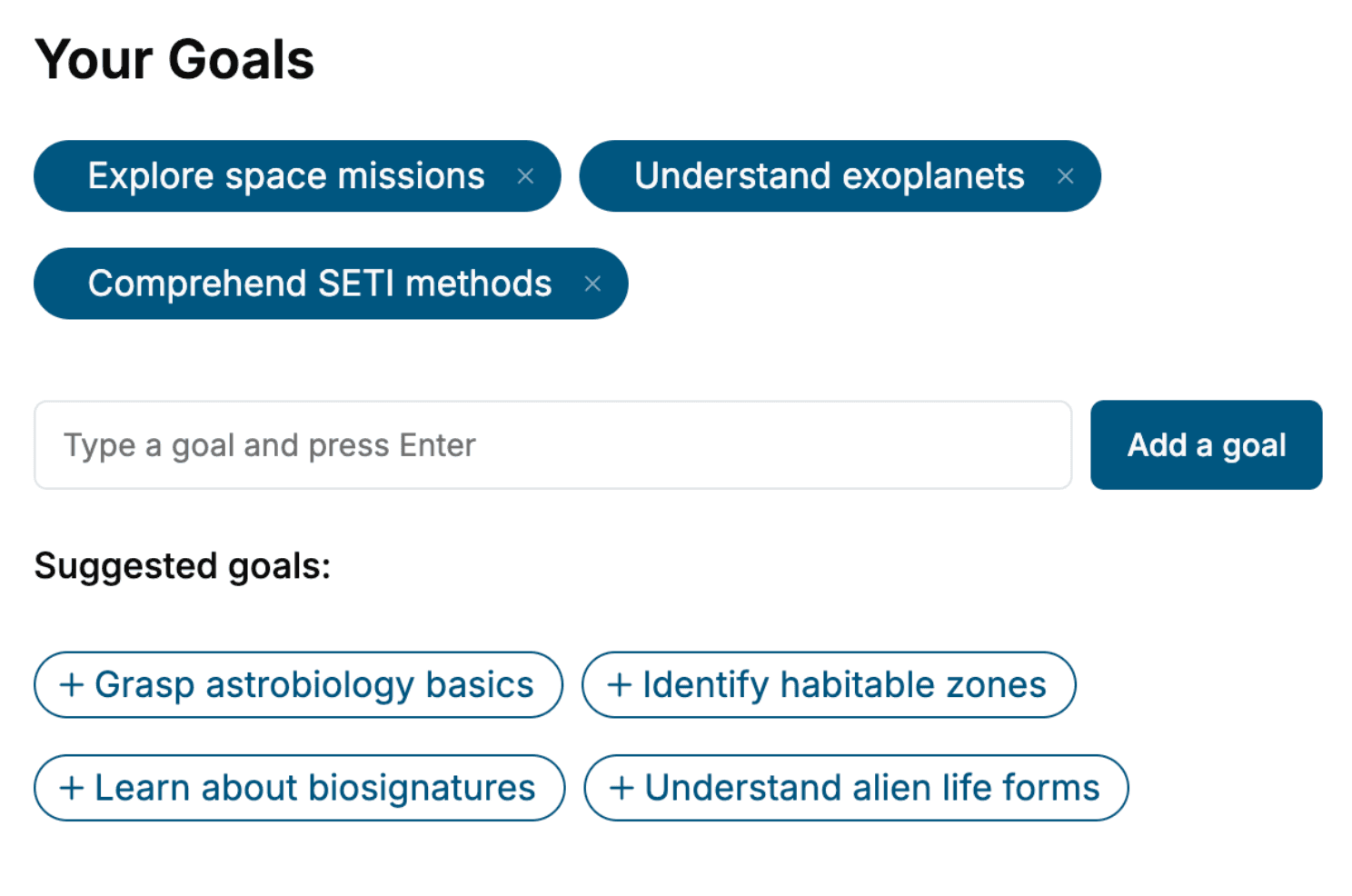
Specify your goals and choose sub-topics to include
- 3. Get your tailored book
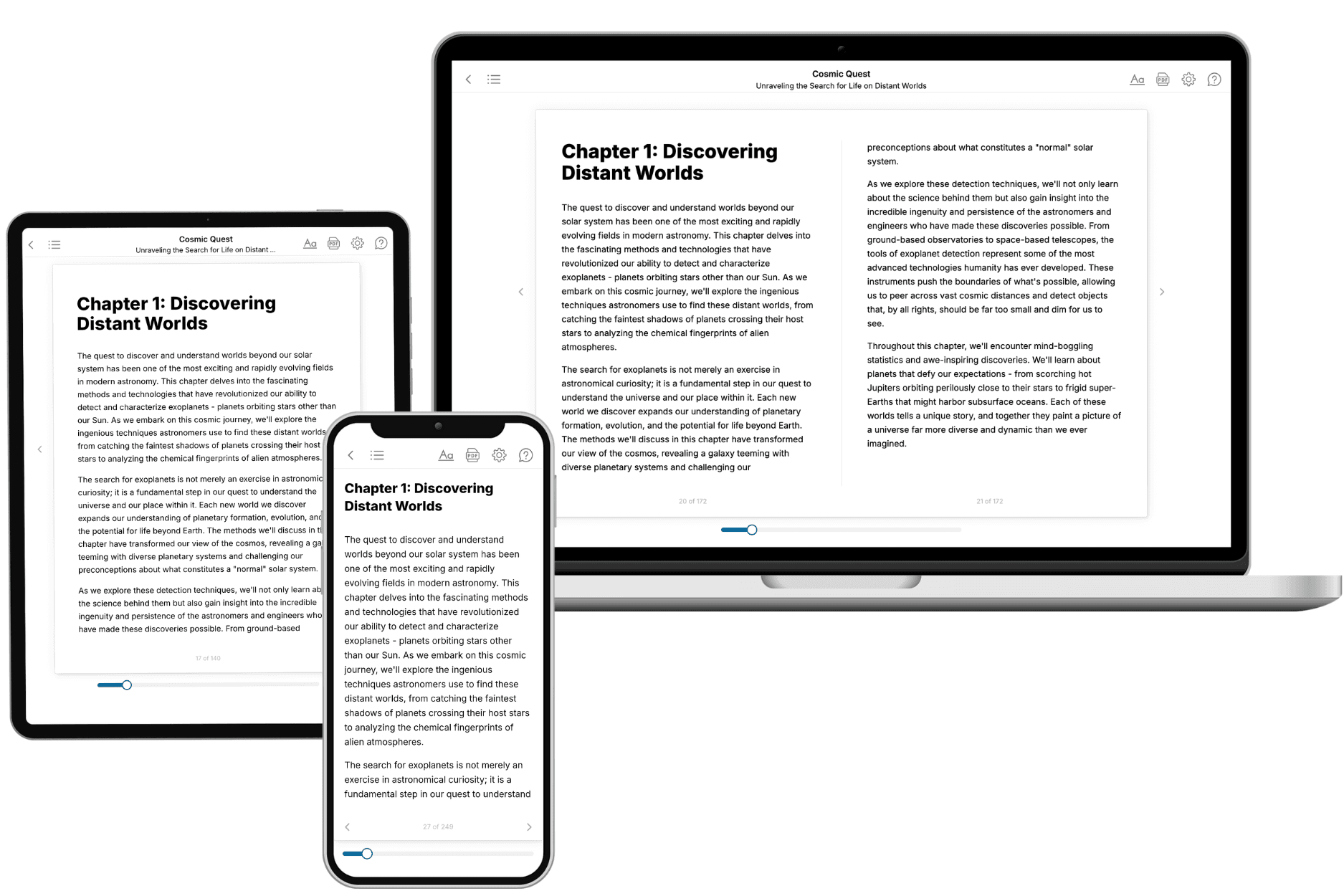
Your book is ready in 10 minutes. Read it online, download as EPUB or PDF, or send to Kindle.

Start from a template
Frequently asked questions
- What is TailoredRead?
TailoredRead creates complete, full-length nonfiction ebooks, written specifically for you. Tell us what you want to learn and why, and TailoredRead writes you a complete ebook on it, with charts, tables, and diagrams throughout. Read it online, on Kindle, or on any e-reader, or download it as a PDF or EPUB. Every book is written fresh the day you order it.
- How is the book tailored to me?
Before anything is written, you answer a few short questions about your goals, your background, and the topics you care about. Your book is then planned around your answers: written at your level, focused on your goals, and covering the topics you chose, instead of the one-size-fits-all book a store sells everyone.
- Will it read like generic AI content?
No. Your book isn't a chat transcript: it's planned chapter by chapter before a single word is written, told in a clear book voice, and explains ideas visually with charts, tables, and diagrams. After writing, every book goes through an editorial pass that polishes chapters so the book reads consistent from start to finish. Judge for yourself: browse thousands of sample books on our Explore Books page.
- How accurate is the content?
Our AI first checks whether your subject needs live research. Niche and fast-moving subjects are researched before writing, and the book plan and chapters are grounded in what it finds. After writing, every book goes through a quality pass that checks its facts and consistency, and researched books list their sources in a Notes section at the back.
- How long is the book?
You choose the length: Comprehensive (250-300 pages), Detailed (150-200 pages), Essential (70-100 pages), or Short (30-50 pages).
- Does the book include visuals?
Yes. Every book includes charts, tables, and diagrams: timelines, checklists, step-by-step guides, decision trees, comparison tables, matrices, and bar charts. A typical book includes dozens of these visual elements.
- Can I read it on Kindle? What formats can I download?
Yes. Every book can be read in our online reader or downloaded as a PDF or EPUB. The EPUB can be opened with Kindle, Apple Books, Kobo, and any e-reader. The Commercial and Author licenses also include an editable Word (DOCX) and Markdown download.
- How much does it cost?
About the price of a regular ebook. The exact price depends on your book's length and complexity, from $2 for the shortest books to $35 for the most comprehensive, and it's shown when you review your book, before you commit to anything. Each book is a one-time purchase, yours to keep, no subscription. Licenses that let you share, teach, or publish your book range from $35.99 to $49.99.
- Can I preview the book before purchasing?
Before you pay, you'll see what your book will cover: the title, a detailed description, the estimated length, and the complete chapter-by-chapter table of contents, so you know what you're getting before you decide. The full text itself is written after you purchase.
- How long does it take to create a book?
About 10 minutes. You can start reading the opening chapters while the rest is still being written.