Systems Biology Books
Explore tailored Systems Biology books created by our AI
This book guides you through the mathematical foundations of how biological systems reach stable states through game-theoretic principles. Starting with core concepts of Nash equilibrium and evolutionary game theory, you'll discover how organisms unconsciously "solve" complex strategic problems through natural selection. You'll explore how predators and prey maintain population balance, how parasites and hosts coevolve in endless cycles, and how cooperation emerges among relatives through kin selection. The book demonstrates how individual behavioral strategies aggregate into collective phenomena—from bird flocks to bacterial colonies—all governed by the same mathematical principles. Using replicator dynamics equations and stability analysis, you'll learn to model and predict biological outcomes. By connecting game theory to ecology, you'll gain a systems-thinking perspective that reveals why certain ecosystems persist while others collapse, and how evolutionary pressures create the intricate balance of nature we observe today.
Imagine understanding the mathematical principles that govern why animals fight, cooperate, or employ mixed strategies—and being able to predict evolutionary outcomes with precision. This book provides the rigorous mathematical foundation you need to master evolutionary game theory, moving beyond intuition to quantitative analysis. You'll explore how replicator dynamics equations model strategy evolution in populations, discover why mixed strategy equilibria emerge naturally in competitive systems, and learn how spatial structure and network topology reshape evolutionary dynamics. Through differential equations and bifurcation analysis, you'll gain tools to identify critical transition points in biological systems and understand evolutionary arms races at a mathematical level. Designed for those with strong quantitative backgrounds, this book bridges your mathematical expertise with biological applications. Each concept builds systematically from foundational principles to sophisticated models, with emphasis on the mathematical machinery that makes evolutionary game theory predictive and powerful. Whether you're exploring population genetics, analyzing spatial dynamics, or investigating complex adaptive systems, you'll develop both theoretical understanding and practical modeling skills.
How Plants Work
Understanding the Science Behind Growth, Energy, and Survival
Most people see plants as passive organisms that simply sit in soil and sunlight. The reality is far more fascinating. Plants are sophisticated living systems with intricate mechanisms for capturing energy, transporting resources, defending against threats, and adapting to their environment. This book reveals the hidden complexity of plant physiology—the science that explains how plants actually work. You'll discover how photosynthesis converts light into chemical energy, how water defies gravity to reach the tallest trees, how plants sense their surroundings and respond to stress, and how they communicate through chemical signals. Whether you're a gardener wanting to understand your plants better, a student building foundational knowledge, or simply curious about the living world around you, this guide makes plant physiology accessible without oversimplifying the science. Each chapter builds on previous concepts, taking you from basic cellular processes to whole-plant systems and ecological interactions. By the end, you'll see plants not as background scenery, but as remarkable organisms worthy of deeper appreciation and understanding.
The Nutrient Cycle
Understanding How Elements Move Through Earth's Systems and Why It Matters
Most people think of nutrients as something you consume in food, but nutrients are constantly cycling through every ecosystem on Earth—moving from soil to plants to animals and back again. This invisible circulation of elements like carbon, nitrogen, and phosphorus is one of the most fundamental processes sustaining all life. Yet many don't realize how profoundly human activities have disrupted these ancient cycles, or how understanding them can help solve pressing environmental challenges. This book demystifies nutrient cycling by exploring how elements move through the biosphere, atmosphere, hydrosphere, and lithosphere. You'll discover why some nutrients cycle quickly while others take millennia, how microorganisms drive critical transformations, and why agricultural runoff creates dead zones in rivers and coastal waters. Whether you're studying environmental science, managing land, or simply curious about how nature's systems work, this guide provides the knowledge to understand nutrient dynamics and their real-world implications for sustainability and ecosystem health.
You'll journey from foundational game theory concepts through the sophisticated mathematics of evolutionary dynamics, discovering how strategic interactions shape the natural world. Starting with payoff matrices and Nash equilibrium, you'll progress to understanding how populations evolve strategies over time through replicator dynamics. The book guides you through classic biological games—the Hawk-Dove conflict, predator-prey arms races, and population genetics scenarios—showing how mathematical models predict real evolutionary outcomes. You'll master stability analysis techniques to determine which strategies persist, learn how mutation and stochastic processes prevent populations from reaching theoretical equilibria, and explore zero-sum games that reveal fundamental constraints on cooperation. By combining your mathematical background with practical biological applications, you'll develop the ability to model complex natural systems and predict evolutionary trajectories. This book transforms abstract game theory into a powerful lens for understanding competition, cooperation, and survival in nature.
GROMACS Essentials
A Practical Guide to Molecular Dynamics Simulation from Setup to Analysis
Starting a molecular dynamics simulation without proper preparation is like launching a research project without a clear hypothesis—you'll waste time and get unreliable results. This book bridges the gap between theoretical knowledge and practical GROMACS competency, guiding you through every step of the simulation pipeline with clear explanations and actionable workflows. You'll learn how to prepare protein structures correctly, select appropriate force fields for your system, generate topology files, create solvation boxes, and execute equilibration protocols that ensure system stability. The book then walks you through production runs, trajectory analysis, and interpretation of results using RMSD, RMSF, and hydrogen bonding analysis. You'll master Linux command-line essentials, visualization with VMD, and systematic troubleshooting strategies that solve real problems. Whether you're studying protein stability, drug-protein interactions, or conformational dynamics, this guide provides the practical foundation to design credible simulations, generate publication-quality figures, and advance your computational biology career with confidence.
The Protein Factory
Understanding How Animals Build the Molecules of Life
Master the intricate world of protein synthesis and discover how animals create the essential molecules that power every aspect of life. This comprehensive guide takes you deep into the cellular machinery that transforms genetic blueprints into functional proteins, revealing the elegant processes that occur millions of times each second in every animal cell. You'll explore the sophisticated molecular mechanisms behind transcription and translation, understanding how ribosomes, transfer RNAs, and countless regulatory factors work together in perfect harmony. From the initial reading of DNA sequences to the final folding of complex protein structures, you'll gain insight into each critical step of this fundamental biological process. The book examines how different animal tissues adapt their protein synthesis machinery to meet specialized needs, from the rapid muscle protein production required for movement to the precise enzyme synthesis needed for digestion. You'll also discover how cells respond to stress and changing conditions by modifying their protein production patterns. Through clear explanations and practical examples, you'll develop a thorough understanding of quality control mechanisms, post-translational modifications, and the evolutionary significance of protein synthesis variations across animal species. This knowledge will enhance your appreciation for the remarkable complexity and efficiency of biological systems.
You'll move from understanding PyTorch fundamentals to building production-ready deep learning models that solve real biological challenges. This book guides you through the complete workflow of computational biology projects: from formulating biological questions as machine learning problems, through data acquisition and preprocessing, to model development, validation, and deployment. You'll learn how to work with diverse biological data types—genomic sequences, protein structures, medical images, and time-series measurements—using PyTorch's flexible architecture. Each chapter combines theoretical foundations with practical code examples, showing you how to handle the messy realities of biological data including class imbalance, missing values, and limited samples. You'll discover how to leverage transfer learning, implement custom loss functions for biological objectives, and validate models using domain-specific metrics. By the end, you'll have the skills to design computational solutions that bridge the gap between cutting-edge machine learning and meaningful biological discovery.
Mathematical Biology
Modeling Life's Complexities through Numbers
The intricate world of biology often seems too complex to be captured by mathematical equations. Yet, hidden within this complexity lie patterns and principles that can be elegantly described through the language of mathematics. In "Mathematical Biology: Modeling Life's Complexities through Numbers," you'll discover how these two seemingly disparate fields intertwine to create a powerful toolkit for understanding life itself. This book takes you on a journey through the fascinating intersection of mathematics and biology. You'll learn how to construct models that simulate everything from population dynamics to cellular processes, gaining insights that neither field could provide alone. Through carefully crafted examples and exercises, you'll develop the skills to translate biological phenomena into mathematical language and vice versa. By the end of this book, you'll possess a unique set of analytical tools that will allow you to approach biological problems from a mathematical perspective. Whether you're a mathematician seeking to apply your skills to real-world problems or a biologist looking to harness the power of quantitative analysis, this book will equip you with the knowledge and techniques to push the boundaries of your research and contribute to this exciting interdisciplinary field.
Dive deeper into your understanding of aquatic ecosystems with this comprehensive exploration of the plant communities that thrive beneath the water's surface. You'll discover how these remarkable organisms have adapted to life underwater, creating complex ecosystems that support countless species while providing essential environmental services. This guide takes you through the fascinating world of submerged aquatic vegetation, from the cellular adaptations that allow plants to photosynthesize underwater to the intricate community dynamics that shape entire aquatic habitats. You'll learn to identify key species, understand their ecological roles, and appreciate the delicate balance that maintains these underwater gardens. Whether you're conducting research, planning conservation projects, or simply seeking to expand your knowledge of marine biology, this book provides the scientific foundation and practical insights you need. You'll explore cutting-edge research techniques, discover the latest findings in aquatic plant ecology, and gain the tools to contribute meaningfully to the field. From pristine seagrass meadows to freshwater plant communities, you'll understand how these hidden ecosystems function, why they're crucial for planetary health, and how we can protect them for future generations. This is your gateway to mastering one of the most important yet underappreciated components of aquatic life.
The Living Machine
Understanding How Animals Work From the Inside Out
Discover how the bodies of animals—from tiny insects to massive whales—accomplish the extraordinary feat of staying alive. This book takes you inside the living machine, revealing the physiological systems that enable animals to breathe, move, sense their world, and reproduce. You'll explore how cells work together to create organs, how organs coordinate through nervous and chemical signals, and how different species have evolved ingenious solutions to universal survival challenges. Whether you're curious about how a hummingbird's heart beats 1,200 times per minute, why fish gills work differently than mammalian lungs, or how animals maintain their body temperature in extreme environments, you'll find clear explanations grounded in real examples. This accessible guide bridges the gap between basic biology and specialized knowledge, making animal physiology engaging and understandable for anyone who wants to appreciate the remarkable engineering of life itself.
Enzyme Kinetics Essentials
Master the Dynamics of Biological Catalysis and Biosynthesis
What if you could predict exactly how fast an enzyme will work under any given condition? Enzyme kinetics is the science that makes this possible—and it's far more practical than you might think. Whether you're designing biosynthetic pathways, optimizing fermentation processes, or simply trying to understand how your cells regulate metabolism, enzyme kinetics provides the quantitative tools you need. This book cuts through the complexity to show you how enzymes actually work, why reaction rates matter, and how to apply kinetic principles to real biological systems. You'll learn the mathematics behind enzyme behavior without getting lost in abstract theory, explore how cells control biosynthesis through elegant regulatory mechanisms, and discover how modern techniques are revealing enzyme secrets at the molecular level. From Michaelis-Menten kinetics to allosteric regulation, from cofactor requirements to multi-enzyme systems, this guide equips you with both the conceptual understanding and practical knowledge to master enzyme kinetics in biosynthetic contexts.
The Body's Perfect Balance
Understanding How Animals Maintain Stability in a Changing World
Discover how your body—and every animal's body—maintains an extraordinary internal balance despite constant external pressures. This book takes you through the fascinating mechanisms that keep temperature steady, water levels balanced, and chemical environments stable. You'll explore how your nervous and hormonal systems work as sophisticated sensors and controllers, detecting the slightest deviations from normal and triggering precise corrections. From the moment an animal wakes to face temperature changes, to how kidneys regulate water, to how the brain maintains pH levels, you'll see homeostasis in action. You'll understand why some animals thrive in deserts while others dominate frozen tundras, and how these same principles apply to your own body. By the end, you'll appreciate homeostasis not as a static state, but as a dynamic, continuous process—the invisible choreography that keeps life possible.
Genome Annotation Essentials
From Raw Sequences to Functional Insights
Master the critical skill of transforming raw genomic sequences into actionable biological knowledge. This comprehensive guide takes you from understanding basic annotation concepts to implementing sophisticated annotation pipelines in real-world research. You'll learn how computational tools identify genes and regulatory elements, discover why manual curation remains irreplaceable, and explore how comparative genomics validates your findings. Through practical examples and clear explanations, you'll gain the expertise to evaluate annotation quality, troubleshoot common challenges, and stay current with emerging technologies. Whether you're analyzing a newly sequenced genome or refining existing annotations, this book equips you with the knowledge and strategies to extract maximum biological insight from genomic data. Perfect for researchers, bioinformaticians, and students ready to move beyond sequence databases into genuine genomic interpretation.
From One Cell to Many
Understanding How Stem Cells Become Specialized Tissues
Discover how a single undifferentiated cell transforms into the specialized tissues that make up your body. This book takes you beyond basic biology to reveal the molecular choreography behind stem cell differentiation—the process that shapes development and holds promise for treating disease. You'll explore the genetic switches, signaling pathways, and environmental factors that guide cells toward their destinies. Whether you're studying molecular biology, pursuing a career in regenerative medicine, or simply curious about how life develops, you'll gain practical knowledge of how scientists manipulate differentiation in laboratories and clinics. From understanding epigenetic modifications to learning about cutting-edge reprogramming techniques, this guide makes complex cellular processes clear and relevant. By the end, you'll appreciate how differentiation connects fundamental biology to real-world medical innovations.
The Living Pond
Understanding the Ecosystems, Organisms, and Dynamics That Make Ponds Thrive
Discover what lies beneath the surface of your local pond. This guide takes you on a journey through the hidden world of pond ecosystems, revealing how these small bodies of water function as complete, interconnected systems teeming with life. You'll learn how water chemistry shapes which organisms thrive, explore the intricate food webs that sustain everything from microscopic bacteria to fish and frogs, and understand the seasonal rhythms that drive ecological change. Whether you're a nature enthusiast, educator, or environmental steward, you'll gain practical knowledge about pond biodiversity, the threats ponds face, and how human actions can either harm or restore these vital habitats. Through clear explanations, real-world examples, and actionable insights, this book transforms your understanding of ponds from simple bodies of water into dynamic ecosystems worthy of protection and study.
Steered molecular dynamics simulations often produce puzzling results that don't match your expectations or experimental data. The challenge lies in understanding how to properly apply external forces to guide molecular systems while maintaining scientific rigor and avoiding artifacts. This comprehensive guide bridges the gap between theory and practice, providing you with the knowledge and tools to master SMD simulations. You'll learn how to design pulling protocols that reveal true molecular mechanisms, select appropriate steering strategies for your specific research questions, and interpret complex trajectory data with confidence. The book covers essential foundations including force field selection and system preparation, walks you through multiple steering approaches with real-world examples, and teaches you advanced analysis techniques that extract meaningful insights from your simulations. Whether you're exploring protein unfolding, ligand binding, or membrane dynamics, this guide equips you with the expertise to conduct publication-quality SMD research that advances your field.
Living Soil
How Microbial Ecosystems Transform Waste Into Fertility and Sustainability
What if the solution to your municipality's waste management challenge also held the key to regenerating degraded soils and building sustainable agricultural systems? Soil microbes—invisible to the naked eye yet responsible for nearly every critical soil function—represent an untapped opportunity for waste transformation and environmental restoration. This book reveals how understanding microbial ecosystems enables you to convert organic waste streams into living soil amendments that enhance plant health, build soil fertility naturally, and advance genuine sustainability. You'll discover the science behind the soil food web, learn how bacterial-fungal partnerships drive nutrient cycling, and master practical techniques for optimizing microbial communities through composting, vermicomposting, and biochar application. Whether you're managing municipal waste, supporting agricultural sustainability, or building resilient soil systems, this guide provides the knowledge and frameworks to harness microbial ecosystems as your most powerful tool for environmental stewardship and resource recovery.
The Algorithm of Life
How Nature's Problem-Solving Strategy Powers Modern Computation
Master the elegant intersection where nature's evolutionary wisdom meets computational problem-solving. This book reveals how the principles that shaped life on Earth—natural selection, genetic variation, and adaptation—can be harnessed to solve complex optimization problems that traditional algorithms struggle with. You'll discover how evolutionary algorithms mimic biological processes to find solutions in fields ranging from engineering design to artificial intelligence. Through clear explanations grounded in evolutionary biology, you'll understand why these algorithms work, when to apply them, and how to implement them effectively. Each concept builds naturally from biological foundations to computational applications, making sophisticated techniques accessible without sacrificing depth. Whether you're optimizing neural networks, designing efficient systems, or tackling multi-objective problems, you'll gain practical frameworks for applying evolutionary computation. The book bridges theory and practice, showing you how mutation, crossover, and selection pressure translate into powerful problem-solving tools. You'll learn to recognize problems where evolutionary approaches excel and develop intuition for tuning algorithms to your specific challenges. By understanding evolution's computational power, you'll add a versatile and robust toolkit to your problem-solving arsenal.
The Behavior Blueprint
Understanding How Animals Think, Survive, and Thrive in the Wild
Discover why animals behave the way they do—and how these behaviors shape entire ecosystems. This book takes you through the fascinating world of behavioral ecology, revealing the hidden logic behind animal actions that might seem mysterious or random at first glance. You'll explore how evolution has sculpted behaviors as precisely as it has shaped bodies, and how animals make split-second decisions that determine their survival. From the intricate dance of courtship rituals to the strategic calculations of predators hunting prey, each behavior serves a purpose rooted in millions of years of natural selection. You'll learn how animals communicate, compete, cooperate, and care for their young—and how these behaviors interconnect to create the complex web of life. Whether you're fascinated by wildlife, studying ecology, or simply curious about the natural world, this book provides the conceptual tools to understand animal behavior not as isolated curiosities, but as elegant solutions to the challenges of survival and reproduction.
The Energy Within
Understanding Cellular Respiration in Animal Life
Dive deep into the microscopic world where life's most essential process unfolds every second of every day. Within each cell of every animal on Earth, an intricate dance of molecules transforms the food we eat into the energy that powers movement, growth, thought, and survival itself. You'll discover how glucose molecules are systematically broken down through glycolysis, witness the elegant efficiency of the citric acid cycle, and explore the remarkable electron transport chain that generates the majority of cellular energy. From the smallest insect to the largest mammal, these fundamental processes remain remarkably consistent yet beautifully adapted to each species' unique needs. This comprehensive guide takes you through the molecular machinery of mitochondria, reveals how different animal tissues optimize their energy production, and explains why some animals can survive in extreme environments while others cannot. You'll understand how cellular respiration connects to broader physiological processes like circulation, digestion, and thermoregulation. Whether you're studying animal physiology, preparing for advanced coursework, or simply fascinated by the mechanisms that sustain life, this book provides the detailed knowledge and clear explanations you need to truly comprehend one of biology's most fundamental processes.
Imagine confidently tackling complex biological datasets with the right computational tools at your fingertips. This book bridges the gap between theoretical computer science and practical bioinformatics, giving you the algorithmic foundation needed to analyze genomic sequences, predict protein structures, and extract meaningful insights from biological data. You'll explore how numerical algorithms power modern bioinformatics—from sequence alignment and phylogenetic analysis to machine learning applications in genomics. Each concept is grounded in real-world applications, showing you not just the "how" but the "why" behind computational approaches to biological problems. Whether you're analyzing DNA sequences, comparing genomes, or building predictive models for disease, this book provides the practical knowledge and algorithmic understanding to work efficiently with biological data. You'll learn to evaluate algorithm performance, optimize computational workflows, and make informed decisions about which techniques best suit your research questions. Master the computational methods that drive modern biological discovery.
Bioinformatics Mastery
A Comprehensive Guide to Multi-Omic Data Analysis and Integration
You're a skilled healthcare professional with a strong foundation in medicine and epidemiology. Now, you're ready to take your expertise to the next level by mastering the intricate world of bioinformatics. This book is your roadmap to becoming proficient in genomic, proteomic, transcriptomic, and epigenomic analyses. As you progress through the pages, you'll gain the confidence to navigate complex datasets, develop and test hypotheses, and make groundbreaking discoveries. You'll learn to harness the power of programming tools, with a special focus on R, to conduct detailed multi-omic analyses that can answer your most pressing research questions. By the time you finish this book, you'll have transformed from a bioinformatics novice to a capable analyst, ready to tackle the challenges of modern biological research. You'll be equipped with the skills to mine genomic data, analyze transcriptomes, and integrate multiple -omics approaches. Whether you're interested in biomarker discovery, pathway analysis, or applying machine learning to omics data, this book will provide you with the knowledge and practical skills to excel in your field and push the boundaries of scientific understanding.
Related books you may like:
Discover how advanced functional materials are reshaping industries and enabling solutions to humanity's greatest challenges. This comprehensive guide takes you beyond basic materials science to explore the cutting-edge world of engineered materials designed to perform specific, transformative functions. You'll learn how scientists and engineers manipulate atomic structures and processing conditions to create materials that respond to stimuli, conduct electricity with unprecedented efficiency, or heal themselves. From smart polymers that change properties on demand to nanomaterials with revolutionary capabilities, this book reveals the principles behind these innovations and their practical applications in healthcare, energy, electronics, and aerospace. Whether you're advancing your career, developing new products, or simply fascinated by the materials shaping our future, you'll gain the knowledge to understand, evaluate, and potentially contribute to this rapidly evolving field.
Most chemical reactions should happen instantly, yet they don't. The culprit? Activation energy—the invisible barrier that keeps reactants locked in place until enough energy arrives to break them free. Without understanding this fundamental concept, enzyme kinetics remains a mystery, and the elegant mechanisms by which life accelerates reactions seem like magic. This book demystifies activation energy and enzyme kinetics through clear explanations, practical examples, and visual frameworks. You'll discover how enzymes perform their catalytic miracles by lowering activation energy, explore the mathematics of reaction rates through the Arrhenius equation and Michaelis-Menten kinetics, and learn how inhibition mechanisms control biological processes. Whether you're studying biochemistry, developing pharmaceuticals, or optimizing industrial processes, this guide equips you with both the conceptual understanding and quantitative tools needed to predict, analyze, and manipulate enzyme-catalyzed reactions with confidence.
Achieve reliable, reproducible separations of complex chemical mixtures using adsorption chromatography. This practical guide bridges the gap between theoretical principles and real-world laboratory application, providing you with the knowledge and skills to design effective separation strategies for your specific analytical needs. You'll explore the fundamental science of how compounds interact with adsorbent materials, learn to select optimal stationary and mobile phases, and master the practical techniques that ensure consistent results. Whether you're working with thin-layer chromatography, column chromatography, or HPLC systems, this book equips you with systematic approaches to troubleshooting common problems, optimizing separations, and interpreting data with confidence. Packed with practical examples, decision-making frameworks, and evidence-based strategies, you'll develop the expertise to tackle challenging separation problems and advance your analytical capabilities in pharmaceutical, environmental, or materials research.
Many assume adipose tissue is simply inert fat to be minimized or removed. In reality, it's a sophisticated, metabolically active organ with remarkable regenerative potential. This book reveals how adipose tissue engineering is revolutionizing medicine by creating functional tissue solutions for reconstruction, regeneration, and therapeutic applications. You'll discover the biological foundations of adipose tissue, learn how scientists harvest and cultivate adipose-derived stem cells, and explore cutting-edge engineering strategies that transform these cells into viable tissue constructs. From scaffold design and bioreactor optimization to vascularization techniques and clinical translation, this guide provides practical insights into the science and engineering behind adipose tissue regeneration. Whether you're a researcher, student, or healthcare professional, you'll gain actionable knowledge about the current state of the field, emerging technologies, and the real-world challenges of bringing engineered tissues from the laboratory to clinical practice.
In the rapidly evolving world of ultra-high-speed communications, the challenge of designing secure and efficient chips has never been more daunting. As a Principal Architect, you face the complex task of integrating cutting-edge VLSI techniques with robust cryptographic solutions. This book is your comprehensive guide to conquering these challenges. "Advanced VLSI Design" delves deep into the intricacies of modern chip architecture, offering you practical insights into overcoming CMOS scaling limitations, harnessing the power of 3D IC integration, and implementing state-of-the-art FinFET technology. You'll explore innovative approaches to low-power design and high-speed SerDes, crucial for next-generation communication systems. This book doesn't just stop at performance; it equips you with the knowledge to build security from the ground up. From hardware Trojan detection to side-channel analysis resistance, you'll learn how to create chips that are not only fast but also fortified against modern security threats. Dive into advanced topics like quantum-dot cellular automata and EUV lithography, positioning yourself at the forefront of VLSI innovation.
Create a Systems Biology Book Tailored to You
Create an AI-crafted book tailored to your goals, interests, and background





Benefits of AI-tailored books
- Read one book, not ten:
- all the Systems Biology knowledge you need, gathered into a single book.
- Save days of learning:
- tell us your goals, choose your topics, and the whole book is built around them.
- Learn effortlessly:
- Systems Biology book written for your specific background and expertise.
- Understand at a glance:
- includes charts, tables, timelines, checklists, decision trees, and more.
- Stay current:
- written the day you order it, not years ago.
- Trust what you read:
- every book is checked for accuracy, with real research when your subject needs it.
Create your unique book in 3 steps
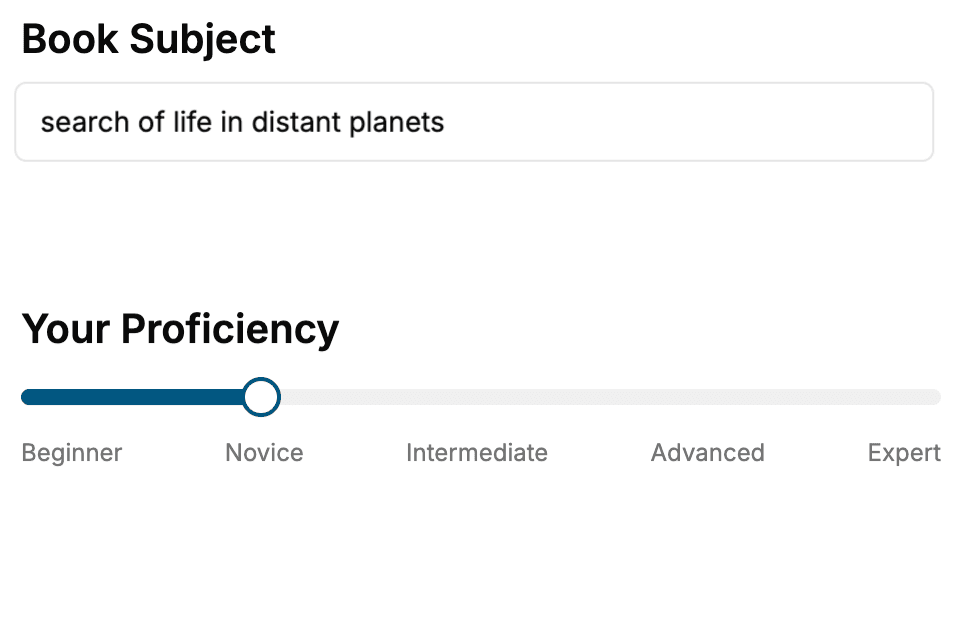
- 1. Select your focus
Select the focus of your Systems Biology book and share your background
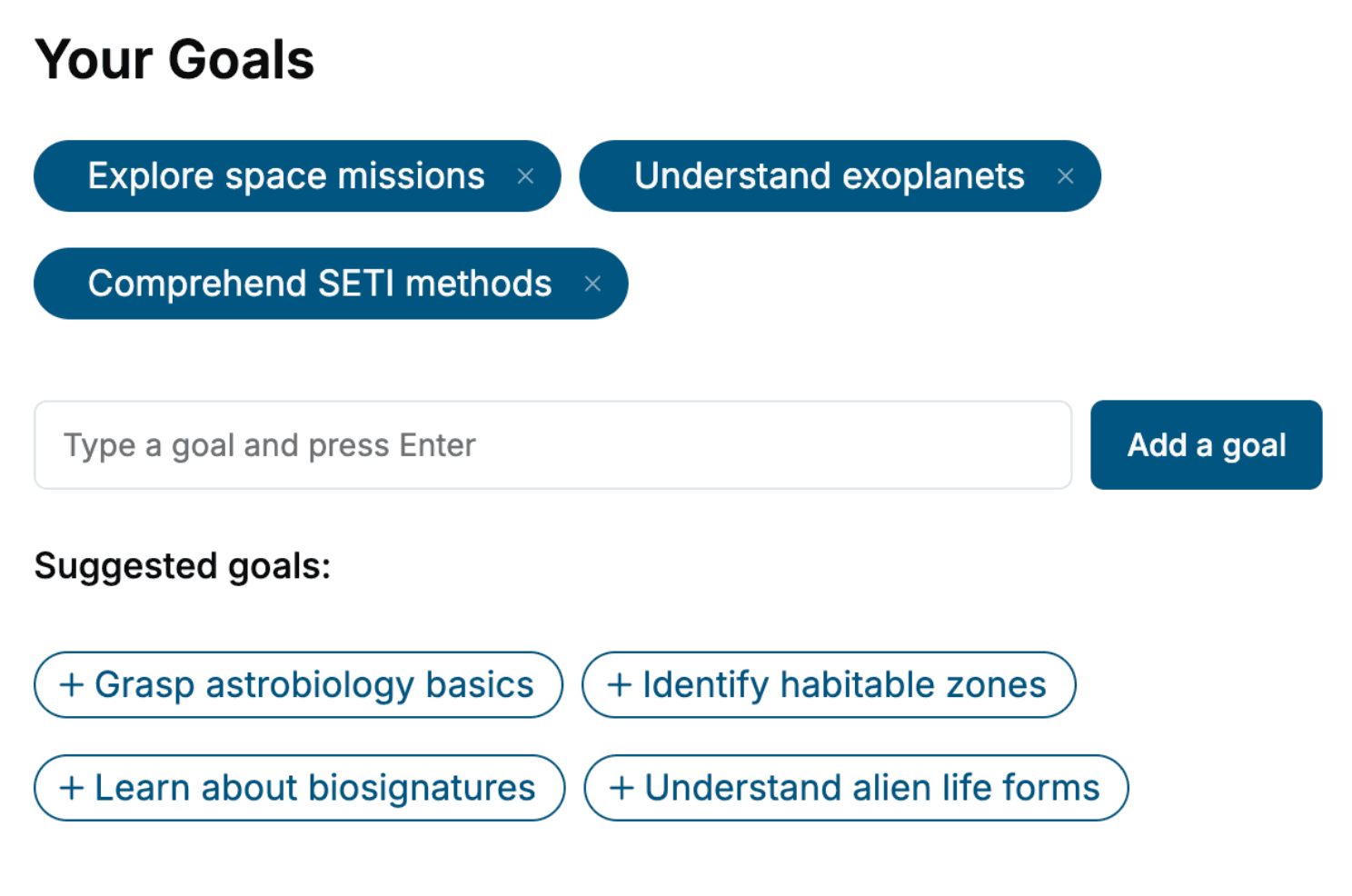
- 2. Personalize your book
Specify your goals and choose sub-topics to include
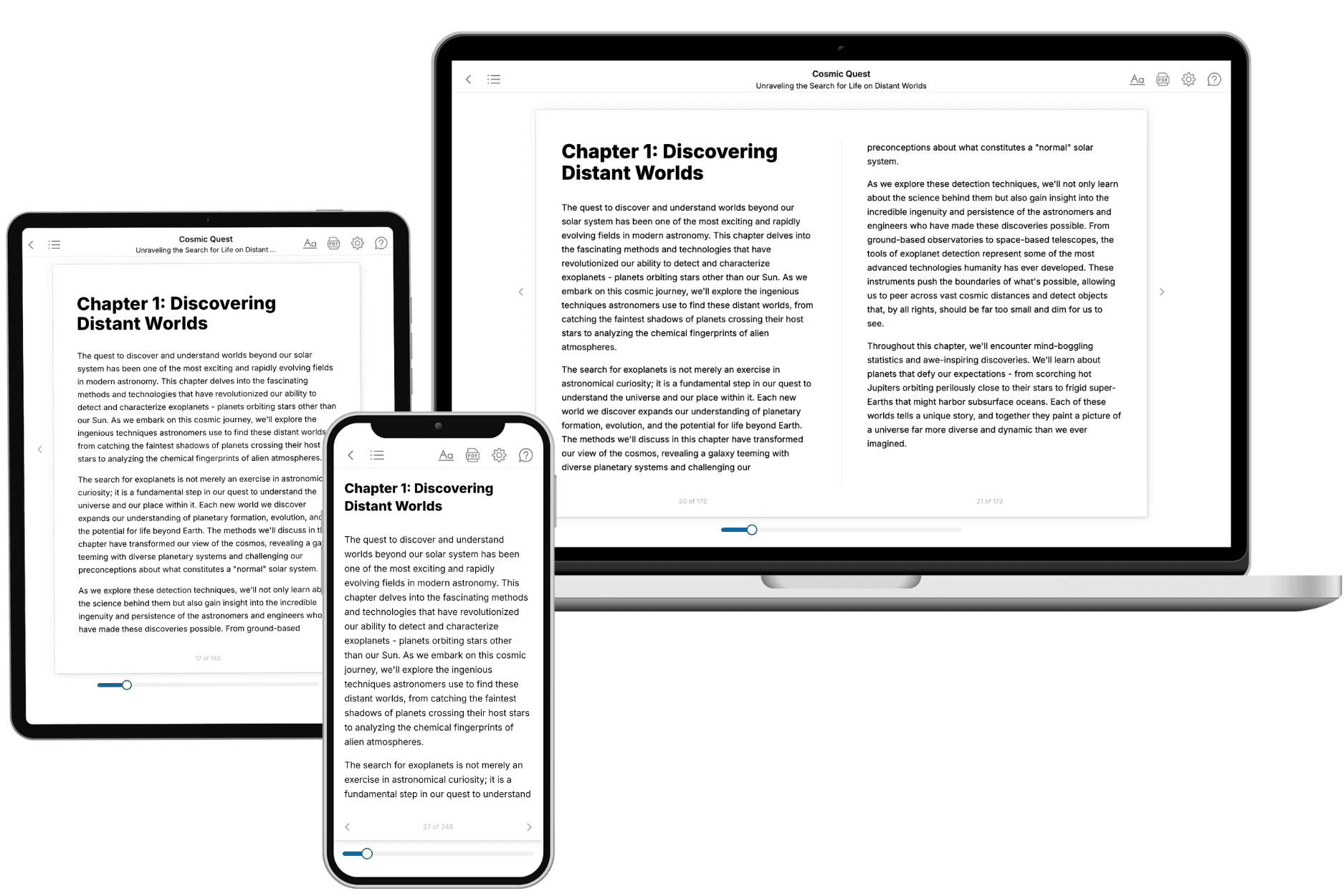
- 3. Get your tailored book
Your book is ready in 10 minutes. Read it online, download as EPUB or PDF, or send to Kindle.
Frequently asked questions
- What is TailoredRead?
TailoredRead creates complete, full-length nonfiction ebooks, written specifically for you. Tell us what you want to learn and why, and TailoredRead writes you a complete ebook on it, with charts, tables, and diagrams throughout. Read it online, on Kindle, or on any e-reader, or download it as a PDF or EPUB. Every book is written fresh the day you order it.
- How is the book tailored to me?
Before anything is written, you answer a few short questions about your goals, your background, and the topics you care about. Your book is then planned around your answers: written at your level, focused on your goals, and covering the topics you chose, instead of the one-size-fits-all book a store sells everyone.
- Will it read like generic AI content?
No. Your book isn't a chat transcript: it's planned chapter by chapter before a single word is written, told in a clear book voice, and explains ideas visually with charts, tables, and diagrams. After writing, every book goes through an editorial pass that polishes chapters so the book reads consistent from start to finish. Judge for yourself: browse thousands of sample books on our Explore Books page.
- How accurate is the content?
Our AI first checks whether your subject needs live research. Niche and fast-moving subjects are researched before writing, and the book plan and chapters are grounded in what it finds. After writing, every book goes through a quality pass that checks its facts and consistency, and researched books list their sources in a Notes section at the back.
- How long is the book?
You choose the length: Comprehensive (250-300 pages), Detailed (150-200 pages), Essential (70-100 pages), or Short (30-50 pages).
- Does the book include visuals?
Yes. Every book includes charts, tables, and diagrams: timelines, checklists, step-by-step guides, decision trees, comparison tables, matrices, and bar charts. A typical book includes dozens of these visual elements.
- Can I read it on Kindle? What formats can I download?
Yes. Every book can be read in our online reader or downloaded as a PDF or EPUB. The EPUB can be opened with Kindle, Apple Books, Kobo, and any e-reader. The Commercial and Author licenses also include an editable Word (DOCX) and Markdown download.
- How much does it cost?
About the price of a regular ebook. The exact price depends on your book's length and complexity, from $2 for the shortest books to $35 for the most comprehensive, and it's shown when you review your book, before you commit to anything. Each book is a one-time purchase, yours to keep, no subscription. Licenses that let you share, teach, or publish your book range from $35.99 to $49.99.
- Can I preview the book before purchasing?
Before you pay, you'll see what your book will cover: the title, a detailed description, the estimated length, and the complete chapter-by-chapter table of contents, so you know what you're getting before you decide. The full text itself is written after you purchase.
- How long does it take to create a book?
About 10 minutes. You can start reading the opening chapters while the rest is still being written.