Art Criticism Books
Explore tailored Art Criticism books created by our AI
The Art Historian's Mind
How We See, Interpret, and Understand Art Across Time and Culture
Many people view art history as a settled body of facts about masterpieces and their creators. Yet the discipline is far more complex and contested than it appears. The real challenge lies in understanding how art historians actually construct knowledge—what methods they use, what assumptions they make, and how their own perspectives shape their interpretations. This book reveals the philosophical and methodological foundations underlying art historical practice. You'll discover how different analytical approaches illuminate different aspects of artworks, why the canon of "great art" reflects historical power structures rather than objective merit, and how to develop your own sophisticated interpretive skills. By exploring the intersection of philosophy and art history, you'll learn to read visual culture more critically, appreciate the complexity of historical interpretation, and engage with art on a deeper intellectual level. Whether you're a student, educator, or devoted art enthusiast, this guide transforms how you think about art and its history.
Many people encounter conceptual art and feel confused—is it really art if there's nothing to see? Why does a blank canvas or a written instruction matter? This book addresses that fundamental disconnect by exploring the philosophical revolution that conceptual art represents. Rather than dismissing it as pretentious or incomprehensible, you'll discover how conceptual artists fundamentally challenged what art is and what it can do. Through clear explanations of key philosophical concepts, historical context, and concrete examples, you'll learn why the idea behind a work matters more than its physical manifestation. You'll understand how conceptual art critiques the art market, questions artistic authority, and invites viewers into the meaning-making process. By the end, you'll not only appreciate conceptual art—you'll grasp why it represents one of the most important philosophical shifts in modern aesthetics.
Walls of Revolution
The Mexican Muralist Movement and Its Enduring Impact on Global Art
Imagine standing before a massive wall transformed into a breathtaking narrative of human struggle, triumph, and cultural pride—this is the power of the Mexican Muralist Movement. This book takes you through the revolutionary art form that emerged from post-revolutionary Mexico and reshaped how the world understands public art's potential. You'll discover how artists like Diego Rivera, David Alfaro Siqueiros, and José Clemente Orozco rejected the confines of galleries to paint directly onto city walls, making art inseparable from everyday life. Through detailed exploration of their masterworks, techniques, and philosophies, you'll understand how muralism became a vehicle for social change, indigenous cultural celebration, and political expression. This comprehensive guide examines the movement's historical context, its key figures' distinct contributions, and its profound influence on contemporary art and activism worldwide. Whether you're an art student, history enthusiast, or simply curious about how art can transform communities, this book illuminates why the Mexican Muralist Movement remains one of the most significant artistic movements of the twentieth century.
Beyond the Gallery
The Philosophy and Practice of Land Art
What happens when art abandons the safety of museum walls and ventures into the raw, uncontrolled realm of nature itself? Land Art represents one of the most radical artistic movements of the 20th century, fundamentally challenging how we think about art, space, and our relationship with the natural world. This comprehensive exploration takes you deep into the philosophical foundations that drive artists to create monumental works in remote deserts, to carve spirals into salt lakes, and to build earthworks that will outlast civilizations. You'll discover how Land Art emerged as both an artistic rebellion against commercialized gallery culture and a profound philosophical statement about humanity's place in the natural order. Through careful analysis of iconic works and lesser-known pieces, you'll understand how these artists grapple with questions of permanence and impermanence, presence and absence, the sublime and the accessible. The book examines how Land Art's unique relationship with time, weather, and geological processes creates entirely new categories of aesthetic experience that traditional art theory struggles to contain. Whether you're drawn to the monumental scale of Michael Heizer's earthworks or the subtle interventions of Andy Goldsworthy, this book provides the philosophical tools to understand Land Art not just as spectacle, but as a sophisticated form of thinking about art, nature, and human experience in the contemporary world.
Breaking the Frame
Understanding Avant-Garde Art and Its Challenge to Tradition
Discover how avant-garde art fundamentally transformed our understanding of what art can be and do. This book guides you through the philosophical foundations that underpin avant-garde movements, revealing why artists rejected tradition and what they sought to accomplish instead. You'll explore the key concepts that distinguish avant-garde practice—from the primacy of ideas over technique to the active role of the viewer in creating meaning. By examining major movements and their philosophical underpinnings, you'll gain insight into how avant-garde artists challenged institutions, questioned authorship, and redefined artistic value. Whether you're encountering a provocative installation, a conceptual piece, or an abstract composition, you'll understand the philosophical reasoning behind it. This exploration bridges the gap between confusing contemporary art and meaningful engagement, showing how avant-garde principles continue shaping artistic practice today. Perfect for anyone ready to move beyond surface-level appreciation and grasp the deeper philosophical questions that drive artistic innovation.
Discover how a group of visionary artists revolutionized painting by capturing light itself. This comprehensive exploration takes you through the Impressionist movement's dramatic emergence in 1870s Paris, revealing the bold techniques, scientific innovations, and personal struggles that defined an era. You'll understand why critics initially ridiculed these painters, how they overcame institutional resistance, and why their work fundamentally altered the trajectory of modern art. Through detailed analysis of masterworks by Monet, Renoir, Degas, and others, you'll see how Impressionism wasn't just about pretty landscapes—it was a philosophical shift in how artists perceived reality and color. Explore the technological breakthroughs, the vibrant social context of industrial Paris, and the movement's profound influence on everything from Post-Impressionism to contemporary art. Whether you're an art enthusiast, history student, or simply curious about how creative revolutions happen, this book illuminates the genius, determination, and innovation behind one of history's most transformative artistic movements.
Many people assume Spanish painting is a footnote in European art history, overshadowed by Italian Renaissance masters or French Impressionists. In reality, Spain produced some of the world's most innovative and influential painters whose work fundamentally changed how artists approached light, perspective, psychology, and social commentary. This book explores the lives and masterpieces of Spain's greatest painters—from the spiritual intensity of El Greco to the psychological depth of Velázquez, from Goya's revolutionary social critique to the modern innovations of Picasso and Dalí. You'll discover how these artists were shaped by Spain's turbulent history, powerful patrons, and unique cultural identity. Each chapter combines biographical narrative with artistic analysis, revealing how personal struggles, historical events, and artistic ambitions converged to create works of enduring power. Whether you're an art enthusiast, history lover, or simply curious about the creative minds behind iconic paintings, this book illuminates why Spanish painters deserve recognition as true masters of their craft.
The Art of Political Satire
How Political Cartoons Shape Public Opinion and Challenge Power
You'll discover how a single image can distill complex political arguments into moments of recognition and laughter. This book traces the evolution of political cartoons from their origins in 18th-century Europe to their current role as viral social media content, examining how cartoonists use visual metaphor, exaggeration, and wit to critique power structures and influence public opinion. You'll learn to decode the visual language that makes these cartoons effective—the symbols, caricatures, and compositional choices that transform editorial commentary into memorable art. Through analysis of landmark cartoons and their historical contexts, you'll understand how satire functions as both entertainment and activism. You'll explore the cartoonist's dilemma: balancing artistic freedom with political consequences, and how different cultures approach the boundaries of acceptable satire. By the end, you'll see political cartoons not just as amusing commentary, but as a vital form of democratic expression that challenges authority, documents history, and shapes how we understand our political moment.
The Art of Understanding
A Practical Guide to Philosophy of Art and Aesthetic Experience
Deepen your appreciation and understanding of art by exploring the philosophical questions that have shaped how we think about creativity, beauty, and meaning. This guide takes you beyond surface-level appreciation to examine why art matters, how it communicates, and what makes something worthy of aesthetic consideration. You'll discover how philosophers from Plato to contemporary thinkers have grappled with defining art, evaluating aesthetic experience, and understanding the relationship between artist, artwork, and audience. Through clear explanations and practical examples, you'll learn to think critically about art's role in society, develop your own aesthetic framework, and engage more meaningfully with creative works. Whether you're exploring philosophy for the first time or expanding your existing knowledge, this book provides the conceptual tools needed to navigate art's philosophical landscape with confidence and insight.
Develop a solid grasp of art theory fundamentals by exploring how philosophy, sociology, psychology, and creativity intersect in artistic practice. This comprehensive guide bridges the gap between abstract theoretical concepts and practical understanding, offering you the foundational knowledge needed to analyze, create, and discuss art with authority. You'll discover how creativity actually works from a psychological perspective, explore the philosophical questions that have shaped artistic movements, understand the social and cultural forces that influence art, and learn how to apply these insights to both creating and interpreting artwork. Whether you're deepening your professional expertise or seeking to understand the theoretical underpinnings of artistic practice, this book provides the integrated framework you need to see art—and creativity itself—in a new light.
The Emotional Language of Art
How Visual Expression Moves the Human Heart and Mind
Discover how art speaks directly to your emotions and why certain paintings, sculptures, or installations move you in ways words cannot capture. This book explores the fascinating intersection of aesthetics and philosophy, revealing the hidden mechanisms through which visual art communicates feeling, meaning, and truth. You'll learn how artists deliberately craft emotional experiences through color, composition, and symbolism, and how your own responses to art are shaped by both universal human psychology and personal experience. By understanding the philosophical foundations of aesthetic emotion, you'll develop a richer, more nuanced appreciation for art—and gain deeper insight into your own emotional responses. Whether you're a casual museum visitor or a dedicated art enthusiast, this exploration of art's emotional power will transform how you see and feel when encountering creative expression.
The overwhelming complexity of Expressionist art movements often leaves even knowledgeable enthusiasts struggling to distinguish between different groups, understand their historical significance, and properly catalog their works. With dozens of artists, multiple national movements, and evolving styles spanning several decades, navigating this revolutionary period requires more than surface-level familiarity. This comprehensive guide cuts through the confusion by providing clear frameworks for understanding each major Expressionist movement, from German pioneers like Die Brücke and Der Blaue Reiter to international variations across Europe and America. You'll discover how to identify key characteristics, understand the social and cultural forces that shaped these artists, and develop the skills needed to properly document and catalog Expressionist works. Through detailed analysis of major works, artist profiles, and practical cataloging techniques, you'll gain the confidence to engage with Expressionist art on a deeper level. Whether you're building a collection, working in a museum, or simply passionate about this transformative period in art history, this book provides the tools and knowledge you need to become a true expert in Expressionist movements. By the end, you'll possess both the theoretical understanding and practical skills to navigate the complex world of Expressionist art with authority and insight, making informed decisions about attribution, significance, and historical context.
The Pre-Raphaelite Revolution
Rediscovering Beauty, Truth, and Nature in Victorian Art
You're about to step into a world of vibrant colors, intricate details, and profound symbolism. The Pre-Raphaelite Revolution takes you on an immersive exploration of one of the most captivating art movements of the 19th century. As you delve into the pages of this book, you'll discover the passionate young artists who dared to challenge the artistic conventions of their time, creating works that continue to mesmerize viewers today. This comprehensive guide unveils the stories behind the paintings, the artists who created them, and the cultural context that shaped the Pre-Raphaelite Brotherhood. You'll gain insights into the techniques, themes, and inspirations that defined this revolutionary movement, from its roots in medieval art to its influence on later artistic styles. Whether you're an art student, a museum enthusiast, or simply curious about this fascinating period in art history, The Pre-Raphaelite Revolution offers a fresh perspective on familiar masterpieces and introduces you to lesser-known gems. By the end of this journey, you'll have a deeper appreciation for the Pre-Raphaelites' quest for truth to nature, their bold use of color, and their lasting impact on the art world.
The Story in the Frame
Understanding How Art Tells Stories and Why It Matters
Many people assume that narrative in art is simply about recognizing the story being depicted—identifying the biblical scene, mythological tale, or historical event. But this surface-level reading misses the profound philosophical dimensions of how visual art actually creates, structures, and communicates narrative meaning. Unlike literature, which unfolds sequentially through time, visual art must compress narrative into spatial arrangements, requiring viewers to actively reconstruct temporal sequences and causal relationships from static images. This book guides you through the philosophical foundations of narrative art, exploring how paintings, sculptures, and other visual media tell stories in ways fundamentally different from words. You'll discover how artists manipulate composition, gesture, symbolism, and viewer perspective to create narrative tension and meaning. Through careful analysis of diverse artistic traditions, you'll learn to recognize the sophisticated strategies artists employ to suggest past events, imply future consequences, and invite multiple interpretations. Whether you're deepening your appreciation of museum collections or developing your critical thinking about visual culture, this book provides the conceptual tools to understand narrative art as a unique form of philosophical and aesthetic expression.
German Expressionism
Art, Politics, and Rebellion in Early 20th Century Germany
Many assume German Expressionism was simply an avant-garde art movement focused on aesthetic innovation. In reality, it was a profound cultural rebellion rooted in the anxieties and upheavals of early 20th-century Germany. This book explores how artists responded to industrialization, war, and social transformation through radical new forms of visual expression. You'll discover how Expressionist painters, sculptors, and printmakers used distorted forms, vibrant colors, and psychological intensity to capture the inner emotional landscape of their turbulent era. From the revolutionary Die Brücke group to Wassily Kandinsky's spiritual abstractions, you'll understand the philosophical foundations and artistic techniques that defined the movement. The book also examines how political forces—particularly Nazi suppression of Expressionism as "degenerate art"—reveal the dangerous intersection of culture and authoritarianism. By tracing Expressionism's influence on film, theater, and contemporary art, you'll gain insight into how artistic movements shape and reflect historical moments, and why creative freedom remains essential to society.
What if the most authentic art isn't created through careful planning, but through the raw, unfiltered expression of your inner thoughts and emotions? Stream consciousness in abstract art represents a revolutionary approach to visual creation—one that captures the flowing, non-linear nature of human thought directly onto the canvas. This book explores how artists harness the power of spontaneous expression, intuition, and psychological depth to create works that resonate on a profound level. You'll discover the philosophical roots of stream consciousness, examine how pioneering artists translated this literary concept into visual form, and learn practical techniques for both creating and interpreting abstract works. Whether you're an artist seeking to deepen your practice or an art enthusiast wanting to understand the meaning behind abstract masterpieces, this guide reveals how consciousness itself becomes the subject and medium of contemporary art.
The Aesthetic Mind
Exploring the Philosophy of Beauty and Art
Have you ever wondered why certain works of art move you deeply, while others leave you indifferent? "The Aesthetic Mind: Exploring the Philosophy of Beauty and Art" delves into the fascinating world of philosophical aesthetics, offering you a thought-provoking journey through the concepts that shape our perception of beauty and artistic expression. This book goes beyond surface-level appreciation, challenging you to examine the very foundations of aesthetic experiences. You'll explore the intricate relationship between art and emotion, uncover the historical evolution of aesthetic thought, and gain new perspectives on the role of aesthetics in contemporary society. Whether you're an art enthusiast, a philosophy student, or simply someone intrigued by the nature of beauty, this book will equip you with the tools to engage more deeply with the aesthetic dimensions of your world.
Picture yourself confidently strolling through an art gallery, effortlessly identifying various styles and periods, and curating a small but impressive collection of your own. This is the artistic journey that awaits you. "The Chef's Guide to Art Collecting" is your personal recipe for success in the world of art appreciation and collecting. Just as you've mastered the art of combining flavors in the kitchen, this book will teach you to blend your culinary expertise with a newfound passion for visual arts. You'll discover how to apply your keen eye for detail and composition from the culinary world to the canvas. From Impressionism to Abstract Expressionism, Renaissance to Pop Art, this comprehensive guide covers all the essential ingredients of art history. You'll learn to recognize famous artists, understand art terminology, and analyze artwork themes with the same precision you use in creating exquisite dishes. By the end of this book, you'll have the tools to start your own personal gallery, attend exhibitions with confidence, and even explore the fascinating connections between art and gastronomy. Whether you're looking to impress guests with your art knowledge or simply enrich your life with a new passion, "The Chef's Guide to Art Collecting" is your perfect companion. Get ready to add a new dimension to your creative palette and savor the rich flavors of the art world.
You'll move from art history novice to confident observer by mastering the foundational concepts that unlock every masterpiece. This guide strips away the intimidation factor and replaces it with a clear, progressive framework for understanding how art evolved across centuries and cultures. You'll learn to recognize major periods and movements—from Renaissance innovation to Impressionist light techniques—while discovering how historical events shaped artistic expression. Each chapter builds systematically on the previous one, allowing you to absorb concepts at your own pace without feeling rushed or overwhelmed. By exploring visual analysis techniques, you'll develop the skills to examine any artwork and understand what you're seeing. You'll discover why certain artists became famous, how cultural contexts influenced their work, and what made revolutionary movements like Impressionism so transformative. Whether you're visiting museums, viewing art online, or simply wanting to enrich your retirement years with meaningful knowledge, this book gives you the tools to appreciate art with genuine understanding and confidence.
Vibrant Visions
A Journey Through the Lives and Works of Brazil's Most Influential Artists
Picture yourself strolling through a vibrant gallery, surrounded by captivating works that tell the story of a nation's artistic soul. As you turn each page of "Vibrant Visions," you'll find yourself transported to the colorful world of Brazilian art, where passion, creativity, and cultural richness intertwine to create a tapestry of visual wonder. This book is your personal guide to the lives and masterpieces of Brazil's most influential artists. You'll discover the hidden stories behind iconic works, explore the diverse styles that have shaped Brazilian art through the centuries, and gain a deep appreciation for the cultural context that has inspired these remarkable creators. From the lush landscapes of the Amazon to the bustling streets of São Paulo, "Vibrant Visions" takes you on a journey across Brazil's artistic landscape. You'll learn about the pioneers who paved the way for modern Brazilian art, the contemporary visionaries pushing boundaries today, and the enduring themes that connect them all. Whether you're an art enthusiast looking to expand your knowledge or simply curious about the rich cultural heritage of Brazil, this book offers a fresh perspective on the country's artistic legacy. Get ready to be inspired, enlightened, and moved by the powerful stories and stunning visuals that await you in "Vibrant Visions."
Color Fields and Canvas
Inside the Studio with Helen Frankenthaler
Many assume that abstract expressionism is purely spontaneous, lacking structure or intent. However, Helen Frankenthaler's work proves otherwise. This book takes you behind the scenes of Frankenthaler's studio, revealing the deliberate choices and innovative techniques that defined her groundbreaking career. Through an intimate exploration of Frankenthaler's creative process, you'll discover how she balanced intuition with careful decision-making, and how her unique soak-stain technique revolutionized the art world. You'll gain insights into her studio setup, daily routines, and the philosophical underpinnings of her work. From her early influences to her lasting legacy, this book offers a comprehensive look at Frankenthaler's artistic journey. You'll learn how she drew inspiration from nature, pushed the boundaries of color theory, and continually evolved her style through experimentation and self-reflection. Whether you're an aspiring artist or an art enthusiast, this book will deepen your appreciation for Frankenthaler's contributions and inspire your own creative explorations.
The Impressionists
How a Radical Vision Transformed Art and Changed the World
Most people think of Impressionism as a purely aesthetic movement—beautiful paintings of water lilies and haystacks. But this overlooks the real story: a group of artists who risked everything to paint in a radically new way, facing mockery from the art establishment and financial ruin for decades. This book reveals the human drama behind the masterpieces. You'll discover how Claude Monet nearly went blind chasing light, how Berthe Morisot fought against a society that deemed women unsuitable for serious art, and how a chance meeting in a studio led to a revolution. Through intimate biographical narratives, you'll understand not just what the Impressionists painted, but why their vision mattered—and how their struggle to capture fleeting moments of light fundamentally changed how we see the world. This is the story of ambition, friendship, heartbreak, and the transformative power of artistic courage.
Discover how a small cave in northern Spain holds the key to understanding the origins of human artistic expression. Altamira's stunning polychromatic paintings, created over 36,000 years ago, represent a watershed moment in human creativity that fundamentally changed how we view our ancestors' capabilities. This book explores the cave's remarkable artworks, the groundbreaking discovery that shocked the academic world, and the sophisticated techniques that ancient artists employed. You'll learn how Altamira challenged everything scholars thought they knew about prehistoric humans and why it remains central to Spanish cultural identity. From the pigments used to the animals depicted to the conservation battles that continue today, this comprehensive guide illuminates why Altamira stands as one of humanity's greatest artistic achievements and what it reveals about the creative potential that has always defined our species.
What if your museum visit could be more than just walking past paintings? The Cincinnati Art Museum is one of America's finest cultural institutions, yet many visitors scratch the surface without understanding the depth of what's before them. This guide transforms you from a casual observer into an informed explorer who truly connects with the art. You'll discover how to navigate the museum's 67,000+ artworks strategically, understand the stories behind masterpieces, and uncover hidden galleries that most tourists miss. Learn the best times to visit, which collections deserve your attention, and how to engage with art in ways that create lasting memories. Whether you're a first-time visitor or a returning enthusiast, this guide provides the insider knowledge that turns a pleasant afternoon into a transformative cultural experience. Explore Cincinnati's artistic heritage and understand why this museum matters to the city's identity and your own appreciation of human creativity.
What makes a British artist distinctly British, and how did artists from a small island nation come to influence the entire world? This book explores the lives, works, and legacies of Britain's most significant artistic figures, from the Old Masters to contemporary innovators. You'll discover how personal ambition, cultural circumstances, and artistic vision combined to create some of history's most memorable works. Through carefully selected biographical narratives, you'll understand the social networks, patronage systems, and institutional frameworks that supported artistic development. The book examines how British artists responded to their times—whether through romantic landscapes, social realism, abstract experimentation, or conceptual innovation. By studying these artists in their full context, you'll gain insight into how art both reflects and shapes society, and why certain British artists achieved lasting international recognition while others remained underappreciated for generations.
The Power of Empty Space
Mastering Negative Space in Abstract Art
Many artists struggle with composition, creating work that feels cluttered, unbalanced, or visually overwhelming. The missing ingredient isn't more technique or better materials—it's understanding how to use empty space strategically. Negative space is the foundation of compelling abstract art, yet it's often overlooked or misunderstood. This book reveals how the space around and between your marks, shapes, and colors is just as important as the elements themselves. You'll discover how to use negative space to create visual harmony, direct attention, establish depth, and evoke emotion in your abstract work. Through practical principles, real-world examples, and actionable exercises, you'll learn to see empty space as a powerful tool rather than something to fill. Whether you're working with paint, digital media, or mixed materials, mastering negative space will fundamentally transform how you approach composition and elevate the impact of your art.
Masters of Spanish Art
The Lives, Legacies, and Cultural Impact of Spain's Greatest Artists
Many people assume Spanish art history begins and ends with a handful of famous names. In reality, Spain has produced an extraordinary succession of visionary artists whose personal journeys shaped not just their own work, but the entire trajectory of Western art. From the religious fervor of the Golden Age to the revolutionary spirit of the twentieth century, Spanish artists have consistently challenged conventions and redefined what art could be. This book explores the lives of Spain's greatest masters—their struggles, breakthroughs, and the historical forces that molded their creativity. By understanding the biographical context behind their masterpieces, you'll gain deeper insight into why these works matter and how they continue to influence artists today. Whether you're an art lover seeking richer appreciation or a cultural enthusiast wanting to understand Spain's artistic soul, these stories reveal the human beings behind the genius.
The Mogao Grottoes
Discovering the Treasures of Ancient Silk Road Art and Culture
Discover how the Mogao Grottoes transformed your understanding of ancient art, cultural exchange, and human creativity. Carved into the cliffs of northwestern China over nearly a millennium, these 735 caves contain some of the world's most exquisite Buddhist art and invaluable historical documents. This book takes you through the grottoes' remarkable history—from their origins as pilgrimage sites along the Silk Road to their rediscovery in the early 20th century and their current status as a UNESCO World Heritage Site. You'll explore the artistic techniques that created stunning murals and sculptures, understand the religious and cultural forces that shaped each cave, and learn how modern conservation efforts protect these irreplaceable treasures. Whether you're fascinated by ancient history, Buddhist art, archaeology, or cultural heritage, this comprehensive guide reveals why the Mogao Grottoes remain one of humanity's greatest artistic and historical achievements.
Picture yourself standing before Benito Quinquela Martín's vibrant portrayals of La Boca, feeling the pulse of Buenos Aires' artistic soul, or discovering how European masters dialogue with Argentine visionaries in galleries that breathe with cultural significance. You'll move through the museum's halls with the confidence of a seasoned art lover, recognizing masterpieces, understanding their historical context, and appreciating the subtle connections between works that casual visitors miss entirely. This comprehensive guide transforms your visit to the Museo Nacional de Bellas Artes from a simple museum tour into a profound cultural experience. You'll discover the stories behind Argentina's most treasured artworks, learn to navigate the museum's extensive collections with purpose, and develop the skills to engage deeply with both familiar and unfamiliar pieces. From the medieval European works to cutting-edge contemporary installations, you'll understand how each gallery contributes to the museum's role as South America's premier cultural institution. Whether you're planning your first visit or returning to explore deeper layers of meaning, this guide provides the knowledge and techniques you need to maximize every moment. You'll learn insider strategies for timing your visit, identifying must-see pieces, and understanding the cultural context that makes each artwork significant. The museum's free admission policy means you can return again and again, each time with greater appreciation and understanding. By the time you finish reading, you'll possess the tools to experience the Museo Nacional de Bellas Artes not just as a tourist attraction, but as a living repository of Argentine culture and international artistic achievement that continues to shape Buenos Aires' identity as a global cultural capital.
Imagine standing before a marble statue carved over two thousand years ago and suddenly understanding not just what you're seeing, but why it was created, how it was made, and what it meant to the people who commissioned it. Ancient Greek sculpture represents one of humanity's greatest artistic achievements—a moment when artists solved fundamental problems of representation, proportion, and expression that still guide artists today. This book takes you on a guided exploration of Greek sculptural masterpieces, from the rigid figures of the Archaic period to the breathtaking realism of the Classical era and the dramatic emotion of the Hellenistic age. You'll discover the technical innovations that made these works possible, the philosophical ideals they embodied, and the cultural contexts that shaped them. Whether you're visiting a museum, studying art history, or simply curious about how ancient artists achieved such remarkable beauty, this book provides the knowledge and perspective to see Greek sculpture with fresh eyes and deeper appreciation.
Many visitors to Washington DC overlook the National Museum of Women in the Arts, assuming it's a niche institution with limited appeal. In reality, it's a world-class museum housing extraordinary works spanning centuries of artistic achievement—from Renaissance masters to cutting-edge contemporary artists. This guide transforms your visit from a casual stop into a deeply enriching experience. You'll discover the stories behind iconic artworks, understand the historical significance of women's contributions to art, and learn how to navigate the museum strategically to see what matters most to you. Whether you're an art history enthusiast, a casual museum-goer, or someone seeking inspiration, this book provides the context, practical information, and insider knowledge needed to make the most of your time. Explore the museum's stunning collections, understand its role in reshaping art history, and leave with a profound appreciation for women's artistic legacy.
Elevate your still life watercolor paintings from pleasant sketches to compelling compositions that command attention. This practical guide walks you through the proven black box method—a systematic approach that isolates the essential elements of light, shadow, and color so you can master them one at a time. Whether you're struggling with composition balance, confused about how light creates form, or uncertain how to critique your own work, you'll find clear, actionable solutions. Learn to build your own staging box for unlimited practice, understand the geometric principles underlying strong compositions, and develop the analytical skills to identify what works and what doesn't in any painting. With step-by-step techniques for shadow analysis, color harmony, and perspective, plus a practical critique framework you can apply immediately, you'll develop the problem-solving confidence that separates amateur work from professional-quality still life paintings.
Art & Culture in Ibiza
A Traveler's Guide to Contemporary Art Museums and Creative Spaces
Discover Ibiza beyond the dance floors and beach clubs. This guide takes you through the island's thriving contemporary art scene, revealing world-class museums, innovative galleries, and creative spaces that showcase everything from cutting-edge installations to thought-provoking exhibitions. You'll learn the stories behind Ibiza's most important cultural institutions, understand how the island's unique history shapes its artistic identity, and gain insider knowledge about navigating the museum landscape like a seasoned art traveler. Whether you're a serious art collector, a casual culture enthusiast, or simply curious about what lies beneath Ibiza's party reputation, this guide provides the context, practical information, and inspiration you need to experience the island's vibrant creative community. Explore how contemporary artists engage with Mediterranean themes, discover hidden galleries in charming towns, and understand why Ibiza has become an unexpected hub for serious contemporary art. Your journey through Ibiza's art world starts here.
Decoding Postmodernism
A Journey Through the Labyrinth of Contemporary Thought
Embark on an illuminating exploration of one of the most influential and controversial philosophical movements of the 20th century. "Decoding Postmodernism" offers you a comprehensive guide to understanding the complex world of postmodern thought and its far-reaching implications. This book takes you on a journey through the intricate maze of postmodern philosophy, unraveling its core concepts, introducing its key thinkers, and examining its profound impact on art, literature, architecture, and social theory. You'll discover how postmodernism challenges traditional notions of truth, reality, and knowledge, and how it has reshaped our understanding of culture, identity, and society. From the origins of postmodernism to its contemporary manifestations, this book provides a clear and engaging overview of the movement's evolution. You'll explore the ideas of seminal thinkers like Jean-François Lyotard, Jacques Derrida, and Jean Baudrillard, and learn how their revolutionary concepts have influenced fields ranging from literary criticism to urban planning. Whether you're a student of philosophy, a cultural enthusiast, or simply curious about the intellectual currents shaping our world, "Decoding Postmodernism" offers an accessible yet profound insight into this transformative school of thought.
Related books you may like:
What if the colors you choose could completely transform how viewers feel when they look at your painting—before they even understand what they're seeing? Abstract painting isn't about random marks on canvas; it's a sophisticated language of color, composition, and expression that you can learn and master. This book bridges the gap between artistic intuition and technical skill, giving you practical frameworks for making intentional decisions about color harmony, composition balance, and layering techniques. You'll discover how complementary colors create visual tension, how brushstrokes convey emotion, and how spatial depth emerges from thoughtful color and value relationships. Whether you're struggling with muddy color mixing, uncertain about composition balance, or wanting to paint with more confidence and purpose, this guide provides clear, actionable techniques grounded in color theory and composition principles. Through step-by-step explorations of acrylic methods, texture building, and intuitive processes, you'll develop the skills to create dynamic, cohesive abstract works that resonate with viewers and reflect your authentic artistic vision.
Your passion for dance has led you to become a certified Zumba instructor, and now it's time to elevate your choreography skills to the next level. In just 30 days, you'll transform your approach to dance composition, infusing your routines with creativity, musicality, and captivating energy. This comprehensive guide is tailored specifically for new Zumba instructors like you, blending your diverse dance background with cutting-edge choreography techniques. You'll learn to craft engaging warm-ups, design thematic routines, and create cohesive sequences that will keep your students coming back for more. From mastering the art of improvisation to developing your unique choreographic voice, this book will push your boundaries and expand your artistic horizons. You'll discover how to seamlessly integrate various dance styles, incorporate level changes, and create visually stunning formations that will leave your class breathless.
You've been painting with acrylics for a while, but your work still lacks the depth, richness, and professional quality you see in gallery pieces. The paint seems to fight against you, colors turn muddy when mixed, and achieving smooth blends feels impossible. Your brushwork appears amateur, and you struggle to create the textures and effects that would elevate your art from hobby-level to something truly compelling. This comprehensive guide transforms your relationship with acrylic paint through systematic mastery of fundamental and advanced techniques. You'll discover how to control paint consistency, timing, and application methods to achieve exactly the effects you envision. From understanding pigment properties and color mixing principles to mastering complex layering, glazing, and blending techniques, every aspect of acrylic painting becomes clear and achievable. Through detailed explanations, step-by-step processes, and targeted exercises, you'll develop the technical skills that separate amateur work from professional artistry. You'll learn to prepare surfaces properly, select the right brushes and mediums, and apply paint with confidence and precision. Advanced techniques like wet-on-wet blending, glazing, underpainting, and scumbling will become natural extensions of your artistic vocabulary. By the end of this book, you'll possess the technical foundation and artistic confidence to create paintings with depth, luminosity, and professional polish. Your understanding of acrylic paint will be so thorough that you can tackle any subject or style with the assurance that your technique will support your creative vision.
Transform your woodcraft projects from plain wood into stunning, professionally finished pieces. This practical guide teaches you everything you need to paint acrylics with confidence and skill, even if you've never picked up a brush before. You'll master essential brush techniques, learn how to mix colors that pop, and discover how to create realistic wood textures and grain effects that elevate your scroll saw work. Whether you're painting intricate details on small pieces or finishing larger projects, you'll find step-by-step tutorials, daily practice exercises, and proven methods for using traceables and stencils to achieve precision without frustration. This book addresses the specific challenges woodcrafters face—painting on wood surfaces, working with scroll saw designs, and creating finishes that look professionally done. You'll overcome artistic fear through practical techniques and build the creative confidence to express your unique artistic vision in every project you create.
Are you ready to revolutionize the way players experience your games? "Adaptive Horizons: Mastering AI Personalization in Video Game Design" challenges you to rethink the boundaries of artificial intelligence in gaming. This comprehensive guide delves deep into the cutting-edge world of AI personalization, offering you the tools and knowledge to create truly responsive and engaging game environments. You'll explore advanced techniques in player modeling, adaptive storytelling, and dynamic difficulty scaling that will set your games apart in an increasingly competitive industry. From implementing sophisticated behavior trees to designing emotionally intelligent NPCs, this book covers the full spectrum of AI personalization. By the time you finish, you'll have the skills to craft games that not only adapt to individual players but anticipate their needs, creating unforgettable experiences that keep them coming back for more. Don't just make games – create living, breathing worlds that evolve with every player interaction.
Create an Art Criticism Book Tailored to You
Create an AI-crafted book tailored to your goals, interests, and background






Benefits of AI-tailored books
- Read one book, not ten:
- all the Art Criticism knowledge you need, gathered into a single book.
- Save days of learning:
- tell us your goals, choose your topics, and the whole book is built around them.
- Learn effortlessly:
- Art Criticism book written for your specific background and expertise.
- Understand at a glance:
- includes charts, tables, timelines, checklists, decision trees, and more.
- Stay current:
- written the day you order it, not years ago.
- Trust what you read:
- every book is checked for accuracy, with real research when your subject needs it.
Create your unique book in 3 steps
- 1. Select your focus
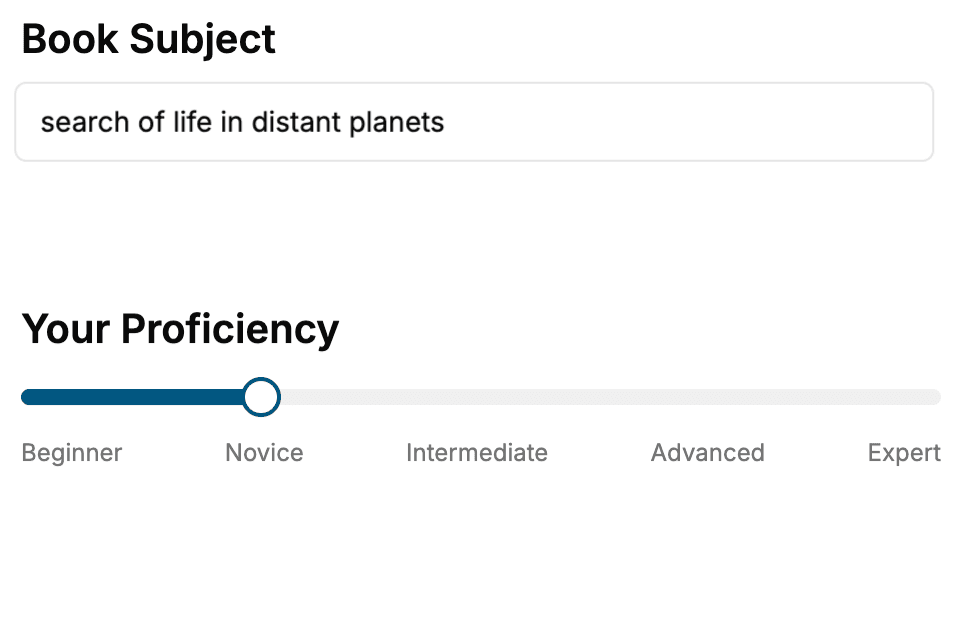
Select the focus of your Art Criticism book and share your background
- 2. Personalize your book
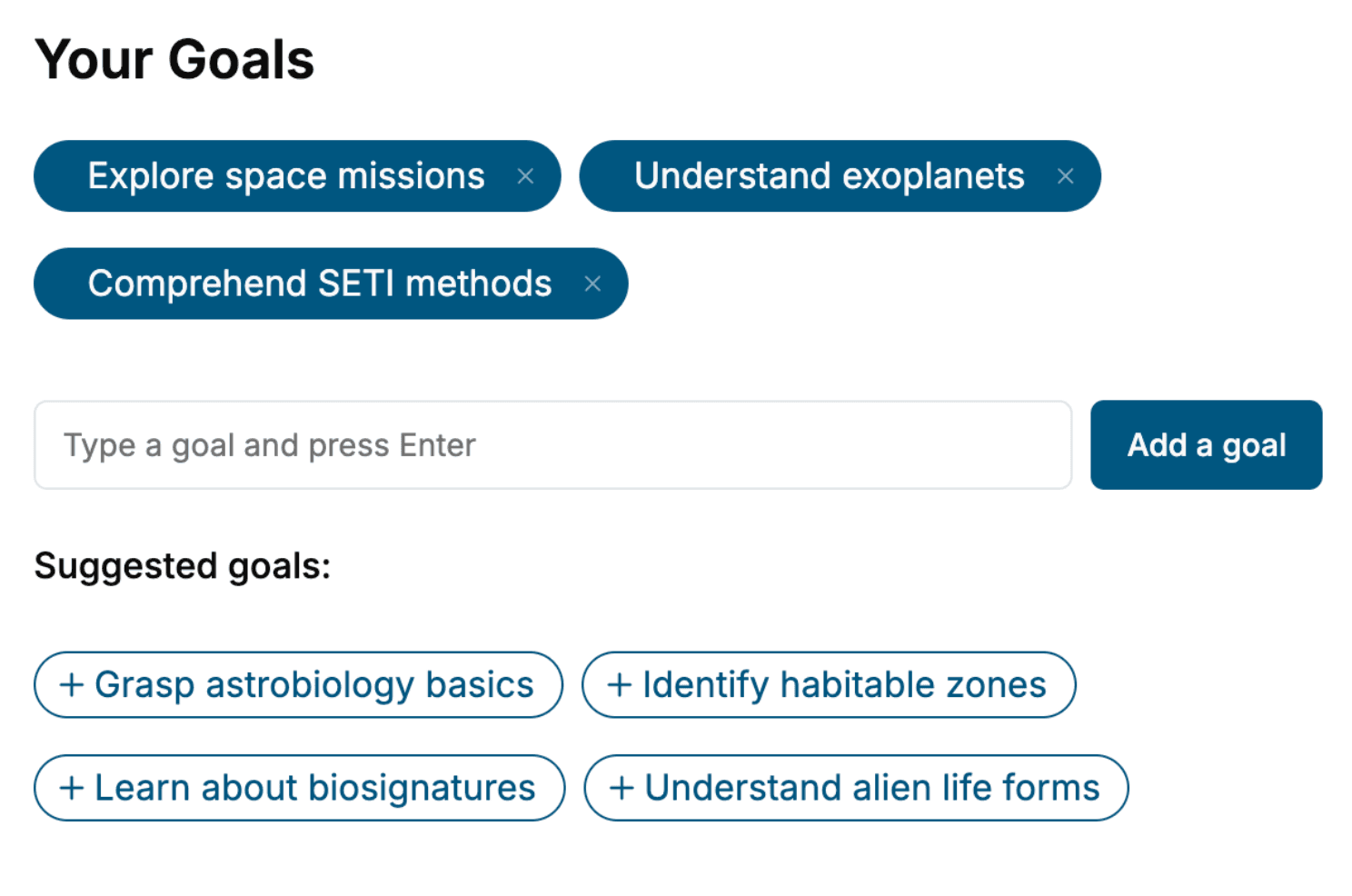
Specify your goals and choose sub-topics to include
- 3. Get your tailored book
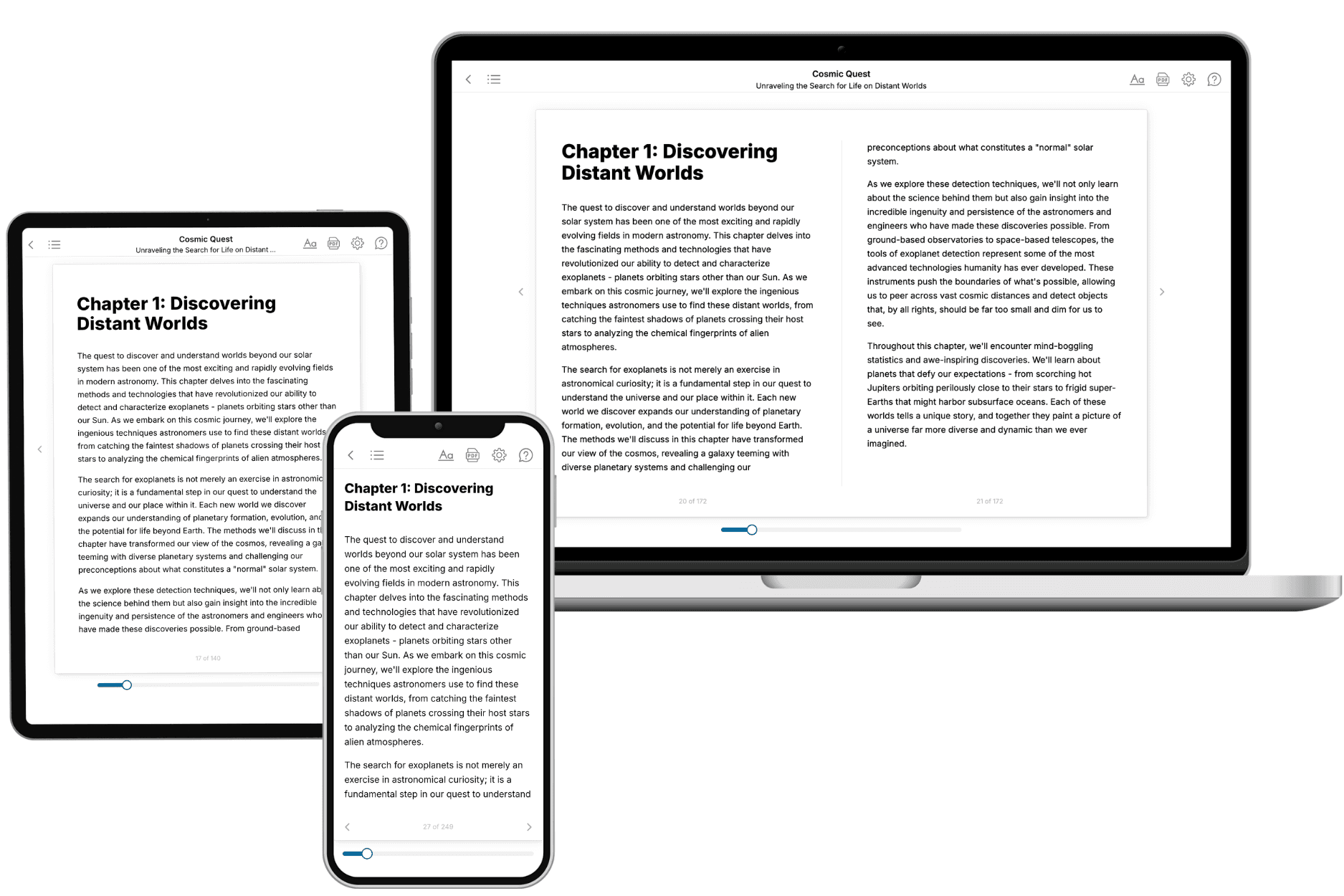
Your book is ready in 10 minutes. Read it online, download as EPUB or PDF, or send to Kindle.
Start from a template
Frequently asked questions
- What is TailoredRead?
TailoredRead creates complete, full-length nonfiction ebooks, written specifically for you. Tell us what you want to learn and why, and TailoredRead writes you a complete ebook on it, with charts, tables, and diagrams throughout. Read it online, on Kindle, or on any e-reader, or download it as a PDF or EPUB. Every book is written fresh the day you order it.
- How is the book tailored to me?
Before anything is written, you answer a few short questions about your goals, your background, and the topics you care about. Your book is then planned around your answers: written at your level, focused on your goals, and covering the topics you chose, instead of the one-size-fits-all book a store sells everyone.
- Will it read like generic AI content?
No. Your book isn't a chat transcript: it's planned chapter by chapter before a single word is written, told in a clear book voice, and explains ideas visually with charts, tables, and diagrams. After writing, every book goes through an editorial pass that polishes chapters so the book reads consistent from start to finish. Judge for yourself: browse thousands of sample books on our Explore Books page.
- How accurate is the content?
Our AI first checks whether your subject needs live research. Niche and fast-moving subjects are researched before writing, and the book plan and chapters are grounded in what it finds. After writing, every book goes through a quality pass that checks its facts and consistency, and researched books list their sources in a Notes section at the back.
- How long is the book?
You choose the length: Comprehensive (250-300 pages), Detailed (150-200 pages), Essential (70-100 pages), or Short (30-50 pages).
- Does the book include visuals?
Yes. Every book includes charts, tables, and diagrams: timelines, checklists, step-by-step guides, decision trees, comparison tables, matrices, and bar charts. A typical book includes dozens of these visual elements.
- Can I read it on Kindle? What formats can I download?
Yes. Every book can be read in our online reader or downloaded as a PDF or EPUB. The EPUB can be opened with Kindle, Apple Books, Kobo, and any e-reader. The Commercial and Author licenses also include an editable Word (DOCX) and Markdown download.
- How much does it cost?
About the price of a regular ebook. The exact price depends on your book's length and complexity, from $2 for the shortest books to $35 for the most comprehensive, and it's shown when you review your book, before you commit to anything. Each book is a one-time purchase, yours to keep, no subscription. Licenses that let you share, teach, or publish your book range from $35.99 to $49.99.
- Can I preview the book before purchasing?
Before you pay, you'll see what your book will cover: the title, a detailed description, the estimated length, and the complete chapter-by-chapter table of contents, so you know what you're getting before you decide. The full text itself is written after you purchase.
- How long does it take to create a book?
About 10 minutes. You can start reading the opening chapters while the rest is still being written.