Regulation Books
Explore tailored Regulation books created by our AI
The TSCA Handbook
Understanding Chemical Regulation, Policy Debates, and Real-World Impact
Imagine having a clear, authoritative guide to one of America's most important—yet often misunderstood—environmental laws. The Toxic Substances Control Act shapes everything from the products in your home to the chemicals in our water supply, yet few people understand how it actually works or why it remains so controversial. This book cuts through the complexity to explain TSCA's origins, its dramatic 2016 overhaul, and the ongoing policy debates that define chemical regulation today. You'll discover how the EPA evaluates chemical safety, why certain substances remain on the market despite health concerns, and how different stakeholders—from industry to environmental advocates—influence regulatory decisions. Whether you're a professional navigating chemical regulations, a policymaker shaping environmental law, or simply someone who wants to understand the rules governing the products you use daily, this handbook provides the knowledge you need. Explore the science behind chemical assessment, the economics of regulation, and the political forces that drive policy change. Understand not just what TSCA does, but why it matters and where chemical regulation is headed.
You're exposed to endocrine disrupting chemicals every single day—in your food packaging, drinking water, furniture, and personal care products—yet most people have never heard of them. These synthetic compounds interfere with your body's hormone systems at doses so low that traditional safety testing misses them entirely. The problem isn't just the chemicals themselves; it's a regulatory system designed decades ago that treats chemical safety as guilty-until-proven-innocent, while industry operates under the opposite assumption. This book reveals how political influence, regulatory capture, and scientific suppression have allowed thousands of EDCs to proliferate despite mounting evidence of serious health consequences. You'll discover what EDCs are, where they hide, how they damage human development and metabolism, and why the U.S. regulatory approach differs so dramatically from Europe's. More importantly, you'll learn what you can actually do—both individually and collectively—to reduce exposure and demand the policy changes necessary to protect public health. This is essential reading for anyone concerned about the invisible chemical landscape shaping our bodies and our future.
The Antitrust Paradox
How Competition Laws Shape Markets, Democracy, and Your Rights
Understand how antitrust regulations work as a critical mechanism balancing market competition, constitutional rights, and democratic governance. This book explores the intricate relationship between competition law and constitutional principles, revealing how legal frameworks designed to prevent monopolies actually shape the structure of entire industries and influence political power distribution. You'll discover why antitrust enforcement has swung dramatically between different philosophies—from trust-busting populism to consumer welfare economics to contemporary concerns about tech giants. Through clear explanations of landmark cases, constitutional tensions, and real-world applications, you'll gain insight into how these regulations affect innovation, consumer choice, and market access. Whether you're interested in understanding Big Tech regulation, healthcare consolidation, or the fundamental question of how much government should control markets, this book provides the analytical tools to evaluate competing arguments and understand the stakes involved in antitrust policy debates.
What if the skincare products you're familiar with are about to become obsolete? The cosmetics industry stands at an inflection point where biotechnology, personalized medicine, and regulatory evolution are reshaping everything from product development to market positioning. This book cuts through the complexity to show you exactly what's changing, why it matters, and how to capitalize on it. Whether you're evaluating investment opportunities, launching new products, or simply staying ahead of industry shifts, you'll discover the emerging therapies, regulatory frameworks, and market dynamics that are defining the next generation of cosmetics. From microbiome-targeted skincare to sustainable supply chains, from clinical trial breakthroughs to competitive positioning strategies, this guide provides the strategic insights and practical knowledge you need to thrive in an industry that's fundamentally transforming.
Imagine completing your engineering project with confidence, knowing you've thoroughly evaluated environmental risks and designed solutions that protect ecosystems while meeting project objectives. This practical guide walks you through the complete Environmental Impact Assessment process, from initial scoping through post-project monitoring. You'll learn how to systematically identify environmental concerns, predict impacts using proven methodologies, and develop mitigation strategies that actually work. Whether you're assessing a transportation project, industrial facility, or infrastructure development, this book provides the frameworks, tools, and real-world examples you need to conduct rigorous assessments that satisfy regulatory requirements and stakeholder expectations. Discover how to navigate complex environmental regulations, engage effectively with communities and agencies, and integrate environmental considerations into your engineering decisions from the very beginning. This is your essential reference for making environmental assessment a core strength in your engineering practice.
The 2008 Global Financial Crisis reshaped the world economy and left millions struggling with unemployment, foreclosures, and shattered savings. This book walks you through the events that triggered the worst economic collapse since the Great Depression, revealing how decisions made in boardrooms and regulatory agencies cascaded into a global catastrophe. You'll discover how subprime mortgages became toxic financial weapons, why ratings agencies stamped AAA on garbage investments, and how deregulation created a perfect storm of risk. Through clear explanations of complex instruments like mortgage-backed securities and CDOs, you'll understand how the housing bubble inflated and why its collapse froze global credit markets. You'll meet the key players—from Lehman Brothers to the Federal Reserve—and see how their choices shaped the crisis. Most importantly, you'll learn what changed afterward: the Dodd-Frank reforms, tighter lending standards, and new oversight mechanisms designed to prevent another 2008. Whether you're studying history, investing, or simply want to understand the financial system that affects your life, this book provides the clarity and context you need.
PCBs were once hailed as miracle chemicals—versatile, stable, and seemingly safe. Today, they're recognized as one of the most dangerous pollutants ever manufactured, yet they remain widespread in our environment and bodies. The challenge isn't just understanding the science; it's navigating the complex intersection of corporate interests, political decisions, and public health that has shaped our relationship with these chemicals. This book cuts through the complexity to explain what PCBs are, why they matter, and how political and economic forces have influenced our response to them. You'll discover the documented health effects, the regulatory battles that shaped policy, and the ongoing contamination challenges we face. Whether you're concerned about environmental health, interested in how science informs policy, or seeking to understand the politics behind environmental protection, this book provides the clarity and context you need to engage meaningfully with one of the most significant environmental health issues of our time.
Cannabis businesses face a unique accounting challenge: navigating Section 280E's prohibition on deducting ordinary business expenses while managing complex federal and state regulatory requirements that traditional accounting frameworks don't address. This comprehensive guide equips you with advanced strategies to optimize your 280E position, implement bulletproof internal controls, and master revenue recognition standards specific to the cannabis industry. You'll learn sophisticated cost allocation techniques that maximize legitimate deductions, develop compliance documentation that withstands IRS scrutiny, and create financial reporting systems that satisfy both federal regulators and state licensing authorities. Whether you're strengthening audit procedures, improving cash flow forecasting, or enhancing inventory tracking methods, this book provides the practical frameworks and strategic insights that cannabis CFOs and accountants need to transform compliance from a burden into a competitive advantage.
Many lawyers struggle to confidently apply antitrust principles because they lack a systematic framework for analyzing markets and identifying dominance. Without mastering market definition and concentration analysis, you risk misdiagnosing competitive issues, weakening client arguments, and missing critical legal opportunities. This book provides a comprehensive yet accessible guide to antitrust fundamentals tailored for legal professionals. You'll learn how to define relevant markets using modern methodologies, calculate and interpret market concentration metrics, assess monopoly power with precision, and evaluate market dominance across multiple dimensions. Each concept builds logically from foundational principles to sophisticated analytical techniques, with practical examples drawn from landmark cases and contemporary enforcement actions. By the end, you'll possess the analytical tools and conceptual clarity needed to confidently advise clients, structure arguments, and navigate complex antitrust matters with authority and precision.
Discover how one of the world's largest tech companies attempted to reshape global internet access and what it reveals about corporate strategy in the digital age. This book examines Facebook's Free Basics program—an initiative that promised to connect billions of unconnected people to the internet while simultaneously expanding Facebook's reach into emerging markets. You'll gain insight into the strategic calculations behind the program, the genuine humanitarian components, and the significant controversies that surrounded it. Through detailed analysis of Free Basics' operations across 60+ countries, regulatory battles in India and beyond, and the net neutrality debates it sparked, you'll understand how tech companies navigate the complex intersection of business expansion and digital inclusion. This exploration reveals the tensions between corporate interests and open internet principles, offering valuable lessons about power, access, and responsibility in our connected world.
Moral Hazard
Understanding Risk, Incentives, and Economic Behavior
What happens when people stop worrying about the consequences of their decisions? Moral hazard—the tendency to take greater risks when protected from the full impact of failure—is one of the most powerful forces shaping modern economies. From bank executives gambling with depositors' money to drivers with comprehensive insurance taking reckless chances, moral hazard distorts behavior in ways that ripple through financial systems and society. This book explores the mathematical and economic foundations of moral hazard, revealing how incentive misalignment creates predictable patterns of risk-taking. You'll discover why traditional solutions often fail, how institutions inadvertently encourage dangerous behavior, and what evidence-based strategies actually work. Whether you're analyzing financial markets, designing insurance products, or understanding policy failures, this guide provides the conceptual tools and practical insights needed to recognize and address moral hazard in its many forms.
Imagine having a clear, factual understanding of one of today's most contentious agricultural and political issues—without the hype, fear-mongering, or corporate spin. This book cuts through the noise to explain what GMOs actually are, how they're created, and why they've become so politically charged. You'll discover the real science behind genetic modification, explore how different countries regulate these crops, and understand the legitimate concerns on all sides of the debate. Whether you're concerned about food safety, corporate agriculture, environmental impact, or simply want to form your own informed opinion, this book provides the context and evidence you need. By examining the intersection of science, policy, and politics, you'll gain insight into why reasonable people disagree about GMOs and what's actually at stake in this ongoing conversation.
Water Pollution Control
Essential Strategies for Protecting Our Water Resources
Many assume water pollution control is simply about treating wastewater at the end of the pipe. In reality, effective water protection requires understanding diverse pollution sources, selecting appropriate treatment technologies, and implementing comprehensive management strategies across entire watersheds. This book provides a practical foundation in water pollution control, covering everything from identifying contamination sources to designing treatment systems and managing regulatory compliance. You'll learn how conventional and advanced treatment processes work, explore emerging technologies like membrane filtration and constructed wetlands, and discover how to integrate multiple control strategies into cohesive water quality programs. Whether you're designing municipal treatment facilities, managing industrial discharge, or addressing stormwater runoff, this guide equips you with the knowledge to make informed decisions that protect water resources while meeting regulatory requirements and community needs.
Related books you may like:
Constitutional amendments represent the ultimate expression of democratic will—yet most Americans have little understanding of how they actually happen. The path from idea to ratified amendment is deliberately arduous, requiring supermajority support in Congress and approval from three-fourths of state legislatures. This creates a paradox: amendments are rare precisely because they're meant to be, yet understanding how they succeed—and why most fail—reveals essential truths about American politics, coalition-building, and social change. This guide walks you through the complete amendment process, from proposal mechanisms to state ratification procedures, while analyzing the political strategies that have driven successful campaigns and the missteps that have derailed others. You'll examine historical amendment timelines, study failed attempts to understand what went wrong, and learn the grassroots mobilization tactics, advocacy strategies, and coalition-building approaches that actually move the needle on constitutional change. Whether you're interested in understanding past amendments or evaluating modern proposals, this book provides the analytical framework and practical knowledge to comprehend how America's highest law gets changed.
You'll gain a sophisticated understanding of one of the most powerful yet least understood mechanisms in American democracy. This book takes you beyond the basic civics lesson to explore how constitutional amendments actually happen—and why they so rarely do. You'll discover the strategic calculations, political battles, and social movements that have shaped America's founding document across more than two centuries. Through detailed analysis of both successful and failed amendments, you'll learn to recognize the patterns that determine which proposed changes gain traction and which fade into obscurity. You'll understand how the Founders' original design has been tested, adapted, and sometimes circumvented through formal and informal means. From the Bill of Rights to Prohibition and its repeal, from voting rights expansions to contemporary proposals, you'll see how each amendment reflects the values and conflicts of its era. This book equips you with analytical frameworks to evaluate current amendment proposals and understand their likelihood of success. You'll appreciate how this deliberately difficult process has both protected fundamental rights and sometimes delayed necessary reforms, shaping the nation's trajectory in profound ways.
Navigate the rapidly evolving landscape of AI liability that now confronts every legal practice. As courts apply traditional tort, contract, and product liability frameworks to AI-assisted legal work, practitioners face unprecedented malpractice exposure—from hallucinated citations to supervisory failures to insurance coverage gaps. This book guides you through the critical decisions you must make today to protect your practice tomorrow. You'll learn how to assess AI malpractice risks using real-world case analysis, implement supervisory protocols that satisfy ABA Rules 5.1 and 5.3, design AI disclosure frameworks that withstand scrutiny, and advise clients on their own AI liability exposure. Drawing on verified research through July 2026, including Lloyd's emerging risk classifications, state AI governance statutes, and professional liability insurance trends, this resource provides the frameworks, checklists, and strategic guidance you need to deploy AI responsibly while managing the paradoxical liability landscape where both using and failing to use AI creates exposure. Whether you're building firm-wide AI governance or counseling individual clients, this book equips you with the competence and documentation standards that define professional practice in the AI era.
Understand how a single constitutional phrase has become the foundation of American civil rights protections. The Equal Protection Clause of the 14th Amendment is one of the most consequential yet misunderstood provisions in the Constitution. This book traces its journey from a Reconstruction-era guarantee to the powerful legal tool that dismantled Jim Crow segregation, expanded rights for women and minorities, and continues shaping debates about fairness today. You'll explore landmark Supreme Court cases, learn how courts determine what "equal protection" actually means, and discover why this clause remains central to contemporary civil rights struggles. Whether you're studying history, law, or simply want to understand the constitutional backbone of American equality, this accessible guide illuminates how legal principles translate into real-world protections and why the fight for equal protection remains unfinished.
Create a Regulation Book Tailored to You
Create an AI-crafted book tailored to your goals, interests, and background






Benefits of AI-tailored books
- Read one book, not ten:
- all the Regulation knowledge you need, gathered into a single book.
- Save days of learning:
- tell us your goals, choose your topics, and the whole book is built around them.
- Learn effortlessly:
- Regulation book written for your specific background and expertise.
- Understand at a glance:
- includes charts, tables, timelines, checklists, decision trees, and more.
- Stay current:
- written the day you order it, not years ago.
- Trust what you read:
- every book is checked for accuracy, with real research when your subject needs it.
Create your unique book in 3 steps
- 1. Select your focus
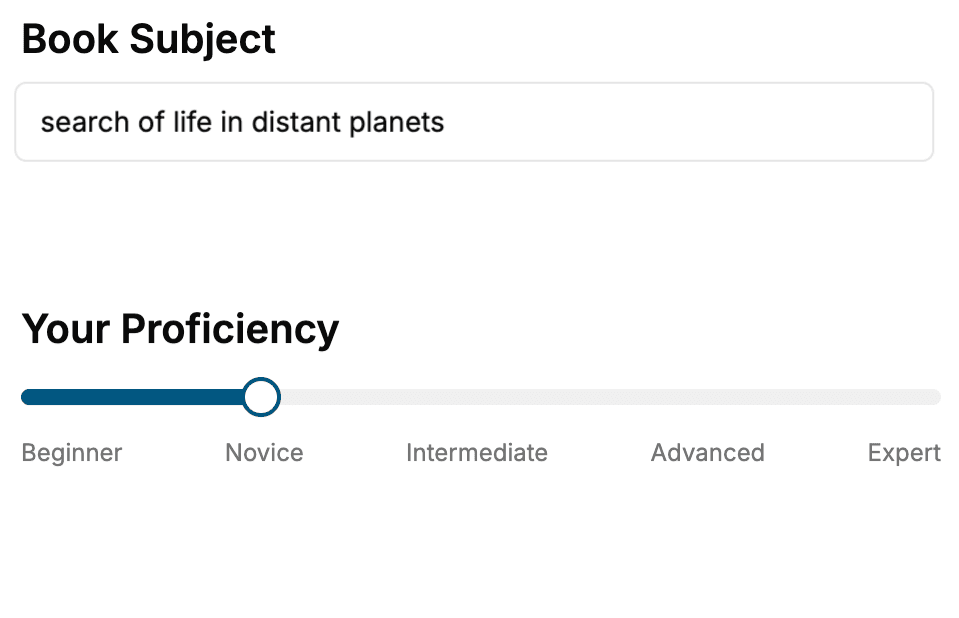
Select the focus of your Regulation book and share your background
- 2. Personalize your book
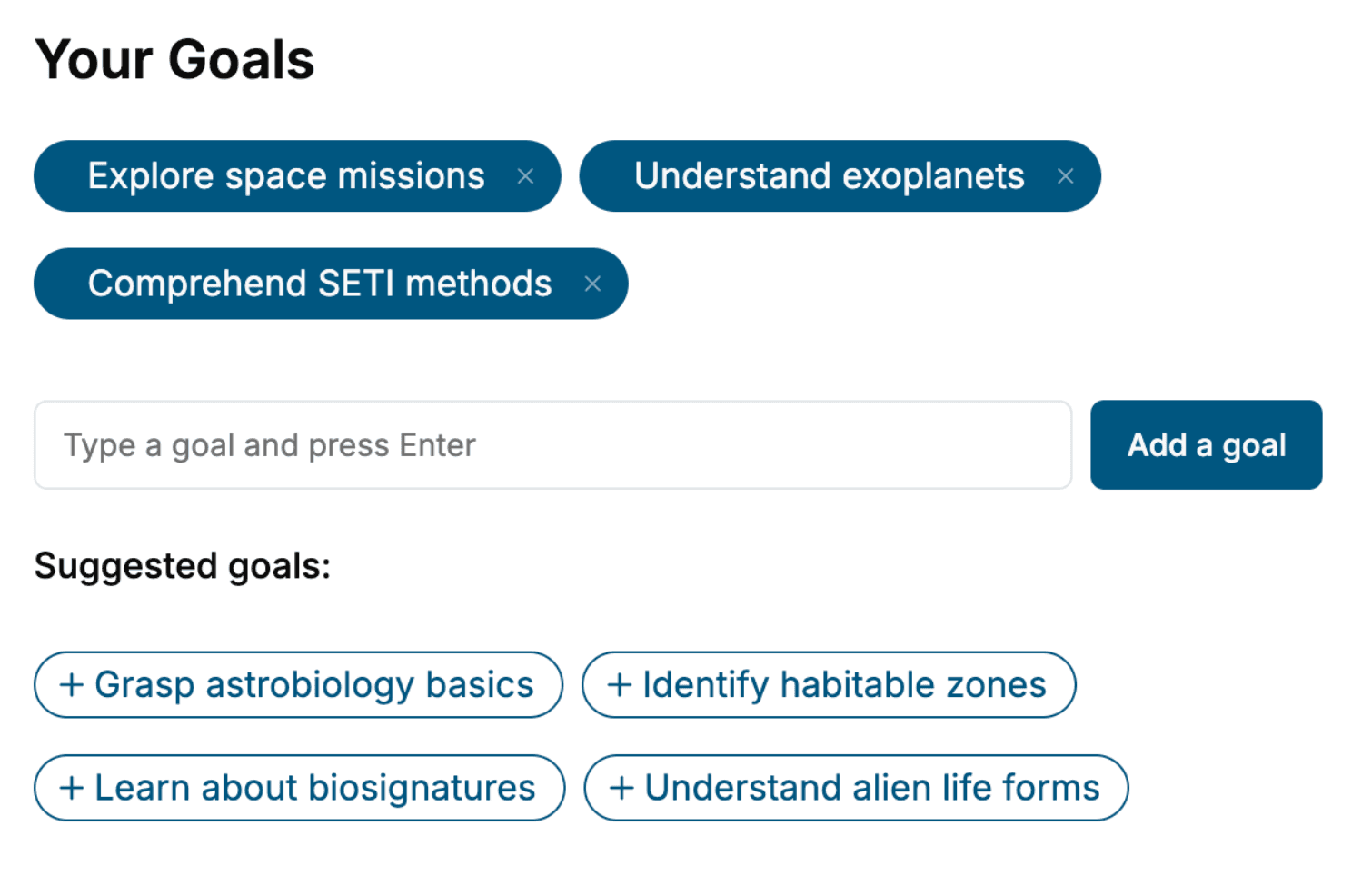
Specify your goals and choose sub-topics to include
- 3. Get your tailored book
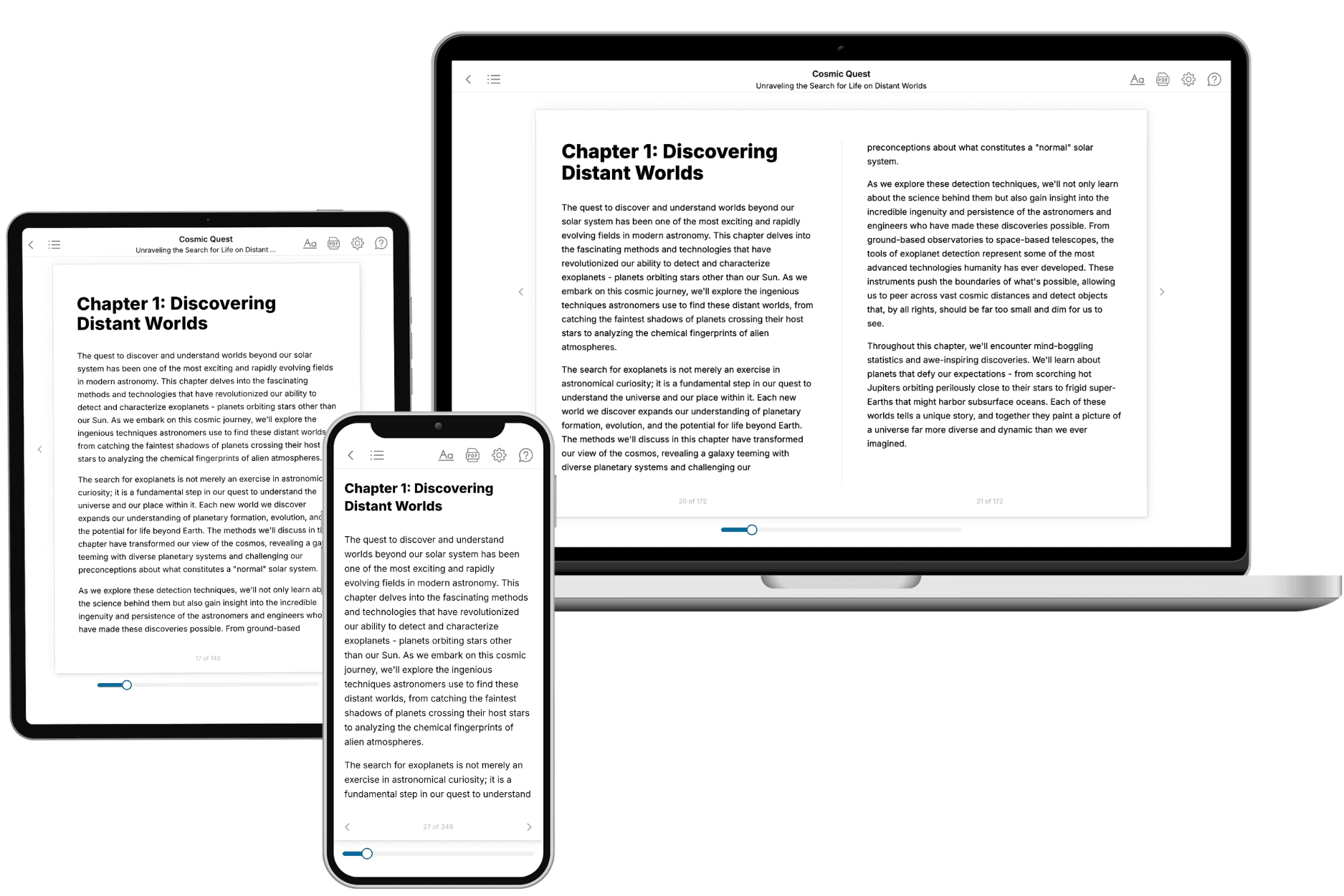
Your book is ready in 10 minutes. Read it online, download as EPUB or PDF, or send to Kindle.
Frequently asked questions
- What is TailoredRead?
TailoredRead creates complete, full-length nonfiction ebooks, written specifically for you. Tell us what you want to learn and why, and TailoredRead writes you a complete ebook on it, with charts, tables, and diagrams throughout. Read it online, on Kindle, or on any e-reader, or download it as a PDF or EPUB. Every book is written fresh the day you order it.
- How is the book tailored to me?
Before anything is written, you answer a few short questions about your goals, your background, and the topics you care about. Your book is then planned around your answers: written at your level, focused on your goals, and covering the topics you chose, instead of the one-size-fits-all book a store sells everyone.
- Will it read like generic AI content?
No. Your book isn't a chat transcript: it's planned chapter by chapter before a single word is written, told in a clear book voice, and explains ideas visually with charts, tables, and diagrams. After writing, every book goes through an editorial pass that polishes chapters so the book reads consistent from start to finish. Judge for yourself: browse thousands of sample books on our Explore Books page.
- How accurate is the content?
Our AI first checks whether your subject needs live research. Niche and fast-moving subjects are researched before writing, and the book plan and chapters are grounded in what it finds. After writing, every book goes through a quality pass that checks its facts and consistency, and researched books list their sources in a Notes section at the back.
- How long is the book?
You choose the length: Comprehensive (250-300 pages), Detailed (150-200 pages), Essential (70-100 pages), or Short (30-50 pages).
- Does the book include visuals?
Yes. Every book includes charts, tables, and diagrams: timelines, checklists, step-by-step guides, decision trees, comparison tables, matrices, and bar charts. A typical book includes dozens of these visual elements.
- Can I read it on Kindle? What formats can I download?
Yes. Every book can be read in our online reader or downloaded as a PDF or EPUB. The EPUB can be opened with Kindle, Apple Books, Kobo, and any e-reader. The Commercial and Author licenses also include an editable Word (DOCX) and Markdown download.
- How much does it cost?
About the price of a regular ebook. The exact price depends on your book's length and complexity, from $2 for the shortest books to $35 for the most comprehensive, and it's shown when you review your book, before you commit to anything. Each book is a one-time purchase, yours to keep, no subscription. Licenses that let you share, teach, or publish your book range from $35.99 to $49.99.
- Can I preview the book before purchasing?
Before you pay, you'll see what your book will cover: the title, a detailed description, the estimated length, and the complete chapter-by-chapter table of contents, so you know what you're getting before you decide. The full text itself is written after you purchase.
- How long does it take to create a book?
About 10 minutes. You can start reading the opening chapters while the rest is still being written.