Chronic Disease Management Books
Explore tailored Chronic Disease Management books created by our AI
You're navigating a complex medical landscape where every decision impacts your health outcomes and daily quality of life. This guide, written from a dialysis nurse's perspective, walks you through understanding your kidney disease progression, recognizing early warning signs, and mastering the practical skills that matter most. You'll learn how to interpret your lab results, optimize your nutritional intake, manage fluid restrictions without feeling deprived, and choose the dialysis modality that best fits your lifestyle. Beyond the clinical details, you'll discover how to build psychological resilience, communicate effectively with your healthcare team, and advocate for yourself in medical settings. Whether you're newly diagnosed, managing active dialysis, or exploring transplant options, this book provides the evidence-based strategies and real-world insights you need to take control of your health journey and reclaim the quality of life you deserve.
The Supplement Strategy
A Data-Driven Guide to Targeted Nutrition for Chronic Conditions
Discover how to build a supplement strategy grounded in evidence and mathematics rather than marketing claims. This guide equips you with analytical tools to assess your nutritional deficiency risks, calculate precise dosages, and evaluate supplement quality standards—all tailored to your specific chronic condition and age. You'll learn how nutrient absorption mechanisms work, why certain nutrients work synergistically, and how to identify which supplements deliver genuine value for your investment. Whether managing inflammation, addressing age-related deficiencies, or optimizing nutrient absorption, you'll gain frameworks for evaluating supplement protocols against objective health markers. Written for those who appreciate data-driven decision-making, this book translates complex nutritional science into practical, quantifiable strategies you can implement immediately to support your chronic condition management.
Caring for aging parents while managing your own career and life feels overwhelming because you're juggling medical conditions, financial decisions, family conflicts, and your parents' resistance to change—all without a clear system. This guide treats caregiving like a project: you'll develop structured protocols for managing chronic conditions (diabetes, high cholesterol, blood pressure, stroke recovery, GI issues), create emergency response plans, establish clear boundaries between your parent-child and caregiver roles, and build sustainable routines that prevent burnout. You'll learn to recognize cognitive decline early, navigate healthcare systems confidently, plan finances strategically, and use technology and AI tools to reduce your burden. Most importantly, you'll discover how to communicate effectively with parents who resist help, handle sibling dynamics, and maintain your own mental health. Whether your parents face dementia, cancer remission monitoring, vision loss, or simply the cumulative effects of aging, this book provides the frameworks, checklists, and protocols you need to provide excellent care while protecting your own wellbeing.
You've likely heard that type 2 diabetes is a chronic condition you'll manage for life—but that's not the complete picture. The biggest obstacle you face is that most doctors lack training in the evidence-based lifestyle interventions that can actually reverse your condition, leaving you dependent on medications that mask symptoms rather than address root causes. This book reveals what advanced cultures and cutting-edge research have discovered: insulin resistance, not blood sugar alone, drives type 2 diabetes, and it's detectable and reversible years before diagnosis. You'll learn which biomarkers actually predict your metabolic health (not the standard tests your doctor orders), how ketogenic protocols achieve 47% remission rates, and why sleep, exercise timing, and nutrient density matter more than calories. More importantly, you'll discover the specific health priorities for your age and condition, understand why preventive medicine remains absent from medical education, and gain a practical protocol to achieve full diabetes remission—freeing your attention and energy for what truly matters in your life.
What if the most important health decision you make during pregnancy is understanding your personal risk for preeclampsia? This condition affects 1 in 25 pregnancies and can have serious consequences for both mother and baby—yet many women don't know their risk factors until it's too late. This comprehensive guide breaks down the science of preeclampsia in clear, practical terms, helping you identify which risk factors apply to you and what you can do about them. You'll learn how to recognize warning signs, work effectively with your healthcare provider, and make informed decisions about your care. Whether you're at high risk or simply want to be prepared, this book provides the knowledge and tools you need to navigate pregnancy with confidence and protect your health and your baby's wellbeing.
Most people assume that advanced medical systems treat the same disease the same way. They don't. A cancer patient in Germany receives fundamentally different treatment protocols than an identical patient in the United States. A diabetic in Japan manages their condition through approaches rarely recommended in Scandinavia. These aren't random variations—they reflect deep cultural differences in how societies view disease, prevention, and the role of medicine itself. This book explores why advanced cultures diverge so dramatically in treating identical health conditions. You'll discover how preventive medicine philosophies, pharmaceutical adoption patterns, and nutritional approaches vary across developed nations, and what these differences reveal about healthcare systems, cultural values, and evidence interpretation. From cancer treatment protocols to insulin resistance management, from ketogenic adoption rates to chronic disease models, this analysis examines the cultural forces shaping medical decisions globally. Whether you're a healthcare professional, researcher, or policy analyst, understanding these variations provides crucial insights into why medicine isn't universal—and how cultural context shapes health outcomes.
Gain the ability to confidently interpret organic acid tests and understand what metabolic biomarkers truly reveal about health and disease. This comprehensive guide bridges biochemistry and mathematics, making complex metabolic pathways accessible through clear explanations and practical examples. You'll learn how to read test results systematically, understand the biochemical logic behind each marker, and apply statistical reasoning to distinguish meaningful findings from normal variation. Discover how mitochondrial dysfunction, nutrient deficiencies, and detoxification impairment create recognizable patterns in organic acid profiles. Whether you're a healthcare practitioner, researcher, or health-conscious individual, this book provides the analytical framework and evidence-based knowledge needed to interpret metabolic testing data accurately. Move beyond memorizing reference ranges to truly understanding the metabolic story your lab results tell.
Bridge Medicine
Integrating Traditional Chinese Medicine into Your Clinical Practice
This practical guide walks you through the systematic integration of Traditional Chinese Medicine into your clinical practice as a physician assistant. You'll move beyond theoretical concepts to develop concrete diagnostic skills—learning to read pulses, assess tongue presentations, and recognize constitutional patterns that reveal functional imbalances your patients experience. The book provides evidence-informed frameworks for addressing common clinical challenges: chronic stress and qi stagnation, digestive dysfunction and spleen qi deficiency, sleep disorders, immune compromise, and dermatological conditions. You'll discover how to create personalized treatment protocols that combine TCM principles with Western medicine, establish patient education strategies that build compliance, and measure outcomes that demonstrate clinical value. Each chapter includes practical assessment tools, protocol templates, and real-world integration strategies designed specifically for the modern clinical environment. Whether you're managing complex chronic disease, seeking preventive medicine approaches, or expanding your treatment modalities, this book provides the clinical framework to practice integrative medicine with confidence and measurable results.
Mind-Body Medicine
How Your Thoughts, Emotions, and Immune System Work Together to Heal
Most people think of the mind and body as separate systems—mental health is for therapists, physical health is for doctors. But decades of scientific research reveal a profound truth: your thoughts, emotions, and immune system are deeply interconnected. This book explores psychoneuroimmunology, the science of how your psychological state directly influences your physical health through measurable biological pathways. You'll discover why chronic stress makes you sick, how optimism strengthens immunity, and why your doctor should ask about your emotional life. Through clear explanations of complex neurobiology, real-world case studies, and practical techniques, you'll learn to harness this mind-body connection to enhance healing, prevent illness, and build genuine resilience. Whether you're managing a chronic condition, recovering from illness, or simply seeking better health, understanding these connections empowers you to take control of your wellbeing in ways traditional medicine alone cannot.
Facing a prostate cancer diagnosis with radiation and hormone therapy options can feel overwhelming, especially when you're trying to understand complex medical evidence and make decisions that affect your long-term health and quality of life. This guide cuts through the complexity by presenting the science behind combination radiation and androgen deprivation therapy (ADT) in clear, systematic terms. You'll learn how major clinical trials established the survival benefits of these treatments, how to interpret your individual risk profile, and how to evaluate whether combination therapy is right for you. The book addresses the side effects that matter most—cardiovascular risks, bone loss, cognitive changes, and sexual dysfunction—with practical management strategies. You'll discover how treatment timing, duration, and personalization can optimize your outcomes, particularly if you're over 75 or managing other health conditions. Whether you're evaluating initial treatment options, managing side effects, or understanding long-term survival data, this evidence-based resource provides the framework you need to make informed decisions and maintain quality of life throughout your cancer journey.
Achieve accurate metabolic assessment and develop targeted interventions by mastering organic acid test interpretation. This comprehensive handbook bridges the gap between laboratory data and clinical application, providing health researchers with the knowledge to decode complex metabolic biomarkers and their functional medicine implications. You'll learn how to systematically analyze metabolic pathways—from mitochondrial energy production to neurotransmitter synthesis—using OAT results as your diagnostic lens. Discover how to identify chronic disease metabolic signatures, recognize nutritional deficiency patterns, and assess gut-brain axis dysfunction through specific marker combinations. Each chapter builds your biochemistry foundation while teaching practical interpretation frameworks used by functional medicine practitioners. Real-world case studies demonstrate how metabolic insights translate into personalized therapeutic strategies. Whether you're strengthening your biochemistry fundamentals or enhancing patient assessment capabilities, this handbook equips you with evidence-based tools to interpret results confidently and design interventions addressing metabolic root causes rather than symptoms.
Safe Pregnancy, Healthy Baby
The Complete Guide to Medication Safety During Pregnancy
Many pregnant women face an impossible choice: take medications they fear might harm their baby, or stop treatment and risk their own health. This fear is often based on outdated information and misconceptions about how medications affect pregnancy. The truth is more nuanced and hopeful. Most medications can be safely used during pregnancy when prescribed appropriately, and untreated maternal conditions often pose greater risks than the medications themselves. This guide cuts through the confusion with evidence-based information about medication safety across all three trimesters. You'll learn how to evaluate risks and benefits, understand the new FDA labeling system, communicate effectively with your healthcare providers, and make informed decisions that protect both your health and your baby's development. Whether you're managing chronic conditions, treating acute illnesses, or considering supplements and herbal products, this book provides the practical knowledge you need to navigate pregnancy with confidence.
Many pediatric gastroenterology trainees struggle to integrate complex diagnostic information, procedural skills, and evidence-based management into cohesive clinical decision-making. This comprehensive guide bridges the gap between foundational knowledge and expert practice by providing systematic frameworks for evaluating and managing the full spectrum of pediatric GI diseases. You'll develop mastery in diagnostic techniques including advanced endoscopy, learn to recognize subtle clinical presentations across inflammatory and functional disorders, and discover how to integrate nutritional assessment and growth monitoring into every patient encounter. The book addresses real clinical challenges: distinguishing celiac disease from functional disorders, managing hepatic encephalopathy in cirrhotic children, performing therapeutic endoscopy safely, and tailoring immunosuppressive therapy in inflammatory bowel disease. Through evidence-based protocols, clinical reasoning frameworks, and practical management algorithms, you'll enhance your diagnostic accuracy, improve patient outcomes, and build confidence in managing complex pediatric GI cases from routine presentations to life-threatening emergencies.
What if the subtle changes you're noticing in your cat—decreased appetite, lethargy, or occasional vomiting—are signs of something serious you can actually manage? Pancreatitis in cats is a condition that often goes undiagnosed because its symptoms mimic other common feline illnesses. This guide cuts through the confusion and provides you with practical, evidence-based information about this serious but manageable condition. You'll learn how the pancreas works, why it becomes inflamed, and what you can do to help your cat feel better. From recognizing early warning signs to navigating treatment options and making dietary adjustments, this book equips you with the knowledge to partner effectively with your veterinarian. Whether your cat has just been diagnosed or you're looking to prevent pancreatitis, you'll find actionable strategies to improve your cat's comfort and quality of life.
Related books you may like:
Many ophthalmologists approach age-related macular degeneration management using standardized protocols that fail to account for the disease's remarkable heterogeneity and individual patient variation. This comprehensive guide bridges the gap between foundational AMD knowledge and advanced clinical practice by synthesizing the latest evidence on surgical techniques, pharmacological interventions, and diagnostic innovations. You'll master anti-VEGF injection optimization, learn to interpret multimodal imaging data for precise staging and prognosis, and develop personalized treatment algorithms that integrate genetic risk factors, biomarker monitoring, and combination therapy strategies. The book covers emerging technologies including adaptive optics imaging and complement system inhibition, while providing practical frameworks for managing complications, preventing subretinal fibrosis, and maximizing patient quality of life. Whether refining injection techniques, integrating new imaging modalities, or designing evidence-based clinical guidelines, this resource equips you with the knowledge and tools to advance your practice and improve outcomes for your AMD patients.
Imagine confidently identifying precise auricular points on your patients' ears and knowing exactly which anatomical landmarks correspond to their pain conditions. This comprehensive guide bridges the gap between anatomical knowledge and clinical practice, providing you with the practical skills needed to master auricular acupuncture. Drawing on your medical background, you'll learn the systematic mapping of ear point anatomy, develop proficiency in point sensitivity assessment, and implement evidence-based treatment protocols for both acute and chronic pain management. Each chapter builds your clinical competency through detailed anatomical descriptions, landmark identification techniques, and real-world application strategies. You'll understand the neurophysiological mechanisms underlying auricular acupuncture's effectiveness and gain the confidence to design individualized treatment plans. Whether you're treating acute injuries or managing chronic conditions, this book provides the anatomical precision and clinical frameworks necessary to deliver effective auricular acupuncture therapy and enhance your patient outcomes.
As a psychiatric nurse practitioner, you understand that ADHD extends far beyond childhood hyperactivity—yet many clinicians lack comprehensive frameworks for recognizing its complex manifestations across development and effectively integrating evidence-based interventions. This resource bridges that gap by providing clinically rigorous, practical guidance grounded in neuroscience and clinical evidence. You'll explore the neurobiological foundations of ADHD, master differential diagnosis across age groups, and implement multimodal treatment strategies that combine pharmacological management, behavioral interventions, and psychoeducational approaches. The book emphasizes neurodiversity-affirming care that reframes ADHD traits as neurological differences rather than deficits, helping your patients recognize inherent strengths like creativity and hyperfocus. Discover how to support families through psychoeducation, develop individualized coping strategies, and navigate the unique challenges of adult ADHD diagnosis and management. With practical assessment tools, treatment algorithms, and real-world clinical scenarios, this comprehensive guide enhances your ability to provide patient-centered, evidence-based care that improves outcomes and reduces stigma.
You'll gain a clear, science-based understanding of how ADHD actually works in your brain and why traditional productivity advice often fails you. This book moves beyond generic tips to explore the neurological reality of attention regulation, executive function, and dopamine sensitivity—and what that means for your daily life. You'll discover why you struggle with certain tasks while excelling at others, learn to recognize your personal ADHD patterns, and access practical strategies for managing time, emotions, relationships, and work. Whether you're newly diagnosed, self-aware but undiagnosed, or supporting someone with ADHD, you'll find evidence-based approaches to medication, therapy, lifestyle design, and environmental modifications. This isn't about "fixing" yourself—it's about understanding your brain's unique operating system and building a life that works with it, not against it. Packed with real-world examples and actionable frameworks, this guide helps you transform ADHD from a source of shame into a manageable aspect of who you are.
Imagine confidently integrating auricular acupuncture into your clinical practice with precision and evidence-based confidence. This comprehensive guide equips you with the anatomical knowledge, diagnostic skills, and practical protocols needed to master auricular point mapping and deliver superior patient outcomes. Designed specifically for physicians, this resource provides detailed visual maps of auricular points for pain management, stress relief, sleep disorders, smoking cessation, and obesity treatment. You'll learn systematic point location techniques, develop point sensitivity testing skills, and understand the neurophysiological mechanisms underlying auricular acupuncture's therapeutic effects. Whether you're treating chronic pain, managing stress-related conditions, or helping patients overcome addiction and weight management challenges, you'll discover evidence-based protocols that integrate seamlessly with your medical practice. The book includes practical guidance on needle-free auricular stimulation techniques, clinical diagnostic approaches, and strategies for patient selection and treatment monitoring. Master the specialized expertise that sets apart clinicians who achieve consistent, measurable results in auricular acupuncture practice.
Create a Chronic Disease Management Book Tailored to You
Create an AI-crafted book tailored to your goals, interests, and background






Benefits of AI-tailored books
- Read one book, not ten:
- all the Chronic Disease Management knowledge you need, gathered into a single book.
- Save days of learning:
- tell us your goals, choose your topics, and the whole book is built around them.
- Learn effortlessly:
- Chronic Disease Management book written for your specific background and expertise.
- Understand at a glance:
- includes charts, tables, timelines, checklists, decision trees, and more.
- Stay current:
- written the day you order it, not years ago.
- Trust what you read:
- every book is checked for accuracy, with real research when your subject needs it.
Create your unique book in 3 steps
- 1. Select your focus
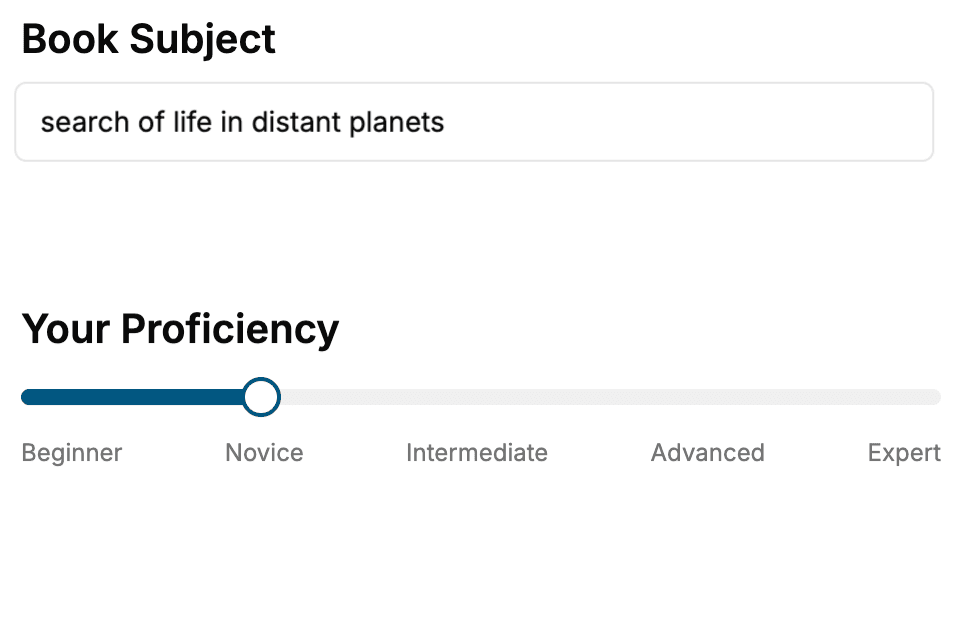
Select the focus of your Chronic Disease Management book and share your background
- 2. Personalize your book
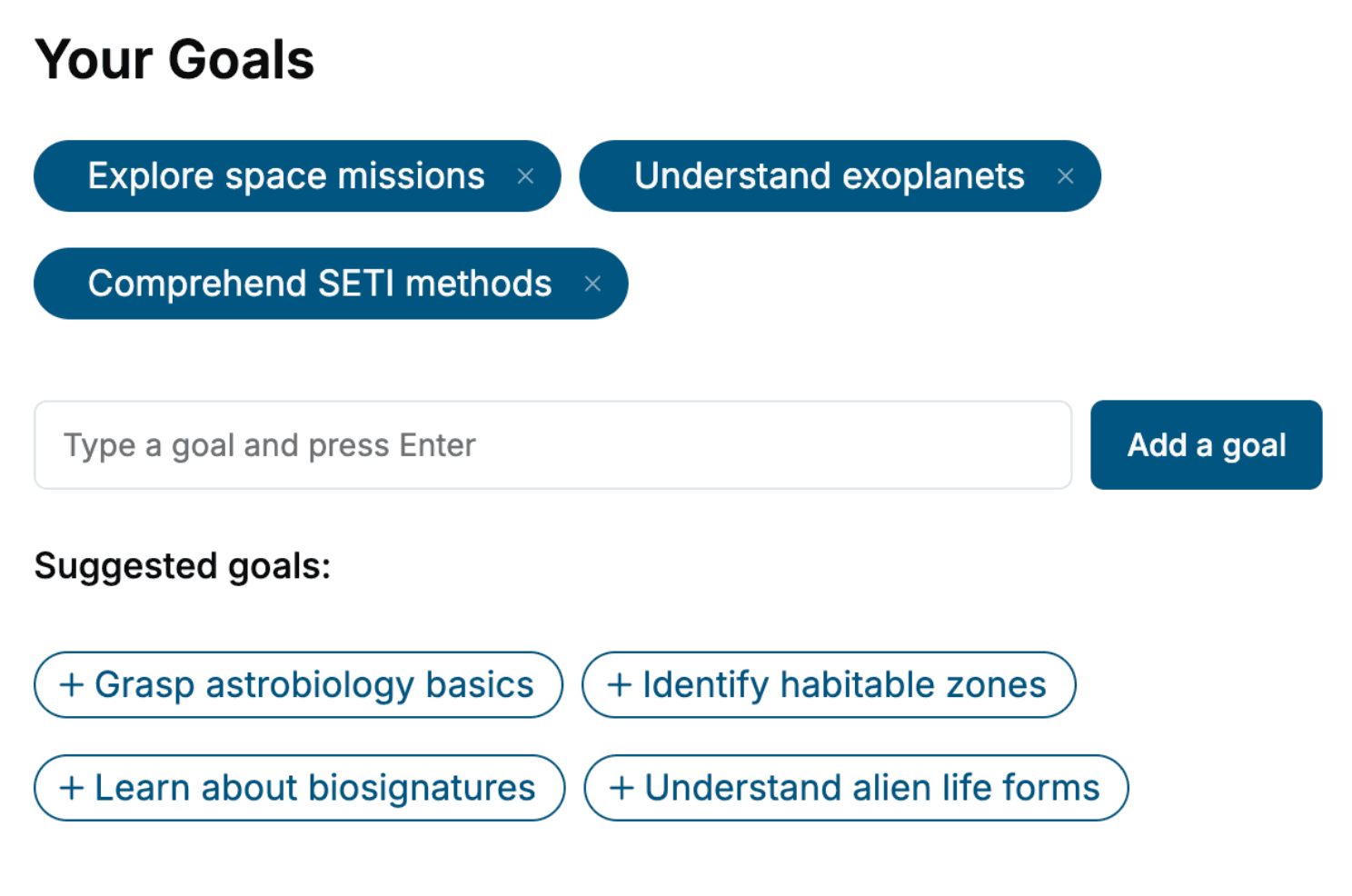
Specify your goals and choose sub-topics to include
- 3. Get your tailored book
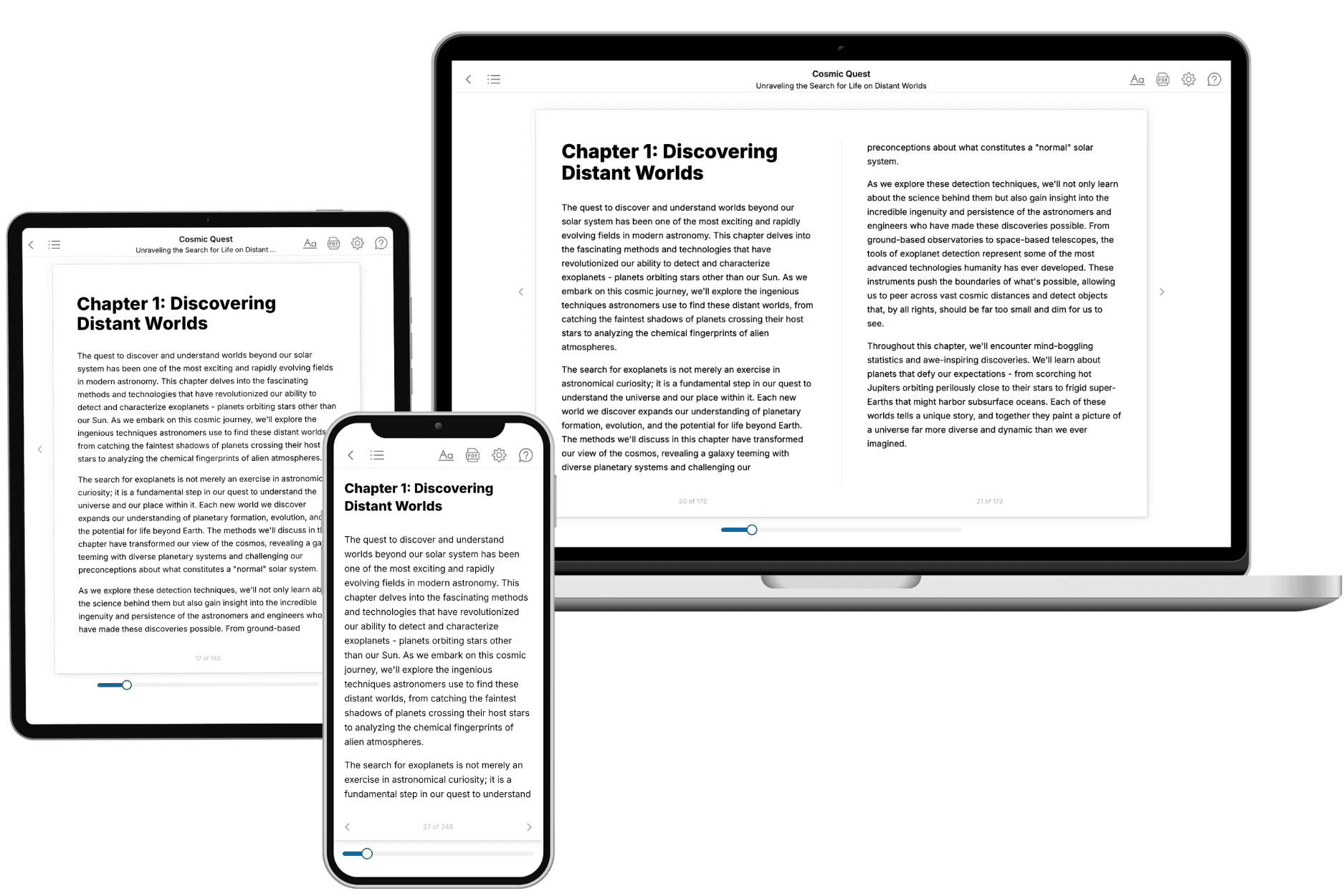
Your book is ready in 10 minutes. Read it online, download as EPUB or PDF, or send to Kindle.
Frequently asked questions
- What is TailoredRead?
TailoredRead creates complete, full-length nonfiction ebooks, written specifically for you. Tell us what you want to learn and why, and TailoredRead writes you a complete ebook on it, with charts, tables, and diagrams throughout. Read it online, on Kindle, or on any e-reader, or download it as a PDF or EPUB. Every book is written fresh the day you order it.
- How is the book tailored to me?
Before anything is written, you answer a few short questions about your goals, your background, and the topics you care about. Your book is then planned around your answers: written at your level, focused on your goals, and covering the topics you chose, instead of the one-size-fits-all book a store sells everyone.
- Will it read like generic AI content?
No. Your book isn't a chat transcript: it's planned chapter by chapter before a single word is written, told in a clear book voice, and explains ideas visually with charts, tables, and diagrams. After writing, every book goes through an editorial pass that polishes chapters so the book reads consistent from start to finish. Judge for yourself: browse thousands of sample books on our Explore Books page.
- How accurate is the content?
Our AI first checks whether your subject needs live research. Niche and fast-moving subjects are researched before writing, and the book plan and chapters are grounded in what it finds. After writing, every book goes through a quality pass that checks its facts and consistency, and researched books list their sources in a Notes section at the back.
- How long is the book?
You choose the length: Comprehensive (250-300 pages), Detailed (150-200 pages), Essential (70-100 pages), or Short (30-50 pages).
- Does the book include visuals?
Yes. Every book includes charts, tables, and diagrams: timelines, checklists, step-by-step guides, decision trees, comparison tables, matrices, and bar charts. A typical book includes dozens of these visual elements.
- Can I read it on Kindle? What formats can I download?
Yes. Every book can be read in our online reader or downloaded as a PDF or EPUB. The EPUB can be opened with Kindle, Apple Books, Kobo, and any e-reader. The Commercial and Author licenses also include an editable Word (DOCX) and Markdown download.
- How much does it cost?
About the price of a regular ebook. The exact price depends on your book's length and complexity, from $2 for the shortest books to $35 for the most comprehensive, and it's shown when you review your book, before you commit to anything. Each book is a one-time purchase, yours to keep, no subscription. Licenses that let you share, teach, or publish your book range from $35.99 to $49.99.
- Can I preview the book before purchasing?
Before you pay, you'll see what your book will cover: the title, a detailed description, the estimated length, and the complete chapter-by-chapter table of contents, so you know what you're getting before you decide. The full text itself is written after you purchase.
- How long does it take to create a book?
About 10 minutes. You can start reading the opening chapters while the rest is still being written.