Sustainability and Green Architecture Books
Explore tailored Sustainability and Green Architecture books created by our AI
Imagine leading preservation projects with confidence, armed with the latest technologies and proven strategies that are reshaping the field in 2025. This comprehensive guide brings you directly into the heart of the preservation revolution—where cutting-edge innovations meet time-honored conservation principles. Whether you're assessing structural challenges, designing adaptive reuse projects, or navigating complex legal frameworks, you'll discover practical, evidence-based approaches that modern preservationists are using to revitalize historic sites. From AI-powered structural analysis and drone documentation to sustainable material selection and climate resilience planning, this book covers the emerging technologies and methodologies that are defining contemporary practice. You'll also master the business side of preservation: optimizing historic tax credits, writing compelling grant proposals, and engaging communities as active partners in heritage stewardship. Learn how leading professionals are integrating sustainability standards, conducting heritage impact assessments, and advancing preservation advocacy in an evolving policy landscape. This is your roadmap to staying current, expanding your expertise, and implementing the innovations that are transforming historic preservation today.
Urban Greening Essentials
Designing and Implementing Green Infrastructure for Livable Cities
Imagine walking through your city and seeing thriving green spaces on rooftops, rain gardens filtering stormwater on every block, and tree-lined streets that cool neighborhoods naturally. This is the reality that urban greening makes possible. This comprehensive guide takes you beyond the basics to show you how green infrastructure actually works—and how to make it work in your community. Whether you're planning a single project or transforming an entire district, you'll discover practical strategies for designing systems that manage water, reduce urban heat, improve air quality, and create spaces where people want to be. Learn from real-world examples, understand the engineering principles behind effective solutions, and master the stakeholder engagement techniques that turn ambitious visions into lasting change. This book bridges the gap between environmental science and practical implementation, giving you the tools to design resilient, beautiful cities that work for both people and nature.
Native Plants by Design
Creating Sustainable Landscapes That Thrive in Your Climate
Most people assume that beautiful landscapes require constant watering, regular fertilizing, and endless maintenance. But what if your garden could thrive with minimal intervention while supporting local wildlife and reducing your environmental footprint? Native plant landscaping offers a fundamentally different approach to outdoor design—one that works with nature rather than against it. This book guides you through the principles and practices of creating landscapes that are rooted in your region's natural ecology. You'll learn how to assess your site's conditions, select plants that are perfectly adapted to your climate, and design cohesive plant communities that evolve beautifully over time. Whether you're designing a residential garden, planning a commercial landscape, or integrating green spaces into architectural projects, native plants provide solutions that are both sustainable and stunning. Discover how to reduce water consumption, eliminate chemical inputs, support pollinators and wildlife, and create outdoor spaces that require less work while delivering more ecological value.
Many assume modern architecture is simply about sleek glass towers and minimalist aesthetics. In reality, modernism represents a profound philosophical movement that fundamentally reimagined how humans inhabit space and how buildings can serve social progress. This book bridges theory and practice, guiding you through the intellectual foundations that shaped contemporary design while exploring how architectural choices impact communities and individuals. You'll discover how Bauhaus principles still influence design studios today, why Le Corbusier's mathematical systems matter beyond historical interest, and how phenomenology transforms the way architects think about human experience. Through examining brutalism's social ambitions, architectural semiotics' interpretive methods, and sustainable design ethics, you'll develop the critical vocabulary and analytical frameworks essential for both design practice and architectural criticism. Whether you're analyzing famous architects' portfolios, developing your personal design philosophy, or understanding how buildings shape urban form and community, this book provides the conceptual tools to think deeply about architecture's role in society. By studying modernism's triumphs and failures, you'll learn to evaluate design not just aesthetically, but as expressions of values, power, and human possibility.
The Dome Principle
How Nature's Most Efficient Structures Revolutionize Modern Design
Most buildings waste enormous amounts of material and energy because they ignore a fundamental principle that nature perfected over millions of years: the dome. While conventional rectangular structures require massive support systems and consume excessive resources, domes distribute forces elegantly and efficiently. This book reveals how biomimicry—learning from nature's designs—transforms architecture by showing you the science behind nature's dome structures and how to apply these principles to modern buildings. You'll discover why termite mounds maintain perfect temperature without air conditioning, how radiolarian shells achieve maximum strength with minimal material, and what geodesic domes can teach us about sustainable construction. Whether you're an architect, designer, engineer, or simply curious about how nature solves problems, you'll learn practical strategies for creating structures that are stronger, lighter, more efficient, and better suited to our environmental challenges. This book bridges the gap between natural design and human innovation, offering concrete examples and actionable insights for the next generation of sustainable architecture.
The Wisdom of Place
Understanding Vernacular Architecture Through Culture, Climate, and Craft
You'll discover how ordinary people throughout history have created extraordinary buildings using nothing more than local materials, inherited wisdom, and deep understanding of their environment. This comprehensive exploration reveals the sophisticated principles behind seemingly simple structures, from adobe pueblos in the American Southwest to timber-framed houses in medieval Europe, from African mud-brick compounds to Asian stilt houses.\n\nYou'll gain insight into how climate, geography, and available resources shaped distinctive regional building traditions, and how these time-tested approaches offer valuable lessons for contemporary architecture. Through detailed analysis of construction techniques, spatial organization, and cultural symbolism, you'll understand why vernacular buildings often outperform modern structures in terms of comfort, durability, and environmental harmony.\n\nThis book bridges the gap between architectural history and practical application, showing how traditional building wisdom can inform sustainable design practices today. You'll explore case studies from around the world, learning to recognize the subtle genius embedded in everyday structures and understanding how vernacular architecture continues to evolve while maintaining its essential character.\n\nWhether you're an architecture student, design professional, or simply curious about the built environment, you'll develop a deeper appreciation for the ingenuity and cultural richness expressed through vernacular architecture, and gain tools to apply these timeless principles in contemporary contexts.
Discover how a small nation built on water became one of Europe's most influential architectural powers. This exploration traces the evolution of Dutch architecture from medieval foundations through the prosperous Golden Age to contemporary design innovations that continue shaping cities worldwide. You'll examine the distinctive characteristics that define Dutch building traditions—from the iconic gabled townhouses of Amsterdam to the revolutionary urban planning of Rotterdam—and understand how geographical constraints transformed into creative advantages. The book reveals how Dutch architects approached problems with pragmatism and ingenuity, creating solutions that prioritized both functionality and beauty. Through detailed analysis of key periods, landmark buildings, and influential designers, you'll gain insight into the philosophical underpinnings of Dutch design: accessibility, efficiency, and respect for human experience. Whether you're interested in architectural history, urban development, or the cultural forces that shape our built environment, this book provides the context and knowledge to appreciate why Dutch architecture remains a global reference point for thoughtful, innovative design.
Masters of Space and Form
The Lives and Legacies of Germany's Greatest Architects
Discover how a small group of visionary architects transformed not just Germany, but the entire world's approach to design and construction. This book traces the remarkable stories of Germany's most influential architects—from the neoclassical elegance of Karl Friedrich Schinkel to the revolutionary modernism of Walter Gropius and Ludwig Mies van der Rohe. You'll explore how these creative minds navigated political upheaval, technological advancement, and cultural change to develop design philosophies that still guide architects today. Through detailed examinations of their most iconic works and the principles that guided their designs, you'll understand how German architects pioneered functionalism, sustainable design, and the integration of art with everyday life. This exploration reveals not just what these architects built, but why their ideas matter—and how their legacy continues to shape the spaces where we live, work, and gather.
Imagine a neighborhood where you can walk to work, grab coffee at a local café, pick up groceries, and enjoy a park—all within minutes of your home. Where businesses thrive alongside residential communities, and green spaces support both wildlife and human wellbeing. This is the promise of mixed-use development. Yet creating such places requires navigating complex challenges: conflicting zoning laws, competing stakeholder interests, environmental constraints, and market uncertainties. Whether you're a planner, developer, architect, or community advocate, understanding how to design and implement mixed-use developments is increasingly critical as cities seek sustainable alternatives to sprawl. This book provides a comprehensive guide to the principles, practices, and strategies that make mixed-use developments work. You'll learn how to balance economic viability with ecological responsibility, engage diverse stakeholders effectively, navigate regulatory frameworks, and create communities that people actually want to live and work in. Through real-world examples and practical frameworks, discover how thoughtful integration of land uses can generate prosperity while building stronger, more resilient communities.
What if the buildings in your neighborhood could serve multiple purposes, creating a place where you could live, work, shop, and socialize without leaving your community? Mixed-use development represents a fundamental shift in how we design cities and neighborhoods—moving away from single-purpose zones toward integrated, walkable communities. This book provides a comprehensive guide to understanding and designing mixed-use developments that work. You'll explore the core principles that make these projects successful, from balancing diverse uses and managing complex logistics to activating public spaces and ensuring financial viability. Whether you're designing a new urban district, revitalizing an underutilized neighborhood, or adapting historic buildings for contemporary needs, this book equips you with practical frameworks, real-world examples, and actionable strategies. Learn how to navigate zoning challenges, create vibrant street-level experiences, phase development strategically, and engage communities throughout the design process. Discover how mixed-use development can address urban challenges while creating places where people genuinely want to live and work.
Discover how German architecture tells the story of a nation's evolution, ambitions, and values across centuries. This comprehensive guide takes you through the major architectural movements that shaped Germany—from soaring Gothic cathedrals and ornate Baroque palaces to the revolutionary Bauhaus and cutting-edge contemporary designs. You'll learn how each era's buildings reflect the political, social, and technological forces of their time, while gaining insight into the design principles that made German architecture influential worldwide. Whether you're learning German, studying cultural history, or simply fascinated by how buildings embody national identity, this book connects architectural styles to the cultural context that created them. Explore the regional differences that make German architecture diverse, understand the vocabulary that architects use, and see how modern Germany continues to innovate in sustainable and socially conscious design. By the end, you'll appreciate German buildings not just as structures, but as windows into the German character and worldview.
Discover the fascinating world of construction materials through a unique blend of education and creativity. This coloring book takes you on a visual journey through the materials that build our cities, homes, and infrastructure. Each page combines detailed illustrations with accessible explanations of how materials work, why they're chosen for specific applications, and how they've evolved over time. You'll explore concrete's versatility, steel's strength, wood's warmth, glass's transparency, and emerging sustainable alternatives—all while engaging your artistic side. Whether you're an architecture enthusiast, a student, or simply curious about the built environment, this book transforms learning into a meditative, enjoyable experience. The act of coloring reinforces your understanding of material properties, textures, and applications, making complex concepts memorable and intuitive. Perfect for those seeking to deepen their knowledge while enjoying a creative outlet.
Sagrada Familia
The Complete Guide to Barcelona's Most Iconic Masterpiece
Discover the complete story behind Barcelona's most breathtaking architectural wonder. This comprehensive guide takes you beyond the stunning facades to reveal the Sagrada Familia's profound history, revolutionary design, and lasting cultural impact. Learn how Antoni Gaudí transformed an unfinished 19th-century project into a spiritual masterpiece that blends Gothic tradition with Modernist innovation. Explore the symbolic meaning embedded in every detail—from the intricate nativity scenes to the dramatic passion narrative carved in stone. Understand the engineering challenges, funding innovations, and community dedication that have sustained construction for over a century. Whether you're planning a visit or simply fascinated by architectural history, this guide provides the context, insights, and practical information you need to truly appreciate why millions visit this UNESCO World Heritage site each year. Gain the knowledge to see beyond the crowds and understand the vision that continues to shape Barcelona's identity.
Foundations of Form
Mastering Architectural Design Principles Through History
Create breathtaking structures that stand the test of time. "Foundations of Form: Mastering Architectural Design Principles Through History" is your gateway to understanding the core elements that make buildings both functional and awe-inspiring. This comprehensive guide takes you on a journey through architectural history, revealing how design principles have evolved and why they remain crucial today. You'll discover how to apply timeless concepts to your own projects, whether you're designing a modern skyscraper or renovating a classic home. From the golden ratio of ancient Greece to the minimalist aesthetics of the 21st century, you'll learn to see architecture through the eyes of history's greatest builders. Packed with practical insights and illustrated examples, this book bridges the gap between theory and practice. You'll gain the confidence to make informed design decisions, communicate your ideas effectively, and create spaces that are not just visually stunning, but also perfectly attuned to human needs and environmental considerations.
Related books you may like:
What if the colors you choose could completely transform how viewers feel when they look at your painting—before they even understand what they're seeing? Abstract painting isn't about random marks on canvas; it's a sophisticated language of color, composition, and expression that you can learn and master. This book bridges the gap between artistic intuition and technical skill, giving you practical frameworks for making intentional decisions about color harmony, composition balance, and layering techniques. You'll discover how complementary colors create visual tension, how brushstrokes convey emotion, and how spatial depth emerges from thoughtful color and value relationships. Whether you're struggling with muddy color mixing, uncertain about composition balance, or wanting to paint with more confidence and purpose, this guide provides clear, actionable techniques grounded in color theory and composition principles. Through step-by-step explorations of acrylic methods, texture building, and intuitive processes, you'll develop the skills to create dynamic, cohesive abstract works that resonate with viewers and reflect your authentic artistic vision.
Your passion for dance has led you to become a certified Zumba instructor, and now it's time to elevate your choreography skills to the next level. In just 30 days, you'll transform your approach to dance composition, infusing your routines with creativity, musicality, and captivating energy. This comprehensive guide is tailored specifically for new Zumba instructors like you, blending your diverse dance background with cutting-edge choreography techniques. You'll learn to craft engaging warm-ups, design thematic routines, and create cohesive sequences that will keep your students coming back for more. From mastering the art of improvisation to developing your unique choreographic voice, this book will push your boundaries and expand your artistic horizons. You'll discover how to seamlessly integrate various dance styles, incorporate level changes, and create visually stunning formations that will leave your class breathless.
You've been painting with acrylics for a while, but your work still lacks the depth, richness, and professional quality you see in gallery pieces. The paint seems to fight against you, colors turn muddy when mixed, and achieving smooth blends feels impossible. Your brushwork appears amateur, and you struggle to create the textures and effects that would elevate your art from hobby-level to something truly compelling. This comprehensive guide transforms your relationship with acrylic paint through systematic mastery of fundamental and advanced techniques. You'll discover how to control paint consistency, timing, and application methods to achieve exactly the effects you envision. From understanding pigment properties and color mixing principles to mastering complex layering, glazing, and blending techniques, every aspect of acrylic painting becomes clear and achievable. Through detailed explanations, step-by-step processes, and targeted exercises, you'll develop the technical skills that separate amateur work from professional artistry. You'll learn to prepare surfaces properly, select the right brushes and mediums, and apply paint with confidence and precision. Advanced techniques like wet-on-wet blending, glazing, underpainting, and scumbling will become natural extensions of your artistic vocabulary. By the end of this book, you'll possess the technical foundation and artistic confidence to create paintings with depth, luminosity, and professional polish. Your understanding of acrylic paint will be so thorough that you can tackle any subject or style with the assurance that your technique will support your creative vision.
Transform your woodcraft projects from plain wood into stunning, professionally finished pieces. This practical guide teaches you everything you need to paint acrylics with confidence and skill, even if you've never picked up a brush before. You'll master essential brush techniques, learn how to mix colors that pop, and discover how to create realistic wood textures and grain effects that elevate your scroll saw work. Whether you're painting intricate details on small pieces or finishing larger projects, you'll find step-by-step tutorials, daily practice exercises, and proven methods for using traceables and stencils to achieve precision without frustration. This book addresses the specific challenges woodcrafters face—painting on wood surfaces, working with scroll saw designs, and creating finishes that look professionally done. You'll overcome artistic fear through practical techniques and build the creative confidence to express your unique artistic vision in every project you create.
Are you ready to revolutionize the way players experience your games? "Adaptive Horizons: Mastering AI Personalization in Video Game Design" challenges you to rethink the boundaries of artificial intelligence in gaming. This comprehensive guide delves deep into the cutting-edge world of AI personalization, offering you the tools and knowledge to create truly responsive and engaging game environments. You'll explore advanced techniques in player modeling, adaptive storytelling, and dynamic difficulty scaling that will set your games apart in an increasingly competitive industry. From implementing sophisticated behavior trees to designing emotionally intelligent NPCs, this book covers the full spectrum of AI personalization. By the time you finish, you'll have the skills to craft games that not only adapt to individual players but anticipate their needs, creating unforgettable experiences that keep them coming back for more. Don't just make games – create living, breathing worlds that evolve with every player interaction.
Create a Sustainability and Green Architecture Book Tailored to You
Create an AI-crafted book tailored to your goals, interests, and background






Benefits of AI-tailored books
- Read one book, not ten:
- all the Sustainability and Green Architecture knowledge you need, gathered into a single book.
- Save days of learning:
- tell us your goals, choose your topics, and the whole book is built around them.
- Learn effortlessly:
- Sustainability and Green Architecture book written for your specific background and expertise.
- Understand at a glance:
- includes charts, tables, timelines, checklists, decision trees, and more.
- Stay current:
- written the day you order it, not years ago.
- Trust what you read:
- every book is checked for accuracy, with real research when your subject needs it.
Create your unique book in 3 steps
- 1. Select your focus
Select the focus of your Sustainability and Green Architecture book and share your background
- 2. Personalize your book
Specify your goals and choose sub-topics to include
- 3. Get your tailored book
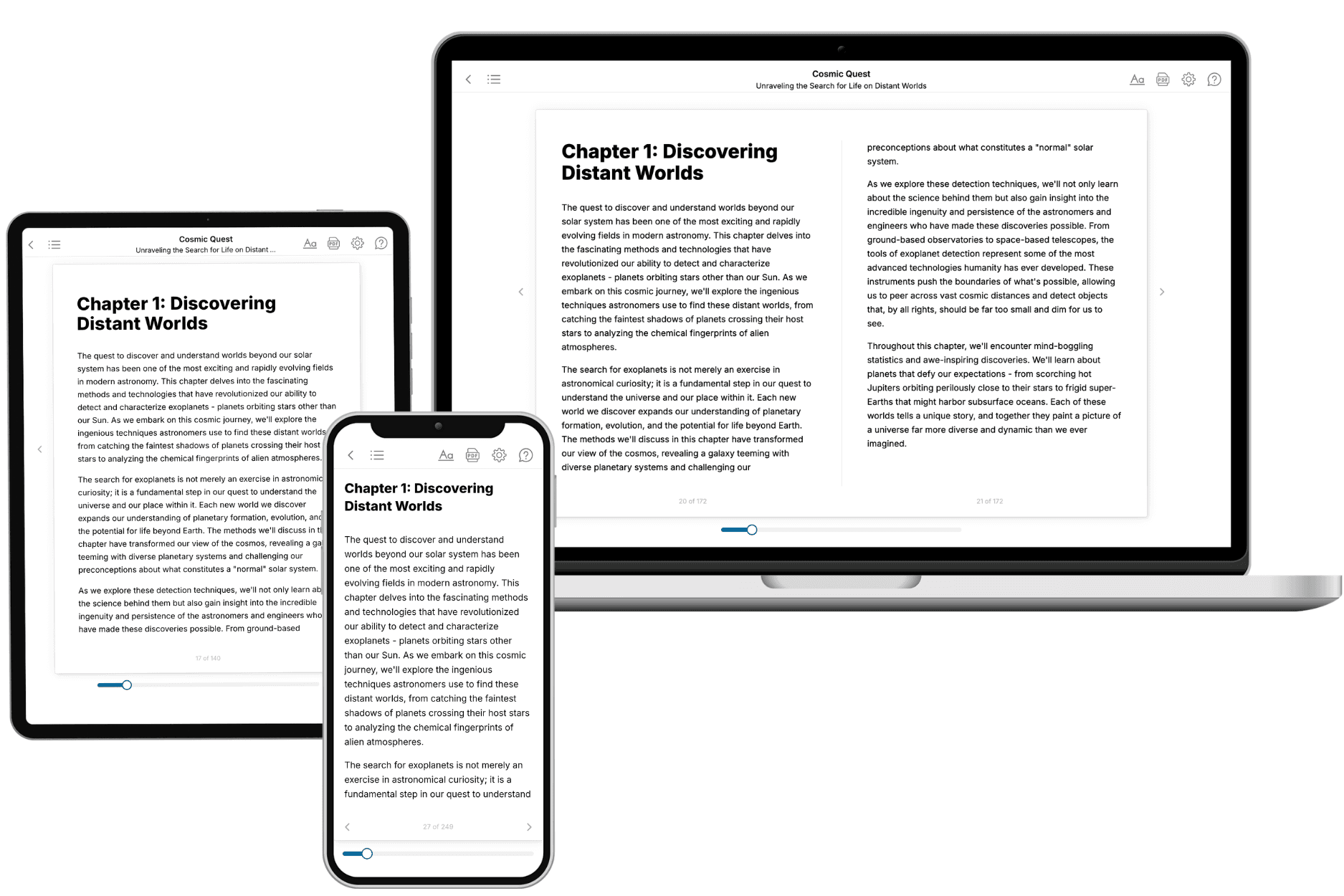
Your book is ready in 10 minutes. Read it online, download as EPUB or PDF, or send to Kindle.

Start from a template
Frequently asked questions
- What is TailoredRead?
TailoredRead creates complete, full-length nonfiction ebooks, written specifically for you. Tell us what you want to learn and why, and TailoredRead writes you a complete ebook on it, with charts, tables, and diagrams throughout. Read it online, on Kindle, or on any e-reader, or download it as a PDF or EPUB. Every book is written fresh the day you order it.
- How is the book tailored to me?
Before anything is written, you answer a few short questions about your goals, your background, and the topics you care about. Your book is then planned around your answers: written at your level, focused on your goals, and covering the topics you chose, instead of the one-size-fits-all book a store sells everyone.
- Will it read like generic AI content?
No. Your book isn't a chat transcript: it's planned chapter by chapter before a single word is written, told in a clear book voice, and explains ideas visually with charts, tables, and diagrams. After writing, every book goes through an editorial pass that polishes chapters so the book reads consistent from start to finish. Judge for yourself: browse thousands of sample books on our Explore Books page.
- How accurate is the content?
Our AI first checks whether your subject needs live research. Niche and fast-moving subjects are researched before writing, and the book plan and chapters are grounded in what it finds. After writing, every book goes through a quality pass that checks its facts and consistency, and researched books list their sources in a Notes section at the back.
- How long is the book?
You choose the length: Comprehensive (250-300 pages), Detailed (150-200 pages), Essential (70-100 pages), or Short (30-50 pages).
- Does the book include visuals?
Yes. Every book includes charts, tables, and diagrams: timelines, checklists, step-by-step guides, decision trees, comparison tables, matrices, and bar charts. A typical book includes dozens of these visual elements.
- Can I read it on Kindle? What formats can I download?
Yes. Every book can be read in our online reader or downloaded as a PDF or EPUB. The EPUB can be opened with Kindle, Apple Books, Kobo, and any e-reader. The Commercial and Author licenses also include an editable Word (DOCX) and Markdown download.
- How much does it cost?
About the price of a regular ebook. The exact price depends on your book's length and complexity, from $2 for the shortest books to $35 for the most comprehensive, and it's shown when you review your book, before you commit to anything. Each book is a one-time purchase, yours to keep, no subscription. Licenses that let you share, teach, or publish your book range from $35.99 to $49.99.
- Can I preview the book before purchasing?
Before you pay, you'll see what your book will cover: the title, a detailed description, the estimated length, and the complete chapter-by-chapter table of contents, so you know what you're getting before you decide. The full text itself is written after you purchase.
- How long does it take to create a book?
About 10 minutes. You can start reading the opening chapters while the rest is still being written.