US Slavery History Books
Explore tailored US Slavery History books created by our AI
Books readers created
22 US Slavery History books, each written for the reader who ordered it. Read its introduction, then personalize it to get a book of your own.
Black Codes
The Laws That Built American Slavery and Their Lasting Legacy
Many assume slavery in America developed gradually and naturally from economic necessity. The reality is far more deliberate. Black Codes were systematic, written laws that transformed slavery from a temporary labor arrangement into a permanent, race-based institution that would define American society for centuries. These weren't informal customs—they were carefully constructed legal frameworks that controlled every aspect of Black life, from movement and labor to family relationships and property rights. This book traces how colonial legislatures, beginning in 17th-century Virginia, methodically crafted these codes to maximize control and profit while minimizing the humanity of enslaved people. You'll discover how these laws spread across colonies, how they evolved over time, and how they created the legal foundation for both slavery and Jim Crow. More importantly, you'll understand how the mechanisms established by Black Codes continue to shape American institutions today. By examining the specific language, enforcement, and resistance to these laws, you'll gain insight into how legal systems have been weaponized to create racial inequality—and why understanding this history is crucial for addressing systemic racism in the present.
Imagine understanding the true origins of America's greatest conflict—not as a sudden political disagreement, but as the inevitable collision between a nation built on slavery and a nation claiming to be founded on freedom. This book traces how the transatlantic slave trade created the economic foundation of the United States, enriching Northern merchants and Southern planters alike while binding millions in chains. You'll discover how this system of human exploitation became so deeply woven into American life that compromise became impossible. Through vivid historical narratives and clear analysis, you'll see how ordinary people—enslaved Africans resisting bondage, abolitionists fighting for justice, and politicians struggling with irreconcilable visions—shaped the events leading to civil war. This is not a distant historical account but an exploration of how economic greed, moral conviction, and human resilience collided to transform a nation. By understanding this history, you'll gain insight into how systems of oppression are built, defended, and ultimately challenged.
The Underground Railroad
Freedom's Hidden Network and the Fight Against Slavery
Many people imagine the Underground Railroad as a formal organization with a central headquarters and official membership—but this misconception misses the true story of one of history's most remarkable resistance movements. The Underground Railroad was actually a sprawling, informal network of safe houses, routes, and courageous individuals who risked everything to help enslaved people escape to freedom. This book reveals how thousands of ordinary citizens—farmers, ministers, merchants, and formerly enslaved people themselves—created an intricate system that operated in the shadows of American society. You'll discover the ingenious methods used to evade slave catchers, the dangerous routes that led north and into Canada, and the remarkable stories of those who participated in this clandestine network. From the coded language that guided escapees to the safe houses that provided shelter, this exploration illuminates how the Underground Railroad functioned as a powerful act of resistance against slavery and how it shaped the moral and political landscape leading up to the Civil War.
Imagine a life defined not by the chains that bound you, but by the freedom you fought to secure for others. Harriet Tubman's story is one of extraordinary transformation—from a woman born into slavery's cruelest circumstances to a legendary figure who guided approximately 70 enslaved people to freedom and served as a military strategist during America's Civil War. This biography explores the remarkable woman behind the legend, examining her early years of brutal servitude, her daring escape, and her dangerous work on the Underground Railroad where she earned the nickname "Moses." You'll discover how her unwavering faith, strategic brilliance, and moral conviction shaped not only her own destiny but influenced the course of American history. Beyond the famous tales, this book reveals Tubman's lesser-known contributions as a nurse, cook, and laundress during the war, her leadership in the Combahee River Raid, and her tireless advocacy for the elderly and for women's rights. Through carefully researched accounts and historical context, you'll understand why Harriet Tubman remains one of America's most inspiring figures and what her life teaches us about courage, justice, and the power of individual action.
Maryland holds a crucial but often overlooked chapter in the story of American freedom. As the birthplace of Harriet Tubman's legendary escape and her subsequent work as a conductor on the Underground Railroad, the state's landscape is dotted with sites that tell stories of courage, resistance, and hope. Yet many travelers pass through Maryland without realizing they're walking on ground where some of history's most remarkable acts of liberation took place. This guide connects you to those places and stories. You'll discover the plantations where Tubman endured slavery, the safe houses that sheltered freedom seekers, the routes that led north, and the communities that risked everything to help. Each location comes alive with historical context, practical travel information, and the human stories that make history real. Whether you're a history enthusiast, a cultural tourist, or someone seeking to understand America's struggle for freedom, this guide transforms Maryland into an open-air classroom where you can walk in the footsteps of heroes and witness the geography of liberation.
Navigate the complex landscape of African American history through a structured exploration that moves beyond textbook summaries to reveal the strategic movements, visionary leaders, and systemic forces that shaped a nation. This book guides you through slavery's foundational impact on American economics and society, the organized civil rights campaigns that challenged entrenched power structures, and the cultural and intellectual contributions that transformed American identity. You'll examine the legal battles that dismantled segregation, the feminist activism that challenged both racism and patriarchy, and the economic entrepreneurship that built wealth despite systemic barriers. By connecting historical events to contemporary issues—from educational inequity to reparations frameworks—you'll develop the contextual knowledge necessary to understand current social justice debates. Whether you're seeking to understand influential leaders, analyze political activism, or recognize how historical injustices continue shaping institutions today, this comprehensive blueprint provides the analytical framework and detailed insights needed to master this essential American history.
The Compromise of 1850
How America Navigated the Slavery Crisis and Shaped a Nation
You'll journey through one of America's most critical moments—when the nation stood on the brink of dissolution over the question of slavery's expansion. The Compromise of 1850 brought together the greatest political minds of the era in a desperate bid to hold the Union together. This book walks you through the mounting tensions that made compromise necessary, the brilliant political maneuvering that created the agreement, and the five bills that attempted to satisfy both North and South. You'll meet the towering figures who shaped the debate—Clay, Calhoun, and Douglas—and understand their competing visions for America's future. More importantly, you'll discover why this compromise, despite its initial success, ultimately failed to prevent the Civil War. By examining the Compromise of 1850, you'll gain insight into how political systems handle irreconcilable differences, the limits of negotiation when fundamental values clash, and how decisions made in 1850 reverberated through American history for generations.
The Dred Scott Decision stands as one of the most controversial and consequential Supreme Court rulings in American history, yet many people struggle to understand its full significance and impact. This book provides a clear, comprehensive examination of the case that declared enslaved people had no constitutional rights and no standing to sue in federal court. You'll discover how a Missouri slave's quest for freedom became a national crisis, how the Supreme Court's attempt to settle the slavery question backfired spectacularly, and why this decision remains relevant to modern debates about citizenship and constitutional interpretation. Through careful analysis of the legal arguments, political context, and historical consequences, you'll gain insight into how judicial decisions shape national destiny and how unresolved constitutional contradictions can tear a nation apart. This is essential reading for understanding the Civil War's origins and the constitutional amendments that followed.
Discover how a single executive order reshaped the course of American history and liberated millions from bondage. The Emancipation Proclamation stands as one of the most consequential documents ever issued by a U.S. president, yet its true story is far more complex than the popular narrative suggests. This comprehensive exploration reveals how President Lincoln navigated the treacherous political landscape of the Civil War era, balancing military strategy with moral conviction to issue this transformative decree. You'll uncover the constitutional debates that surrounded the Proclamation, the resistance it faced from unexpected quarters, and the crucial role enslaved people themselves played in forcing emancipation onto the national agenda. From the preliminary announcement to its final implementation, this book traces the document's journey and examines how it fundamentally altered the war's purpose and America's future. Whether you're a history student, educator, or curious citizen, you'll gain a nuanced understanding of how this pivotal moment emerged from compromise, necessity, and the relentless pursuit of human freedom.
The Kansas-Nebraska Act of 1854 stands as one of the most consequential and controversial pieces of legislation in American history. Yet many people struggle to understand why this single law triggered such explosive consequences—from violent territorial conflicts to the collapse of political parties to the eventual Civil War. This book cuts through the complexity to show you exactly what the act was, why Stephen Douglas believed it was the democratic solution to sectional conflict, and how it catastrophically failed. You'll discover how popular sovereignty—the principle that territories should decide slavery through voting—sounded reasonable in theory but unleashed "Bleeding Kansas," a preview of the nation's bloodiest conflict. Through clear analysis and compelling historical narrative, you'll understand how this act shattered the political system, radicalized both North and South, and proved that some questions cannot be solved through compromise alone. This is essential reading for anyone seeking to understand how America moved from political crisis to civil war.
Discover how a single legislative agreement nearly tore the young American republic apart and set the stage for decades of escalating conflict. The Missouri Compromise of 1820 stands as one of the most consequential political moments in American history, yet its significance extends far beyond the immediate crisis it addressed. This book traces the origins of the sectional tensions that made compromise necessary, examines the political maneuvering that produced the agreement, and analyzes how this temporary solution ultimately accelerated the nation toward civil war. You'll explore the competing interests of North and South, the constitutional questions that divided lawmakers, and the ways that slavery became increasingly central to American political identity. By understanding this pivotal moment, you'll gain insight into how political compromises can mask deeper societal fractures and why some conflicts cannot be resolved through negotiation alone. This is essential reading for anyone seeking to understand the roots of American sectional conflict and the long shadow slavery cast over the nation's founding ideals.
Harpers Ferry: The Raid That Changed America
John Brown's Rebellion and the Path to Civil War
Discover how one man's desperate act of rebellion set the nation on an irreversible course toward civil war. This book examines John Brown's Raid on Harpers Ferry—a pivotal moment when the abstract debate over slavery became a violent reality that shattered American politics. You'll explore Brown's evolution from religious zealot to revolutionary, the meticulous planning behind the raid, the dramatic siege that captured national attention, and the trial that transformed a failed military operation into a moral reckoning. Through detailed analysis of the raid's immediate consequences and long-term impact, you'll understand how this single event in October 1859 exposed the fundamental incompatibility between North and South, making compromise impossible and civil war inevitable. This is the story of how one man's conviction changed the course of a nation.
Discover the extraordinary story of John Brown, the man whose raid on Harpers Ferry became a turning point in American history. This book traces Brown's transformation from a struggling businessman driven by religious conviction to a revolutionary willing to die for the abolition of slavery. You'll explore the ideological forces that shaped his worldview, the failed attempts at peaceful reform that pushed him toward armed rebellion, and the dramatic events of October 1859 that shook the nation. Through careful examination of primary sources and historical analysis, you'll understand how Brown's raid exposed the irreconcilable differences between North and South, terrified slaveholders, and inspired abolitionists. You'll see how his execution transformed him into a martyr whose legacy continues to provoke debate about the role of violence in pursuing justice. This book provides essential context for understanding the Civil War's origins and America's long struggle with slavery, offering readers a nuanced perspective on one of history's most controversial figures.
The question of whether violence can ever be justified in pursuit of moral justice has haunted American history since 1859. John Brown's raid on Harper's Ferry represents one of the most consequential and controversial moments in American history, yet many people understand only fragments of what actually happened. This book provides a complete, balanced account of Brown's assault on the federal arsenal, examining the man behind the raid, the meticulous planning that preceded it, the chaotic 36 hours of the attack itself, and the seismic consequences that rippled across the nation. You'll discover how a failed businessman and religious extremist became convinced that slavery could only be destroyed through armed rebellion, how his raid terrified the South and galvanized Northern abolitionists, and how this single event accelerated the nation toward civil war. By exploring multiple perspectives—from Brown's followers to federal troops to enslaved people to Southern slaveholders—you'll gain a nuanced understanding of how Americans interpreted this pivotal moment so differently, and why it remains relevant to contemporary debates about violence, justice, and social change.
Divided Nation
Understanding the Deep Roots of America's Greatest Conflict
Discover how a young nation built on ideals of liberty gradually fractured along irreconcilable lines. This book traces the intricate web of political decisions, economic forces, and ideological conflicts that transformed the United States from a unified republic into a house divided against itself. You'll explore how the founding compromise on slavery created a ticking time bomb, how westward expansion forced the nation to repeatedly confront its deepest contradictions, and how political leaders struggled—and ultimately failed—to bridge an ever-widening chasm. Through careful examination of key events, influential figures, and competing visions of America's future, you'll gain a comprehensive understanding of why compromise became impossible and why millions of Americans felt compelled to take up arms. This is not a story of inevitable destiny, but rather a chronicle of choices, missed opportunities, and the tragic consequences when a nation cannot reconcile its founding principles with its lived reality.
Gain a deeper understanding of America's defining conflict and how it fundamentally reshaped the nation. This comprehensive guide takes you through the complex causes, pivotal battles, and transformative consequences of the Civil War, revealing how a nation divided over slavery, states' rights, and competing economic systems fought to determine its future. You'll explore the political maneuvering that led to secession, the military strategies that defined major campaigns, the experiences of soldiers and civilians caught in the conflict, and the ambitious Reconstruction efforts that followed. By examining the war through multiple perspectives—political leaders, military commanders, enslaved people seeking freedom, and ordinary citizens—you'll understand how this four-year struggle fundamentally altered American democracy, ended slavery, and established the federal government's authority over the states. This book connects the dots between the war's origins and its lasting impact on American identity, race relations, and constitutional law.
The Civil War: America's Defining Conflict
Understanding the War That Shaped a Nation
Discover how America's bloodiest conflict reshaped the nation's political, social, and economic landscape. This comprehensive guide takes you through the Civil War's origins in sectional tensions, its pivotal battles and turning points, and the transformative Reconstruction era that followed. You'll explore the motivations of key military leaders, the experiences of soldiers and civilians caught in the conflict, and the revolutionary changes that abolished slavery and redefined American federalism. Whether you're seeking to understand how the war began, why it lasted four devastating years, or how it fundamentally altered the course of American history, this book provides the context, analysis, and insights needed to grasp this defining moment. From the economic and political divisions that made conflict inevitable to the constitutional amendments that reshaped the nation, you'll gain a deeper appreciation for how the Civil War determined what America would become.
Lincoln's Second Inaugural
Understanding the Speech That Redefined American Purpose
What if the most important speech in American history wasn't primarily about politics at all, but about moral reckoning? Lincoln's Second Inaugural Address, delivered just weeks before his assassination, stands as a masterpiece of rhetoric and philosophy that transformed how Americans understood their nation's purpose. This book explores the speech's historical context, its revolutionary theological framework, and its enduring influence on American thought. You'll discover how Lincoln crafted a message that acknowledged the nation's collective guilt for slavery while charting a path toward reconciliation rather than retribution. Through careful analysis of the text, examination of the Civil War's final chapter, and exploration of the speech's legacy, you'll gain deeper appreciation for how one leader used language to address humanity's deepest moral questions. Whether you're a history student, a political leader, or simply someone seeking to understand pivotal moments in American democracy, this book illuminates why Lincoln's words continue to resonate more than 150 years later.
The Reconstruction Amendments
How the 13th, 14th, and 15th Amendments Reshaped America
Imagine understanding the constitutional foundation of modern American rights—the very amendments that abolished slavery, guaranteed citizenship, and protected voting rights. The Reconstruction Amendments represent one of the most transformative moments in U.S. constitutional history, yet their full significance often remains unclear. This book demystifies the 13th, 14th, and 15th Amendments by exploring their historical context, the fierce political battles surrounding their passage, and their profound impact on American law and society. You'll discover how these amendments shifted power from states to the federal government, created the legal basis for civil rights protections, and continue to shape contemporary constitutional debates. Through clear analysis and compelling historical narratives, you'll gain the knowledge to understand why these amendments matter today—from voting rights controversies to equal protection debates. Whether you're a student, educator, or engaged citizen, this book provides the comprehensive foundation needed to grasp how Reconstruction amendments fundamentally reshaped the American constitutional order.
Many travelers visit South Carolina's Lowcountry expecting a typical beach vacation, only to discover a region far richer and more complex than anticipated. The challenge lies in navigating between well-worn tourist paths and authentic local experiences, understanding a layered history that shaped America itself, and appreciating a unique culture that remains vibrant today. This guide moves beyond surface-level recommendations to reveal what makes the Lowcountry truly special. You'll explore Charleston's historic neighborhoods and hidden courtyards, discover the Gullah communities and Sea Islands that preserve centuries-old traditions, and understand the ecological significance of salt marshes and barrier islands. Learn where locals actually eat, which historic sites offer genuine insight into the region's complex past, and how to experience the Lowcountry's natural beauty responsibly. Whether you're planning your first visit or returning to explore deeper, this guide provides the context, practical information, and insider perspective needed to experience the Lowcountry authentically.
What if one invention could reshape an entire nation's economy while simultaneously deepening its most profound moral crisis? Eli Whitney's cotton gin did exactly that, transforming American agriculture, industry, and society in ways its inventor never anticipated. This book takes you beyond the simple story of a mechanical breakthrough to explore the complex life of a man whose ingenuity solved one problem while inadvertently amplifying another. You'll discover how Whitney's struggles with manufacturing, patents, and business rivals led him to pioneer the concept of interchangeable parts—a revolution that would define modern industry. Through detailed examination of his methods, mindset, and the historical forces surrounding him, you'll gain insight into how innovation works, how ideas spread, and how technology intersects with society in unexpected ways. Whether you're fascinated by invention, interested in American history, or seeking to understand how one person's work can ripple through generations, this exploration of Whitney's life offers valuable lessons about creativity, persistence, and the unintended consequences of progress.
The Louisiana Purchase
How America's Greatest Land Deal Shaped a Nation
Discover how a single transaction in 1803 transformed America from a fledgling nation into a continental power. The Louisiana Purchase stands as one of history's most consequential real estate deals, doubling the nation's size and opening the western frontier to American settlement and expansion. This book examines the political intrigue, diplomatic negotiations, and strategic calculations that led President Thomas Jefferson to acquire 828,000 square miles from France for just $15 million. You'll explore the complex motivations behind the purchase, the constitutional questions it raised, and the profound consequences that rippled through American society for generations. From the immediate impact on Native American populations to the sectional tensions over slavery's expansion, the Louisiana Purchase set in motion forces that would shape American politics, economics, and geography for centuries. Whether you're a history student, educator, or curious reader, this comprehensive exploration reveals how one bold decision fundamentally altered the nation's destiny and established the foundation for American continental dominance.
Related books you may like:
Embark on a captivating journey through one of the most pivotal moments in British history with "1066: The Year That Changed England." This meticulously researched account of the Battle of Hastings offers you a front-row seat to the events that reshaped the course of European history. Delve into the complex web of political intrigue, military strategy, and cultural shifts that led to this momentous clash. You'll gain a deep understanding of the key players - William the Conqueror, Harold Godwinson, and Harald Hardrada - and the high-stakes game of thrones they played. Through vivid storytelling and expert analysis, you'll experience the tension of the battlefield, the clash of Anglo-Saxon and Norman cultures, and the far-reaching consequences of William's victory. Discover how this single event transformed England's language, laws, and social structure, leaving an indelible mark on the nation's identity. Whether you're a history buff or simply curious about this transformative period, this book offers fresh insights and a comprehensive overview that will enrich your understanding of medieval Europe and the foundations of modern Britain.
Many assume the French Revolution ended in 1799 with Napoleon's rise to power. In reality, the struggle for democracy and social justice continued to convulse France throughout the nineteenth century. The 1848 Revolution represents a pivotal moment when ordinary people—workers, students, intellectuals, and the poor—rose up against an entrenched monarchy and demanded fundamental change. This book explores the dramatic events of that revolutionary year, from the February uprising that toppled King Louis-Philippe to the violent June Days that exposed the revolution's internal contradictions. You'll discover how economic crisis, industrial transformation, and competing political ideologies collided to reshape not just France, but the entire European continent. Through vivid narratives and careful analysis, this account reveals why 1848 mattered then and why its lessons remain relevant today for understanding how societies change, how revolutions succeed and fail, and how the pursuit of liberty continues to define our world.
Discover how a single year transformed global history and set the stage for the modern world. The Russian Revolutions of 1917 were pivotal moments that toppled an empire, established the first communist state, and triggered consequences that rippled across the entire 20th century. This book walks you through the complex web of causes—from centuries of imperial rule and industrialization to the devastating impact of World War I—that made revolution possible. You'll explore the dramatic events of both the February and October revolutions, meet the key figures who shaped these upheavals, and understand how ordinary Russians experienced these extraordinary times. Beyond the headlines and heroic narratives, you'll examine the real economic hardships, military failures, and social tensions that drove millions to support radical change. This comprehensive account reveals why 1917 matters today, how it reshaped global politics and ideology, and what it teaches us about revolution, power, and historical change. Whether you're a history student, curious learner, or someone seeking to understand the roots of modern geopolitics, this book provides the context and clarity needed to grasp one of history's most consequential moments.
Discover the pivotal events and complex forces that shaped one of the 20th century's most consequential moments. This comprehensive examination takes you through the centuries of Jewish diaspora, the rise of Zionism, and the dramatic final years leading to Israel's establishment in 1948. You'll understand how the Holocaust transformed international politics, why the British Mandate created irreconcilable tensions, and how the UN Partition Plan became a flashpoint for conflict. Through careful analysis of key figures, military campaigns, and political negotiations, you'll gain insight into how a new nation emerged from centuries of displacement and persecution—while grappling with the displacement of another people. This book presents the historical evidence, competing narratives, and lasting consequences of 1948, enabling you to understand not just what happened, but why it matters for the modern Middle East and global politics today.
Most people think the Norman Conquest was simply a military victory that happened in a single day. In reality, 1066 marked the beginning of a decades-long transformation that would fundamentally reshape English society, language, and identity. This book reveals how William the Conqueror's invasion wasn't inevitable—it emerged from a disputed succession, political intrigue, and the ambitions of ambitious leaders. Beyond the famous Battle of Hastings, you'll discover how Norman rulers consolidated power through feudalism, how the French language permanently altered English, and how a new ruling class gradually integrated with the existing population. Through vivid storytelling and careful analysis, you'll understand how this single conquest rippled across centuries, influencing everything from English law and governance to the very words we speak today. Whether you're exploring medieval history for the first time or deepening your existing knowledge, this book illuminates why 1066 remains one of history's most consequential moments—and how its effects continue to shape our world.
Create an US Slavery History Book Tailored to You
Create an AI-crafted book tailored to your goals, interests, and background






Benefits of AI-tailored books
- Read one book, not ten:
- all the US Slavery History knowledge you need, gathered into a single book.
- Save days of learning:
- tell us your goals, choose your topics, and the whole book is built around them.
- Learn effortlessly:
- US Slavery History book written for your specific background and expertise.
- Understand at a glance:
- includes charts, tables, timelines, checklists, decision trees, and more.
- Stay current:
- written the day you order it, not years ago.
- Trust what you read:
- every book is checked for accuracy, with real research when your subject needs it.
Create your unique book in 3 steps
- 1. Select your focus
Select the focus of your US Slavery History book and share your background
- 2. Personalize your book
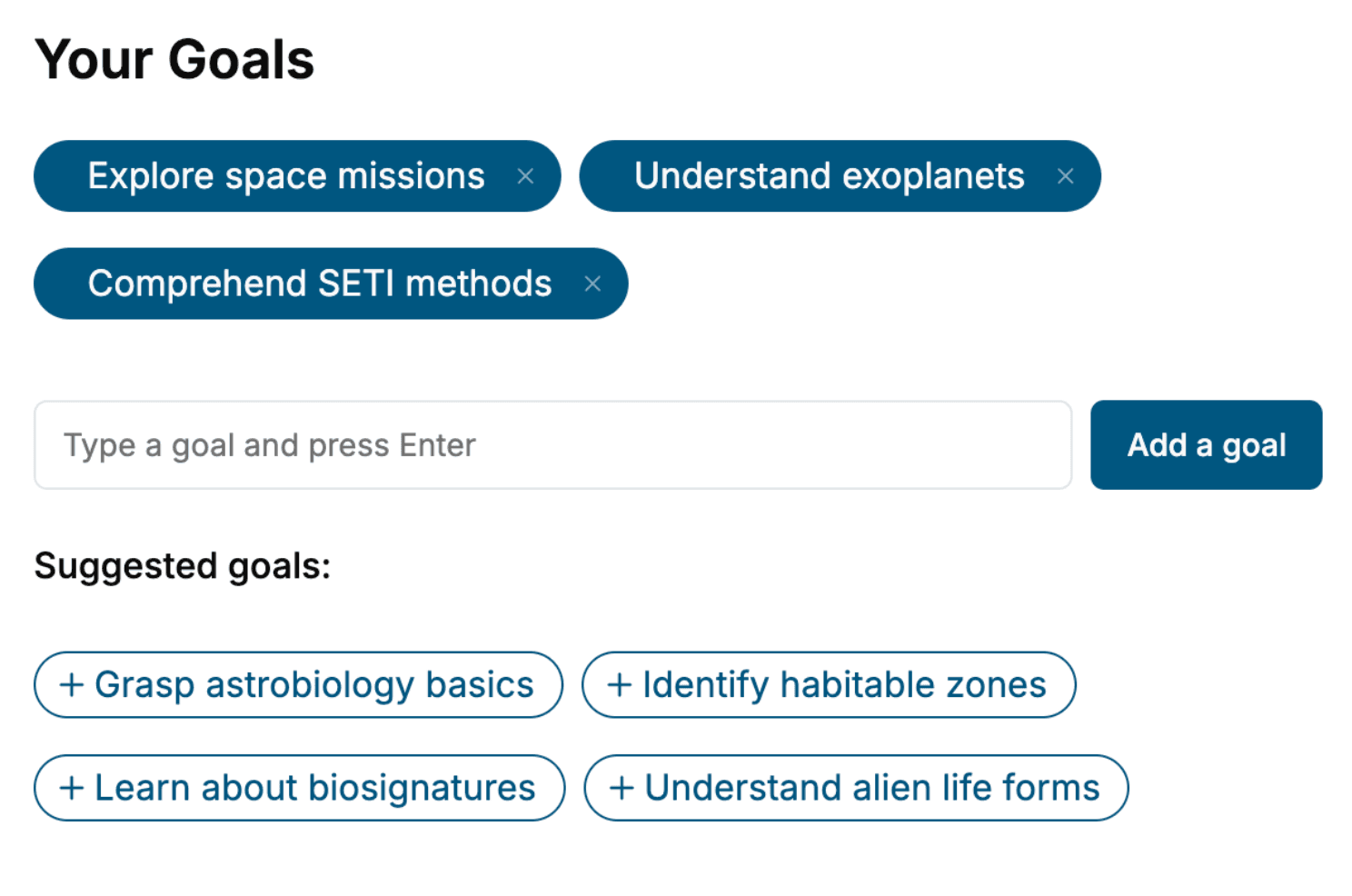
Specify your goals and choose sub-topics to include
- 3. Get your tailored book
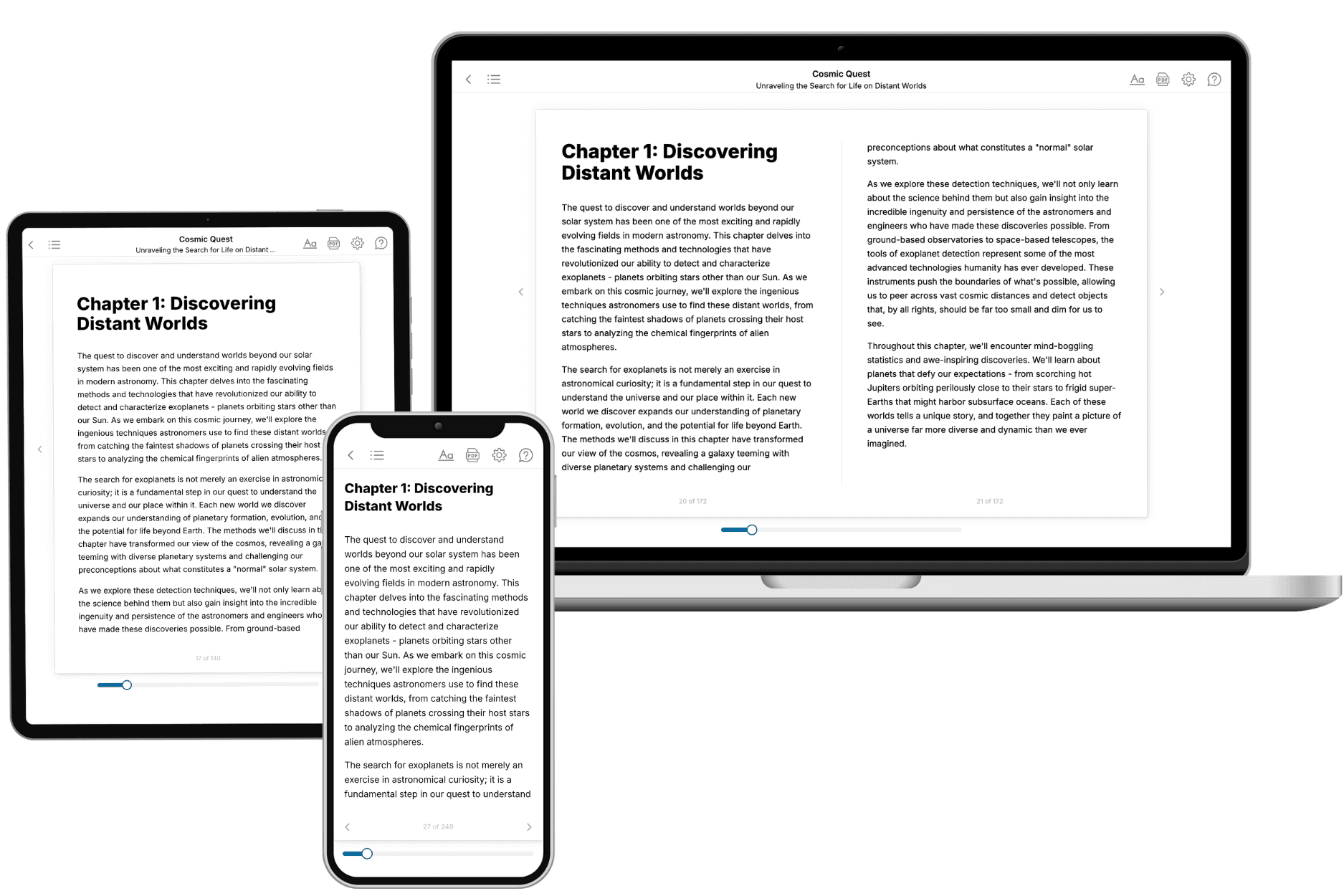
Your book is ready in 10 minutes. Read it online, download as EPUB or PDF, or send to Kindle.

Start from a template
Frequently asked questions
- What is TailoredRead?
TailoredRead creates complete, full-length nonfiction ebooks, written specifically for you. Tell us what you want to learn and why, and TailoredRead writes you a complete ebook on it, with charts, tables, and diagrams throughout. Read it online, on Kindle, or on any e-reader, or download it as a PDF or EPUB. Every book is written fresh the day you order it.
- How is the book tailored to me?
Before anything is written, you answer a few short questions about your goals, your background, and the topics you care about. Your book is then planned around your answers: written at your level, focused on your goals, and covering the topics you chose, instead of the one-size-fits-all book a store sells everyone.
- Will it read like generic AI content?
No. Your book isn't a chat transcript: it's planned chapter by chapter before a single word is written, told in a clear book voice, and explains ideas visually with charts, tables, and diagrams. After writing, every book goes through an editorial pass that polishes chapters so the book reads consistent from start to finish. Judge for yourself: browse thousands of sample books on our Explore Books page.
- How accurate is the content?
Our AI first checks whether your subject needs live research. Niche and fast-moving subjects are researched before writing, and the book plan and chapters are grounded in what it finds. After writing, every book goes through a quality pass that checks its facts and consistency, and researched books list their sources in a Notes section at the back.
- How long is the book?
You choose the length: Comprehensive (250-300 pages), Detailed (150-200 pages), Essential (70-100 pages), or Short (30-50 pages).
- Does the book include visuals?
Yes. Every book includes charts, tables, and diagrams: timelines, checklists, step-by-step guides, decision trees, comparison tables, matrices, and bar charts. A typical book includes dozens of these visual elements.
- Can I read it on Kindle? What formats can I download?
Yes. Every book can be read in our online reader or downloaded as a PDF or EPUB. The EPUB can be opened with Kindle, Apple Books, Kobo, and any e-reader. The Commercial and Author licenses also include an editable Word (DOCX) and Markdown download.
- How much does it cost?
About the price of a regular ebook. The exact price depends on your book's length and complexity, from $2 for the shortest books to $35 for the most comprehensive, and it's shown when you review your book, before you commit to anything. Each book is a one-time purchase, yours to keep, no subscription. Licenses that let you share, teach, or publish your book range from $35.99 to $49.99.
- Can I preview the book before purchasing?
Before you pay, you'll see what your book will cover: the title, a detailed description, the estimated length, and the complete chapter-by-chapter table of contents, so you know what you're getting before you decide. The full text itself is written after you purchase.
- How long does it take to create a book?
About 10 minutes. You can start reading the opening chapters while the rest is still being written.