Racism Books
Explore tailored Racism books created by our AI
Many people have heard of Critical Race Theory, but few truly understand what it is. Popular discourse often presents it as either a revolutionary framework for justice or a dangerous ideology—rarely as what it actually is: a philosophical and legal approach to analyzing how institutions perpetuate racial inequality. This book cuts through the noise to explain CRT's genuine intellectual foundations, its evolution from legal scholarship to broader cultural influence, and the legitimate debates surrounding its claims and applications. You'll discover how CRT emerged from scholars questioning why civil rights legislation failed to eliminate systemic racism, explore its core concepts like intersectionality and structural inequality, and understand why it remains so contested. Whether you're encountering CRT in academic settings, policy discussions, or cultural debates, this guide provides the clarity needed to think critically about race, power, and social institutions—and to participate meaningfully in conversations about how society should address racial inequality.
District Six: A Living Testament
Understanding Cape Town's Most Powerful Historical Site
What does it mean to stand in a place where an entire community was erased? District Six Museum in Cape Town is far more than a historical exhibit—it's a profound encounter with one of apartheid's most devastating chapters. This guide takes you beyond the surface, revealing how over 60,000 people were forcibly removed from their homes in 1966 and how their stories continue to shape Cape Town today. You'll discover the museum's innovative approach to preserving memory through personal artifacts, oral histories, and community voices. Whether you're a first-time visitor seeking context or a returning traveler wanting deeper understanding, this book illuminates why District Six remains essential to understanding South Africa's past and present. Explore the neighborhood's vibrant pre-removal history, the trauma of displacement, the museum's powerful exhibits, and the ongoing journey toward healing and justice. This is more than travel information—it's an invitation to witness history through the eyes of those who lived it.
This book takes you through one of history's most significant and troubling chapters: the rise and fall of apartheid in South Africa. You'll discover how a system of racial segregation became law, how it controlled every aspect of millions of lives, and how ordinary people—both Black and white—resisted it. The narrative moves from the colonial foundations that made apartheid possible, through the decades of oppression and resistance, to the dramatic negotiations that ended the system and the ongoing challenges of building a truly equal society. Along the way, you'll encounter the key figures, pivotal moments, and powerful stories that shaped this history. This book equips you with a nuanced understanding of how systematic racism operates, how societies can transform, and why the work of reconciliation remains unfinished. Whether you're studying history, seeking to understand social justice movements, or simply wanting to comprehend a pivotal moment in human history, this comprehensive guide provides the context and clarity you need.
The Black Panther Movement
From Revolutionary Origins to Modern Activism and Social Change
Gain a nuanced understanding of one of America's most transformative and misunderstood social movements. This book traces the Black Panther Party from its founding in 1966 through its evolution and lasting impact on contemporary activism. You'll explore the historical conditions that sparked the movement, the ideological foundations that guided its members, and the practical programs that served Black communities. Discover how government surveillance and internal dynamics shaped the Party's trajectory, and examine the direct connections between Panther activism and modern movements for racial justice. By examining primary sources, historical analysis, and contemporary perspectives, you'll develop a comprehensive understanding of how revolutionary activism challenged systemic racism and continues to influence social movements today. This book moves beyond stereotypes to reveal the Panthers' complex legacy—their achievements, contradictions, and enduring relevance to ongoing struggles for Black liberation and social equity.
Between 1948 and 1973, Britain invited thousands of Caribbean citizens to help rebuild the nation after World War II. These workers—the Windrush generation—became integral to British society, working as nurses, bus drivers, teachers, and construction workers. Yet in 2017, many discovered they faced deportation, despite having lived legally in Britain for decades. This book traces the extraordinary story of how a government policy designed to create a "hostile environment" for undocumented immigrants instead ensnared thousands of legal residents and citizens in a nightmare of bureaucratic cruelty. You'll discover how institutional failures, lost records, and a culture of disbelief combined to create one of modern Britain's greatest injustices. Through personal stories, policy analysis, and historical context, this account examines what the scandal reveals about immigration, citizenship, belonging, and accountability in contemporary Britain. The Windrush Scandal is not just a historical reckoning—it's a vital examination of how systems of power can fail ordinary people and what it takes to demand justice.
Black Codes
The Laws That Built American Slavery and Their Lasting Legacy
Many assume slavery in America developed gradually and naturally from economic necessity. The reality is far more deliberate. Black Codes were systematic, written laws that transformed slavery from a temporary labor arrangement into a permanent, race-based institution that would define American society for centuries. These weren't informal customs—they were carefully constructed legal frameworks that controlled every aspect of Black life, from movement and labor to family relationships and property rights. This book traces how colonial legislatures, beginning in 17th-century Virginia, methodically crafted these codes to maximize control and profit while minimizing the humanity of enslaved people. You'll discover how these laws spread across colonies, how they evolved over time, and how they created the legal foundation for both slavery and Jim Crow. More importantly, you'll understand how the mechanisms established by Black Codes continue to shape American institutions today. By examining the specific language, enforcement, and resistance to these laws, you'll gain insight into how legal systems have been weaponized to create racial inequality—and why understanding this history is crucial for addressing systemic racism in the present.
Gain a deeper understanding of one of America's most transformative yet misunderstood movements. This comprehensive exploration takes you beyond stereotypes and headlines to reveal the Black Panther Party's true origins, ideology, and impact on American society. You'll discover how a group of young activists responded to systemic racism and police brutality with both armed self-defense and groundbreaking community programs—from free breakfast initiatives to health clinics that served thousands. Explore the Party's Ten-Point Program, its international connections, and the sophisticated political organizing that challenged the status quo. Learn how FBI operations deliberately undermined the movement and why internal conflicts ultimately contributed to its decline. This book examines the Party's complex legacy, its influence on contemporary activism, and its enduring relevance to ongoing struggles for racial justice. Whether you're studying civil rights history, understanding modern protest movements, or seeking a nuanced perspective on Black liberation ideology, you'll emerge with a richer, more accurate understanding of this pivotal chapter in American history.
The Chinese Exclusion Act
America's First Racial Immigration Law and Its Lasting Legacy
Discover how America's first racial immigration law fundamentally transformed the nation's approach to citizenship, belonging, and civil rights. The Chinese Exclusion Act of 1882 stands as a watershed moment in U.S. history—a federal law that explicitly banned an entire nationality from entering the country based on race. This book traces the political, economic, and social forces that made such legislation possible, examines how it was enforced through a vast bureaucratic apparatus, and reveals the remarkable resistance strategies employed by Chinese immigrants and their communities. Through detailed historical analysis and compelling narratives, you'll understand how this act shaped immigration policy for generations, influenced subsequent discriminatory laws, and left scars that persist in contemporary debates about immigration and belonging. This is essential reading for anyone seeking to understand American civil rights history, the roots of modern immigration policy, and the resilience of communities facing systemic exclusion.
The Great Migration
How African Americans Reshaped America Through Movement and Resilience
Millions of African Americans left the Jim Crow South seeking better lives in Northern cities, yet many discovered that freedom came with unexpected challenges. The Great Migration stands as one of the most significant demographic shifts in American history, yet its full story remains underappreciated. This book examines the forces that compelled African Americans to abandon ancestral homes, the perilous journeys they undertook, and the communities they built in unfamiliar cities. You'll discover how economic desperation, racial violence, and the promise of industrial work combined to spark this movement. Through personal narratives and historical analysis, you'll understand how migrants navigated housing discrimination, workplace exploitation, and cultural displacement while simultaneously creating vibrant neighborhoods that became centers of Black culture, music, and political power. This exploration reveals how the Great Migration reshaped American cities, influenced the Civil Rights Movement, and established patterns of segregation and inequality that persist today. By understanding this pivotal movement, you'll gain deeper insight into modern America's racial geography and the resilience of African American communities.
Imagine leading a nation while fully understanding how pseudoscientific ideologies can capture institutions, distort policy, and cause immense human suffering. This book provides that critical understanding by examining how Madison Grant's racial theories became embedded in American law, medicine, and politics—and how similar patterns of ideological capture continue to threaten democratic institutions today. You'll trace the direct lineage from Grant's "The Passing of the Great Race" through the Immigration Restriction Act of 1924, American eugenics programs, and into the ideological foundations of extremist movements worldwide. More importantly, you'll learn the mechanisms: how scientific authority gets weaponized, how demographic anxieties fuel restrictive policies, how propaganda shapes public opinion, and how institutional leaders rationalize harmful decisions. This is not historical curiosity—it's essential preparation for leadership. By understanding exactly how ideology corrupted American medicine, policy, and politics in the early 20th century, you gain the analytical tools to recognize and prevent such capture in your own era. The book examines rhetoric patterns, policy justification frameworks, and belief crystallization processes that remain relevant to contemporary political challenges.
The Mob Mind
Understanding Mass Hysteria, Collective Violence, and the Psychology of Lynching
Imagine understanding the invisible forces that transform ordinary people into participants in extraordinary violence. Throughout history, communities have erupted into mob violence, with individuals committing acts they would never perpetrate alone. This book examines the psychological mechanisms behind these collective phenomena, using historical lynching as a lens to understand universal patterns of mass hysteria and group behavior. You'll discover how social identity, dehumanization, fear, and conformity pressure create conditions where violence becomes normalized. Through psychological research, historical analysis, and case studies, you'll learn how ordinary citizens become capable of extraordinary cruelty—and more importantly, how recognizing these patterns can help prevent such violence in modern contexts. Whether you're interested in history, psychology, or understanding contemporary social phenomena, this exploration of the mob mind reveals uncomfortable truths about human nature and collective behavior that remain deeply relevant today.
The Montgomery Bus Boycott
How One Act of Courage Sparked a Movement That Changed America
Many believe the Civil Rights Movement began with dramatic national events, but the truth is far more nuanced. The Montgomery Bus Boycott emerged from decades of patient organizing, strategic planning, and community determination. This book reveals how a single act of defiance by Rosa Parks ignited a 381-day campaign that fundamentally challenged American segregation and inspired a nation. You'll discover the untold stories of the activists who planned the boycott, the ordinary citizens who sacrificed daily by walking instead of riding, and the legal battles fought in courtrooms. Through detailed accounts of key figures like Martin Luther King Jr., Jo Ann Robinson, and E.D. Nixon, you'll understand how strategic nonviolent resistance actually works in practice. This is the story of how economic pressure, community unity, and unwavering moral conviction combined to achieve what seemed impossible—proving that ordinary people can reshape the course of history.
The Architecture of Inequality
How Social Systems Create and Perpetuate Unequal Outcomes
What if everything you've been told about why some people succeed and others struggle is incomplete? Most explanations focus on individual choices and abilities, but this misses the deeper truth: inequality is built into the very fabric of our social systems. This book reveals how institutions—schools, workplaces, courts, and neighborhoods—systematically advantage certain groups while constraining opportunities for others. You'll discover how inequality operates not just through obvious discrimination, but through invisible mechanisms embedded in policies, practices, and cultural beliefs. By examining the structural foundations of inequality, you'll gain clarity on why gaps persist despite individual effort, how advantages compound across generations, and where real change must occur. This is essential reading for anyone seeking to understand the true nature of social stratification and the forces that shape life outcomes in modern society.
Navigate the complex landscape of African American history through a structured exploration that moves beyond textbook summaries to reveal the strategic movements, visionary leaders, and systemic forces that shaped a nation. This book guides you through slavery's foundational impact on American economics and society, the organized civil rights campaigns that challenged entrenched power structures, and the cultural and intellectual contributions that transformed American identity. You'll examine the legal battles that dismantled segregation, the feminist activism that challenged both racism and patriarchy, and the economic entrepreneurship that built wealth despite systemic barriers. By connecting historical events to contemporary issues—from educational inequity to reparations frameworks—you'll develop the contextual knowledge necessary to understand current social justice debates. Whether you're seeking to understand influential leaders, analyze political activism, or recognize how historical injustices continue shaping institutions today, this comprehensive blueprint provides the analytical framework and detailed insights needed to master this essential American history.
Architects of Innovation
The Untold Stories of African American Inventors Who Changed America
Discover the brilliant minds and groundbreaking innovations that shaped modern America—stories that have been largely erased from history books. From the traffic light to the pacemaker, from improved cotton gins to revolutionary medical devices, African American inventors have fundamentally transformed how we live, work, and communicate. Yet their names and achievements remain overshadowed by a historical narrative that failed to acknowledge their genius. This book brings these remarkable innovators out of the shadows, revealing how they overcame systemic racism, limited resources, and institutional barriers to create technologies that changed the world. You'll meet the visionaries who refused to be silenced, the entrepreneurs who built empires against impossible odds, and the scientists whose discoveries saved countless lives. Through their stories, you'll gain a deeper appreciation for American innovation and understand how diversity of thought and experience drives progress. This is history that matters—not just for understanding the past, but for inspiring the future.
Discover how jazz musicians became the architects of cultural revolution and social change in America. This book traces the extraordinary journey of Black jazz artists who transformed a musical genre into a powerful force for resistance, identity, and freedom. From the smoky clubs of New Orleans to the concert halls of the world, you'll explore how legendary musicians like Louis Armstrong, Billie Holiday, John Coltrane, and Miles Davis used their artistry to challenge racism, inspire movements, and reshape American culture. Beyond the music itself, you'll understand the complex lives of these artists—their struggles against systemic racism, their economic battles, and their profound impact on society. This book reveals how jazz became more than entertainment; it became a language of resistance, a celebration of Black excellence, and a blueprint for artistic freedom. Whether you're a jazz enthusiast or someone interested in African-American history, you'll gain deep insights into how music and activism intertwined to create lasting social change.
The Transatlantic Slave Trade
How Commerce, Ideology, and Resistance Shaped the Modern World
What if the wealth that built the modern world was constructed on the suffering of millions? The transatlantic slave trade stands as one of history's most consequential yet often misunderstood phenomena. This book examines how a commercial enterprise that forcibly transported over 12 million Africans across the Atlantic fundamentally transformed global economics, politics, and society. You'll discover the intricate networks of merchants, financiers, and planters who profited from human bondage, the sophisticated resistance strategies employed by enslaved people, and how the ideologies created to justify slavery continue to shape our world today. By exploring the trade's origins in 15th-century Portugal, its explosive growth in the 18th century, and its eventual abolition, you'll gain critical insight into how historical injustices created the inequalities we see today. This is not merely a story of the past—it's essential context for understanding contemporary global power dynamics and the ongoing work of racial justice.
Discover how a single law transformed American society and established the legal framework that continues to protect civil rights today. The Civil Rights Act of 1964 stands as one of the most consequential pieces of legislation in U.S. history, yet many people don't fully understand what it accomplished or why it mattered so much. This book takes you through the dramatic events, key figures, and political battles that led to its passage, then explores how it fundamentally changed employment, education, and public life across the nation. You'll learn about the resistance it faced, the creative ways people found to work around it, and how courts and activists fought to make its promises real. Whether you're studying American history, interested in how social change happens, or want to understand the legal foundations of modern civil rights protections, this comprehensive guide provides the context and insights you need to grasp this pivotal moment in American history.
What if the most transformative cultural movement in American history emerged not from wealth or institutional power, but from the determination of artists who refused to be silenced? The Harlem Renaissance of the 1920s and 1930s was far more than a literary trend—it was a revolutionary assertion of Black identity, creativity, and cultural authority. Through the interconnected lives of its most influential artists, this book reveals how writers, musicians, painters, and performers collaborated to reshape American culture from the ground up. You'll discover how Langston Hughes's poetry challenged literary conventions, how Aaron Douglas pioneered a visual language for Black modernity, how Duke Ellington elevated jazz to an art form, and how Zora Neale Hurston preserved African American folklore. These weren't isolated geniuses—they were part of a vibrant community that supported, influenced, and sometimes challenged one another. This book brings their stories to life, showing how ordinary people in Harlem created extraordinary art that continues to resonate today.
You will navigate through one of the 21st century's most devastating humanitarian crises, examining the complex web of ethnic tensions, political power struggles, and international responses that defined the Darfur genocide. This comprehensive analysis takes you from the historical roots of conflict in Sudan through the brutal campaigns of 2003-2004 and their lasting aftermath. You'll gain insight into how local disputes over land and resources escalated into systematic mass atrocities, understand the roles played by government forces and militia groups, and examine why the international community struggled to respond effectively. Through careful analysis of witness testimonies, diplomatic records, and on-the-ground reporting, you'll develop a nuanced understanding of how genocide unfolds in modern contexts. The book explores critical questions about prevention, intervention, and justice while honoring the experiences of those who survived. Whether you're studying conflict resolution, human rights, or contemporary African history, this work provides the analytical framework and factual foundation needed to comprehend one of our era's darkest chapters and its implications for preventing future atrocities.
Imagine understanding the true origins of America's greatest conflict—not as a sudden political disagreement, but as the inevitable collision between a nation built on slavery and a nation claiming to be founded on freedom. This book traces how the transatlantic slave trade created the economic foundation of the United States, enriching Northern merchants and Southern planters alike while binding millions in chains. You'll discover how this system of human exploitation became so deeply woven into American life that compromise became impossible. Through vivid historical narratives and clear analysis, you'll see how ordinary people—enslaved Africans resisting bondage, abolitionists fighting for justice, and politicians struggling with irreconcilable visions—shaped the events leading to civil war. This is not a distant historical account but an exploration of how economic greed, moral conviction, and human resilience collided to transform a nation. By understanding this history, you'll gain insight into how systems of oppression are built, defended, and ultimately challenged.
Discover how societies can genuinely address historical injustices and build more equitable futures through reparations. This comprehensive exploration examines reparations not as a political slogan but as a serious framework for justice rooted in philosophy, economics, and human dignity. You'll explore the philosophical foundations of why reparations matter, examine historical examples from around the world, and understand the practical mechanisms for implementation. The book addresses tough questions: How do we measure harm? Who bears responsibility? What forms can reparations take? By combining rigorous analysis with real-world case studies, this book equips you to understand reparations as both a moral imperative and a practical policy tool. Whether you're seeking to understand this pivotal debate or develop informed perspectives on justice and reconciliation, you'll gain clarity on one of society's most important conversations about fairness, accountability, and healing.
What if the most transformative moment in American civil rights history wasn't a spontaneous act of defiance, but the result of years of careful organizing and strategic planning? Rosa Parks' refusal to give up her bus seat on December 1, 1955, changed the course of a nation—but her story extends far beyond that single day. This biography reveals the woman behind the icon: a trained activist, a devoted organizer, and a moral force who spent her entire life fighting for justice and dignity. Discover how Parks' quiet courage sparked the Montgomery Bus Boycott, how she navigated threats and hardship with unwavering principle, and how her legacy continues to inspire movements for equality worldwide. Through her personal struggles, relationships, and lifelong commitment to civil rights, you'll gain a deeper understanding of what it truly means to stand up for what's right, and how one person's conviction can reshape history.
The Compromise of 1877
How America's Backroom Deal Ended Reconstruction and Shaped a Nation
Imagine understanding the single moment that fundamentally altered the trajectory of American race relations and democracy for the next century. The Compromise of 1877 was that moment—a backroom deal that decided a presidential election and abandoned millions of Americans to systematic oppression. This book reveals how Republican and Democratic elites negotiated away the rights of freed slaves in exchange for political power, effectively ending Reconstruction and ushering in the Jim Crow era. Through meticulous historical analysis, you'll discover the key players, their motivations, and the secret negotiations that shaped this pivotal agreement. You'll understand how a single compromise created the conditions for decades of segregation, disenfranchisement, and racial violence. More importantly, you'll gain insight into how political power operates, how constitutional principles can be compromised, and why this moment remains essential to understanding modern America. This is not just history—it's a crucial lesson in how political decisions made in elite circles can transform the lives of millions.
Discover how a single piece of legislation fundamentally altered the course of American history and the lives of thousands of Native Americans. This book traces the origins, implementation, and devastating consequences of the Indian Removal Act of 1830—a federal policy that forcibly displaced Native nations from their ancestral homelands. You'll explore the political motivations behind the act, the harrowing experiences of those forced westward on the Trail of Tears, and the profound ways this policy violated treaties and constitutional principles. Through careful examination of primary sources, historical accounts, and contemporary perspectives, you'll understand how this act represents a critical chapter in American civil rights history. You'll also discover how Native nations resisted removal, adapted to new territories, and continue to fight for justice and sovereignty today. This comprehensive exploration reveals the human cost of westward expansion and provides essential context for understanding ongoing Native American struggles and the importance of honoring indigenous rights and self-determination.
The Age of Encounter
How European Colonization Reshaped the Americas in the 17th Century
Discover how the 17th century became the pivotal moment when European powers fundamentally transformed the Americas. This comprehensive exploration takes you through the motivations that drove colonization—from the pursuit of wealth and religious conversion to geopolitical competition among European nations. You'll examine how different colonial powers established distinct systems in North America, Central America, and South America, each shaped by local geography and resources. The book reveals the complex experiences of indigenous populations who faced unprecedented challenges while developing strategies of resistance and adaptation. Through detailed analysis of key events, figures, and systems, you'll understand how colonization created lasting demographic, economic, and social changes. This is not a simple story of conquest, but rather a nuanced examination of how two worlds collided, adapted, and ultimately created entirely new societies that blended European and indigenous elements in ways that continue to influence the Americas today.
What made Muhammad Ali more than just a boxer? This comprehensive biography explores the extraordinary life of a man who refused to be confined by expectations, challenged the status quo, and became one of the most influential figures of the 20th century. From his early days as Cassius Clay in Louisville to his transformation into The Greatest, Ali's story is one of relentless ambition, spiritual awakening, and unwavering conviction. Discover how his lightning-fast footwork and psychological mastery revolutionized boxing, why his stand against the Vietnam War cost him his prime years, and how his activism shaped the civil rights movement. This book reveals the man behind the myth—his relationships, his struggles, his contradictions, and his enduring impact on sports, culture, and social justice. Whether you're a boxing enthusiast, history buff, or simply curious about how one person's courage can change the world, Ali's journey offers timeless lessons about identity, purpose, and the power of standing firm in your beliefs.
What makes a person willing to sacrifice 27 years of freedom for a cause they may never see realized? Nelson Mandela's life offers a profound answer to this question, revealing a man far more complex and human than the icon we remember. This biography traces Mandela's journey from a rural Xhosa village to the presidency of South Africa, exploring the personal struggles, moral dilemmas, and strategic choices that defined his path. You'll discover how his early years shaped his values, how imprisonment tested and refined his character, and how he navigated the treacherous politics of ending apartheid without descending into revenge. Through intimate details of his relationships, his evolving political thinking, and his quiet moments of doubt, this book reveals the man behind the legend—someone whose greatest strength was not invincibility, but the courage to remain human in the face of dehumanization. Mandela's story is ultimately about the transformative power of principle, patience, and the belief that reconciliation is possible even after centuries of injustice.
The Reconstruction Amendments
How the 13th, 14th, and 15th Amendments Reshaped America
Discover how three constitutional amendments fundamentally reshaped the American legal system and the nation's understanding of freedom, citizenship, and equality. The 13th, 14th, and 15th Amendments emerged from the Civil War's ashes to abolish slavery, guarantee citizenship rights, and protect voting access—yet their implementation proved far more complex than their words suggest. This book traces the political battles, constitutional interpretations, and historical consequences of these transformative amendments. You'll explore the fierce debates between Republicans and Democrats, the creative resistance of Southern states through Black Codes and violence, and the Supreme Court decisions that narrowed the amendments' protections. From Reconstruction's promise to Jim Crow's betrayal, from the Civil Rights Movement's revival to modern constitutional controversies, you'll understand how these amendments continue to shape American law and society. Whether you're studying constitutional history, exploring civil rights evolution, or understanding contemporary legal debates, this comprehensive guide illuminates the amendments' original intent, their contested meanings, and their enduring relevance to American democracy.
The Roaring Twenties
America's Jazz Age, Prosperity, and the Seeds of Crisis
What made the 1920s so different from everything that came before—and what lessons does that era hold for understanding modern America? The Roaring Twenties was far more than jazz and flappers; it was a decade of profound transformation that reshaped American society from the ground up. This book explores how technological innovation, economic expansion, and cultural revolution created an intoxicating sense of progress and possibility. You'll discover how the automobile, radio, and cinema rewired American life, how women's newfound political power challenged social hierarchies, and how Prohibition inadvertently created a criminal underworld. But beneath the glittering surface lay dangerous contradictions: a stock market built on speculation, an agricultural crisis, and deep social divisions over immigration and race. By examining the Roaring Twenties in all its complexity, you'll gain crucial insights into how prosperity can mask systemic fragility and how cultural change generates both liberation and backlash—patterns that continue to echo through American history today.
Related books you may like:
You're about to supercharge your animal advocacy efforts and nonprofit management skills with the power of AI. This groundbreaking guide is tailored specifically for leaders in the animal rights movement who are ready to harness cutting-edge technology to make a bigger impact. Discover how to leverage AI tools to streamline your operations, enhance your strategic planning, and amplify your advocacy campaigns. You'll learn practical techniques for automating administrative tasks, optimizing your workflow, and making data-driven decisions that will take your organization to the next level. From improving time management and task delegation to enhancing donor engagement and project tracking, this book offers a comprehensive roadmap for integrating AI into every aspect of your work. You'll gain insights into AI-driven research methods, problem-solving techniques, and productivity metrics that will revolutionize the way you approach animal advocacy.
Discover how air sign energy shapes your thinking, communication style, and approach to relationships. Whether you have a Gemini, Libra, or Aquarius placement in your birth chart, this guide reveals the intellectual and social gifts these signs bring—along with the blind spots worth understanding. You'll learn why air signs are natural communicators and idea-generators, how each sign expresses itself uniquely, and how your specific air sign placements influence your personality across different life areas. Through practical insights and real-world examples, you'll recognize air sign patterns in yourself and others, harness your natural strengths in connection and innovation, and navigate the challenges of overthinking and emotional detachment. Whether you're exploring your Sun, Moon, Rising, or other planetary placements, this book provides the clarity you need to work with your air sign energy authentically and effectively.
What if you could resolve years of trauma in just a handful of therapy sessions instead of months or years of traditional talk therapy? Accelerated Resolution Therapy (ART) offers a scientifically-grounded approach that harnesses your brain's natural healing capacity to process traumatic memories and emotional distress rapidly. This book demystifies how ART works at the neurological level, explains why it's so effective for conditions like PTSD, anxiety, and phobias, and explores how it differs from conventional therapeutic approaches. Whether you're a mental health professional considering adding ART to your practice, someone exploring treatment options for yourself or a loved one, or simply curious about innovative psychological interventions, this guide provides practical insights into one of the most promising developments in modern therapy. Discover how guided imagery and eye movement can facilitate profound emotional healing, what the research shows about its effectiveness, and whether ART might be the breakthrough approach you've been seeking.
The assumption that political parties are natural, inevitable, or even desirable features of democracy is surprisingly recent. For most of Western political history, the most sophisticated thinkers viewed organized factions as corrupting forces that distorted the pursuit of the common good. This book traces the genealogy of anti-party political thought from Plato's critique of democratic factionalism through contemporary populist movements, examining how philosophers, statesmen, and theorists have conceptualized the dangers of partisanship and imagined alternatives. You'll encounter Rousseau's vision of a general will transcending faction, the Federalist Papers' constitutional anxiety about party machinery, Tocqueville's ambivalent analysis of American partisanship, and the radical rejection of parties by socialist and anarchist movements. Rather than treating anti-party sentiment as mere nostalgia or populist demagoguery, this analysis reveals it as a coherent intellectual tradition grappling with enduring tensions between democratic participation and organized political competition. By understanding how different historical periods and ideological traditions have confronted the problem of faction, you gain critical perspective on contemporary debates about party reform, populism, and democratic alternatives.
Many people believe that behavior is determined either by our genetics or by direct rewards and punishments we experience. However, Albert Bandura's groundbreaking research revealed a more nuanced truth: we learn by watching others. This book explores the life and work of one of psychology's most influential figures and the revolutionary theory that transformed our understanding of human behavior. You'll discover how Bandura's concept of self-efficacy explains why some people persevere through challenges while others give up, how observational learning shapes everything from aggression to prosocial behavior, and why the environment, our thoughts, and our actions are constantly influencing each other. Whether you're an educator seeking to improve student outcomes, a professional interested in behavior change, or simply curious about the science of learning, this comprehensive guide illuminates the principles that govern human development and provides practical insights into how these theories apply to everyday life.
Create a Racism Book Tailored to You
Create an AI-crafted book tailored to your goals, interests, and background






Benefits of AI-tailored books
- Read one book, not ten:
- all the Racism knowledge you need, gathered into a single book.
- Save days of learning:
- tell us your goals, choose your topics, and the whole book is built around them.
- Learn effortlessly:
- Racism book written for your specific background and expertise.
- Understand at a glance:
- includes charts, tables, timelines, checklists, decision trees, and more.
- Stay current:
- written the day you order it, not years ago.
- Trust what you read:
- every book is checked for accuracy, with real research when your subject needs it.
Create your unique book in 3 steps
- 1. Select your focus
Select the focus of your Racism book and share your background
- 2. Personalize your book
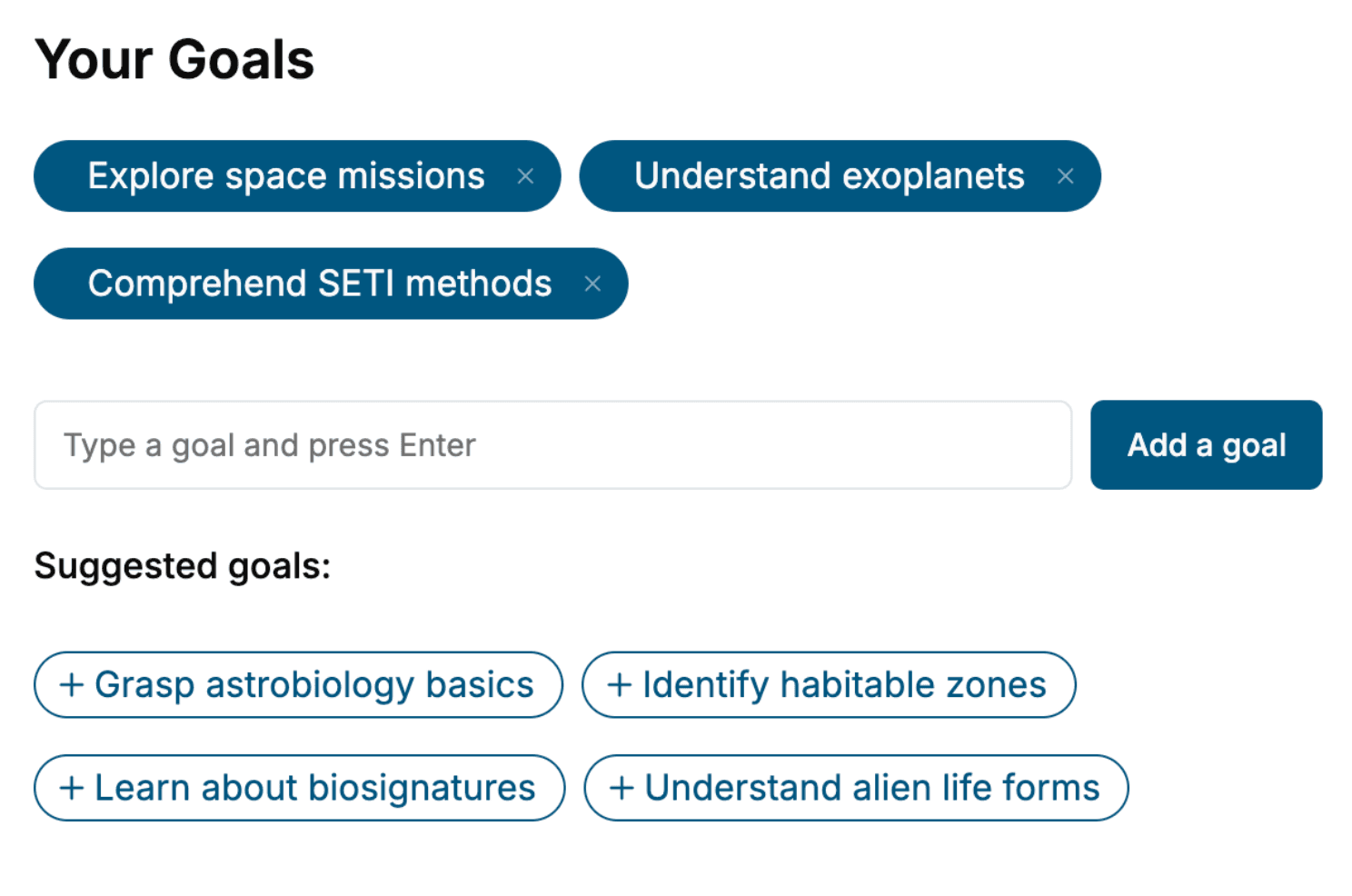
Specify your goals and choose sub-topics to include
- 3. Get your tailored book
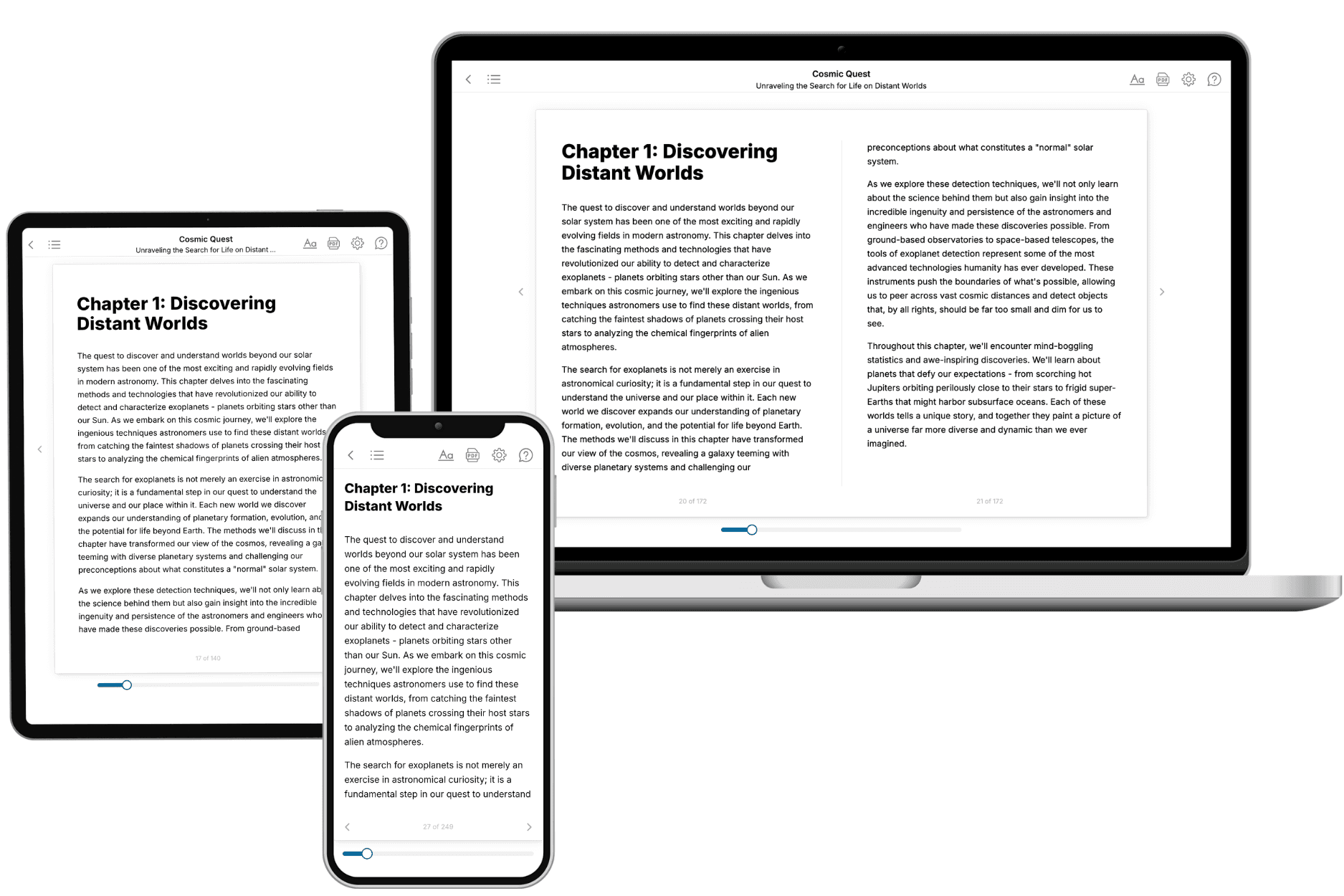
Your book is ready in 10 minutes. Read it online, download as EPUB or PDF, or send to Kindle.

Start from a template
Frequently asked questions
- What is TailoredRead?
TailoredRead creates complete, full-length nonfiction ebooks, written specifically for you. Tell us what you want to learn and why, and TailoredRead writes you a complete ebook on it, with charts, tables, and diagrams throughout. Read it online, on Kindle, or on any e-reader, or download it as a PDF or EPUB. Every book is written fresh the day you order it.
- How is the book tailored to me?
Before anything is written, you answer a few short questions about your goals, your background, and the topics you care about. Your book is then planned around your answers: written at your level, focused on your goals, and covering the topics you chose, instead of the one-size-fits-all book a store sells everyone.
- Will it read like generic AI content?
No. Your book isn't a chat transcript: it's planned chapter by chapter before a single word is written, told in a clear book voice, and explains ideas visually with charts, tables, and diagrams. After writing, every book goes through an editorial pass that polishes chapters so the book reads consistent from start to finish. Judge for yourself: browse thousands of sample books on our Explore Books page.
- How accurate is the content?
Our AI first checks whether your subject needs live research. Niche and fast-moving subjects are researched before writing, and the book plan and chapters are grounded in what it finds. After writing, every book goes through a quality pass that checks its facts and consistency, and researched books list their sources in a Notes section at the back.
- How long is the book?
You choose the length: Comprehensive (250-300 pages), Detailed (150-200 pages), Essential (70-100 pages), or Short (30-50 pages).
- Does the book include visuals?
Yes. Every book includes charts, tables, and diagrams: timelines, checklists, step-by-step guides, decision trees, comparison tables, matrices, and bar charts. A typical book includes dozens of these visual elements.
- Can I read it on Kindle? What formats can I download?
Yes. Every book can be read in our online reader or downloaded as a PDF or EPUB. The EPUB can be opened with Kindle, Apple Books, Kobo, and any e-reader. The Commercial and Author licenses also include an editable Word (DOCX) and Markdown download.
- How much does it cost?
About the price of a regular ebook. The exact price depends on your book's length and complexity, from $2 for the shortest books to $35 for the most comprehensive, and it's shown when you review your book, before you commit to anything. Each book is a one-time purchase, yours to keep, no subscription. Licenses that let you share, teach, or publish your book range from $35.99 to $49.99.
- Can I preview the book before purchasing?
Before you pay, you'll see what your book will cover: the title, a detailed description, the estimated length, and the complete chapter-by-chapter table of contents, so you know what you're getting before you decide. The full text itself is written after you purchase.
- How long does it take to create a book?
About 10 minutes. You can start reading the opening chapters while the rest is still being written.