Discrimination Books
Explore tailored Discrimination books created by our AI
District Six: A Living Testament
Understanding Cape Town's Most Powerful Historical Site
What does it mean to stand in a place where an entire community was erased? District Six Museum in Cape Town is far more than a historical exhibit—it's a profound encounter with one of apartheid's most devastating chapters. This guide takes you beyond the surface, revealing how over 60,000 people were forcibly removed from their homes in 1966 and how their stories continue to shape Cape Town today. You'll discover the museum's innovative approach to preserving memory through personal artifacts, oral histories, and community voices. Whether you're a first-time visitor seeking context or a returning traveler wanting deeper understanding, this book illuminates why District Six remains essential to understanding South Africa's past and present. Explore the neighborhood's vibrant pre-removal history, the trauma of displacement, the museum's powerful exhibits, and the ongoing journey toward healing and justice. This is more than travel information—it's an invitation to witness history through the eyes of those who lived it.
Many people have heard of Critical Race Theory, but few truly understand what it is. Popular discourse often presents it as either a revolutionary framework for justice or a dangerous ideology—rarely as what it actually is: a philosophical and legal approach to analyzing how institutions perpetuate racial inequality. This book cuts through the noise to explain CRT's genuine intellectual foundations, its evolution from legal scholarship to broader cultural influence, and the legitimate debates surrounding its claims and applications. You'll discover how CRT emerged from scholars questioning why civil rights legislation failed to eliminate systemic racism, explore its core concepts like intersectionality and structural inequality, and understand why it remains so contested. Whether you're encountering CRT in academic settings, policy discussions, or cultural debates, this guide provides the clarity needed to think critically about race, power, and social institutions—and to participate meaningfully in conversations about how society should address racial inequality.
The Architecture of Inequality
How Social Systems Create and Perpetuate Unequal Outcomes
What if everything you've been told about why some people succeed and others struggle is incomplete? Most explanations focus on individual choices and abilities, but this misses the deeper truth: inequality is built into the very fabric of our social systems. This book reveals how institutions—schools, workplaces, courts, and neighborhoods—systematically advantage certain groups while constraining opportunities for others. You'll discover how inequality operates not just through obvious discrimination, but through invisible mechanisms embedded in policies, practices, and cultural beliefs. By examining the structural foundations of inequality, you'll gain clarity on why gaps persist despite individual effort, how advantages compound across generations, and where real change must occur. This is essential reading for anyone seeking to understand the true nature of social stratification and the forces that shape life outcomes in modern society.
Breaking Barriers
The Stories, Science, and Struggle of Transgender Athletes
This book takes you through the multifaceted world of transgender athletes—their personal stories, the scientific realities, and the ongoing debates shaping their participation in sports. You'll discover how transgender individuals navigate the intersection of identity and athletic passion, often facing unprecedented challenges while pursuing their dreams. Through real accounts and evidence-based analysis, you'll explore the biological complexities of hormone therapy and athletic performance, the evolving landscape of sports policies across different organizations, and the profound impact of inclusion on both athletes and communities. You'll examine how different countries and sports bodies approach eligibility, learn from athletes who've broken barriers, and understand the broader implications of these conversations for fairness, dignity, and belonging in athletics. This comprehensive exploration moves beyond headlines to reveal the human stories and scientific nuances that define this important conversation.
Imagine understanding Canada not as a simple story of two founding nations, but as a complex tapestry woven from hundreds of cultures, languages, and traditions spanning centuries. This book reveals how Canada became one of the world's most multicultural nations—and what that really means for its past, present, and future. From the Indigenous peoples who inhabited the land for millennia to the waves of immigrants who arrived seeking opportunity, you'll discover the real history behind Canada's multicultural identity. You'll learn how discriminatory policies once excluded entire groups, how official multiculturalism emerged as a national policy, and how diversity shapes everything from politics to economics to daily life. Whether you're curious about your own heritage, seeking to understand Canadian society more deeply, or exploring how nations can navigate cultural diversity, this book provides the historical context and contemporary insights you need. It challenges myths, celebrates achievements, and honestly addresses the ongoing work required to build a truly inclusive nation.
Beyond the Binary
A Practical Guide to Understanding and Supporting Transgender Activism
Many people assume transgender activism is a recent phenomenon, but the truth is far more complex. Transgender and gender-nonconforming people have been organizing for liberation for decades, often invisibly, fighting for basic dignity and survival. This book cuts through misconceptions to reveal the real history, strategies, and impact of transgender activism within the broader LGBT movement. You'll discover how activists have challenged legal systems, transformed cultural attitudes, and built resilient communities—often while facing violence and marginalization. Whether you're new to these issues or looking to deepen your understanding, this guide explores the intersectional nature of transgender activism, the barriers activists confront, and practical ways you can support meaningful change. From healthcare access to legal recognition, from workplace equality to community care, learn how activism creates tangible improvements in transgender people's lives and why this work remains urgently necessary.
Beyond the Label
Understanding and Overcoming Stereotypes in a Complex World
In a world where quick judgments often prevail, "Beyond the Label" offers a compelling exploration of stereotyping and its far-reaching effects on our lives and society. This insightful book delves deep into the cognitive mechanisms that give rise to stereotypes, examining how these mental shortcuts influence our perceptions, decisions, and interactions. You'll embark on a journey through the landscape of human cognition, uncovering the origins of stereotypes and their role in our evolutionary past. As you progress, you'll gain a nuanced understanding of how stereotypes shape our world today, from personal relationships to broader societal issues. "Beyond the Label" doesn't just illuminate the problem; it equips you with practical strategies to recognize and challenge your own biases. You'll learn how to navigate complex social situations with greater awareness and empathy, making more informed decisions that transcend superficial categorizations. This book is an essential guide for anyone seeking to cultivate a more inclusive and understanding perspective in both their personal and professional lives.
Many people understand reproductive rights as primarily about abortion access, but this narrow framing misses the full picture of what it means to have genuine reproductive freedom. The reality is that millions of people face barriers to making their own reproductive choices—whether that's accessing contraception, receiving quality prenatal care, affording childcare, or simply being believed by their doctors. These barriers don't affect everyone equally. Women of color, low-income women, disabled women, and LGBTQ+ individuals face compounded obstacles rooted in systemic racism, economic inequality, and medical discrimination. This book introduces you to reproductive justice, a framework developed by Black women activists that centers the experiences of the most marginalized while addressing the interconnected systems that constrain reproductive freedom. You'll explore the history of reproductive coercion, understand how current policies and practices perpetuate inequality, and discover how communities are building alternatives grounded in mutual care and self-determination. Whether you're an advocate, a student, or simply someone seeking to understand your own reproductive autonomy more deeply, this book provides the analysis and inspiration to engage with reproductive justice as both a personal and political practice.
This book takes you through one of history's most significant and troubling chapters: the rise and fall of apartheid in South Africa. You'll discover how a system of racial segregation became law, how it controlled every aspect of millions of lives, and how ordinary people—both Black and white—resisted it. The narrative moves from the colonial foundations that made apartheid possible, through the decades of oppression and resistance, to the dramatic negotiations that ended the system and the ongoing challenges of building a truly equal society. Along the way, you'll encounter the key figures, pivotal moments, and powerful stories that shaped this history. This book equips you with a nuanced understanding of how systematic racism operates, how societies can transform, and why the work of reconciliation remains unfinished. Whether you're studying history, seeking to understand social justice movements, or simply wanting to comprehend a pivotal moment in human history, this comprehensive guide provides the context and clarity you need.
Imagine leading a nation while fully understanding how pseudoscientific ideologies can capture institutions, distort policy, and cause immense human suffering. This book provides that critical understanding by examining how Madison Grant's racial theories became embedded in American law, medicine, and politics—and how similar patterns of ideological capture continue to threaten democratic institutions today. You'll trace the direct lineage from Grant's "The Passing of the Great Race" through the Immigration Restriction Act of 1924, American eugenics programs, and into the ideological foundations of extremist movements worldwide. More importantly, you'll learn the mechanisms: how scientific authority gets weaponized, how demographic anxieties fuel restrictive policies, how propaganda shapes public opinion, and how institutional leaders rationalize harmful decisions. This is not historical curiosity—it's essential preparation for leadership. By understanding exactly how ideology corrupted American medicine, policy, and politics in the early 20th century, you gain the analytical tools to recognize and prevent such capture in your own era. The book examines rhetoric patterns, policy justification frameworks, and belief crystallization processes that remain relevant to contemporary political challenges.
The Chinese Exclusion Act
America's First Racial Immigration Law and Its Lasting Legacy
Discover how America's first racial immigration law fundamentally transformed the nation's approach to citizenship, belonging, and civil rights. The Chinese Exclusion Act of 1882 stands as a watershed moment in U.S. history—a federal law that explicitly banned an entire nationality from entering the country based on race. This book traces the political, economic, and social forces that made such legislation possible, examines how it was enforced through a vast bureaucratic apparatus, and reveals the remarkable resistance strategies employed by Chinese immigrants and their communities. Through detailed historical analysis and compelling narratives, you'll understand how this act shaped immigration policy for generations, influenced subsequent discriminatory laws, and left scars that persist in contemporary debates about immigration and belonging. This is essential reading for anyone seeking to understand American civil rights history, the roots of modern immigration policy, and the resilience of communities facing systemic exclusion.
Architects of Innovation
The Untold Stories of African American Inventors Who Changed America
Discover the brilliant minds and groundbreaking innovations that shaped modern America—stories that have been largely erased from history books. From the traffic light to the pacemaker, from improved cotton gins to revolutionary medical devices, African American inventors have fundamentally transformed how we live, work, and communicate. Yet their names and achievements remain overshadowed by a historical narrative that failed to acknowledge their genius. This book brings these remarkable innovators out of the shadows, revealing how they overcame systemic racism, limited resources, and institutional barriers to create technologies that changed the world. You'll meet the visionaries who refused to be silenced, the entrepreneurs who built empires against impossible odds, and the scientists whose discoveries saved countless lives. Through their stories, you'll gain a deeper appreciation for American innovation and understand how diversity of thought and experience drives progress. This is history that matters—not just for understanding the past, but for inspiring the future.
The Great Migration
How African Americans Reshaped America Through Movement and Resilience
Millions of African Americans left the Jim Crow South seeking better lives in Northern cities, yet many discovered that freedom came with unexpected challenges. The Great Migration stands as one of the most significant demographic shifts in American history, yet its full story remains underappreciated. This book examines the forces that compelled African Americans to abandon ancestral homes, the perilous journeys they undertook, and the communities they built in unfamiliar cities. You'll discover how economic desperation, racial violence, and the promise of industrial work combined to spark this movement. Through personal narratives and historical analysis, you'll understand how migrants navigated housing discrimination, workplace exploitation, and cultural displacement while simultaneously creating vibrant neighborhoods that became centers of Black culture, music, and political power. This exploration reveals how the Great Migration reshaped American cities, influenced the Civil Rights Movement, and established patterns of segregation and inequality that persist today. By understanding this pivotal movement, you'll gain deeper insight into modern America's racial geography and the resilience of African American communities.
The March on Washington
How a Movement Changed America and Why It Still Matters Today
Discover how a single day in August 1963 became a turning point in American history. The March on Washington brought a quarter-million people together in an unprecedented display of peaceful protest that reshaped the nation's civil rights landscape and influenced generations of activists to come. This book takes you beyond the famous "I Have a Dream" speech to reveal the intricate planning, diverse coalition-building, and personal sacrifices that made the march possible. You'll meet the organizers, strategists, and everyday citizens who risked their safety for change, understand the competing visions within the movement, and trace how this single event catalyzed landmark legislation and inspired social movements worldwide. By examining both the march's remarkable achievements and the challenges that remained, you'll gain insight into how ordinary people can create extraordinary change through organized, nonviolent action—and why this moment continues to matter in today's America.
The Montgomery Bus Boycott
How One Act of Courage Sparked a Movement That Changed America
Many believe the Civil Rights Movement began with dramatic national events, but the truth is far more nuanced. The Montgomery Bus Boycott emerged from decades of patient organizing, strategic planning, and community determination. This book reveals how a single act of defiance by Rosa Parks ignited a 381-day campaign that fundamentally challenged American segregation and inspired a nation. You'll discover the untold stories of the activists who planned the boycott, the ordinary citizens who sacrificed daily by walking instead of riding, and the legal battles fought in courtrooms. Through detailed accounts of key figures like Martin Luther King Jr., Jo Ann Robinson, and E.D. Nixon, you'll understand how strategic nonviolent resistance actually works in practice. This is the story of how economic pressure, community unity, and unwavering moral conviction combined to achieve what seemed impossible—proving that ordinary people can reshape the course of history.
The Ally's Guide to LGBTQ+ Activism
How to Show Up, Speak Up, and Make a Real Difference
Imagine being the person in the room who knows how to show up authentically for LGBTQ+ friends, colleagues, and community members. Picture yourself confidently navigating difficult conversations, understanding the real issues at stake, and taking meaningful action that actually makes a difference—not performative gestures that miss the mark. This book bridges the gap between good intentions and genuine impact. Whether you're new to allyship or looking to deepen your commitment, you'll discover what it really means to be an ally beyond the buzzwords and social media posts. Learn the history that shapes today's LGBTQ+ rights movement, understand the systemic barriers people face, and master the practical skills that transform awareness into action. From workplace advocacy to family conversations, from understanding intersectionality to building sustainable activism, this guide equips you with both the knowledge and the emotional intelligence needed to be a trusted, effective ally. You'll learn from real-world scenarios, understand common pitfalls, and develop the confidence to keep learning and growing alongside the community you're supporting.
Education and Society
Understanding How Schools Shape Culture, Inequality, and Social Change
Imagine understanding why some students thrive in school while others struggle—not because of individual ability, but because of how schools are fundamentally organized. This book reveals the hidden social forces shaping education and its outcomes. You'll discover how schools transmit culture, reproduce inequality, and influence who gets ahead in society. Through accessible explanations and real-world examples, you'll learn why educational systems look the way they do, how they affect different groups unequally, and what role teachers, families, and institutions play in educational outcomes. Whether you're an educator, parent, student, or simply curious about society, this exploration of education's social dimensions will change how you see schools and their impact on individuals and communities. Gain the sociological perspective needed to understand education's role in shaping opportunity, identity, and social change.
Navigate the complex landscape of African American history through a structured exploration that moves beyond textbook summaries to reveal the strategic movements, visionary leaders, and systemic forces that shaped a nation. This book guides you through slavery's foundational impact on American economics and society, the organized civil rights campaigns that challenged entrenched power structures, and the cultural and intellectual contributions that transformed American identity. You'll examine the legal battles that dismantled segregation, the feminist activism that challenged both racism and patriarchy, and the economic entrepreneurship that built wealth despite systemic barriers. By connecting historical events to contemporary issues—from educational inequity to reparations frameworks—you'll develop the contextual knowledge necessary to understand current social justice debates. Whether you're seeking to understand influential leaders, analyze political activism, or recognize how historical injustices continue shaping institutions today, this comprehensive blueprint provides the analytical framework and detailed insights needed to master this essential American history.
Imagine deploying an AI system that makes decisions affecting millions of people—hiring candidates, approving loans, or diagnosing medical conditions—only to discover it systematically disadvantages certain groups. This is the reality of algorithmic bias, and it's more common than you might think. In neural networks and machine learning systems, bias doesn't emerge from malicious intent; it quietly infiltrates through training data, design choices, and evaluation methods. This book demystifies how bias enters AI systems and, more importantly, shows you how to stop it. You'll explore the technical mechanisms that allow bias to propagate through feedforward neural networks, examine real-world case studies where bias caused tangible harm, and master practical strategies to detect and mitigate it. Whether you're building models, managing AI teams, or making decisions about AI deployment, you'll gain the frameworks and tools needed to create fairer, more responsible AI systems that serve everyone equitably.
Epistemic Injustice
How Knowledge Systems Silence Voices and What We Can Do About It
You navigate a world where knowledge is power, yet not everyone's voice carries equal weight. This book examines the hidden mechanisms that determine whose expertise we trust, whose experiences we believe, and whose perspectives shape our understanding of reality. Through clear explanations and real-world examples, you'll discover how epistemic injustice—the wronging of people in their capacity as knowers—operates in workplaces, classrooms, courtrooms, and communities. You'll learn to identify testimonial injustice, where credibility is unfairly withheld, and hermeneutical injustice, where entire groups lack the language to name their experiences. More importantly, you'll gain practical tools to challenge these injustices in your own life and institutions. This exploration moves beyond abstract philosophy to show you how recognizing these patterns can transform how you listen, learn, and advocate for more equitable knowledge systems.
Equal Protection Under Law
How the 14th Amendment Shaped American Civil Rights
Understand how a single constitutional phrase has become the foundation of American civil rights protections. The Equal Protection Clause of the 14th Amendment is one of the most consequential yet misunderstood provisions in the Constitution. This book traces its journey from a Reconstruction-era guarantee to the powerful legal tool that dismantled Jim Crow segregation, expanded rights for women and minorities, and continues shaping debates about fairness today. You'll explore landmark Supreme Court cases, learn how courts determine what "equal protection" actually means, and discover why this clause remains central to contemporary civil rights struggles. Whether you're studying history, law, or simply want to understand the constitutional backbone of American equality, this accessible guide illuminates how legal principles translate into real-world protections and why the fight for equal protection remains unfinished.
Discover the complete story of Nelson Mandela—a man whose life redefined what it means to lead with integrity and purpose. This biography takes you beyond the iconic image to reveal the personal struggles, strategic decisions, and moral convictions that shaped one of history's greatest leaders. You'll understand how a young lawyer became a revolutionary, how 27 years in prison strengthened rather than broke his spirit, and how he transformed a nation torn by racial division into a beacon of hope. Through detailed accounts of his family life, his relationships with key figures in the anti-apartheid movement, and his groundbreaking approach to reconciliation, you'll gain insight into the man behind the legend. This book explores the complexities of his presidency, his controversial decisions, and his enduring influence on global movements for justice. Whether you're studying African history, seeking inspiration from transformational leadership, or simply curious about one of the twentieth century's most remarkable figures, this biography provides the context, nuance, and human detail that bring Mandela's extraordinary life into focus.
The Black Panther Movement
From Revolutionary Origins to Modern Activism and Social Change
Gain a nuanced understanding of one of America's most transformative and misunderstood social movements. This book traces the Black Panther Party from its founding in 1966 through its evolution and lasting impact on contemporary activism. You'll explore the historical conditions that sparked the movement, the ideological foundations that guided its members, and the practical programs that served Black communities. Discover how government surveillance and internal dynamics shaped the Party's trajectory, and examine the direct connections between Panther activism and modern movements for racial justice. By examining primary sources, historical analysis, and contemporary perspectives, you'll develop a comprehensive understanding of how revolutionary activism challenged systemic racism and continues to influence social movements today. This book moves beyond stereotypes to reveal the Panthers' complex legacy—their achievements, contradictions, and enduring relevance to ongoing struggles for Black liberation and social equity.
The Hidden Mind
Understanding and Overcoming Your Unconscious Biases
Discover how your brain's automatic patterns shape your decisions in ways you don't realize. This book reveals the science behind unconscious biases—the mental shortcuts that influence everything from who you hire to who you trust. You'll learn why these biases exist, how they operate beneath conscious awareness, and most importantly, what you can do about them. Through real-world examples, psychological research, and practical exercises, you'll develop the skills to recognize your own biases, understand their origins, and implement concrete strategies to make fairer decisions. Whether you're navigating workplace dynamics, building relationships, or simply wanting to understand yourself better, this guide provides the tools to move beyond automatic thinking and create meaningful change in your life and communities.
Discover how a single piece of legislation fundamentally altered the course of American history and the lives of thousands of Native Americans. This book traces the origins, implementation, and devastating consequences of the Indian Removal Act of 1830—a federal policy that forcibly displaced Native nations from their ancestral homelands. You'll explore the political motivations behind the act, the harrowing experiences of those forced westward on the Trail of Tears, and the profound ways this policy violated treaties and constitutional principles. Through careful examination of primary sources, historical accounts, and contemporary perspectives, you'll understand how this act represents a critical chapter in American civil rights history. You'll also discover how Native nations resisted removal, adapted to new territories, and continue to fight for justice and sovereignty today. This comprehensive exploration reveals the human cost of westward expansion and provides essential context for understanding ongoing Native American struggles and the importance of honoring indigenous rights and self-determination.
Between 1948 and 1973, Britain invited thousands of Caribbean citizens to help rebuild the nation after World War II. These workers—the Windrush generation—became integral to British society, working as nurses, bus drivers, teachers, and construction workers. Yet in 2017, many discovered they faced deportation, despite having lived legally in Britain for decades. This book traces the extraordinary story of how a government policy designed to create a "hostile environment" for undocumented immigrants instead ensnared thousands of legal residents and citizens in a nightmare of bureaucratic cruelty. You'll discover how institutional failures, lost records, and a culture of disbelief combined to create one of modern Britain's greatest injustices. Through personal stories, policy analysis, and historical context, this account examines what the scandal reveals about immigration, citizenship, belonging, and accountability in contemporary Britain. The Windrush Scandal is not just a historical reckoning—it's a vital examination of how systems of power can fail ordinary people and what it takes to demand justice.
Many people struggle to understand why right-wing extremism has grown in recent decades or how ordinary individuals become radicalized. This book cuts through the confusion with a clear, evidence-based examination of extremist movements, their ideologies, and the psychological and social mechanisms that drive radicalization. You'll explore the historical roots of modern extremism, learn how recruitment and indoctrination work in both physical and digital spaces, and discover what research reveals about why people join these movements. The book examines the role of grievance narratives, economic anxiety, and identity politics in fueling extremism, while also presenting real examples of deradicalization and exit strategies. Whether you're concerned about a loved one, seeking to understand current events, or working in education, law enforcement, or community outreach, this book provides the analytical framework and practical insights you need to recognize warning signs and understand the complex factors at play.
Many Americans believe temporary foreign worker programs are a recent invention designed to replace domestic workers. In reality, these programs have shaped American labor markets for over a century, evolving through wars, economic booms, and recessions. This book cuts through the misconceptions to reveal the true history and current reality of guest worker programs in the United States. You'll discover how these programs originated, why they persist despite ongoing controversy, and how they affect workers, employers, and communities across America. From agricultural workers to tech professionals, temporary foreign worker programs touch nearly every sector of the economy. This comprehensive guide examines the major programs operating today, their economic impacts, the challenges faced by foreign workers, and the legitimate concerns raised by labor advocates. Whether you're interested in immigration policy, labor economics, or American history, this book provides the context and evidence you need to understand one of the most debated aspects of U.S. immigration policy.
Words That Shape Minds
How Language Creates Power in Teaching and Learning
Discover how the words you choose in the classroom shape not just what students learn, but how they see themselves as learners and thinkers. Language and power are inseparable in education—and understanding this relationship transforms your effectiveness as an educator. This book reveals the hidden dynamics of classroom language: how certain word choices reinforce authority, how discourse patterns either invite or silence student voices, and how linguistic choices can either empower or marginalize learners. You'll learn to recognize power structures embedded in everyday teaching language, understand how students internalize the linguistic patterns they experience, and develop strategies to use language intentionally to create more equitable and engaging learning environments. Whether you're designing curriculum, facilitating discussions, or giving feedback, this guide equips you with practical insights into how language functions as a tool of influence. By becoming conscious of linguistic power, you'll inspire greater student participation, build confidence in struggling learners, and create classrooms where language serves learning rather than control.
Related books you may like:
You're about to supercharge your animal advocacy efforts and nonprofit management skills with the power of AI. This groundbreaking guide is tailored specifically for leaders in the animal rights movement who are ready to harness cutting-edge technology to make a bigger impact. Discover how to leverage AI tools to streamline your operations, enhance your strategic planning, and amplify your advocacy campaigns. You'll learn practical techniques for automating administrative tasks, optimizing your workflow, and making data-driven decisions that will take your organization to the next level. From improving time management and task delegation to enhancing donor engagement and project tracking, this book offers a comprehensive roadmap for integrating AI into every aspect of your work. You'll gain insights into AI-driven research methods, problem-solving techniques, and productivity metrics that will revolutionize the way you approach animal advocacy.
Discover how air sign energy shapes your thinking, communication style, and approach to relationships. Whether you have a Gemini, Libra, or Aquarius placement in your birth chart, this guide reveals the intellectual and social gifts these signs bring—along with the blind spots worth understanding. You'll learn why air signs are natural communicators and idea-generators, how each sign expresses itself uniquely, and how your specific air sign placements influence your personality across different life areas. Through practical insights and real-world examples, you'll recognize air sign patterns in yourself and others, harness your natural strengths in connection and innovation, and navigate the challenges of overthinking and emotional detachment. Whether you're exploring your Sun, Moon, Rising, or other planetary placements, this book provides the clarity you need to work with your air sign energy authentically and effectively.
What if you could resolve years of trauma in just a handful of therapy sessions instead of months or years of traditional talk therapy? Accelerated Resolution Therapy (ART) offers a scientifically-grounded approach that harnesses your brain's natural healing capacity to process traumatic memories and emotional distress rapidly. This book demystifies how ART works at the neurological level, explains why it's so effective for conditions like PTSD, anxiety, and phobias, and explores how it differs from conventional therapeutic approaches. Whether you're a mental health professional considering adding ART to your practice, someone exploring treatment options for yourself or a loved one, or simply curious about innovative psychological interventions, this guide provides practical insights into one of the most promising developments in modern therapy. Discover how guided imagery and eye movement can facilitate profound emotional healing, what the research shows about its effectiveness, and whether ART might be the breakthrough approach you've been seeking.
The assumption that political parties are natural, inevitable, or even desirable features of democracy is surprisingly recent. For most of Western political history, the most sophisticated thinkers viewed organized factions as corrupting forces that distorted the pursuit of the common good. This book traces the genealogy of anti-party political thought from Plato's critique of democratic factionalism through contemporary populist movements, examining how philosophers, statesmen, and theorists have conceptualized the dangers of partisanship and imagined alternatives. You'll encounter Rousseau's vision of a general will transcending faction, the Federalist Papers' constitutional anxiety about party machinery, Tocqueville's ambivalent analysis of American partisanship, and the radical rejection of parties by socialist and anarchist movements. Rather than treating anti-party sentiment as mere nostalgia or populist demagoguery, this analysis reveals it as a coherent intellectual tradition grappling with enduring tensions between democratic participation and organized political competition. By understanding how different historical periods and ideological traditions have confronted the problem of faction, you gain critical perspective on contemporary debates about party reform, populism, and democratic alternatives.
Many people believe that behavior is determined either by our genetics or by direct rewards and punishments we experience. However, Albert Bandura's groundbreaking research revealed a more nuanced truth: we learn by watching others. This book explores the life and work of one of psychology's most influential figures and the revolutionary theory that transformed our understanding of human behavior. You'll discover how Bandura's concept of self-efficacy explains why some people persevere through challenges while others give up, how observational learning shapes everything from aggression to prosocial behavior, and why the environment, our thoughts, and our actions are constantly influencing each other. Whether you're an educator seeking to improve student outcomes, a professional interested in behavior change, or simply curious about the science of learning, this comprehensive guide illuminates the principles that govern human development and provides practical insights into how these theories apply to everyday life.
Create a Discrimination Book Tailored to You
Create an AI-crafted book tailored to your goals, interests, and background






Benefits of AI-tailored books
- Read one book, not ten:
- all the Discrimination knowledge you need, gathered into a single book.
- Save days of learning:
- tell us your goals, choose your topics, and the whole book is built around them.
- Learn effortlessly:
- Discrimination book written for your specific background and expertise.
- Understand at a glance:
- includes charts, tables, timelines, checklists, decision trees, and more.
- Stay current:
- written the day you order it, not years ago.
- Trust what you read:
- every book is checked for accuracy, with real research when your subject needs it.
Create your unique book in 3 steps
- 1. Select your focus
Select the focus of your Discrimination book and share your background
- 2. Personalize your book
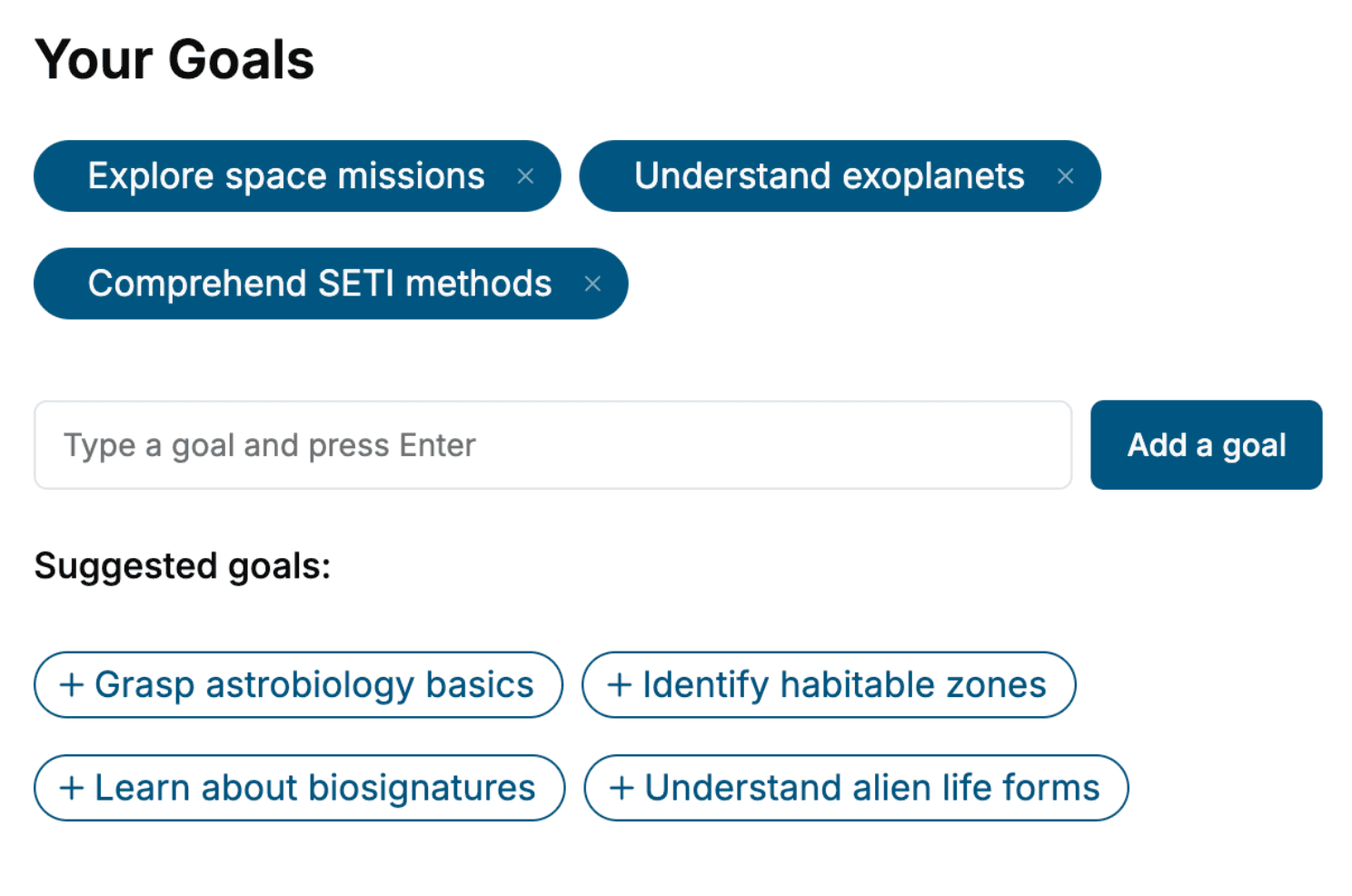
Specify your goals and choose sub-topics to include
- 3. Get your tailored book
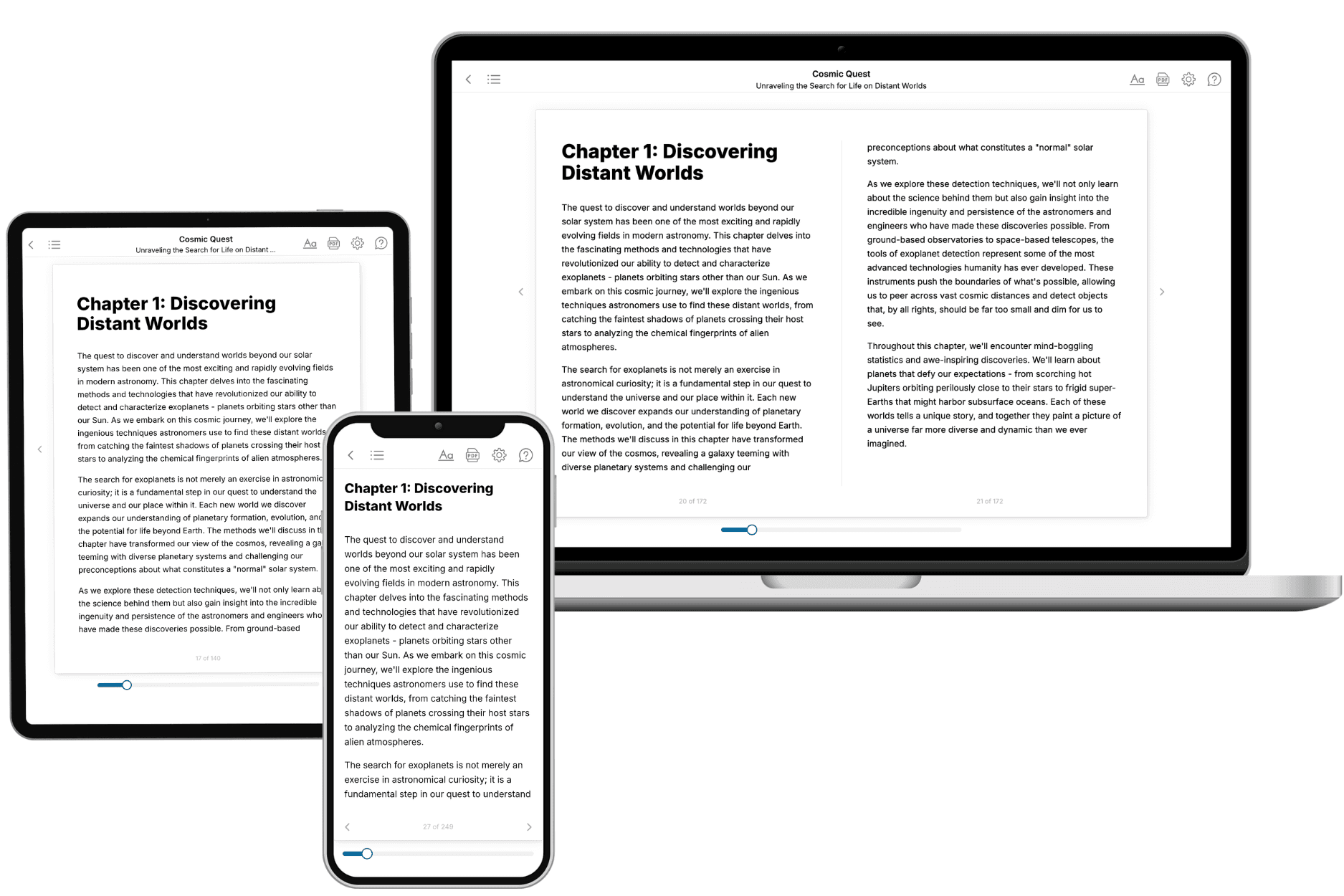
Your book is ready in 10 minutes. Read it online, download as EPUB or PDF, or send to Kindle.

Start from a template
Frequently asked questions
- What is TailoredRead?
TailoredRead creates complete, full-length nonfiction ebooks, written specifically for you. Tell us what you want to learn and why, and TailoredRead writes you a complete ebook on it, with charts, tables, and diagrams throughout. Read it online, on Kindle, or on any e-reader, or download it as a PDF or EPUB. Every book is written fresh the day you order it.
- How is the book tailored to me?
Before anything is written, you answer a few short questions about your goals, your background, and the topics you care about. Your book is then planned around your answers: written at your level, focused on your goals, and covering the topics you chose, instead of the one-size-fits-all book a store sells everyone.
- Will it read like generic AI content?
No. Your book isn't a chat transcript: it's planned chapter by chapter before a single word is written, told in a clear book voice, and explains ideas visually with charts, tables, and diagrams. After writing, every book goes through an editorial pass that polishes chapters so the book reads consistent from start to finish. Judge for yourself: browse thousands of sample books on our Explore Books page.
- How accurate is the content?
Our AI first checks whether your subject needs live research. Niche and fast-moving subjects are researched before writing, and the book plan and chapters are grounded in what it finds. After writing, every book goes through a quality pass that checks its facts and consistency, and researched books list their sources in a Notes section at the back.
- How long is the book?
You choose the length: Comprehensive (250-300 pages), Detailed (150-200 pages), Essential (70-100 pages), or Short (30-50 pages).
- Does the book include visuals?
Yes. Every book includes charts, tables, and diagrams: timelines, checklists, step-by-step guides, decision trees, comparison tables, matrices, and bar charts. A typical book includes dozens of these visual elements.
- Can I read it on Kindle? What formats can I download?
Yes. Every book can be read in our online reader or downloaded as a PDF or EPUB. The EPUB can be opened with Kindle, Apple Books, Kobo, and any e-reader. The Commercial and Author licenses also include an editable Word (DOCX) and Markdown download.
- How much does it cost?
About the price of a regular ebook. The exact price depends on your book's length and complexity, from $2 for the shortest books to $35 for the most comprehensive, and it's shown when you review your book, before you commit to anything. Each book is a one-time purchase, yours to keep, no subscription. Licenses that let you share, teach, or publish your book range from $35.99 to $49.99.
- Can I preview the book before purchasing?
Before you pay, you'll see what your book will cover: the title, a detailed description, the estimated length, and the complete chapter-by-chapter table of contents, so you know what you're getting before you decide. The full text itself is written after you purchase.
- How long does it take to create a book?
About 10 minutes. You can start reading the opening chapters while the rest is still being written.