Design Thinking Books
Explore tailored Design Thinking books created by our AI
Discover how to think more clearly and solve problems more effectively by understanding the mechanics of your own mind. This book bridges the gap between how you naturally think and how design thinking frameworks can amplify your problem-solving abilities. You'll learn practical metacognitive techniques to recognize your thinking patterns, identify cognitive biases that derail decisions, and apply structured design thinking processes to complex challenges. Whether you're facing a business problem, personal decision, or creative challenge, this guide provides actionable frameworks and real-world examples that show you how to slow down your thinking, examine your assumptions, and arrive at better solutions. By combining self-awareness with systematic design methodology, you'll develop the mental tools to approach any problem with clarity, confidence, and creativity.
You'll move beyond surface-level design trends to master the principles that separate products people love from those they abandon. This book teaches you how to genuinely understand your users—not through assumptions, but through structured research and empathy. You'll learn the complete user-centered design process: from discovering real problems to testing solutions with actual users. Whether you're designing software, services, or physical products, you'll discover how to balance user needs with business goals, involve stakeholders effectively, and measure what actually matters. Through practical frameworks, real-world examples, and actionable techniques, you'll develop the skills to lead design decisions with confidence. This is the guide for anyone ready to stop guessing what users want and start building solutions that create lasting value.
What if the solution to your toughest design challenge already exists in nature—and has been perfected over millions of years? Honeycomb structures represent one of nature's most elegant engineering solutions: maximum strength with minimum material. This book explores how the hexagonal geometry found in beehives has inspired revolutionary advances in architecture, aerospace, automotive design, and beyond. You'll discover the mathematical principles that make honeycombs so efficient, learn how engineers are replicating these structures in modern materials, and understand why biomimicry is becoming essential to sustainable design. Whether you're an architect seeking innovative building solutions, an engineer looking to reduce weight and cost, or simply curious about how nature solves problems, this book reveals the science and practical applications behind one of nature's most powerful designs. Explore real-world case studies, understand the physics at work, and learn how to apply honeycomb principles to your own projects.
SCAMPER Your Way to Better Ideas
A Practical Guide to Creative Problem-Solving and Innovation
Imagine having a reliable system that consistently generates fresh, viable ideas whenever you face a challenge. With SCAMPER, you can move beyond brainstorming frustration and unlock a structured approach to innovation that works across industries and problem types. This practical guide walks you through each element of the SCAMPER framework—Substitute, Combine, Adapt, Modify, Put to another use, Eliminate, and Reverse—showing you exactly how to apply each technique to your specific situation. Whether you're developing new products, improving existing services, solving operational problems, or making critical decisions, SCAMPER provides a proven methodology that transforms how you think. You'll discover real-world examples, step-by-step exercises, and decision-making frameworks that help you evaluate which ideas have the most potential. By the end, you'll have internalized a powerful creative thinking tool that becomes second nature, enabling you to approach problems with confidence and generate solutions that stand out.
CAD Criticism
How to Evaluate Digital Design Tools and Workflows in Architecture
Imagine confidently evaluating whether your CAD tools are truly serving your design vision—or subtly constraining it. You'll move beyond simply operating software to understanding how digital design systems shape architectural thinking itself. This book provides a critical framework for examining CAD workflows, recognizing how tool choices influence design outcomes, and making deliberate decisions about when and how to use digital methods. You'll explore the philosophical implications of digital representation, learn to identify hidden assumptions in your design process, and discover how to integrate CAD strategically within your broader architectural practice. Whether you're questioning your current workflow, evaluating new software, or seeking to enhance your design thinking, you'll gain practical insights and analytical tools to make more intentional choices about technology in your work.
Elevate your civil engineering practice by mastering Building Information Modeling as a comprehensive project delivery methodology. This practical guide moves beyond software tutorials to show you how BIM transforms every phase of infrastructure projects—from initial planning through long-term asset management. You'll discover how to establish effective BIM workflows, coordinate complex multi-disciplinary teams, and leverage data-rich models to make smarter decisions faster. Learn proven strategies for implementing BIM in your organization, managing information standards, and resolving the technical and human challenges that arise during adoption. Whether you're managing a single project or leading enterprise-wide BIM transformation, this book provides actionable frameworks, real-world case studies, and step-by-step guidance to help you maximize collaboration, minimize costly rework, and deliver projects on time and within budget. Gain the knowledge to position yourself as a BIM leader in the evolving construction industry.
Nature's Blueprint
How Biomimicry Transforms Architecture into Sustainable Design
What if the most innovative solutions to your architectural challenges already exist in nature—waiting to be discovered and adapted? Biomimicry in architecture represents a fundamental shift in how we design buildings: instead of imposing human will on the environment, we learn from 3.8 billion years of natural optimization. This book reveals how architects and designers are using biomimetic principles to create buildings that regulate their own temperature, manage water naturally, use materials more efficiently, and integrate seamlessly with their ecosystems. You'll explore the science behind nature's strategies, discover how leading architects have translated these principles into award-winning sustainable buildings, and learn the practical frameworks for applying biomimicry to your own projects. From the self-cooling properties of termite mounds to the structural efficiency of honeycomb patterns, from water-harvesting systems inspired by beetles to facades that breathe like skin, this guide bridges the gap between biological inspiration and architectural innovation. Whether you're designing a new building or retrofitting an existing one, biomimicry offers proven strategies to reduce energy consumption, lower costs, and create spaces that enhance both human and environmental well-being.
Imagine buildings that sway gracefully in the wind like trees, bridges that distribute weight as efficiently as a spider's web, and structures that require less material yet provide greater strength. This is the promise of biomimetic suspension systems—design principles drawn directly from nature's most elegant solutions. This book reveals how the suspension systems found in nature—from the tensile strength of spider silk to the load-bearing architecture of tree canopies—can fundamentally transform how we design and construct our built environment. You'll discover the specific mechanisms organisms use to achieve structural efficiency, learn the physics and mathematics underlying these natural designs, and explore real-world architectural applications that are already reshaping cities and infrastructure. Whether you're an architect seeking innovative design approaches, an engineer looking to optimize structural performance, or a design professional curious about biomimicry, this book provides the knowledge and practical frameworks you need to apply nature's suspension principles to your work. By the end, you'll understand not just how nature suspends and supports, but how to translate these timeless principles into cutting-edge architectural solutions.
What if the buildings in your neighborhood could serve multiple purposes, creating a place where you could live, work, shop, and socialize without leaving your community? Mixed-use development represents a fundamental shift in how we design cities and neighborhoods—moving away from single-purpose zones toward integrated, walkable communities. This book provides a comprehensive guide to understanding and designing mixed-use developments that work. You'll explore the core principles that make these projects successful, from balancing diverse uses and managing complex logistics to activating public spaces and ensuring financial viability. Whether you're designing a new urban district, revitalizing an underutilized neighborhood, or adapting historic buildings for contemporary needs, this book equips you with practical frameworks, real-world examples, and actionable strategies. Learn how to navigate zoning challenges, create vibrant street-level experiences, phase development strategically, and engage communities throughout the design process. Discover how mixed-use development can address urban challenges while creating places where people genuinely want to live and work.
Related books you may like:
In "Agile Governance: Mastering Software Product Management in Public Sector Projects," readers will discover a comprehensive guide to navigating the unique challenges of government software development. This book bridges the gap between traditional bureaucratic processes and modern agile methodologies, offering practical strategies for implementing user-centric design, effective stakeholder management, and iterative development in public sector environments. Tailored for team leads and aspiring product managers in government tech, this book provides invaluable insights into creating citizen-centric KPIs, managing cross-agency collaborations, and optimizing government tech stacks. Readers will learn how to adapt Scrum and Kanban for government projects, conduct effective requirement workshops, and create impactful product roadmaps that align with public value creation. With a focus on real-world application, "Agile Governance" equips you with the tools to enhance team leadership, master change management, and improve sprint planning within the constraints of government bureaucracy. Whether you're looking to implement a country-level solution or simply improve your agency's software development processes, this book provides the knowledge and strategies needed to succeed in the evolving landscape of public sector technology.
Imagine confidently deploying machine learning models that not only predict accurately but also earn stakeholder trust through transparency and business impact. This comprehensive guide bridges the gap between statistical theory and real-world analytics practice, equipping you with advanced techniques that transform raw data into strategic business value. You'll master predictive modeling frameworks, learn to communicate complex findings through data storytelling, and implement production-ready systems that scale. From time series forecasting and anomaly detection to natural language processing and Bayesian methods, each chapter builds practical skills grounded in statistical rigor. Whether you're optimizing SQL queries, validating clustering results, or deploying A/B testing frameworks, you'll discover how to combine technical excellence with business acumen. This book moves beyond textbook examples to address real deployment challenges: handling missing data intelligently, correcting for multiple testing, interpreting complex models, and measuring true business impact. Perfect for data scientists ready to elevate their impact from analysis to action.
How many times has your development team built something that technically met the requirements but wasn't what the business actually needed? The gap between what gets built and what was intended often comes down to one thing: poorly written acceptance criteria. This book teaches you how to write acceptance criteria that eliminate ambiguity, align your entire team, and ensure successful delivery. You'll learn the proven frameworks and techniques used by leading product organizations, discover the common pitfalls that derail even experienced teams, and master the collaborative process that turns vague ideas into crystal-clear requirements. Whether you're writing your first user story or refining your team's process, this practical guide provides actionable templates, real-world examples, and step-by-step guidance to help you write acceptance criteria that actually work.
Poor team communication is the silent killer of organizational success. In today's fast-paced business world, leaders who can't effectively convey their vision or listen to their team's concerns find themselves struggling to keep up with change and losing their competitive edge. Adaptive Leadership Mastery: Elevating Team Communication for Dynamic Success offers a fresh perspective on leadership in the modern workplace. This book provides you with practical strategies to overcome communication barriers, foster a culture of open dialogue, and lead your team through times of uncertainty and change. You'll discover how to adapt your leadership style to different situations, personalities, and challenges. From navigating difficult conversations to inspiring your team during periods of transformation, this guide equips you with the tools to become a more versatile and effective leader. By mastering the art of adaptive leadership and honing your communication skills, you'll be able to build a more resilient, innovative, and high-performing team ready to tackle any challenge that comes your way.
Are you struggling to balance company growth with personal well-being in today's fast-paced business world? "Agile Leadership Mastery" is your comprehensive guide to revolutionizing your leadership approach. This book offers a unique blend of cutting-edge leadership strategies and practical stress management techniques tailored for the modern executive. You'll discover how to implement agile methodologies, foster psychological safety, and drive digital transformation while maintaining your personal equilibrium. From cultivating emotional intelligence to mastering the art of strategic partnerships, this book provides the tools you need to not only lead your company to new heights but also to thrive personally in your role. Packed with actionable insights and real-world examples, "Agile Leadership Mastery" is an essential resource for any leader ready to embrace change, inspire innovation, and create a resilient, high-performing team in the digital age.
Create a Design Thinking Book Tailored to You
Create an AI-crafted book tailored to your goals, interests, and background





Benefits of AI-tailored books
- Read one book, not ten:
- all the Design Thinking knowledge you need, gathered into a single book.
- Save days of learning:
- tell us your goals, choose your topics, and the whole book is built around them.
- Learn effortlessly:
- Design Thinking book written for your specific background and expertise.
- Understand at a glance:
- includes charts, tables, timelines, checklists, decision trees, and more.
- Stay current:
- written the day you order it, not years ago.
- Trust what you read:
- every book is checked for accuracy, with real research when your subject needs it.
Create your unique book in 3 steps
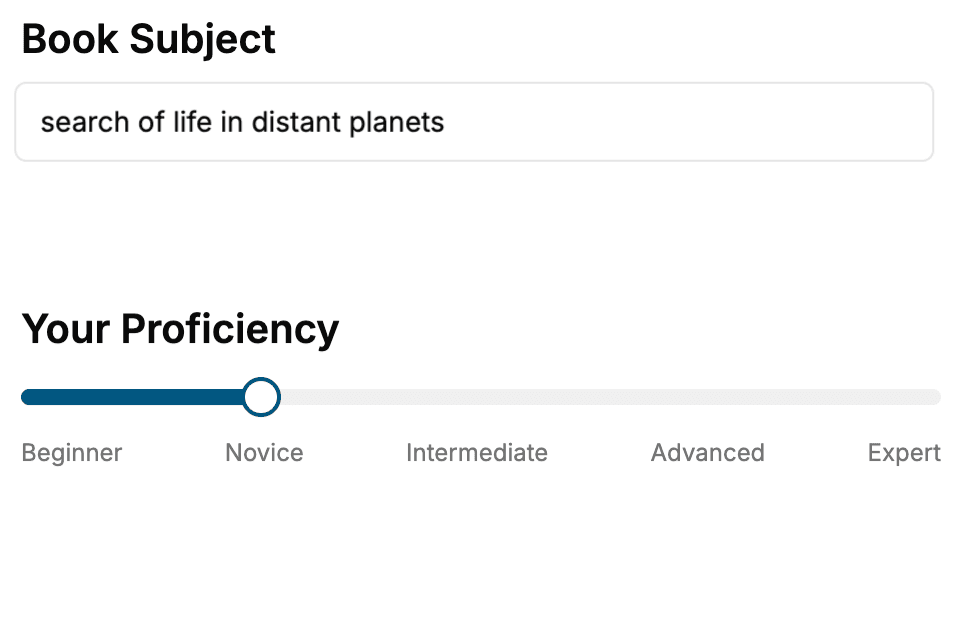
- 1. Select your focus
Select the focus of your Design Thinking book and share your background
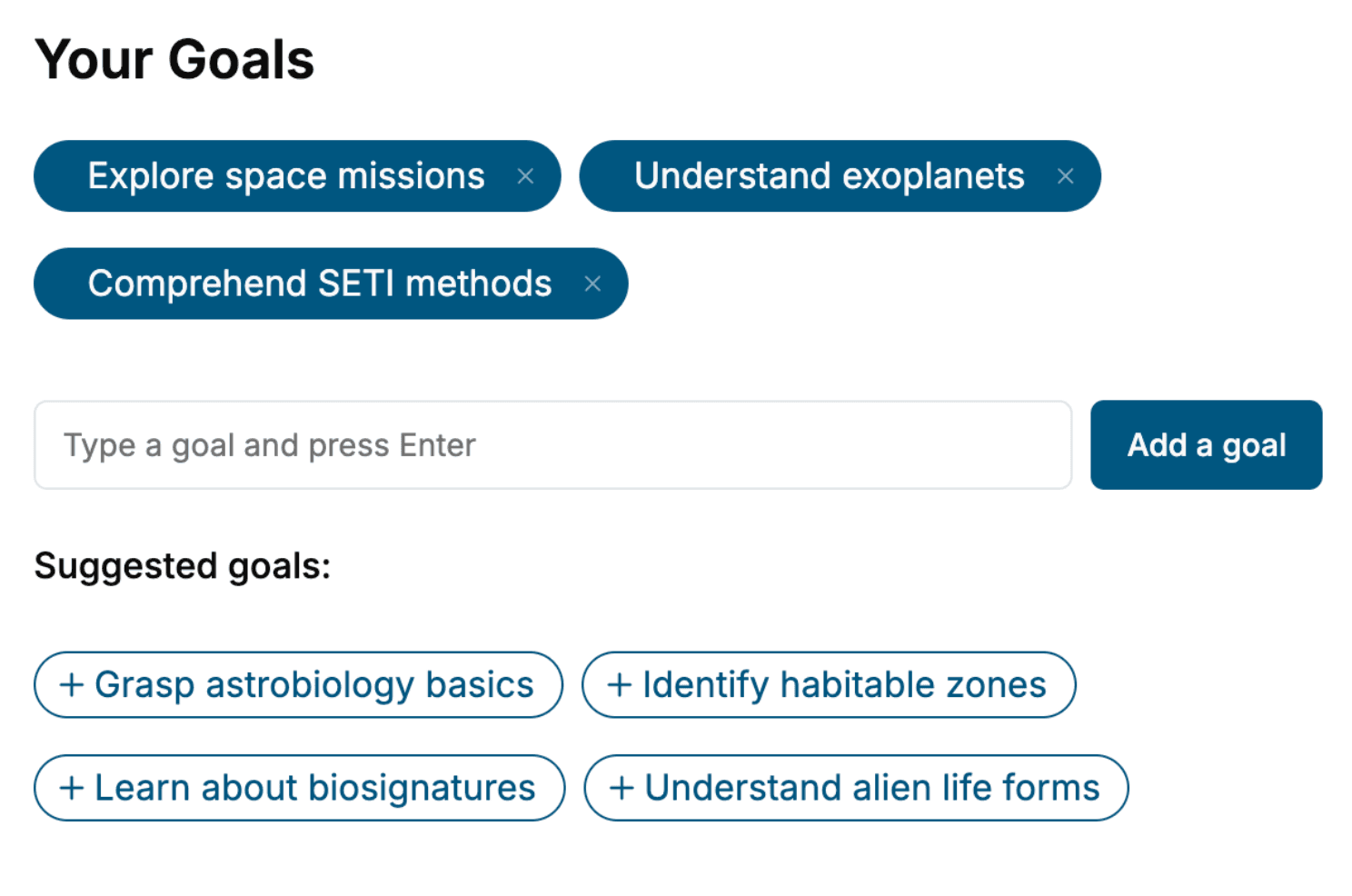
- 2. Personalize your book
Specify your goals and choose sub-topics to include
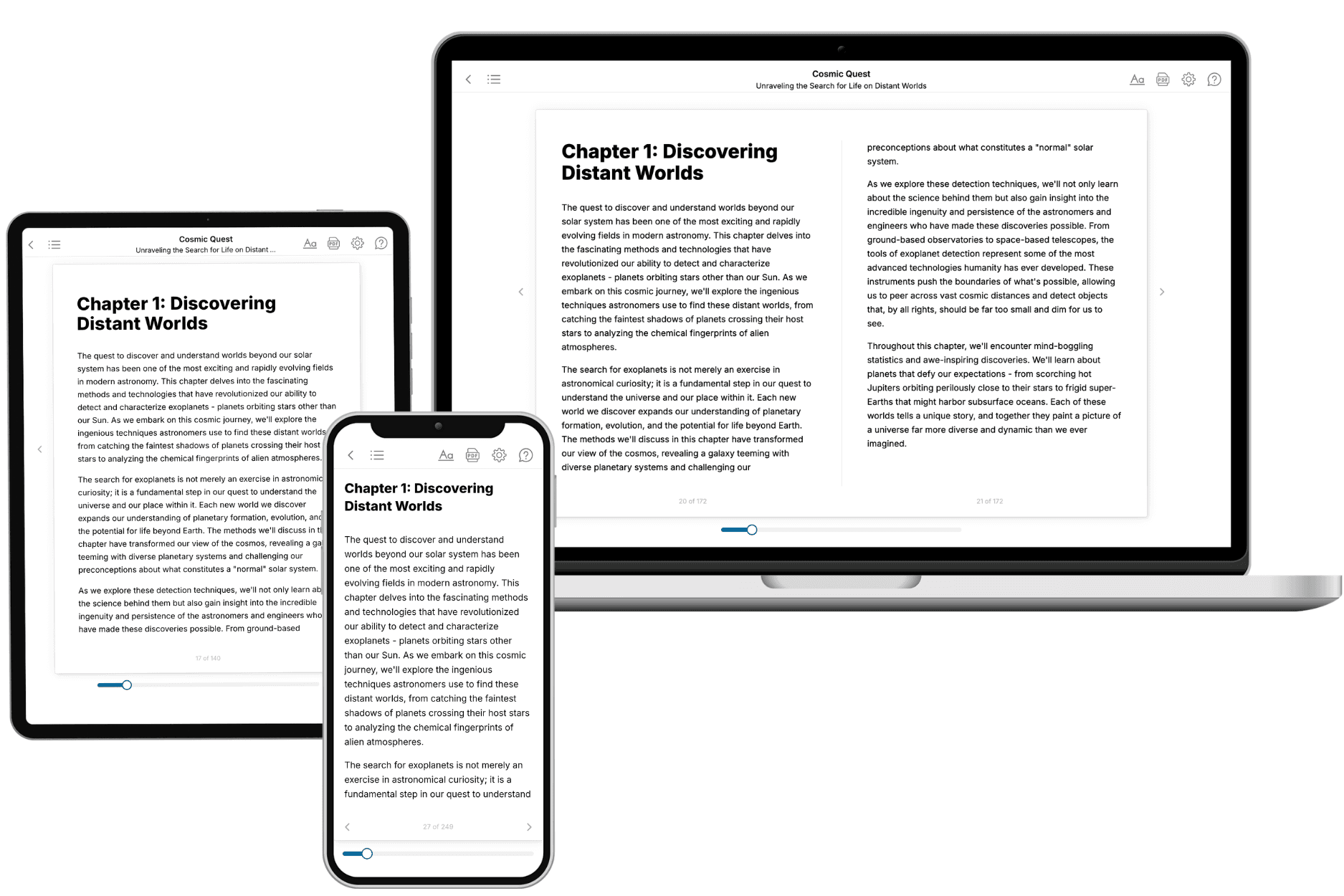
- 3. Get your tailored book
Your book is ready in 10 minutes. Read it online, download as EPUB or PDF, or send to Kindle.
Frequently asked questions
- What is TailoredRead?
TailoredRead creates complete, full-length nonfiction ebooks, written specifically for you. Tell us what you want to learn and why, and TailoredRead writes you a complete ebook on it, with charts, tables, and diagrams throughout. Read it online, on Kindle, or on any e-reader, or download it as a PDF or EPUB. Every book is written fresh the day you order it.
- How is the book tailored to me?
Before anything is written, you answer a few short questions about your goals, your background, and the topics you care about. Your book is then planned around your answers: written at your level, focused on your goals, and covering the topics you chose, instead of the one-size-fits-all book a store sells everyone.
- Will it read like generic AI content?
No. Your book isn't a chat transcript: it's planned chapter by chapter before a single word is written, told in a clear book voice, and explains ideas visually with charts, tables, and diagrams. After writing, every book goes through an editorial pass that polishes chapters so the book reads consistent from start to finish. Judge for yourself: browse thousands of sample books on our Explore Books page.
- How accurate is the content?
Our AI first checks whether your subject needs live research. Niche and fast-moving subjects are researched before writing, and the book plan and chapters are grounded in what it finds. After writing, every book goes through a quality pass that checks its facts and consistency, and researched books list their sources in a Notes section at the back.
- How long is the book?
You choose the length: Comprehensive (250-300 pages), Detailed (150-200 pages), Essential (70-100 pages), or Short (30-50 pages).
- Does the book include visuals?
Yes. Every book includes charts, tables, and diagrams: timelines, checklists, step-by-step guides, decision trees, comparison tables, matrices, and bar charts. A typical book includes dozens of these visual elements.
- Can I read it on Kindle? What formats can I download?
Yes. Every book can be read in our online reader or downloaded as a PDF or EPUB. The EPUB can be opened with Kindle, Apple Books, Kobo, and any e-reader. The Commercial and Author licenses also include an editable Word (DOCX) and Markdown download.
- How much does it cost?
About the price of a regular ebook. The exact price depends on your book's length and complexity, from $2 for the shortest books to $35 for the most comprehensive, and it's shown when you review your book, before you commit to anything. Each book is a one-time purchase, yours to keep, no subscription. Licenses that let you share, teach, or publish your book range from $35.99 to $49.99.
- Can I preview the book before purchasing?
Before you pay, you'll see what your book will cover: the title, a detailed description, the estimated length, and the complete chapter-by-chapter table of contents, so you know what you're getting before you decide. The full text itself is written after you purchase.
- How long does it take to create a book?
About 10 minutes. You can start reading the opening chapters while the rest is still being written.