Warfare Books
Explore tailored Warfare books created by our AI
Books readers created
48 Warfare books, each written for the reader who ordered it. Read its introduction, then personalize it to get a book of your own.
Shadow Tactics
The Art and Evolution of Guerrilla Warfare
You're about to dive into the shadowy world of guerrilla warfare, where unconventional tactics reshape the landscape of battle. "Shadow Tactics: The Art and Evolution of Guerrilla Warfare" takes you on a riveting exploration of the strategies that have toppled empires and rewritten military doctrine. From the dense jungles of Vietnam to the rugged mountains of Afghanistan, you'll uncover the principles that guide these elusive fighters and the profound impact they've had on global conflicts. This book doesn't just recount history; it analyzes the evolution of guerrilla tactics and their integration into modern warfare. You'll gain insights into the minds of legendary guerrilla leaders, understand the socio-political factors that fuel these conflicts, and examine how conventional forces adapt to counter these shadowy opponents. Whether you're a military professional, a history buff, or simply intrigued by the art of strategy, this book will challenge your perceptions and deepen your understanding of warfare in its most unpredictable form. Prepare to see conflict through a new lens as you master the art of guerrilla warfare.
Okinawa: The Final Battle
How the Last Major Campaign of World War II Changed Warfare Forever
Discover the full story of the Battle of Okinawa, the bloodiest battle of the Pacific War and a turning point that reshaped military strategy and world history. From April to June 1945, American and Japanese forces clashed on this small island in a brutal campaign that cost over 200,000 lives and fundamentally changed how nations wage war. This book takes you through the strategic decisions that led to the battle, the intense fighting across Okinawa's terrain, the devastating human cost to soldiers and civilians alike, and the profound consequences that rippled through the end of World War II and beyond. You'll understand why military historians consider Okinawa a watershed moment—where new tactics were forged, where the atomic bomb's use became more likely, and where the modern rules of warfare were tested. Whether you're a history student, military enthusiast, or simply seeking to understand this pivotal moment, this comprehensive account reveals how one island battle influenced the course of the twentieth century.
What if everything you thought you knew about World War I warfare was just scratching the surface of one of history's most complex military innovations? The trenches of the Western Front weren't just muddy ditches—they were sophisticated underground cities that revolutionized military strategy forever. This comprehensive exploration takes you deep into the intricate world of trench warfare, revealing how these defensive networks evolved from desperate improvisation into masterful engineering marvels that defined an entire generation of conflict. You'll discover the tactical brilliance behind trench design, from the zigzag patterns that deflected blast waves to the elaborate communication tunnels that kept armies connected beneath enemy fire. Through detailed analysis of battlefield innovations, technological breakthroughs, and strategic adaptations, you'll understand how commanders on both sides developed increasingly sophisticated methods to break the deadly stalemate of no man's land. Beyond the tactical elements, this book illuminates the human dimension of trench warfare—the daily routines, survival strategies, and psychological adaptations that enabled millions of soldiers to endure conditions that would reshape military thinking for decades to come. You'll gain insights into how weather, terrain, and logistics influenced every aspect of trench operations, and how these lessons continue to inform modern military strategy and defensive architecture.
Imagine mastering the intricate military and political landscape of Renaissance Italy—understanding not just what happened on the battlefield, but why commanders made specific tactical decisions and how political alliances shaped military outcomes. This comprehensive guide provides you with the analytical framework and detailed battle analysis necessary to understand the Italian Wars as a transformative period in military history. Through systematic examination of key campaigns including Fornovo, Cerignola, Garigliano, Marignano, Ravenna, Forlí, Bicocca, Agnadello, Pavia, and Ceresole, you'll develop expertise in Renaissance tactics, pike-and-shot formations, siege warfare, and the strategic positioning that determined territorial control. Detailed battle maps, casualty analysis, and commander strategy evaluations provide the empirical foundation for understanding how gunpowder innovation, mercenary army dynamics, and political-military coordination created the modern warfare paradigm. Whether you're conducting research, developing strategic frameworks, or seeking to understand how military innovation emerges from the intersection of technology, politics, and human leadership, this guide delivers the rigorous analysis and practical insights you need.
The D-Day invasion stands as one of history's most consequential military operations, yet many people understand only its surface details. Without a deeper grasp of the planning, strategy, and human experiences behind June 6, 1944, you miss the full scope of how this single day reshaped the world. This book provides the comprehensive account you need. You'll discover how Allied commanders orchestrated the largest amphibious assault ever attempted, how elaborate deception campaigns fooled Nazi leadership, and how ordinary soldiers faced extraordinary challenges on the beaches of Normandy. Through detailed analysis of the military strategy, technological innovations, and personal accounts, you'll understand why D-Day succeeded against formidable odds and how it became the turning point that led to Nazi Germany's defeat. Whether you're a history student, military enthusiast, or simply curious about this pivotal moment, this book delivers the insights and context that transform D-Day from a historical date into a vivid, comprehensible chapter of human history.
D-Day: The Normandy Invasion
How Operation Overlord Changed the Course of World War II
Imagine standing on the cliffs of Normandy, understanding the full scope of what happened on June 6, 1944—not just the facts, but the strategic brilliance, the human courage, and the world-changing consequences. This book takes you beyond the headlines to reveal how the D-Day invasion unfolded, why it succeeded against tremendous odds, and how it fundamentally altered the course of World War II and modern history. You'll discover the intricate planning that went into Operation Overlord, the deception campaigns that fooled German high command, the experiences of soldiers who stormed the beaches, and the ripple effects that liberated millions. Whether you're a history buff seeking deeper understanding or simply curious about one of humanity's most significant military operations, this comprehensive account combines strategic analysis with compelling human narratives to bring this pivotal moment to life.
What makes a small island in the Mediterranean the stage for some of history's most consequential military and cultural conflicts? Malta's story is not one of passive geography but of active participation in the grand struggles that defined the Mediterranean world. This comprehensive guide traces Malta's evolution from ancient Phoenician settlement through Byzantine rule, Arab occupation, Norman conquest, and the transformative era of the Knights Hospitaller. You'll explore how the Great Siege of 1565 revolutionized siege warfare, examine the devastating impact of World War II bombing campaigns, and understand the naval blockade tactics that determined Mediterranean supremacy. Through detailed analysis of fortification design, military strategy, and cultural synthesis, you'll discover how Malta's strategic positioning made it indispensable to successive empires. Whether you're interested in medieval transformation, Ottoman expansion, British colonial influence, or archaeological insights, this book provides the analytical framework to understand how geography, military innovation, and cultural resilience shaped one of the Mediterranean's most historically significant islands.
The Sky Wars
How Drones Redefined Modern Combat in the Nagorno-Karabakh Conflict
What if everything you thought you knew about modern warfare became obsolete in just 44 days? The 2020 Nagorno-Karabakh War didn't just settle a territorial dispute—it announced the arrival of a new era in military conflict where small, unmanned aircraft could neutralize tanks, artillery, and entire defensive positions with unprecedented precision and efficiency. This comprehensive analysis takes you inside the tactical revolution that unfolded in the South Caucasus, where Turkish-made Bayraktar drones and Israeli loitering munitions fundamentally altered the balance of power. You'll discover how Azerbaijan's strategic integration of drone technology overcame Armenia's traditional military advantages, creating a blueprint that military planners worldwide are now studying and adapting. Through detailed examination of combat footage, tactical deployments, and strategic decision-making, you'll understand how drone swarms coordinated with conventional forces, how real-time intelligence networks operated under combat conditions, and why traditional air defense systems proved inadequate against these new threats. The book explores the technological specifications, operational procedures, and strategic implications that made this conflict a watershed moment in military history. Beyond the immediate tactical lessons, you'll gain insight into how this conflict signals broader shifts in global military power, the democratization of precision strike capabilities, and the emerging doctrines that will shape future conflicts. Whether you're a military professional, defense analyst, or strategic studies enthusiast, this book provides the comprehensive understanding needed to grasp how the sky became the new decisive battleground.
The Battle of Camden
How a Pivotal Defeat Shaped the American Revolution
Imagine standing at a crossroads in American history where a single day's battle nearly derailed the entire Revolutionary cause. The Battle of Camden on August 16, 1780, represents one of the most consequential military engagements of the American Revolution—a moment when the young nation's independence hung in the balance. This book takes you deep into the circumstances that led to this catastrophic defeat, the personalities and decisions that shaped the battle's outcome, and the profound ripple effects that followed. Through detailed analysis of military strategy, personal accounts, and historical context, you'll discover how this pivotal moment forced the Continental Army to fundamentally rethink its approach to warfare. Whether you're a history student, a Revolutionary War enthusiast, or simply curious about the events that shaped America, this exploration of Camden reveals the complexity of military conflict and the resilience required to overcome devastating setbacks on the path to independence.
The Battle of Algiers
Urban Warfare, Colonial Conflict, and the Fight for Independence
The Battle of Algiers stands as one of history's most consequential urban conflicts, yet many struggle to understand its significance beyond the famous film. This book cuts through the complexity to reveal how a year-long struggle in Algeria's capital reshaped colonial warfare, international relations, and the future of North Africa. You'll discover how the FLN's shift to urban guerrilla tactics forced the French military to confront an enemy that couldn't be defeated through conventional means. The book examines the brutal counterinsurgency measures, the civilian toll, and the strategic miscalculations that transformed a tactical French victory into a strategic defeat. By exploring the political, military, and human dimensions of this conflict, you'll gain insight into how nationalist movements challenge imperial power and why military superiority alone cannot guarantee political victory. This is essential reading for understanding modern insurgency, colonial collapse, and the enduring consequences of the Algerian War.
What if the American Revolution had ended not with a bang, but with a whimper—a negotiated peace that left the colonies still under British rule? The Siege of Yorktown in 1781 prevented exactly that outcome. This book reveals how a desperate military gamble, an unlikely French alliance, and the strategic brilliance of George Washington combined to create the moment that secured American independence. You'll discover the intricate military maneuvers that trapped British General Cornwallis, the naval battle that changed everything, and the grueling siege that broke British resolve. Through vivid accounts of soldiers' experiences, strategic decisions, and the personalities who shaped events, you'll understand why Yorktown mattered more than any other battle of the Revolution. This is the story of how a ragtag colonial army defeated the world's greatest military power—and how one siege made it all possible.
Britain's Great War
How World War I Transformed a Nation and Shaped the Modern World
What if the alliance system that pulled Europe into war in 1914 had been different? World War I stands as one of history's most transformative yet tragic events, reshaping Britain and the entire world in ways that still echo today. This book takes you through the origins of the conflict, the brutal realities of trench warfare, and the home front mobilization that sustained Britain's four-year struggle. You'll discover how a regional crisis in the Balkans spiraled into global catastrophe, how new technologies made warfare deadlier than ever before, and how the war's aftermath created the conditions for future conflict. By understanding Britain's role in the Great War—from the initial decision to fight through the peace settlement—you'll gain insight into how modern Europe was forged in the trenches and how the decisions made between 1914 and 1918 continue to influence our world today.
Gain clarity on one of the most complex military strategies shaping global conflicts today. This book breaks down proxy warfare—how powerful nations wage conflict through intermediaries—and reveals the intricate mechanisms at work through the lens of the Nagorno-Karabakh War. You'll discover why major powers choose indirect confrontation, how regional actors become entangled in larger geopolitical games, and what role modern technology plays in these conflicts. By examining the historical tensions, strategic calculations, and international involvement that defined this pivotal conflict, you'll develop the analytical framework needed to understand similar proxy wars emerging worldwide. Whether you're studying geopolitics, military strategy, or international relations, this book equips you with concrete examples and actionable insights to interpret the hidden power dynamics reshaping our world. Move beyond surface-level news coverage to grasp the deeper forces driving contemporary warfare.
The Battle of Atlanta
Sherman's March to Victory and the Turning Point of the Civil War
Picture yourself standing at a pivotal moment in American history—July 1864, when the fate of a nation hung in the balance. The Battle of Atlanta was far more than a military engagement; it was the turning point that determined whether the Union would survive and slavery would end. This comprehensive account takes you through the strategic decisions, tactical maneuvers, and human drama that unfolded as General William Tecumseh Sherman's Union forces clashed with Confederate General John Bell Hood's desperate defense of Georgia's vital city. You'll discover how this single battle shifted the entire trajectory of the Civil War, boosted Northern morale when it mattered most, and introduced revolutionary concepts of modern warfare. Through detailed analysis of troop movements, supply lines, and command decisions, you'll understand why Atlanta's fall was inevitable and how it set the stage for Sherman's devastating March to the Sea. This is essential reading for anyone seeking to comprehend the Civil War's most consequential moments and the military innovations that shaped American conflict forever.
Canada's Lifeline Under Fire
How the Battle of the Atlantic Shaped a Nation and Won a War
The Battle of the Atlantic was the longest and most grueling campaign of World War II, yet Canada's extraordinary role in this struggle remains underappreciated. While German U-boats hunted merchant ships carrying vital supplies to Britain, Canadian naval forces—initially undermanned and under-equipped—grew into the primary defenders of transatlantic convoys. This book reveals how Canadian sailors, ships, and strategic innovations became essential to Allied survival and ultimate victory. You'll discover the technological breakthroughs that turned the tide, the tactical brilliance of Canadian commanders, and the personal stories of those who faced death in the cold Atlantic waters. From the early disasters when U-boats dominated the shipping lanes to the final defeat of the German submarine fleet, this account shows how a young nation's determination and adaptability transformed the course of the war. Whether you're interested in military history, Canadian heritage, or the human dimensions of warfare, this book illuminates a defining chapter in both Canadian and world history.
The Petersburg campaign stands as one of the Civil War's most pivotal yet often misunderstood chapters. From June 1864 to April 1865, Union and Confederate forces clashed in a grinding siege that would determine the war's outcome. This account examines the ten-month struggle through the experiences of the regiments who fought there, revealing how ordinary soldiers endured trench warfare, constant bombardment, and the psychological strain of prolonged combat. You'll discover how Grant's strategy of attrition, Lee's desperate defensive measures, and the contributions of individual units combined to create a turning point in American history. Through detailed regimental histories, tactical analysis, and personal accounts, this book illuminates why Petersburg mattered—not just militarily, but as a watershed moment that demonstrated the brutal efficiency of modern warfare and sealed the Confederacy's fate.
The Dieppe Raid
Canada's Costly Lesson in Modern Warfare
The Dieppe Raid stands as one of the most controversial and costly military operations in Canadian history. On August 19, 1942, nearly 5,000 Canadian soldiers launched an amphibious assault on the heavily fortified French port of Dieppe—a mission that would end in devastating failure. With over 900 casualties and more than 2,000 captured, the raid tested the limits of courage and exposed the harsh realities of modern warfare. This book examines the strategic decisions, tactical challenges, and human stories behind this pivotal moment. You'll discover why military leaders authorized such a dangerous operation, how soldiers faced overwhelming odds, and what lessons emerged from the tragedy. Rather than a simple tale of defeat, the Dieppe Raid became a crucible that transformed Allied military strategy and directly influenced the success of future operations. Through detailed analysis and compelling narratives, this book reveals how a single day of sacrifice reshaped warfare itself and cemented Canada's role in the Allied victory.
Minds at War
How Psychological Warfare Shaped the Winter War and Modern Conflict
The gap between understanding military history and grasping the invisible forces that truly decide conflicts remains vast. Most accounts of the Winter War focus on heroic resistance and tactical brilliance, but they miss the calculated psychological campaigns that shaped every decision, every broadcast, and every soldier's will to fight. This book reveals how Finland and the Soviet Union waged war not just with bullets and artillery, but with carefully crafted narratives, strategic deception, and systematic efforts to break enemy morale while strengthening their own. You'll discover how propaganda machines operated on both sides, how environmental psychology was weaponized in the frozen forests, and how international opinion became a battlefield as consequential as any frontline. Through detailed analysis of primary sources, military communications, and psychological operations, you'll gain insight into the methods that allowed a small nation to resist a superpower and how these same principles continue to shape conflicts today. This is the untold story of minds at war.
The French Revolutionary Wars
How Europe's Greatest Conflict Reshaped Nations and Ideologies
Discover how a financial crisis in France spiraled into a quarter-century of warfare that fundamentally transformed Europe. This comprehensive exploration takes you through the ideological fervor, military genius, and political upheaval that defined the French Revolutionary Wars from 1792 to 1815. You'll understand the economic collapse that triggered revolution, the radical ideologies that inspired armies, and the military innovations that changed warfare forever. Follow the rise of Napoleon from artillery officer to emperor, witness the coalition wars that reshaped the continent, and grasp why this conflict mattered more than any other in European history. Whether you're exploring how nations are born from revolution, studying military strategy, or understanding the roots of modern Europe, this book provides the context, analysis, and narrative you need to see how one nation's internal crisis became the defining event of an era.
Battles That Built a Nation
The Pivotal Conflicts That Shaped American Independence
Discover how a ragtag colonial militia defeated the British Empire's professional army through strategic brilliance, determination, and pivotal victories. This comprehensive guide takes you through the Revolutionary War's most consequential battles—from the opening shots at Lexington and Concord to the decisive triumph at Yorktown. You'll explore the tactical decisions, leadership choices, and human stories behind each engagement, understanding how geography, supply chains, and military innovation shaped outcomes. Learn why certain battles became turning points that shifted momentum toward independence, and how each victory or defeat influenced the war's trajectory. Whether you're a history buff seeking deeper knowledge or someone curious about how America won its freedom, this book reveals the strategic brilliance and sacrifice that forged a nation.
Discover how a small island nation faced down the most powerful military force in Europe and emerged victorious in one of history's most consequential battles. The Battle of Britain stands as a turning point in World War II—the moment when Nazi Germany's seemingly unstoppable advance was halted in the skies above England. This account takes you through the strategic calculations, technological innovations, and human courage that defined this pivotal conflict. You'll explore how the RAF's revolutionary radar systems and tactical innovations countered the Luftwaffe's numerical superiority, how political leadership shaped critical decisions, and how ordinary citizens endured the devastating Blitz. By examining the military strategies, key personalities, and broader historical context, you'll understand why this battle mattered not just for Britain, but for the entire course of European history. This is the story of how determination, innovation, and resolve changed the world.
Discover how a three-week conflict in October 1973 reshaped the Middle East and revolutionized modern warfare. The Yom Kippur War began with a stunning surprise attack that shattered Israel's sense of invulnerability and forced a dramatic military response. Through detailed analysis of the strategic decisions, tactical innovations, and human dimensions of the conflict, you'll understand how this war challenged military orthodoxy and introduced tactics still studied in war colleges today. Explore the intelligence failures that preceded the attack, the fierce battles across the Sinai and Golan Heights, and the superpower tensions that threatened to escalate the conflict beyond the region. Learn how a military stalemate ultimately created the conditions for historic peace negotiations. This account examines not just what happened, but why it mattered—revealing how one war's lessons continue to influence military strategy, intelligence analysis, and international diplomacy in the modern world.
Discover how a single morning in December 1941 transformed the United States from a reluctant observer into a global military power. This comprehensive examination of the Pearl Harbor attack goes beyond the headlines to reveal the complex geopolitical tensions, strategic miscalculations, and human stories that defined this pivotal moment in American history. You'll explore the decades of U.S.-Japan relations that made conflict inevitable, understand the military tactics and intelligence failures that left America vulnerable, and trace how this attack reshaped American foreign policy, military organization, and society for generations. From the perspectives of military leaders and ordinary sailors to the broader implications for civil liberties and international relations, this book provides the context and analysis needed to truly understand why Pearl Harbor matters. Whether you're a history student, a curious citizen, or someone seeking to understand how historical events shape national identity, you'll gain valuable insights into how one attack changed the course of American history and the world.
The Battle of the Somme stands as one of history's most devastating conflicts, yet many struggle to understand why it happened, what made it so catastrophic, and why it still matters today. This book cuts through the complexity to reveal how a single battle reshaped European history, military strategy, and national identity. You'll discover the political tensions and military miscalculations that led to the offensive, follow the experiences of soldiers across multiple nations, and explore how the Somme's unprecedented scale of destruction forced the world to reconsider warfare itself. From the trenches of northern France to the halls of power in Paris and London, this account examines both the grand strategy and the human reality of industrial-scale conflict. Whether you're interested in military history, European politics, or understanding how societies cope with catastrophic loss, this book provides the context, analysis, and narrative you need to grasp why the Somme remains a pivotal moment in human history.
Many believe the Civil War was decided by grand strategy and famous generals, but the truth is far more complex. The Battle of Shiloh, fought April 6-7, 1862, in southwestern Tennessee, shattered every assumption Americans held about their conflict. In just two days, over 23,000 soldiers fell—more casualties than in all previous American wars combined. This battle transformed the Civil War from a romantic notion of heroic combat into a grim reality of industrial-scale slaughter. Through detailed accounts of the fighting, personal narratives of soldiers and commanders, and analysis of tactical decisions, this book reveals how Shiloh changed everything. You'll discover why both armies were unprepared for what they faced, how weather and terrain shaped the outcome, and why this "victory" for the Union actually proved inconclusive. More importantly, you'll understand how Shiloh forced military leaders, politicians, and citizens to confront the war's true nature—a prolonged struggle that would demand total commitment and exact an unprecedented human cost.
Spotsylvania: The Turning Point
How One Battle Reshaped the Civil War and American History
Many believe the Civil War was decided by grand strategy and famous generals alone. The truth is far more complex. The Battle of Spotsylvania Court House in May 1864 reveals how regimental-level soldiers, officers, and commanders transformed the war's trajectory through courage, adaptation, and relentless determination. This battle marked a watershed moment when Grant's Army of the Potomac proved it could outmaneuver and outlast Lee's legendary Army of Northern Virginia. Through detailed regimental histories, you'll discover how ordinary soldiers endured some of the war's most brutal fighting, including the infamous assault on the Mule Shoe salient where thousands fell in hand-to-hand combat. You'll understand how tactical innovations, supply chain management, and the evolution of entrenchment warfare changed Civil War strategy forever. This account moves beyond traditional battle narratives to show the human experiences, strategic decisions, and long-term consequences that made Spotsylvania a pivotal moment in American history.
The Revolutionary Storm
How the Napoleonic Wars Reshaped Europe and Changed the World Forever
Many people think the Napoleonic Wars were simply about one man's ambition to conquer Europe. This common misconception overlooks the profound revolutionary forces that created Napoleon and drove two decades of unprecedented conflict across the continent. You'll discover how the French Revolution unleashed ideas and energies that could not be contained within France's borders, leading to wars that fundamentally altered European society, politics, and culture. This comprehensive exploration reveals how revolutionary ideals of liberty, equality, and nationalism spread through conquest and resistance, creating the modern European state system. Through detailed analysis of major campaigns, diplomatic maneuvering, and social transformation, you'll understand how these conflicts went far beyond traditional dynastic wars. You'll explore the military innovations that revolutionized warfare, the economic strategies that attempted to reshape global trade, and the cultural changes that awakened national consciousness across Europe. From the chaos of revolutionary France to the final defeat at Waterloo and the Congress of Vienna, you'll gain insight into how this pivotal period established patterns of international relations, legal systems, and national identities that continue to influence our world today.
The Siege of Yorktown
How America's Final Victory Secured Independence
Discover how a small colonial army and its French allies defeated the world's most powerful military empire at Yorktown in 1781. This account reveals the strategic brilliance, military coordination, and sheer determination that made this siege the turning point of the American Revolution. You'll understand how Washington's careful planning, French naval support, and Cornwallis's critical mistakes combined to create an inescapable trap. Through detailed analysis of troop movements, supply lines, and battlefield tactics, you'll see how this nine-week siege transformed a desperate struggle for independence into a path toward nationhood. Whether you're a history buff or simply curious about how America won its freedom, this book illuminates the people, decisions, and moments that changed history. Explore the human stories behind the strategy, the logistical challenges that nearly broke the siege, and the diplomatic consequences that followed. Yorktown wasn't just a military victory—it was the moment when American independence became inevitable.
The Boer Wars
Britain's Imperial Ambition and the Struggle for South African Independence
Many assume the Boer Wars were simply a straightforward British military victory over Dutch settlers in South Africa. In reality, these conflicts represent one of the most complex and consequential struggles of the 19th century—a clash that exposed the vulnerabilities of imperial power and introduced modern warfare tactics that would influence military strategy for decades. This book examines the origins of the Boer Wars, tracing how the discovery of precious minerals transformed peaceful coexistence into bitter conflict. You'll explore the military campaigns, the innovative guerrilla tactics employed by Boer forces, and the humanitarian crisis that shocked the world. Beyond the battlefields, you'll understand how these wars reshaped British imperial policy, influenced international law, and set the stage for South Africa's complex future. Whether you're studying 19th-century history, imperial politics, or the evolution of modern warfare, this comprehensive account reveals why the Boer Wars remain essential to understanding our world.
Cold Harbor's Crucible
The Pivotal Battle That Shaped the Civil War's Endgame
Immerse yourself in the heart-pounding drama of one of the Civil War's most consequential engagements. "Cold Harbor's Crucible" takes you to the front lines of this pivotal battle, where Union and Confederate forces clashed in a desperate struggle that would alter the course of American history. As you delve into the pages of this meticulously researched account, you'll witness the strategic brilliance and tragic miscalculations that defined the Battle of Cold Harbor. From the sweltering Virginia countryside to the highest echelons of military command, you'll gain unprecedented insight into the decisions that shaped the conflict and the brave men who carried them out. This gripping narrative goes beyond mere facts and figures, breathing life into the personal stories of soldiers, officers, and civilians caught in the crossfire. You'll feel the tension mount as General Ulysses S. Grant's relentless offensive meets Robert E. Lee's steadfast defense, culminating in one of the bloodiest and most controversial assaults of the entire war. "Cold Harbor's Crucible" is more than just a retelling of events; it's an invitation to understand the complexities of Civil War tactics, the human cost of conflict, and the far-reaching consequences of this crucial battle. By the time you turn the final page, you'll have gained a profound appreciation for the sacrifices made at Cold Harbor and how they continue to resonate in American history today.
Fort William Henry
The Siege That Changed America's Destiny
Imagine standing at a pivotal moment in American history where the fate of an entire continent hung in the balance. In August 1757, Fort William Henry became the stage for one of the French and Indian War's most dramatic confrontations. This book takes you inside the siege that shook colonial America to its core—from the desperate defense of the fort's garrison to the controversial surrender and its tragic aftermath. You'll discover how this single military engagement altered the course of the war, transformed colonial military strategy, and left scars on the relationship between European colonists and Native American nations. Through detailed accounts of the key figures, strategic decisions, and human experiences, you'll understand why this siege mattered then and why it still resonates in American history today. Whether you're a history buff, a student of military strategy, or simply curious about the events that shaped our nation, this comprehensive exploration reveals the complexity, drama, and lasting consequences of Fort William Henry.
Many believe World War II was decided in Europe, but the Pacific campaign was equally decisive—and it began at Guadalcanal. This battle is often overshadowed by larger operations, yet it represented America's first major offensive against Japan and fundamentally changed the trajectory of the entire war. From August 1942 to February 1943, American forces fought through dense jungle, devastating naval battles, and relentless Japanese counterattacks to secure a remote island most Americans had never heard of. This book reveals how a grueling six-month campaign transformed inexperienced American troops into a formidable fighting force, how strategic decisions shaped the outcome, and why this victory proved Japan was not invincible. Through detailed accounts of combat, leadership, logistics, and sacrifice, you'll understand how Guadalcanal became the turning point that launched America's path to victory across the Pacific and established the foundation for modern amphibious warfare.
Sherman's March to the Sea
How Total War Reshaped the American Civil War and the Nation
Many believe Sherman's March to the Sea was simply a destructive rampage by a vengeful general—but the reality is far more complex and strategically sophisticated. This campaign, stretching from Atlanta to Savannah in late 1864, fundamentally changed how wars are fought and won. Rather than a conventional military operation, Sherman pioneered total war: a strategy that recognized civilian morale and economic capacity as legitimate military targets. This book explores how a Union general transformed military strategy, the meticulous planning behind what appeared chaotic, and the profound human consequences of this approach. You'll discover why military historians consider this campaign a turning point in the Civil War, how it influenced warfare doctrine for over a century, and why it remains one of history's most debated military operations. Through detailed analysis of strategy, tactics, and firsthand accounts, this examination reveals how Sherman's March accelerated the war's conclusion while raising timeless questions about the ethics and limits of military force.
Battlefields of the Nation
Understanding the Pivotal Conflicts That Shaped America
You'll journey through the defining moments of the American Civil War, exploring the battles that determined the nation's fate. From the opening shots at Fort Sumter to the final confrontations at Appomattox, this book examines the strategic decisions, tactical innovations, and human costs that shaped each engagement. You'll discover how geography influenced battle outcomes, why certain commanders succeeded while others failed, and how technological advances transformed military tactics. Through detailed analysis of major battles like Gettysburg, Antietam, and Vicksburg, you'll understand the broader patterns of the war and how individual conflicts contributed to the Union's ultimate victory. By examining both Union and Confederate perspectives, you'll gain a balanced view of the war's complexity. This comprehensive exploration combines historical narrative with strategic analysis, revealing how the Civil War's battles established military principles still studied today.
Discover how a small force of Greek warriors held back the mightiest empire the world had ever seen and saved Western civilization in the process. The Battle of Thermopylae stands as history's most famous last stand, where King Leonidas and his 300 Spartans, alongside their Greek allies, faced impossible odds against Xerxes' massive Persian invasion force. You'll explore the intricate political landscape of ancient Greece, the military genius behind Spartan warfare, and the strategic brilliance that turned a narrow mountain pass into an impregnable fortress. Through detailed analysis of ancient sources and modern archaeological evidence, you'll understand how this three-day battle became far more than a military engagement—it became the foundation of Western ideals about courage, sacrifice, and resistance to tyranny. This comprehensive examination reveals the true scope of the conflict, from the diplomatic maneuvering that preceded the battle to the lasting impact on Greek morale that led to ultimate victory over the Persian Empire. You'll gain insight into the warriors who fought, the tactics they employed, and the cultural forces that made their sacrifice both necessary and transformative. The story of Thermopylae continues to inspire leaders, soldiers, and citizens today because it demonstrates how principles and determination can triumph over seemingly insurmountable challenges, making it one of history's most enduring lessons in courage and strategic thinking.
Turning Point on the Thames
The Battle That Shaped Canada's Destiny in the War of 1812
Many believe the War of 1812 was a minor conflict with little significance for Canada. Nothing could be further from the truth. The Battle of the Thames stands as a pivotal moment that shaped the future of a nation. "Turning Point on the Thames" takes you to the heart of this crucial engagement, where the fate of British North America hung in the balance. You'll witness the clash of armies, the fall of the legendary Tecumseh, and the far-reaching consequences that rippled through history. This book goes beyond mere facts and dates, immersing you in the strategic decisions, personal stories, and cultural impacts that made the Battle of the Thames a defining moment in Canadian history. You'll gain a newfound appreciation for the complexities of early 19th-century warfare and the delicate balance of alliances that influenced the outcome. By the time you finish this journey through time, you'll understand why the Battle of the Thames deserves its place among the most significant events in the formation of modern Canada. This isn't just a retelling of a battle – it's an exploration of a nation's identity forged in the crucible of conflict.
The Continental Army
From Ragged Militia to Revolutionary Force
Discover how a ragtag collection of colonial militia became the fighting force that defeated the British Empire. This book traces the Continental Army's remarkable transformation from its chaotic beginnings in 1775 to its triumphant conclusion in 1783. You'll explore the strategic decisions, leadership challenges, and human struggles that defined the Revolutionary War. Learn how George Washington forged discipline from chaos, how soldiers endured impossible conditions, and how foreign alliances proved decisive. Through detailed accounts of key battles, winter encampments, and organizational reforms, you'll understand the military innovations and tactical adaptations that made American independence possible. This comprehensive guide reveals the Continental Army not as a mythical force, but as a real organization of flawed leaders and determined soldiers who persevered against overwhelming odds. Perfect for history students and anyone seeking to understand the military foundations of the United States.
Proxy Wars
How the Cold War Was Fought Without Direct Confrontation
The Cold War never became hot between the United States and Soviet Union, yet millions died in conflicts across the globe. The obstacle you face in understanding this era is that traditional Cold War narratives often overlook the crucial role of proxy wars—conflicts where superpowers armed and supported local combatants to advance their interests without direct confrontation. This book reveals how nuclear weapons paradoxically made indirect warfare the dominant strategy of the Cold War, transforming regional conflicts into battlegrounds for ideological supremacy. You'll discover why Korea, Vietnam, Afghanistan, Angola, and Nicaragua became proxy battlefields, how American and Soviet strategies differed, and what role local actors played in shaping these conflicts. By examining declassified documents, firsthand accounts, and historical analysis, this book demonstrates how proxy wars reshaped global politics, created lasting instability, and established patterns of intervention that continue influencing international relations today. Whether you're a history student, policy professional, or engaged citizen, understanding proxy wars is essential to comprehending both Cold War history and contemporary geopolitical tensions.
Marston Moor
The Battle That Changed England's Destiny
Discover how a single day of combat in Yorkshire fundamentally altered the course of English history. The Battle of Marston Moor stands as the English Civil War's most decisive engagement, where Parliamentary and Scottish forces defeated the Royalist army in a clash that would determine whether England would remain an absolute monarchy or evolve toward constitutional governance. This comprehensive account examines the military strategies, personalities, and political stakes that converged on July 2, 1644. You'll explore the innovative cavalry tactics that proved decisive, understand the complex alliance between English and Scottish forces, and trace how this victory enabled Parliament to consolidate power and ultimately reshape the nation. Through detailed analysis of troop movements, commander decisions, and the battle's immediate and long-term consequences, you'll gain insight into how military conflict directly shaped political transformation. Whether you're studying the English Civil War, interested in military history, or seeking to understand the foundations of modern British governance, this book reveals why Marston Moor remains one of history's most consequential battles.
The Six Day War
How Six Days Reshaped the Middle East and Changed History
Imagine understanding the pivotal moment that redrew the map of the Middle East and set the stage for decades of conflict and negotiation. The Six Day War of 1967 was a transformative military conflict that lasted just 144 hours but fundamentally altered the geopolitical landscape of the region and the world. This book provides a comprehensive, balanced examination of the war's origins, the military campaigns that unfolded, and the profound consequences that continue to shape international relations today. You'll explore the political tensions and miscalculations that made war inevitable, the strategic decisions that determined its rapid outcome, and how territorial acquisitions created the foundation for ongoing disputes. Through detailed analysis of military operations, diplomatic efforts, and human experiences, you'll gain insight into how this brief conflict became one of history's most consequential wars. Whether you're studying Middle Eastern history, international relations, or seeking to understand the roots of contemporary geopolitical tensions, this book offers the context and clarity needed to comprehend this pivotal moment and its lasting legacy.
Many believe the Battle of Bunker Hill was a straightforward British victory with little significance beyond a single engagement. In reality, this June 1775 battle fundamentally altered the trajectory of the American Revolution. What began as a hastily constructed earthwork on Breed's Hill became the crucible where colonial militia proved they could inflict devastating casualties on the world's most powerful military force. This account explores the strategic decisions, logistical challenges, and human drama that unfolded across the Charlestown Peninsula. You'll discover how ammunition shortages shaped tactical doctrine, why the British paid such a terrible price for victory, and how this single battle transformed colonial confidence and recruitment. Through detailed analysis of troop movements, leadership decisions, and eyewitness accounts, this book reveals how an unplanned engagement became a turning point that demonstrated American forces could compete with professional soldiers, ultimately strengthening the resolve for independence.
The Falklands War
Britain's South Atlantic Conflict and the Struggle for Empire
Many assume the Falklands War was simply a minor territorial dispute between two distant nations. In reality, this 1982 conflict was a pivotal moment that reshaped international relations, military strategy, and the political futures of two nations. This book reveals how economic crisis and nationalist fervor in Argentina led to an invasion that Britain could not ignore, and how a small island chain became the stage for a modern naval war. You'll discover the strategic decisions that determined victory, the human stories behind the statistics, and how this brief but intense conflict established precedents that still influence global politics today. From the political calculations in Buenos Aires and London to the experiences of soldiers on the front lines, this account examines every dimension of the war—its origins, its conduct, and its profound consequences. Whether you're interested in military history, geopolitics, or understanding how nations respond to aggression, this book provides the context and analysis you need to grasp why the Falklands War matters.
The winter of 1944 brought the largest and bloodiest battle fought by American forces in World War II. In the snow-covered forests of the Ardennes, over a million soldiers clashed in a desperate struggle that would determine the fate of Western Europe. This book takes you deep into the strategic calculations, tactical decisions, and human experiences that defined this pivotal moment in history. You'll discover how Hitler conceived his audacious plan to split the Allied armies, why Allied intelligence failed to detect the massive German buildup, and how ordinary soldiers endured extraordinary conditions to hold critical positions. Through careful analysis of command decisions, battlefield tactics, and personal accounts, you'll gain insight into what made this battle a turning point. From the initial shock of the German assault to the heroic defense of Bastogne, from the clearing skies that brought Allied airpower to bear to the final German retreat, you'll understand not just what happened, but why it mattered. This comprehensive examination reveals how the Battle of the Bulge exhausted Germany's last reserves and set the stage for Allied victory in Europe.
Blood and Ideals
The Spanish Civil War and the Battle for Europe's Soul
What if a single conflict could serve as a mirror reflecting all the tensions, ideologies, and contradictions of an entire continent on the brink of catastrophe? The Spanish Civil War of 1936-1939 was far more than a national tragedy—it was Europe's dress rehearsal for the ideological warfare that would soon engulf the world. This comprehensive examination takes you beyond the familiar narratives of left versus right to explore the complex web of social, cultural, and political forces that tore Spain apart. You'll discover how ancient regional rivalries, religious tensions, and class conflicts created the perfect storm for civil war, while international powers used Spanish soil as a testing ground for the weapons and tactics they would soon deploy on a global scale. Through careful analysis of primary sources, personal accounts, and historical evidence, you'll gain insight into how this conflict shaped not only Spain's future but influenced the course of European history for generations. From the streets of Madrid to the battlefields of Catalonia, from the art of Picasso to the writings of Orwell, you'll explore how the war's impact extended far beyond military victories and defeats. By the end, you'll understand why the Spanish Civil War remains one of history's most studied conflicts and how its lessons continue to resonate in our understanding of democracy, extremism, and the fragility of civil society.
Discover how a single maritime disaster reshaped the course of world history. On May 7, 1915, the RMS Lusitania sank off the Irish coast, killing nearly 1,200 people and shocking the world. This book examines the events leading to that fateful day, the immediate aftermath, and the profound consequences that rippled across continents and decades. You'll understand the military strategies behind Germany's submarine campaign, the geopolitical tensions that made the sinking so consequential, and how public reaction to the tragedy accelerated America's path toward entering World War I. Through detailed historical analysis and compelling narratives, you'll explore the complex questions the sinking raised about civilian casualties, maritime law, and the ethics of modern warfare. Whether you're a history student, a World War I enthusiast, or simply curious about pivotal moments that changed history, this book provides the context, evidence, and perspective needed to fully grasp why the Lusitania matters today.
Tobruk: The Desert Fortress
240 Days That Shaped the North African Campaign
The relentless desert sun beats down on the besieged port of Tobruk as Axis forces encircle the city, determined to break the will of its defenders. You're about to dive into the heart of one of World War II's most grueling and pivotal sieges. "Tobruk: The Desert Fortress" takes you to the front lines of this extraordinary 240-day stand against overwhelming odds. Through vivid narratives and meticulous research, you'll experience the daily struggles of the Allied soldiers who earned the nickname "Rats of Tobruk" for their tenacity in the face of constant bombardment and dwindling supplies. Discover how this small Libyan port became a linchpin in the North African campaign, its defense buying crucial time for the Allies and frustrating Rommel's grand strategy. You'll gain insights into the tactical innovations born of necessity, the leadership decisions that shaped the siege's outcome, and the human stories of courage and resilience that defined this epic confrontation. From the initial assault to the final relief, this book offers a comprehensive exploration of the Siege of Tobruk's military significance and its lasting impact on the course of World War II. Prepare to be transported to the scorching battlefields of North Africa, where the fate of nations hung in the balance and ordinary men became extraordinary heroes.
First Blood
The Battle of Bull Run and the Awakening of the American Civil War
Many assume the Civil War's opening battle was a minor skirmish quickly forgotten. In reality, the Battle of Bull Run on July 21, 1861, was a watershed moment that shattered Northern confidence and revealed the true scale of the conflict ahead. This book examines how two armies collided near a small Virginia stream, why both commanders misjudged their opponents, and how a chaotic day of fighting transformed American understanding of war itself. You'll discover the political pressures that rushed unprepared troops into battle, the tactical decisions that determined the outcome, and the profound consequences that rippled through the next four years of conflict. Through detailed analysis of commanders, soldiers, and strategy, this account shows how Bull Run exposed the inadequacy of prewar assumptions and forced both North and South to prepare for a far longer and bloodier struggle than anyone had anticipated.
The Atomic Gamble
How Nuclear Weapons Shaped the Cold War and Defined Modern America
Discover how nuclear weapons transformed American power and global politics during the Cold War. This book takes you through the pivotal moments, strategic decisions, and technological breakthroughs that made nuclear weapons central to US foreign policy. You'll understand why leaders chose deterrence over disarmament, how the arms race escalated despite mutual fears, and what role nuclear weapons played in defining American supremacy. From the Manhattan Project's aftermath to arms control treaties, explore the complex interplay between military strategy, political ideology, and scientific innovation. Learn how nuclear proliferation created both unprecedented security challenges and paradoxical stability. This comprehensive examination reveals how decisions made in the 1940s-1980s continue to shape international relations today, offering essential context for understanding modern nuclear tensions and the enduring legacy of Cold War nuclear strategy.
Related books you may like:
Embark on a captivating journey through one of the most pivotal moments in British history with "1066: The Year That Changed England." This meticulously researched account of the Battle of Hastings offers you a front-row seat to the events that reshaped the course of European history. Delve into the complex web of political intrigue, military strategy, and cultural shifts that led to this momentous clash. You'll gain a deep understanding of the key players - William the Conqueror, Harold Godwinson, and Harald Hardrada - and the high-stakes game of thrones they played. Through vivid storytelling and expert analysis, you'll experience the tension of the battlefield, the clash of Anglo-Saxon and Norman cultures, and the far-reaching consequences of William's victory. Discover how this single event transformed England's language, laws, and social structure, leaving an indelible mark on the nation's identity. Whether you're a history buff or simply curious about this transformative period, this book offers fresh insights and a comprehensive overview that will enrich your understanding of medieval Europe and the foundations of modern Britain.
Many assume the French Revolution ended in 1799 with Napoleon's rise to power. In reality, the struggle for democracy and social justice continued to convulse France throughout the nineteenth century. The 1848 Revolution represents a pivotal moment when ordinary people—workers, students, intellectuals, and the poor—rose up against an entrenched monarchy and demanded fundamental change. This book explores the dramatic events of that revolutionary year, from the February uprising that toppled King Louis-Philippe to the violent June Days that exposed the revolution's internal contradictions. You'll discover how economic crisis, industrial transformation, and competing political ideologies collided to reshape not just France, but the entire European continent. Through vivid narratives and careful analysis, this account reveals why 1848 mattered then and why its lessons remain relevant today for understanding how societies change, how revolutions succeed and fail, and how the pursuit of liberty continues to define our world.
Discover how a single year transformed global history and set the stage for the modern world. The Russian Revolutions of 1917 were pivotal moments that toppled an empire, established the first communist state, and triggered consequences that rippled across the entire 20th century. This book walks you through the complex web of causes—from centuries of imperial rule and industrialization to the devastating impact of World War I—that made revolution possible. You'll explore the dramatic events of both the February and October revolutions, meet the key figures who shaped these upheavals, and understand how ordinary Russians experienced these extraordinary times. Beyond the headlines and heroic narratives, you'll examine the real economic hardships, military failures, and social tensions that drove millions to support radical change. This comprehensive account reveals why 1917 matters today, how it reshaped global politics and ideology, and what it teaches us about revolution, power, and historical change. Whether you're a history student, curious learner, or someone seeking to understand the roots of modern geopolitics, this book provides the context and clarity needed to grasp one of history's most consequential moments.
Discover the pivotal events and complex forces that shaped one of the 20th century's most consequential moments. This comprehensive examination takes you through the centuries of Jewish diaspora, the rise of Zionism, and the dramatic final years leading to Israel's establishment in 1948. You'll understand how the Holocaust transformed international politics, why the British Mandate created irreconcilable tensions, and how the UN Partition Plan became a flashpoint for conflict. Through careful analysis of key figures, military campaigns, and political negotiations, you'll gain insight into how a new nation emerged from centuries of displacement and persecution—while grappling with the displacement of another people. This book presents the historical evidence, competing narratives, and lasting consequences of 1948, enabling you to understand not just what happened, but why it matters for the modern Middle East and global politics today.
Most people think the Norman Conquest was simply a military victory that happened in a single day. In reality, 1066 marked the beginning of a decades-long transformation that would fundamentally reshape English society, language, and identity. This book reveals how William the Conqueror's invasion wasn't inevitable—it emerged from a disputed succession, political intrigue, and the ambitions of ambitious leaders. Beyond the famous Battle of Hastings, you'll discover how Norman rulers consolidated power through feudalism, how the French language permanently altered English, and how a new ruling class gradually integrated with the existing population. Through vivid storytelling and careful analysis, you'll understand how this single conquest rippled across centuries, influencing everything from English law and governance to the very words we speak today. Whether you're exploring medieval history for the first time or deepening your existing knowledge, this book illuminates why 1066 remains one of history's most consequential moments—and how its effects continue to shape our world.
Create a Warfare Book Tailored to You
Create an AI-crafted book tailored to your goals, interests, and background






Benefits of AI-tailored books
- Read one book, not ten:
- all the Warfare knowledge you need, gathered into a single book.
- Save days of learning:
- tell us your goals, choose your topics, and the whole book is built around them.
- Learn effortlessly:
- Warfare book written for your specific background and expertise.
- Understand at a glance:
- includes charts, tables, timelines, checklists, decision trees, and more.
- Stay current:
- written the day you order it, not years ago.
- Trust what you read:
- every book is checked for accuracy, with real research when your subject needs it.
Create your unique book in 3 steps
- 1. Select your focus
Select the focus of your Warfare book and share your background
- 2. Personalize your book
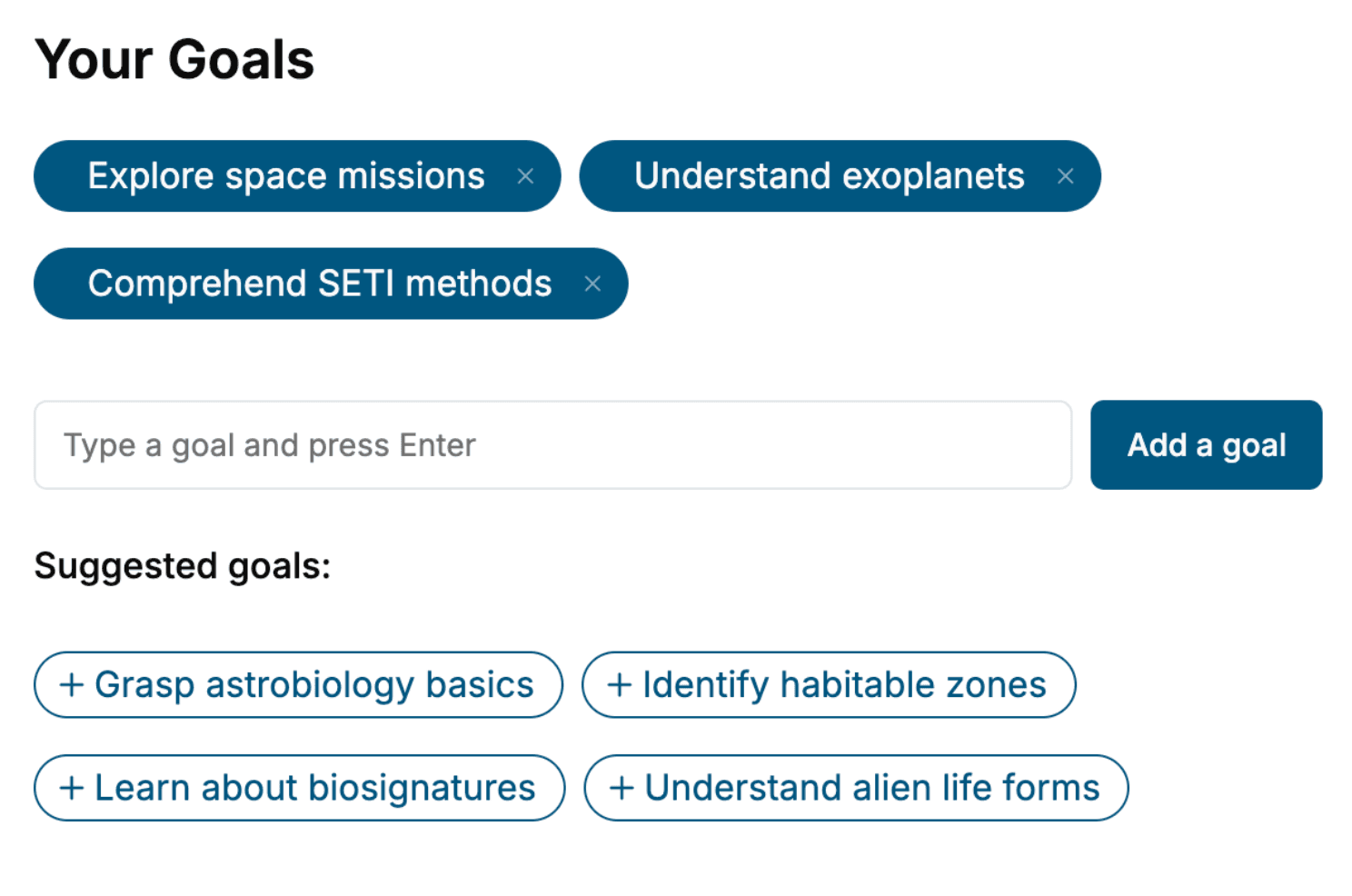
Specify your goals and choose sub-topics to include
- 3. Get your tailored book
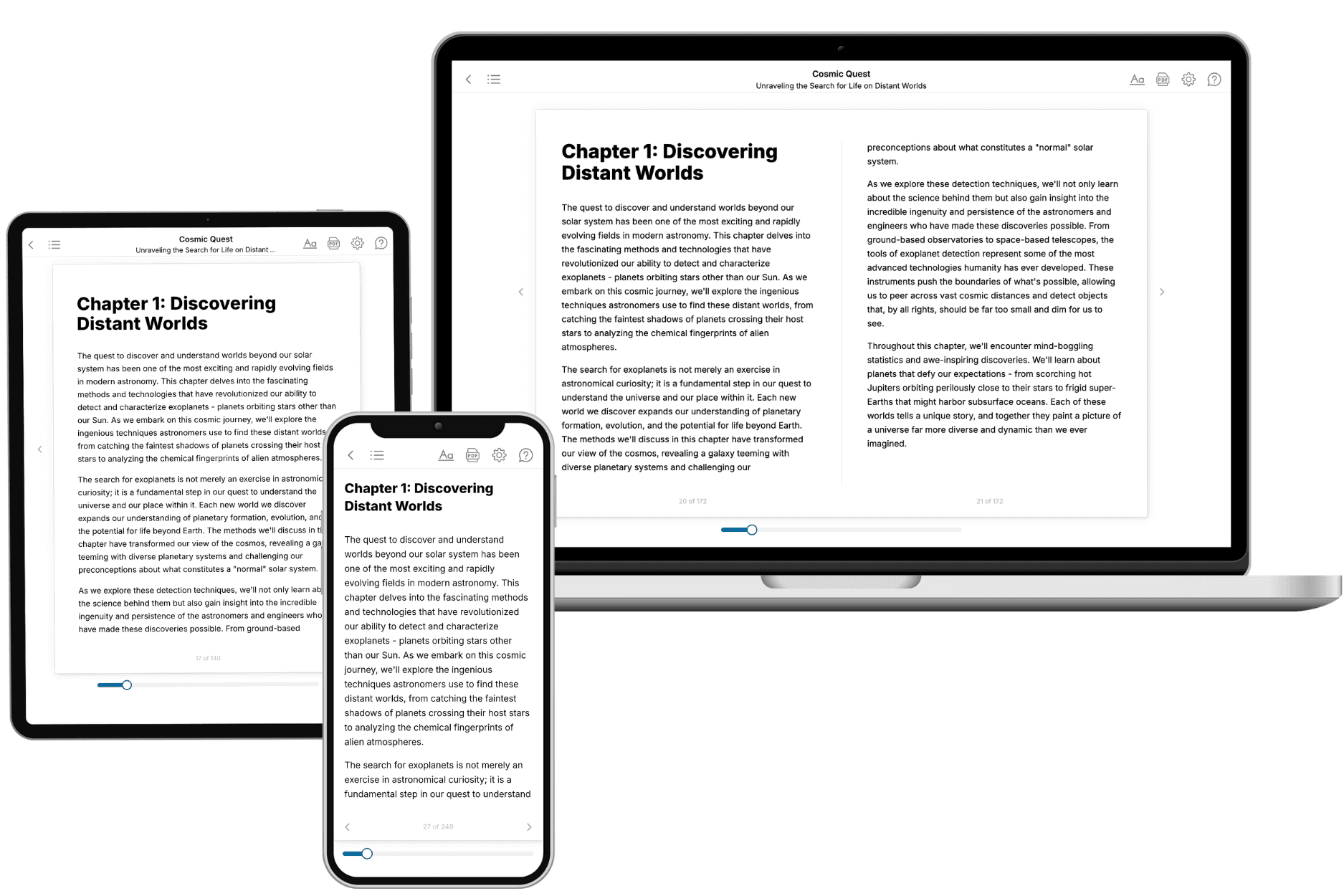
Your book is ready in 10 minutes. Read it online, download as EPUB or PDF, or send to Kindle.

Start from a template
Frequently asked questions
- What is TailoredRead?
TailoredRead creates complete, full-length nonfiction ebooks, written specifically for you. Tell us what you want to learn and why, and TailoredRead writes you a complete ebook on it, with charts, tables, and diagrams throughout. Read it online, on Kindle, or on any e-reader, or download it as a PDF or EPUB. Every book is written fresh the day you order it.
- How is the book tailored to me?
Before anything is written, you answer a few short questions about your goals, your background, and the topics you care about. Your book is then planned around your answers: written at your level, focused on your goals, and covering the topics you chose, instead of the one-size-fits-all book a store sells everyone.
- Will it read like generic AI content?
No. Your book isn't a chat transcript: it's planned chapter by chapter before a single word is written, told in a clear book voice, and explains ideas visually with charts, tables, and diagrams. After writing, every book goes through an editorial pass that polishes chapters so the book reads consistent from start to finish. Judge for yourself: browse thousands of sample books on our Explore Books page.
- How accurate is the content?
Our AI first checks whether your subject needs live research. Niche and fast-moving subjects are researched before writing, and the book plan and chapters are grounded in what it finds. After writing, every book goes through a quality pass that checks its facts and consistency, and researched books list their sources in a Notes section at the back.
- How long is the book?
You choose the length: Comprehensive (250-300 pages), Detailed (150-200 pages), Essential (70-100 pages), or Short (30-50 pages).
- Does the book include visuals?
Yes. Every book includes charts, tables, and diagrams: timelines, checklists, step-by-step guides, decision trees, comparison tables, matrices, and bar charts. A typical book includes dozens of these visual elements.
- Can I read it on Kindle? What formats can I download?
Yes. Every book can be read in our online reader or downloaded as a PDF or EPUB. The EPUB can be opened with Kindle, Apple Books, Kobo, and any e-reader. The Commercial and Author licenses also include an editable Word (DOCX) and Markdown download.
- How much does it cost?
About the price of a regular ebook. The exact price depends on your book's length and complexity, from $2 for the shortest books to $35 for the most comprehensive, and it's shown when you review your book, before you commit to anything. Each book is a one-time purchase, yours to keep, no subscription. Licenses that let you share, teach, or publish your book range from $35.99 to $49.99.
- Can I preview the book before purchasing?
Before you pay, you'll see what your book will cover: the title, a detailed description, the estimated length, and the complete chapter-by-chapter table of contents, so you know what you're getting before you decide. The full text itself is written after you purchase.
- How long does it take to create a book?
About 10 minutes. You can start reading the opening chapters while the rest is still being written.